
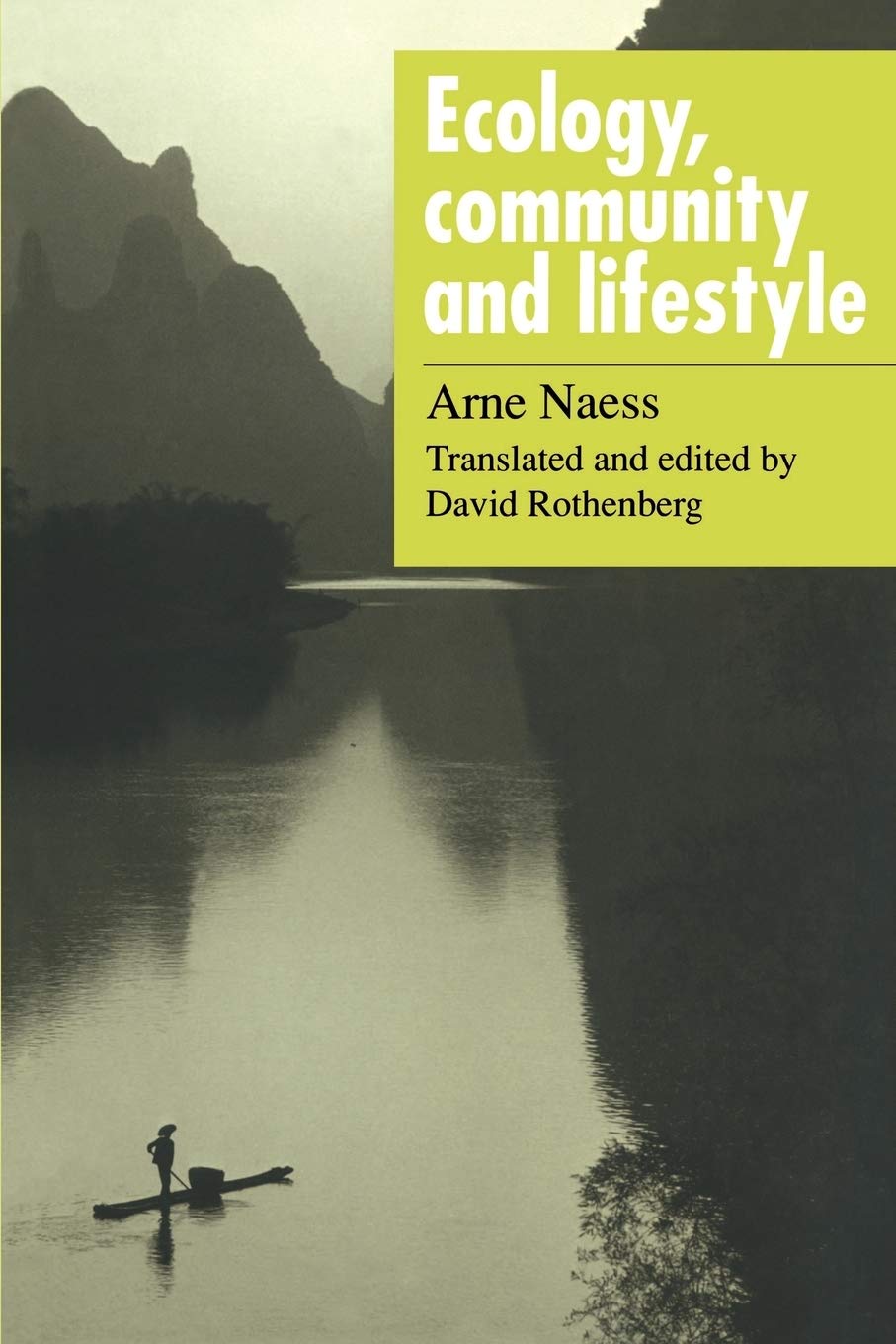
Ecology, Community and Lifestyle: Outline of an Ecosophy by Arne Naess – A Deep Ecology Philosophy Classic for Environme
Inclusive of all applicable taxes. FREE shipping on all orders.
Available Offers
- 🚚Free Delivery — Free shipping on all orders
- 💵Cash on Delivery — Pay when your order arrives
- ↩️15-Day Easy Returns — Hassle-free return policy
- 🔒Cash on Delivery — Pay safely when your order arrives
Check Delivery
Product Description
Introduction
In an era marked by deepening ecological crises and a growing disconnect between humanity and the natural world, Arne Naess's Ecology, Community and Lifestyle: Outline of an Ecosophy emerges as a timeless philosophical guide. This seminal work, published by Cambridge University Press, invites readers to rethink the very foundations of how we perceive nature, our place within it, and the ethical choices we must make. For Indian students, environmentalists, and thinkers, this book offers a profound framework to address the pressing environmental challenges of our time—from deforestation to climate change—by grounding action in deep ecological principles.
Book Overview
First published in 1989 and now available in a premium hardcover edition, this book is a cornerstone of environmental philosophy. Naess, the founder of the deep ecology movement, argues that environmental problems cannot be solved through superficial technological fixes or policy tweaks alone. Instead, he insists that lasting change requires a fundamental shift in human values and worldview. The book systematically outlines an 'ecosophy'—a personal, evolving philosophy that integrates ecological wisdom with daily living. It challenges readers to move beyond anthropocentrism and embrace the intrinsic worth of all living beings.
Key Highlights
- Foundational Text: One of the most influential works in environmental philosophy, introducing the concept of 'deep ecology' to a global audience.
- Practical Philosophy: Bridges abstract theory with actionable lifestyle changes, encouraging readers to develop their own ecosophy.
- Indian Relevance: Resonates deeply with traditional Indian concepts of ahimsa, interconnectedness, and reverence for nature.
- Authoritative Publisher: Published by Cambridge University Press, ensuring academic rigour and credibility.
- Hardcover Edition: A durable, beautifully bound volume ideal for libraries, classrooms, and personal collections.
Inside the Book
The book is structured as a rigorous yet accessible exploration of ecological thought. Naess begins by critiquing the shallow environmentalism that dominates mainstream discourse, then builds a case for a deeper, more holistic approach. He introduces key concepts such as 'self-realization'—expanding the self to include all life forms—and 'biospherical egalitarianism', the idea that all species have an equal right to flourish. Through clear arguments and vivid examples, he shows how these principles can guide personal choices, community living, and even political action. The text is enriched with diagrams and classifications that make complex ideas easy to grasp.
Key Topics
- Deep Ecology vs. Shallow Ecology: Understanding the difference between reformist and radical environmentalism.
- Ecosophy T: Naess's own personal ecosophy, based on the maxim 'Live and let live'.
- Self-Realization: A spiritual and psychological journey toward identifying with all of nature.
- Biospherical Egalitarianism: The ethical principle that all life forms have intrinsic value.
- Community and Lifestyle: Practical implications for how we organize societies and live daily lives.
- Environmental Ethics: Moving beyond human-centred morality to an Earth-centred ethic.
Reader Benefits
By reading this book, you will gain a deeper understanding of the philosophical roots of the environmental movement. It empowers you to critically evaluate environmental policies and personal habits. You will learn to articulate a coherent worldview that respects nature while addressing human needs. The book also provides mental tools to navigate ethical dilemmas in conservation, urban planning, and resource use. For students, it offers a solid foundation for academic work in environmental studies, philosophy, and ecology.
Learning Outcomes
- Develop a clear understanding of deep ecology and its core principles.
- Learn to construct your own personal ecosophy based on reasoned values.
- Gain the ability to critique shallow environmentalism and identify its limitations.
- Enhance your capacity for ethical reasoning in environmental conflicts.
- Appreciate the interconnectedness of ecological health, community well-being, and personal lifestyle choices.
Who Should Read
This book is essential for students and scholars of philosophy, environmental science, sociology, and political science. It is equally valuable for activists, policy makers, and educators who seek a deeper philosophical grounding for their work. The general reader with an interest in nature, spirituality, or sustainable living will find it deeply inspiring. Indian readers, in particular, will appreciate how Naess's ideas echo the wisdom of ancient traditions while offering modern solutions.
About the Author
Arne Naess (1912–2009) was a Norwegian philosopher, mountaineer, and the founder of the deep ecology movement. A professor of philosophy at the University of Oslo, Naess was deeply influenced by Spinoza, Gandhi, and Buddhist thought. He combined academic rigour with a passionate commitment to environmental activism. His work has inspired generations of environmentalists worldwide and continues to shape ecological discourse.
About the Publisher
Cambridge University Press is one of the world's oldest and most prestigious academic publishers. Founded in 1534, it is renowned for its commitment to scholarly excellence and the dissemination of knowledge across disciplines. This hardcover edition reflects the Press's dedication to producing high-quality, durable books that stand the test of time.
Conclusion
Ecology, Community and Lifestyle is not just a book—it is an invitation to rethink your relationship with the Earth. In a country like India, where ancient ecological wisdom meets modern environmental challenges, Naess's ecosophy offers a path forward that is both intellectually satisfying and practically transformative. Whether you are a student, a professional, or a curious reader, this book will change the way you see the world and your role in it. Add this essential volume to your library today from Bookshops.in and embark on a journey toward a deeper, more meaningful connection with life.
Quick Summary
Ecology, Community and Lifestyle: Outline of an Ecosophy by Arne Naess is a seminal work in environmental philosophy that lays the foundation for the deep ecology movement. Naess argues that environmental crises are fundamentally value-based problems requiring humans to recognize the intrinsic worth of all life forms, not just their utility to humanity. The book introduces the concept of 'ecosophy' – a personal ecological philosophy that integrates wisdom about nature with one's lifestyle and community choices. Readers will learn to develop their own set of deep ecological principles, moving beyond shallow environmentalism to a holistic worldview that emphasizes self-realization through identification with the natural world. This book is ideal for students of philosophy, ecology, and environmental science, as well as activists and general readers seeking a meaningful framework for sustainable living. By purchasing from Bookshops.in, Indian readers gain access to a premium hardcover edition from Cambridge University Press, ensuring a lasting addition to their library. Naess's work remains profoundly relevant today, offering timeless insights for addressing India's unique environmental challenges with wisdom and compassion.
Book Highlights
Book Specifications
| ISBN-13 | 9780521348737 |
| ISBN-10 | 0521348730 |
| Publisher | Cambridge University Press |
| Language | English |
| Dimensions | 15.24 x 1.52 x 22.86 cm |
| Weight | 295 g |
| Country | India |
| Category | Civil Engineering › Ecology & Environment |
| Genre | Non-fiction |
| Original Language | English |
Frequently Asked Questions
What is the main idea of Ecology, Community and Lifestyle?
Who is Arne Naess?
What does 'ecosophy' mean in this book?
Is this book suitable for beginners in philosophy?
How does this book relate to environmental ethics?
What are the key concepts I will learn?
Why is this book important for Indian readers?
Is this a textbook or a general read?
Does the book offer practical advice?
What is the difference between shallow and deep ecology?
Can I use this for my university course?
Is the language easy to understand?
Where can I buy this book in India?
Readers Also Search For
Customers Also Bought
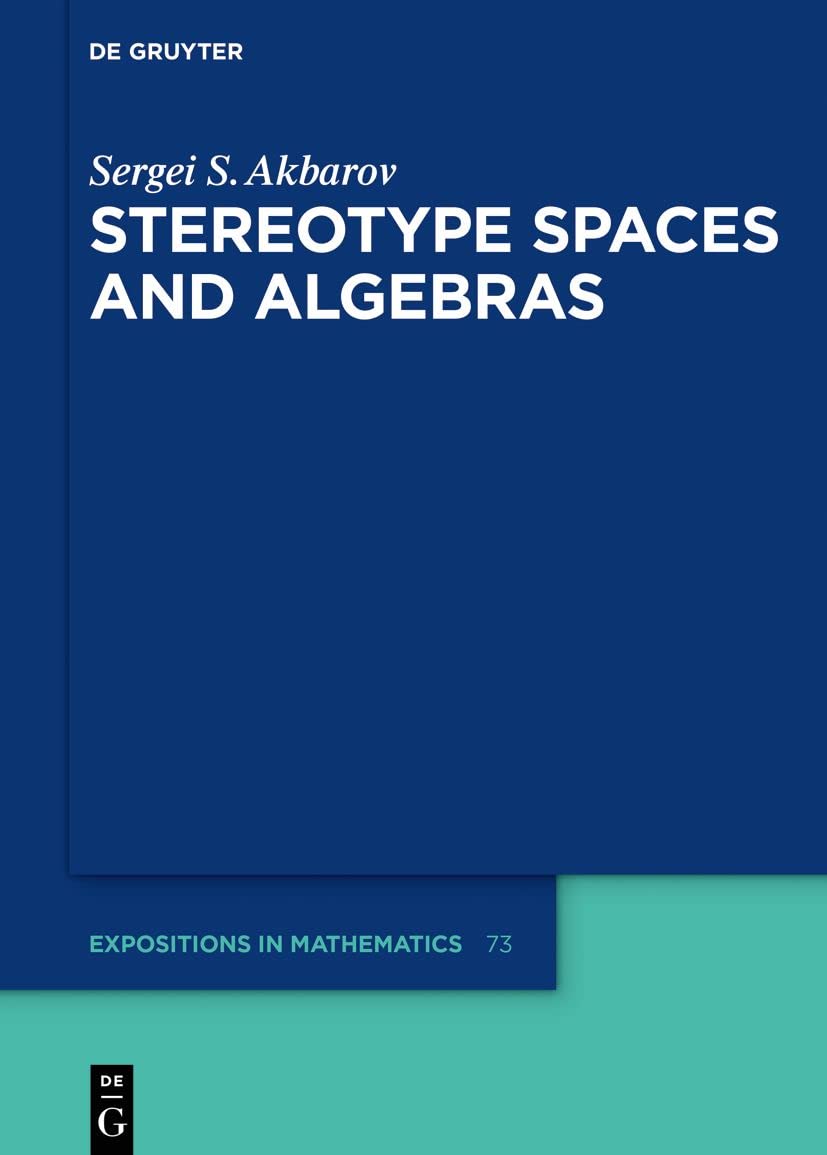
Mathematics
Stereotype Spaces and Algebras: 73 (De Gruyter Expositions in Mathematics, 73)

Mathematics
Semigroups in Algebra, Geometry and Analysis: 20 (De Gruyter Expositions in Mathematics, 20)

Mathematics
Geometry from the Pacific Rim: Proceedings of the Pacific Rim Geometry Conference held at National University of Singapore, Republic of Singapore, ... 1994 (De Gruyter Proceedings in Mathematics)

Mathematics
First International Tainan-Moscow Algebra Workshop: Proceedings of the International Conference held at National Cheng Kung University Tainan, Taiwan, ... 1994 (De Gruyter Proceedings in Mathematics)
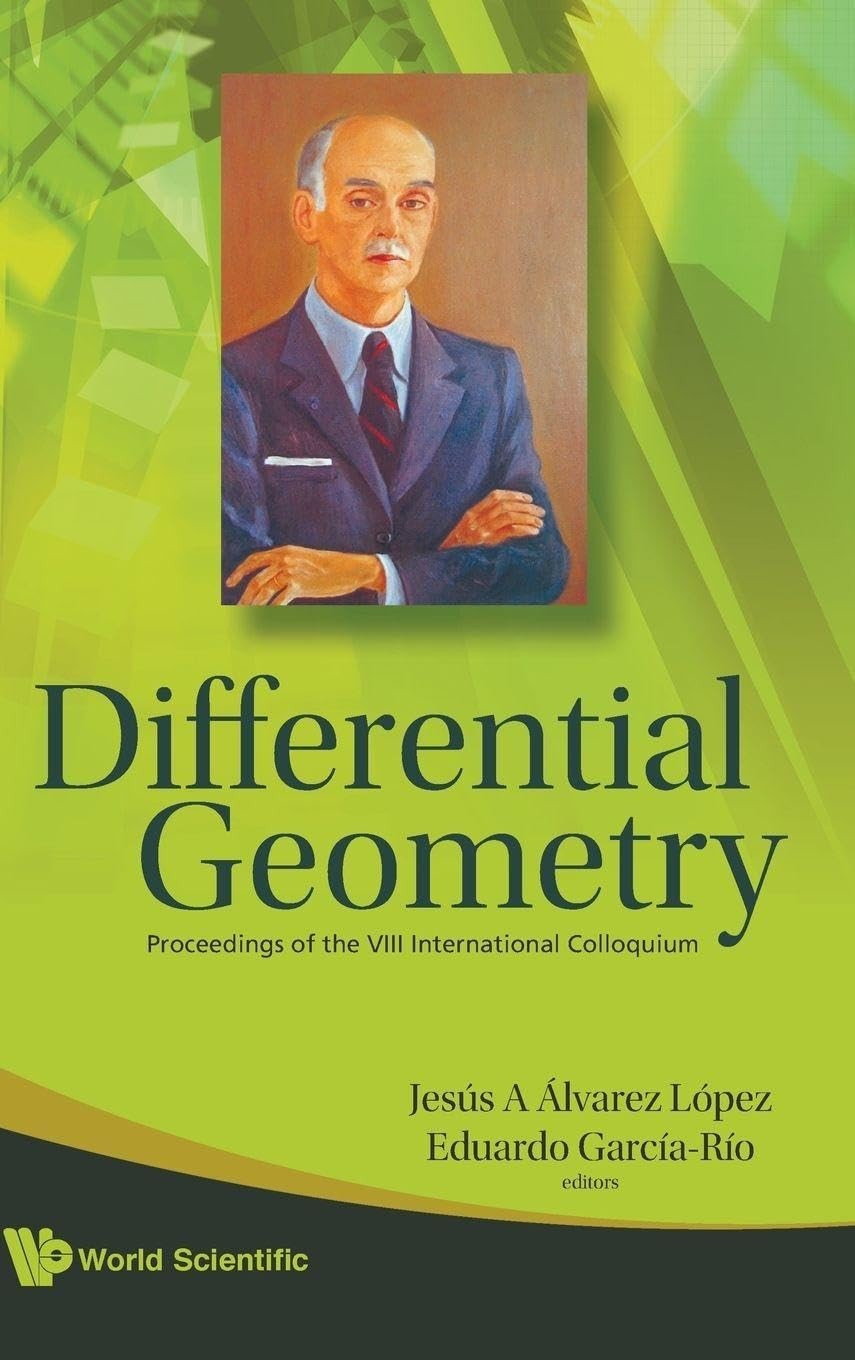
Mathematics
Differential Geometry - Proceedings of the VIII International Colloquium (English, Jesus A. Alvarez Lopez | Eduardo Garcia-Rio)

Mathematics
Mathematical Theory of Optimal Processes (Classics of Soviet Mathematics)
Related Products
View All
Science & Mathematics
Squid - Superconducting Quantum Interference Devices and Their Applications: Proceedings of the International Conference on Superconducting Quantum Devices, Berlin-west, October 4-8, 1976
Science & Mathematics
Thermodynamics and Pattern Formation in Biology
Science & Mathematics
The Nature of Mathematics and the Mathematics of Nature by S. Andersson – Mathematics & Science

Science & Mathematics
Linear Algebra | by Stephen Friedberg | Arnold Insel | Lawrence Spence | Pearson | by Stephen Friedberg | Arnold Insel | Lawrence Spence | Pearson | by Stephen Friedberg | Arnold Insel | Lawrence Spence | Pearson | by Stephen Friedberg | Arnold Insel | Lawrence Spence | Pearson | by Stephen Friedberg | Arnold Insel | Lawrence Spence | Pearson | by Stephen Friedberg | Arnold Insel | Lawrence Spence | Pearson | by Stephen Friedberg | Arnold Insel | Lawrence Spence | Pearson | by Stephen Friedberg

Science & Mathematics
University Calculus | by Joel Hass | Christopher Heil | Maurice Weir | Pearson | by Joel Hass | Christopher Heil | Maurice Weir | Pearson | by Joel Hass | Christopher Heil | Maurice Weir | Pearson | by Joel Hass | Christopher Heil | Maurice Weir | Pearson | by Joel Hass | Christopher Heil | Maurice Weir | Pearson | by Joel Hass | Christopher Heil | Maurice Weir | Pearson | by Joel Hass | Christopher Heil | Maurice Weir | Pearson | by Joel Hass | Christopher Heil | Maurice Weir | Pearson | by Joe
Science & Mathematics