

Ecuador's Environmental Revolutions: Ecoimperialists, Ecodependents, and Ecoresisters by Tammy L. Lewis – A Critical Stu
Inclusive of all applicable taxes. FREE shipping on all orders.
Available Offers
- 🚚Free Delivery — Free shipping on all orders
- 💵Cash on Delivery — Pay when your order arrives
- ↩️15-Day Easy Returns — Hassle-free return policy
- 🔒Cash on Delivery — Pay safely when your order arrives
Check Delivery
Product Description
Introduction
Ecuador's Environmental Revolutions: Ecoimperialists, Ecodependents, and Ecoresisters by Tammy L. Lewis offers a compelling and deeply researched account of the complex interplay between environmentalism, development, and politics in one of the world's most biodiverse nations. Published by MIT Press, this hardcover edition is an essential read for Indian students, researchers, and policy enthusiasts interested in understanding how developing countries navigate the tension between ecological preservation and economic growth. Lewis presents a nuanced framework that moves beyond simple binaries, introducing readers to the three key actors—ecoimperialists, ecodependents, and ecoresisters—who shape Ecuador's environmental trajectory.
Book Overview
This book traces the evolution of Ecuador's sustainable development movement across four distinct eras: movement origins, the neoliberal boom, the neoliberal bust, and the citizens' revolution. Ecuador, a country that is biologically rich, petroleum dependent, and economically challenged, serves as a microcosm for global environmental struggles. Lewis examines how transnational organizations like Conservation International and the World Wildlife Fund have influenced local policies, and how grassroots groups have responded. The 2008 constitution, which grants rights to nature, is a landmark moment that Lewis unpacks in detail. The narrative is both a history and a critical analysis of the competing forces that define environmentalism in the Global South.
Key Highlights
- Four-Era Framework: A clear chronological structure that helps readers understand the shifting political and economic contexts of environmental activism in Ecuador.
- Tripartite Typology: Lewis introduces the concepts of ecoimperialists (external forces imposing environmental agendas), ecodependents (local actors reliant on external funding), and ecoresisters (grassroots movements fighting for autonomy and justice).
- Constitutional Rights for Nature: In-depth analysis of Ecuador's groundbreaking 2008 constitution and its real-world implications.
- Oil vs. Environment: A balanced examination of how petroleum extraction funds social welfare but devastates ecosystems.
- Global South Perspective: Offers insights relevant to India's own environmental challenges, such as the conflict between development and conservation.
Inside the Book
The book is divided into chapters that correspond to the four eras, each rich with case studies, interviews, and policy analysis. Lewis draws on field research and archival material to illustrate how environmental groups have evolved from small, localized organizations to influential national actors. She also explores the role of international funding, the impact of neoliberal economic reforms, and the rise of leftist governments. The writing is accessible yet rigorous, making complex political ecology concepts understandable for students and general readers alike. A glossary and extensive bibliography add to its value as a reference text.
Key Topics
- Sustainable Development: The tension between economic growth and ecological integrity.
- Environmental Justice: How indigenous communities and marginalized groups bear the costs of extraction.
- Neoliberalism and Nature: The effects of free-market policies on conservation efforts.
- Transnational Environmentalism: The influence of NGOs and foreign governments on local agendas.
- Political Ecology: The intersection of power, politics, and the environment.
- Postcolonial Studies: Critiques of Western environmentalism in the Global South.
Reader Benefits
- Critical Thinking: Develop a sophisticated understanding of environmental issues beyond simplistic 'save the planet' narratives.
- Comparative Insight: Draw parallels between Ecuador and India's own environmental movements, such as the Narmada Bachao Andolan or struggles against coal mining.
- Policy Relevance: Gain knowledge applicable to courses in environmental studies, political science, sociology, and development studies.
- Academic Rigor: Access a well-researched text that can serve as a foundation for essays, dissertations, or research projects.
- Engaging Style: Lewis writes in a clear, narrative-driven manner that keeps readers engaged.
Learning Outcomes
By reading this book, you will be able to: identify the key actors and power dynamics in transnational environmental governance; analyze the trade-offs between economic development and ecological conservation; evaluate the effectiveness of constitutional environmental rights; understand the historical roots of contemporary environmental conflicts in Latin America; and apply the ecoimperialist-ecodependent-ecoresister framework to other developing nations, including India.
Who Should Read
This book is ideal for undergraduate and postgraduate students in environmental science, political science, sociology, geography, and development studies. It is also valuable for activists, policy makers, journalists, and anyone interested in the politics of climate change and sustainability. Indian readers will find the parallels with domestic environmental struggles particularly enlightening. The book assumes no prior knowledge of Ecuador, making it accessible to a broad audience.
About the Author
Tammy L. Lewis is a professor of sociology and environmental studies at Muhlenberg College in the United States. Her research focuses on environmental movements, political ecology, and sustainable development in Latin America. She has published extensively on the intersection of social justice and environmental policy, and her work has been recognized for its depth and clarity. Lewis brings a blend of academic rigor and on-the-ground fieldwork to this book, having spent years conducting research in Ecuador.
About the Publisher
MIT Press is one of the world’s most prestigious academic publishers, known for its commitment to advancing knowledge in science, technology, and environmental studies. With a reputation for high-quality scholarship and accessible writing, MIT Press ensures that this book meets the highest standards of research and production. The hardcover edition is durable and designed for long-term use in libraries and personal collections.
Conclusion
Ecuador's Environmental Revolutions is not just a book about a single country; it is a lens through which to view the global struggle for a just and sustainable future. Tammy L. Lewis provides a powerful, original framework that challenges readers to think critically about who benefits from environmentalism and who bears its costs. For Indian readers, this book offers invaluable lessons on balancing ecological integrity with developmental aspirations. Order your copy from Bookshops.in today and add this essential work to your library.
Quick Summary
Ecuador's Environmental Revolutions by Tammy L. Lewis is a scholarly exploration of the country's tumultuous journey toward sustainable development. The book divides this history into four eras: origins, neoliberal boom, neoliberal bust, and the citizens' revolution. It critically examines how transnational environmental organizations like Conservation International and the World Wildlife Fund, along with local groups and the state, have shaped Ecuador's environmental policies. The author introduces three key categories—ecoimperialists (external actors imposing agendas), ecodependents (local groups reliant on foreign funding), and ecoresisters (grassroots movements opposing exploitation). This framework helps readers understand the complex interplay of power, economics, and ecology. The book is ideal for Indian students and researchers in environmental studies, political science, and Latin American studies. It offers valuable lessons for India, which faces similar challenges of balancing economic growth with biodiversity conservation. By purchasing from Bookshops.in, Indian readers get a high-quality hardcover edition of this MIT Press title, supporting a local bookstore that specializes in academic and non-fiction books.
Book Highlights
Book Specifications
| ISBN-13 | 9780262528771 |
| ISBN-10 | 0262528770 |
| Publisher | Mit Pr |
| Language | English |
| Dimensions | 15.24 x 1.68 x 22.86 cm |
| Weight | 399 g |
| Country | India |
| Category | History Textbooks › Latin America |
| Genre | Non-fiction |
| Reading Age | Adult |
| Original Language | English |
Frequently Asked Questions
What is Ecuador's Environmental Revolutions about?
Who is the author of this book?
Which publisher released this book?
Is this book suitable for Indian students?
What is the binding of this book?
What is the ISBN of this book?
Does the book cover the role of indigenous communities?
What is ecoimperialism as discussed in the book?
Is this book based on primary research?
What are the four eras covered?
Does the book address petroleum extraction?
How is this book different from other environmental histories?
Can this book be used for academic courses?
Where can I buy this book in India?
Readers Also Search For
Customers Also Bought
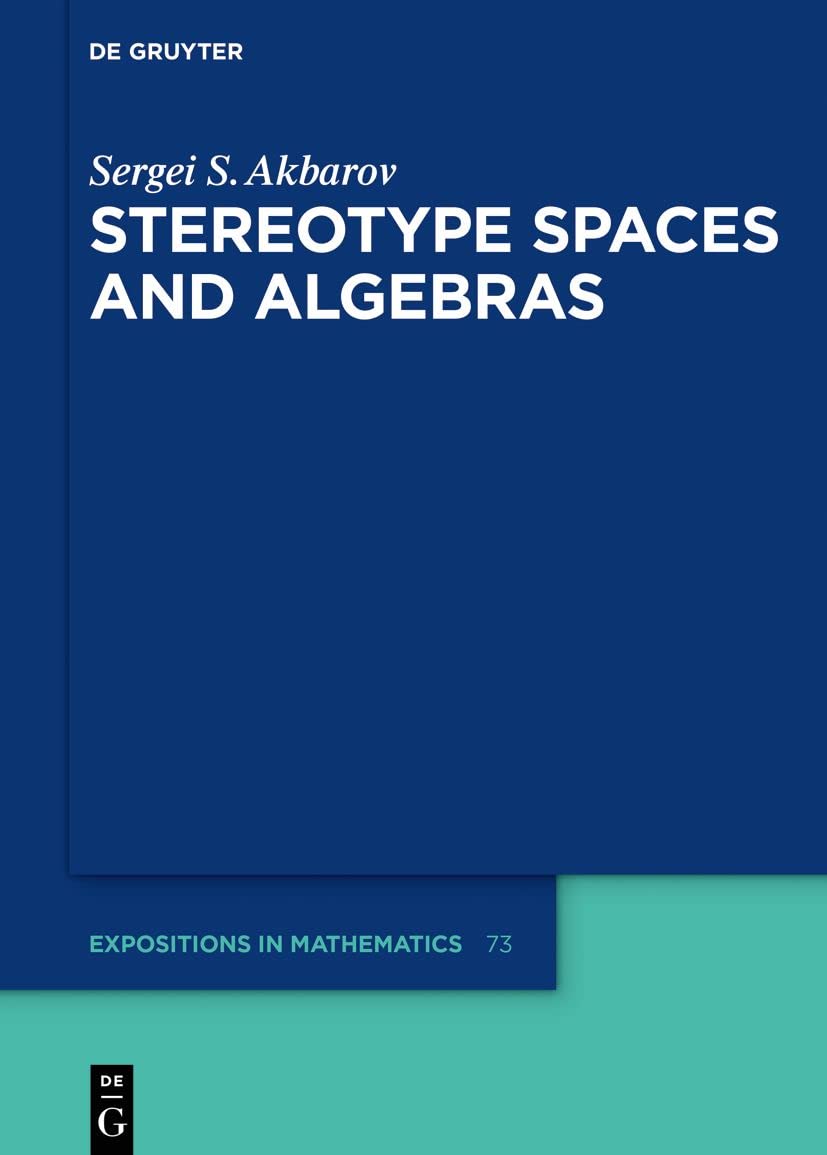
Mathematics
Stereotype Spaces and Algebras: 73 (De Gruyter Expositions in Mathematics, 73)

Mathematics
Semigroups in Algebra, Geometry and Analysis: 20 (De Gruyter Expositions in Mathematics, 20)

Mathematics
Geometry from the Pacific Rim: Proceedings of the Pacific Rim Geometry Conference held at National University of Singapore, Republic of Singapore, ... 1994 (De Gruyter Proceedings in Mathematics)
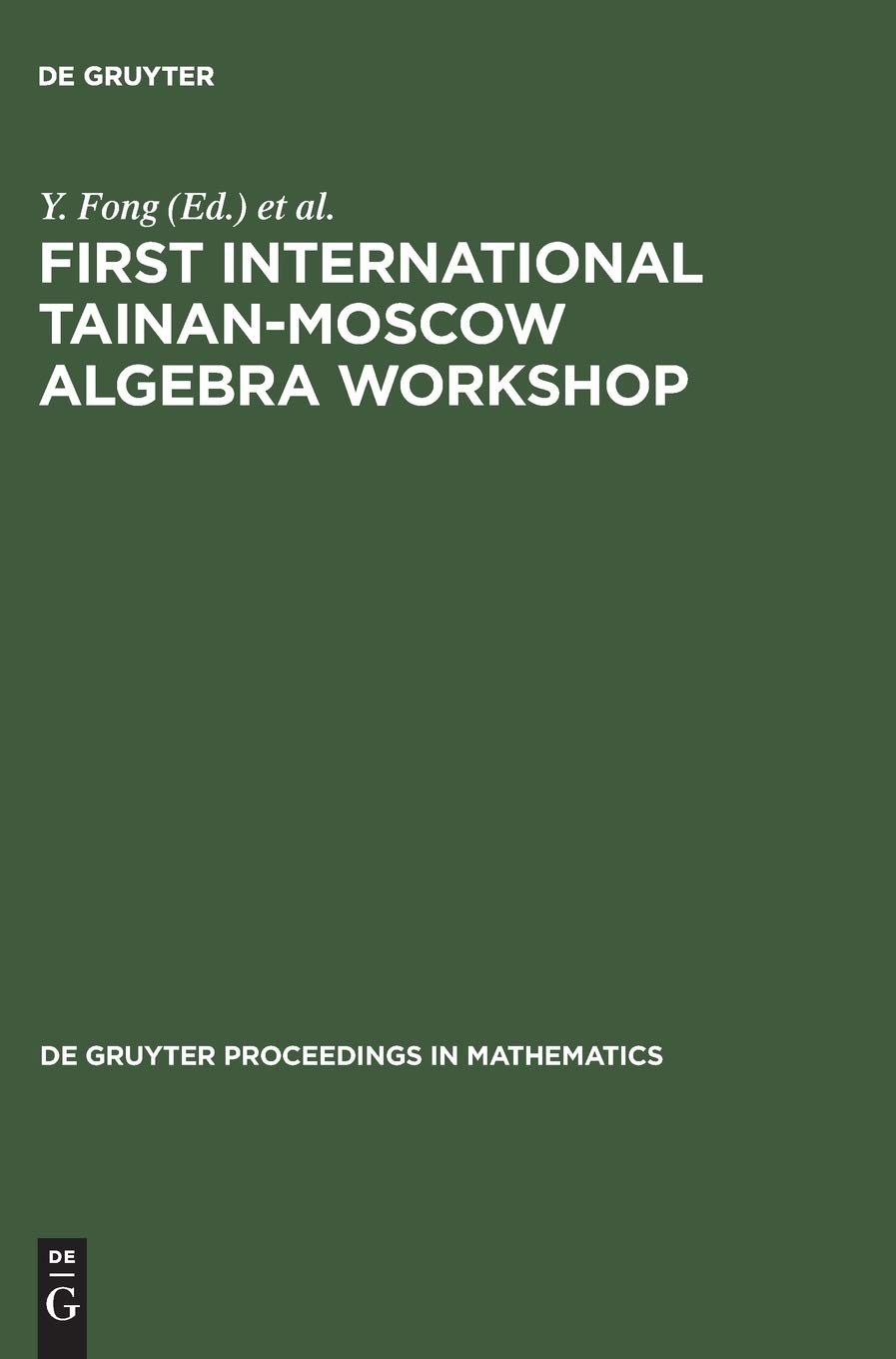
Mathematics
First International Tainan-Moscow Algebra Workshop: Proceedings of the International Conference held at National Cheng Kung University Tainan, Taiwan, ... 1994 (De Gruyter Proceedings in Mathematics)
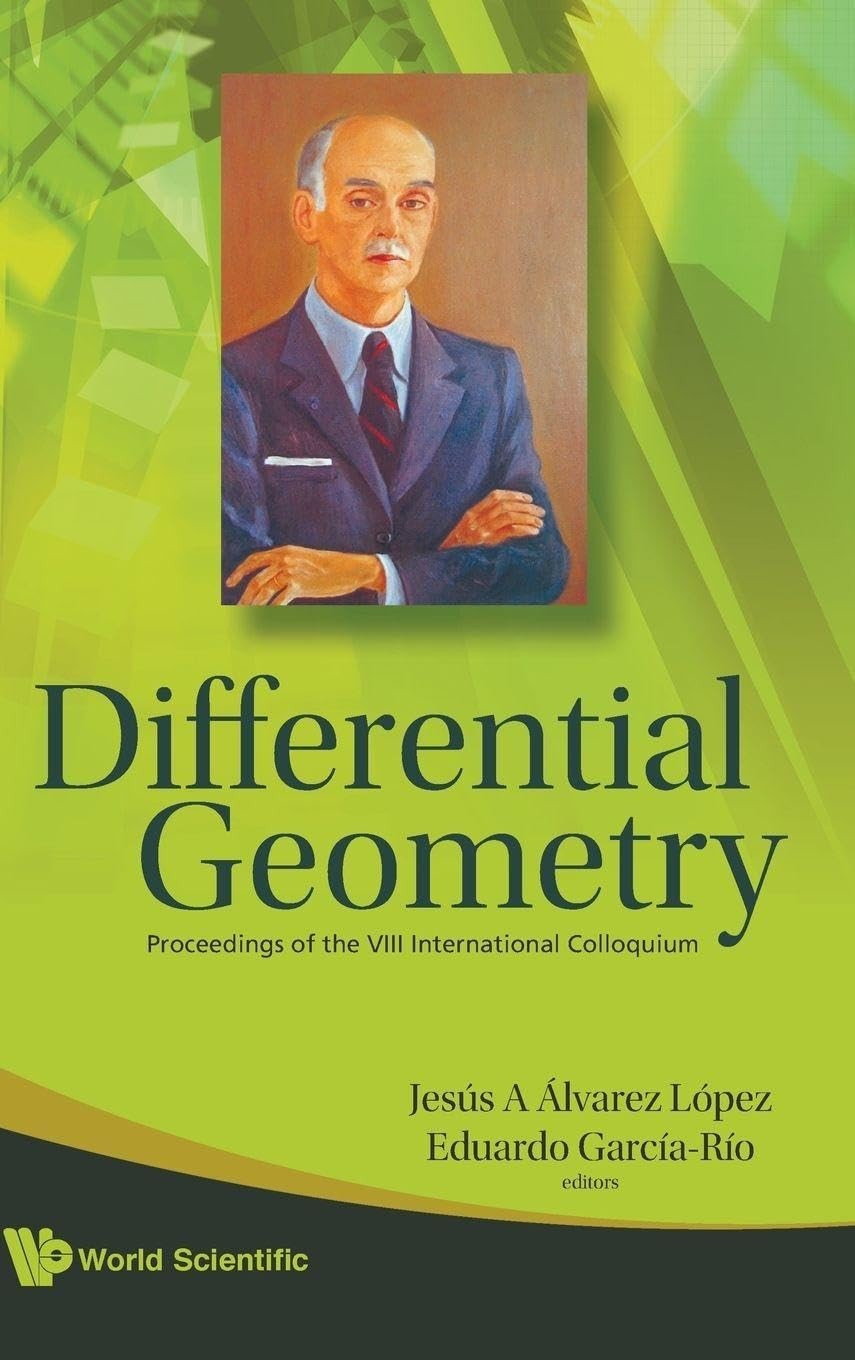
Mathematics
Differential Geometry - Proceedings of the VIII International Colloquium (English, Jesus A. Alvarez Lopez | Eduardo Garcia-Rio)
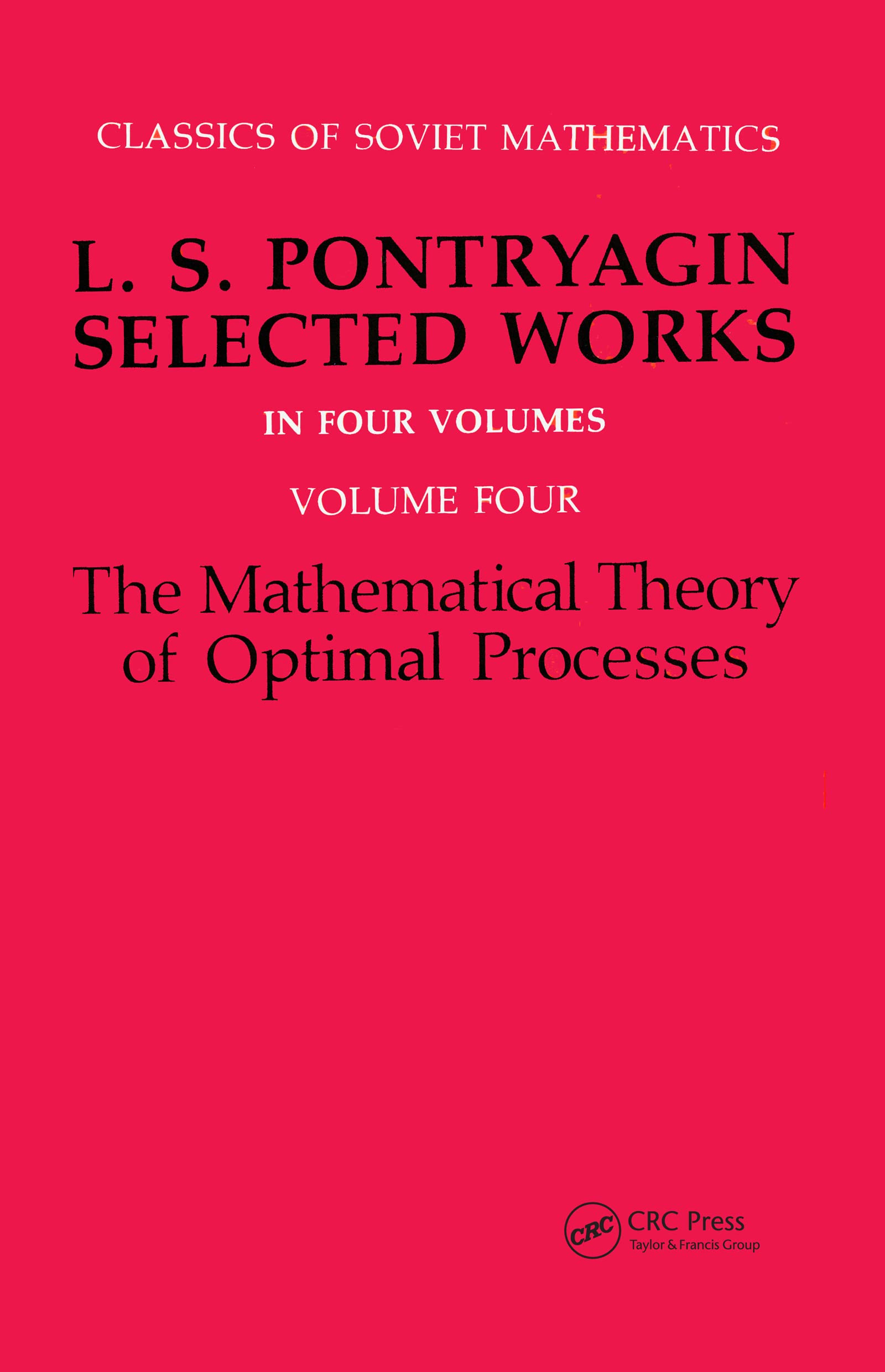
Mathematics
Mathematical Theory of Optimal Processes (Classics of Soviet Mathematics)
Related Products
View All
Science & Mathematics
Elements of Pelagos Biology: With Focus on the Mediterranean Sea
Science & Mathematics
Squid - Superconducting Quantum Interference Devices and Their Applications: Proceedings of the International Conference on Superconducting Quantum Devices, Berlin-west, October 4-8, 1976
Science & Mathematics
Thermodynamics and Pattern Formation in Biology

Science & Mathematics
The Nature of Mathematics and the Mathematics of Nature by S. Andersson – Mathematics & Science

Science & Mathematics
Linear Algebra | by Stephen Friedberg | Arnold Insel | Lawrence Spence | Pearson | by Stephen Friedberg | Arnold Insel | Lawrence Spence | Pearson | by Stephen Friedberg | Arnold Insel | Lawrence Spence | Pearson | by Stephen Friedberg | Arnold Insel | Lawrence Spence | Pearson | by Stephen Friedberg | Arnold Insel | Lawrence Spence | Pearson | by Stephen Friedberg | Arnold Insel | Lawrence Spence | Pearson | by Stephen Friedberg | Arnold Insel | Lawrence Spence | Pearson | by Stephen Friedberg
Science & Mathematics