
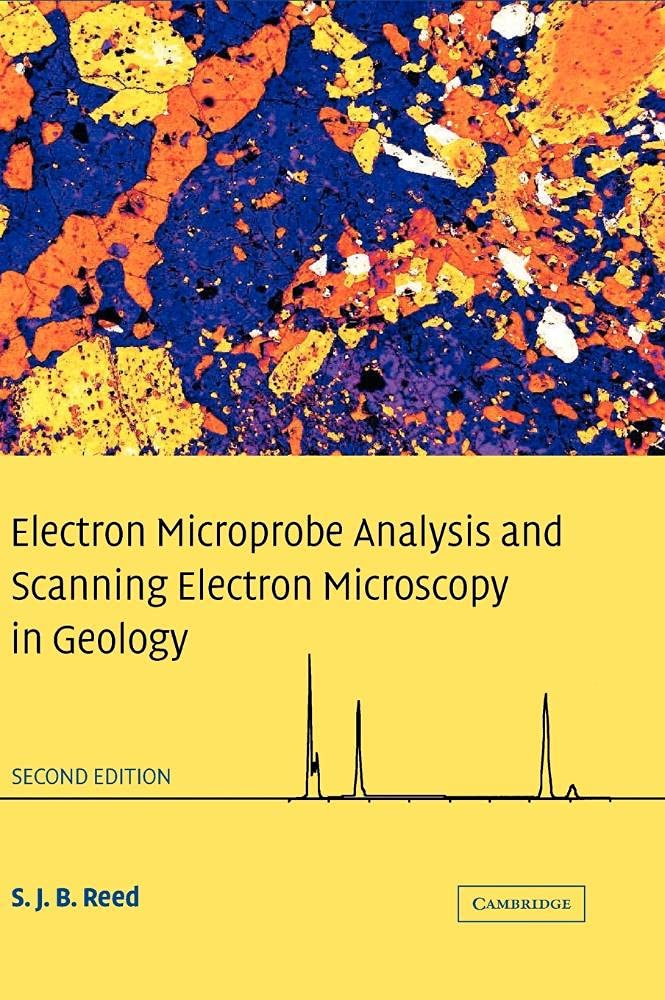
Electron Microprobe Analysis and Scanning Electron Microscopy in Geology by S. J. B. Reed – A Comprehensive Guide for Ea
Inclusive of all applicable taxes. FREE shipping on all orders.
Available Offers
- 🚚Free Delivery — Free shipping on all orders
- 💵Cash on Delivery — Pay when your order arrives
- ↩️15-Day Easy Returns — Hassle-free return policy
- 🔒Cash on Delivery — Pay safely when your order arrives
Check Delivery
Product Description
Introduction
In the world of geological sciences, understanding the precise chemical composition and microstructural features of rocks and minerals is essential. Electron Microprobe Analysis and Scanning Electron Microscopy in Geology by S. J. B. Reed is a definitive guide that bridges the gap between advanced analytical techniques and practical geological applications. This hardcover edition, published by Cambridge University Press, offers Indian students and researchers a comprehensive yet accessible resource for mastering EMPA and SEM methods tailored specifically to geology.
Book Overview
This book is a thorough exploration of two closely related techniques: electron microprobe analysis (EMPA) and scanning electron microscopy (SEM). Written from a geological perspective, it covers the entire workflow—from the principles of electron–target interactions to the interpretation of X-ray maps and quantitative analysis. The author avoids unnecessary technical jargon, making the content approachable for postgraduate and postdoctoral researchers while still providing the depth required for advanced study. With an emphasis on geological samples and challenges, this book stands apart from general texts on electron microscopy.
Key Highlights
- Geological Focus: Unlike generic SEM/EMPA books, this volume addresses specific geological concerns such as mineral analysis, zoning, and trace element detection.
- Comprehensive Coverage: Includes both wavelength-dispersive (WDS) and energy-dispersive (EDS) X-ray spectrometry, with clear explanations of their strengths and limitations.
- Practical Guidance: Step-by-step procedures for sample preparation, instrument calibration, data reduction, and error analysis.
- Illustrative Examples: Real geological case studies demonstrate how EMPA and SEM solve problems in petrology, geochemistry, and mineral exploration.
Inside the Book
The text is structured to guide the reader from fundamental concepts to advanced applications. Early chapters introduce electron–sample interactions, beam instrumentation, and image formation in SEM. Subsequent chapters delve into X-ray spectrometry, qualitative and quantitative analysis, and the production of elemental maps. The final sections focus on practical matters such as sample coating, standard selection, and troubleshooting common issues. Throughout, the author integrates geological examples—such as analyzing silicate minerals, detecting trace elements in zircons, or imaging microfossils—to reinforce learning.
Key Topics
- Electron–Target Interactions: Backscattered and secondary electrons, characteristic X-rays, continuum radiation.
- Instrumentation: Electron guns, lenses, detectors, and vacuum systems for both EMPA and SEM.
- X-ray Spectrometry: Principles of WDS and EDS, resolution, detection limits, and spectral processing.
- Quantitative Analysis: Matrix correction methods (ZAF, φ(ρz)), standard selection, and precision assessment.
- Elemental Mapping: Techniques for generating and interpreting X-ray maps and line scans.
- Sample Preparation: Polishing, carbon coating, mounting, and handling conductive and non-conductive geological materials.
Reader Benefits
- Build Strong Fundamentals: Gain a solid understanding of the physics behind EMPA and SEM without being overwhelmed by theory.
- Enhance Research Skills: Learn to design effective analytical protocols for your own geological samples.
- Save Time in the Lab: Practical tips on instrument setup, calibration, and data interpretation reduce trial and error.
- Improve Data Quality: Understand sources of error and how to minimize them for reliable results.
- Stay Relevant: This 2005 edition remains a benchmark text, widely cited in geological research papers and dissertations.
Learning Outcomes
By the end of this book, readers will be able to: (1) Explain the principles of electron–specimen interactions and their role in image formation and X-ray generation. (2) Operate an electron microprobe or SEM with confidence for geological applications. (3) Perform qualitative and quantitative X-ray microanalysis using both WDS and EDS. (4) Generate and interpret elemental maps and line profiles. (5) Prepare geological samples appropriately for high-quality analysis. (6) Critically evaluate published data involving EMPA and SEM techniques.
Who Should Read
This book is ideal for postgraduate students (M.Sc., M.Tech., Ph.D.) in geology, geochemistry, petrology, and mineralogy. It is also valuable for postdoctoral researchers, laboratory technicians, and professionals in the mining and mineral exploration industries who need to apply microanalytical techniques. Indian students preparing for competitive exams or pursuing research in earth sciences will find this an indispensable reference.
About the Author
S. J. B. Reed is a highly respected figure in the field of microanalysis, with decades of experience at the University of Cambridge and the British Geological Survey. He has authored several landmark texts on electron probe microanalysis and has contributed extensively to the development of analytical methods for geological materials. His clear writing style and pedagogical approach make complex topics accessible to new researchers.
About the Publisher
Cambridge University Press is one of the world’s oldest and most prestigious academic publishers, known for producing authoritative texts in science and humanities. This hardcover edition reflects their commitment to quality, with durable binding and clear typesetting suitable for frequent lab use. For Indian readers, Cambridge University Press ensures that the content meets global academic standards while remaining relevant to local research contexts.
Conclusion
Electron Microprobe Analysis and Scanning Electron Microscopy in Geology is more than a textbook—it is a practical companion for every geologist who uses microanalytical tools. Whether you are a student starting your research journey or an experienced scientist seeking to refine your techniques, this book offers the clarity, depth, and geological relevance you need. Order your copy from Bookshops.in today and elevate your understanding of the microscopic world of rocks and minerals.
Quick Summary
Electron Microprobe Analysis and Scanning Electron Microscopy in Geology by S. J. B. Reed is an authoritative guide that bridges the gap between advanced instrumentation and geological science. This book is designed for geology students, researchers, and professionals who need to understand and apply EMPA and SEM techniques to earth materials. Readers will learn about electron-target interactions, beam instrumentation, X-ray spectrometry, image formation, and both qualitative and quantitative analysis using energy-dispersive and wavelength-dispersive spectrometers. The book also covers practical aspects like sample preparation, elemental mapping, and data interpretation, with a strong geological emphasis that sets it apart from generic microscopy texts. By purchasing from Bookshops.in, Indian readers get a genuine hardcover edition from Cambridge University Press, delivered with trusted service and competitive pricing. Whether you are studying petrology, exploring mineral deposits, or running a geochemical lab, this book equips you with the foundational knowledge and practical skills needed for successful microanalysis.
Book Highlights
Book Specifications
| ISBN-13 | 9780521848756 |
| ISBN-10 | 052184875X |
| Publisher | Cambridge University Press |
| Language | English |
| Dimensions | 18.42 x 1.27 x 25.4 cm |
| Weight | 580 g |
| Country | India |
| Category | Science & Mathematics › Earth Sciences |
| Genre | Non-fiction |
| Original Language | English |
Frequently Asked Questions
What is the main focus of this book?
Who is the author of this book?
Is this book suitable for beginners in geology?
Does the book cover both energy-dispersive and wavelength-dispersive X-ray analysis?
Are there practical examples from Indian geology?
What kind of sample preparation techniques are discussed?
Can this book be used as a textbook for a university course?
Does the book include information on X-ray mapping?
What makes this book different from general SEM books?
Does the book cover quantitative analysis methods?
Is there a section on data treatment and interpretation?
What is the binding type of this book?
Where can I buy this book in India?
Readers Also Search For
Customers Also Bought
Mathematics
Stereotype Spaces and Algebras: 73 (De Gruyter Expositions in Mathematics, 73)
Mathematics
Semigroups in Algebra, Geometry and Analysis: 20 (De Gruyter Expositions in Mathematics, 20)
Mathematics
Geometry from the Pacific Rim: Proceedings of the Pacific Rim Geometry Conference held at National University of Singapore, Republic of Singapore, ... 1994 (De Gruyter Proceedings in Mathematics)

Mathematics
First International Tainan-Moscow Algebra Workshop: Proceedings of the International Conference held at National Cheng Kung University Tainan, Taiwan, ... 1994 (De Gruyter Proceedings in Mathematics)
Mathematics
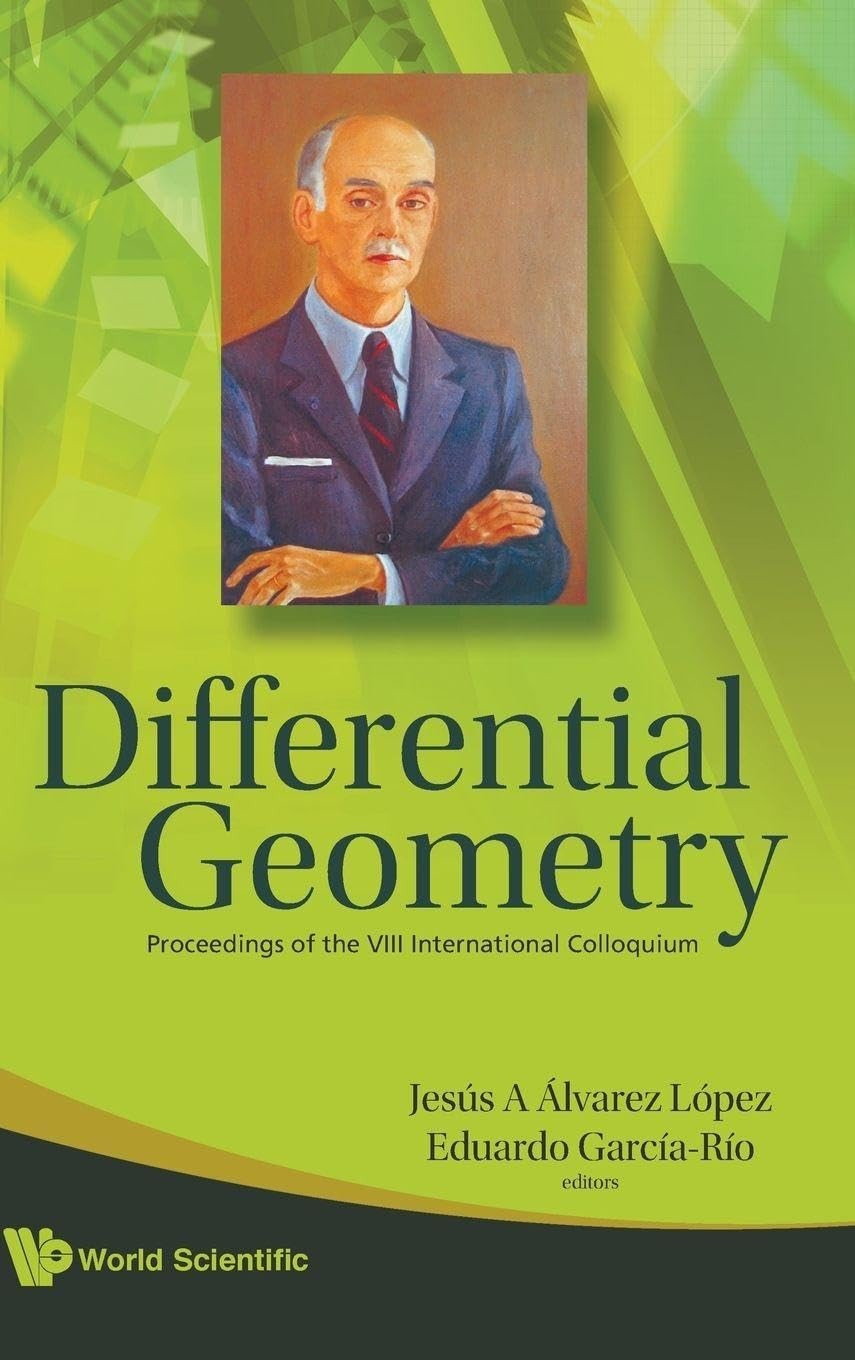
Differential Geometry - Proceedings of the VIII International Colloquium (English, Jesus A. Alvarez Lopez | Eduardo Garcia-Rio)
Mathematics
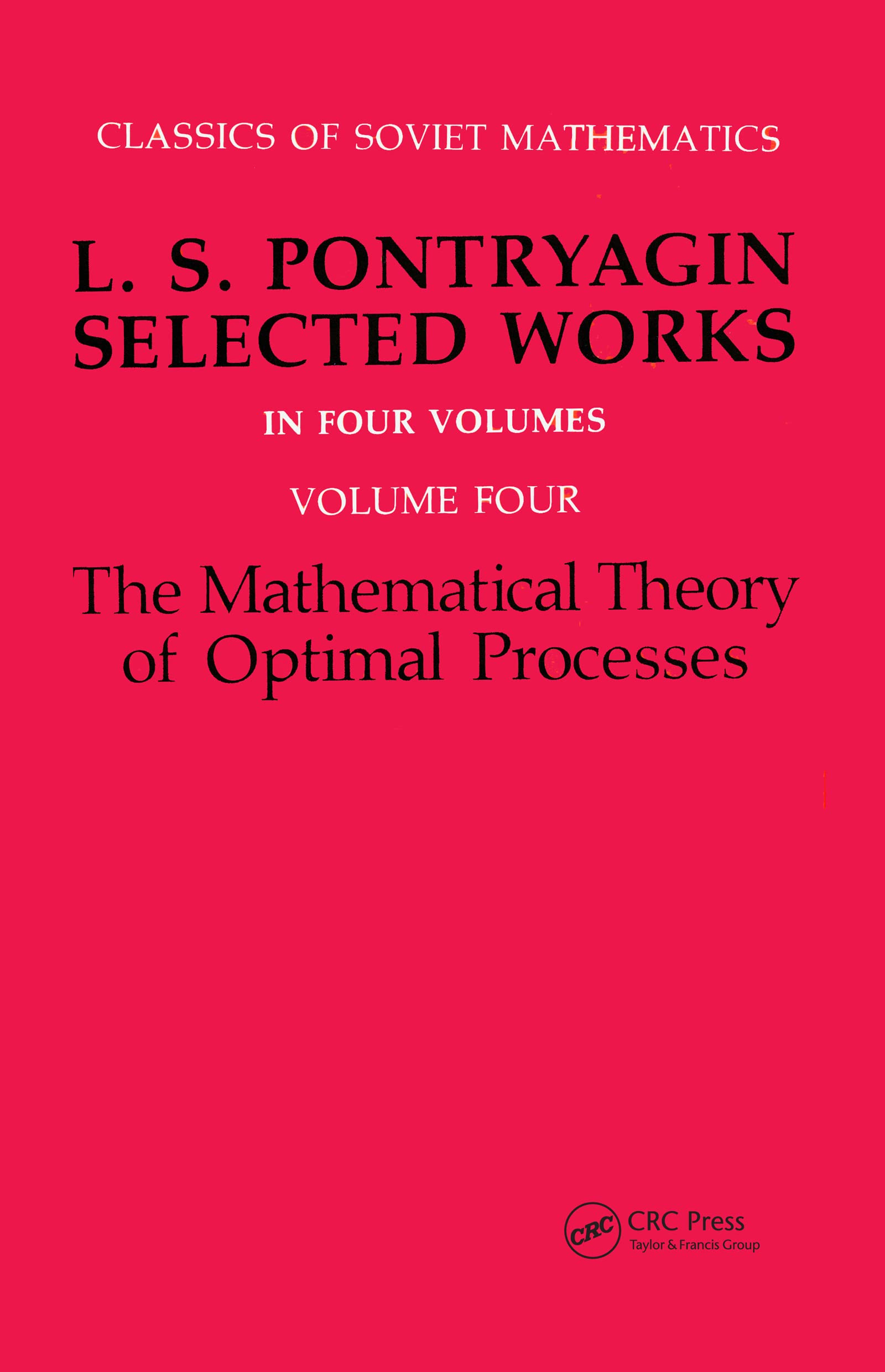
Mathematical Theory of Optimal Processes (Classics of Soviet Mathematics)
Related Products
View All
Science & Mathematics
Squid - Superconducting Quantum Interference Devices and Their Applications: Proceedings of the International Conference on Superconducting Quantum Devices, Berlin-west, October 4-8, 1976
Science & Mathematics
Thermodynamics and Pattern Formation in Biology
Science & Mathematics
The Nature of Mathematics and the Mathematics of Nature by S. Andersson – Mathematics & Science

Science & Mathematics
Linear Algebra | by Stephen Friedberg | Arnold Insel | Lawrence Spence | Pearson | by Stephen Friedberg | Arnold Insel | Lawrence Spence | Pearson | by Stephen Friedberg | Arnold Insel | Lawrence Spence | Pearson | by Stephen Friedberg | Arnold Insel | Lawrence Spence | Pearson | by Stephen Friedberg | Arnold Insel | Lawrence Spence | Pearson | by Stephen Friedberg | Arnold Insel | Lawrence Spence | Pearson | by Stephen Friedberg | Arnold Insel | Lawrence Spence | Pearson | by Stephen Friedberg
Science & Mathematics
University Calculus | by Joel Hass | Christopher Heil | Maurice Weir | Pearson | by Joel Hass | Christopher Heil | Maurice Weir | Pearson | by Joel Hass | Christopher Heil | Maurice Weir | Pearson | by Joel Hass | Christopher Heil | Maurice Weir | Pearson | by Joel Hass | Christopher Heil | Maurice Weir | Pearson | by Joel Hass | Christopher Heil | Maurice Weir | Pearson | by Joel Hass | Christopher Heil | Maurice Weir | Pearson | by Joel Hass | Christopher Heil | Maurice Weir | Pearson | by Joe

Science & Mathematics