
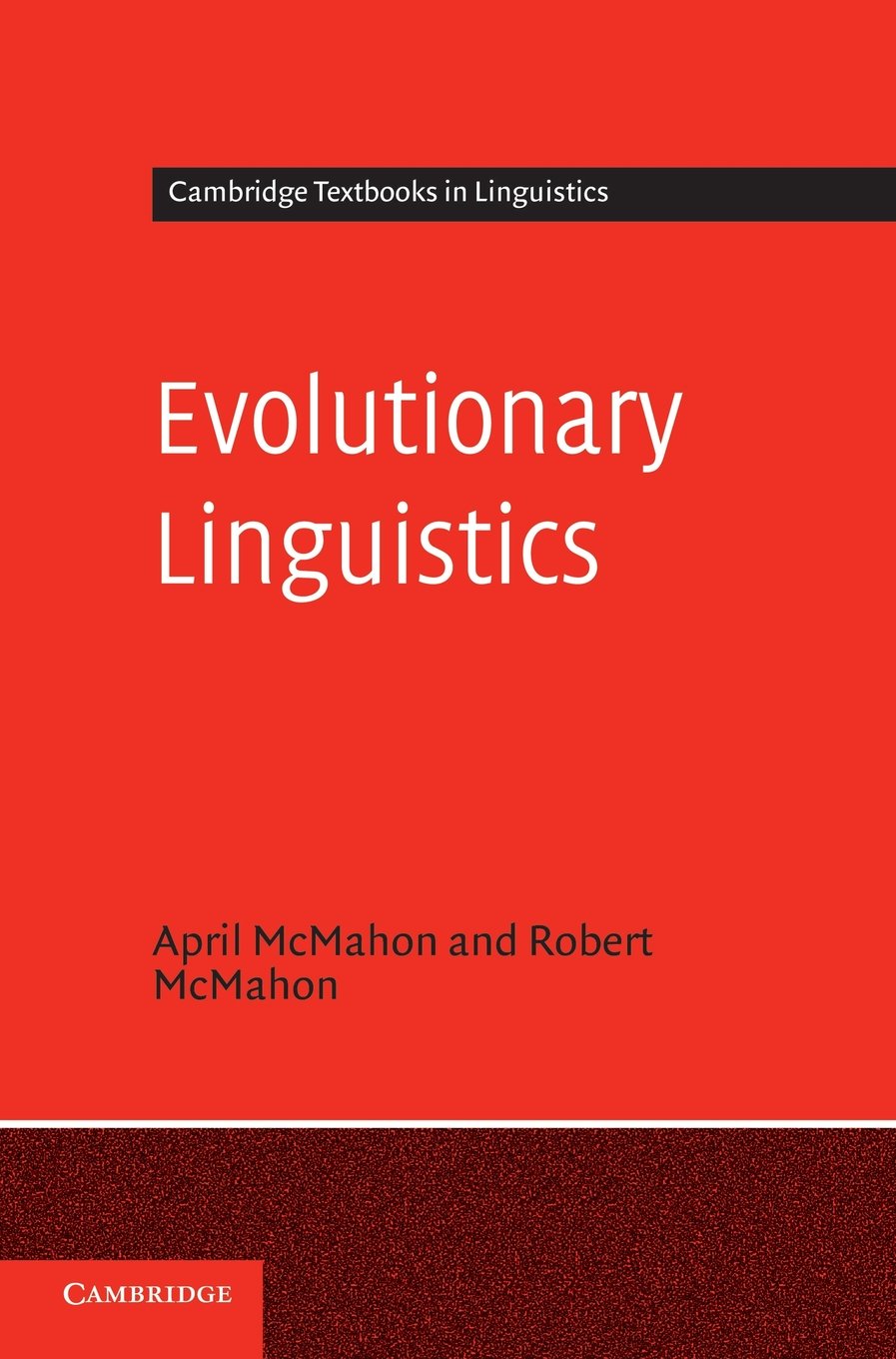
Evolutionary Linguistics: How Human Language Evolved – A Comprehensive Introduction by April McMahon
Inclusive of all applicable taxes. FREE shipping on all orders.
Available Offers
- 🚚Free Delivery — Free shipping on all orders
- 💵Cash on Delivery — Pay when your order arrives
- ↩️15-Day Easy Returns — Hassle-free return policy
- 🔒Cash on Delivery — Pay safely when your order arrives
Check Delivery
Product Description
Introduction
How did the remarkable human capacity for language emerge? What evolutionary forces shaped the brain, vocal apparatus, and social structures that allow us to communicate with such complexity? In Evolutionary Linguistics, April McMahon offers a compelling and accessible journey through one of the most fascinating and interdisciplinary fields of modern science. This book is an essential guide for Indian students and curious readers who want to understand the deep biological and historical roots of language, without getting lost in technical jargon.
Book Overview
This comprehensive volume bridges the gap between linguistics, biology, anthropology, and neuroscience. McMahon presents the key debates surrounding the origin and evolution of human language, from the earliest hominid vocalisations to the sophisticated grammatical systems we use today. Written in a clear, engaging style, the book tackles complex questions—such as whether language is a unique human adaptation or a byproduct of other cognitive abilities—and provides a balanced view of competing theories. It is designed to be a foundational text for undergraduate and postgraduate courses, as well as a thought-provoking read for anyone fascinated by what makes us human.
Key Highlights
- Interdisciplinary approach: Integrates insights from linguistics, evolutionary biology, archaeology, and neuroscience into a coherent narrative.
- Accessible language: Avoids unnecessary technical terms, making it ideal for readers with no prior background in the sciences.
- Critical thinking tools: Includes discussion questions and further reading lists at the end of each chapter to encourage deeper exploration.
- Up-to-date scholarship: Reflects the latest research and consensus in the field while acknowledging areas of ongoing debate.
- Student-friendly structure: Organised logically from physical and neurological foundations to the emergence of modern language systems.
Inside the Book
The book is divided into ten well-structured chapters. It begins by outlining the physical and neurological structures that underpin language, such as the vocal tract, brain lateralisation, and the FOXP2 gene. McMahon then explores the fossil and archaeological evidence for the evolution of speech and cognition, including the significance of tool use, social cooperation, and symbolic behaviour. Later chapters delve into the evolution of grammar, the relationship between language and thought, and the possible timelines for the emergence of fully modern language. The final chapter synthesises the evidence, showing that despite many unanswered questions, a growing consensus points to how human languages have arisen as dynamic, complex systems through a combination of biological and cultural evolution.
Key Topics
- Biological foundations of language: the brain, vocal apparatus, and genetics
- Theories of language origin: adaptation, exaptation, and the role of natural selection
- Evidence from paleoanthropology: fossil skulls, tools, and cave art
- The evolution of grammar and syntax
- Language and the evolution of human social cognition
- Comparative perspectives: animal communication systems vs. human language
- Current debates and future directions in evolutionary linguistics
Reader Benefits
By reading Evolutionary Linguistics, you will gain a solid grounding in one of the most exciting and rapidly developing fields of study. You will learn to critically evaluate scientific claims about language origins, understand the interdisciplinary nature of the research, and appreciate the deep time depth of human communication. The book also enhances your ability to connect linguistic theory with real-world evidence from fossils, genetics, and neuroscience—skills that are invaluable for academic success in linguistics, anthropology, or psychology.
Learning Outcomes
- Understand the key biological and neurological prerequisites for human language
- Identify major theories and debates in the study of language evolution
- Evaluate archaeological and genetic evidence related to the origin of speech
- Explain how grammar and syntax may have evolved over time
- Recognise the differences between human language and animal communication systems
- Formulate informed opinions on the unanswered questions in the field
Who Should Read
This book is perfect for undergraduate and postgraduate students of linguistics, anthropology, psychology, and evolutionary biology. It is also highly recommended for educators, researchers in related fields, and general readers in India who have a keen interest in understanding the origins of language. Whether you are preparing for a university course or simply want to explore the science behind human communication, this book offers a rewarding and enlightening experience.
About the Author
April McMahon is a distinguished linguist and academic, currently serving as Vice-Chancellor of Aberystwyth University in the United Kingdom. She has held prestigious positions at the University of Edinburgh and the University of Sheffield, and her research spans historical linguistics, language change, and the evolution of language. Her clear, engaging writing style has made her a favourite among students and scholars alike.
About the Publisher
Cambridge University Press is a world-renowned academic publisher with a legacy of over 400 years. Known for its rigorous peer-review process and commitment to scholarly excellence, Cambridge University Press publishes authoritative works across all disciplines, including linguistics, science, and mathematics. This hardcover edition ensures durability and a premium reading experience for Indian book lovers.
Conclusion
Evolutionary Linguistics by April McMahon is a masterfully written introduction that demystifies a complex and often confusing field. It empowers readers to engage with the big questions about language evolution, backed by solid evidence and clear reasoning. Whether you are a student, teacher, or lifelong learner, this book will deepen your understanding of the most human of all abilities—language. Add it to your library today from Bookshops.in and embark on a fascinating journey through the origins of speech.
Quick Summary
Evolutionary Linguistics by April McMahon is a comprehensive yet accessible introduction to the origins and evolution of human language. The book bridges multiple disciplines—linguistics, biology, neuroscience, anthropology and cognitive science—to answer fundamental questions: How did our biological and neural structures evolve to support language? When and why did our ancestors become linguistic beings? Written in an engaging, jargon-free style, it is perfect for students and curious readers alike. Readers will learn about the physical and neurological underpinnings of language, the timeline of its emergence, and the limits of current scientific knowledge. Each chapter includes discussion questions and further reading to deepen understanding. This hardcover edition from Cambridge University Press is ideal for Indian university courses and self-study. By choosing Bookshops.in, you support a premium Indian bookstore that offers competitive prices, reliable delivery and genuine editions.
Book Highlights
Book Specifications
| ISBN-13 | 9780521814508 |
| ISBN-10 | 0521814502 |
| Publisher | Cambridge University Press |
| Language | English |
| Dimensions | 17.78 x 2.54 x 25.4 cm |
| Weight | 800 g |
| Country | India |
| Category | Humanities › Language & Linguistics |
| Genre | Non-fiction |
| Reading Age | Adult |
| Original Language | English |
Frequently Asked Questions
What is Evolutionary Linguistics about?
Who is the author of this book?
Do I need prior knowledge of linguistics to read this book?
Is this book suitable for Indian students?
What disciplines does the book cover?
Does the book include exercises or questions?
Is this a hardcover or paperback?
What is the ISBN of this book?
Can I use this book for self-study?
Does the book cover the FOXP2 gene?
Is there a focus on Indian languages?
What makes this book different from other linguistics texts?
Where can I buy this book in India?
Readers Also Search For
Customers Also Bought
Mathematics
Stereotype Spaces and Algebras: 73 (De Gruyter Expositions in Mathematics, 73)

Mathematics
Semigroups in Algebra, Geometry and Analysis: 20 (De Gruyter Expositions in Mathematics, 20)

Mathematics
Geometry from the Pacific Rim: Proceedings of the Pacific Rim Geometry Conference held at National University of Singapore, Republic of Singapore, ... 1994 (De Gruyter Proceedings in Mathematics)

Mathematics
First International Tainan-Moscow Algebra Workshop: Proceedings of the International Conference held at National Cheng Kung University Tainan, Taiwan, ... 1994 (De Gruyter Proceedings in Mathematics)
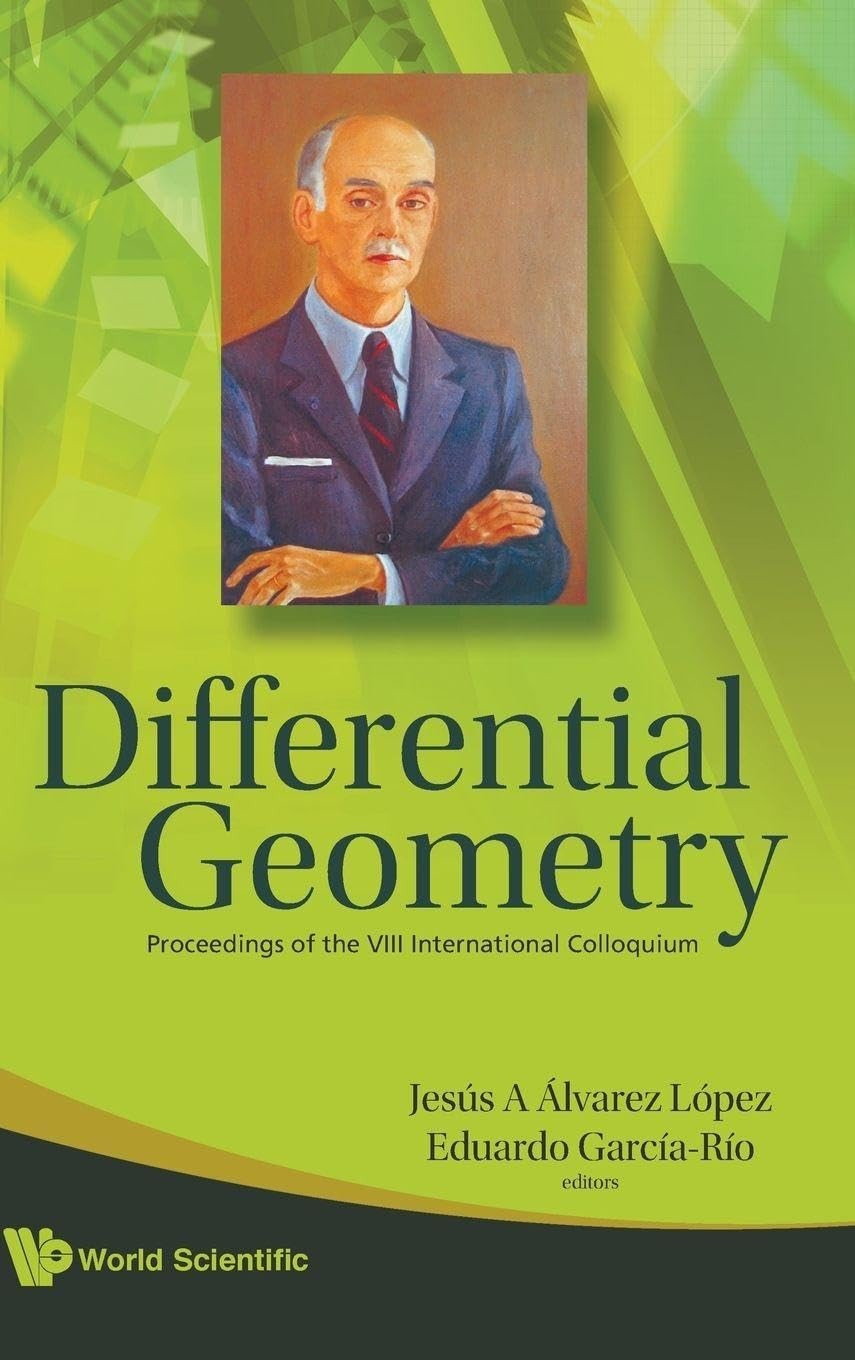
Mathematics
Differential Geometry - Proceedings of the VIII International Colloquium (English, Jesus A. Alvarez Lopez | Eduardo Garcia-Rio)

Mathematics
Mathematical Theory of Optimal Processes (Classics of Soviet Mathematics)
Related Products
View All
Science & Mathematics
Squid - Superconducting Quantum Interference Devices and Their Applications: Proceedings of the International Conference on Superconducting Quantum Devices, Berlin-west, October 4-8, 1976

Science & Mathematics
Thermodynamics and Pattern Formation in Biology
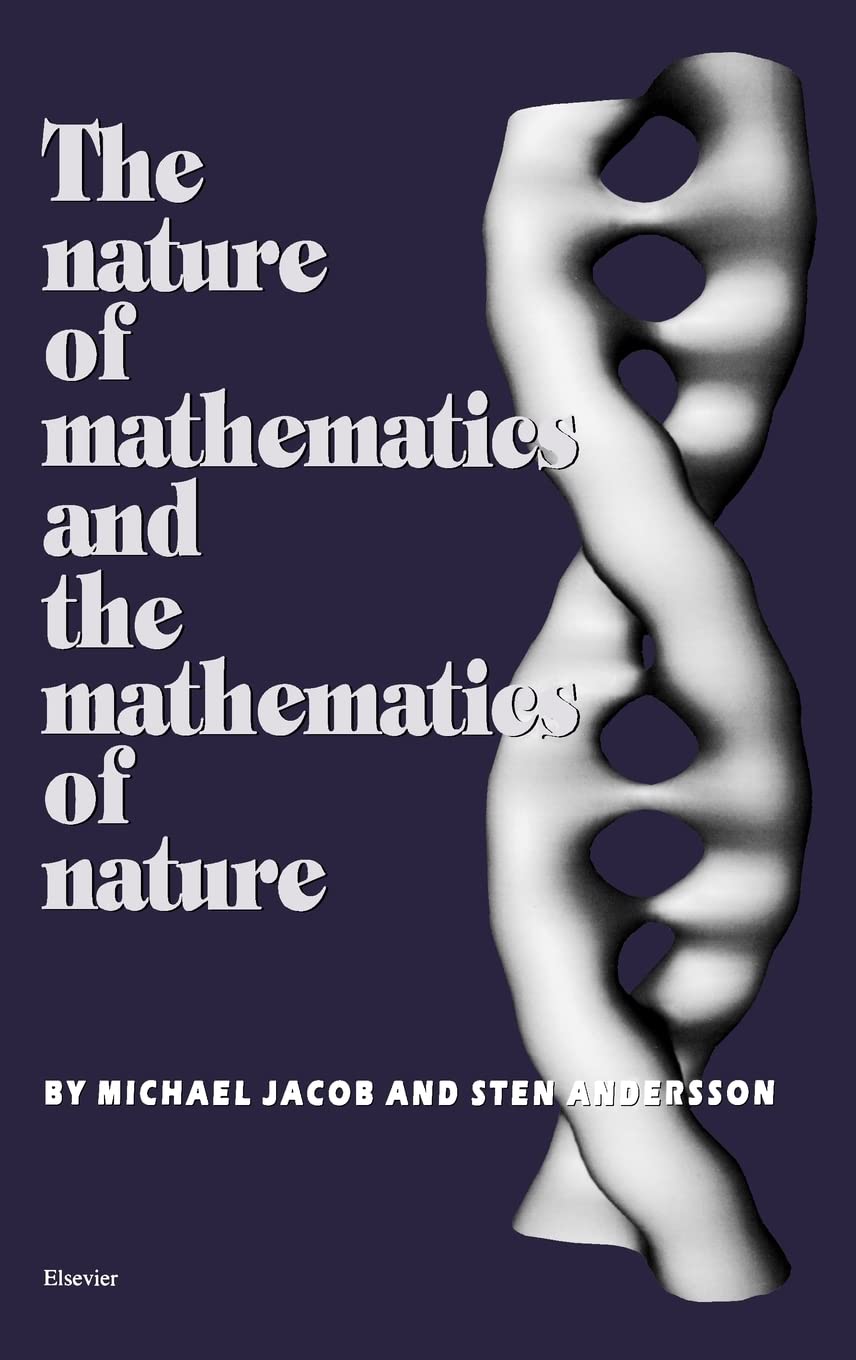
Science & Mathematics
The Nature of Mathematics and the Mathematics of Nature by S. Andersson – Mathematics & Science

Science & Mathematics
Linear Algebra | by Stephen Friedberg | Arnold Insel | Lawrence Spence | Pearson | by Stephen Friedberg | Arnold Insel | Lawrence Spence | Pearson | by Stephen Friedberg | Arnold Insel | Lawrence Spence | Pearson | by Stephen Friedberg | Arnold Insel | Lawrence Spence | Pearson | by Stephen Friedberg | Arnold Insel | Lawrence Spence | Pearson | by Stephen Friedberg | Arnold Insel | Lawrence Spence | Pearson | by Stephen Friedberg | Arnold Insel | Lawrence Spence | Pearson | by Stephen Friedberg

Science & Mathematics
University Calculus | by Joel Hass | Christopher Heil | Maurice Weir | Pearson | by Joel Hass | Christopher Heil | Maurice Weir | Pearson | by Joel Hass | Christopher Heil | Maurice Weir | Pearson | by Joel Hass | Christopher Heil | Maurice Weir | Pearson | by Joel Hass | Christopher Heil | Maurice Weir | Pearson | by Joel Hass | Christopher Heil | Maurice Weir | Pearson | by Joel Hass | Christopher Heil | Maurice Weir | Pearson | by Joel Hass | Christopher Heil | Maurice Weir | Pearson | by Joe

Science & Mathematics