
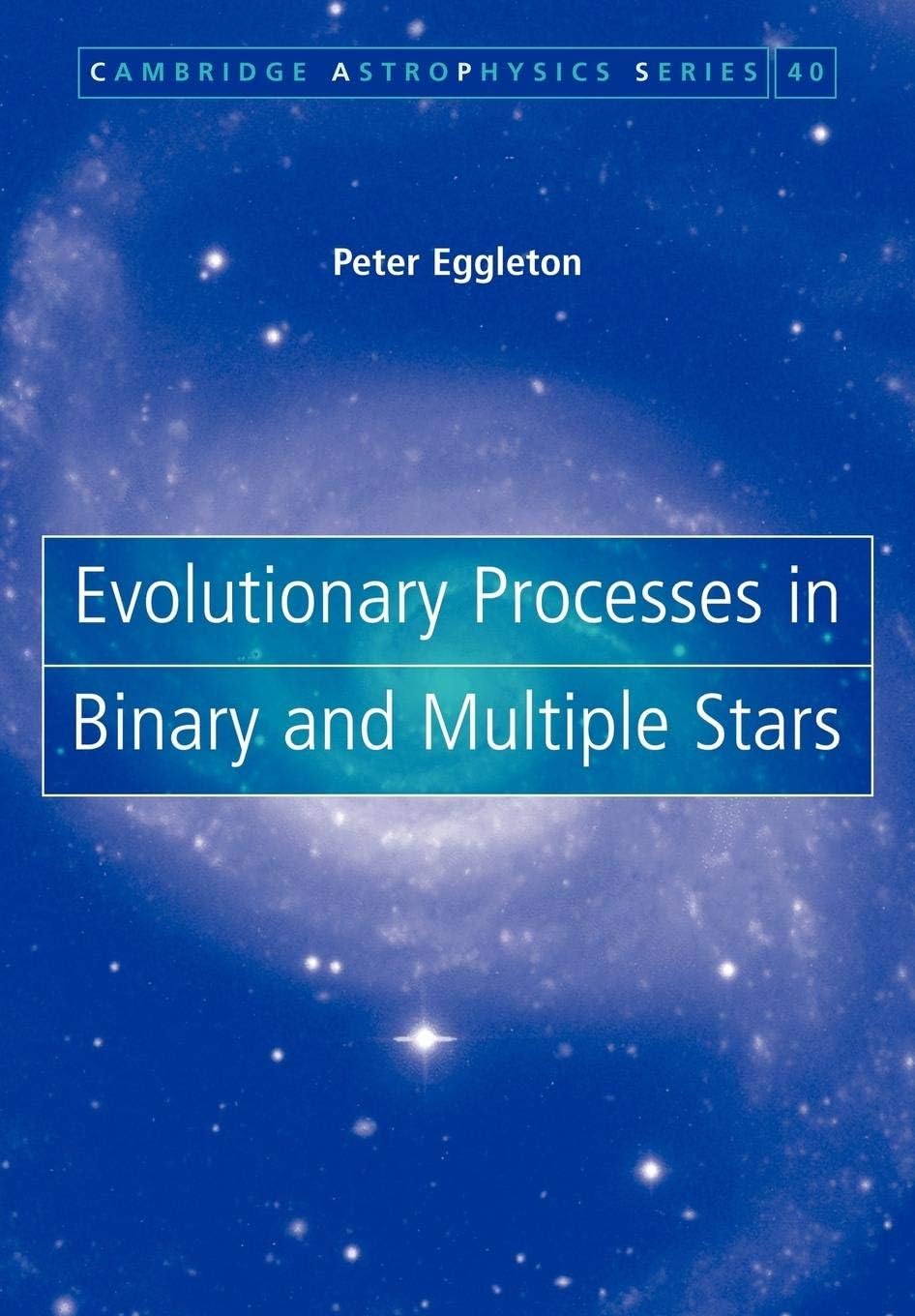
Evolutionary Processes in Binary and Multiple Stars by Peter Eggleton – A Deep Dive into Stellar Interactions and Astrop
Inclusive of all applicable taxes. FREE shipping on all orders.
Available Offers
- 🚚Free Delivery — Free shipping on all orders
- 💵Cash on Delivery — Pay when your order arrives
- ↩️15-Day Easy Returns — Hassle-free return policy
- 🔒Cash on Delivery — Pay safely when your order arrives
Check Delivery
Product Description
Introduction
In the vast expanse of our universe, stars rarely travel alone. Binary and multiple star systems are not just common—they are the norm. Yet, understanding how these stellar families evolve, interact, and sometimes collide has long been a challenge for astronomers and astrophysicists. Evolutionary Processes in Binary and Multiple Stars by Peter Eggleton offers a rigorous yet accessible exploration of this fascinating subject, making it an indispensable resource for Indian students and researchers delving into stellar astrophysics.
Book Overview
First published in 2006 by Cambridge University Press, this hardbound volume provides a comprehensive treatment of the life cycles of stars that are gravitationally bound to one another. Unlike a solitary star, a binary companion can dramatically alter a star's evolution—through tidal forces, mass transfer, and even engulfment. Eggleton masterfully combines theoretical foundations with observational insights, covering everything from the statistics of binary systems to the intricate mathematics of their interactions. The book bridges the gap between introductory astronomy and advanced research, making it ideal for graduate-level study and professional reference.
Key Highlights
- Comprehensive coverage of both single-star and binary-star evolution, with a focus on the unique processes that occur in multiple systems.
- Detailed mathematical appendices that provide a self-contained account of the physics behind Roche-lobe overflow, tidal friction, gravitational radiation, and magnetic braking.
- Integration of observational data with theoretical models, helping readers connect real-world stellar populations to physical principles.
- Focus on stability and instability in triple and higher-order systems, including the role of a distant third body in shaping close binary orbits.
Inside the Book
The journey begins with an overview of the statistics of binary stars—how many are there, how they are distributed, and what their orbital characteristics tell us. From there, Eggleton transitions into the evolution of single stars, establishing a baseline before introducing the complexities of companionship. Subsequent chapters dive into Roche-lobe overflow, where one star transfers mass to another, and the dramatic consequences of common-envelope evolution. Tidal friction, magnetic activity driven by rapid rotation, stellar winds, and magnetic braking are all explained with clarity. The final chapters explore the influence of a third star on a close binary, a topic of growing importance in modern astrophysics.
Key Topics
- Statistics and classification of binary and multiple star systems
- Single-star evolution: nuclear reactions, main sequence, and post-main sequence phases
- Roche-lobe overflow and mass transfer dynamics
- Common-envelope evolution and stellar mergers
- Tidal friction and orbital circularization
- Gravitational radiation and its role in close binaries
- Magnetic activity, stellar winds, and magnetic braking
- Three-body interactions and Kozai–Lidov oscillations
- Mathematical methods for modeling stellar interactions
Reader Benefits
Readers will gain a deep, quantitative understanding of how binary stars evolve over cosmic timescales. The book equips you with the tools to analyze observational data, interpret light curves, and build your own models of stellar systems. Whether you are preparing for a research career in astrophysics or simply seeking to satisfy your curiosity about the stars, this volume offers a structured path from fundamentals to frontier science. The appendices, in particular, serve as a handy reference for the mathematical techniques used in the field.
Learning Outcomes
- Understand the statistical properties of binary and multiple star populations
- Explain the key physical processes that modify stellar evolution in binaries
- Apply the Roche model to predict mass transfer and system stability
- Analyze the roles of tidal friction, magnetic braking, and gravitational radiation in shaping orbits
- Evaluate the long-term stability of triple star systems
- Use mathematical tools from the appendices to solve problems in stellar astrophysics
Who Should Read
This book is tailored for graduate students in astronomy and astrophysics, especially those in Indian universities offering advanced courses in stellar physics. It is also highly valuable for researchers transitioning into the field of binary stars, as well as dedicated amateur astronomers with a strong background in physics. Professionals working on stellar evolution models or observational surveys of star clusters will find it an essential addition to their library.
About the Author
Peter Eggleton is a distinguished astrophysicist known for his pioneering contributions to the theory of stellar evolution and binary star interactions. With a career spanning several decades, he has developed some of the most widely used computational models for stellar structure and evolution. His work has profoundly influenced our understanding of how stars live, interact, and die in the company of others. Eggleton's clear writing style and deep expertise make this book a trusted guide for students and researchers alike.
About the Publisher
Cambridge University Press is one of the world's oldest and most respected academic publishers, with a strong tradition of excellence in the sciences. Their astronomy and astrophysics catalog includes landmark texts that have educated generations of scholars. This volume upholds that legacy, offering rigorous scholarship presented with the clarity and precision that Cambridge is known for.
Conclusion
Evolutionary Processes in Binary and Multiple Stars is more than a textbook—it is a gateway to understanding the dynamic, interconnected lives of stars. For anyone serious about stellar astrophysics, this book provides the conceptual framework and mathematical foundation needed to explore one of the most exciting frontiers of modern astronomy. Add this essential volume to your collection and deepen your appreciation for the cosmic dance of binary and multiple star systems.
Quick Summary
Evolutionary Processes in Binary and Multiple Stars by Peter Eggleton is an authoritative astrophysics textbook that delves into the complex interactions between stars in binary and multiple systems. Unlike single stars, these stellar pairs and groups experience additional phenomena such as Roche-lobe overflow, tidal friction, gravitational radiation, magnetic braking, and stellar winds, all of which profoundly influence their evolution. The book begins with statistics on binary star populations and a review of single star evolution, then systematically explores each interaction mechanism. It also covers the influence of a distant third body on a close binary and the eventual instability that can lead to mergers or common envelope phases. Written for advanced undergraduate and graduate students, as well as researchers, the book combines theoretical models with observational examples. Published by Cambridge University Press, this hardcover volume is a durable reference for anyone studying stellar astrophysics. By purchasing from Bookshops.in, Indian readers gain access to a premium physical copy with fast delivery and excellent customer service, supporting local bookstores and ensuring a quality reading experience.
Book Highlights
Book Specifications
| ISBN-13 | 9780521855570 |
| ISBN-10 | 0521855578 |
| Publisher | Cambridge University Press |
| Language | English |
| Dimensions | 17.78 x 1.91 x 24.77 cm |
| Weight | 828 g |
| Category | Science & Mathematics › Astronomy & Astrophysics |
| Genre | Science & Mathematics |
| Original Language | English |
Frequently Asked Questions
What is this book about?
Who is the author?
Is this book suitable for beginners?
Does the book cover multiple star systems?
What are the key topics covered?
Is this book used in Indian universities?
What is the price in India?
Is the book available in hardcover?
Does the book include mathematical derivations?
Can I use this book for research?
Are there illustrations and diagrams?
What is the ISBN?
How is this book different from general stellar evolution texts?
Does the book discuss observational evidence?
Readers Also Search For
Customers Also Bought
Mathematics
Stereotype Spaces and Algebras: 73 (De Gruyter Expositions in Mathematics, 73)
Mathematics
Semigroups in Algebra, Geometry and Analysis: 20 (De Gruyter Expositions in Mathematics, 20)
Mathematics
Geometry from the Pacific Rim: Proceedings of the Pacific Rim Geometry Conference held at National University of Singapore, Republic of Singapore, ... 1994 (De Gruyter Proceedings in Mathematics)
Mathematics
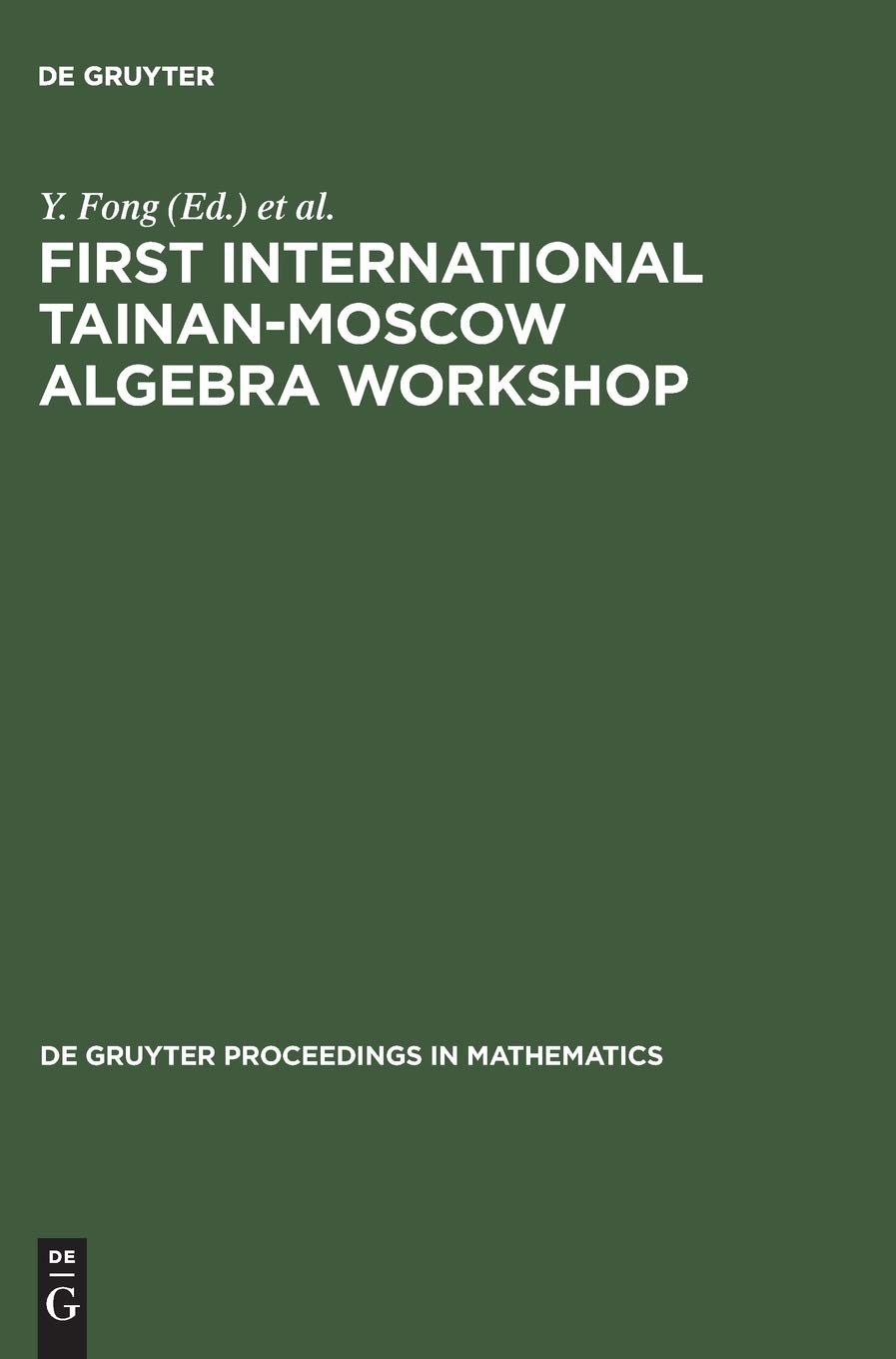
First International Tainan-Moscow Algebra Workshop: Proceedings of the International Conference held at National Cheng Kung University Tainan, Taiwan, ... 1994 (De Gruyter Proceedings in Mathematics)
Mathematics
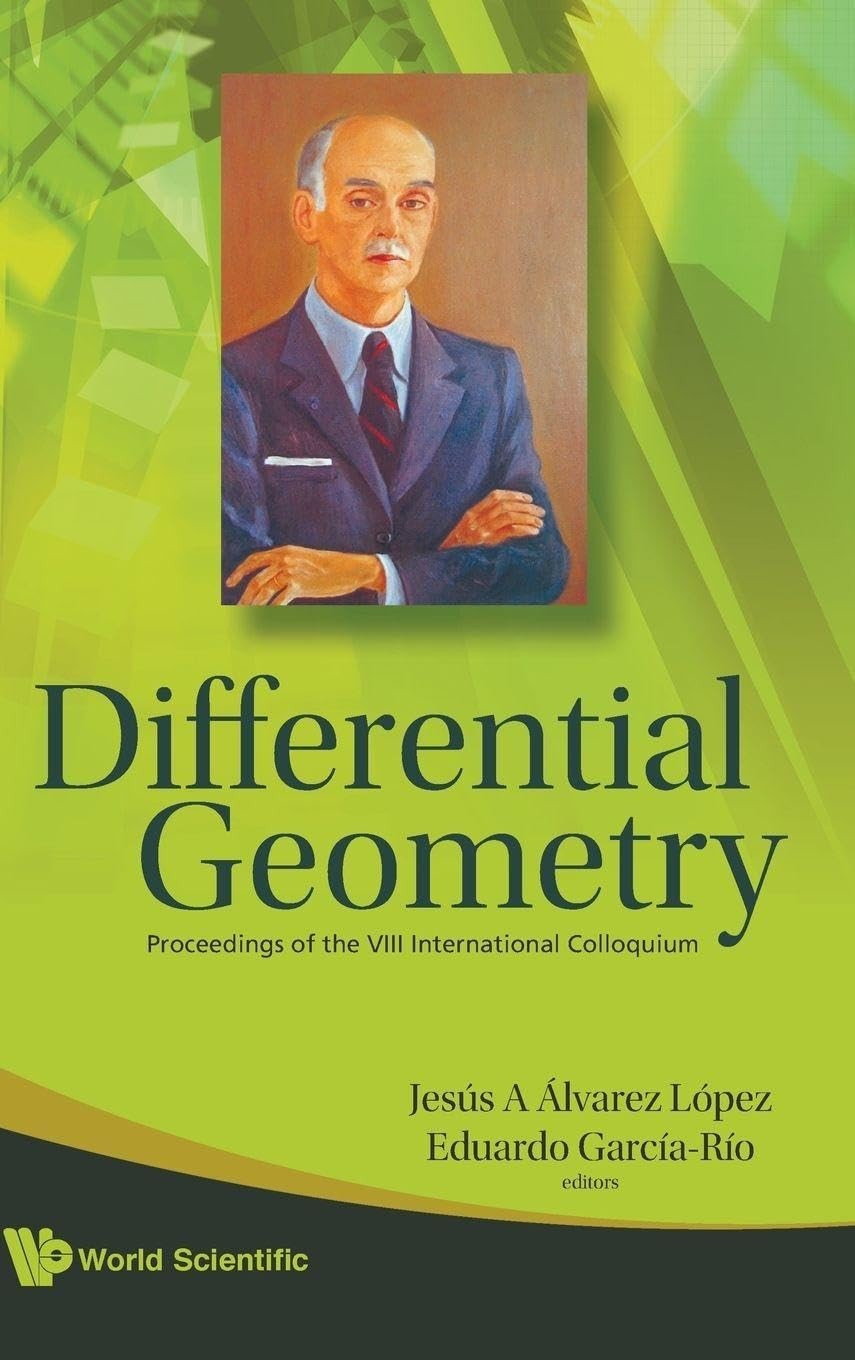
Differential Geometry - Proceedings of the VIII International Colloquium (English, Jesus A. Alvarez Lopez | Eduardo Garcia-Rio)
Mathematics
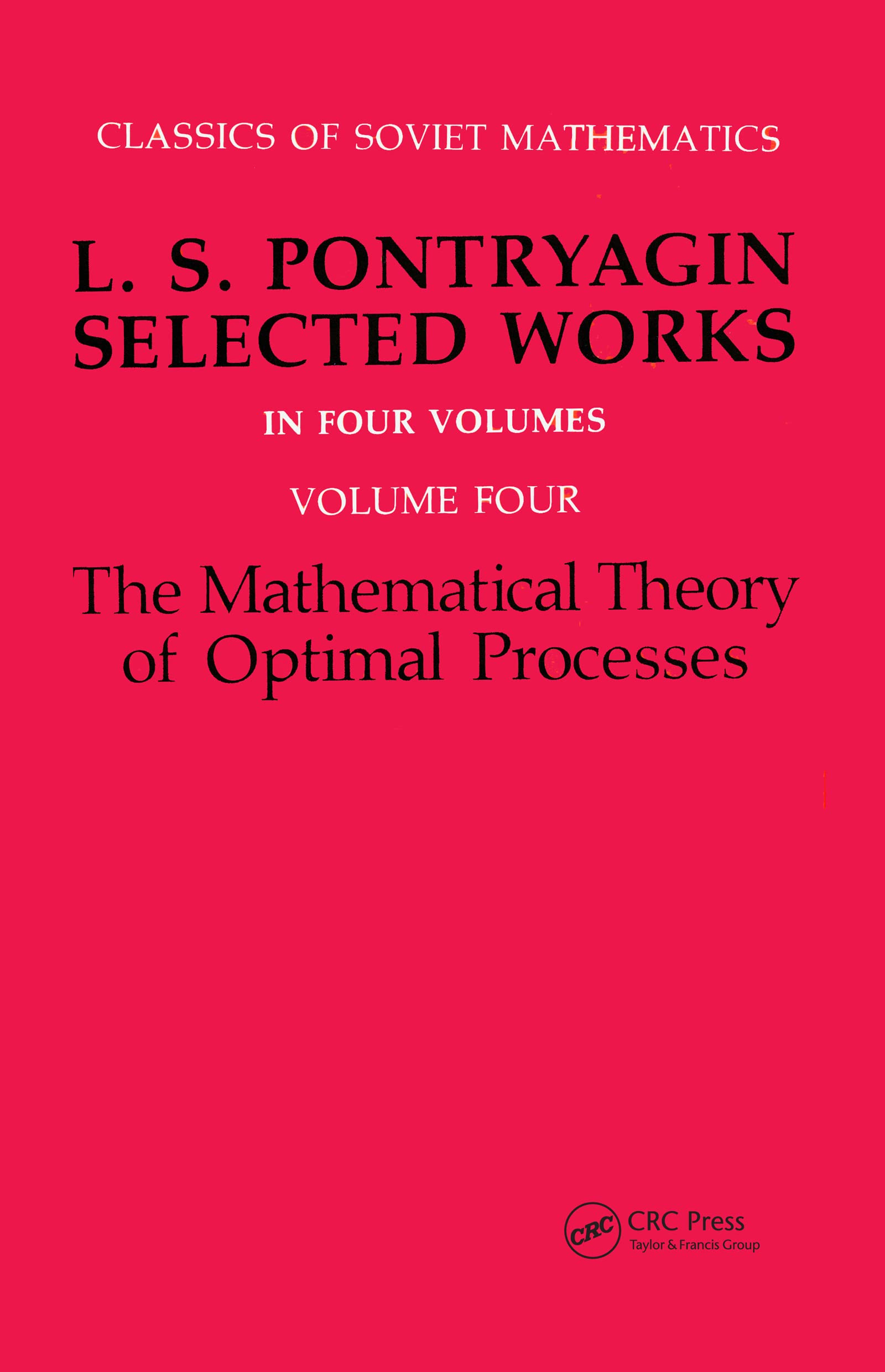
Mathematical Theory of Optimal Processes (Classics of Soviet Mathematics)
Related Products
View All
Science & Mathematics
Elements of Pelagos Biology: With Focus on the Mediterranean Sea

Science & Mathematics
Squid - Superconducting Quantum Interference Devices and Their Applications: Proceedings of the International Conference on Superconducting Quantum Devices, Berlin-west, October 4-8, 1976
Science & Mathematics
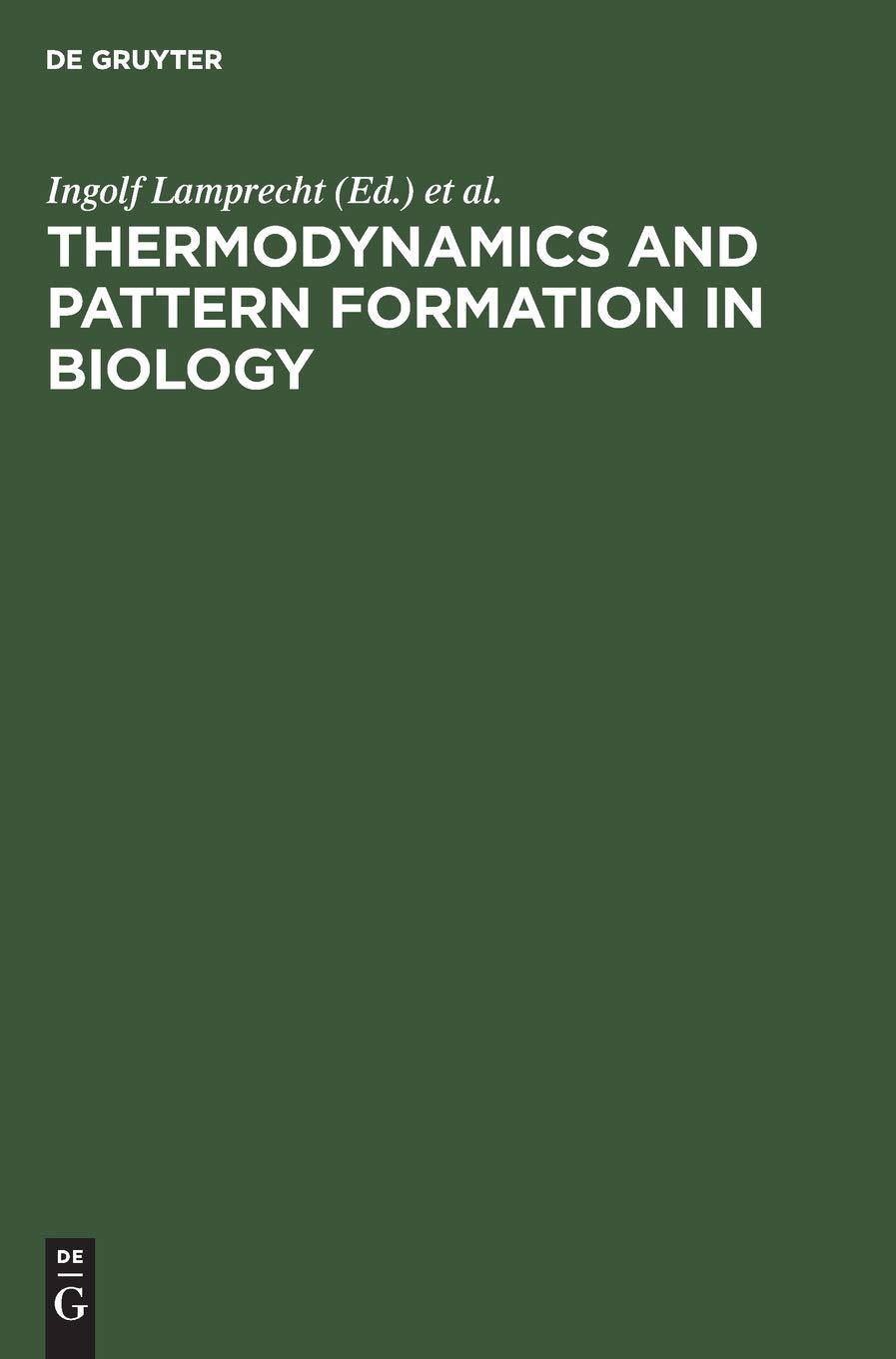
Thermodynamics and Pattern Formation in Biology
Science & Mathematics
The Nature of Mathematics and the Mathematics of Nature by S. Andersson – Mathematics & Science

Science & Mathematics
Linear Algebra | by Stephen Friedberg | Arnold Insel | Lawrence Spence | Pearson | by Stephen Friedberg | Arnold Insel | Lawrence Spence | Pearson | by Stephen Friedberg | Arnold Insel | Lawrence Spence | Pearson | by Stephen Friedberg | Arnold Insel | Lawrence Spence | Pearson | by Stephen Friedberg | Arnold Insel | Lawrence Spence | Pearson | by Stephen Friedberg | Arnold Insel | Lawrence Spence | Pearson | by Stephen Friedberg | Arnold Insel | Lawrence Spence | Pearson | by Stephen Friedberg
Science & Mathematics