
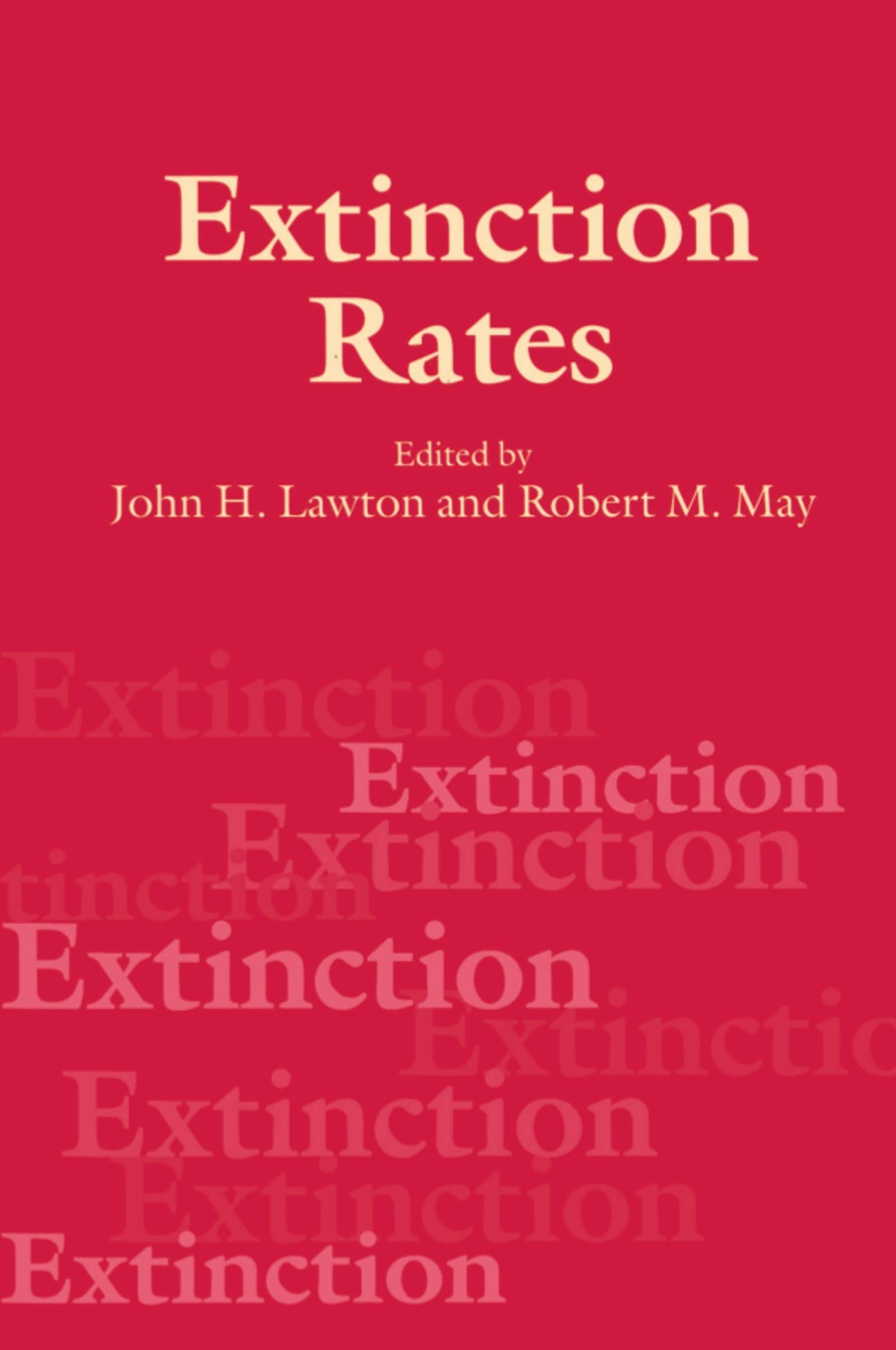
Extinction Rates: A Data-Driven Analysis of Biodiversity Loss by May Lawton – Essential Reading for Ecology and Conserva
Inclusive of all applicable taxes. FREE shipping on all orders.
Available Offers
- 🚚Free Delivery — Free shipping on all orders
- 💵Cash on Delivery — Pay when your order arrives
- ↩️15-Day Easy Returns — Hassle-free return policy
- 🔒Cash on Delivery — Pay safely when your order arrives
Check Delivery
Product Description
Introduction
In an era when the natural world faces unprecedented pressures, understanding the pace and pattern of species loss has never been more critical. Extinction Rates by May Lawton offers a rigorous, data-driven exploration of how many species have vanished since 1600 and what that means for the future of biodiversity. Published by OUP Oxford, this hardcover volume is an essential resource for students, researchers, and professionals seeking reliable estimates grounded in empirical evidence rather than speculation. For Indian readers grappling with conservation challenges in the subcontinent’s rich ecosystems, this book provides the analytical tools to assess extinction risks with clarity and precision.
Book Overview
Extinction Rates is a comprehensive reference work that synthesizes decades of ecological data to produce accurate estimates of recent extinctions. The book moves beyond anecdotal accounts to deliver a systematic analysis of extinction patterns across taxonomic groups and geographical regions. It addresses the urgent need for robust baselines that can inform conservation policy and future projections. Whether you are a postgraduate student in ecology or a wildlife manager in India’s Western Ghats, this book equips you with the quantitative framework necessary to evaluate biodiversity loss in a changing world.
Key Highlights
- Data-driven approach: Relies on extensive datasets from 1600 onwards to calculate extinction rates with statistical rigor.
- Comparative analysis: Highlights differences in extinction rates among various taxonomic groups, from mammals and birds to plants and invertebrates.
- Geographic focus: Examines regional variations, including tropical hotspots like India, to identify areas of greatest concern.
- Future projections: Offers models for estimating extinction rates in the coming centuries, essential for long-term conservation planning.
- Interdisciplinary relevance: Bridges ecology, conservation biology, and environmental science for a holistic understanding.
Inside the Book
The book is structured to guide readers from foundational concepts to advanced analytical methods. Early chapters define extinction rates and discuss the challenges of incomplete fossil and historical records. Subsequent sections delve into case studies from around the world, including detailed examinations of island ecosystems, freshwater habitats, and tropical forests. Each chapter presents data in clear tables and graphs, accompanied by critical discussions of methodological limitations. The final chapters synthesize findings to propose actionable insights for policymakers and conservationists. Throughout, the author emphasizes unresolved questions, encouraging readers to engage with ongoing debates in the field.
Key Topics
- Historical extinction trends since 1600
- Methods for estimating background and current extinction rates
- Taxonomic biases in extinction data
- Role of habitat loss, climate change, and invasive species
- Extinction debt and delayed species loss
- Comparative analysis of marine vs. terrestrial extinctions
- Implications for biodiversity hotspots in India and beyond
Reader Benefits
Readers will gain a solid grounding in the science of extinction, enabling them to critically evaluate conservation claims in media and policy. The book’s data-centric perspective helps avoid common misconceptions about the scale of biodiversity loss. For Indian students, understanding extinction rates is vital for protecting the country’s unique species, from the Bengal tiger to the Great Indian bustard. Researchers will appreciate the detailed appendices and references that support further investigation. The hardcover format makes it a durable addition to any academic library.
Learning Outcomes
- Understand how extinction rates are calculated and why estimates vary
- Identify the major drivers of species loss in historical and modern contexts
- Evaluate the reliability of different data sources and methodologies
- Apply extinction rate models to real-world conservation scenarios
- Recognize the limitations of current knowledge and future research needs
Who Should Read
This book is ideal for senior undergraduate and postgraduate students in ecology, conservation biology, and environmental sciences. It is also a valuable resource for wildlife biologists, forest officers, environmental consultants, and NGO professionals in India working on species protection. Anyone with a serious interest in the quantitative aspects of biodiversity loss will find this text indispensable. The accessible yet rigorous treatment makes it suitable for self-study or as a course textbook.
About the Author
May Lawton is a distinguished researcher with extensive experience in biodiversity science and extinction dynamics. Their work has been published in leading ecological journals, and they have contributed to global assessments of species risk. Lawton’s expertise in statistical ecology ensures that Extinction Rates is both authoritative and methodologically sound. The author’s commitment to evidence-based conservation shines through every chapter.
About the Publisher
OUP Oxford is one of the world’s most respected academic publishers, known for its rigorous peer-review process and high-quality scholarly works. With a history spanning centuries, OUP Oxford consistently delivers books that advance knowledge across disciplines. This title upholds that tradition, offering Indian readers a reliable source of scientific information on a topic of global and local importance.
Conclusion
Extinction Rates is more than a compilation of numbers—it is a call to action grounded in evidence. For Indian students and professionals committed to safeguarding the nation’s natural heritage, this book provides the intellectual foundation to make informed decisions. By understanding the past and present of species loss, we can better shape a future where biodiversity thrives. Order your copy today from Bookshops.in and join the informed conversation on conservation.
Quick Summary
Extinction Rates by May Lawton is a data-driven exploration of species extinction from 1600 to the present, providing a robust foundation for predicting future biodiversity loss. The book systematically analyzes extinction patterns across different taxonomic groups and geographic regions, highlighting key uncertainties and research gaps. It is designed for senior undergraduates, postgraduates, and researchers in ecology, conservation biology, and environmental sciences. Readers will gain a deep understanding of how extinction rates are calculated, the factors driving modern extinctions, and the implications for conservation policy. The book stands out for its rigorous statistical approach and comprehensive coverage of both historical and contemporary data. By purchasing from Bookshops.in, Indian students and professionals receive a genuine hardcover copy with reliable delivery and support for their academic and professional growth.
Book Highlights
Book Specifications
| ISBN-13 | 9780198548294 |
| ISBN-10 | 019854829X |
| Publisher | OUP Oxford |
| Language | English |
| Dimensions | 15.65 x 1.42 x 23.34 cm |
| Weight | 340 g |
| Country | India |
| Category | Biology & Life Sciences › Botany |
| Genre | Non-fiction |
| Original Language | English |
Frequently Asked Questions
What is the main focus of Extinction Rates?
Who is the author of Extinction Rates?
Is this book suitable for undergraduate students?
Does the book cover Indian biodiversity?
What language is the book written in?
Is this a textbook or a reference work?
What is the ISBN of this book?
Can I use this book for my PhD research?
Does the book include case studies?
Is the book available in hardcover?
What is the price of Extinction Rates?
Why should I buy from Bookshops.in?
Readers Also Search For
Customers Also Bought
Mathematics
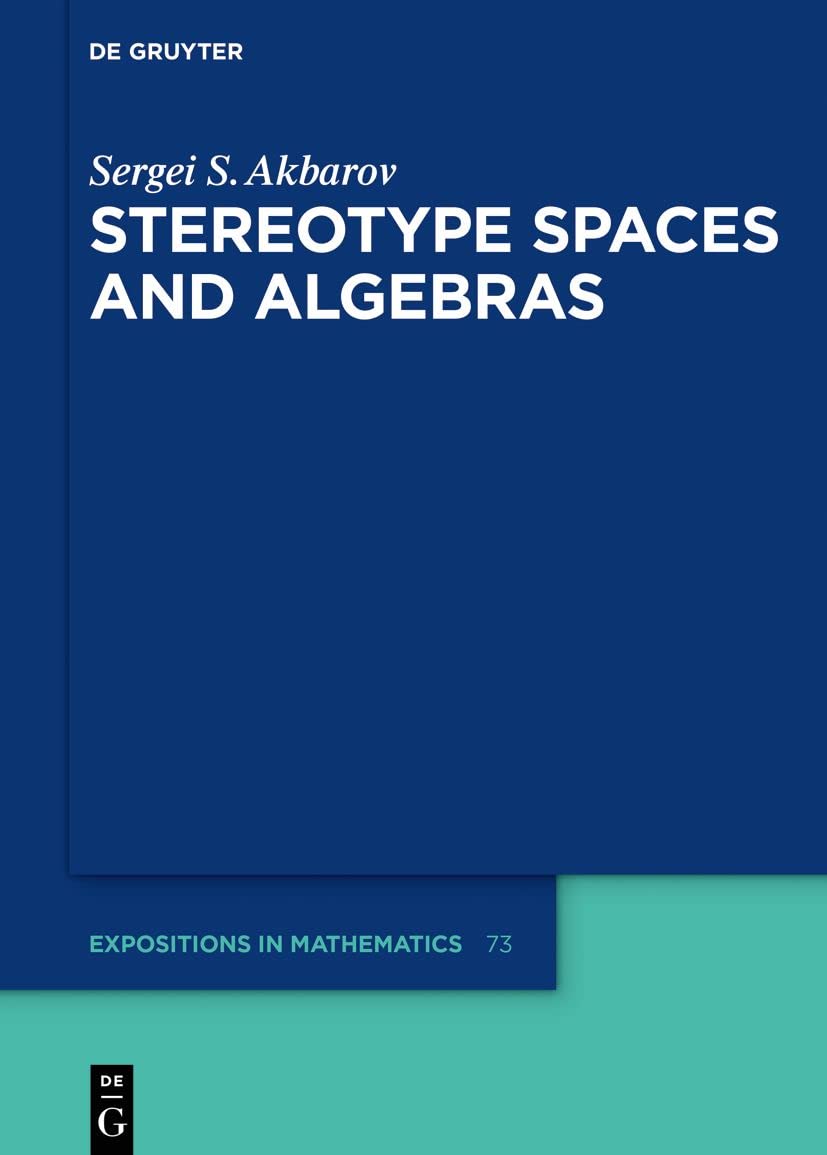
Stereotype Spaces and Algebras: 73 (De Gruyter Expositions in Mathematics, 73)
Mathematics
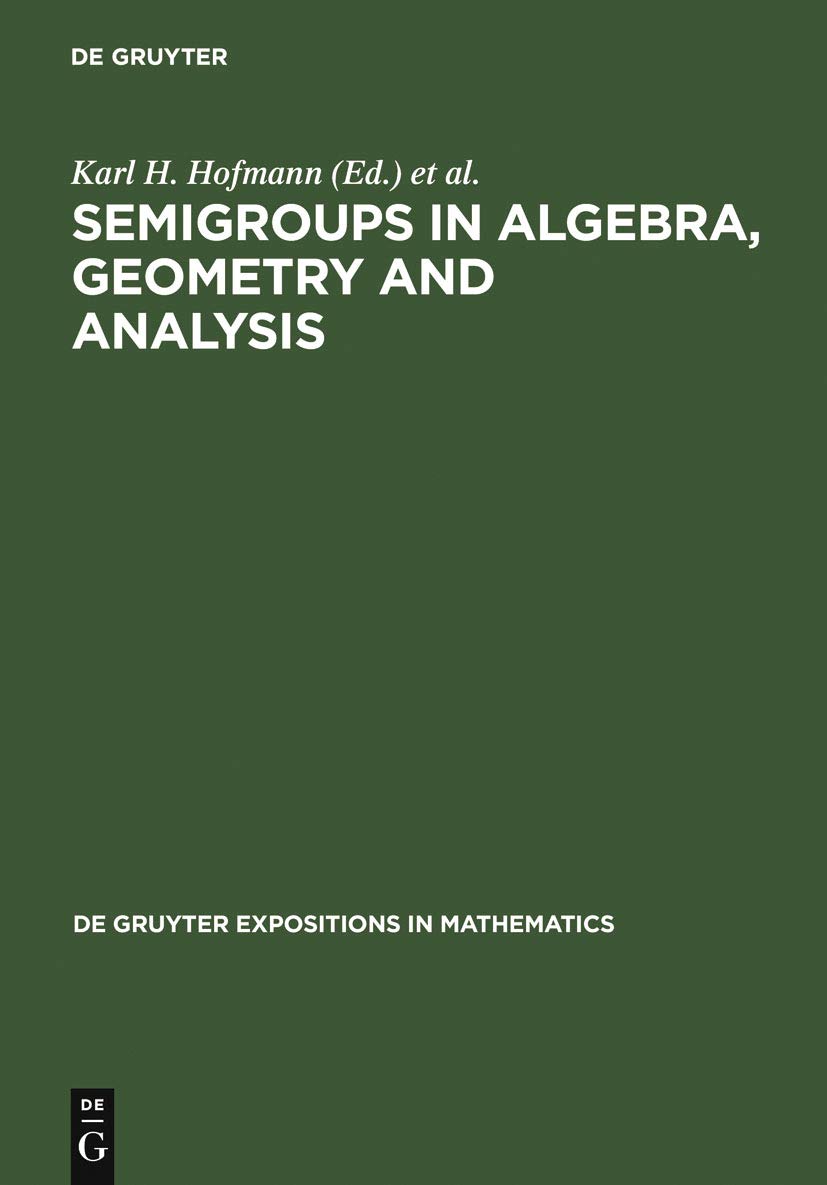
Semigroups in Algebra, Geometry and Analysis: 20 (De Gruyter Expositions in Mathematics, 20)
Mathematics
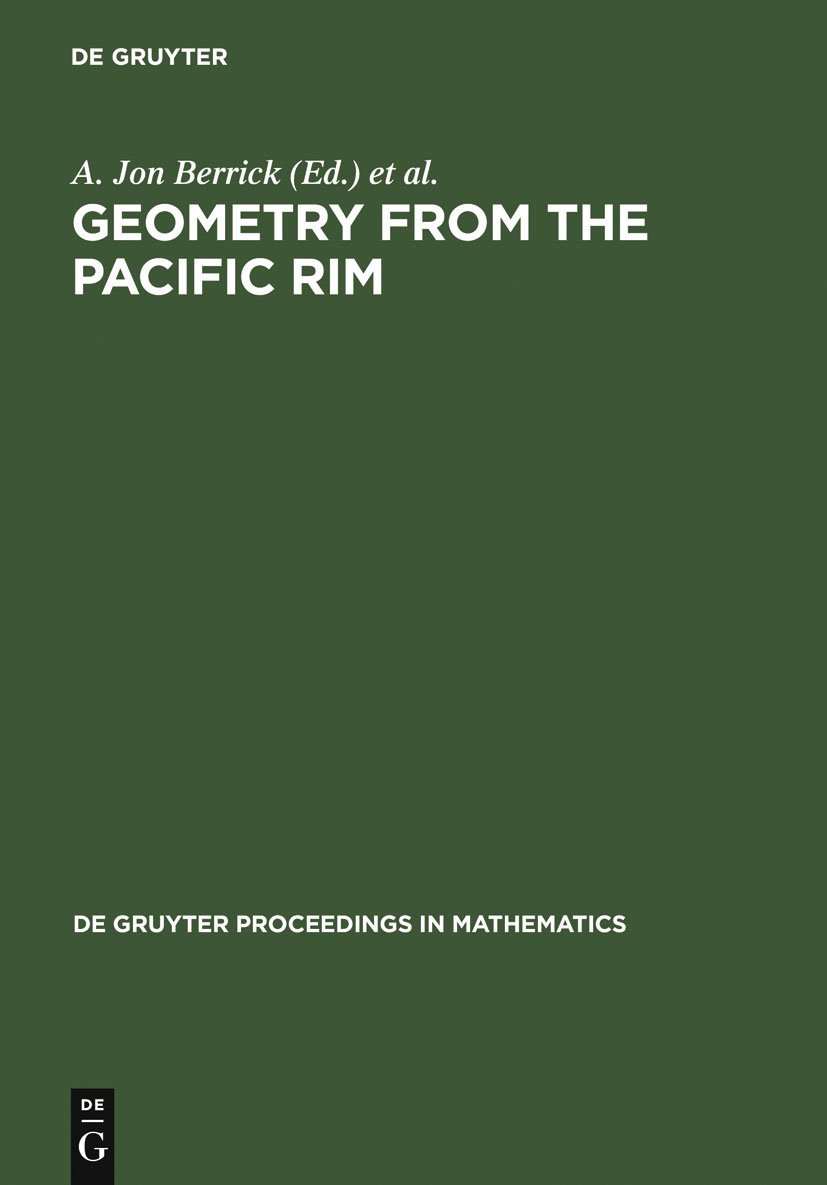
Geometry from the Pacific Rim: Proceedings of the Pacific Rim Geometry Conference held at National University of Singapore, Republic of Singapore, ... 1994 (De Gruyter Proceedings in Mathematics)

Mathematics
First International Tainan-Moscow Algebra Workshop: Proceedings of the International Conference held at National Cheng Kung University Tainan, Taiwan, ... 1994 (De Gruyter Proceedings in Mathematics)
Mathematics
Differential Geometry - Proceedings of the VIII International Colloquium (English, Jesus A. Alvarez Lopez | Eduardo Garcia-Rio)
Mathematics
Mathematical Theory of Optimal Processes (Classics of Soviet Mathematics)
Related Products
View All
Science & Mathematics
Elements of Pelagos Biology: With Focus on the Mediterranean Sea

Science & Mathematics
Squid - Superconducting Quantum Interference Devices and Their Applications: Proceedings of the International Conference on Superconducting Quantum Devices, Berlin-west, October 4-8, 1976
Science & Mathematics
Thermodynamics and Pattern Formation in Biology
Science & Mathematics
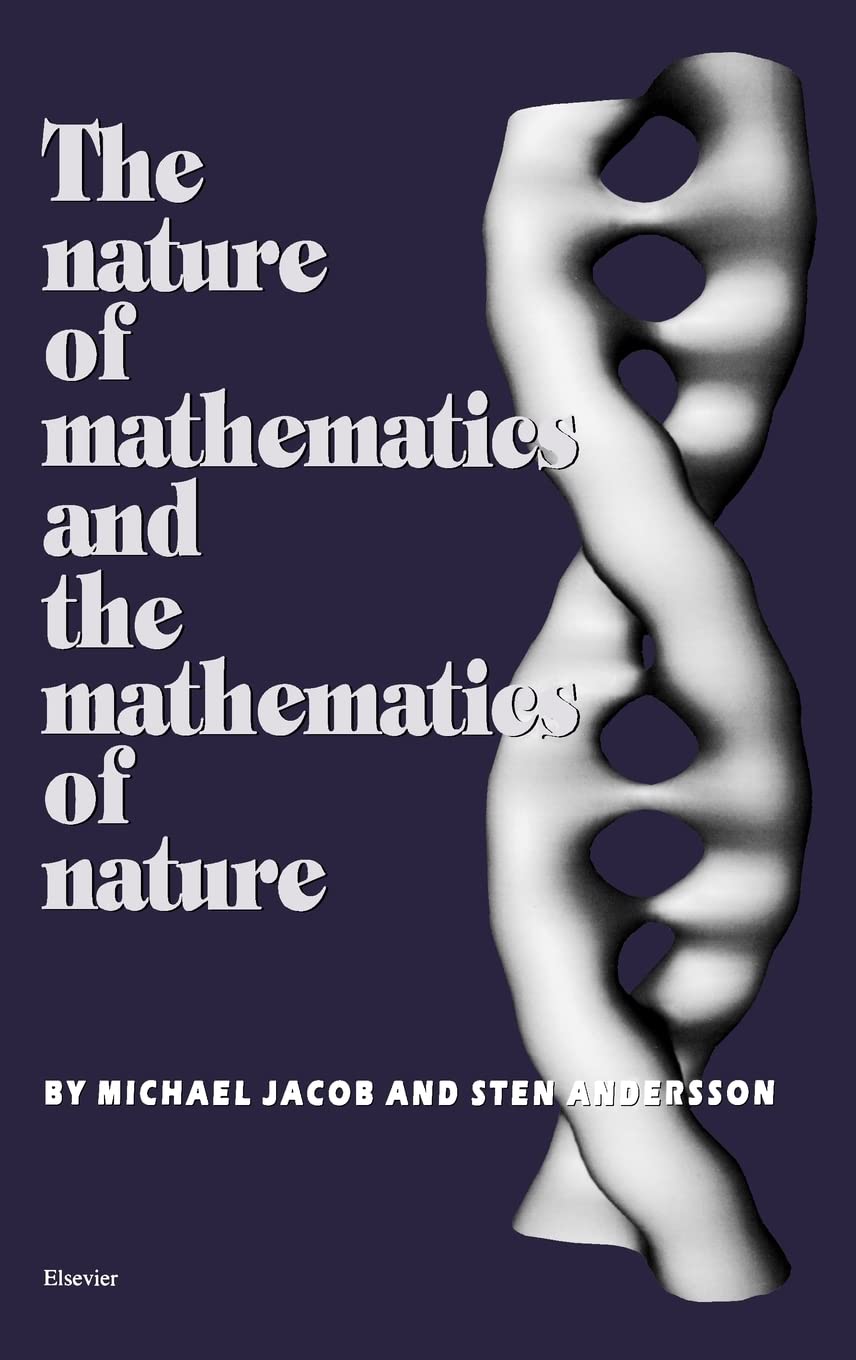
The Nature of Mathematics and the Mathematics of Nature by S. Andersson – Mathematics & Science

Science & Mathematics
Linear Algebra | by Stephen Friedberg | Arnold Insel | Lawrence Spence | Pearson | by Stephen Friedberg | Arnold Insel | Lawrence Spence | Pearson | by Stephen Friedberg | Arnold Insel | Lawrence Spence | Pearson | by Stephen Friedberg | Arnold Insel | Lawrence Spence | Pearson | by Stephen Friedberg | Arnold Insel | Lawrence Spence | Pearson | by Stephen Friedberg | Arnold Insel | Lawrence Spence | Pearson | by Stephen Friedberg | Arnold Insel | Lawrence Spence | Pearson | by Stephen Friedberg
Science & Mathematics