
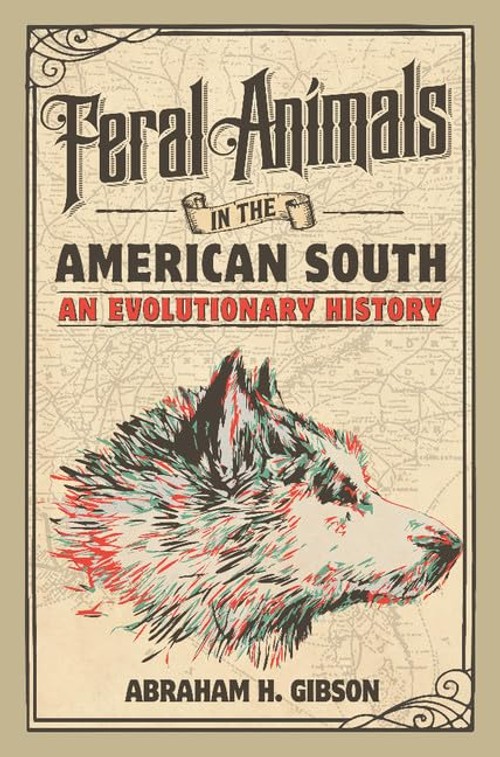
Feral Animals in the American South: An Evolutionary History by Abraham H. Gibson – A Cambridge University Press Hardcov
Inclusive of all applicable taxes. FREE shipping on all orders.
Available Offers
- 🚚Free Delivery — Free shipping on all orders
- 💵Cash on Delivery — Pay when your order arrives
- ↩️15-Day Easy Returns — Hassle-free return policy
- 🔒Cash on Delivery — Pay safely when your order arrives
Check Delivery
Product Description
Introduction
What happens when domesticated animals break free from human control and carve out a life in the wild? In Feral Animals in the American South: An Evolutionary History, Abraham H. Gibson offers a fascinating and unconventional lens through which to view the history of the American South. This book is not just about animals—it is about the complex interplay between ecology, culture, and evolution. For Indian readers interested in environmental studies, history, or evolutionary biology, this work presents a compelling narrative that challenges traditional boundaries between the domestic and the wild.
Book Overview
Gibson traces the evolutionary and social trajectories of feral animals—creatures that are neither fully domestic nor truly wild—in the American South over centuries. From free-ranging hogs and cattle to horses and dogs, these animals have adapted to life outside direct human management, reshaping the southern landscape and its ecosystems. The book argues that understanding feral populations is essential for a complete picture of human-animal relationships, especially in a region where social and agricultural practices have long sustained large feral communities. By blending evolutionary theory with historical analysis, Gibson reveals how feral animals have influenced southern culture, economy, and ecology in ways often overlooked.
Key Highlights
- Original perspective: Shifts focus from domestic or wild animals to the often-ignored feral category, offering a fresh evolutionary and historical framework.
- Southern focus: Deeply rooted in the American South, exploring how regional norms and practices fostered feral animal populations.
- Interdisciplinary approach: Merges evolutionary biology, environmental history, and cultural studies for a rich, multifaceted narrative.
- Engaging case studies: Uses specific species like feral hogs and horses to illustrate broader ecological and evolutionary principles.
- Thought-provoking insights: Challenges readers to reconsider the boundaries between nature and culture, control and freedom.
Inside the Book
The book is structured to guide readers from foundational concepts to complex historical narratives. Early chapters define feral animals and explore the evolutionary pressures that shape them once they escape human domestication. Gibson then dives into the history of the American South, showing how colonization, slavery, and land use created ideal conditions for feral populations to thrive. Later sections examine the ecological impacts of these animals, their role in southern folklore and economy, and the modern challenges they pose for conservation and agriculture. The writing is accessible yet rigorous, making complex ideas clear without oversimplification.
Key Topics
- Definition and evolutionary significance of feral animals
- History of domestication and its unintended consequences
- The American South as a unique ecological and cultural region
- Feral hogs, cattle, horses, and dogs: case studies in adaptation
- Interactions between feral animals and human societies
- Ecological impacts: from soil disruption to species competition
- Modern management and ethical considerations
- Lessons for understanding human-animal relationships globally
Reader Benefits
- Broadens perspective: Gain a deeper appreciation for the hidden histories of animals that exist between the domestic and wild worlds.
- Enhances critical thinking: Learn to question simple categories like 'wild' and 'domestic' and see the fluidity of nature.
- Relevant to Indian context: While focused on the American South, the themes resonate with India's own history of feral animals—from street dogs to free-ranging cattle—offering comparative insights.
- Supports academic growth: Ideal for students and researchers in ecology, history, anthropology, and environmental studies.
- Engaging storytelling: Combines scientific rigor with vivid historical accounts, making it a page-turner for curious readers.
Learning Outcomes
- Understand the concept of feral animals and their place in evolutionary theory.
- Analyze how human activities create selective pressures that lead to feral populations.
- Evaluate the historical role of feral animals in shaping southern American landscapes.
- Compare feral animal dynamics in different regions, including potential parallels in India.
- Critically assess contemporary debates about feral species management and conservation.
Who Should Read
This book is perfect for students of history, ecology, and evolutionary biology; environmentalists and conservationists; animal behavior enthusiasts; and anyone curious about the untold stories of animals that live on the margins of human society. Indian readers with an interest in the intersections of culture, nature, and history will find Gibson's work both enlightening and applicable to local contexts, such as the management of feral cattle or urban wildlife.
About the Author
Abraham H. Gibson is a historian of science and the environment, with research interests that span evolutionary biology, animal studies, and American history. His work has appeared in leading academic journals, and he is known for bringing fresh perspectives to the study of human-animal relationships. Gibson's ability to weave together scientific and historical narratives makes him a compelling voice in environmental humanities.
About the Publisher
Cambridge University Press is a world-renowned academic publisher with a legacy of over 400 years. Known for rigorous scholarship and high-quality publications, Cambridge University Press brings immense credibility to this work. For Indian readers, this hardcover edition represents a reliable source of cutting-edge research, suitable for both personal libraries and academic reference.
Conclusion
Feral Animals in the American South: An Evolutionary History is a groundbreaking work that redefines how we think about domestication, freedom, and the natural world. By focusing on animals that have slipped the leash of human control, Abraham H. Gibson opens up a new chapter in environmental history. Whether you are a student, researcher, or simply a curious reader, this book will change the way you see the animals around you—and the histories they carry. Add this thought-provoking hardcover to your collection today from Bookshops.in and explore the wild side of domestication.
Quick Summary
Feral Animals in the American South: An Evolutionary History by Abraham H. Gibson is a compelling academic work that examines the complex relationship between humans and domestic animals that have reverted to a wild state. Focusing on the American South, the book explores how social and cultural norms have facilitated the establishment and persistence of large feral populations of pigs, horses, dogs, and other species over centuries. Gibson integrates evolutionary biology, ecology, and social history to provide a nuanced understanding of these animals, challenging conventional distinctions between domestic and wild. Readers will learn about the ecological impacts of feral animals, the historical contexts of their emergence, and the ethical questions surrounding their management. This book is ideal for students and researchers in animal studies, ecology, environmental history, and conservation biology. Indian readers interested in global animal history and human-animal relationships will find it particularly enlightening. Purchasing from Bookshops.in ensures you receive an authentic hardcover edition from Cambridge University Press, delivered across India.
Book Highlights
Book Specifications
| ISBN-13 | 9781107156944 |
| ISBN-10 | 1107156947 |
| Publisher | Cambridge University Press |
| Language | English |
| Dimensions | 15.24 x 2.54 x 22.86 cm |
| Weight | 480 g |
| Category | Biology & Life Sciences › Ecology |
| Genre | Nonfiction |
| Original Language | English |
Frequently Asked Questions
What is Feral Animals in the American South about?
Who is the author of this book?
Is this book suitable for Indian students?
What animals are discussed in the book?
What makes this book unique?
Is this book a hardcover or paperback?
What is the ISBN of this book?
What is the price of the book in India?
Does the book include illustrations or maps?
Can this book be used for academic research?
Is the book written in English?
Where can I buy this book in India?
Readers Also Search For
Customers Also Bought
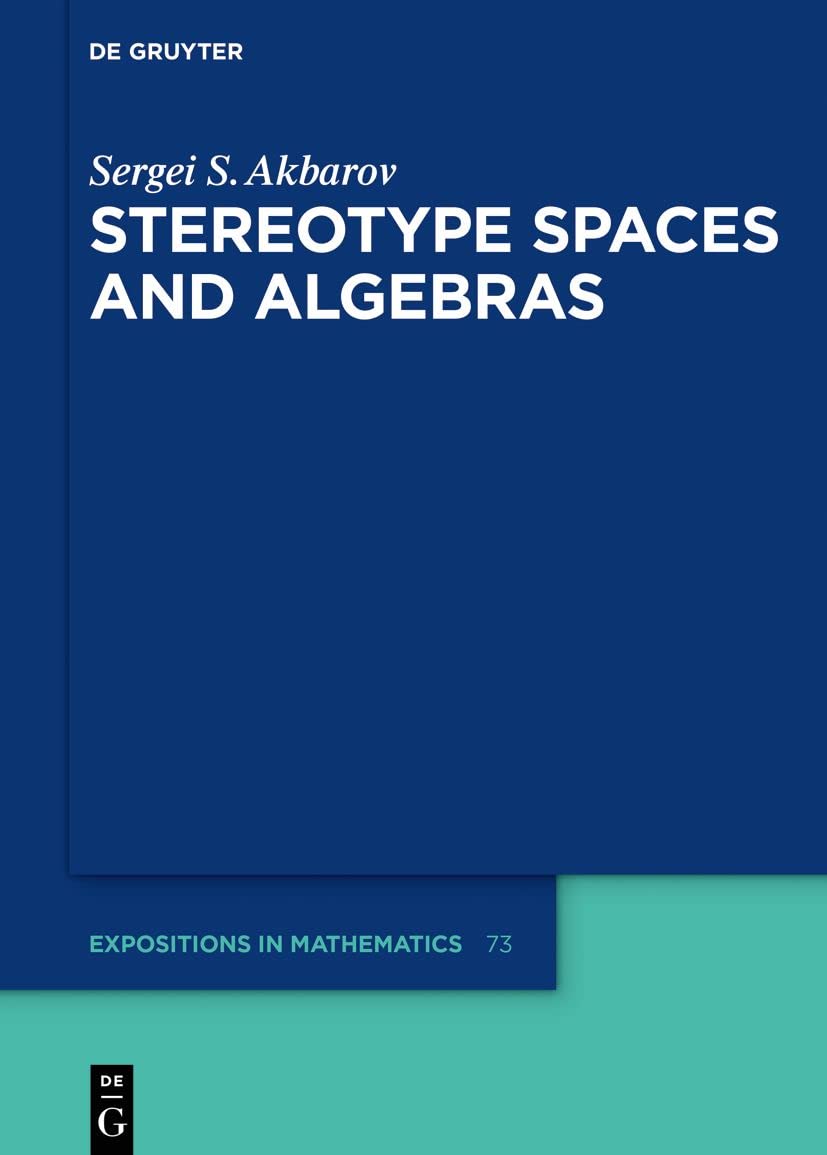
Mathematics
Stereotype Spaces and Algebras: 73 (De Gruyter Expositions in Mathematics, 73)

Mathematics
Semigroups in Algebra, Geometry and Analysis: 20 (De Gruyter Expositions in Mathematics, 20)

Mathematics
Geometry from the Pacific Rim: Proceedings of the Pacific Rim Geometry Conference held at National University of Singapore, Republic of Singapore, ... 1994 (De Gruyter Proceedings in Mathematics)

Mathematics
First International Tainan-Moscow Algebra Workshop: Proceedings of the International Conference held at National Cheng Kung University Tainan, Taiwan, ... 1994 (De Gruyter Proceedings in Mathematics)
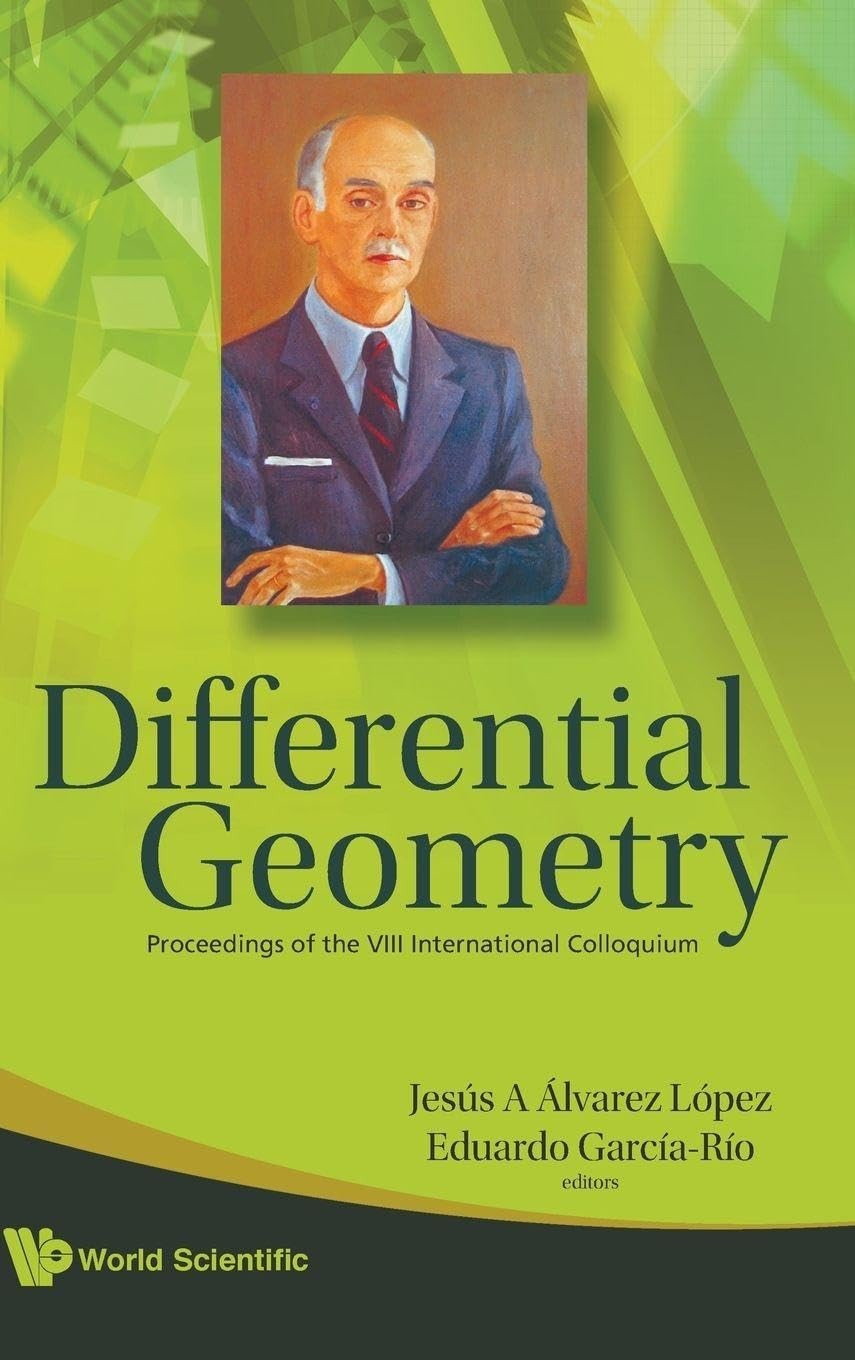
Mathematics
Differential Geometry - Proceedings of the VIII International Colloquium (English, Jesus A. Alvarez Lopez | Eduardo Garcia-Rio)

Mathematics
Mathematical Theory of Optimal Processes (Classics of Soviet Mathematics)
Related Products
View All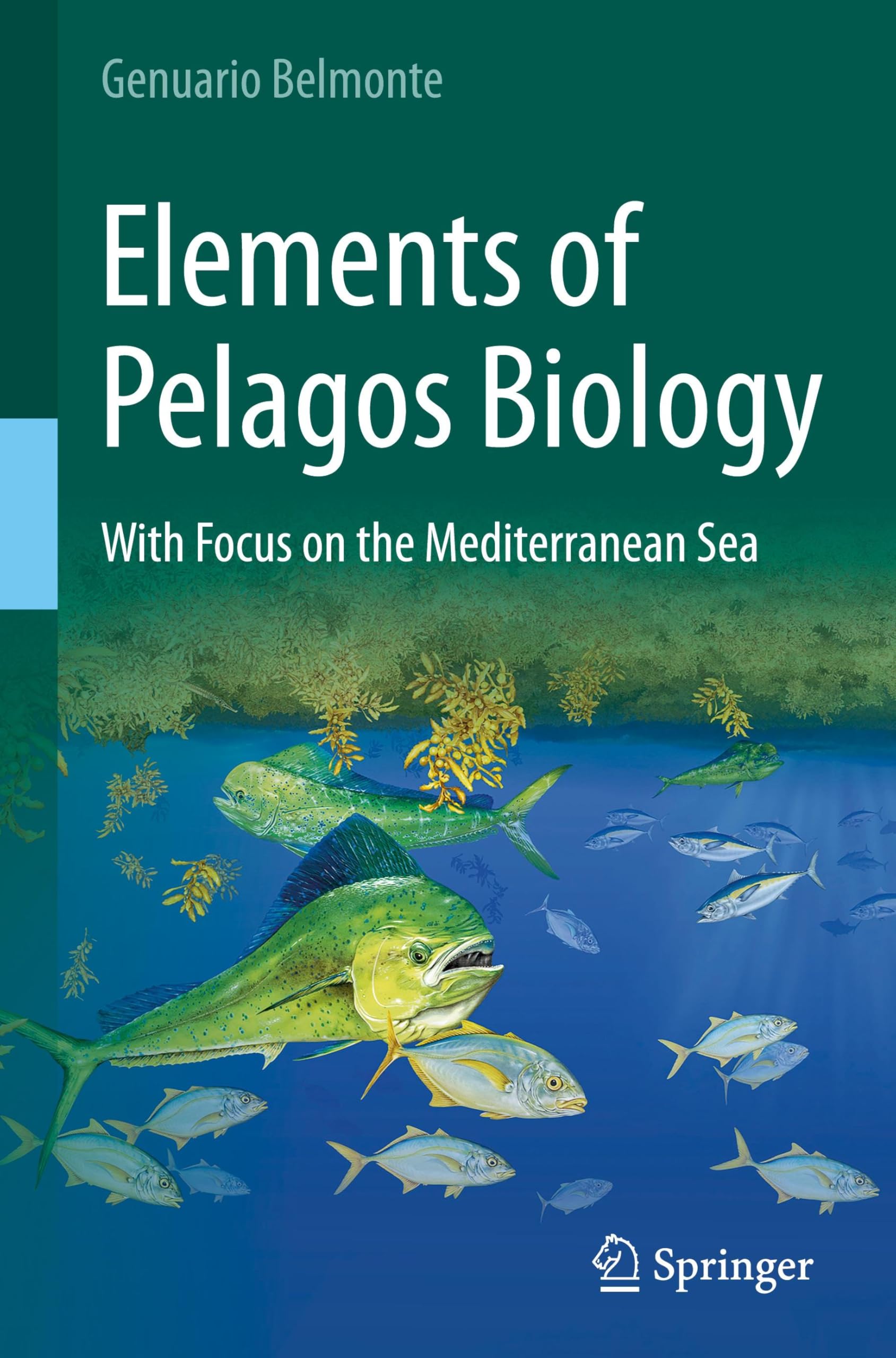
Science & Mathematics
Elements of Pelagos Biology: With Focus on the Mediterranean Sea

Science & Mathematics
Squid - Superconducting Quantum Interference Devices and Their Applications: Proceedings of the International Conference on Superconducting Quantum Devices, Berlin-west, October 4-8, 1976

Science & Mathematics
Thermodynamics and Pattern Formation in Biology
Science & Mathematics
The Nature of Mathematics and the Mathematics of Nature by S. Andersson – Mathematics & Science

Science & Mathematics
Linear Algebra | by Stephen Friedberg | Arnold Insel | Lawrence Spence | Pearson | by Stephen Friedberg | Arnold Insel | Lawrence Spence | Pearson | by Stephen Friedberg | Arnold Insel | Lawrence Spence | Pearson | by Stephen Friedberg | Arnold Insel | Lawrence Spence | Pearson | by Stephen Friedberg | Arnold Insel | Lawrence Spence | Pearson | by Stephen Friedberg | Arnold Insel | Lawrence Spence | Pearson | by Stephen Friedberg | Arnold Insel | Lawrence Spence | Pearson | by Stephen Friedberg

Science & Mathematics