

Fiction and Metaphysics by Amie L. Thomasson – A Groundbreaking Philosophical Work on Fictional Characters and Abstract
Inclusive of all applicable taxes. FREE shipping on all orders.
Available Offers
- 🚚Free Delivery — Free shipping on all orders
- 💵Cash on Delivery — Pay when your order arrives
- ↩️15-Day Easy Returns — Hassle-free return policy
- 🔒Cash on Delivery — Pay safely when your order arrives
Check Delivery
Product Description
Introduction
Fiction and Metaphysics by Amie L. Thomasson is a landmark philosophical work that redefines the relationship between fictional narratives and the nature of reality. Published by Cambridge University Press, this hardcover edition offers a rigorous yet accessible exploration of how fictional entities—characters, plots, and worlds—can illuminate core metaphysical questions. For Indian students and scholars of philosophy, literature, and social sciences, this book provides a fresh lens to understand the abstract artifacts that shape our cultural and intellectual lives.
Book Overview
In this challenging study, Thomasson moves beyond traditional debates in logic and philosophy of language to place fiction at the very centre of metaphysics. She develops an innovative ‘artifactual’ theory, arguing that fictional characters are abstract artifacts—much like laws, symphonies, or works of literature. By examining how these entities are created and sustained through human practices, the book shows how we can better understand the foundations of cultural and social objects. This perspective is particularly relevant for Indian readers, given the rich traditions of storytelling, mythology, and literary criticism in the subcontinent.
Key Highlights
- Original ‘Artifactual’ Theory: Redefines fictional characters as abstract artifacts dependent on human intentionality and social practices.
- Interdisciplinary Approach: Bridges metaphysics, philosophy of language, and literary theory, making it valuable across disciplines.
- Clear Argumentation: Presents complex ideas in a structured, accessible manner suitable for advanced undergraduates and researchers.
- Practical Implications: Demonstrates how understanding fiction helps clarify the nature of cultural objects like laws, institutions, and artworks.
- Authoritative Source: Published by Cambridge University Press, a globally respected academic publisher.
Inside the Book
The book is organized into eight chapters that systematically build the artifactual theory. Early chapters critique existing views of fiction, while later chapters develop a positive account of how fictional characters are created through acts of storytelling. Thomasson uses vivid examples from literature and everyday life to illustrate her points, making abstract concepts tangible. The final chapters explore the implications for ontology, identity, and the nature of social reality—topics that resonate deeply with Indian philosophical traditions such as Nyaya and Mimamsa.
Key Topics
- Fictional Characters as Abstract Artifacts: Their creation, identity, and persistence conditions.
- Ontology of Cultural Objects: How laws, institutions, and artworks are grounded in physical and mental states.
- Reference and Truth in Fiction: How we talk about fictional entities meaningfully.
- Social Construction of Reality: The role of collective intentionality in building abstract objects.
- Metaphysical Foundations of Literature: Connecting literary theory with analytic metaphysics.
Reader Benefits
- Deepen Philosophical Insight: Gain a robust framework for analyzing fiction and its relation to reality.
- Enhance Critical Thinking: Engage with rigorous arguments that challenge common assumptions.
- Broaden Academic Horizons: Ideal for students of philosophy, literature, cultural studies, and social sciences.
- Practical Relevance: Understand how abstract objects like laws and institutions are created and sustained in everyday life.
- Indian Context: Apply these ideas to Indian literature, mythology, and legal systems for richer analysis.
Learning Outcomes
By reading Fiction and Metaphysics, you will learn to: identify and evaluate different theories of fictional entities; articulate the artifactual theory and its advantages; apply metaphysical concepts to cultural and social objects; critically analyze the relationship between language, thought, and reality; and engage with contemporary debates in analytic metaphysics with confidence.
Who Should Read
- Philosophy Students: Especially those specializing in metaphysics, philosophy of language, or aesthetics.
- Literature Scholars: Those interested in the ontological status of fictional characters and narratives.
- Social Scientists: Researchers exploring the construction of social reality and cultural artifacts.
- Curious Readers: Anyone fascinated by the intersection of fiction, reality, and human creativity.
About the Author
Amie L. Thomasson is a prominent American philosopher and professor at the University of Miami. Her work spans metaphysics, philosophy of mind, and aesthetics, with a focus on the ontology of social and cultural objects. She is known for her clear, systematic approach and for bridging analytic and continental traditions. Her other influential books include Ordinary Objects and Ontology Made Easy.
About the Publisher
Cambridge University Press is one of the world’s oldest and most prestigious academic publishers, with a history dating back to 1534. Renowned for publishing groundbreaking scholarship across all disciplines, Cambridge University Press ensures that every book meets the highest standards of academic rigor and editorial excellence. This hardcover edition is built to last, making it a valuable addition to any serious library.
Conclusion
Fiction and Metaphysics is an essential read for anyone seeking to understand how fiction shapes our world—both intellectually and practically. Amie L. Thomasson’s artifactual theory offers a powerful tool for analyzing not just literary characters but also the cultural objects that define our shared reality. For Indian readers, this book opens up new ways to engage with our own rich traditions of storytelling and social construction. Order your hardcover copy today from Bookshops.in and embark on a transformative philosophical journey.
Quick Summary
Fiction and Metaphysics by Amie L. Thomasson is a groundbreaking philosophical work that repositions fiction from a peripheral topic in logic to a central concern of metaphysics. The book introduces the artifactual theory, arguing that fictional characters are abstract artifacts—much like laws, symphonies, and literary works—created through human intentional activities. Thomasson demonstrates how understanding fiction illuminates the nature of cultural and social objects, offering a unified framework for ontology. This book is ideal for graduate students, researchers, and academics in philosophy, especially those interested in metaphysics, philosophy of language, and social ontology. Readers will learn to analyze the ontological status of fictional entities and see how fiction shapes our understanding of reality. By purchasing from Bookshops.in, Indian readers receive a premium hardcover edition with fast delivery and excellent customer service, supporting a local bookstore committed to quality academic literature.
Book Highlights
Book Specifications
| ISBN-13 | 9780521065214 |
| ISBN-10 | 0521065216 |
| Publisher | Cambridge University Press |
| Language | English |
| Dimensions | 13.97 x 1.19 x 21.59 cm |
| Weight | 240 g |
| Country | India |
| Category | Literature › Literary Theory |
| Genre | Non-fiction |
| Original Language | English |
Frequently Asked Questions
What is the main thesis of Fiction and Metaphysics?
Who is the author of this book?
Is this book suitable for undergraduate students?
What is the artifactual theory of fiction?
How does this book differ from traditional approaches to fiction?
Does the book cover social ontology?
Is this book available in Indian bookstores?
What is the ISBN-13 of this book?
What language is the book written in?
What is the price of this book in India?
Does this book include discussions of fictional names?
Can this book help me understand abstract objects?
Is this book a part of a series?
What is the reading level required?
Readers Also Search For
Customers Also Bought
Mathematics
Stereotype Spaces and Algebras: 73 (De Gruyter Expositions in Mathematics, 73)
Mathematics
Semigroups in Algebra, Geometry and Analysis: 20 (De Gruyter Expositions in Mathematics, 20)
Mathematics
Geometry from the Pacific Rim: Proceedings of the Pacific Rim Geometry Conference held at National University of Singapore, Republic of Singapore, ... 1994 (De Gruyter Proceedings in Mathematics)
Mathematics
First International Tainan-Moscow Algebra Workshop: Proceedings of the International Conference held at National Cheng Kung University Tainan, Taiwan, ... 1994 (De Gruyter Proceedings in Mathematics)
Mathematics
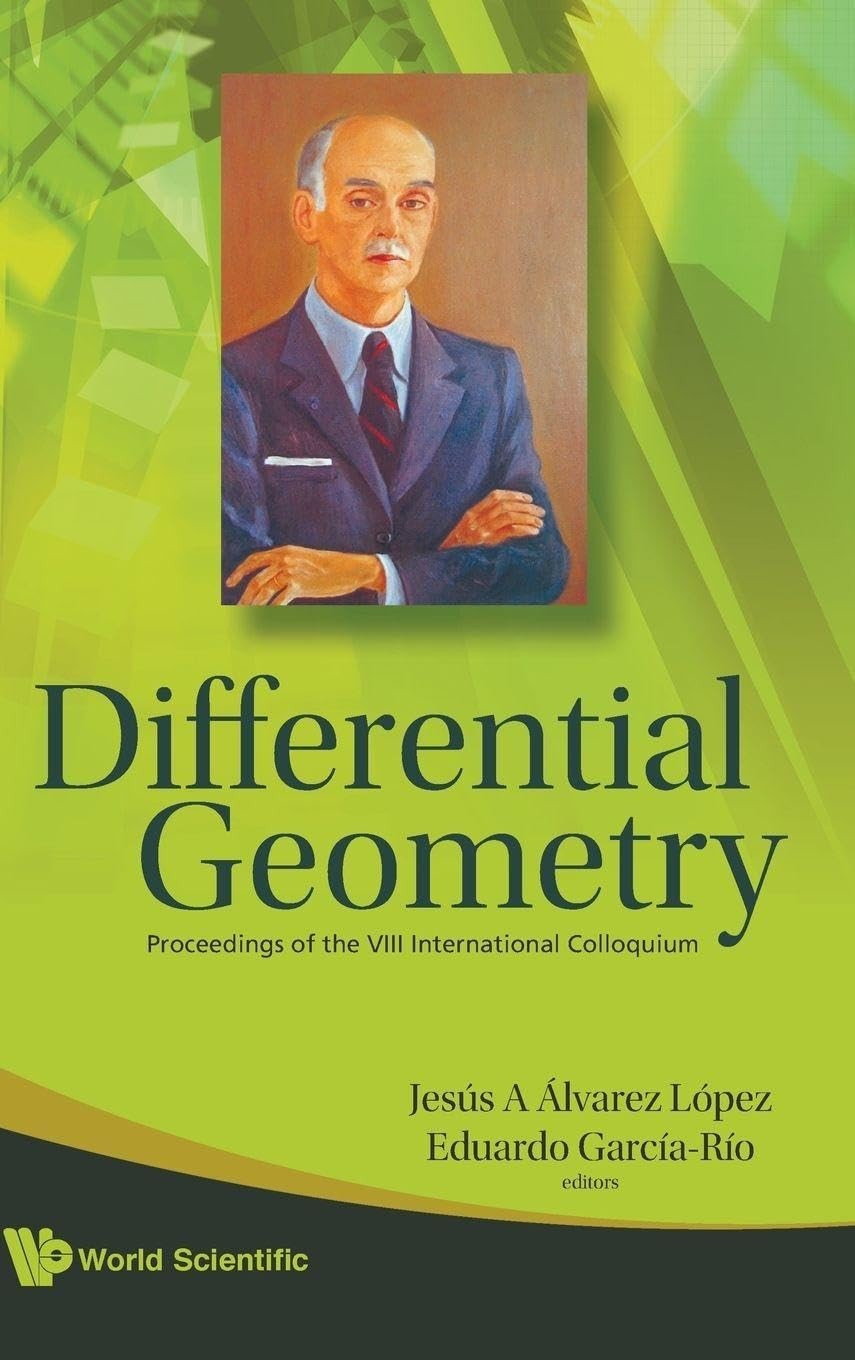
Differential Geometry - Proceedings of the VIII International Colloquium (English, Jesus A. Alvarez Lopez | Eduardo Garcia-Rio)
Mathematics
Mathematical Theory of Optimal Processes (Classics of Soviet Mathematics)
Related Products
View All
Science & Mathematics
Elements of Pelagos Biology: With Focus on the Mediterranean Sea
Science & Mathematics
Squid - Superconducting Quantum Interference Devices and Their Applications: Proceedings of the International Conference on Superconducting Quantum Devices, Berlin-west, October 4-8, 1976
Science & Mathematics
Thermodynamics and Pattern Formation in Biology
Science & Mathematics
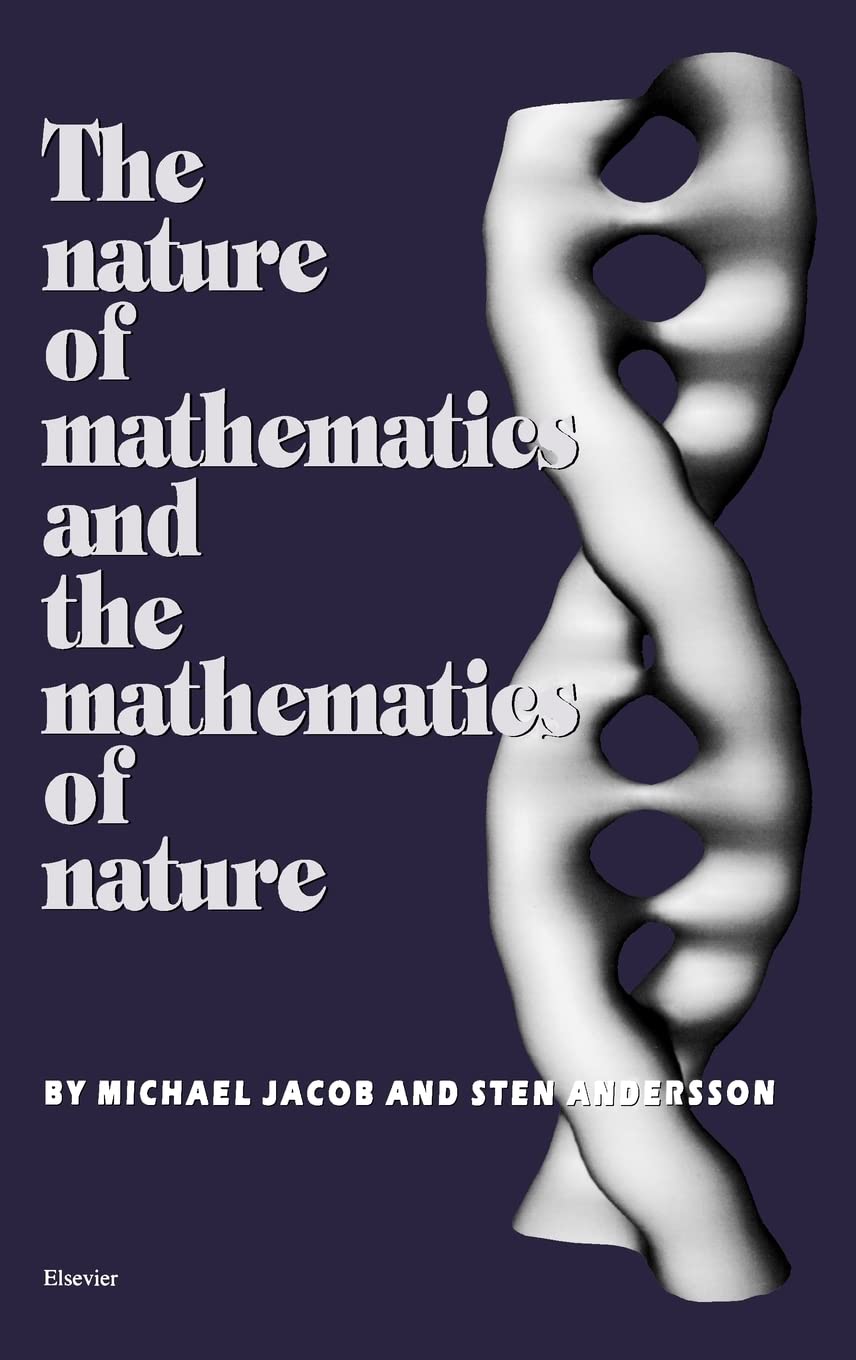
The Nature of Mathematics and the Mathematics of Nature by S. Andersson – Mathematics & Science

Science & Mathematics
Linear Algebra | by Stephen Friedberg | Arnold Insel | Lawrence Spence | Pearson | by Stephen Friedberg | Arnold Insel | Lawrence Spence | Pearson | by Stephen Friedberg | Arnold Insel | Lawrence Spence | Pearson | by Stephen Friedberg | Arnold Insel | Lawrence Spence | Pearson | by Stephen Friedberg | Arnold Insel | Lawrence Spence | Pearson | by Stephen Friedberg | Arnold Insel | Lawrence Spence | Pearson | by Stephen Friedberg | Arnold Insel | Lawrence Spence | Pearson | by Stephen Friedberg
Science & Mathematics