

Genetics, Demography and Viability of Fragmented Populations by Andrew G. Young – A Conservation Biology Reference for I
Inclusive of all applicable taxes. FREE shipping on all orders.
Available Offers
- 🚚Free Delivery — Free shipping on all orders
- 💵Cash on Delivery — Pay when your order arrives
- ↩️15-Day Easy Returns — Hassle-free return policy
- 🔒Cash on Delivery — Pay safely when your order arrives
Check Delivery
Product Description
Introduction
In an era where human activity continuously reshapes natural landscapes, understanding how species survive in fragmented habitats has become a critical concern for ecologists, conservationists, and students alike. Genetics, Demography and Viability of Fragmented Populations, edited by Andrew G. Young and published by Cambridge University Press, offers a comprehensive and authoritative exploration of the challenges facing plant and animal populations confined to isolated patches of habitat. This hardcover volume bridges the gap between theoretical population biology and practical conservation management, making it an indispensable resource for anyone engaged in preserving biodiversity in India and beyond.
Book Overview
This meticulously crafted book presents a detailed introduction to the genetic and demographic consequences of habitat fragmentation. It delves into how species, once widespread, become restricted to remnant habitats and examines the quantitative tools needed to assess their long-term survival. The text weaves together concepts from population genetics, demography, and ecology, providing readers with a holistic understanding of population viability. With a focus on real-world applications, the book includes case studies from both animal and plant kingdoms, illustrating diverse methodologies such as molecular genetic markers, reproductive biology investigations, and demographic modeling. Published by the prestigious Cambridge University Press, this hardbound edition is a durable companion for rigorous academic study and field research.
Key Highlights
- Comprehensive Coverage: Integrates genetics, demography, and population viability analysis in one cohesive volume.
- Case Study Approach: Features separate sections on animal and plant populations, offering diverse perspectives.
- Practical Tools: Introduces methods like molecular markers and demographic monitoring for assessing fragmentation effects.
- Authoritative Publisher: Cambridge University Press ensures high-quality, peer-reviewed content.
- Relevance to Indian Context: Applicable to conservation challenges in India's fragmented forests, grasslands, and aquatic ecosystems.
Inside the Book
The book is structured to guide readers from foundational concepts to advanced analytical techniques. Early chapters cover demographic stochasticity, genetic erosion, inbreeding depression, and metapopulation dynamics. Later sections delve into population viability analysis (PVA) and its application in conservation planning. The case studies are particularly enriching, with examples ranging from threatened bird species to rare flowering plants, each demonstrating how genetic data and demographic models inform management decisions. The text is supported by clear diagrams, tables, and references, making complex ideas accessible.
Key Topics
- Demographic Stochasticity: Understanding random fluctuations in birth and death rates in small populations.
- Genetic Erosion and Inbreeding: How habitat fragmentation reduces genetic diversity and increases inbreeding depression.
- Metapopulation Biology: The role of dispersal and colonization in sustaining fragmented populations.
- Population Viability Analysis (PVA): Quantitative methods to predict extinction risk.
- Molecular Genetic Markers: Using DNA tools to assess genetic structure and gene flow.
- Reproductive Biology: How fragmentation affects pollination, seed dispersal, and breeding success.
Reader Benefits
- Deepened Understanding: Gain a robust grasp of how genetic and demographic factors interact in fragmented landscapes.
- Applied Skills: Learn to use PVA and molecular techniques for real-world conservation projects.
- Research Inspiration: Case studies provide templates for designing your own studies in Indian ecosystems.
- Academic Edge: Ideal for coursework in conservation biology, wildlife ecology, and environmental science.
- Career Advancement: Essential knowledge for roles in wildlife institutes, forest departments, NGOs, and research labs.
Learning Outcomes
By engaging with this book, readers will be able to: critically evaluate the genetic and demographic threats facing fragmented populations; apply molecular markers to assess genetic diversity and connectivity; construct and interpret simple population viability models; design monitoring programs that integrate genetic and demographic data; and propose evidence-based conservation strategies for endangered species. These outcomes equip students and professionals to contribute meaningfully to conservation efforts in India, where habitat fragmentation is a pressing issue due to urbanization, agriculture, and infrastructure development.
Who Should Read
- Graduate and Postgraduate Students: In ecology, conservation biology, wildlife science, and forestry.
- Conservation Practitioners: Working with NGOs, state forest departments, or wildlife sanctuaries.
- Researchers: Focusing on population genetics, demography, or landscape ecology.
- Environmental Consultants: Involved in impact assessments and biodiversity management.
- Academics: Teaching courses on conservation biology or population dynamics.
About the Author
Andrew G. Young is a distinguished conservation biologist with extensive experience in plant population genetics and the effects of habitat fragmentation. His research has contributed significantly to understanding how genetic diversity is maintained in small, isolated populations. He has collaborated with numerous international conservation organizations and published widely in peer-reviewed journals. As the editor of this volume, Young has brought together contributions from leading experts, ensuring a balanced and rigorous treatment of the subject.
About the Publisher
Cambridge University Press is one of the world's oldest and most respected academic publishers, with a history dating back to 1534. Renowned for its commitment to scholarly excellence, the Press publishes authoritative works across all disciplines, including the sciences. This hardcover edition reflects Cambridge's high standards of production, with clear typography, durable binding, and meticulous editing. For Indian readers, Cambridge University Press books are a hallmark of quality and reliability in academic literature.
Conclusion
Genetics, Demography and Viability of Fragmented Populations is more than a textbook; it is a vital toolkit for understanding and mitigating one of the most serious environmental threats of our time. Whether you are a student beginning your journey in conservation science or a seasoned professional seeking to deepen your expertise, this book offers the theoretical foundations and practical insights needed to make a difference. By integrating genetic, demographic, and ecological perspectives, it empowers readers to tackle the complex challenges of habitat fragmentation. Add this essential volume to your library from Bookshops.in and take a decisive step toward safeguarding the natural heritage of India and the world.
Quick Summary
Genetics, Demography and Viability of Fragmented Populations by Andrew G. Young is a foundational text for understanding the biological challenges facing species in fragmented landscapes. The book systematically introduces key concepts such as demographic stochasticity, genetic erosion, inbreeding depression, metapopulation dynamics, and population viability analysis. It is designed for graduate students, researchers, and conservation professionals who need to integrate genetic and demographic data into practical management. The book includes two sets of case studies—one on animals and one on plants—demonstrating a variety of analytical and field approaches. Readers will learn how to assess extinction risk, design habitat corridors, and implement recovery plans for endangered species. With its clear explanations and real-world examples, this volume is an essential resource for anyone working in conservation biology, ecology, or wildlife management in India and beyond. By purchasing from Bookshops.in, customers receive a genuine Cambridge University Press hardcover edition at a competitive price, backed by reliable service and fast delivery across India.
Book Highlights
Book Specifications
| ISBN-13 | 9780521794213 |
| ISBN-10 | 0521794218 |
| Publisher | Cambridge University Press |
| Language | English |
| Dimensions | 15.24 x 2.95 x 22.86 cm |
| Weight | 670 g |
| Country | India |
| Category | Biology & Life Sciences › Ecology |
| Genre | Non-fiction |
| Reading Age | 18+ |
| Original Language | English |
Frequently Asked Questions
What is the main focus of this book?
Who is the author of this book?
Is this book suitable for Indian students?
Does the book include practical case studies?
What is population viability analysis (PVA)?
How does habitat fragmentation affect genetics?
What is demographic stochasticity?
Is this book technical or accessible for beginners?
What are metapopulations?
Does the book cover plant conservation?
Can this book help in wildlife management?
Is the book available in hardcover?
Why should I buy from Bookshops.in?
Readers Also Search For
Customers Also Bought
Mathematics
Stereotype Spaces and Algebras: 73 (De Gruyter Expositions in Mathematics, 73)
Mathematics
Semigroups in Algebra, Geometry and Analysis: 20 (De Gruyter Expositions in Mathematics, 20)
Mathematics
Geometry from the Pacific Rim: Proceedings of the Pacific Rim Geometry Conference held at National University of Singapore, Republic of Singapore, ... 1994 (De Gruyter Proceedings in Mathematics)
Mathematics
First International Tainan-Moscow Algebra Workshop: Proceedings of the International Conference held at National Cheng Kung University Tainan, Taiwan, ... 1994 (De Gruyter Proceedings in Mathematics)
Mathematics
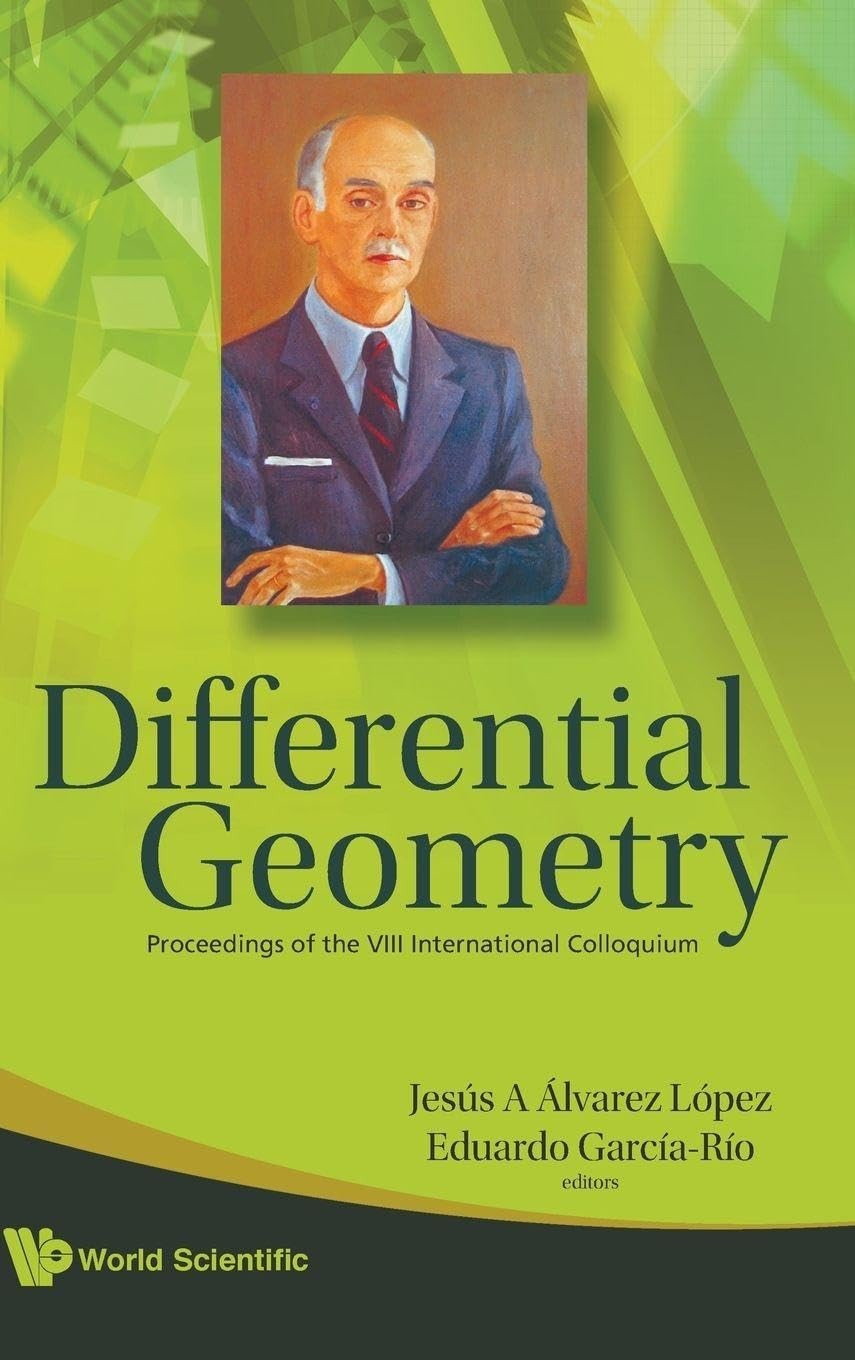
Differential Geometry - Proceedings of the VIII International Colloquium (English, Jesus A. Alvarez Lopez | Eduardo Garcia-Rio)
Mathematics
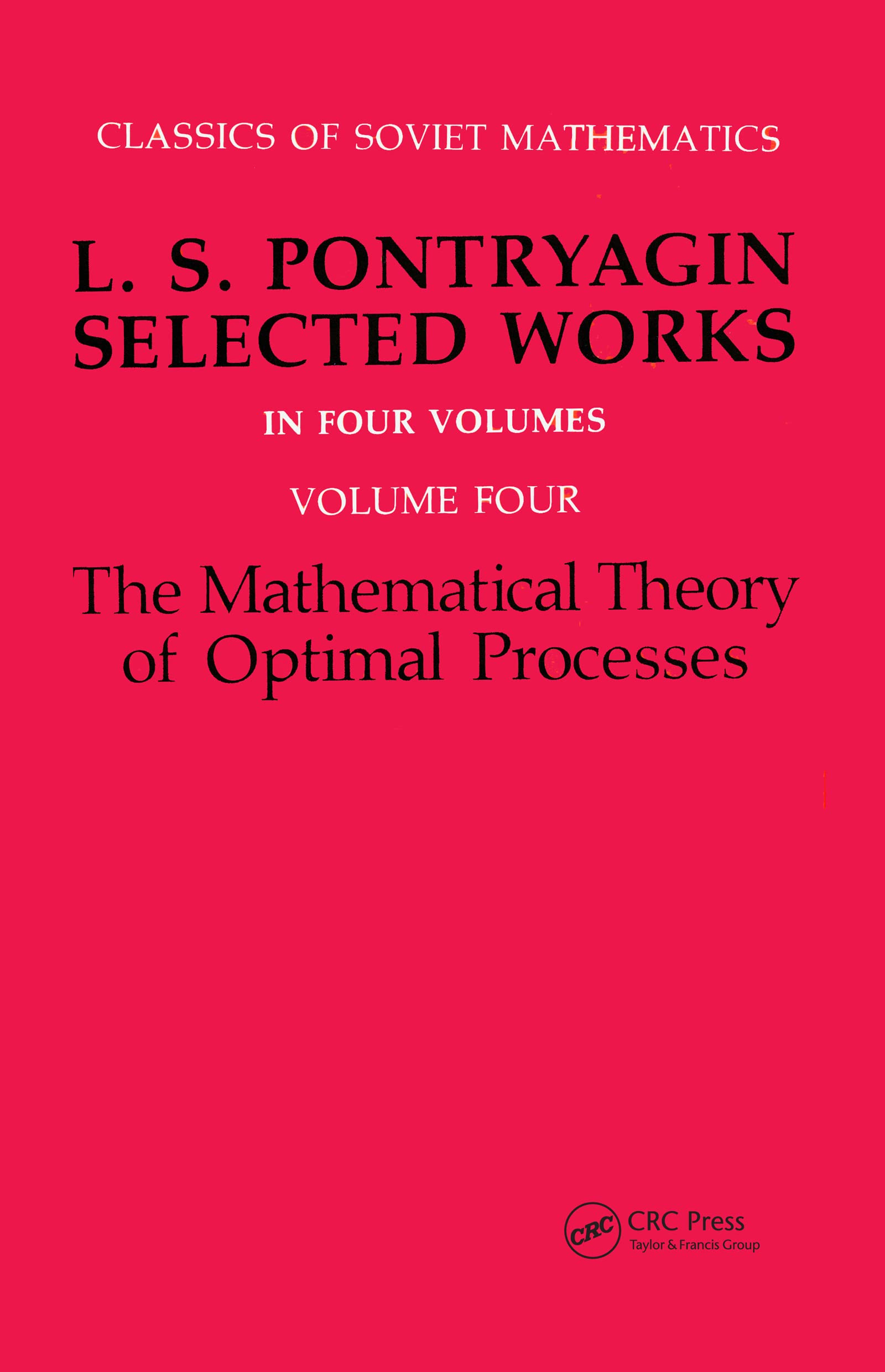
Mathematical Theory of Optimal Processes (Classics of Soviet Mathematics)
Related Products
View All
Science & Mathematics
Squid - Superconducting Quantum Interference Devices and Their Applications: Proceedings of the International Conference on Superconducting Quantum Devices, Berlin-west, October 4-8, 1976
Science & Mathematics
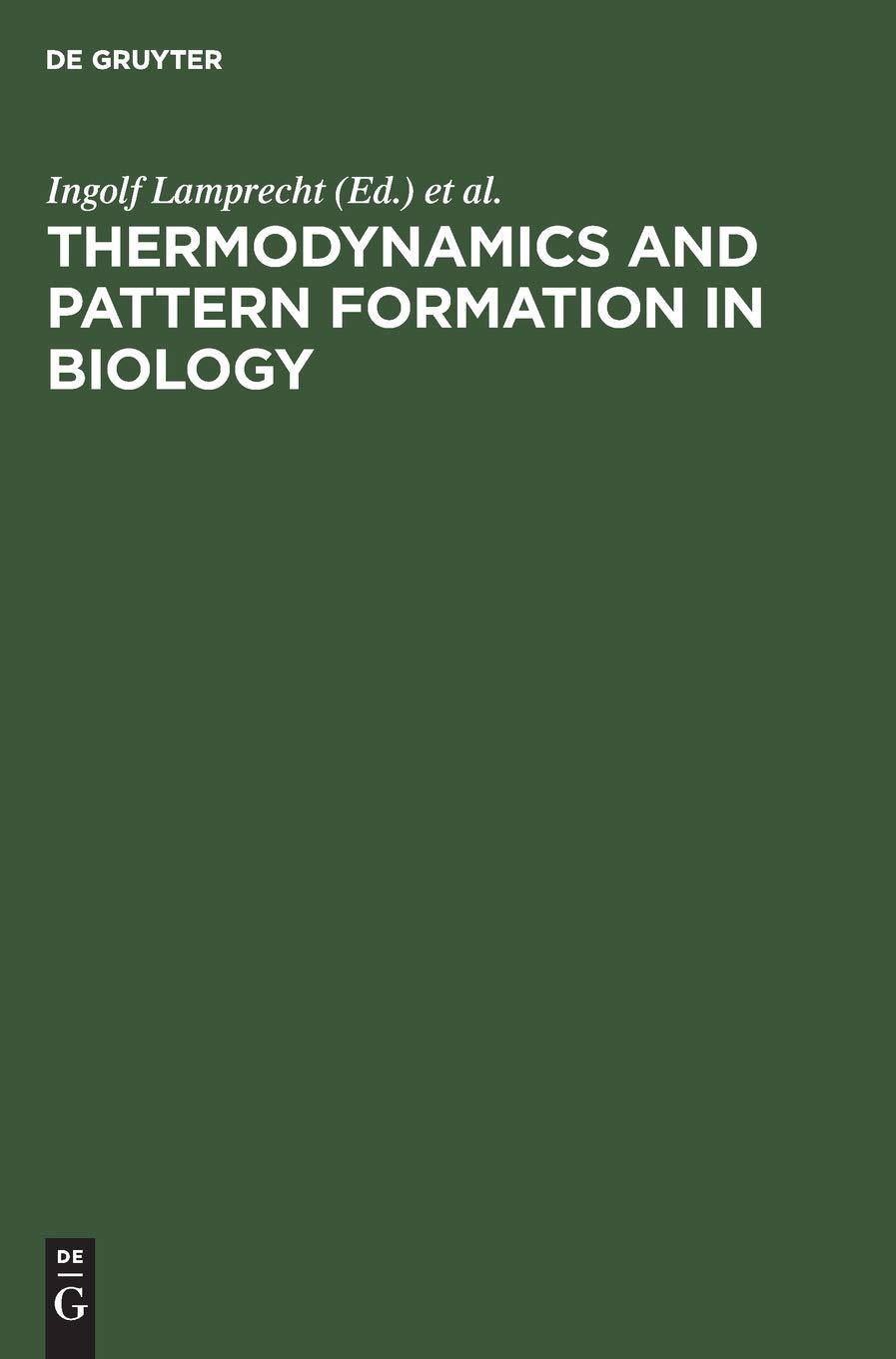
Thermodynamics and Pattern Formation in Biology

Science & Mathematics
The Nature of Mathematics and the Mathematics of Nature by S. Andersson – Mathematics & Science

Science & Mathematics
Linear Algebra | by Stephen Friedberg | Arnold Insel | Lawrence Spence | Pearson | by Stephen Friedberg | Arnold Insel | Lawrence Spence | Pearson | by Stephen Friedberg | Arnold Insel | Lawrence Spence | Pearson | by Stephen Friedberg | Arnold Insel | Lawrence Spence | Pearson | by Stephen Friedberg | Arnold Insel | Lawrence Spence | Pearson | by Stephen Friedberg | Arnold Insel | Lawrence Spence | Pearson | by Stephen Friedberg | Arnold Insel | Lawrence Spence | Pearson | by Stephen Friedberg

Science & Mathematics
University Calculus | by Joel Hass | Christopher Heil | Maurice Weir | Pearson | by Joel Hass | Christopher Heil | Maurice Weir | Pearson | by Joel Hass | Christopher Heil | Maurice Weir | Pearson | by Joel Hass | Christopher Heil | Maurice Weir | Pearson | by Joel Hass | Christopher Heil | Maurice Weir | Pearson | by Joel Hass | Christopher Heil | Maurice Weir | Pearson | by Joel Hass | Christopher Heil | Maurice Weir | Pearson | by Joel Hass | Christopher Heil | Maurice Weir | Pearson | by Joe
Science & Mathematics