
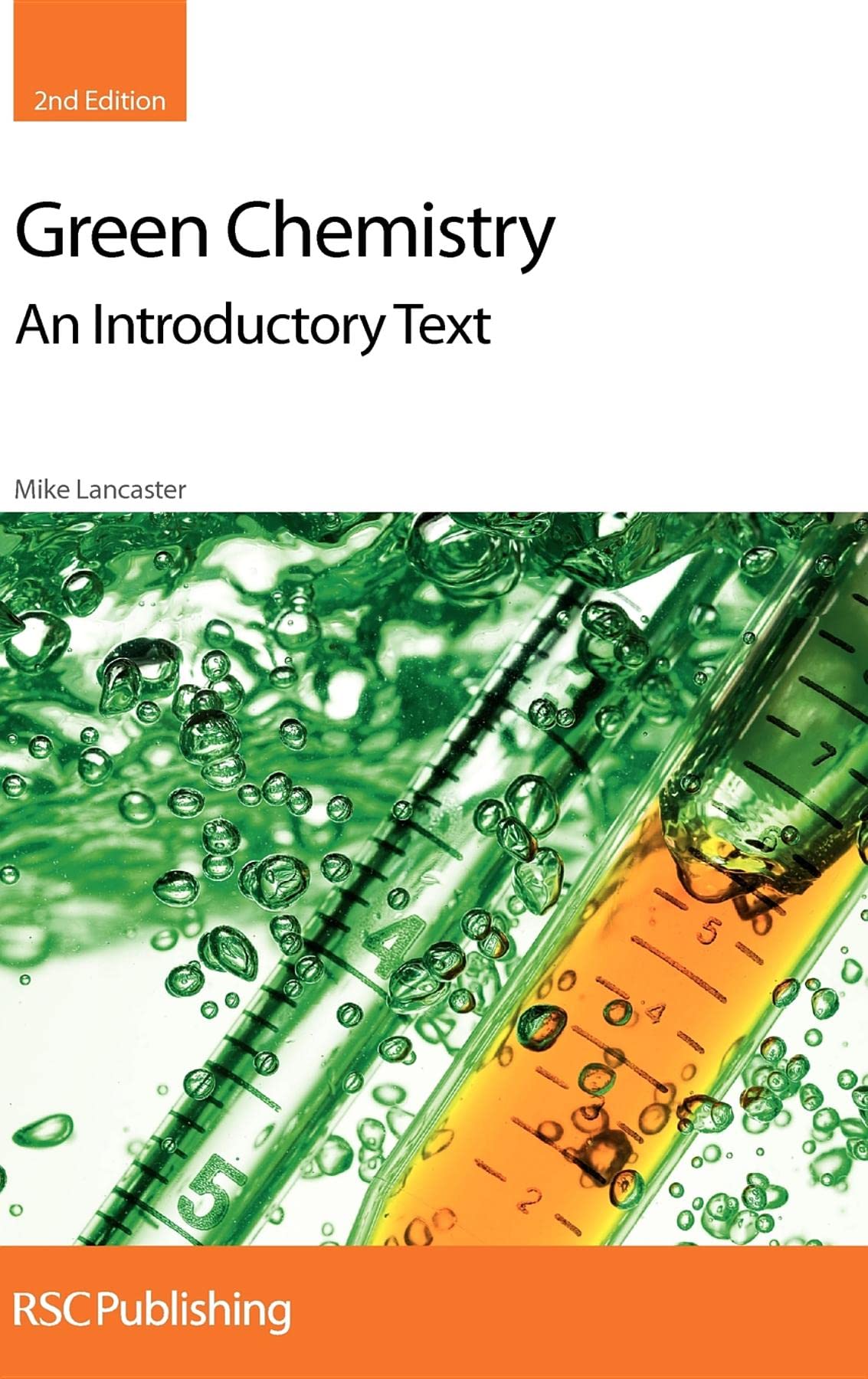
Green Chemistry: An Introductory Text by Mike Lancaster – A Comprehensive Guide to Sustainable Chemistry and Environment
Inclusive of all applicable taxes. FREE shipping on all orders.
Available Offers
- 🚚Free Delivery — Free shipping on all orders
- 💵Cash on Delivery — Pay when your order arrives
- ↩️15-Day Easy Returns — Hassle-free return policy
- 🔒Cash on Delivery — Pay safely when your order arrives
Check Delivery
Product Description
Introduction
In an era where environmental consciousness is reshaping industries, Green Chemistry: An Introductory Text by Mike Lancaster emerges as an essential guide for students and professionals alike. Published by the prestigious Royal Society of Chemistry, this hardcover volume offers a comprehensive yet accessible entry point into the principles and practices of sustainable chemical science. For Indian readers—whether you are a university student in Mumbai, a researcher in Bengaluru, or a policymaker in Delhi—this book provides the foundational knowledge needed to understand how chemistry can solve, rather than worsen, ecological challenges.
Book Overview
This introductory text is designed to bridge the gap between traditional chemistry education and the urgent need for environmentally benign processes. Mike Lancaster presents a clear, structured narrative that begins with the core philosophy of green chemistry and moves through practical applications, from waste minimization to the use of renewable feedstocks. The book avoids dense jargon, making it ideal for undergraduates and postgraduates who are new to the subject. Each chapter builds logically on the previous one, ensuring that even complex concepts like catalysis and atom economy become intuitive.
Key Highlights
- Industry-Relevant Case Studies: Real-world examples from Indian and global chemical industries show how green chemistry principles are applied in practice.
- Focus on Sustainability: Covers renewable resources, energy efficiency, and the design of safer chemicals—topics critical for India's growing chemical sector.
- Pedagogical Approach: Includes end-of-chapter questions, summaries, and discussion points to reinforce learning.
- Authoritative Publisher: Published by the Royal Society of Chemistry, ensuring accuracy and academic rigor.
Inside the Book
The book is organized into well-paced chapters that start with the twelve principles of green chemistry, then explore waste prevention, catalysis, renewable feedstocks, and the design of safer chemicals. Lancaster also dedicates sections to green solvents, energy efficiency, and the role of metrics like E-factor. The text is enriched with diagrams, tables, and flowcharts that simplify complex processes. Indian students will appreciate the inclusion of examples from local industries, such as the use of agricultural waste for bio-based products.
Key Topics
- The Twelve Principles of Green Chemistry
- Waste Minimization and Atom Economy
- Catalysis and Biocatalysis
- Renewable Feedstocks and Biomass
- Green Solvents and Reaction Media
- Designing Safer Chemicals and Products
- Energy Efficiency and Lifecycle Assessment
- Industrial Case Studies from the Pharmaceutical and Polymer Sectors
Reader Benefits
By studying this book, you will gain a solid grounding in how to evaluate chemical processes from an environmental perspective. You will learn to identify opportunities for reducing waste, energy consumption, and toxic byproducts—skills that are increasingly valued in Indian R&D labs, manufacturing units, and regulatory bodies. The practical focus means you can immediately apply concepts to coursework, projects, or professional work. Additionally, the book encourages critical thinking about the entire lifecycle of chemical products, from raw material extraction to disposal.
Learning Outcomes
- Understand the core principles of green chemistry and their relevance to sustainable development.
- Analyze chemical processes using metrics like atom economy and E-factor.
- Identify opportunities for using renewable feedstocks and catalytic methods.
- Evaluate the environmental impact of solvents, energy use, and waste streams.
- Apply green chemistry thinking to real-world industrial scenarios.
Who Should Read
This book is tailored for undergraduate and postgraduate students in chemistry, chemical engineering, environmental science, and biotechnology. It is also an excellent resource for early-career researchers, industry professionals transitioning to sustainable practices, and educators designing courses on green chemistry. For Indian students preparing for competitive exams or pursuing projects in sustainable chemistry, this text offers a reliable and thorough foundation.
About the Author
Mike Lancaster is a respected figure in the field of green chemistry, with years of experience in both academia and industry. He has worked extensively on developing cleaner chemical processes and has contributed to policy discussions on sustainability. His writing style is engaging and student-friendly, reflecting his deep commitment to making green chemistry accessible to a wide audience. Lancaster’s expertise ensures that the content is both scientifically accurate and practically relevant.
About the Publisher
The Royal Society of Chemistry (RSC) is one of the world’s leading scientific societies, dedicated to advancing the chemical sciences. With a history spanning over 175 years, the RSC publishes high-quality textbooks, journals, and reference works that are trusted by educators and professionals globally. This book carries the RSC’s hallmark of excellence, making it a reliable choice for Indian academic institutions and libraries.
Conclusion
Green Chemistry: An Introductory Text is more than just a textbook—it is a roadmap for a sustainable future. Whether you are taking your first steps in chemistry or looking to align your career with global environmental goals, this book equips you with the knowledge and inspiration to make a difference. Add it to your collection today and join the growing community of chemists who are shaping a greener tomorrow.
Quick Summary
Green Chemistry: An Introductory Text by Mike Lancaster is a foundational resource for students and professionals seeking to understand the principles of sustainable chemistry. Published by the Royal Society of Chemistry, this hardcover book introduces readers to key concepts such as waste minimization, the use of renewable feedstocks, and the role of catalysis in reducing raw material consumption. Aimed at undergraduate and postgraduate students in India, the text is written in clear, accessible language and includes real-world case studies that demonstrate how green chemistry can address environmental challenges. Readers will learn to design environmentally benign products and processes, aligning with global sustainability goals. This book is essential for anyone studying environmental chemistry, chemical engineering, or sustainable development. By purchasing from Bookshops.in, Indian customers receive a genuine print edition with fast delivery, supporting their academic and professional growth.
Book Highlights
Book Specifications
| ISBN-13 | 9781847558732 |
| ISBN-10 | 1847558739 |
| Publisher | Royal Society of Chemistry |
| Language | English |
| Dimensions | 15.49 x 2.54 x 23.62 cm |
| Weight | 658 g |
| Category | Civil Engineering › Ecology & Environment |
| Genre | Science & Mathematics |
| Original Language | English |
Frequently Asked Questions
What is green chemistry?
Who is the author of this book?
Is this book suitable for Indian students?
What topics are covered in this book?
Does the book include case studies?
What is the ISBN of this book?
Is this a hardcover book?
What is the price of this book?
Can I use this book for my course?
What makes this book different from other chemistry textbooks?
Is the book available in English?
Why should I buy from Bookshops.in?
Readers Also Search For
Customers Also Bought
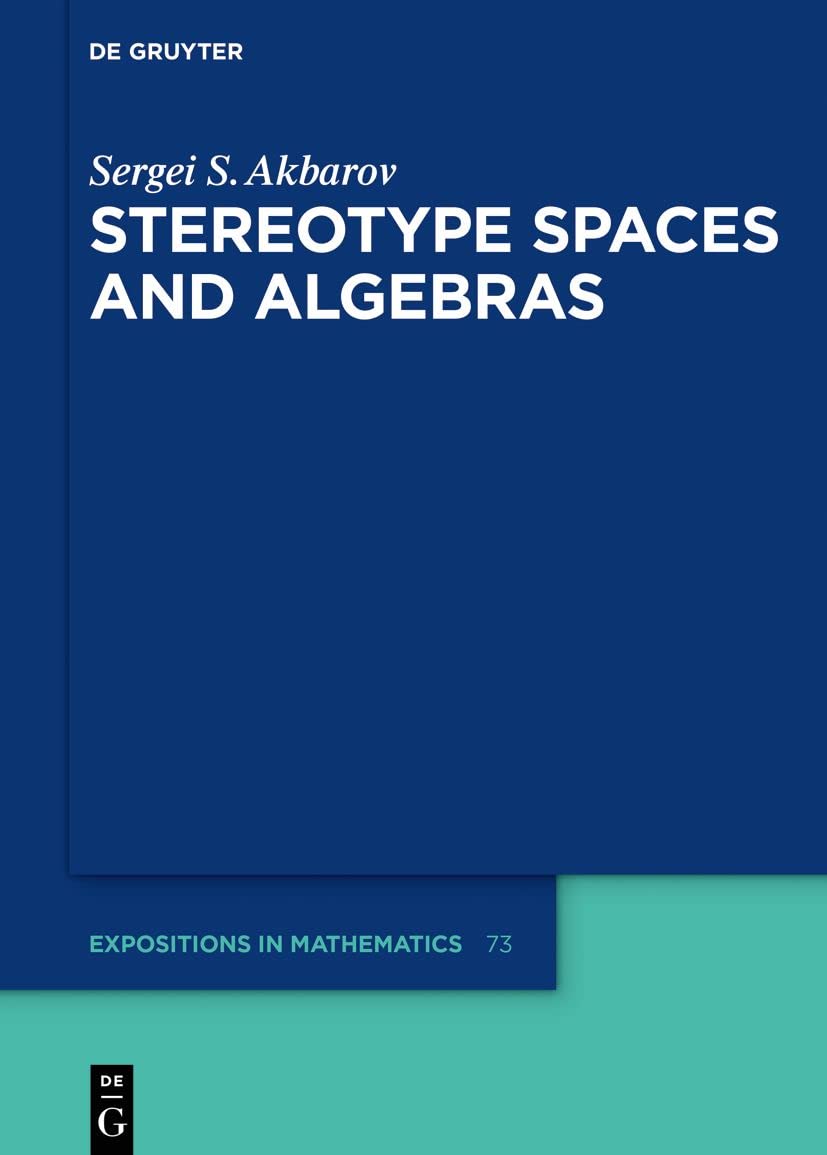
Mathematics
Stereotype Spaces and Algebras: 73 (De Gruyter Expositions in Mathematics, 73)

Mathematics
Semigroups in Algebra, Geometry and Analysis: 20 (De Gruyter Expositions in Mathematics, 20)

Mathematics
Geometry from the Pacific Rim: Proceedings of the Pacific Rim Geometry Conference held at National University of Singapore, Republic of Singapore, ... 1994 (De Gruyter Proceedings in Mathematics)

Mathematics
First International Tainan-Moscow Algebra Workshop: Proceedings of the International Conference held at National Cheng Kung University Tainan, Taiwan, ... 1994 (De Gruyter Proceedings in Mathematics)
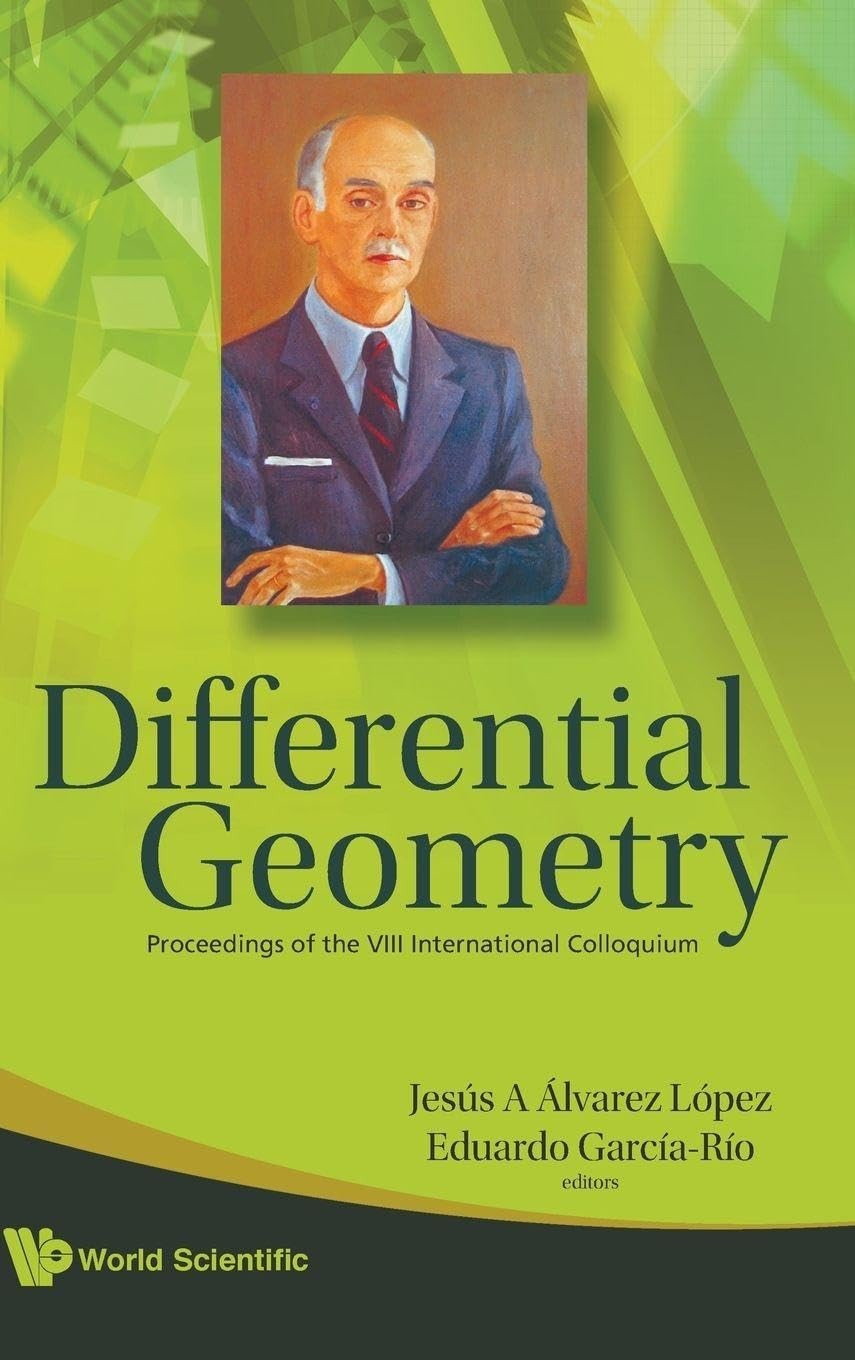
Mathematics
Differential Geometry - Proceedings of the VIII International Colloquium (English, Jesus A. Alvarez Lopez | Eduardo Garcia-Rio)
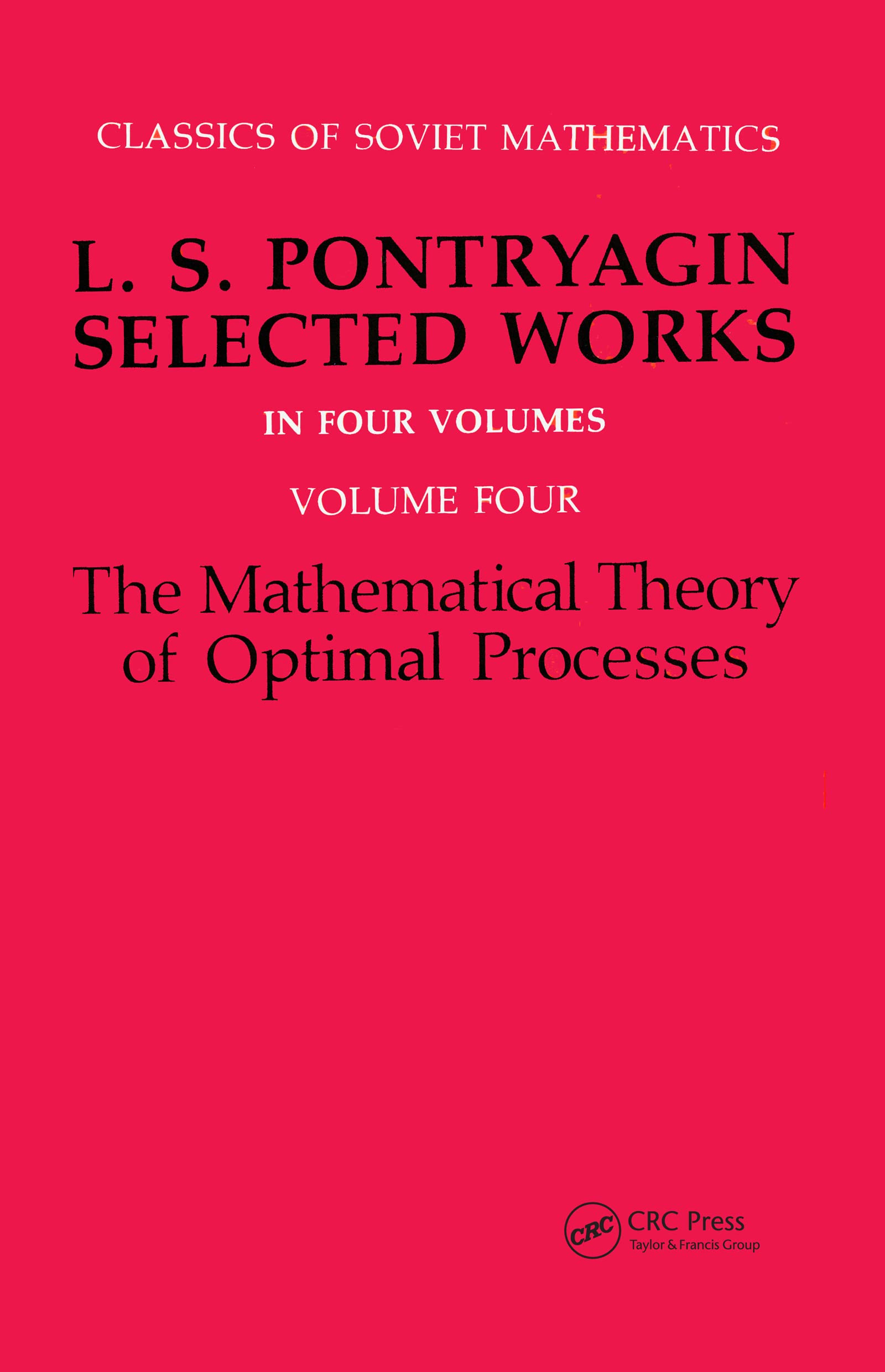
Mathematics
Mathematical Theory of Optimal Processes (Classics of Soviet Mathematics)
Related Products
View All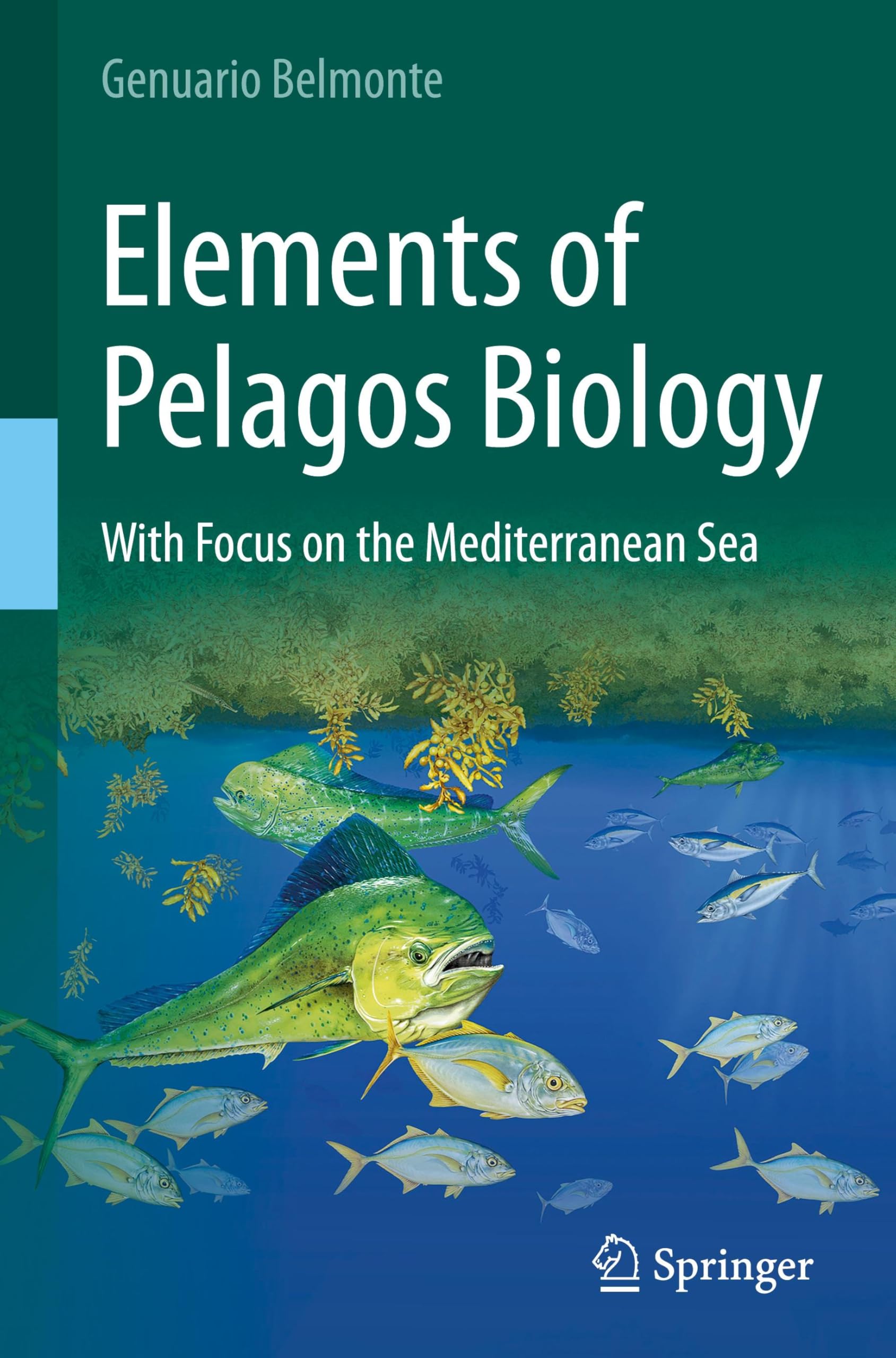
Science & Mathematics
Elements of Pelagos Biology: With Focus on the Mediterranean Sea

Science & Mathematics
Squid - Superconducting Quantum Interference Devices and Their Applications: Proceedings of the International Conference on Superconducting Quantum Devices, Berlin-west, October 4-8, 1976
Science & Mathematics
Thermodynamics and Pattern Formation in Biology
Science & Mathematics
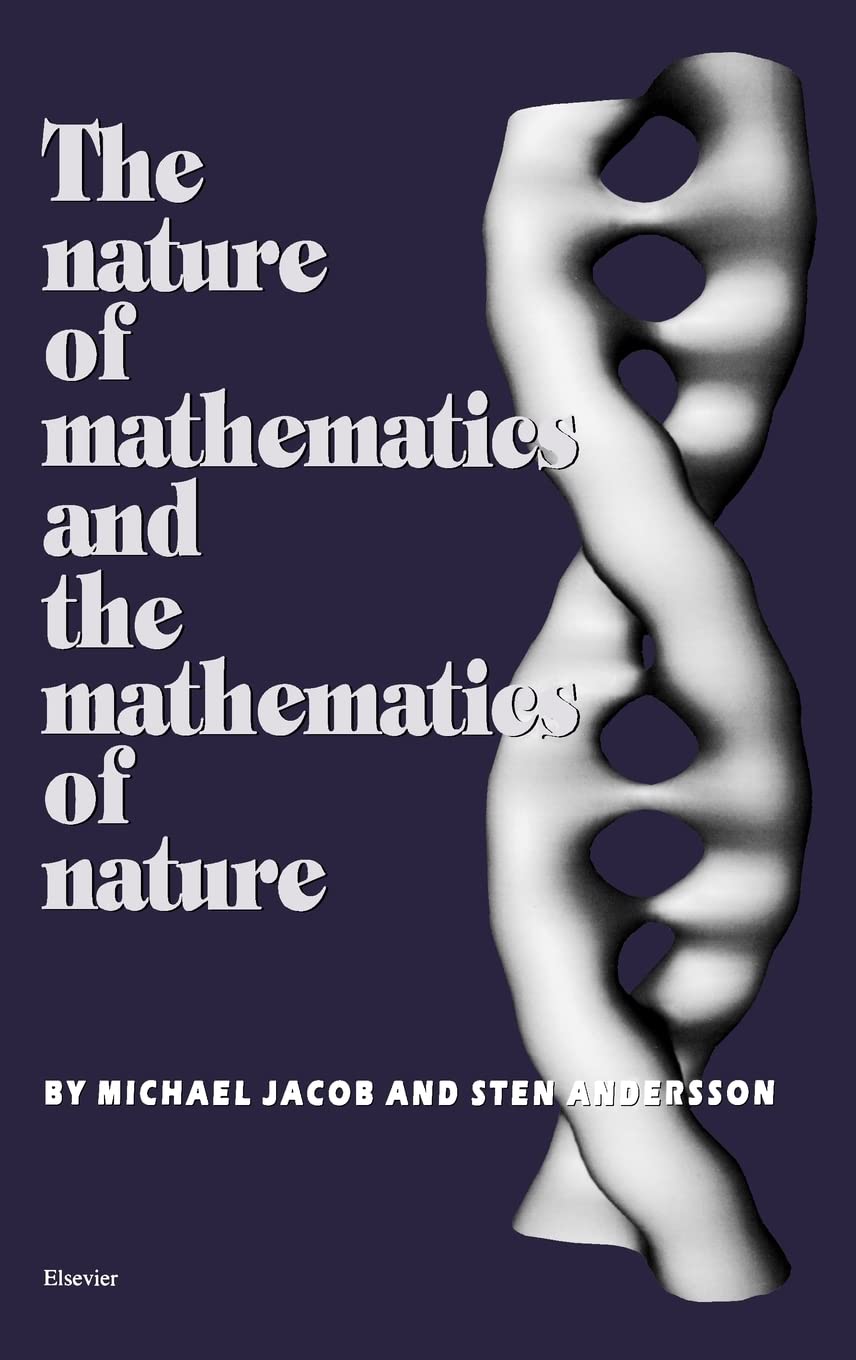
The Nature of Mathematics and the Mathematics of Nature by S. Andersson – Mathematics & Science

Science & Mathematics
Linear Algebra | by Stephen Friedberg | Arnold Insel | Lawrence Spence | Pearson | by Stephen Friedberg | Arnold Insel | Lawrence Spence | Pearson | by Stephen Friedberg | Arnold Insel | Lawrence Spence | Pearson | by Stephen Friedberg | Arnold Insel | Lawrence Spence | Pearson | by Stephen Friedberg | Arnold Insel | Lawrence Spence | Pearson | by Stephen Friedberg | Arnold Insel | Lawrence Spence | Pearson | by Stephen Friedberg | Arnold Insel | Lawrence Spence | Pearson | by Stephen Friedberg
Science & Mathematics