

Handbook for Teaching Statistics and Research Methods by Mark E. Ware – A Comprehensive Resource for Psychology and Soci
Inclusive of all applicable taxes. FREE shipping on all orders.
Available Offers
- 🚚Free Delivery — Free shipping on all orders
- 💵Cash on Delivery — Pay when your order arrives
- ↩️15-Day Easy Returns — Hassle-free return policy
- 🔒Cash on Delivery — Pay safely when your order arrives
Check Delivery
Product Description
Introduction
Teaching statistics and research methods can be one of the most challenging yet rewarding tasks for educators in psychology and the social sciences. Students often approach these subjects with apprehension, anxiety, or a lack of confidence. The Handbook for Teaching Statistics and Research Methods, authored by Mark E. Ware and published by Psychology Press, is a comprehensive resource designed to transform the classroom experience. This book brings together decades of practical wisdom, innovative teaching strategies, and proven techniques to help instructors make statistical and methodological concepts accessible, engaging, and meaningful for learners at both undergraduate and postgraduate levels.
Book Overview
This handbook is a curated collection of articles originally published in Teaching of Psychology, the official journal of APA Division 2. Mark E. Ware has carefully selected contributions that reflect the collective experience of educators who have successfully addressed common hurdles such as statistics anxiety, resistance to conducting literature reviews, and difficulty in grasping abstract research concepts. The book offers a treasure trove of classroom-tested activities, demonstrations, assignments, and assessment strategies. It is not merely a theoretical treatise but a practical guide that bridges the gap between pedagogical theory and everyday teaching practice in statistics and research methods courses.
Key Highlights
- Evidence-Based Teaching Strategies: Each chapter presents methods that have been refined through actual classroom application and peer review.
- Focus on Student Engagement: Techniques are designed to reduce anxiety, increase participation, and foster a deeper understanding of complex topics.
- Broad Applicability: Suitable for courses in psychology, education, sociology, and other social sciences where statistics and research design are core components.
- Authoritative Source: Drawn from the leading journal dedicated to the teaching of psychology, ensuring high academic standards.
- Practical and Ready-to-Use: Includes reproducible handouts, step-by-step instructions, and tips for adapting activities to different class sizes and levels.
Inside the Book
The volume is organized into thematic sections that cover the entire spectrum of teaching challenges in statistics and research methods. Early chapters address the affective domain, offering strategies to alleviate statistics anxiety and build student confidence. Subsequent sections delve into teaching specific statistical concepts such as correlation, regression, t-tests, ANOVA, and nonparametric tests. The book also includes innovative approaches for teaching research design, sampling, ethics, literature reviews, and writing research reports. Each article provides clear objectives, detailed procedures, and suggestions for assessment. The content is enriched with real-world examples and classroom anecdotes that make the material relatable and immediately applicable.
Key Topics
- Reducing statistics anxiety and building positive attitudes
- Teaching descriptive and inferential statistics through active learning
- Using demonstrations and simulations to illustrate sampling distributions
- Integrating technology and statistical software effectively
- Designing engaging research projects and literature review assignments
- Assessing student learning in statistics and research methods
- Addressing misconceptions about probability and hypothesis testing
- Teaching ethical considerations in research
Reader Benefits
Readers of this handbook will gain a rich toolkit of pedagogical strategies that can be immediately implemented in their own classrooms. The book helps instructors save time by providing ready-made activities and assignments that have been tested with real students. It also offers insights into common student difficulties and how to preemptively address them. By adopting the techniques shared in this volume, teachers can create a more supportive and effective learning environment, ultimately improving student outcomes and satisfaction. The book also serves as a valuable reference for curriculum development and departmental discussions on teaching excellence.
Learning Outcomes
- Identify and implement effective methods to reduce student anxiety related to statistics and research methods.
- Design and execute classroom activities that clarify abstract statistical and methodological concepts.
- Develop assessment tools that accurately measure student understanding and application of course content.
- Adapt teaching strategies to suit diverse student populations, including those from non-science backgrounds.
- Integrate ethical reasoning and critical thinking into research methods instruction.
- Evaluate the effectiveness of various pedagogical approaches through evidence-based reflection.
Who Should Read
This book is essential for educators, professors, and teaching assistants who conduct undergraduate or graduate courses in statistics, research methods, or experimental psychology. It is equally valuable for faculty in education, sociology, social work, and other social science disciplines where quantitative methods are taught. Graduate students preparing for academic careers, curriculum developers, and instructional designers will also find the content highly relevant. Whether you are a seasoned instructor looking to refresh your teaching approach or a new teacher seeking a reliable guide, this handbook offers practical support for every stage of your teaching journey.
About the Author
Mark E. Ware is a respected educator and researcher with extensive experience in the teaching of psychology. He has served as a faculty member at Creighton University and has been actively involved with the Society for the Teaching of Psychology (APA Division 2). His work has focused on developing innovative instructional methods to enhance student learning in statistics and research methods. Ware's editorial expertise and deep understanding of pedagogical challenges make him the ideal curator for this collection of transformative teaching articles.
About the Publisher
Psychology Press is a leading academic publisher known for its high-quality books in psychology, education, and the social sciences. As part of the Taylor & Francis Group, Psychology Press is committed to disseminating research and practical knowledge that supports educators, researchers, and students worldwide. Their publications are characterized by rigorous scholarship, accessibility, and a focus on real-world application. This handbook exemplifies their dedication to advancing the teaching and learning of psychological science.
Conclusion
The Handbook for Teaching Statistics and Research Methods is more than a collection of teaching tips—it is a comprehensive guide that empowers educators to turn one of the most daunting subjects into an exciting intellectual adventure. By drawing on the collective wisdom of experienced teachers, Mark E. Ware provides a roadmap for fostering curiosity, reducing fear, and building lasting competence in students. For any instructor committed to excellence in teaching statistics and research methods, this hardcover volume is an indispensable addition to their professional library. Order your copy today from Bookshops.in and transform your classroom experience.
Quick Summary
The Handbook for Teaching Statistics and Research Methods, edited by Mark E. Ware, is a curated collection of articles from the journal Teaching of Psychology, sponsored by APA Division 2. This practical resource addresses common challenges faced by educators, such as student statistics anxiety, resistance to conducting literature reviews, and difficulties in teaching methodological concepts. It offers innovative, classroom-tested strategies that can be applied in undergraduate and graduate courses across psychology, education, and the social sciences. Readers will learn how to engage students more effectively, reduce fear of quantitative analysis, and improve overall comprehension of research design. The book is ideal for professors, teaching assistants, and curriculum developers who want to enhance their pedagogical approach. By purchasing from Bookshops.in, Indian educators gain access to a trusted source of academic books with reliable delivery and competitive pricing.
Book Highlights
Book Specifications
| ISBN-13 | 9780805830491 |
| ISBN-10 | 0805830499 |
| Publisher | Psychology Pr |
| Language | English |
| Dimensions | 21.59 x 1.7 x 27.94 cm |
| Weight | 816 g |
| Country | India |
| Category | Social Sciences › Psychology |
| Genre | Non-fiction |
| Original Language | English |
Frequently Asked Questions
What is the Handbook for Teaching Statistics and Research Methods about?
Who is the author of this book?
Is this book suitable for Indian educators?
What level of students does this book target?
Does the book address statistics anxiety?
Are there practical classroom examples included?
Is this book only for psychology teachers?
Does the book cover qualitative research methods?
How is this book different from standard statistics textbooks?
Can this book help new teachers?
Is the book based on research?
What is the format of the book?
Where can I buy this book in India?
Readers Also Search For
Customers Also Bought
Psychology
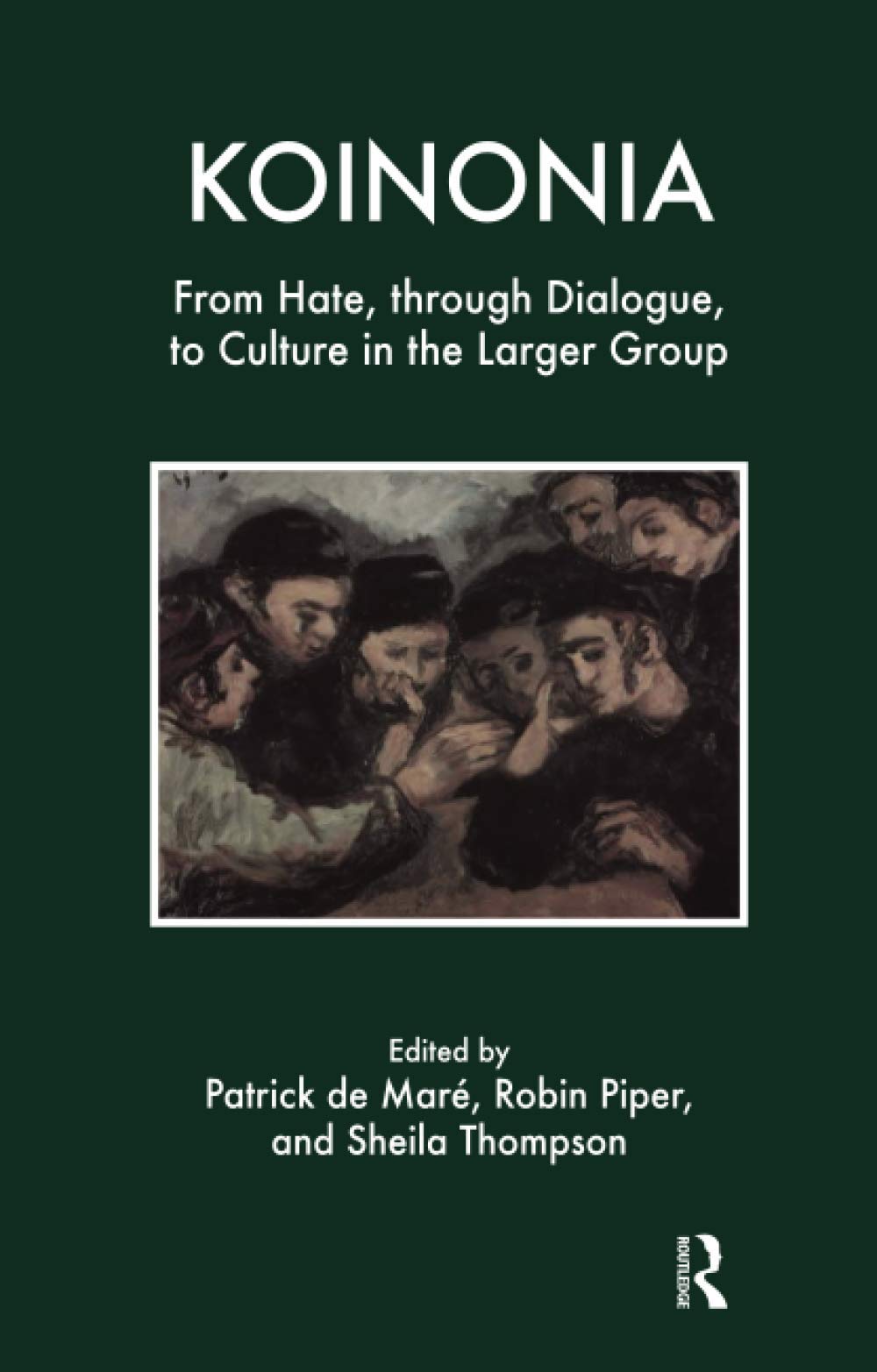
Koinonia: From Hate, Through Dialogue, to Culture in the Large Group by Patrick B. Demare
Psychology
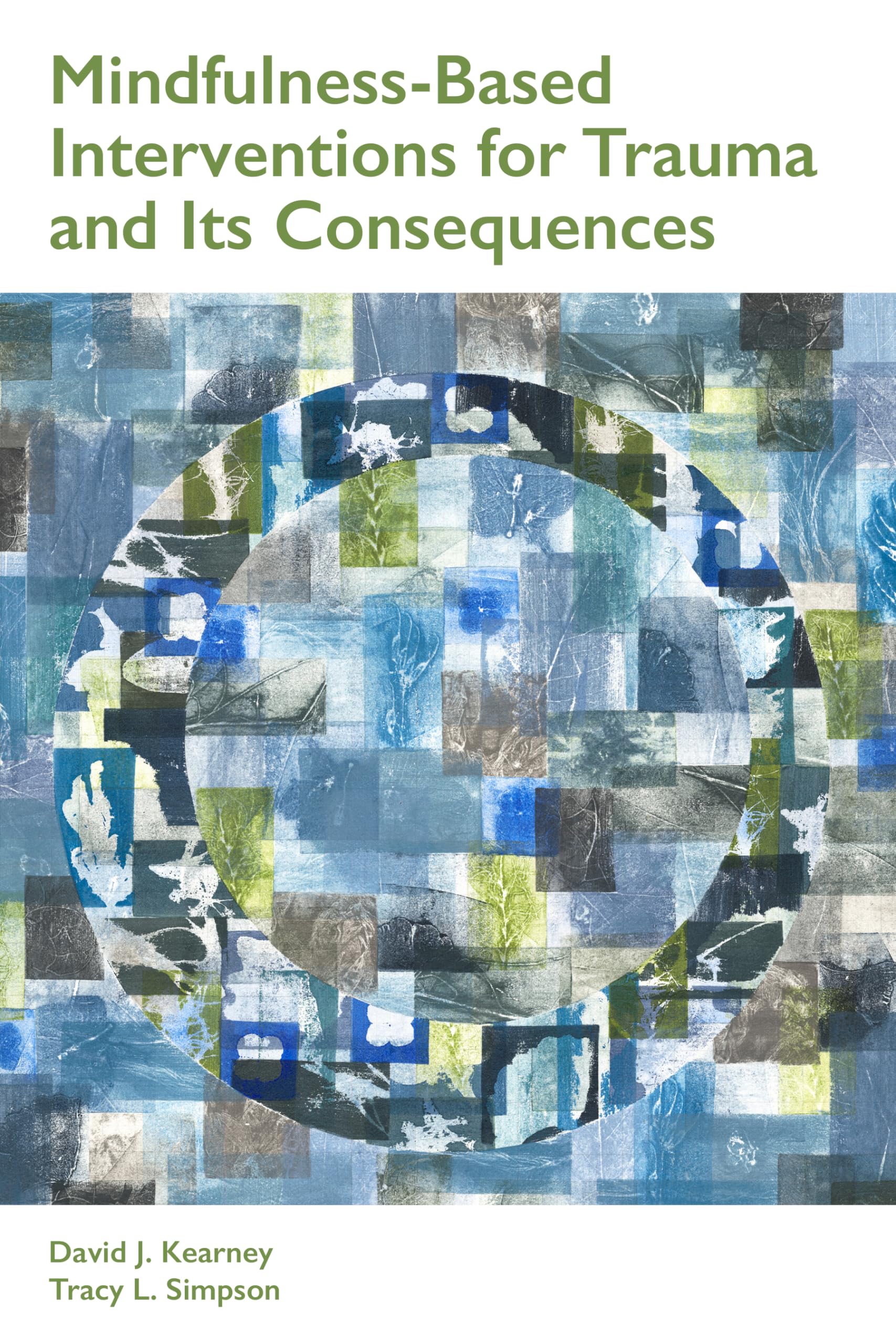
Mindfulness-Based Interventions for Trauma and Its Consequences (Concise Guides on Trauma Care, 4)

Psychology
Psychoanalysis and the Nuclear Threat: Clinical and Theoretical Studies

Psychology
Humor and Psyche: Psychoanalytic Perspectives by James W. Barron

Psychology
Proceedings of the First International Conference on Genetic Algorithms and Their Applications

Relationships
The Experience and Expression of Uncertainty in Close Relationships by Jennifer A. Theiss
Related Products
View AllPsychology
Mindfulness-Based Interventions for Trauma and Its Consequences (Concise Guides on Trauma Care, 4)
Psychology
Psychoanalysis and the Nuclear Threat: Clinical and Theoretical Studies
Psychology
Humor and Psyche: Psychoanalytic Perspectives by James W. Barron
Psychology
Proceedings of the First International Conference on Genetic Algorithms and Their Applications
Psychology
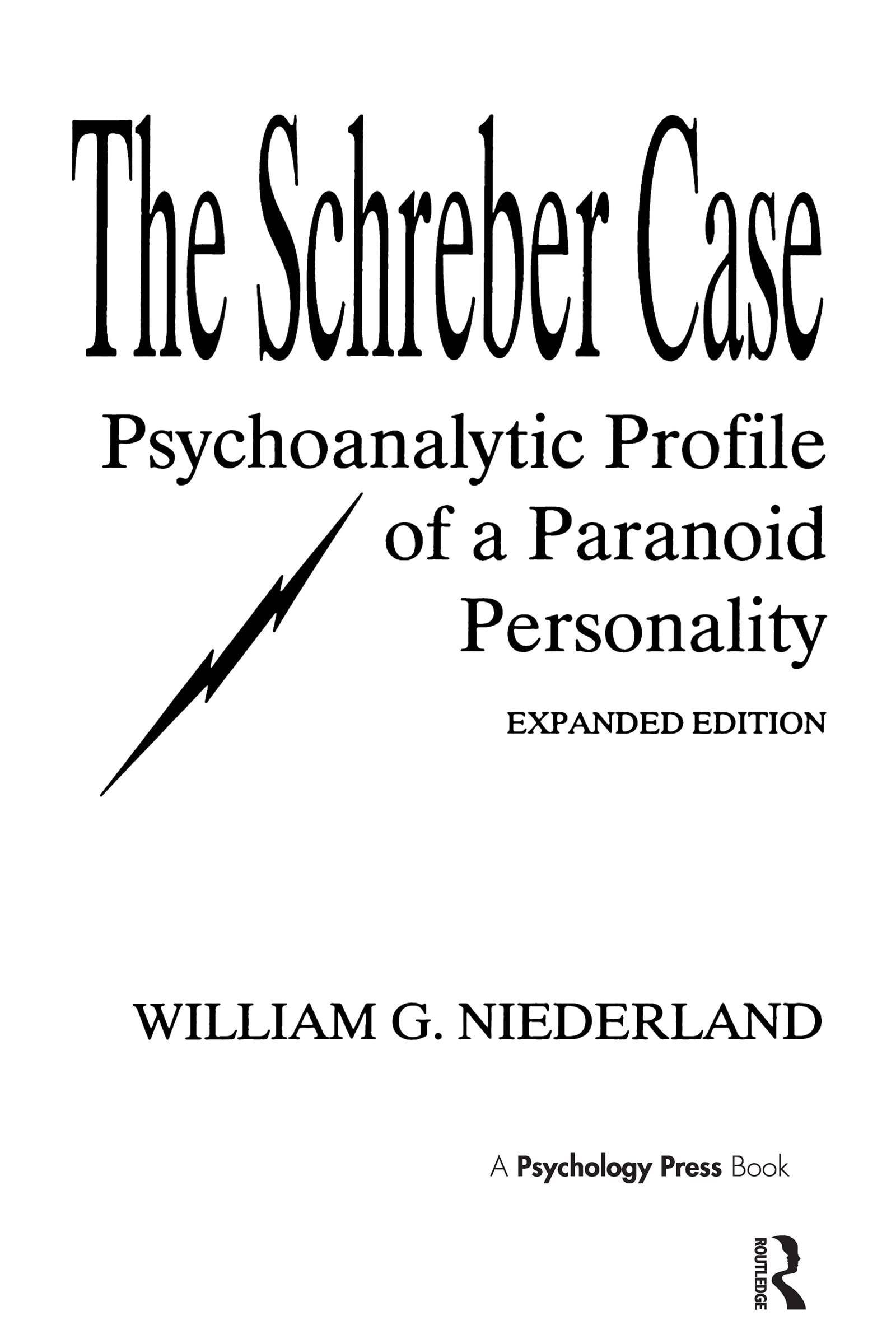
The Schreber Case: Psychoanalytic Profile of a Paranoid Personality
Psychology