
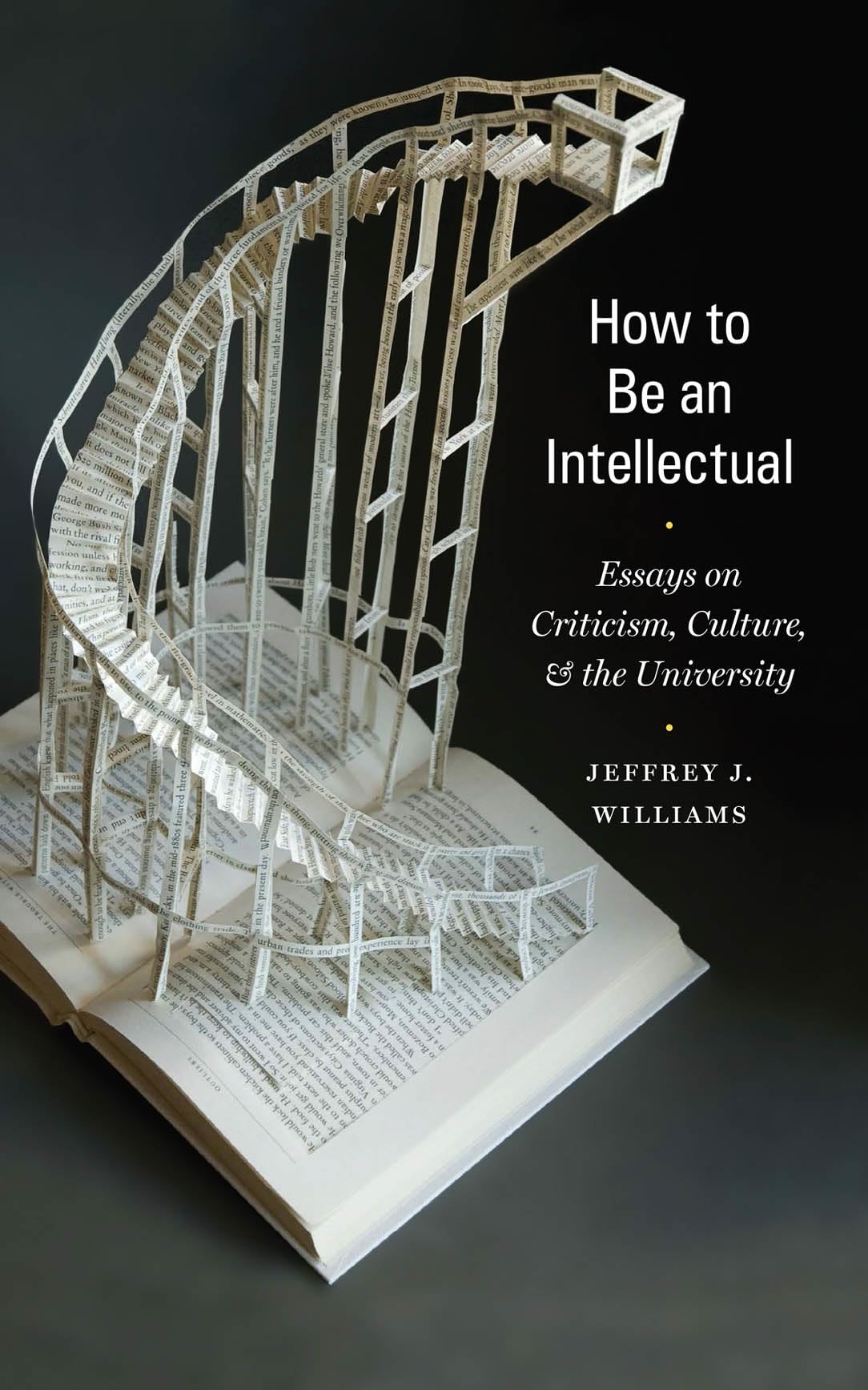
How to Be an Intellectual: Essays on Criticism, Culture, and the University by Jeffrey J. Williams – A Critical Look at
Inclusive of all applicable taxes. FREE shipping on all orders.
Available Offers
- 🚚Free Delivery — Free shipping on all orders
- 💵Cash on Delivery — Pay when your order arrives
- ↩️15-Day Easy Returns — Hassle-free return policy
- 🔒Cash on Delivery — Pay safely when your order arrives
Check Delivery
Product Description
Introduction
In an age where the value of a humanities education is constantly questioned, How to Be an Intellectual: Essays on Criticism, Culture, and the University by Jeffrey J. Williams offers a stirring defence of critical thought. This hardcover volume, published by Fordham University Press, is a collection of incisive essays that explore the role of the intellectual in modern society, the state of higher education, and the politics of culture. For Indian readers, students, and academics navigating a rapidly changing academic landscape, this book provides a timely and provocative meditation on what it truly means to think critically and act with purpose.
Book Overview
This book brings together a decade of Jeffrey J. Williams' most perceptive observations on literary and cultural studies, as well as the American university system. Written in a lucid and accessible style, How to Be an Intellectual moves beyond dry academic jargon to address real-world concerns: student debt, the corporatization of universities, and the erosion of public intellectual life. Through a series of profiles and interviews with leading critics, Williams offers an inside look at the lives and careers of those who have shaped modern criticism. The book also traces the history of American criticism through its evolving keywords—from 'sound' to 'rigorous' to 'smart'—showing how language itself reflects shifts in intellectual fashion and power.
Key Highlights
- Original interviews with prominent critics and scholars, offering rare personal insights into their work and careers.
- Sharp analysis of the political and economic forces reshaping higher education, including the student debt crisis.
- Engaging prose that makes complex ideas accessible to a general audience, not just specialists.
- Historical perspective on the evolution of criticism, from New Criticism to contemporary cultural studies.
- Relevance to Indian academia, where debates about funding, autonomy, and the purpose of education are equally pressing.
Inside the Book
The essays are organized into thematic sections that examine the intellectual's role in public life, the politics of the university, and the practice of criticism itself. Williams profiles figures like Stanley Fish, Gayatri Chakravorty Spivak, and others, drawing on interviews that reveal the personal struggles and triumphs behind their influential ideas. The book also delves into the history of literary criticism, showing how terms like 'rigorous' came to dominate academic discourse. A particularly striking essay compares student debt to colonial indenture, arguing that the burden of loans is not just a metaphor but a tangible form of economic coercion. Throughout, Williams writes with wit and clarity, never losing sight of the human stakes involved.
Key Topics
- The role of the public intellectual in a digital age
- Student debt and the economics of higher education
- The history and future of literary criticism
- Cultural studies and its critics
- The corporatization of the university
- Keywords and the language of academic power
- Interviews with major contemporary critics
Reader Benefits
- Gain a deeper understanding of the forces shaping modern universities in India and globally.
- Learn from the personal experiences of leading intellectuals who have navigated academic careers.
- Develop a critical vocabulary to analyse culture, policy, and institutional power.
- Discover practical insights on how to sustain an intellectual life beyond the classroom.
- Engage with arguments that challenge prevailing assumptions about education and debt.
Learning Outcomes
- Understand the historical development of American criticism and its global influence.
- Analyse the political economy of student debt and its parallels with other forms of exploitation.
- Evaluate the changing role of the university in democratic societies.
- Identify key debates in contemporary cultural studies and their relevance to India.
- Develop skills in critical reading and argumentation through Williams' model essays.
Who Should Read
This book is ideal for students of literature, cultural studies, sociology, and education. It will also appeal to academics, teachers, journalists, and anyone who cares about the future of higher education. Indian readers—especially those in universities facing budget cuts, privatisation, or debates over curriculum—will find Williams' analysis both illuminating and empowering. If you are a young scholar wondering how to combine intellectual rigour with public engagement, or a general reader curious about the ideas that shape our world, How to Be an Intellectual is an essential companion.
About the Author
Jeffrey J. Williams is a professor of English and literary and cultural studies at Carnegie Mellon University. He is the author of several books, including Critics at Work and The Life of the Mind, and has been a longtime editor of the journal Minnesota Review. His essays have appeared in publications such as The Chronicle of Higher Education, The Nation, and Dissent. Williams is known for his ability to bridge academic scholarship and public discourse, making him one of the most perceptive observers of contemporary intellectual life.
About the Publisher
Fordham University Press is a respected academic publisher based in New York, known for its rigorous scholarship in the humanities and social sciences. With a focus on critical theory, American studies, and philosophy, Fordham University Press has published works by leading thinkers such as Judith Butler, Slavoj Žižek, and Gayatri Chakravorty Spivak. This collaboration with Jeffrey J. Williams continues the press's tradition of bringing vital ideas to a broad readership.
Conclusion
How to Be an Intellectual is more than a collection of essays—it is a call to reclaim the life of the mind in an era of increasing commodification. Jeffrey J. Williams offers both a diagnosis of the crises facing higher education and a roadmap for resistance. For Indian students and educators, this book provides a valuable comparative perspective on issues that resonate deeply in our own context. Whether you are a seasoned academic or a curious newcomer, this hardcover volume will challenge you to think more deeply about the purpose of education and the responsibilities of the intellectual. Order your copy today from Bookshops.in and join the conversation.
Quick Summary
How to Be an Intellectual: Essays on Criticism, Culture, and the University by Jeffrey J. Williams is a compelling collection that dissects the world of literary criticism, academic culture, and the modern American university. Williams, a perceptive observer of contemporary thought, profiles influential critics and examines the shifting keywords that have defined criticism—from 'sound' to 'rigorous' to 'smart'. The book also delivers a sharp critique of higher education policies that have transformed universities into corporate entities, affecting students and faculty alike. Written in clear, accessible prose, it bridges the gap between scholarly analysis and public discourse. This book is ideal for students of literature and cultural studies, academics, and anyone interested in the life of the mind and the future of education. By purchasing from Bookshops.in, Indian readers gain access to a premium physical edition that enriches their understanding of intellectual life and the forces shaping it.
Book Highlights
Book Specifications
| ISBN-13 | 9780823263813 |
| ISBN-10 | 0823263819 |
| Publisher | Fordham University Press |
| Language | English |
| Dimensions | 12.7 x 2.54 x 20.32 cm |
| Weight | 318 g |
| Category | Literature & Fiction › Literary Theory, History & Criticism |
| Genre | Criticism, Essays |
| Original Language | English |
Frequently Asked Questions
What is 'How to Be an Intellectual' about?
Who is Jeffrey J. Williams?
Is this book suitable for Indian readers?
Does the book include interviews?
What type of criticism does the book cover?
Is this book only for academics?
What is the ISBN?
Is the book hardcover or paperback?
Does the book discuss Indian universities?
Can I use this book for my research?
What makes this book unique?
Where can I buy this book in India?
Readers Also Search For
Customers Also Bought
Contemporary Fiction
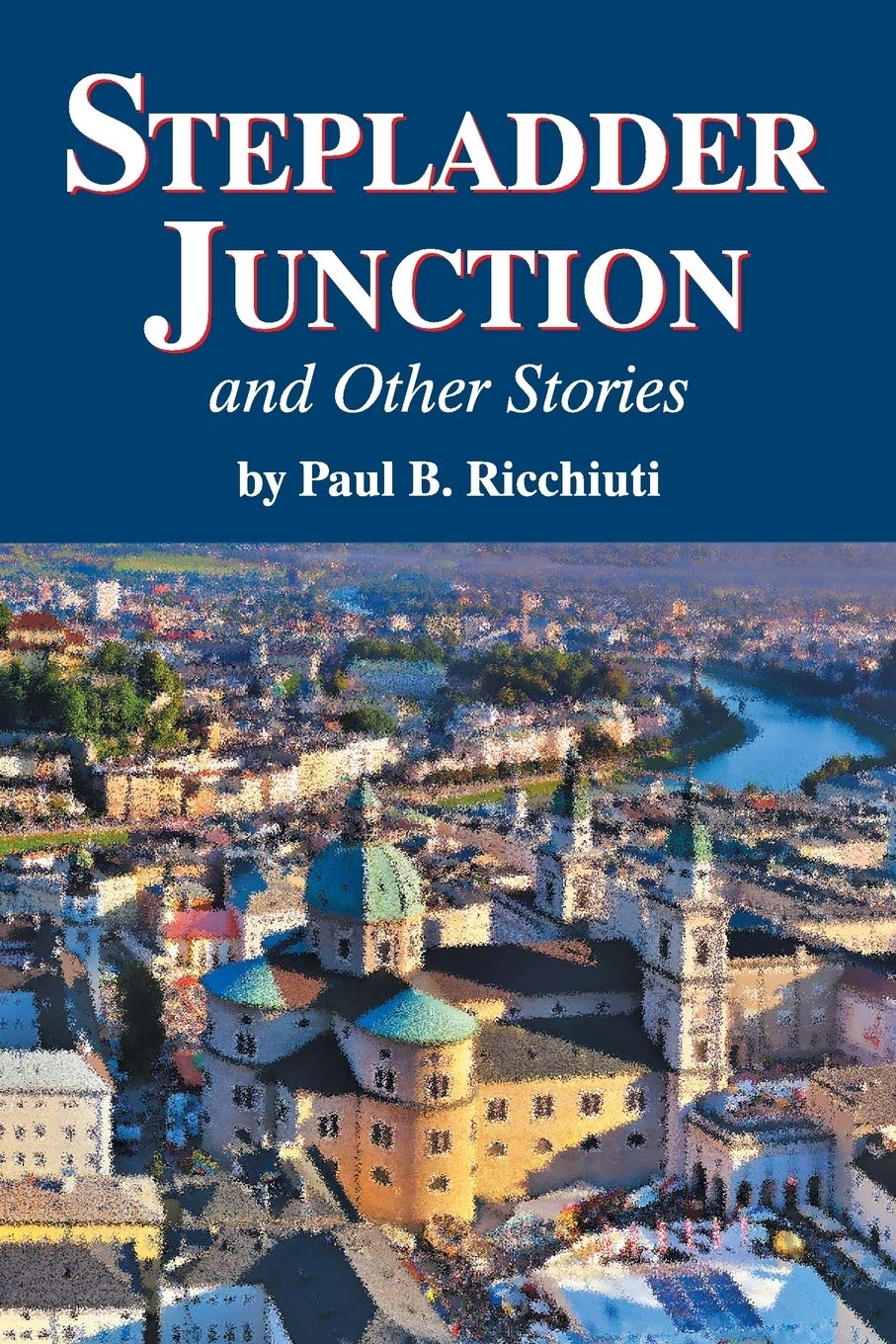
Stepladder Junction and Other Stories

Contemporary Fiction
Fabrications by Pamela Painter – Short Story Collection

Contemporary Fiction
The Double Life of an Alaskan Sled Dog (English, Andrea Finney Aufder Heyde)

Contemporary Fiction
The Alabaster Girl by Zan Perrion

Contemporary Fiction
Grimm and Grimmer: Classic Fairy Tales Rebooted by Mark Russell
Classic Literature
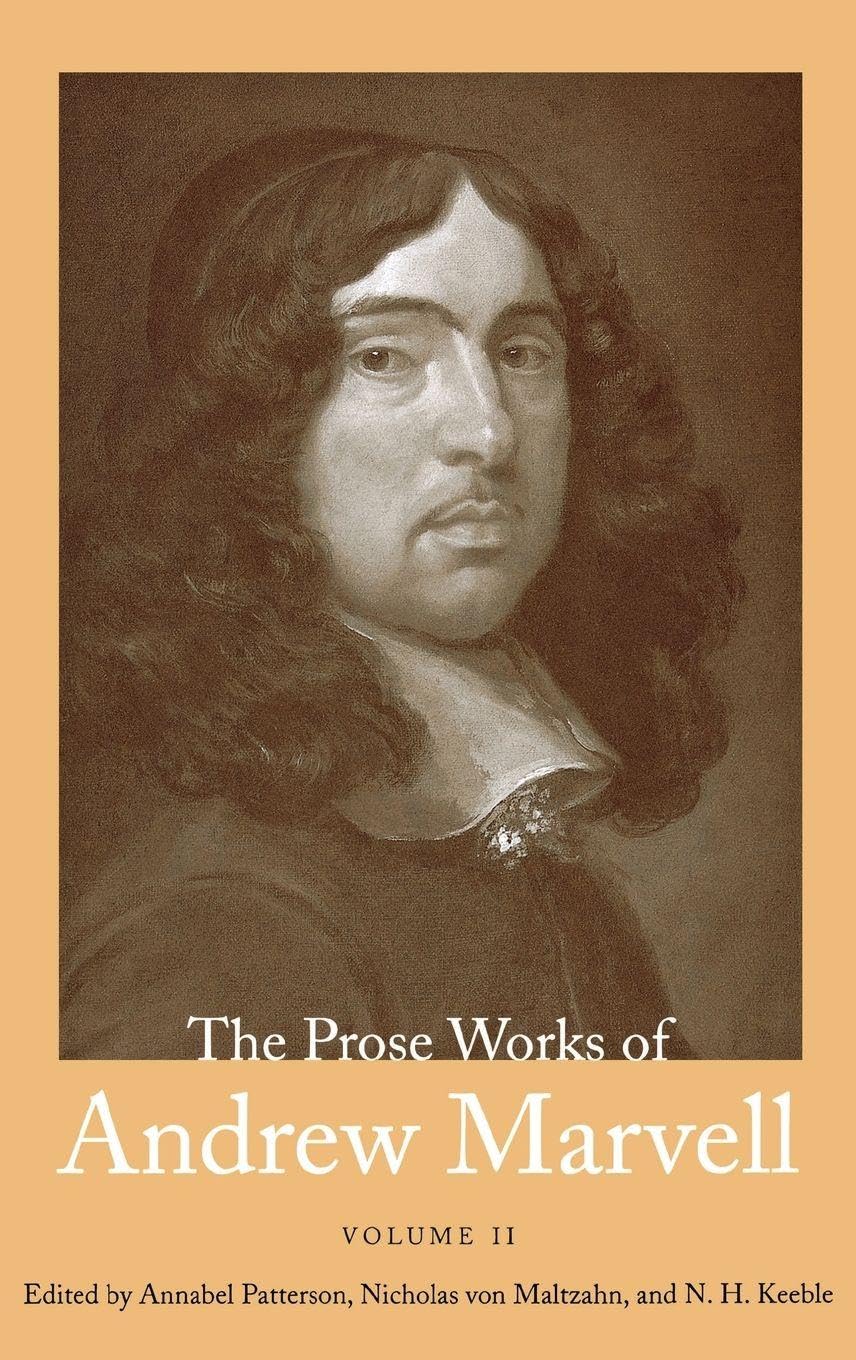
The Prose Works of Andrew Marvell: 1676-1678 by Andrew Marvell – Restoration Literature
Related Products
View All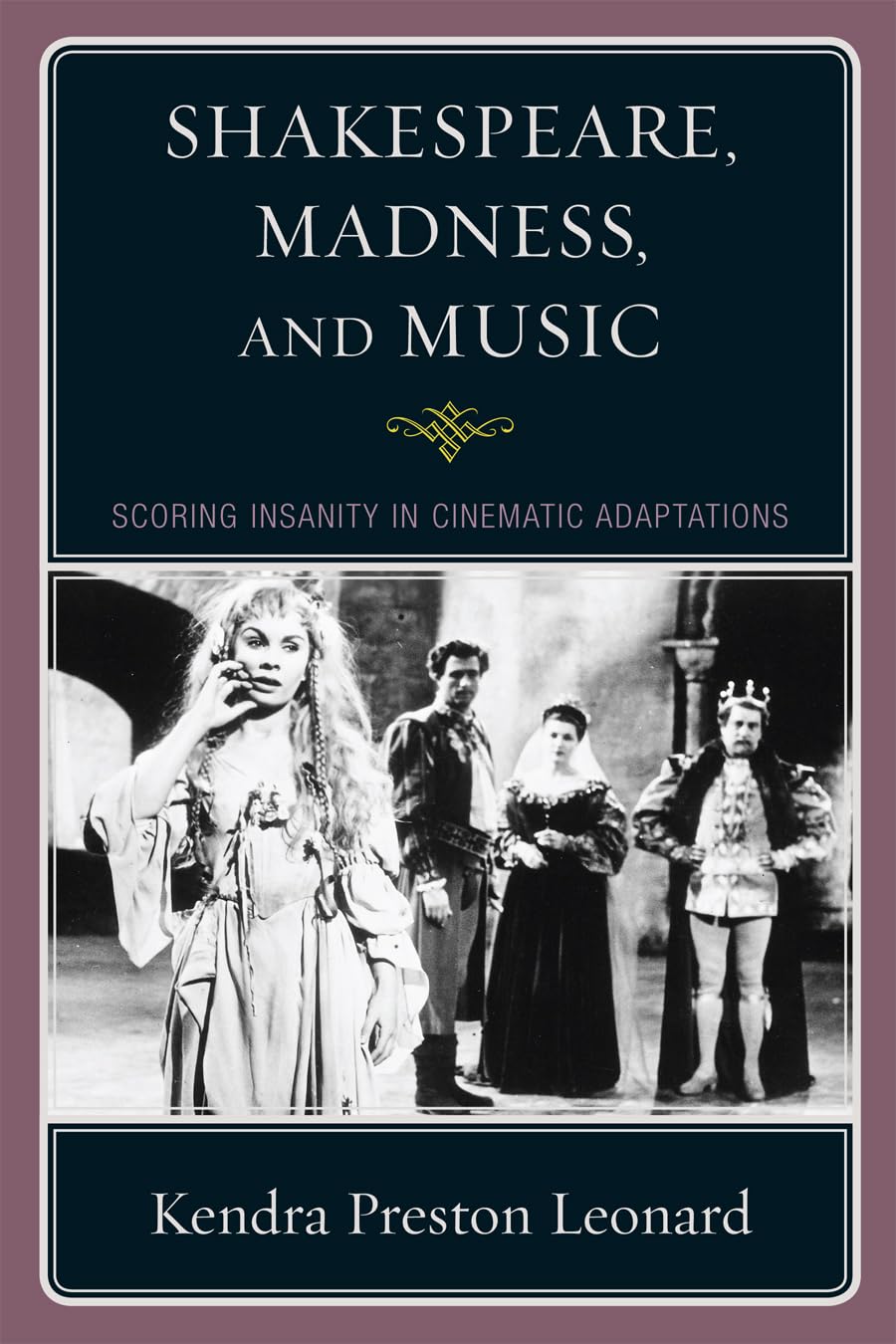
Literature & Fiction
Shakespeare, Madness, and Music: Scoring Insanity in Cinematic Adaptations
Literature & Fiction
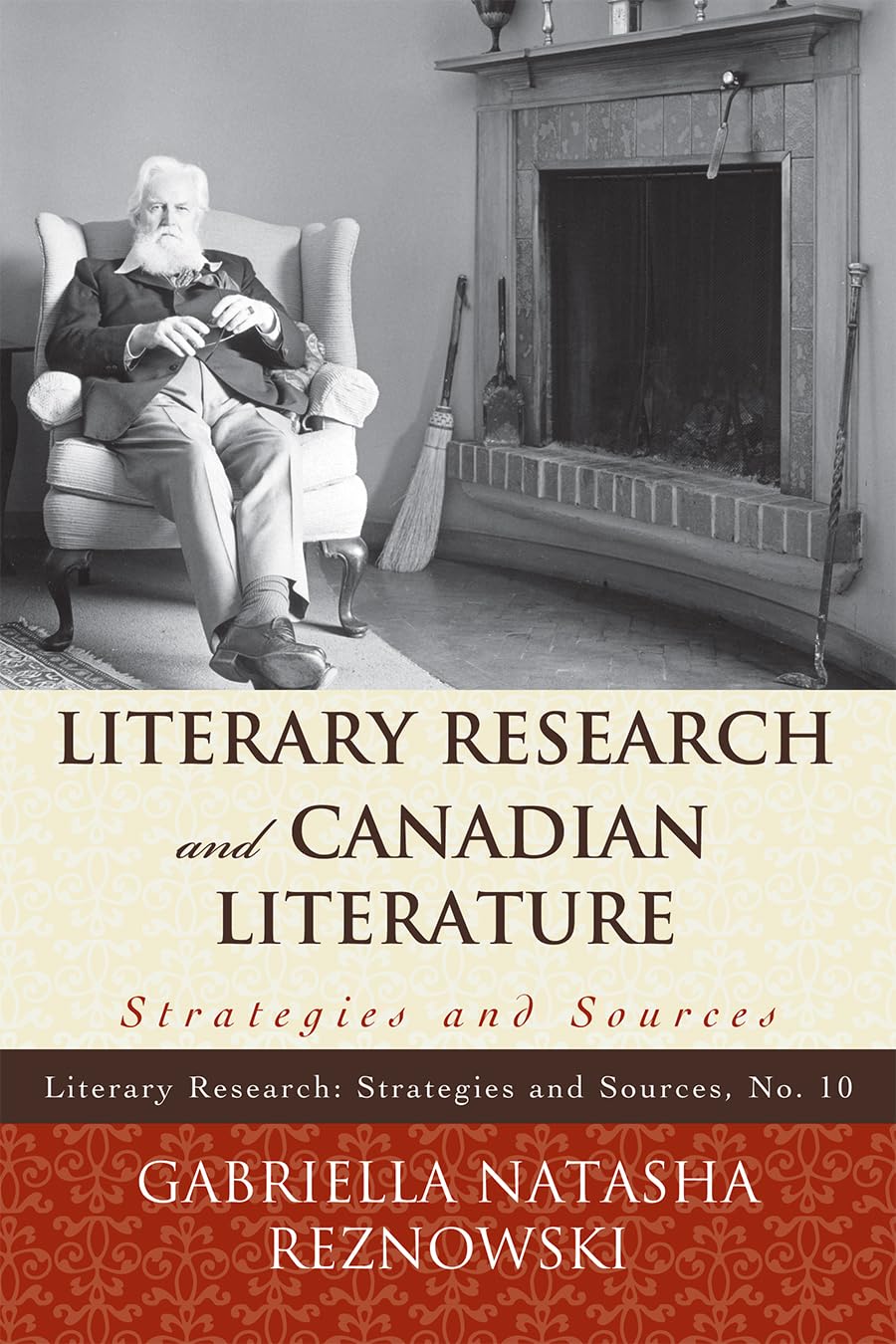
Literary Research and Canadian Literature: Strategies and Sources: 10 (Literary Research: Strategies and Sources, 10)

Literature & Fiction
Crime Fiction and National Identities in the Global Age | by Julie H. Kim | McFarland & Company | by Julie H. Kim | McFarland & Company | by Julie H. Kim | McFarland & Company | by Julie H. Kim | McFarland & Company | by Julie H. Kim | McFarland & Company | by Julie H. Kim | McFarland & Company | by Julie H. Kim | McFarland & Company | by Julie H. Kim | McFarland & Company | by Julie H. Kim | McFarland & Company | by Julie H. Kim | McFarland & Company | by
Literature & Fiction
Greek Literature in the Classical Period: The Poetics of Drama in Athens: 4 (Greek Literature Vol. 4)
Literature & Fiction
Greek Literature and Philosophy (Greek Literature, Volume 6)
Literature & Fiction