
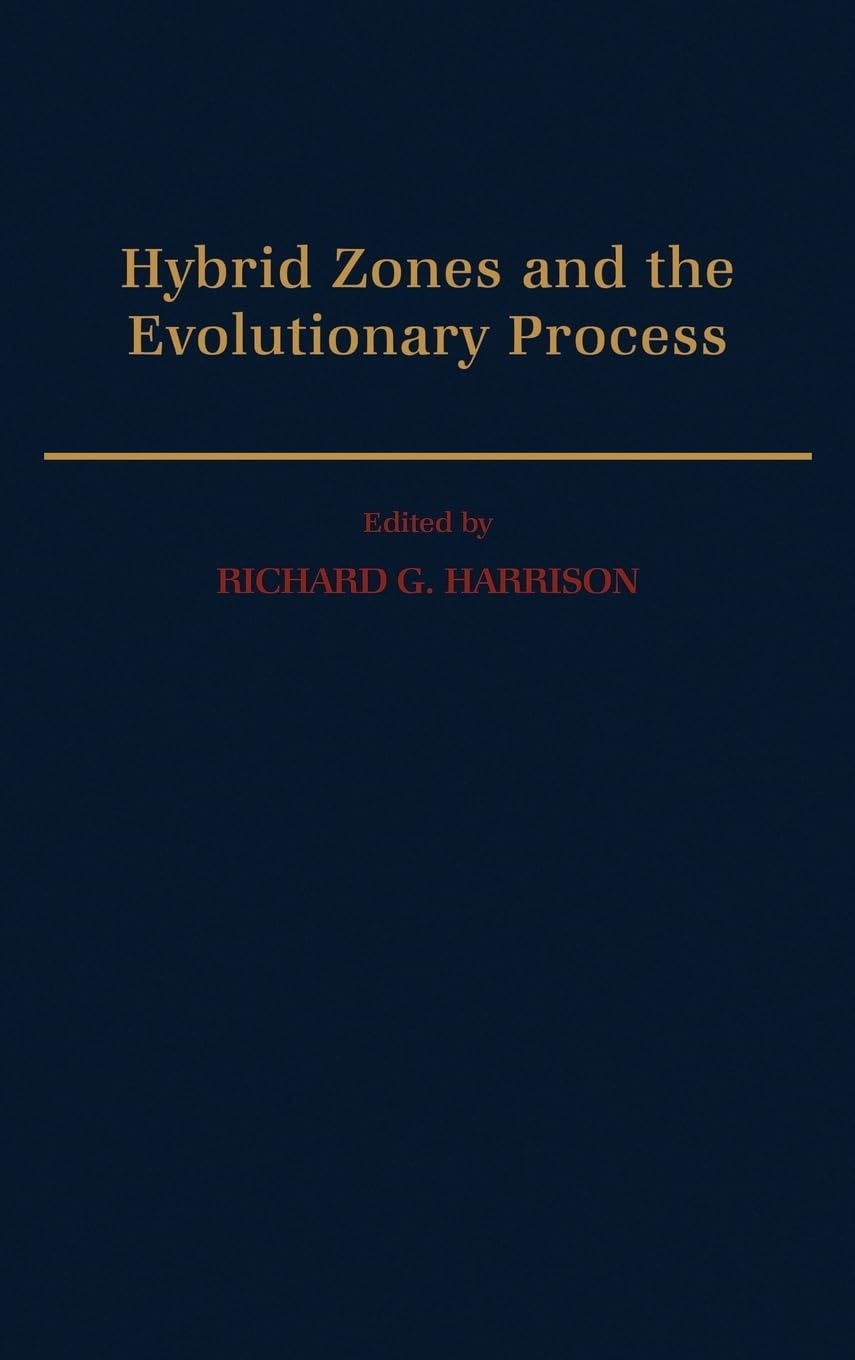
Hybrid Zones and the Evolutionary Process by Richard G. Harrison – A Deep Dive into Speciation and Genetic Barriers
Inclusive of all applicable taxes. FREE shipping on all orders.
Available Offers
- 🚚Free Delivery — Free shipping on all orders
- 💵Cash on Delivery — Pay when your order arrives
- ↩️15-Day Easy Returns — Hassle-free return policy
- 🔒Cash on Delivery — Pay safely when your order arrives
Check Delivery
Product Description
Introduction
In the vast and intricate tapestry of evolutionary biology, few phenomena offer as vivid a window into the mechanics of speciation as hybrid zones. These natural laboratories, where distinct populations meet and interbreed, reveal the subtle and powerful forces that shape biodiversity. Hybrid Zones and the Evolutionary Process, edited by Richard G. Harrison and published by Oxford University Press, stands as a definitive reference for anyone seeking to understand how genetic exchange, barriers, and adaptation interplay in the wild. This hardcover volume is an essential addition to the library of Indian students, researchers, and academics committed to exploring the depths of evolutionary science.
Book Overview
This comprehensive work synthesizes decades of research on hybrid zones—geographical regions where hybrids of two distinct populations or races occur. Rather than being mere anomalies, these zones are dynamic arenas where evolutionary processes such as selection, gene flow, and reproductive isolation are laid bare. The book delves into the genetic architecture of barriers, the dynamics of clines, and the implications for our understanding of species boundaries. It bridges theoretical models with empirical data from diverse taxa, offering a balanced and rigorous treatment of a complex subject. For Indian readers, where biodiversity hotspots often present natural hybrid zones, this book provides both foundational knowledge and advanced insights applicable to local ecosystems.
Key Highlights
- Authoritative Editor: Richard G. Harrison, a leading evolutionary biologist, curates contributions from top researchers worldwide.
- Interdisciplinary Approach: Combines genetics, ecology, biogeography, and systematics to paint a holistic picture.
- Empirical Depth: Case studies from plants, insects, amphibians, and mammals illustrate universal principles.
- Conceptual Clarity: Explains complex ideas like cline theory, linkage disequilibrium, and reinforcement in accessible language.
- Oxford University Press Quality: Renowned for scholarly rigor, this hardcover edition is built to last through years of reference.
Inside the Book
The book is structured to guide readers from foundational concepts to cutting-edge debates. Early chapters establish the historical context and define hybrid zones, while later sections explore the genetic mechanisms maintaining them. Detailed discussions cover the role of environment, the dynamics of tension zones, and the evolutionary outcomes such as speciation or fusion. Each chapter is enriched with diagrams, maps, and quantitative analyses, making the material suitable for both classroom instruction and independent study. The reference list alone is a treasure trove for researchers seeking primary literature.
Key Topics
- Definition and classification of hybrid zones
- Genetic analysis of clines and barriers to gene flow
- Selection versus dispersal in zone maintenance
- Reproductive isolation and the speciation continuum
- Hybridization in plants and animals: patterns and consequences
- Applied implications for conservation and taxonomy
Reader Benefits
This book empowers readers to critically evaluate evolutionary theories and apply them to real-world scenarios. For Indian students preparing for competitive exams like CSIR-UGC NET, GATE, or NEET in life sciences, the content strengthens conceptual foundations in population genetics and speciation. Researchers will find robust methodologies for designing studies on hybrid zones in the Indian subcontinent, such as those involving the Indian subcontinent's diverse avian or floral hybrids. The hardcover format ensures durability for frequent handling in libraries or labs.
Learning Outcomes
- Understand how hybrid zones serve as natural experiments for studying evolution
- Analyze the genetic and ecological factors that maintain or dissolve species boundaries
- Evaluate models of cline theory and their empirical support
- Apply knowledge of hybrid zones to conservation and biodiversity management
- Critically assess the role of hybridization in adaptive evolution and speciation
Who Should Read
- Graduate and postgraduate students in evolutionary biology, genetics, and ecology
- Academic researchers and faculty in life sciences and biogeography
- Wildlife biologists and conservation practitioners working in biodiversity hotspots
- Enthusiasts with a strong background in biology seeking advanced understanding
- Librarians curating collections in science and natural history
About the Author
Richard G. Harrison is a distinguished professor of ecology and evolutionary biology at Cornell University. His research has focused on the genetics of hybrid zones, particularly in crickets and other insects, and he has authored numerous influential papers on speciation. His editorial expertise ensures that this volume presents a cohesive and authoritative overview of the field.
About the Publisher
Oxford University Press (OUP) is a globally respected academic publisher with a legacy of excellence spanning over five centuries. OUP's science and mathematics division is known for rigorous peer review, high editorial standards, and contributions to scholarly communication. This hardcover edition reflects OUP's commitment to producing durable, high-quality reference works.
Conclusion
Hybrid Zones and the Evolutionary Process is more than a book—it is a gateway to understanding the dynamic, often invisible forces that create and maintain biological diversity. For Indian students and scientists navigating a rapidly evolving field, this volume offers both depth and breadth. Its original insights and comprehensive coverage make it a worthwhile investment for anyone serious about evolutionary biology. Order your copy from Bookshops.in today and add a cornerstone text to your scientific library.
Quick Summary
Hybrid Zones and the Evolutionary Process by Richard G. Harrison is a seminal work that brings together decades of research on hybrid zones—the geographic regions where distinct races or species interbreed. The book examines how these natural laboratories reveal the mechanisms of speciation, the nature of genetic barriers, and the dynamics of gene flow. Harrison, a leading evolutionary biologist, synthesizes theoretical models and empirical data from both plant and animal systems, making this an indispensable resource for students and researchers in evolutionary biology, genetics, and biogeography. Readers will gain a deep understanding of clinal variation, introgression, reproductive isolation, and the challenges hybrids pose to traditional taxonomy. This hardcover edition from Oxford University Press is a must-have for academic libraries and serious scholars. Buying from Bookshops.in ensures you receive a genuine copy with prompt service across India.
Book Highlights
Book Specifications
| ISBN-13 | 9780195069174 |
| ISBN-10 | 019506917X |
| Publisher | Oxford Univ Pr on Demand |
| Language | English |
| Dimensions | 15.24 x 2.54 x 22.86 cm |
| Weight | 816 g |
| Country | India |
| Category | Biology & Life Sciences › Ecology |
| Genre | Science & Mathematics |
| Original Language | English |
Frequently Asked Questions
What is a hybrid zone?
Who is the author of this book?
What is the main focus of this book?
Is this book suitable for Indian students?
Does the book cover plant hybrid zones?
What is the ISBN-13?
Is this book a textbook or a reference?
What are the key topics covered?
Can I use this book for my PhD research?
Is the book available in hardcover?
Does the book include case studies?
What is the price in India?
Why should I buy from Bookshops.in?
Readers Also Search For
Customers Also Bought
Mathematics
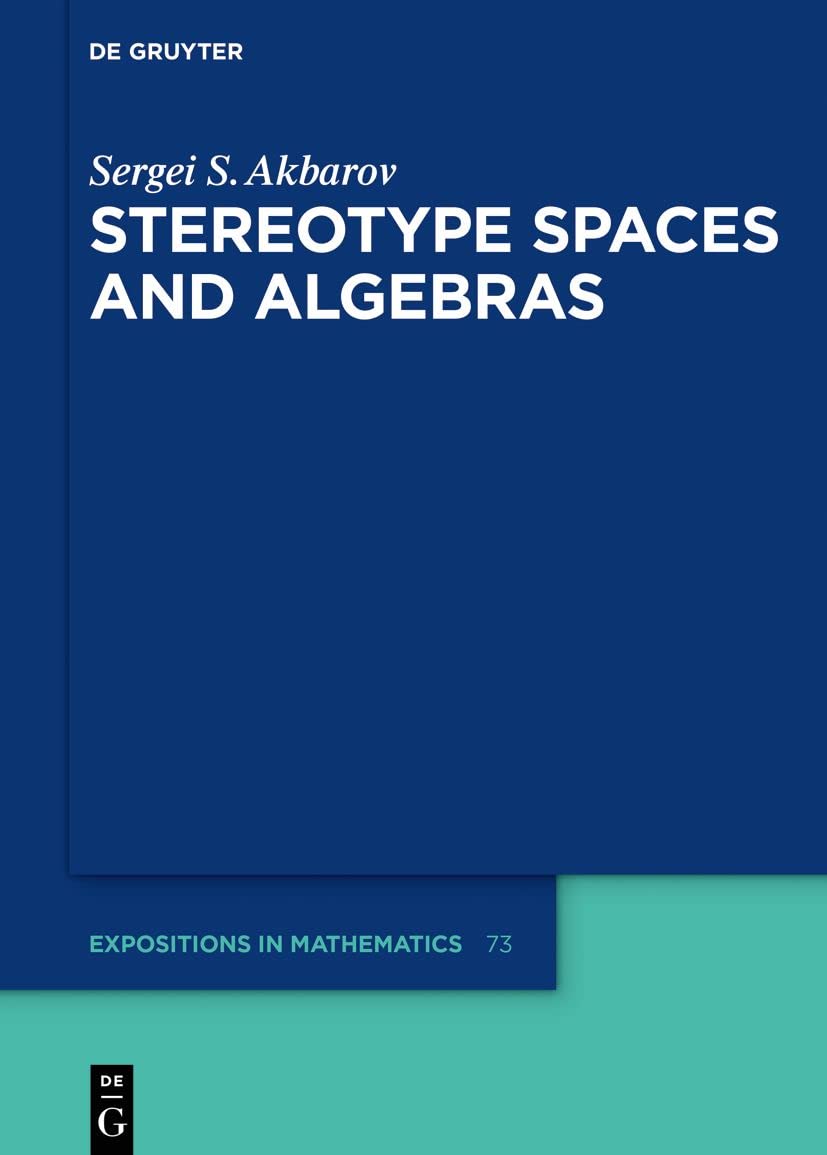
Stereotype Spaces and Algebras: 73 (De Gruyter Expositions in Mathematics, 73)
Mathematics
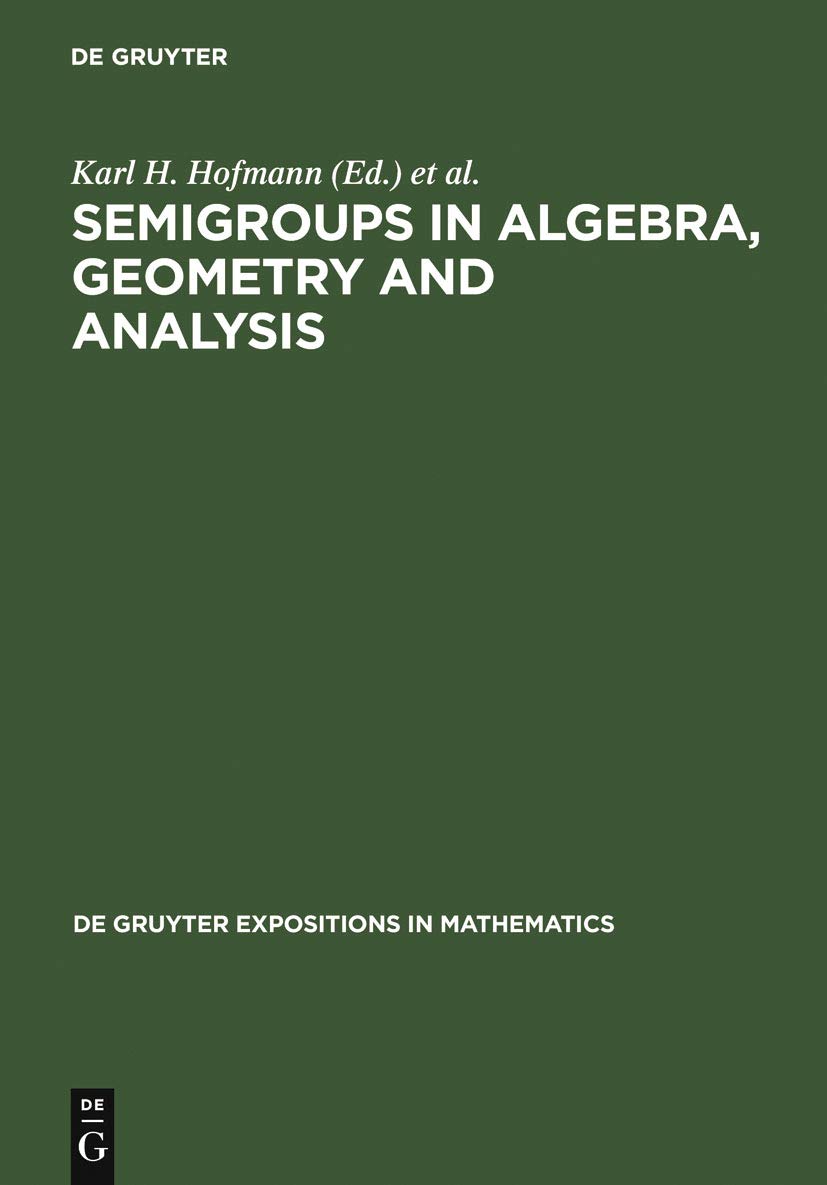
Semigroups in Algebra, Geometry and Analysis: 20 (De Gruyter Expositions in Mathematics, 20)
Mathematics
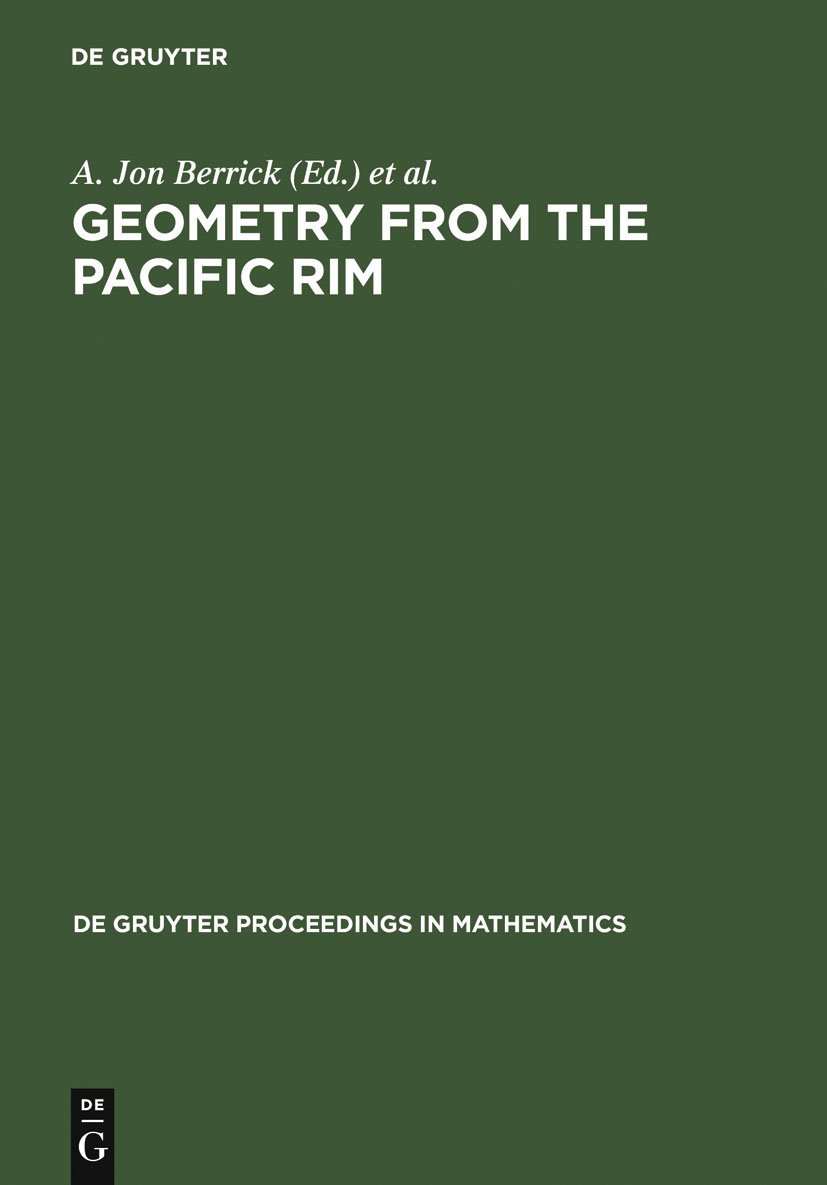
Geometry from the Pacific Rim: Proceedings of the Pacific Rim Geometry Conference held at National University of Singapore, Republic of Singapore, ... 1994 (De Gruyter Proceedings in Mathematics)
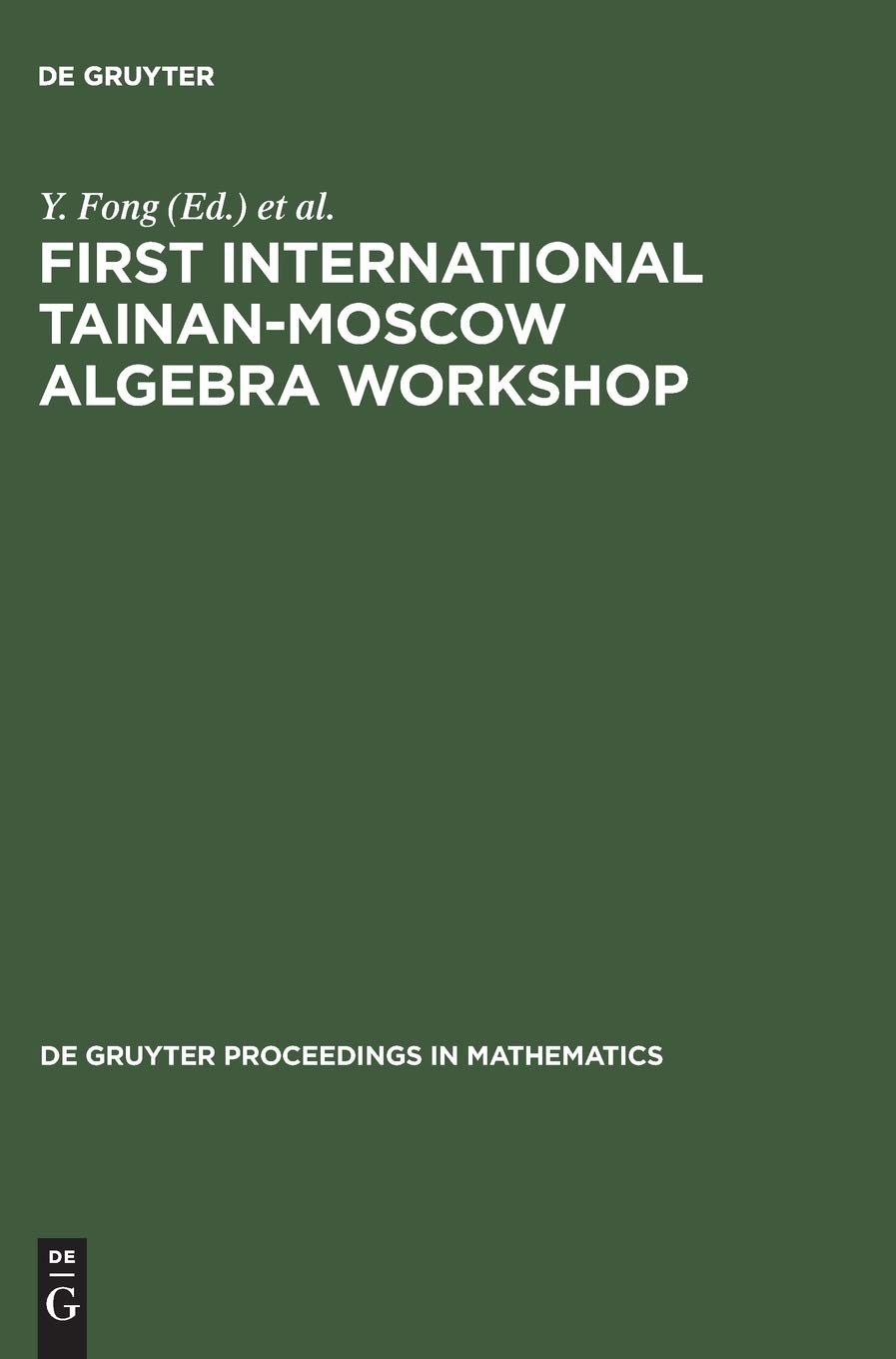
Mathematics
First International Tainan-Moscow Algebra Workshop: Proceedings of the International Conference held at National Cheng Kung University Tainan, Taiwan, ... 1994 (De Gruyter Proceedings in Mathematics)
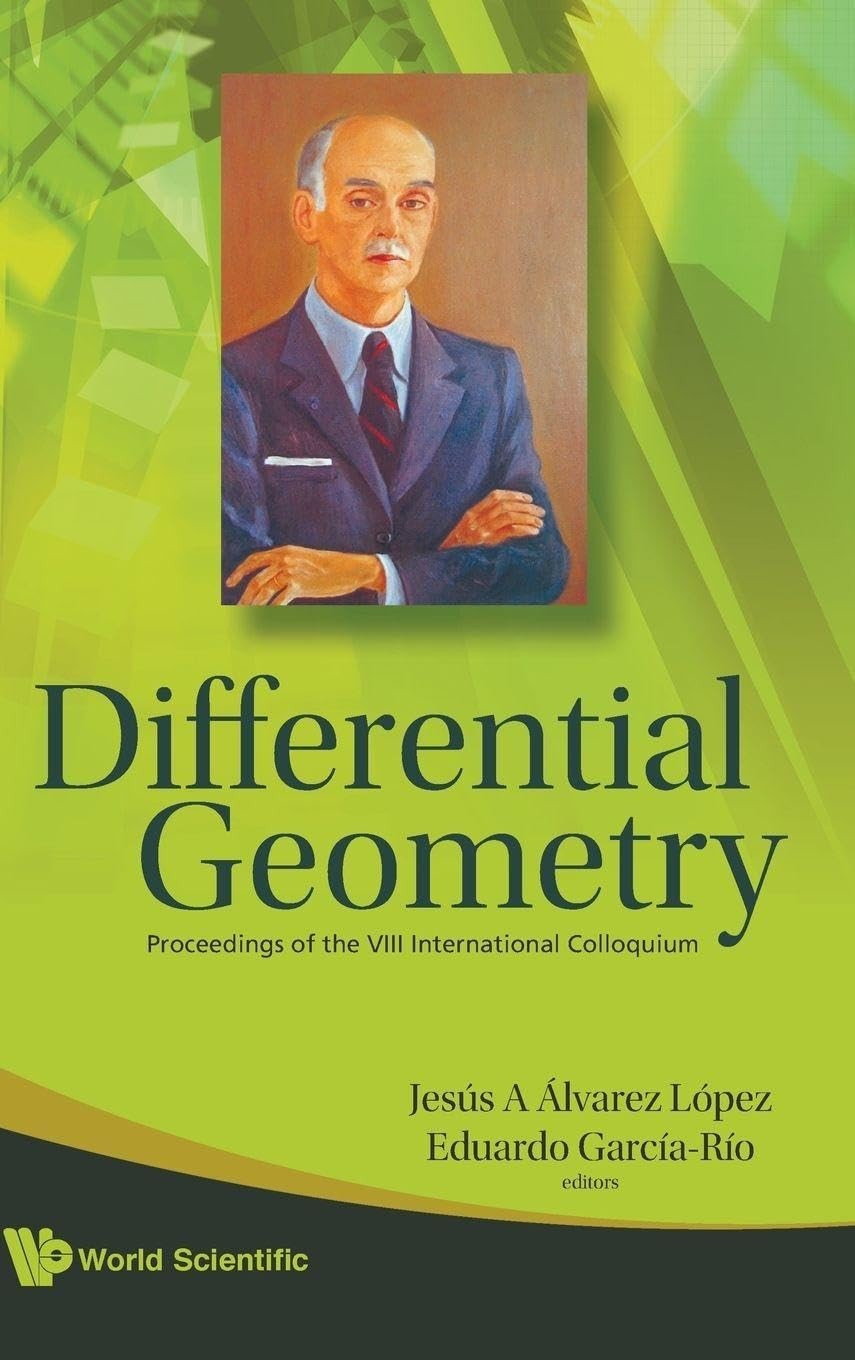
Mathematics
Differential Geometry - Proceedings of the VIII International Colloquium (English, Jesus A. Alvarez Lopez | Eduardo Garcia-Rio)
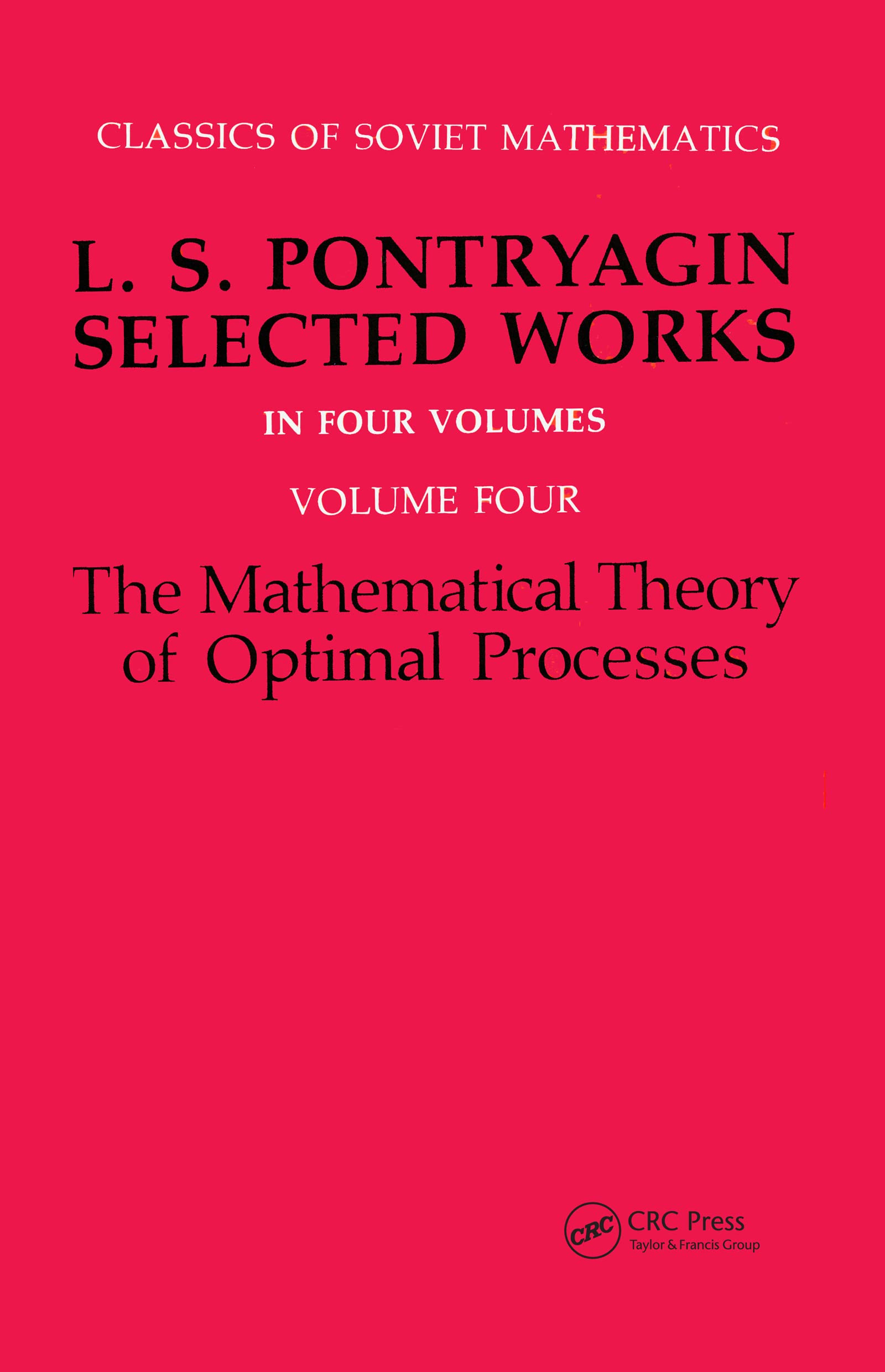
Mathematics
Mathematical Theory of Optimal Processes (Classics of Soviet Mathematics)
Related Products
View All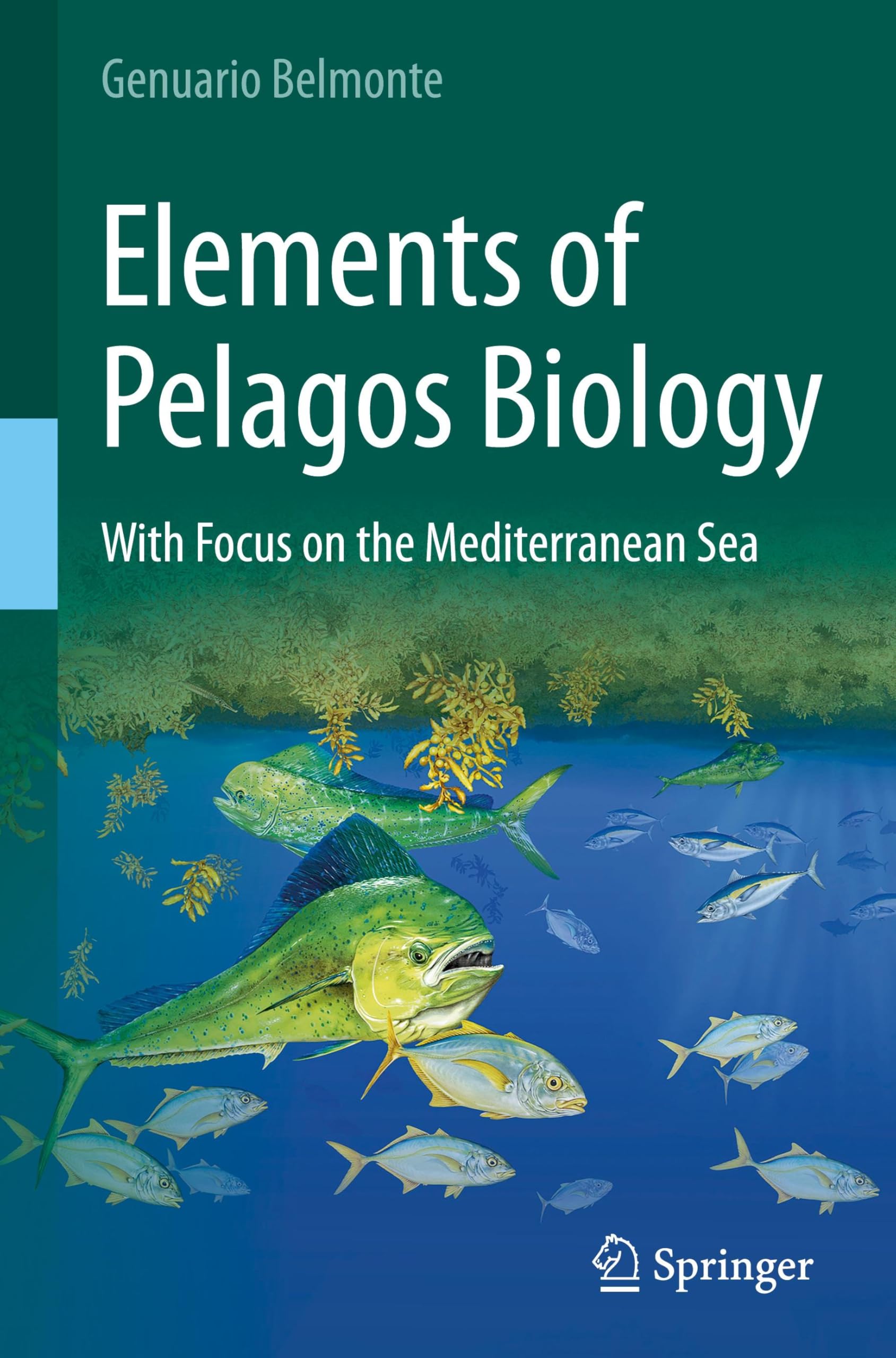
Science & Mathematics
Elements of Pelagos Biology: With Focus on the Mediterranean Sea

Science & Mathematics
Squid - Superconducting Quantum Interference Devices and Their Applications: Proceedings of the International Conference on Superconducting Quantum Devices, Berlin-west, October 4-8, 1976
Science & Mathematics
Thermodynamics and Pattern Formation in Biology
Science & Mathematics
The Nature of Mathematics and the Mathematics of Nature by S. Andersson – Mathematics & Science

Science & Mathematics
Linear Algebra | by Stephen Friedberg | Arnold Insel | Lawrence Spence | Pearson | by Stephen Friedberg | Arnold Insel | Lawrence Spence | Pearson | by Stephen Friedberg | Arnold Insel | Lawrence Spence | Pearson | by Stephen Friedberg | Arnold Insel | Lawrence Spence | Pearson | by Stephen Friedberg | Arnold Insel | Lawrence Spence | Pearson | by Stephen Friedberg | Arnold Insel | Lawrence Spence | Pearson | by Stephen Friedberg | Arnold Insel | Lawrence Spence | Pearson | by Stephen Friedberg
Science & Mathematics