
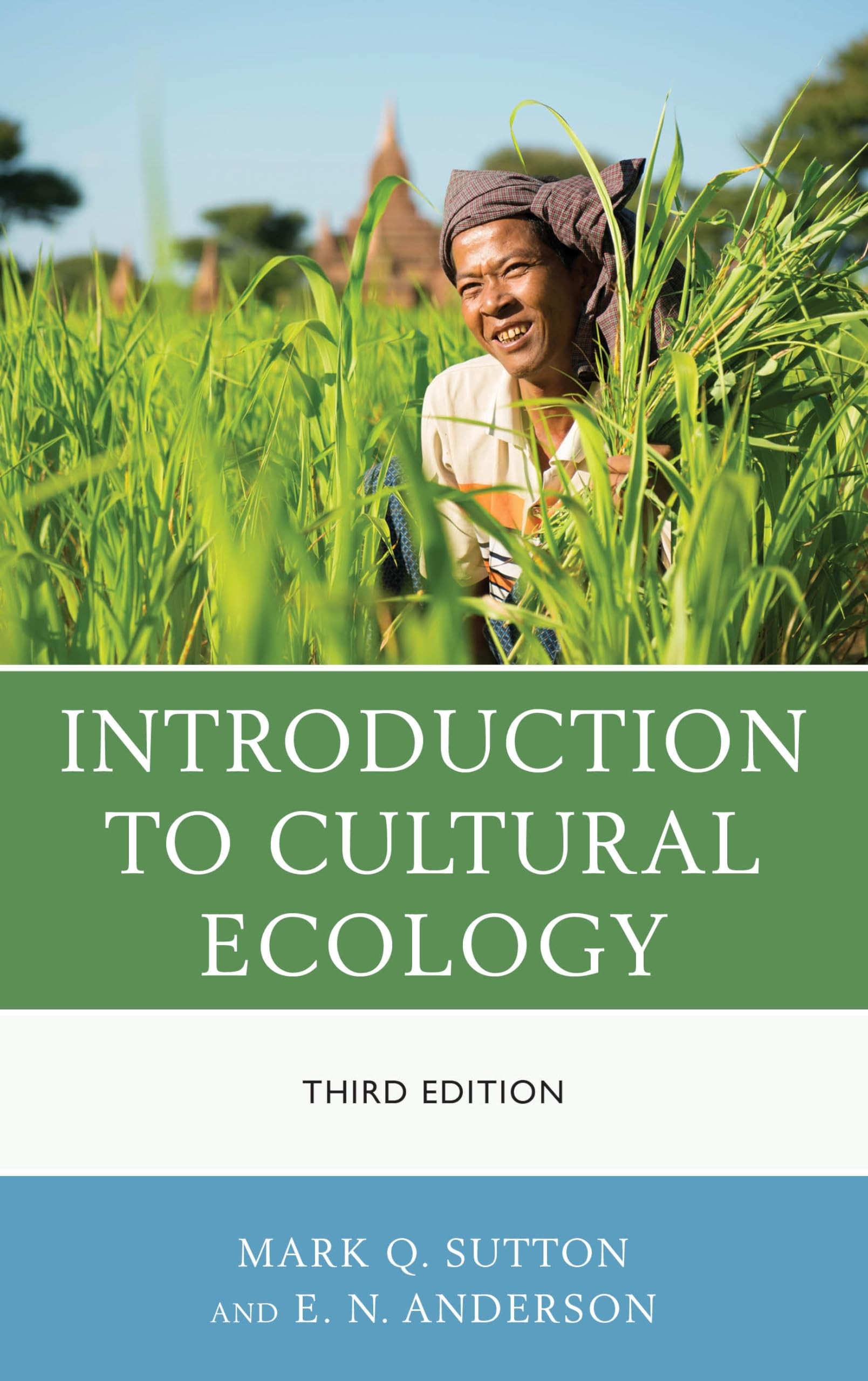
Introduction to Cultural Ecology: Understanding Human-Environment Interactions by Mark Q. Sutton – A Foundational Textbo
Inclusive of all applicable taxes. FREE shipping on all orders.
Available Offers
- 🚚Free Delivery — Free shipping on all orders
- 💵Cash on Delivery — Pay when your order arrives
- ↩️15-Day Easy Returns — Hassle-free return policy
- 🔒Cash on Delivery — Pay safely when your order arrives
Check Delivery
Product Description
Introduction to Cultural Ecology – A Comprehensive Guide by Mark Q. Sutton
In a world where environmental challenges are becoming increasingly complex, understanding the relationship between human societies and their natural surroundings is more important than ever. Introduction to Cultural Ecology, Third Edition, by Mark Q. Sutton, offers a thorough and accessible exploration of how different cultures interact with, adapt to, and shape their environments. Published by Altamira Press, this hardcover edition is an essential resource for students, researchers, and anyone interested in the dynamic interplay between culture and ecology.
Book Overview
This revised and updated edition provides a clear framework for examining human-environment relationships across time and geography. Drawing from both biological and cultural perspectives, the book covers foundational principles of cultural anthropology, environmental studies, and human biological adaptations. It then delves into various subsistence strategies—from hunting and gathering to modern industrial societies—using detailed case studies to illustrate key concepts. The text emphasizes that while all peoples face environmental issues, their responses vary widely, offering valuable lessons for sustainable living.
Key Highlights
- Comprehensive Coverage: Bridges the gap between biological and cultural approaches to ecology, making it ideal for interdisciplinary study.
- Updated Content: The third edition includes recent research, contemporary case studies, and new insights into global environmental challenges.
- Student-Friendly: Written in an engaging, accessible style with clear explanations, making complex ideas easy to grasp.
- Practical Examples: Real-world case studies from diverse cultures and historical periods bring theoretical concepts to life.
- Focus on Sustainability: Encourages readers to think critically about human impact on the environment and learn from traditional ecological knowledge.
Inside the Book
The book is structured to guide readers from foundational concepts to advanced applications. Early chapters introduce basic principles of cultural ecology, including key theories and methods. Subsequent sections explore human biological adaptations, such as how different populations have evolved to cope with environmental stressors. The core of the text examines various modes of subsistence—foraging, horticulture, pastoralism, agriculture, and industrialism—with in-depth case studies from around the world. The final chapters address contemporary issues like climate change, resource management, and the role of indigenous knowledge in modern conservation efforts.
Key Topics Covered
- Foundations of Cultural Ecology: Key concepts, history, and theoretical frameworks.
- Human Biological Adaptations: How genetics, physiology, and culture interact with environmental pressures.
- Subsistence Strategies: Detailed analysis of hunting-gathering, pastoralism, horticulture, agriculture, and industrial societies.
- Case Studies: Examples from the Arctic, Amazon, African savannas, South Asian rice paddies, and more.
- Contemporary Issues: Deforestation, water scarcity, food security, and the politics of environmental change.
- Applied Cultural Ecology: How this knowledge can inform policy, conservation, and sustainable development.
Reader Benefits
This book equips readers with a holistic understanding of why different societies use their environments in distinct ways. It fosters critical thinking about global environmental problems and highlights the value of cultural diversity in finding solutions. Students will gain a solid foundation for further studies in anthropology, geography, environmental science, and development studies. The engaging narrative and real-world examples make it equally valuable for general readers curious about how human cultures have shaped—and been shaped by—the natural world.
Learning Outcomes
- Understand the core principles and history of cultural ecology as a discipline.
- Analyze how cultural practices influence environmental use and vice versa.
- Compare different subsistence strategies and their ecological impacts.
- Evaluate contemporary environmental issues through a cross-cultural lens.
- Apply ecological concepts to real-world scenarios, including Indian and global contexts.
Who Should Read This Book
Introduction to Cultural Ecology is ideal for undergraduate and postgraduate students in anthropology, sociology, environmental studies, geography, and related fields. It is also a valuable resource for educators, researchers, policymakers, and environmental professionals seeking a broader understanding of human-environment interactions. Indian readers will find particular relevance in the discussions of traditional agricultural practices, pastoral communities, and the ecological wisdom embedded in indigenous cultures across the subcontinent.
About the Author
Mark Q. Sutton is a distinguished anthropologist and professor emeritus at California State University, Bakersfield. With decades of teaching and research experience, he specializes in human ecology, archaeology, and the study of hunter-gatherer societies. His work has been widely published in academic journals, and he is known for making complex ecological concepts accessible to students. Sutton’s deep appreciation for cultural diversity and environmental stewardship shines through in this comprehensive textbook.
About the Publisher
Altamira Press, an imprint of Rowman & Littlefield, is a respected academic publisher known for producing high-quality textbooks and reference works in anthropology, archaeology, and environmental studies. Their commitment to rigorous scholarship and accessible writing makes them a trusted name in the academic community.
Conclusion
Introduction to Cultural Ecology is more than just a textbook—it is a window into the myriad ways humans have learned to live on Earth. By exploring both ancient wisdom and modern challenges, Mark Q. Sutton provides readers with the tools to think critically about our shared environmental future. Whether you are a student beginning your journey or a professional seeking deeper insight, this book is an invaluable addition to your library. Order your hardcover copy from Bookshops.in today and embark on a fascinating exploration of culture, ecology, and sustainability.
Quick Summary
Introduction to Cultural Ecology by Mark Q. Sutton is a foundational textbook that explores the dynamic relationship between human cultures and their environments. Written for undergraduate and postgraduate students, this third edition integrates biological and cultural approaches to examine how societies adapt to ecological conditions. The book covers basic principles of cultural anthropology and environmental studies, then delves into diverse subsistence strategies—from hunting and gathering to industrial societies—supported by rich case studies from around the world. Readers will learn about human biological adaptations, resource management, and the impact of globalization and climate change on traditional cultures. The text emphasizes what other cultures can teach us about sustainability and environmental stewardship. Ideal for Indian students in anthropology, geography, and environmental science programs, this hardcover edition from Altamira Press offers a comprehensive and accessible framework for understanding human-environment interactions. Buying from Bookshops.in ensures you receive an authentic, high-quality print copy delivered across India.
Book Highlights
Book Specifications
| ISBN-13 | 9780759123281 |
| ISBN-10 | 0759123284 |
| Publisher | Altamira Pr |
| Language | English |
| Dimensions | 15.24 x 2.54 x 22.86 cm |
| Weight | 839 g |
| Category | Biology & Life Sciences › Ecology |
| Genre | Non-fiction |
| Original Language | English |
Frequently Asked Questions
What is the main focus of Introduction to Cultural Ecology?
Who is the author of this book?
Is this book suitable for Indian students?
Does the book include recent environmental issues?
Is this a hardcover book?
What is the ISBN of this book?
Can I use this book for UGC NET preparation?
Does the book have case studies?
What is the price of this book in India?
Is this book available at Bookshops.in?
What is the language of the book?
What are the key topics covered?
Readers Also Search For
Customers Also Bought
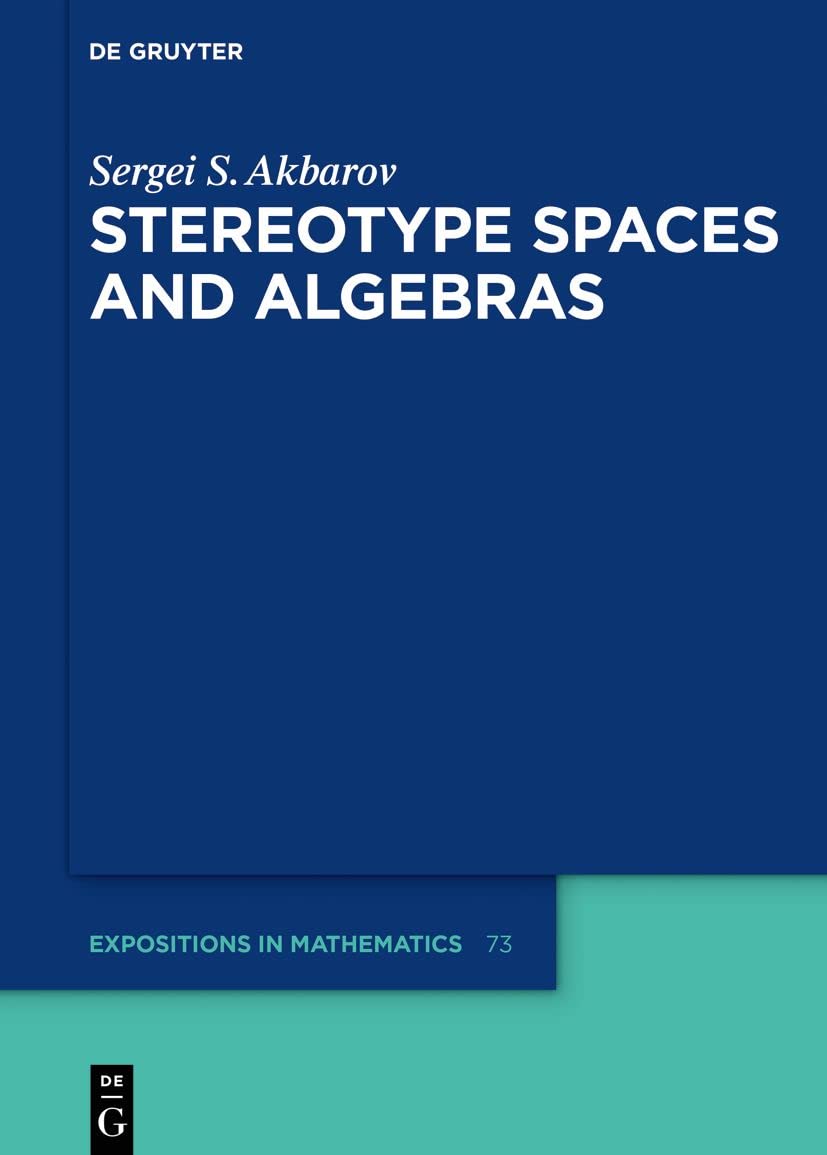
Mathematics
Stereotype Spaces and Algebras: 73 (De Gruyter Expositions in Mathematics, 73)

Mathematics
Semigroups in Algebra, Geometry and Analysis: 20 (De Gruyter Expositions in Mathematics, 20)

Mathematics
Geometry from the Pacific Rim: Proceedings of the Pacific Rim Geometry Conference held at National University of Singapore, Republic of Singapore, ... 1994 (De Gruyter Proceedings in Mathematics)

Mathematics
First International Tainan-Moscow Algebra Workshop: Proceedings of the International Conference held at National Cheng Kung University Tainan, Taiwan, ... 1994 (De Gruyter Proceedings in Mathematics)
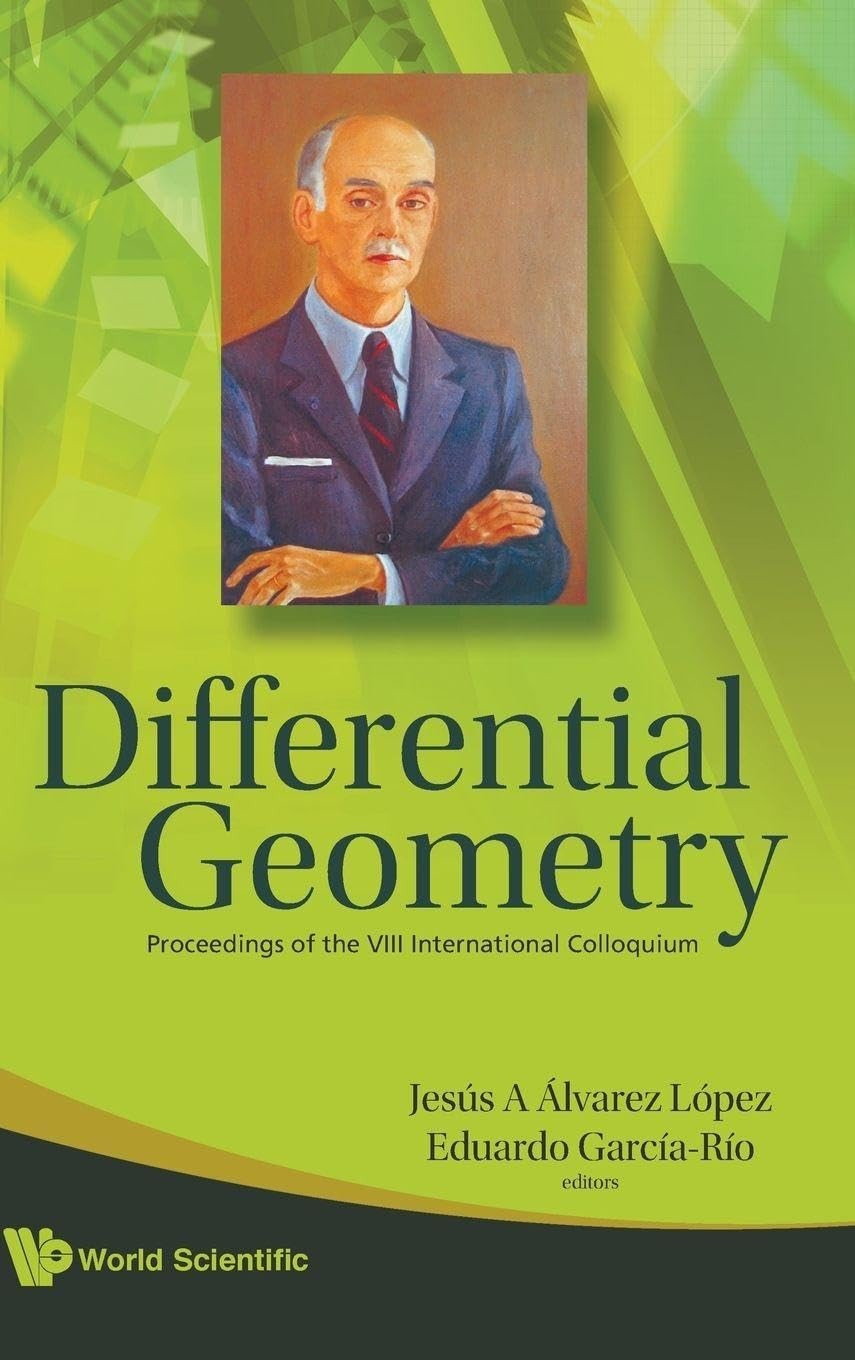
Mathematics
Differential Geometry - Proceedings of the VIII International Colloquium (English, Jesus A. Alvarez Lopez | Eduardo Garcia-Rio)

Mathematics
Mathematical Theory of Optimal Processes (Classics of Soviet Mathematics)
Related Products
View All
Science & Mathematics
Squid - Superconducting Quantum Interference Devices and Their Applications: Proceedings of the International Conference on Superconducting Quantum Devices, Berlin-west, October 4-8, 1976

Science & Mathematics
Thermodynamics and Pattern Formation in Biology

Science & Mathematics
The Nature of Mathematics and the Mathematics of Nature by S. Andersson – Mathematics & Science

Science & Mathematics
Linear Algebra | by Stephen Friedberg | Arnold Insel | Lawrence Spence | Pearson | by Stephen Friedberg | Arnold Insel | Lawrence Spence | Pearson | by Stephen Friedberg | Arnold Insel | Lawrence Spence | Pearson | by Stephen Friedberg | Arnold Insel | Lawrence Spence | Pearson | by Stephen Friedberg | Arnold Insel | Lawrence Spence | Pearson | by Stephen Friedberg | Arnold Insel | Lawrence Spence | Pearson | by Stephen Friedberg | Arnold Insel | Lawrence Spence | Pearson | by Stephen Friedberg

Science & Mathematics
University Calculus | by Joel Hass | Christopher Heil | Maurice Weir | Pearson | by Joel Hass | Christopher Heil | Maurice Weir | Pearson | by Joel Hass | Christopher Heil | Maurice Weir | Pearson | by Joel Hass | Christopher Heil | Maurice Weir | Pearson | by Joel Hass | Christopher Heil | Maurice Weir | Pearson | by Joel Hass | Christopher Heil | Maurice Weir | Pearson | by Joel Hass | Christopher Heil | Maurice Weir | Pearson | by Joel Hass | Christopher Heil | Maurice Weir | Pearson | by Joe
Science & Mathematics