
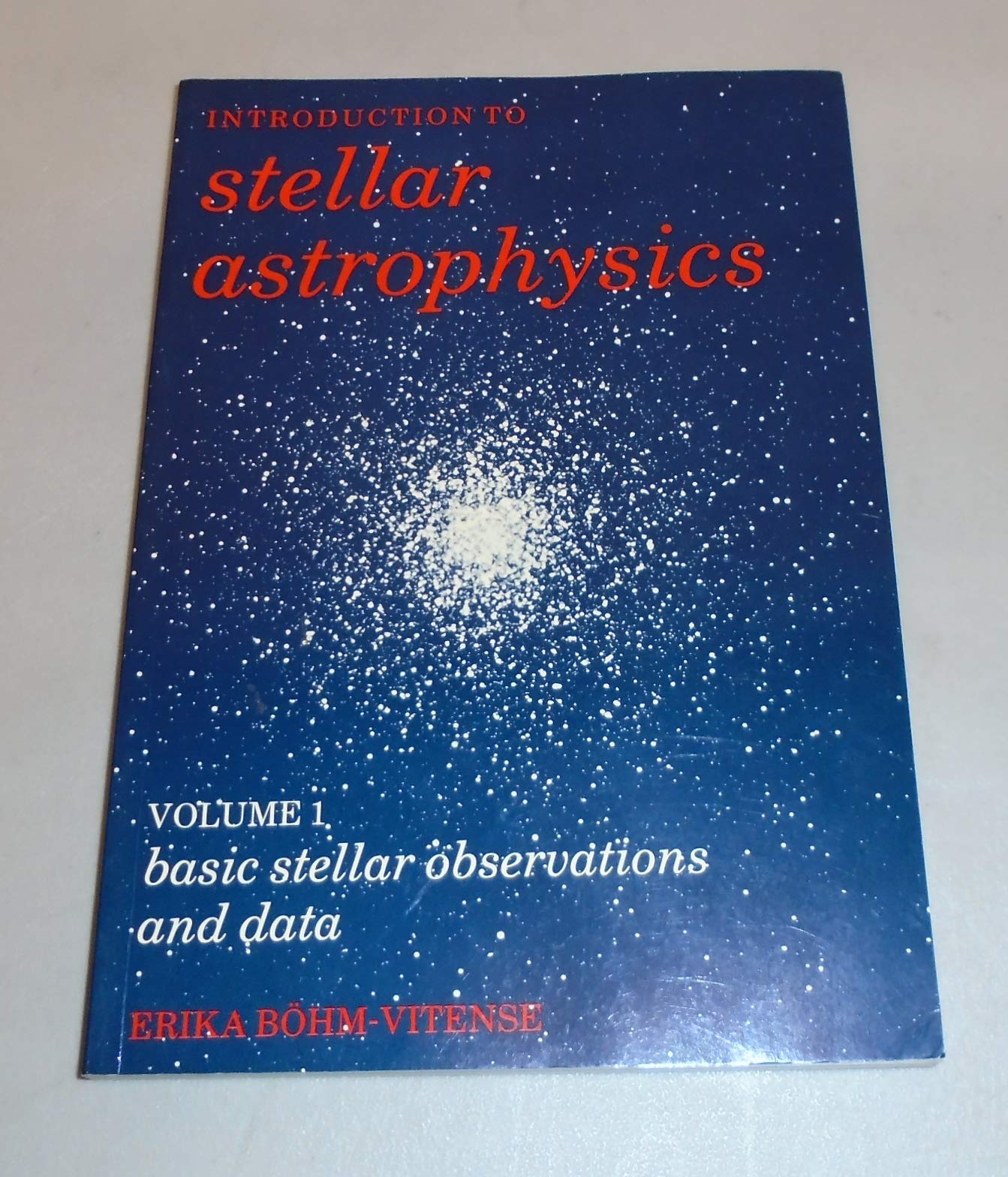
Introduction to Stellar Astrophysics: Basic Stellar Observations and Data by Erika Bohm-Vitense – A Foundational Textboo
Inclusive of all applicable taxes. FREE shipping on all orders.
Available Offers
- 🚚Free Delivery — Free shipping on all orders
- 💵Cash on Delivery — Pay when your order arrives
- ↩️15-Day Easy Returns — Hassle-free return policy
- 🔒Cash on Delivery — Pay safely when your order arrives
Check Delivery
Product Description
Introduction
For students and enthusiasts seeking a rigorous yet accessible entry into the world of stellar astronomy, Introduction to Stellar Astrophysics: Volume 1, Basic Stellar Observations and Data by Erika Bohm-Vitense stands as a foundational classic. Published by Cambridge University Press, this hardcover volume is the first in a celebrated series that demystifies the cosmos through careful observation and logical deduction. Whether you are an undergraduate physics student, a budding astrophysicist, or a curious reader with a passion for the stars, this book equips you with the essential tools to understand how we measure and interpret the properties of stars.
Book Overview
This volume focuses squarely on the bedrock of stellar astrophysics: the basic observational data that underpin all modern theories of stellar structure and evolution. Instead of diving into complex mathematics immediately, the author guides readers step by step through the methods astronomers use to determine stellar motions, distances, luminosities, colours, radii, masses, and temperatures. The book then shows how this data is systematically arranged into spectral classification schemes, revealing the hidden order among the stars. Special attention is given to stellar rotation, magnetic fields, peculiar spectra, and pulsating stars, along with a brief look at the endpoints of stellar evolution. A dedicated chapter on our Sun and a final chapter on interstellar absorption round out the comprehensive coverage.
Key Highlights
- Foundational Approach: Builds a solid understanding of how observational data is obtained and interpreted, making it ideal for self-study or classroom use.
- Clear Explanations: Complex concepts like stellar parallax, the Hertzsprung-Russell diagram, and spectral classification are explained in plain, logical language.
- Practical Problems: Includes end-of-chapter problems that reinforce learning and help students apply concepts to real astronomical data.
- Astronomical Constants: Features tables of essential constants and a selective bibliography for further reading.
- Authoritative Publisher: Published by Cambridge University Press, a name synonymous with academic excellence in science.
Inside the Book
The book is structured to take the reader on a journey from the simplest observations to the most sophisticated data analysis. Early chapters cover the apparent and absolute magnitudes of stars, the colour index, and the measurement of stellar distances through trigonometric parallax and spectroscopic methods. Later chapters delve into the determination of stellar radii via eclipsing binaries and interferometry, and masses through binary star systems. A significant portion is devoted to the spectral classification system (Morgan-Keenan and others), showing how spectral lines reveal temperature, luminosity class, and chemical composition. The text also explores the fascinating phenomena of stellar rotation and magnetic fields, variable stars like Cepheids and RR Lyrae, and the peculiar spectra of stars such as Wolf-Rayet and carbon stars. The Sun is treated as a nearby star in detail, and the final chapter explains how interstellar dust and gas affect our observations.
Key Topics
- Stellar motions and distances (parallax, proper motion, radial velocity)
- Luminosity, magnitude scales, and colour indices
- Determination of stellar radii, masses, and effective temperatures
- Spectral classification and the Hertzsprung-Russell diagram
- Stellar rotation, magnetic fields, and activity
- Peculiar and variable stars (Cepheids, RR Lyrae, magnetic stars)
- Endpoints of stellar evolution (white dwarfs, neutron stars, black holes)
- The Sun as a typical star
- Interstellar extinction and reddening
Reader Benefits
- Build a Strong Foundation: Gain clarity on the fundamental measurements that all stellar theories rely upon.
- Develop Analytical Skills: Work through problems that mimic real astronomical data analysis.
- Understand the Cosmos: Learn how astronomers piece together the life cycles of stars from observational clues.
- Prepare for Advanced Study: This volume seamlessly connects to Volume 2 (Stellar Structure) and Volume 3 (Stellar Evolution) of the same series.
Learning Outcomes
By the end of this book, readers will be able to: explain how stellar distances are measured using parallax and other methods; calculate luminosities and radii from observational data; interpret stellar spectra to determine temperature, luminosity class, and chemical composition; read and construct Hertzsprung-Russell diagrams; describe the effects of stellar rotation and magnetic fields on spectra; identify different types of variable stars and their significance; and discuss the observational evidence for stellar evolution endpoints.
Who Should Read
This book is ideal for undergraduate students in physics, astronomy, or astrophysics programs. It is also highly suitable for advanced high school students with a strong background in physics and mathematics, as well as amateur astronomers who wish to deepen their scientific understanding of the stars. Researchers in related fields who want a concise refresher on stellar observational techniques will also find it valuable.
About the Author
Erika Bohm-Vitense was a distinguished astrophysicist and professor at the University of Washington. She was renowned for her research on stellar atmospheres, variable stars, and the chemical composition of stars. Her deep expertise and gift for clear exposition made her textbooks highly respected in the academic community. This volume reflects her lifelong dedication to teaching the next generation of astronomers.
About the Publisher
Cambridge University Press is one of the world's oldest and most prestigious academic publishers. With a history dating back to 1534, Cambridge University Press is committed to publishing authoritative works across all fields of science, including astronomy and astrophysics. Their titles are known for rigorous peer review and high production quality, ensuring that readers receive accurate and reliable content.
Conclusion
Introduction to Stellar Astrophysics: Volume 1, Basic Stellar Observations and Data is an indispensable resource for anyone serious about understanding the stars. Its methodical approach, combined with practical problems and authoritative content, makes it a trusted companion for students and self-learners alike. Add this hardcover volume to your library today and take the first step toward mastering the science of the cosmos.
Quick Summary
Introduction to Stellar Astrophysics: Volume 1, Basic Stellar Observations and Data by Erika Bohm-Vitense is a classic textbook that provides a thorough grounding in the observational foundations of stellar astrophysics. The book begins by explaining how astronomers measure stellar motions, distances, luminosities, colours, radii, masses, and temperatures using telescopes and instruments. It then shows how these data are used to classify stars based on their spectra, introducing the Hertzsprung-Russell diagram and spectral types. Special attention is given to stellar rotation, magnetic fields, peculiar stars, and pulsating variables, which reveal unique physical processes. A dedicated chapter on the Sun offers insights into our nearest star, while the final chapter on interstellar absorption explains how the medium between stars affects observations. The book also briefly touches on stellar evolution endpoints like white dwarfs, neutron stars, and black holes. Written for advanced undergraduate and graduate students in physics and astronomy, this text includes problem sets to reinforce learning. It is ideal for Indian students pursuing MSc or PhD degrees in astrophysics. By purchasing from Bookshops.in, readers receive a genuine hardcover edition from Cambridge University Press, ensuring durability and academic credibility.
Book Highlights
Book Specifications
| ISBN-13 | 9780521348690 |
| ISBN-10 | 0521348692 |
| Publisher | Cambridge University Press |
| Language | English |
| Dimensions | 18.9 x 1.47 x 24.61 cm |
| Weight | 535 g |
| Country | India |
| Category | Science & Mathematics › Astronomy & Astrophysics |
| Series | Introduction to Stellar Astrophysics |
| Genre | Non-fiction |
| Reading Age | 18+ |
| Translator | None |
| Original Language | English |
Frequently Asked Questions
What is the main focus of this book?
Who is the author?
Is this book suitable for beginners?
Does the book include problems?
What topics are covered in the Sun chapter?
Does the book discuss stellar evolution?
Is interstellar absorption covered?
What is the ISBN?
Is this a hardcover or paperback?
What language is the book in?
Who is the publisher?
Can I use this book for a course?
Does the book cover all types of stars?
Why buy from Bookshops.in?
Readers Also Search For
Customers Also Bought
Mathematics
Stereotype Spaces and Algebras: 73 (De Gruyter Expositions in Mathematics, 73)
Mathematics
Semigroups in Algebra, Geometry and Analysis: 20 (De Gruyter Expositions in Mathematics, 20)
Mathematics
Geometry from the Pacific Rim: Proceedings of the Pacific Rim Geometry Conference held at National University of Singapore, Republic of Singapore, ... 1994 (De Gruyter Proceedings in Mathematics)
Mathematics
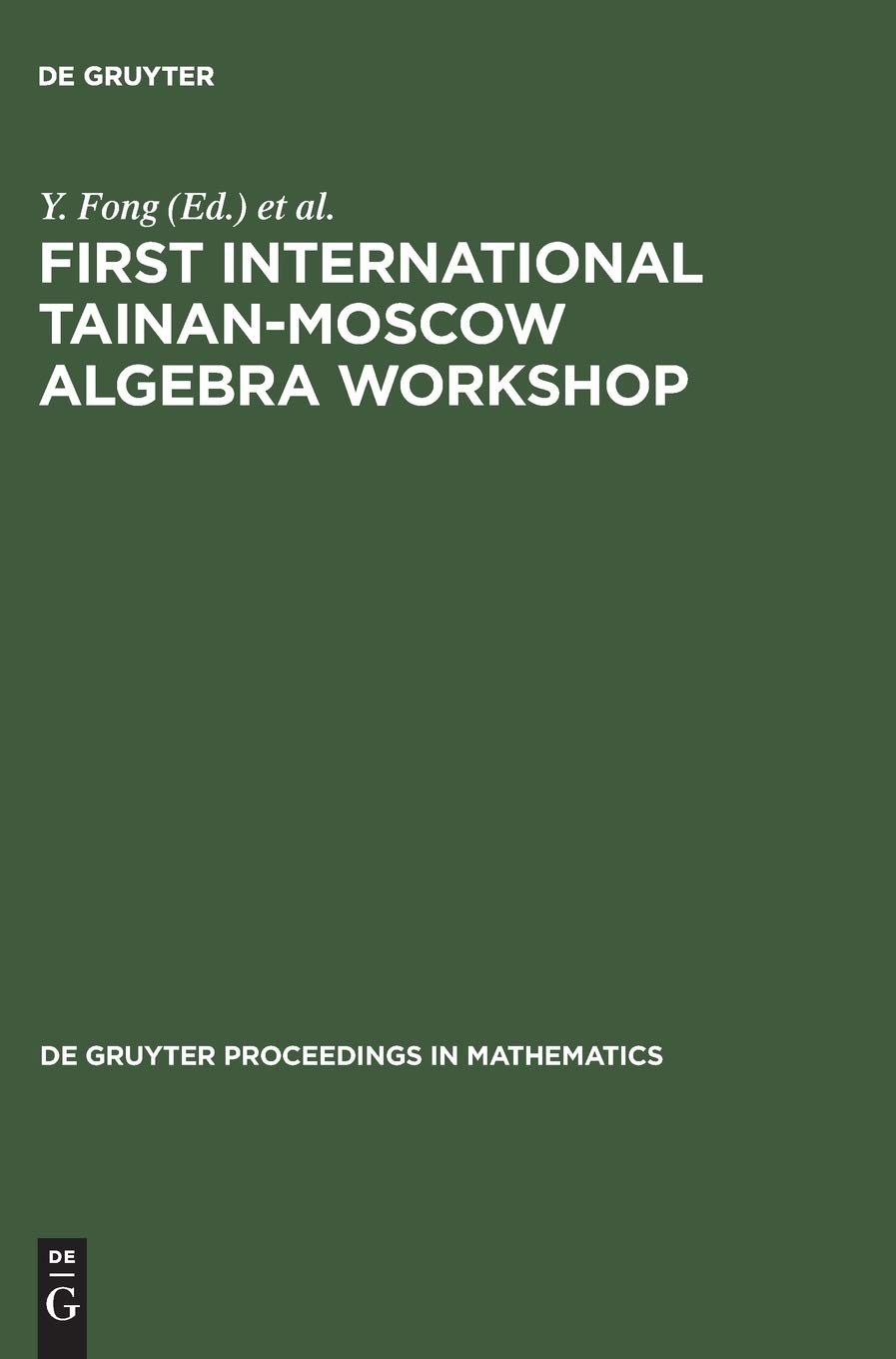
First International Tainan-Moscow Algebra Workshop: Proceedings of the International Conference held at National Cheng Kung University Tainan, Taiwan, ... 1994 (De Gruyter Proceedings in Mathematics)
Mathematics
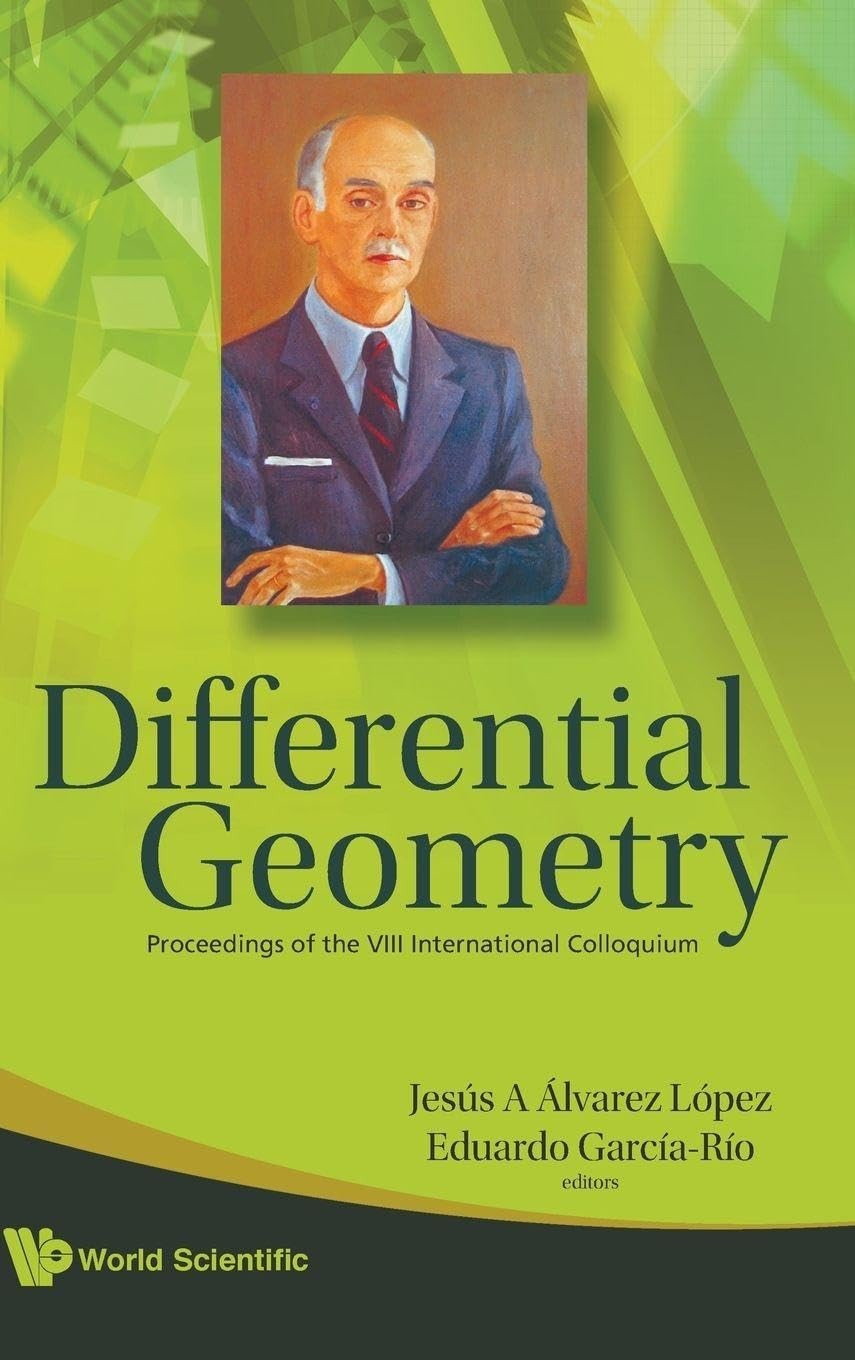
Differential Geometry - Proceedings of the VIII International Colloquium (English, Jesus A. Alvarez Lopez | Eduardo Garcia-Rio)
Mathematics
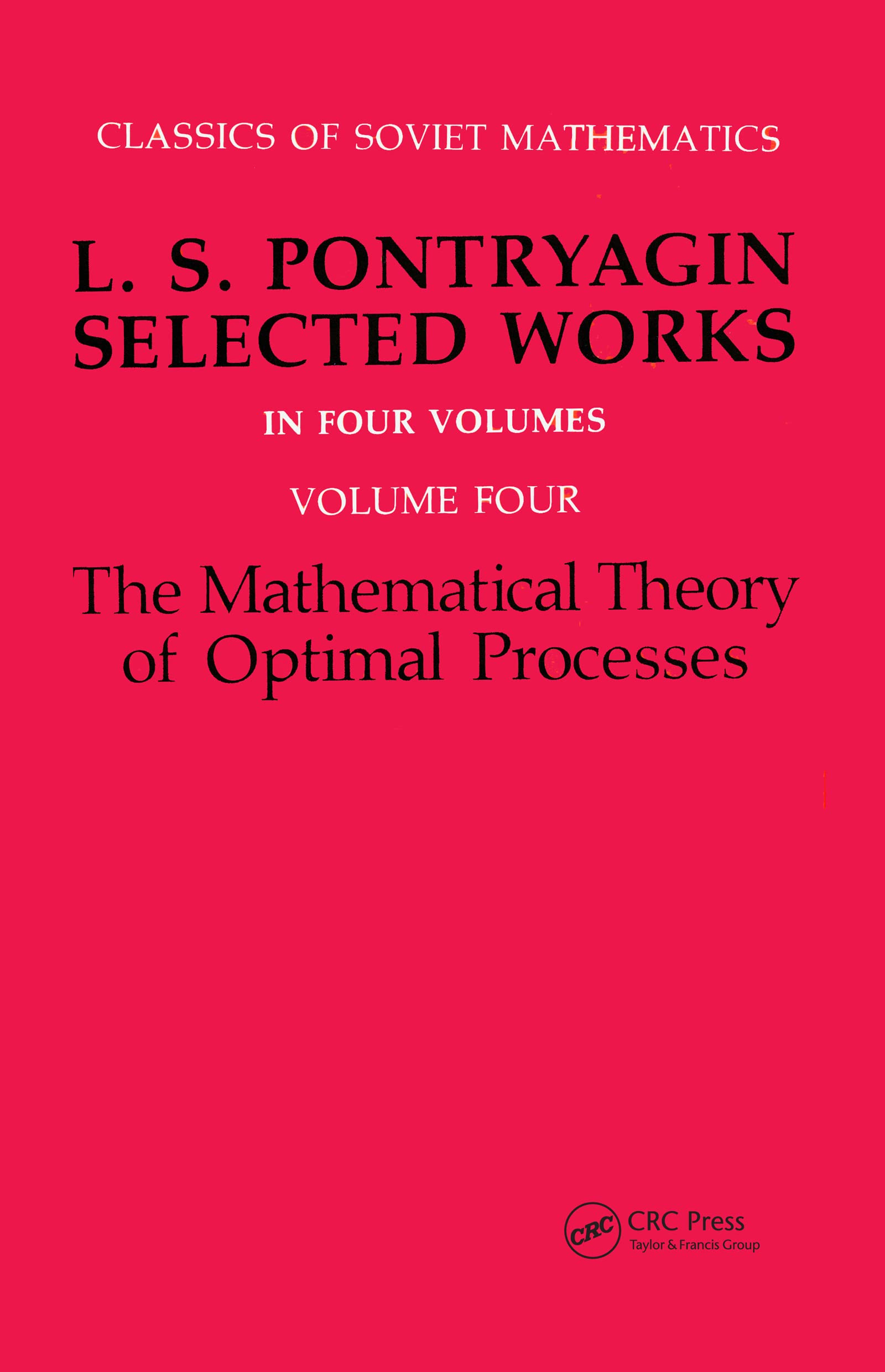
Mathematical Theory of Optimal Processes (Classics of Soviet Mathematics)
Related Products
View All
Science & Mathematics
Squid - Superconducting Quantum Interference Devices and Their Applications: Proceedings of the International Conference on Superconducting Quantum Devices, Berlin-west, October 4-8, 1976
Science & Mathematics
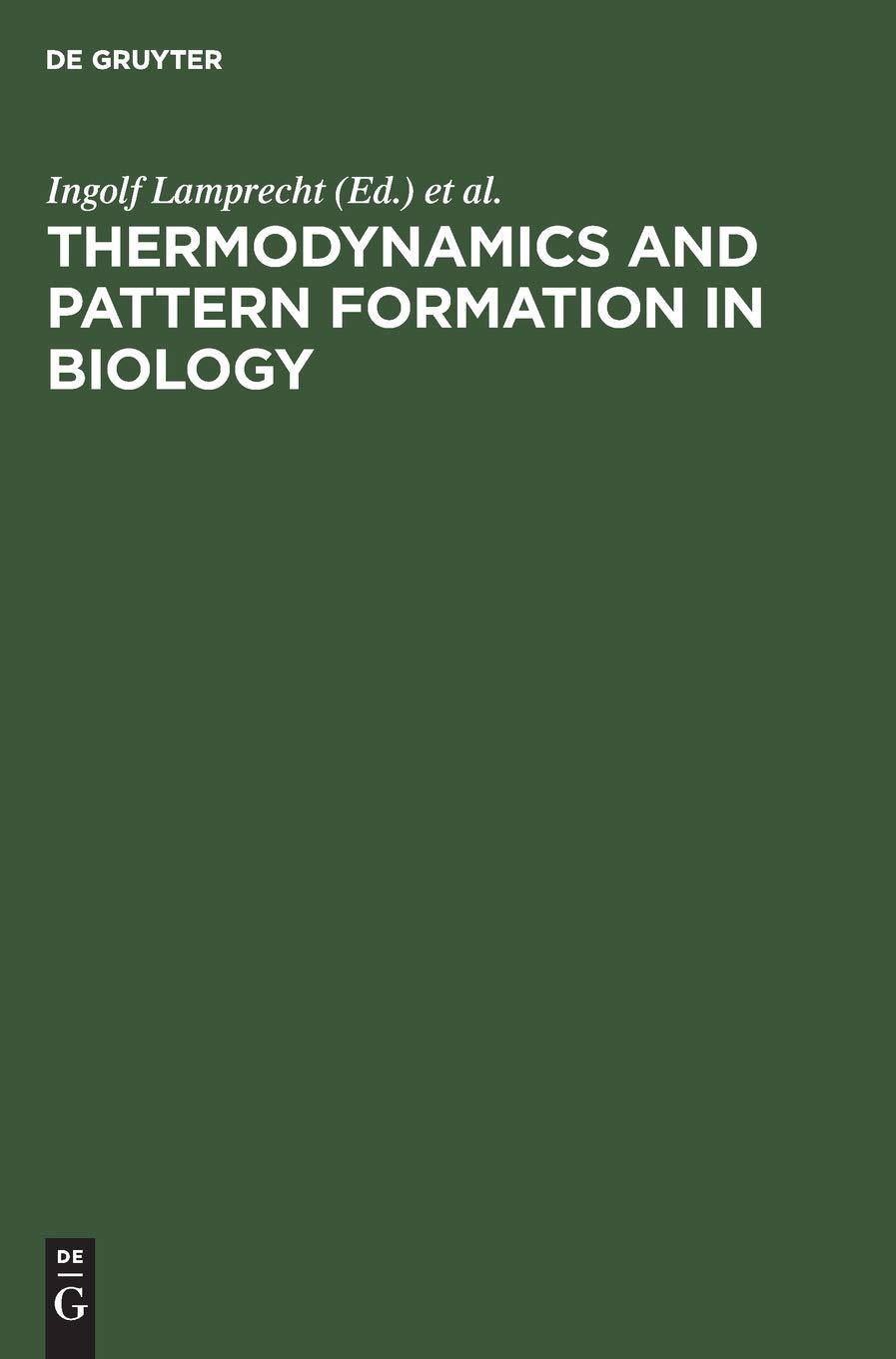
Thermodynamics and Pattern Formation in Biology
Science & Mathematics
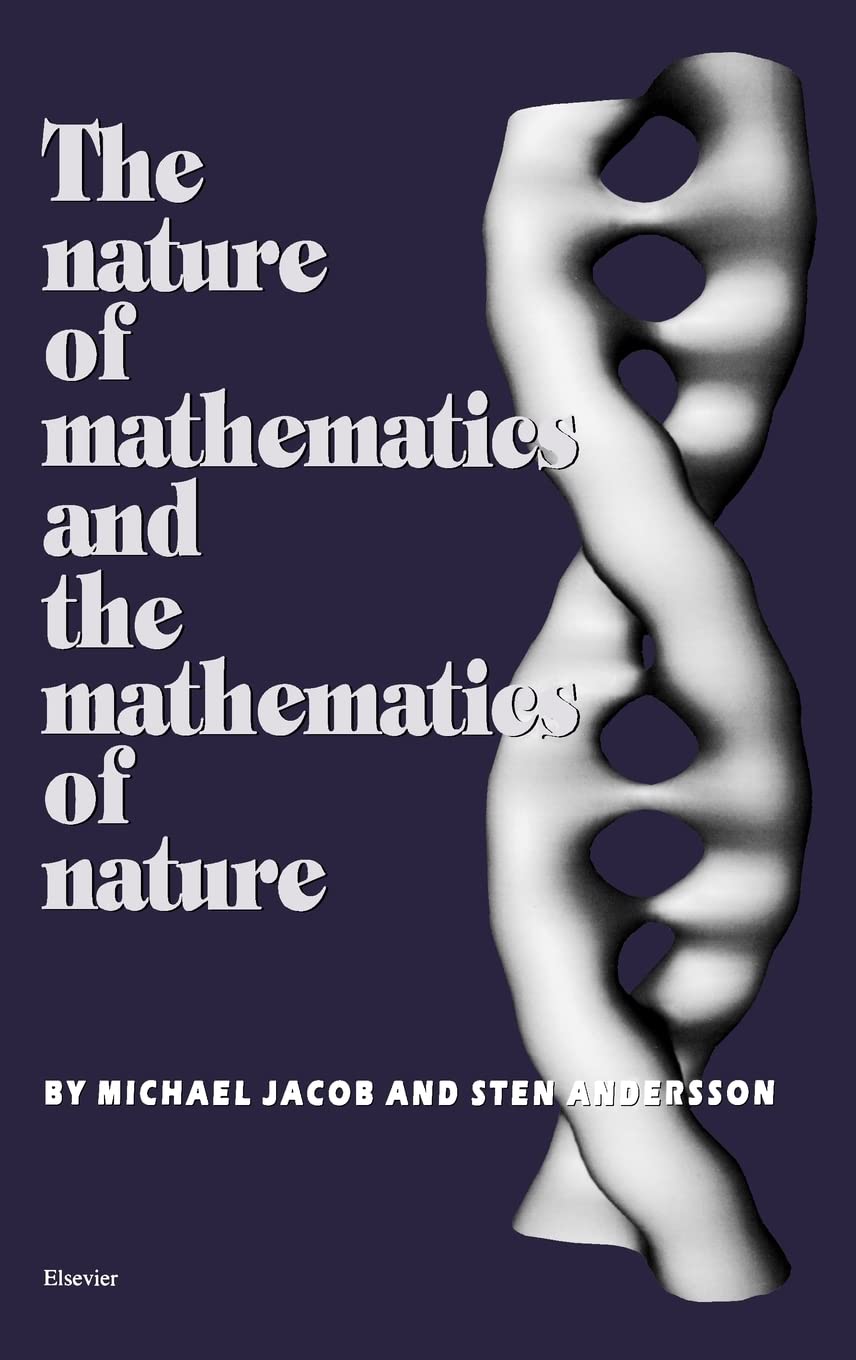
The Nature of Mathematics and the Mathematics of Nature by S. Andersson – Mathematics & Science

Science & Mathematics
Linear Algebra | by Stephen Friedberg | Arnold Insel | Lawrence Spence | Pearson | by Stephen Friedberg | Arnold Insel | Lawrence Spence | Pearson | by Stephen Friedberg | Arnold Insel | Lawrence Spence | Pearson | by Stephen Friedberg | Arnold Insel | Lawrence Spence | Pearson | by Stephen Friedberg | Arnold Insel | Lawrence Spence | Pearson | by Stephen Friedberg | Arnold Insel | Lawrence Spence | Pearson | by Stephen Friedberg | Arnold Insel | Lawrence Spence | Pearson | by Stephen Friedberg
Science & Mathematics
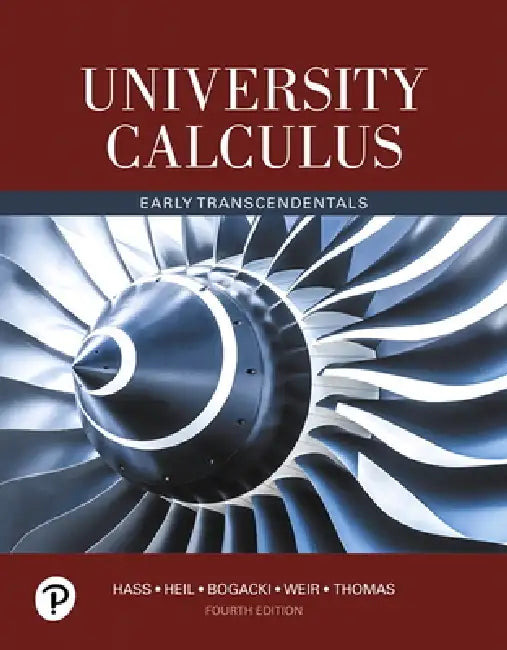
University Calculus | by Joel Hass | Christopher Heil | Maurice Weir | Pearson | by Joel Hass | Christopher Heil | Maurice Weir | Pearson | by Joel Hass | Christopher Heil | Maurice Weir | Pearson | by Joel Hass | Christopher Heil | Maurice Weir | Pearson | by Joel Hass | Christopher Heil | Maurice Weir | Pearson | by Joel Hass | Christopher Heil | Maurice Weir | Pearson | by Joel Hass | Christopher Heil | Maurice Weir | Pearson | by Joel Hass | Christopher Heil | Maurice Weir | Pearson | by Joe

Science & Mathematics