
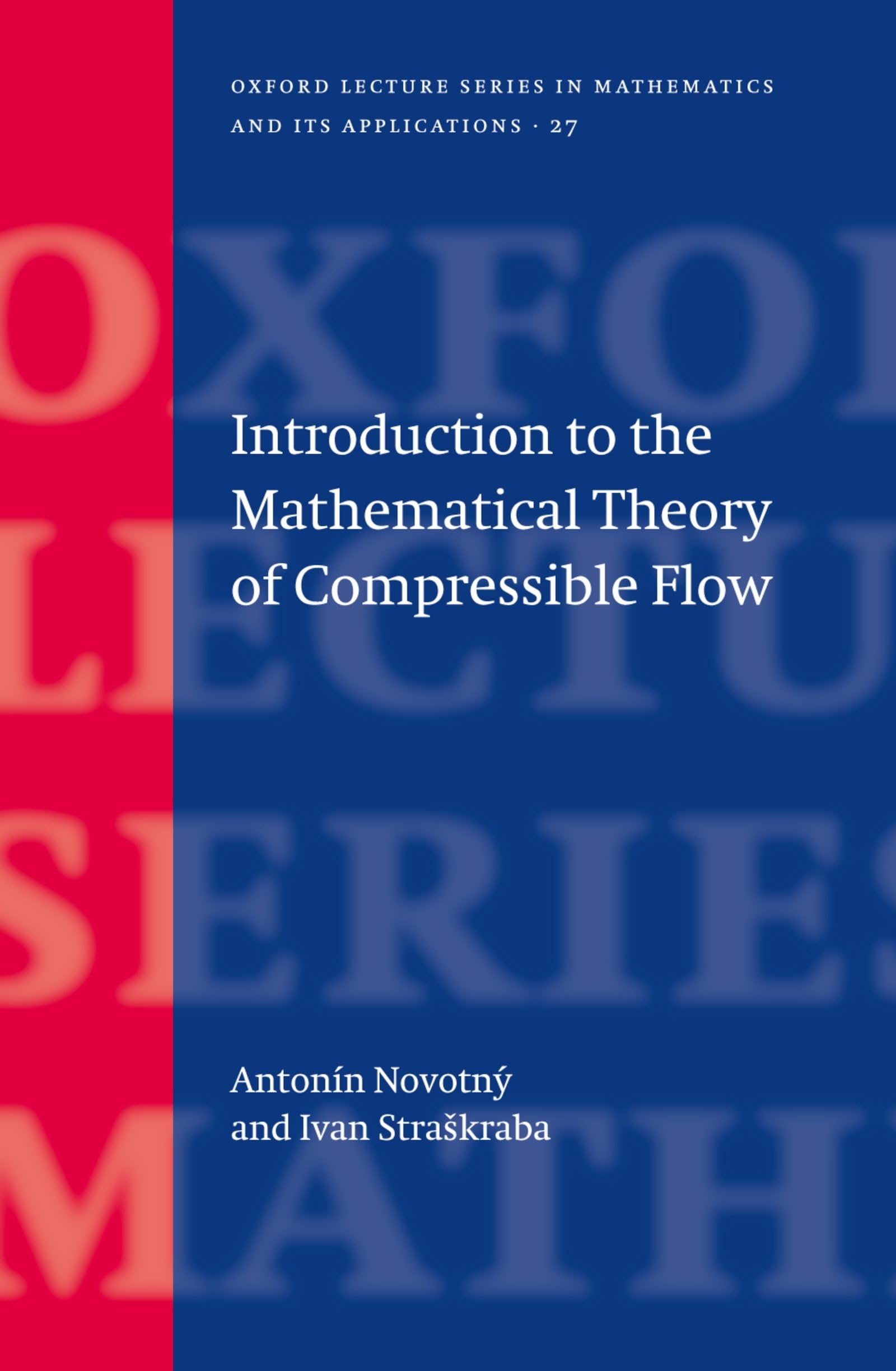
Introduction to the Mathematical Theory of Compressible Flow by Ivan Straskraba – A Comprehensive Textbook on Euler and
Inclusive of all applicable taxes. FREE shipping on all orders.
Available Offers
- 🚚Free Delivery — Free shipping on all orders
- 💵Cash on Delivery — Pay when your order arrives
- ↩️15-Day Easy Returns — Hassle-free return policy
- 🔒Cash on Delivery — Pay safely when your order arrives
Check Delivery
Product Description
Introduction
Compressible flow lies at the heart of modern aerodynamics, gas dynamics, and high-speed fluid mechanics. For students and researchers in mathematics, physics, and engineering, a rigorous yet accessible treatment of the subject is essential. Introduction to the Mathematical Theory of Compressible Flow by Ivan Straskraba, published by OUP Oxford, offers exactly that—a comprehensive, mathematically sound exploration of both inviscid and viscous compressible flows governed by the Euler and Navier-Stokes equations. This hardbound volume is an indispensable resource for Indian graduate students and academics pursuing advanced studies in fluid dynamics and applied mathematics.
Book Overview
This authoritative text bridges the gap between heuristic physical reasoning and rigorous mathematical analysis. Straskraba presents a modular structure that allows readers from diverse backgrounds—whether pure mathematics, theoretical physics, or engineering—to engage with the material at their own depth. The book systematically covers steady and unsteady flows, starting from fundamental conservation laws and progressing to existence theories for the Navier-Stokes equations of isentropic compressible flow. It also delves into one-dimensional systems of Euler equations, providing a complete toolkit for understanding compressible flow phenomena.
Key Highlights
- Modular Design: Each chapter is self-contained, enabling readers to focus on specific topics without losing context.
- Rigorous yet Intuitive: Heuristic arguments precede formal proofs, making advanced concepts accessible.
- Comprehensive Coverage: Includes both inviscid (Euler) and viscous (Navier-Stokes) compressible flow theories.
- Existence Theory Focus: Detailed treatment of existence results for steady and unsteady isentropic Navier-Stokes equations.
- Rich Appendices: Supporting mathematical material ensures readers have the necessary background.
Inside the Book
The book opens with foundational concepts of continuum mechanics and thermodynamics, then moves to the Euler equations for inviscid compressible flow. Subsequent chapters tackle the Navier-Stokes equations, with careful attention to weak solutions and compactness methods. One-dimensional systems are explored through Riemann invariants and shock waves. The text also includes extensive bibliographic notes and a detailed index, allowing quick cross-referencing. Appendices cover functional analysis, Sobolev spaces, and parabolic regularity—essential for the existence proofs.
Key Topics
- Governing equations of compressible fluid motion
- Isentropic and non-isentropic flows
- Weak solutions and entropy conditions
- Existence theory for steady Navier-Stokes equations
- Unsteady Navier-Stokes equations for compressible fluids
- Riemann problem for Euler equations in one dimension
- Shock waves, rarefaction waves, and contact discontinuities
- Vanishing viscosity method and compensated compactness
Reader Benefits
Indian students preparing for competitive exams like GATE, NET, or JRF in applied mathematics or aerospace engineering will find this book invaluable for building a solid theoretical foundation. Researchers in computational fluid dynamics (CFD) will appreciate the clear exposition of existence and uniqueness results that underpin numerical methods. The book's self-contained nature means you can study chapters in any order, making it ideal for self-learning or as a reference for advanced coursework.
Learning Outcomes
By the end of this book, readers will be able to: formulate conservation laws for compressible flows; analyze weak solutions of Euler and Navier-Stokes equations; apply existence theorems to steady and unsteady problems; solve one-dimensional Riemann problems; and understand the mathematical framework behind modern CFD algorithms. The rigorous proofs enhance critical thinking and prepare students for original research.
Who Should Read
- Graduate students in mathematics, physics, or aerospace engineering
- Researchers in fluid dynamics and computational science
- Advanced undergraduate students with a strong background in analysis
- Professionals in aerodynamics and gas dynamics seeking theoretical depth
About the Author
Ivan Straskraba is a distinguished mathematician known for his contributions to the mathematical theory of fluid mechanics. With decades of research experience, he has published extensively on compressible flow, partial differential equations, and nonlinear analysis. His pedagogical approach in this book reflects his deep understanding of both the subject and the needs of learners.
About the Publisher
OUP Oxford (Oxford University Press) is one of the world's oldest and most respected academic publishers. Known for its rigorous editorial standards, OUP brings this title to Indian readers through Bookshops.in, ensuring authentic, high-quality hardcover editions for the academic community.
Conclusion
Introduction to the Mathematical Theory of Compressible Flow is more than a textbook—it is a gateway to mastering a challenging and beautiful branch of applied mathematics. Whether you are a student beginning your journey or a seasoned researcher, this book offers the clarity, depth, and rigor you need. Order your hardcover copy from Bookshops.in today and add a cornerstone reference to your library.
Quick Summary
Introduction to the Mathematical Theory of Compressible Flow by Ivan Straskraba is a rigorous graduate-level textbook that systematically develops the mathematical foundations of compressible fluid dynamics. It covers both inviscid flows described by Euler equations and viscous flows governed by Navier-Stokes equations, with a strong emphasis on existence theory for steady and unsteady isentropic regimes. The book is uniquely structured to allow readers with different backgrounds to engage with specific modules, making it flexible for course instruction or self-study. Heuristic arguments precede technical proofs, helping students build intuition before diving into rigorous analysis. Key topics include the two-by-two system of Euler equations in one space dimension and detailed existence results for Navier-Stokes equations. This book is ideal for Indian graduate students and researchers in mathematics, physics, or engineering who want a deep theoretical understanding of compressible flow. By purchasing from Bookshops.in, you get a genuine hardcover edition at a competitive price, with reliable delivery across India. The book's modular approach and clear exposition make it an essential addition to any serious fluid dynamics library.
Book Highlights
Book Specifications
| ISBN-13 | 9780198530848 |
| ISBN-10 | 0198530846 |
| Publisher | Oxford Univ Pr on Demand |
| Language | English |
| Dimensions | 23.62 x 3.56 x 15.75 cm |
| Weight | 930 g |
| Category | Mechanical Engineering › Material Science & Engineering |
| Genre | Non-fiction |
| Original Language | English |
Frequently Asked Questions
What is the main focus of this book?
Who is the author Ivan Straskraba?
Is this book suitable for Indian graduate students?
Does the book cover both inviscid and viscous flows?
What mathematical prerequisites are needed?
How is the book structured?
Does the book include existence theorems?
Is this a textbook or a research monograph?
Can I use this book for self-study?
What is the price in India?
Does the book cover isentropic flow?
How does this book differ from other fluid dynamics texts?
Readers Also Search For
Customers Also Bought
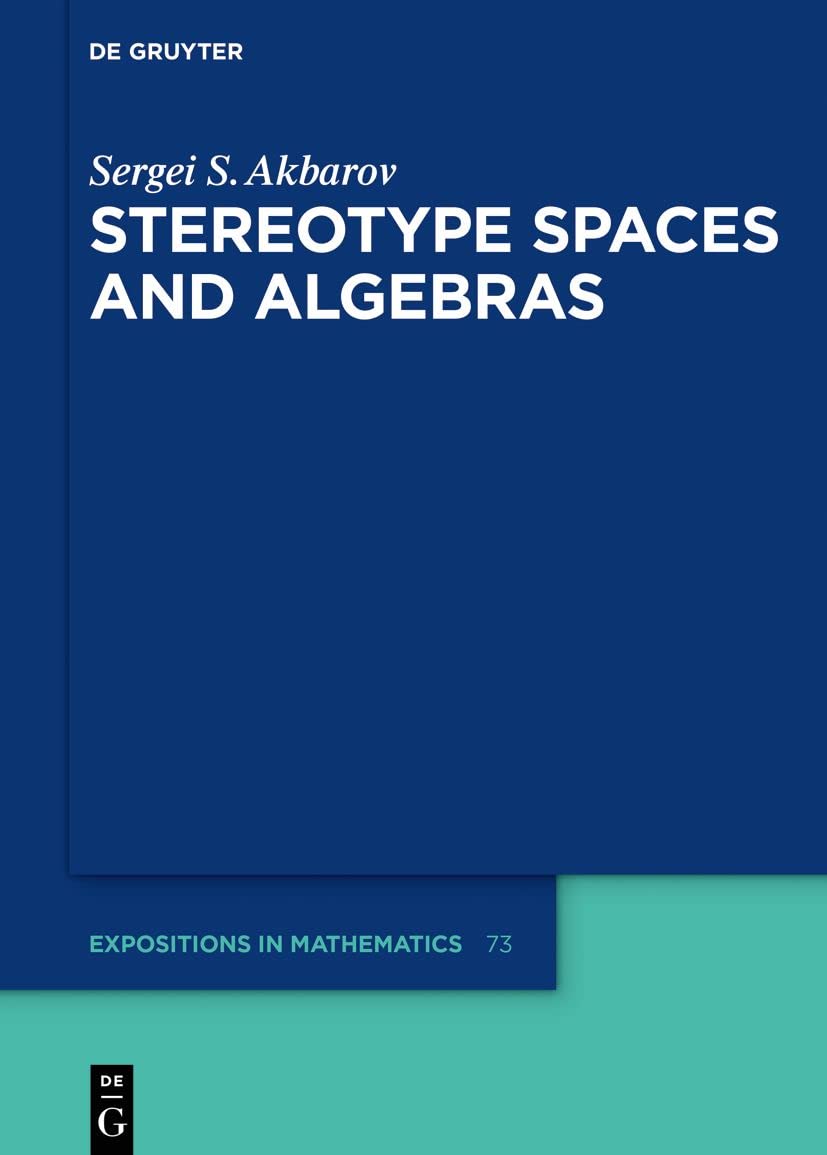
Mathematics
Stereotype Spaces and Algebras: 73 (De Gruyter Expositions in Mathematics, 73)
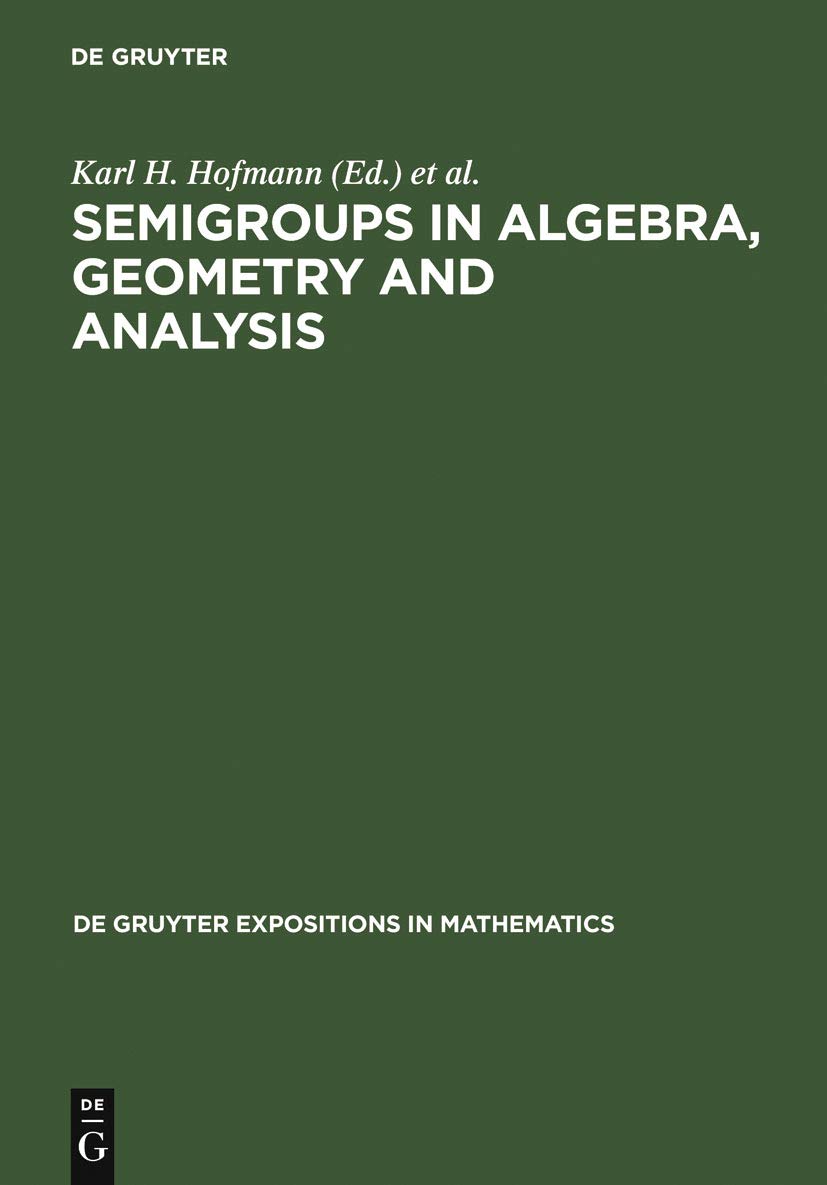
Mathematics
Semigroups in Algebra, Geometry and Analysis: 20 (De Gruyter Expositions in Mathematics, 20)
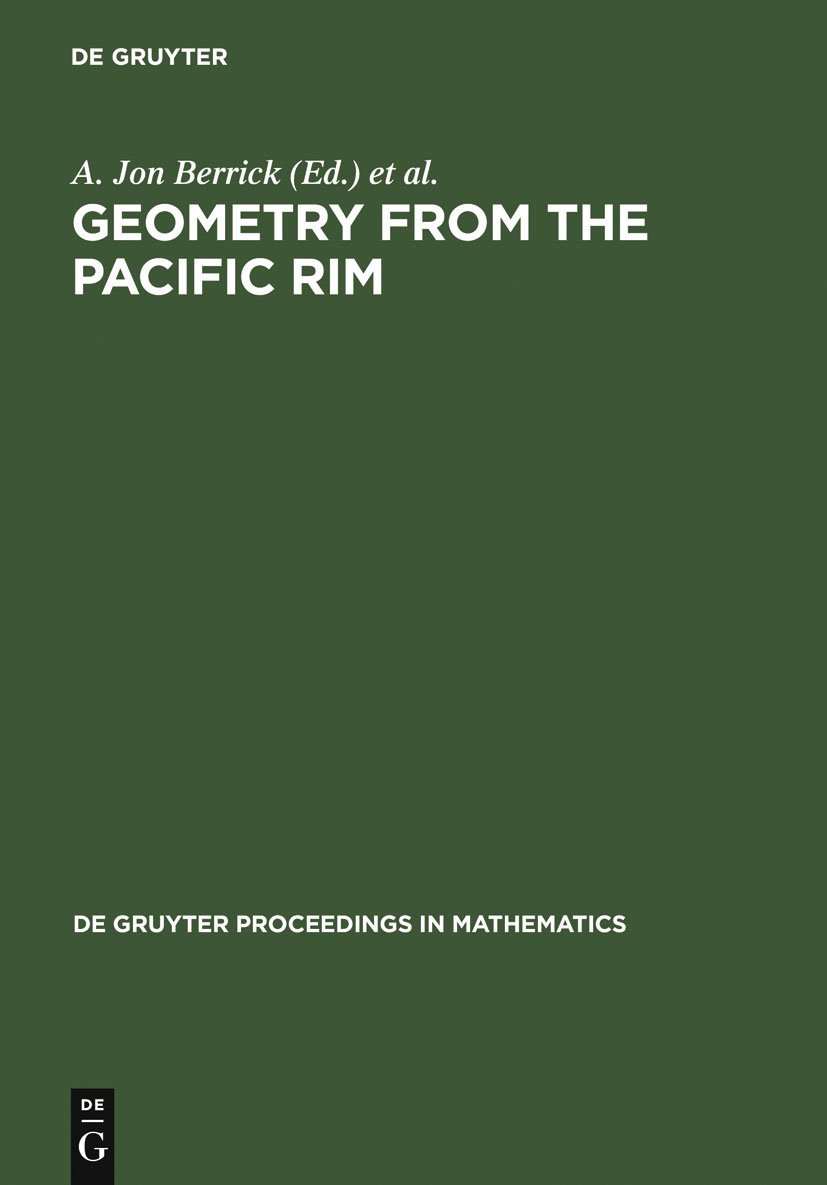
Mathematics
Geometry from the Pacific Rim: Proceedings of the Pacific Rim Geometry Conference held at National University of Singapore, Republic of Singapore, ... 1994 (De Gruyter Proceedings in Mathematics)
Mathematics
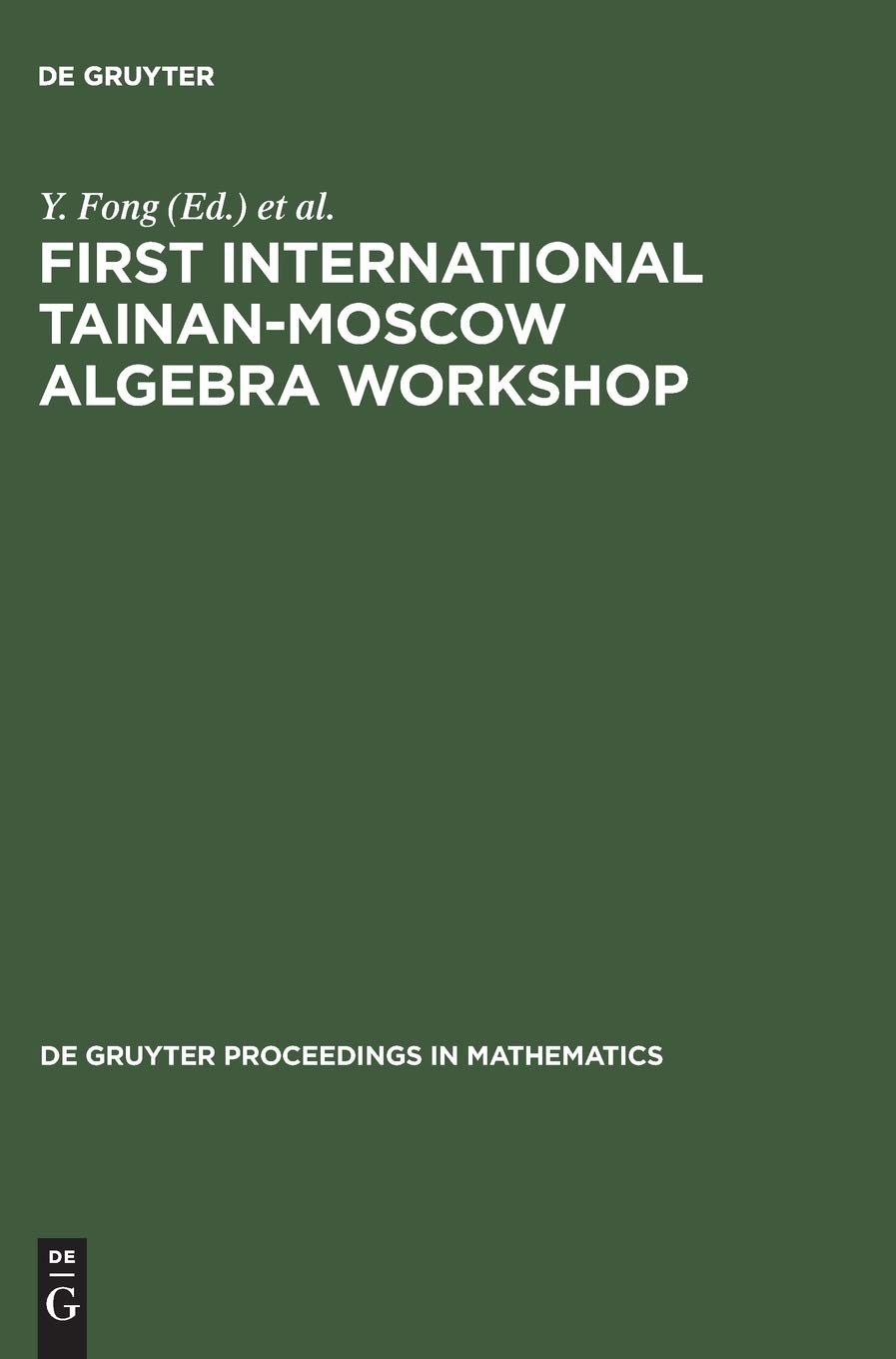
First International Tainan-Moscow Algebra Workshop: Proceedings of the International Conference held at National Cheng Kung University Tainan, Taiwan, ... 1994 (De Gruyter Proceedings in Mathematics)
Mathematics
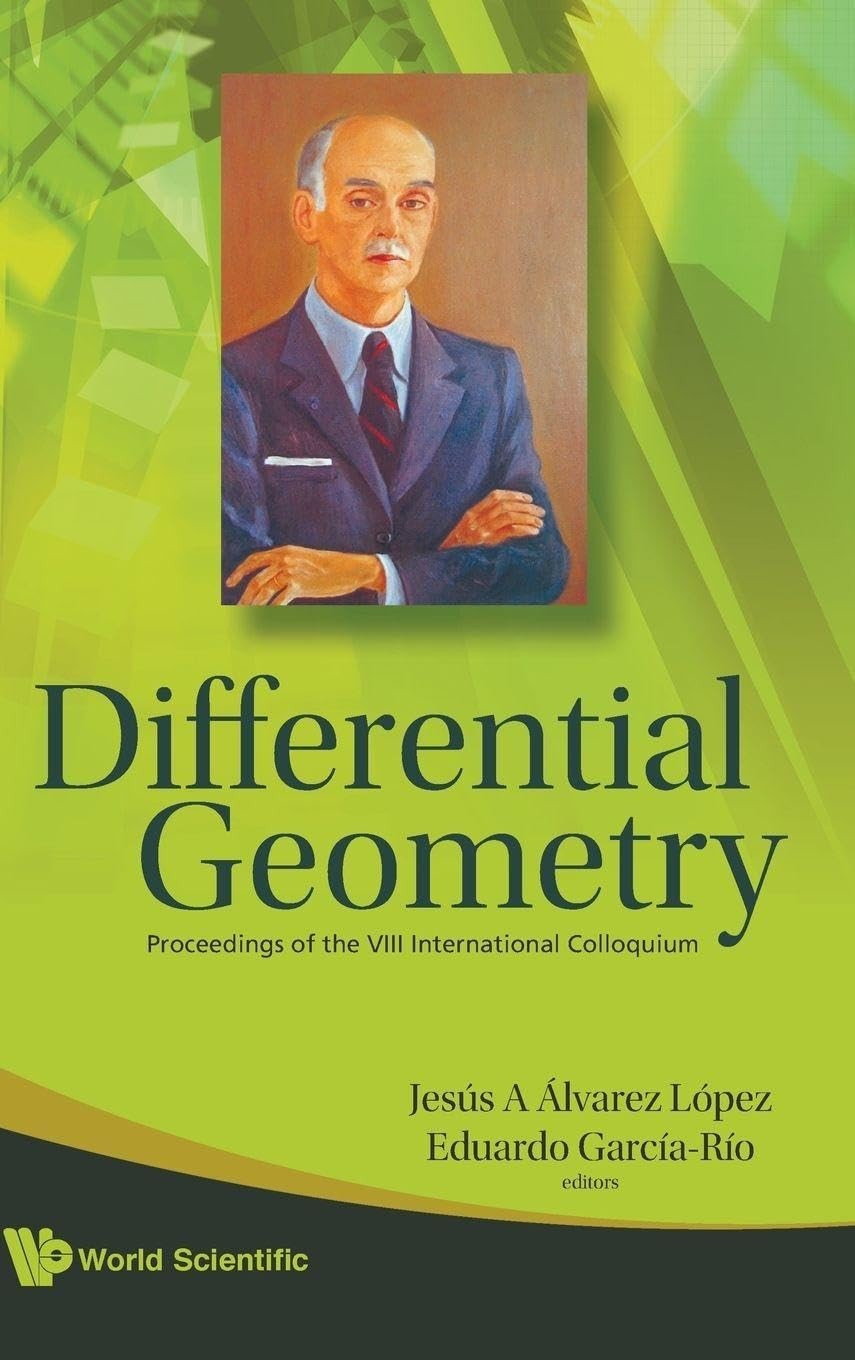
Differential Geometry - Proceedings of the VIII International Colloquium (English, Jesus A. Alvarez Lopez | Eduardo Garcia-Rio)
Mathematics
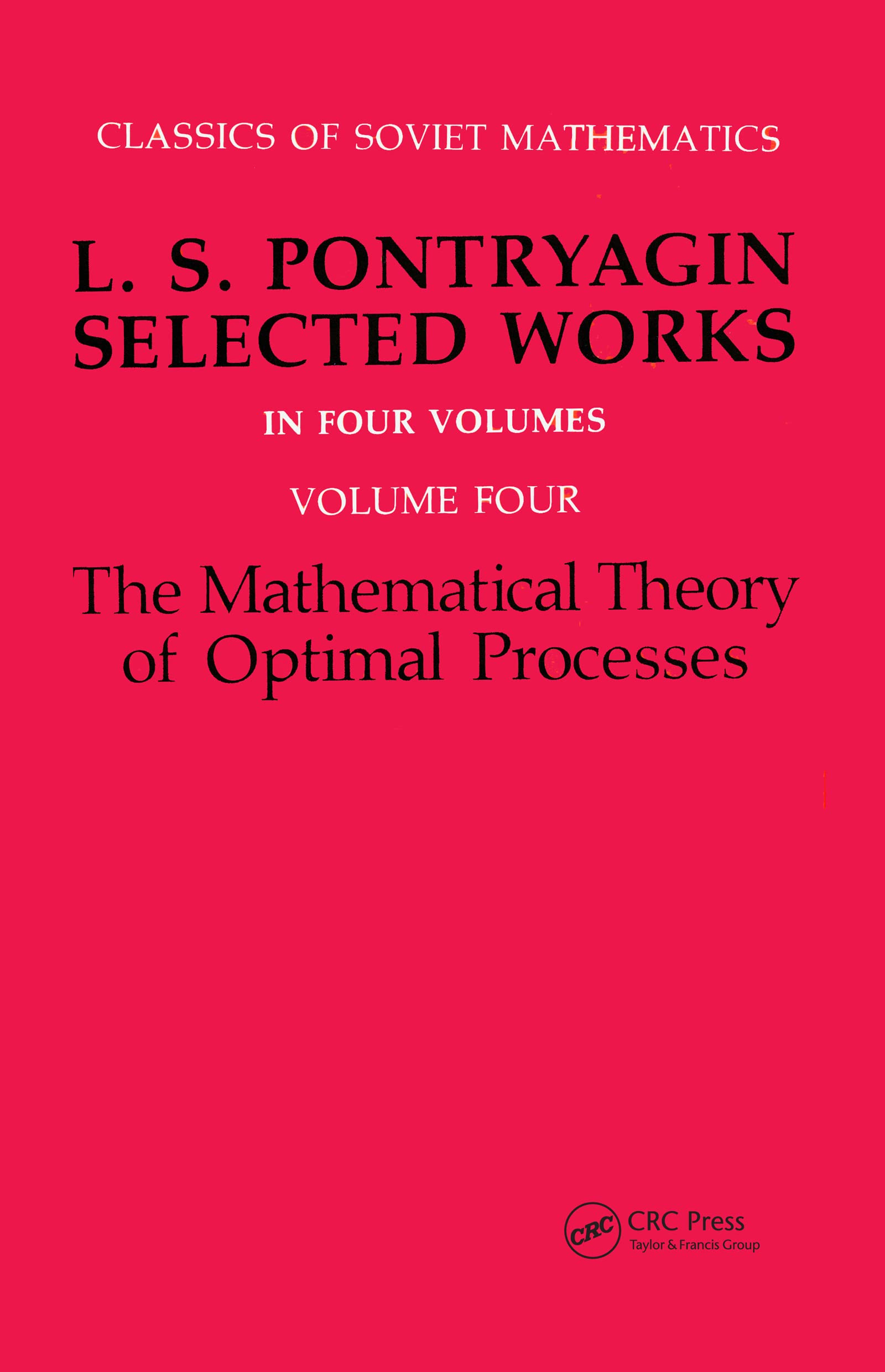
Mathematical Theory of Optimal Processes (Classics of Soviet Mathematics)
Related Products
View All
Science & Mathematics
Squid - Superconducting Quantum Interference Devices and Their Applications: Proceedings of the International Conference on Superconducting Quantum Devices, Berlin-west, October 4-8, 1976

Science & Mathematics
Thermodynamics and Pattern Formation in Biology
Science & Mathematics
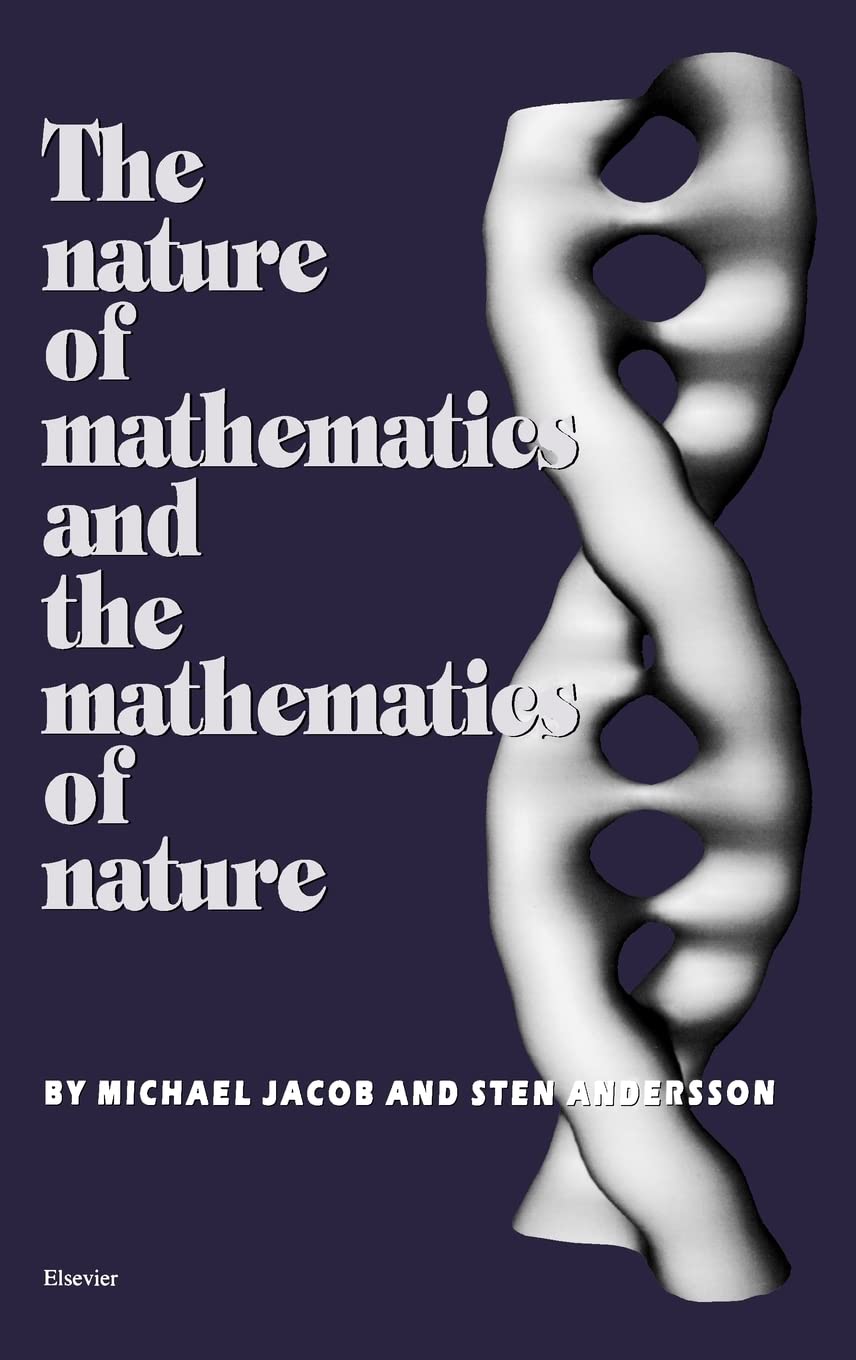
The Nature of Mathematics and the Mathematics of Nature by S. Andersson – Mathematics & Science

Science & Mathematics
Linear Algebra | by Stephen Friedberg | Arnold Insel | Lawrence Spence | Pearson | by Stephen Friedberg | Arnold Insel | Lawrence Spence | Pearson | by Stephen Friedberg | Arnold Insel | Lawrence Spence | Pearson | by Stephen Friedberg | Arnold Insel | Lawrence Spence | Pearson | by Stephen Friedberg | Arnold Insel | Lawrence Spence | Pearson | by Stephen Friedberg | Arnold Insel | Lawrence Spence | Pearson | by Stephen Friedberg | Arnold Insel | Lawrence Spence | Pearson | by Stephen Friedberg
Science & Mathematics
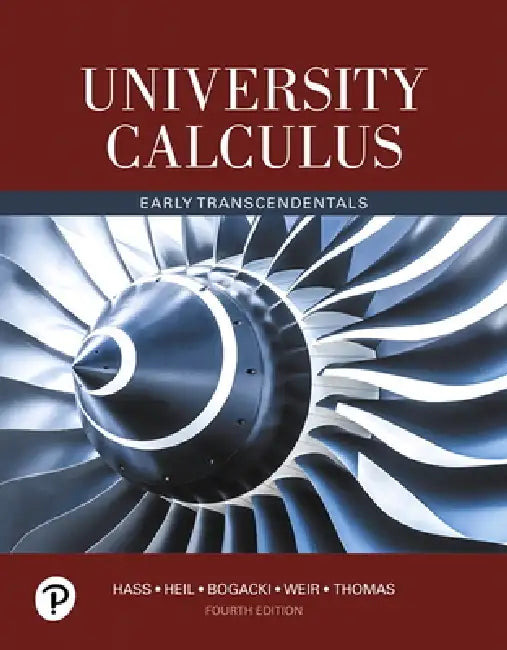
University Calculus | by Joel Hass | Christopher Heil | Maurice Weir | Pearson | by Joel Hass | Christopher Heil | Maurice Weir | Pearson | by Joel Hass | Christopher Heil | Maurice Weir | Pearson | by Joel Hass | Christopher Heil | Maurice Weir | Pearson | by Joel Hass | Christopher Heil | Maurice Weir | Pearson | by Joel Hass | Christopher Heil | Maurice Weir | Pearson | by Joel Hass | Christopher Heil | Maurice Weir | Pearson | by Joel Hass | Christopher Heil | Maurice Weir | Pearson | by Joe

Science & Mathematics