
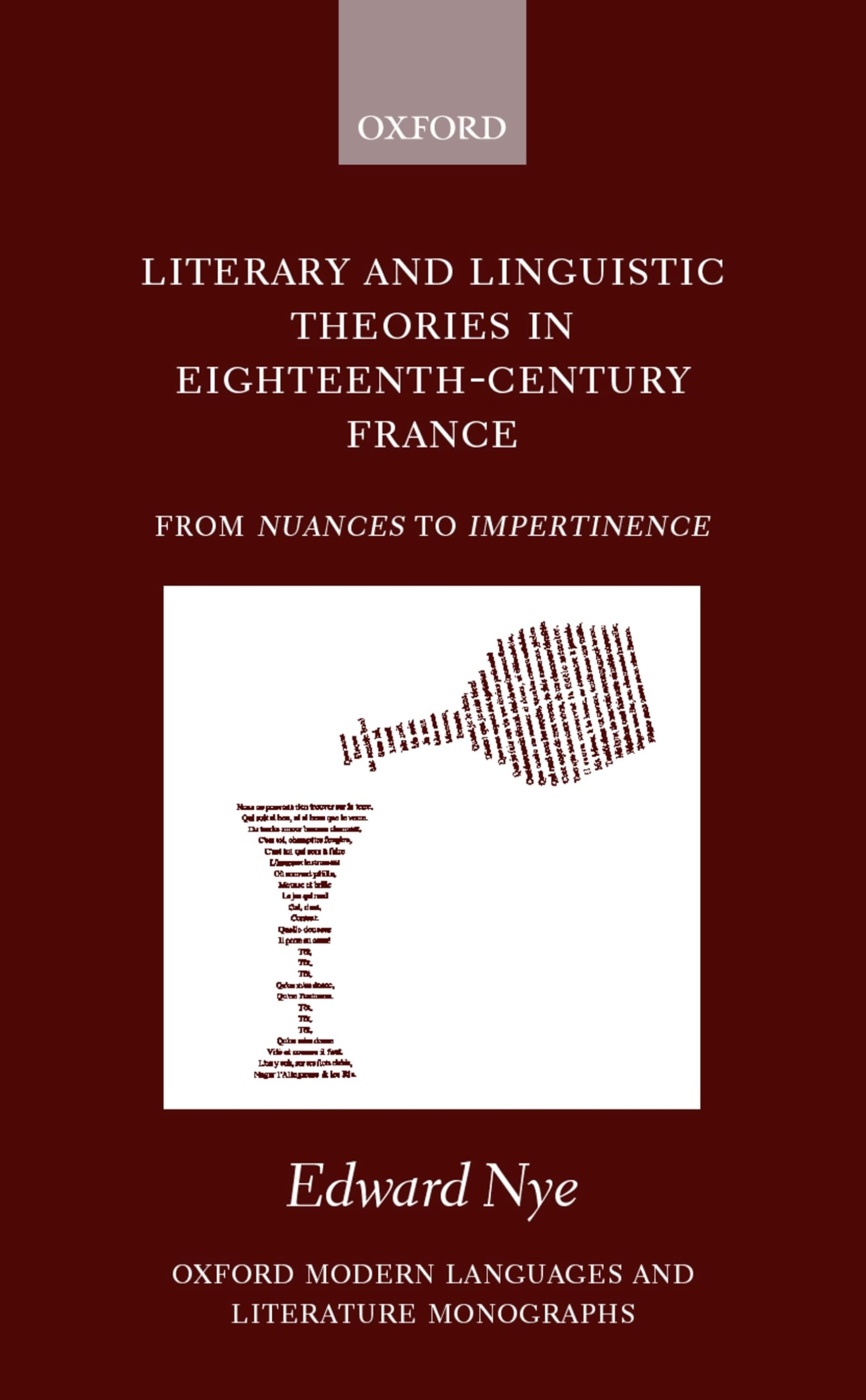
Literary and Linguistic Theories in Eighteenth-Century France: From Nuances to Impertinence by Edward Nye – A Critical S
Inclusive of all applicable taxes. FREE shipping on all orders.
Available Offers
- 🚚Free Delivery — Free shipping on all orders
- 💵Cash on Delivery — Pay when your order arrives
- ↩️15-Day Easy Returns — Hassle-free return policy
- 🔒Cash on Delivery — Pay safely when your order arrives
Check Delivery
Product Description
Introduction
In the intellectual ferment of eighteenth-century France, the boundaries between language, literature, and art were not merely blurred—they were deliberately intertwined by some of the most brilliant minds of the Enlightenment. Edward Nye's Literary and Linguistic Theories in Eighteenth-Century France: From Nuances to Impertinence offers a masterful exploration of how linguistic thought shaped aesthetic sensibilities and literary practice. This is not a dry academic treatise but a lively journey through the era's most provocative ideas about beauty, expression, and the very nature of language. For students, scholars, and lovers of French literature, this hardcover volume from OUP Oxford is an indispensable addition to any serious library.
Book Overview
Published by Oxford University Press, this 9780198160120 edition presents a rigorous yet accessible analysis of the period's linguistic theories as fundamentally aesthetic theories. Nye argues persuasively that eighteenth-century French thinkers did not treat language as a neutral tool but as a creative force that could generate beauty, nuance, and even impertinence. The book examines how etymology was understood as a poetic device, how synonymy dictionaries became manuals for preciosity, and how Sensualist philosophy provided a framework for artistic representation. Drawing on a wide range of authors—from the Encyclopedists to lesser-known theorists—Nye reveals the surprising unity underlying diverse intellectual currents.
Key Highlights
- Etymology as Poetic Theory: Discover how eighteenth-century thinkers believed that tracing word origins could unlock the deepest secrets of poetic beauty and emotional resonance.
- Synonymy as Preciosity: Explore how dictionaries of synonyms were not just linguistic tools but aesthetic manifestos that celebrated subtle distinctions and refined expression.
- Prosody and Metaphor: Understand how theories of poetic form and figurative language were recast as sophisticated forms of social and artistic impertinence.
- Sensualism and Art: Delve into the Sensualist philosophy that posited all knowledge and beauty arise from sensory experience, radically transforming ideas about artistic representation.
- Broad Authorial Range: From Voltaire and Diderot to forgotten theorists, Nye brings a rich tapestry of voices to bear on his central thesis.
Story Themes
At its heart, this book grapples with the enduring question: What is beauty? But it answers this question in the specific context of eighteenth-century France, where social, political, and intellectual revolutions were reshaping every aspect of life. The themes include the relationship between language and power, the aesthetics of social etiquette (preciosity as both art and critique), and the tension between order and creative disruption. Nye also explores how the period's linguistic theories reflected broader anxieties about truth, representation, and the role of the artist in society. The concept of impertinence—a deliberate flouting of convention—emerges as a key driver of aesthetic innovation.
Reader Benefits
- Deepen Your Understanding: Gain a nuanced grasp of Enlightenment thought beyond the usual political and philosophical narratives.
- Enhance Literary Analysis: Equip yourself with sophisticated frameworks for interpreting eighteenth-century French literature and art.
- Connect Disciplines: See how linguistics, literature, and art history converge in unexpected and illuminating ways.
- Critical Thinking: Engage with challenging ideas that will sharpen your own analytical skills and broaden your intellectual horizons.
- Academic Excellence: Perfect for research, coursework, or personal enrichment in French studies, literary theory, and intellectual history.
Who Should Read
This book is ideal for university students and researchers in French literature, linguistics, philosophy, and art history. It will also appeal to scholars of the Enlightenment seeking fresh perspectives on well-known figures, as well as advanced readers with a passion for intellectual history. If you are a teacher or professor looking to enrich your syllabus, or a curious reader who enjoys exploring the deep connections between language and art, this volume will reward your attention. The book assumes some familiarity with eighteenth-century French culture, but its clear prose and structured arguments make it accessible to dedicated non-specialists.
About the Author
Edward Nye is a distinguished scholar of French literature and intellectual history, known for his meticulous research and engaging writing style. He has spent decades exploring the intersections of language, aesthetics, and philosophy in the early modern period. His work is characterized by a rare ability to synthesise complex ideas into coherent, compelling narratives that speak to both academic and general audiences. Nye's expertise shines through every page, making this book a landmark contribution to the field.
About the Publisher
OUP Oxford is one of the world's most respected academic publishers, with a legacy spanning centuries. Known for its rigorous editorial standards and commitment to scholarly excellence, OUP brings readers works that are authoritative, well-researched, and beautifully produced. This hardcover edition reflects that tradition—durable, elegantly designed, and built to last a lifetime of reading and reference.
Conclusion
Literary and Linguistic Theories in Eighteenth-Century France: From Nuances to Impertinence is more than a book; it is an invitation to think differently about language, beauty, and the creative act. Edward Nye has crafted a work that is at once intellectually demanding and deeply rewarding, shedding light on a fascinating period when words were weapons, art was argument, and impertinence could be the highest form of genius. Whether you are a student, a teacher, or a lifelong learner, this volume will enrich your understanding of how the past continues to shape our present ideas about art and expression. Add it to your collection today from Bookshops.in, your trusted source for premium academic books in India.
Quick Summary
Literary and Linguistic Theories in Eighteenth-Century France: From Nuances to Impertinence by Edward Nye is a groundbreaking scholarly work that redefines how we understand eighteenth-century French linguistic theories as essentially aesthetic. Rather than treating language study in isolation, Nye shows that etymology, synonymy, prosody, metaphor, and Sensualism were all answers to the timeless question 'what is beauty?' – framed within the intellectual currents of the Enlightenment. The book examines a wide range of French authors, revealing how etymology functions as a theory of poetry, dictionaries of synonymy embody preciosity, and Sensualism becomes a model for artistic representation. This hardcover edition from OUP Oxford is ideal for Indian postgraduate students, researchers, and academics in French literature, linguistics, comparative literature, and European intellectual history. Readers will gain a nuanced understanding of how language and art intersected in a pivotal century. By purchasing from Bookshops.in, you support a trusted Indian bookstore offering authentic imported academic titles with reliable delivery.
Book Highlights
Book Specifications
| ISBN-13 | 9780198160120 |
| ISBN-10 | 0198160127 |
| Publisher | Clarendon Pr |
| Language | English |
| Dimensions | 21.34 x 2.29 x 13.97 cm |
| Weight | 408 g |
| Category | Foreign Languages › French |
| Genre | Literature & Fiction |
| Original Language | English |
Frequently Asked Questions
What is the main thesis of this book?
Who is the author Edward Nye?
Is this book suitable for Indian students?
What topics does the book cover?
Is this a hardcover edition?
Does the book include modern examples?
Can I use this for my PhD research?
What is the price in INR?
Is the book written in English?
What is the ISBN?
Does the book discuss gender or politics?
Where can I buy this book in India?
Readers Also Search For
Customers Also Bought
Contemporary Fiction
Stepladder Junction and Other Stories
Contemporary Fiction
Fabrications by Pamela Painter – Short Story Collection

Contemporary Fiction
The Double Life of an Alaskan Sled Dog (English, Andrea Finney Aufder Heyde)

Contemporary Fiction
The Alabaster Girl by Zan Perrion

Contemporary Fiction
Grimm and Grimmer: Classic Fairy Tales Rebooted by Mark Russell
Classic Literature
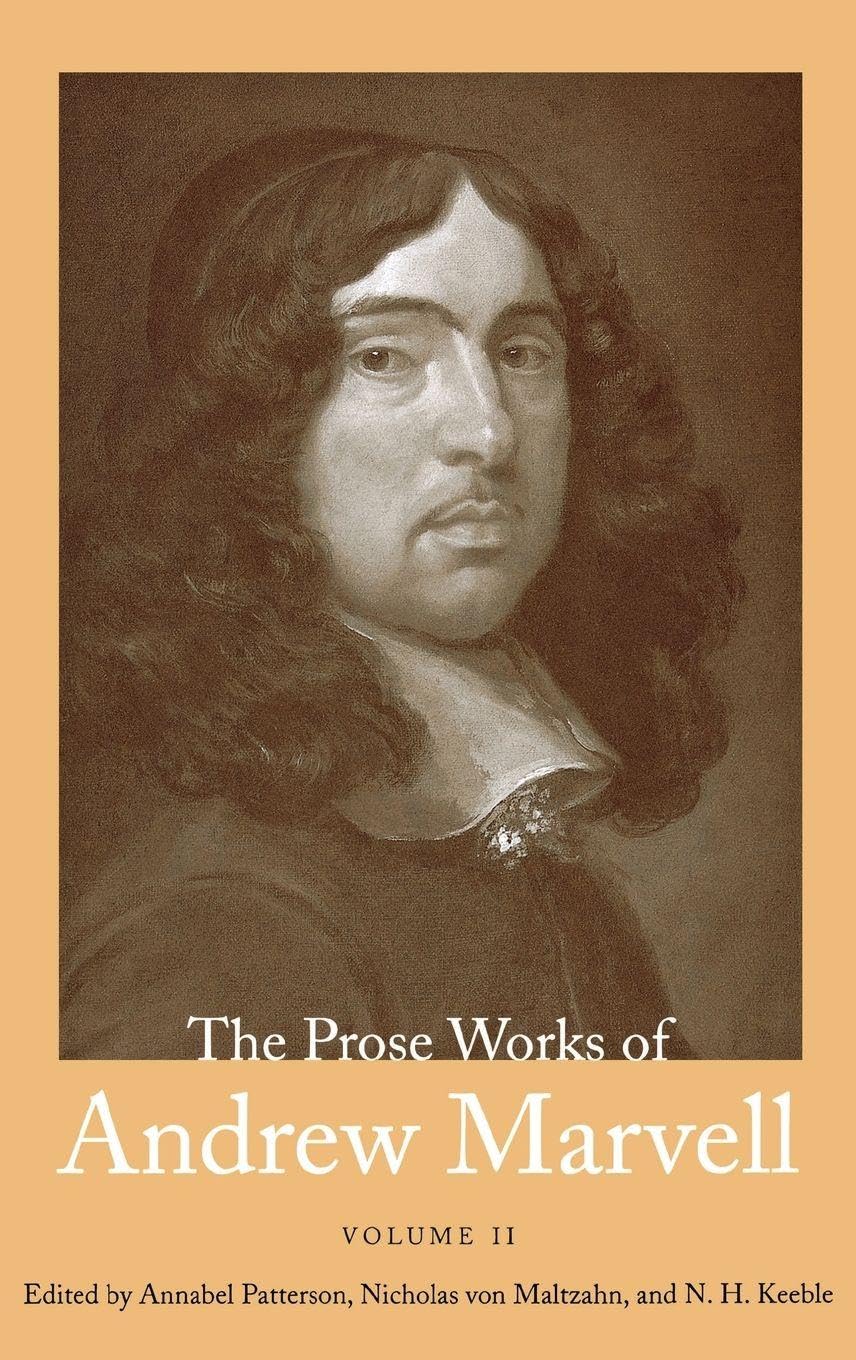
The Prose Works of Andrew Marvell: 1676-1678 by Andrew Marvell – Restoration Literature
Related Products
View All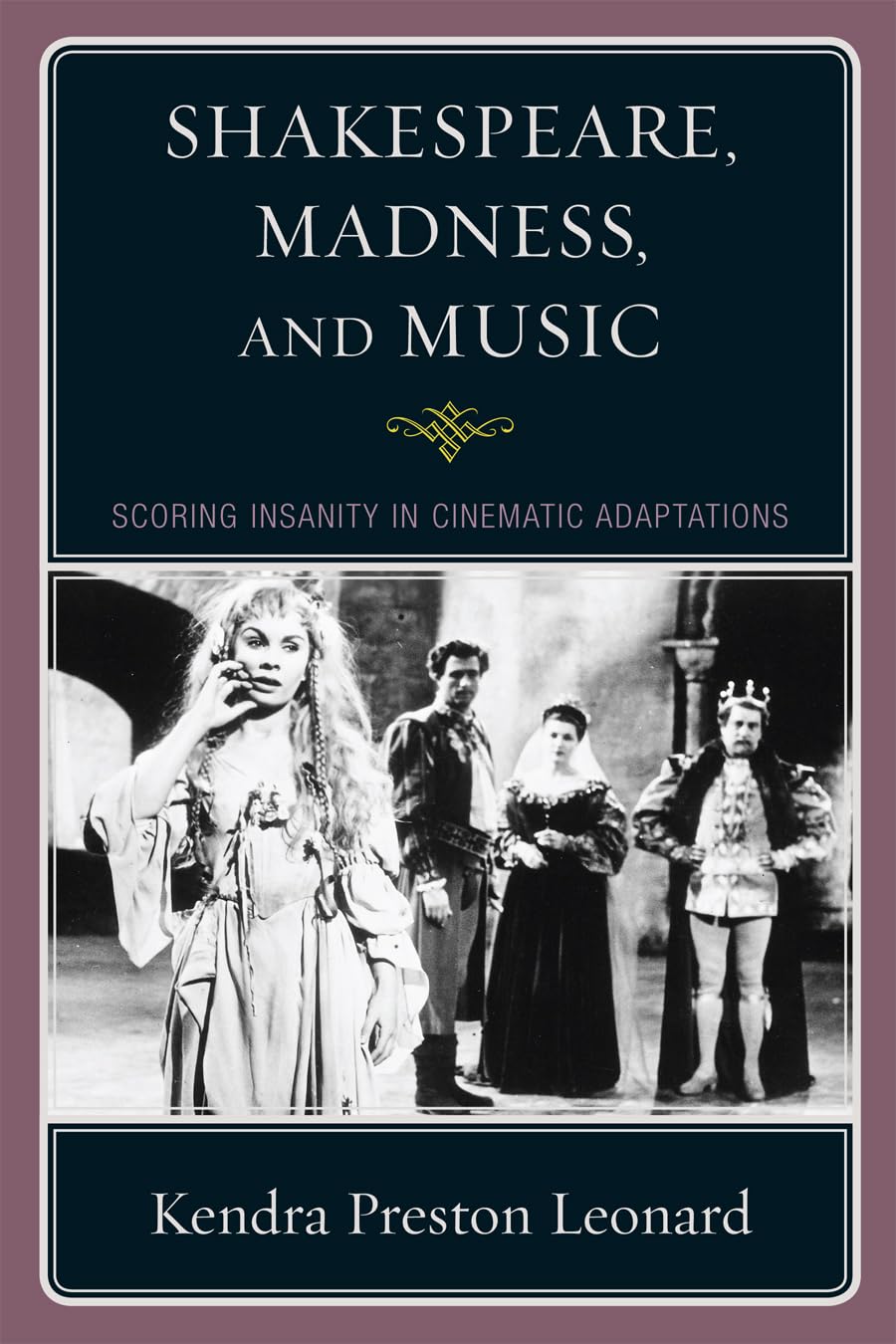
Literature & Fiction
Shakespeare, Madness, and Music: Scoring Insanity in Cinematic Adaptations
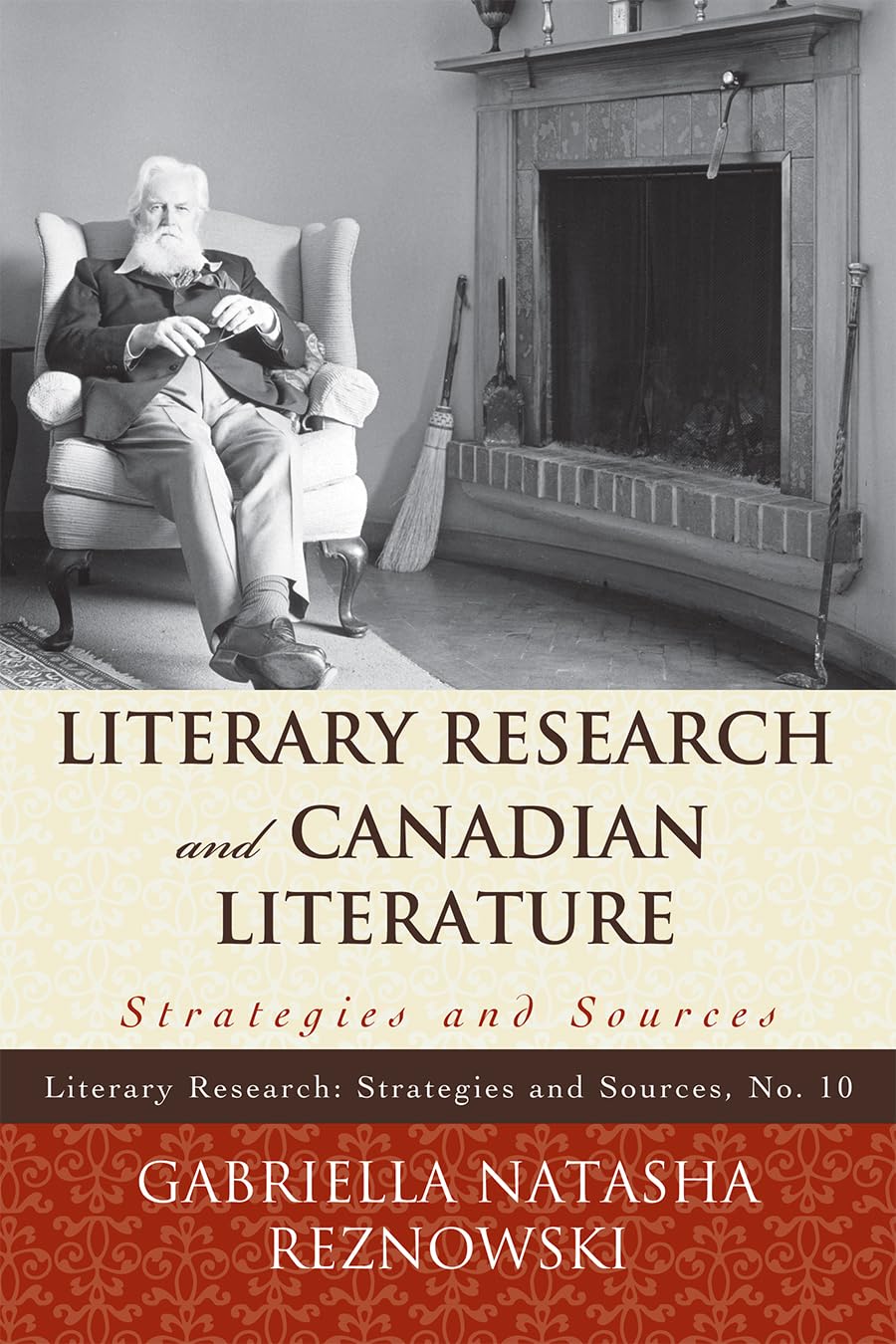
Literature & Fiction
Literary Research and Canadian Literature: Strategies and Sources: 10 (Literary Research: Strategies and Sources, 10)

Literature & Fiction
Crime Fiction and National Identities in the Global Age | by Julie H. Kim | McFarland & Company | by Julie H. Kim | McFarland & Company | by Julie H. Kim | McFarland & Company | by Julie H. Kim | McFarland & Company | by Julie H. Kim | McFarland & Company | by Julie H. Kim | McFarland & Company | by Julie H. Kim | McFarland & Company | by Julie H. Kim | McFarland & Company | by Julie H. Kim | McFarland & Company | by Julie H. Kim | McFarland & Company | by
Literature & Fiction
Greek Literature in the Classical Period: The Poetics of Drama in Athens: 4 (Greek Literature Vol. 4)
Literature & Fiction
Greek Literature and Philosophy (Greek Literature, Volume 6)
Literature & Fiction