
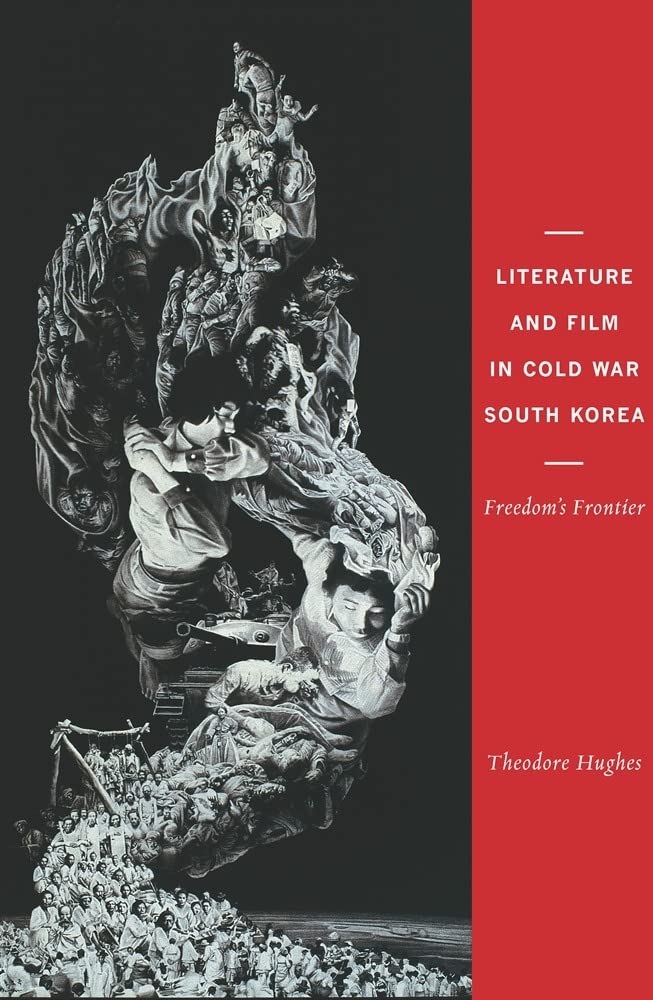
Literature and Film in Cold War South Korea: Freedom's Frontier by Theodore Hughes – A Scholarly Exploration of Korean C
Inclusive of all applicable taxes. FREE shipping on all orders.
Available Offers
- 🚚Free Delivery — Free shipping on all orders
- 💵Cash on Delivery — Pay when your order arrives
- ↩️15-Day Easy Returns — Hassle-free return policy
- 🔒Cash on Delivery — Pay safely when your order arrives
Check Delivery
Product Description
Introduction
In the vast landscape of Korean cultural studies, few works bridge the gap between literary expression and cinematic vision as elegantly as Theodore Hughes's Literature and Film in Cold War South Korea: Freedom's Frontier. This meticulously researched hardcover volume from Columbia University Press offers Indian readers a rare and profound insight into how Korean writers and filmmakers navigated the turbulent waters of colonial rule, national division, and the Cold War. For students of literature, film studies, and modern Asian history, this book is an indispensable resource that illuminates the creative resilience of a people caught between empires and ideologies.
Book Overview
Literature and Film in Cold War South Korea: Freedom's Frontier is a scholarly yet accessible exploration of Korean cultural production from the colonial period through the post-1945 era. Theodore Hughes unpacks the complex interplay between text and screen, showing how artists used both mediums to grapple with the realities of Japanese imperialism, the trauma of national division, and the emergence of separate regimes in North and South Korea. The book moves beyond simple literary analysis to reveal a dynamic cultural ecosystem where writers, filmmakers, and visual artists borrowed from, challenged, and enriched one another's work. It is a story of resistance, adaptation, and the relentless pursuit of creative freedom against a backdrop of political oppression.
Key Highlights
- Interdisciplinary Approach: The book seamlessly weaves together literary criticism, film studies, and art history, offering a holistic view of Korean culture during a transformative period.
- Colonial to Cold War Continuity: It traces how colonial-era artistic strategies—from proletarian movements to literary modernism—directly influenced post-1945 cultural production in South Korea.
- Neglected Texts and Films: Hughes brings to light previously overlooked Korean literary works, films, and artworks, providing fresh material for scholars and enthusiasts alike.
- Global Context: The study places South Korean cultural production within the broader framework of Cold War geopolitics, making it relevant for readers interested in transnational cultural studies.
- Rigorous Scholarship: Based on extensive archival research, the book offers nuanced readings that challenge simplistic narratives of Korean culture under Japanese rule and after liberation.
Story Themes
At its core, Literature and Film in Cold War South Korea grapples with themes of identity, memory, and resistance. The book examines how artists confronted the erasure of colonial history and the imposition of new Cold War ideologies. It delves into the tension between nativism and modernity, exploring how Korean creators sought to define a national culture while engaging with global artistic movements. The theme of freedom runs throughout—not as a fixed ideal but as a contested frontier that artists navigated through subtle symbolism, allegory, and formal experimentation. Hughes also highlights the role of gender and class in shaping cultural narratives, offering a layered understanding of how ordinary Koreans experienced and represented their world.
Reader Benefits
- Deepen Your Understanding: Gain a sophisticated grasp of Korean cultural history that goes beyond stereotypes and surface-level narratives.
- Enhance Academic Research: The book is a treasure trove of primary sources and critical insights for students writing theses or papers on East Asian studies, film, or comparative literature.
- Discover New Perspectives: Explore how artists in a divided nation used their craft to comment on politics, identity, and human resilience.
- Build Cultural Literacy: For Indian readers interested in global cinema and literature, this book provides essential context for understanding the works of renowned Korean filmmakers and writers.
- Critical Thinking Skills: Hughes's analytical framework encourages readers to think about how art interacts with power, history, and social change.
Who Should Read
This book is ideal for university students and scholars in literature, film studies, history, and Asian studies. It will also appeal to cinephiles who want to understand the roots of modern Korean cinema, as well as general readers with a keen interest in Cold War history and cultural resistance. Indian students preparing for competitive exams or pursuing research on global modernism will find the book's comparative approach especially valuable. Anyone fascinated by how art survives and thrives under political pressure will be captivated by this work.
About the Author
Theodore Hughes is a distinguished scholar of Korean literature and cultural studies. He has taught at leading universities and published extensively on the intersections of text, film, and visual culture in modern Korea. His research is known for its rigorous archival work and its ability to connect Korean cultural production to broader global currents. Hughes brings a rare depth of knowledge to this subject, making complex ideas accessible without sacrificing scholarly integrity.
About the Publisher
Columbia University Press is one of the world's most prestigious academic publishers, known for its authoritative works in the humanities and social sciences. With a history spanning over a century, the press is committed to publishing scholarship that advances knowledge and fosters critical thinking. This hardcover edition reflects the publisher's dedication to quality, featuring durable binding and clear typography that will endure years of study.
Conclusion
Literature and Film in Cold War South Korea: Freedom's Frontier is more than a book—it is a gateway to understanding a pivotal moment in Asian cultural history. Theodore Hughes's masterful analysis reveals how Korean artists turned their craft into a weapon of resistance and a mirror of their times. For Indian readers, this volume offers a chance to engage with a rich, complex tradition that continues to influence global culture today. Whether you are a student, a researcher, or a curious reader, this book will deepen your appreciation for the power of literature and film to shape, reflect, and transform society. Add it to your library and embark on a journey through Korea's creative frontier.
Quick Summary
Literature and Film in Cold War South Korea: Freedom's Frontier by Theodore Hughes is a meticulously researched academic work that explores the intertwined development of Korean literature and cinema from the Japanese colonial period (1910–1945) through the Cold War era. Hughes unpacks how writers and filmmakers employed subtle strategies to represent the realities of colonialism, global modernity, and national division. The book covers diverse movements including proletarian literature, modernism, nativism, and wartime mobilization, showing how these currents informed post-1945 cultural production in both North and South Korea. Drawing on neglected Korean-language sources, Hughes offers fresh insights into the cultural front of the Cold War. This book is ideal for scholars and graduate students in Korean studies, film studies, postcolonial theory, and Cold War history. Indian readers interested in comparative East Asian culture will find it a valuable addition to their library. Purchase your hardcover copy from Bookshops.in, India's premium online bookstore, and enjoy reliable delivery and authentic editions.
Book Highlights
Book Specifications
| ISBN-13 | 9780231157483 |
| ISBN-10 | 0231157487 |
| Publisher | Columbia Univ Pr |
| Language | English |
| Dimensions | 15.49 x 2.29 x 23.11 cm |
| Weight | 508 g |
| Category | World Literature › Asian |
| Genre | Nonfiction |
| Reading Age | Adult |
| Original Language | English |
Frequently Asked Questions
What is the main focus of this book?
Who is the author?
Which time period does the book cover?
Is this book suitable for undergraduate students?
Does the book include analysis of films?
What is the binding type?
What language is the book written in?
What is the ISBN?
Is this book about North Korean culture?
Does the book discuss Japanese colonialism?
What theoretical approaches are used?
Can I find this book in Indian bookstores?
Is there a digital edition available?
Readers Also Search For
Customers Also Bought
Contemporary Fiction
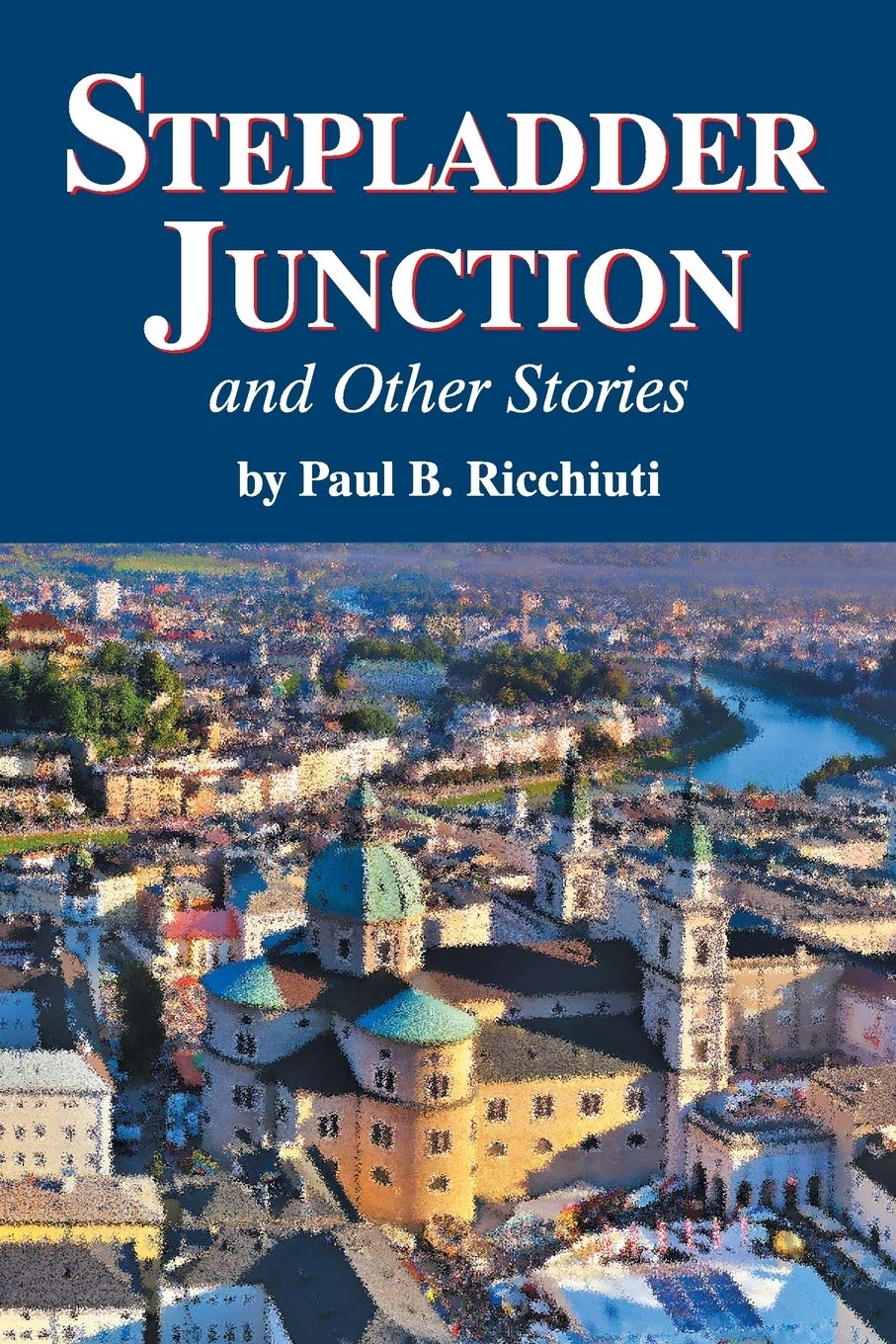
Stepladder Junction and Other Stories
Contemporary Fiction
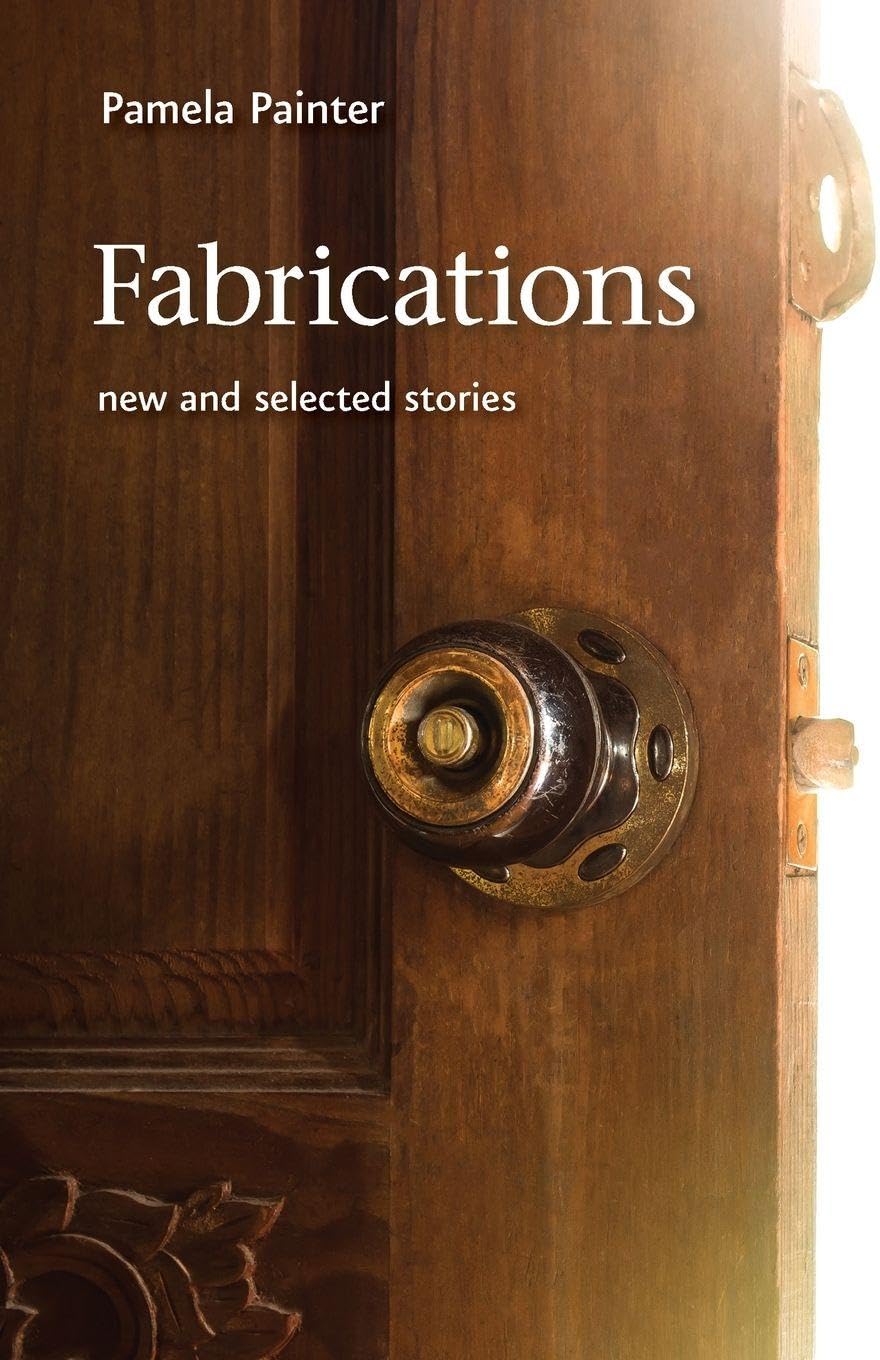
Fabrications by Pamela Painter – Short Story Collection
Contemporary Fiction
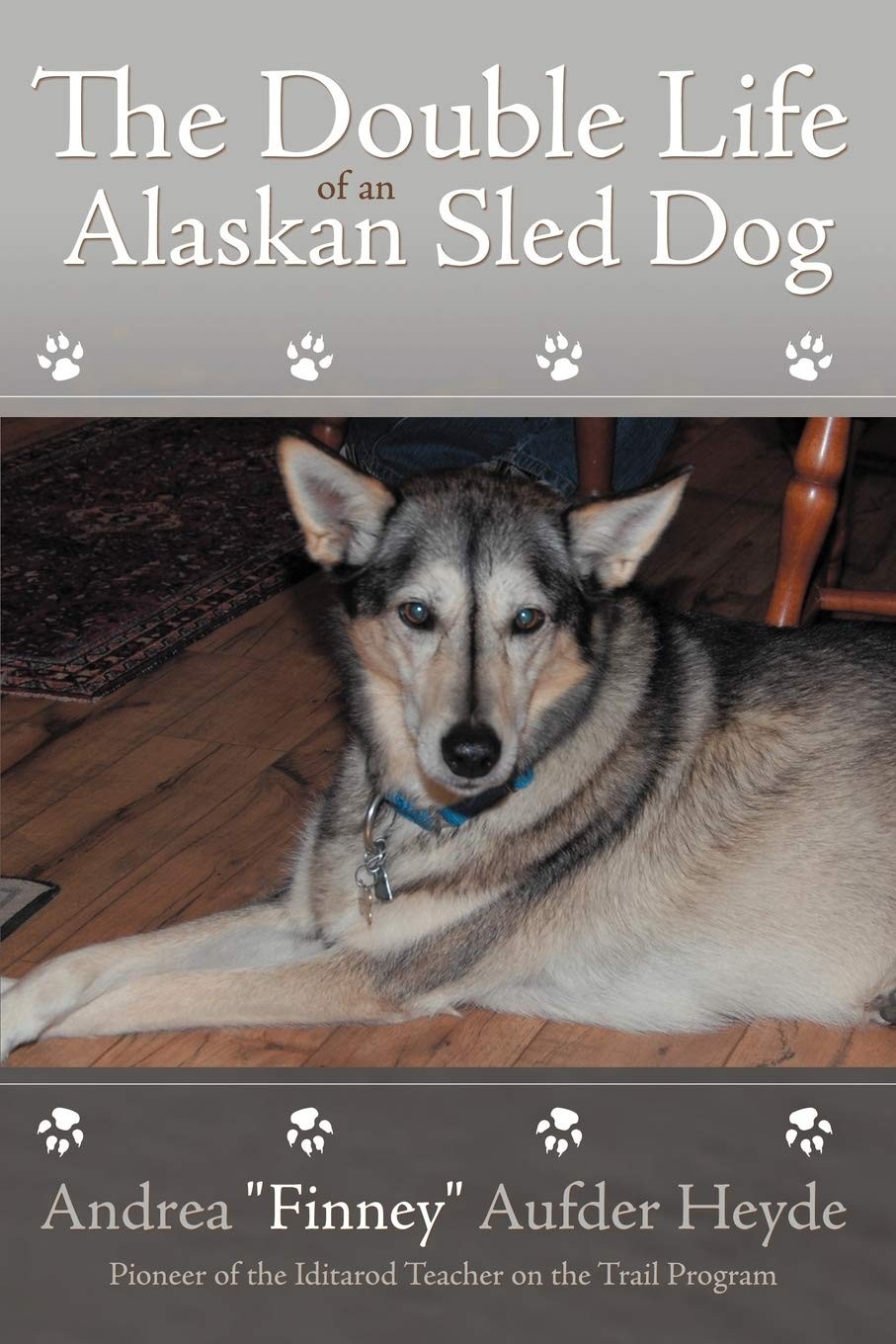
The Double Life of an Alaskan Sled Dog (English, Andrea Finney Aufder Heyde)
Contemporary Fiction
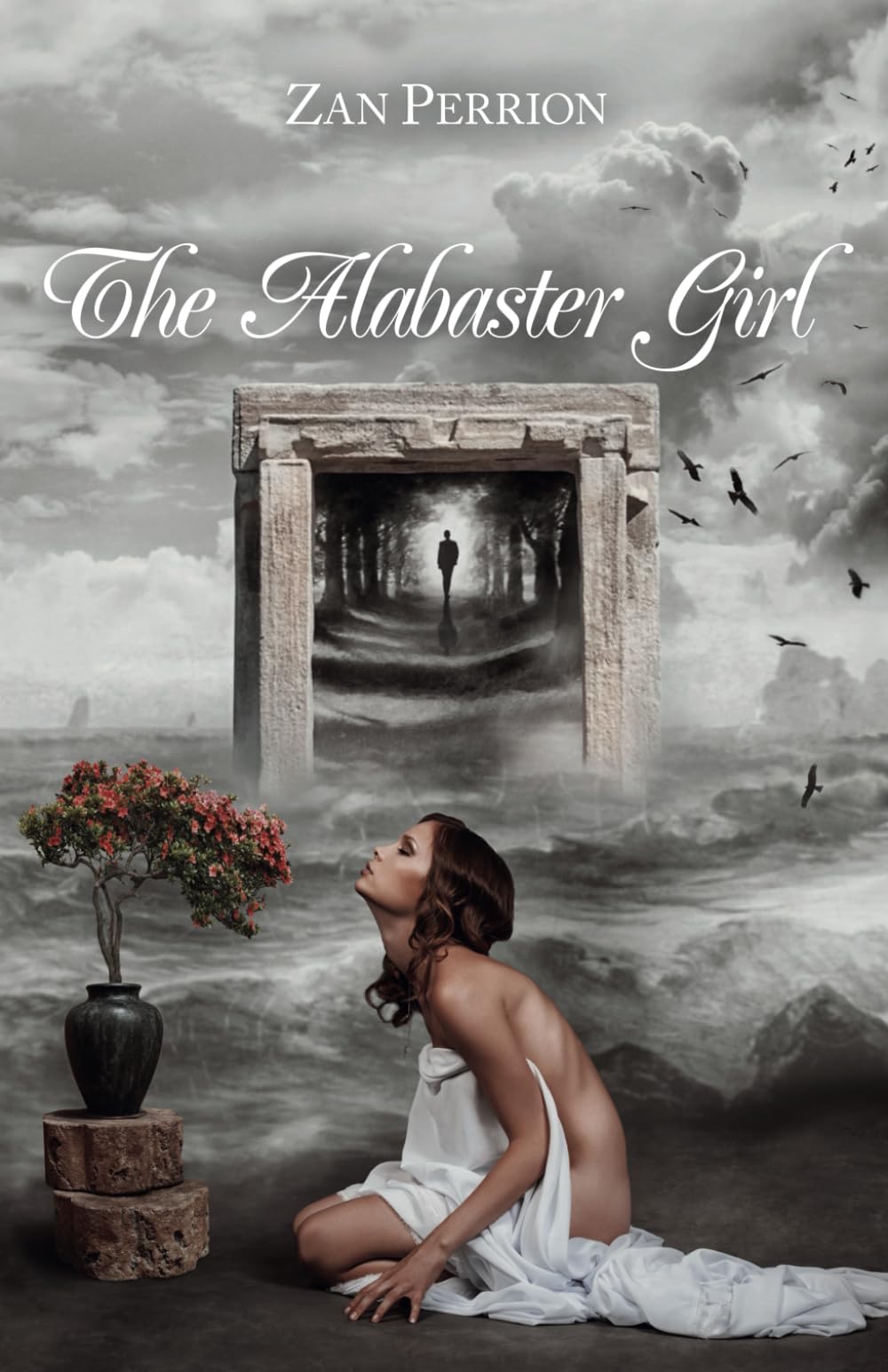
The Alabaster Girl by Zan Perrion

Contemporary Fiction
Grimm and Grimmer: Classic Fairy Tales Rebooted by Mark Russell
Classic Literature
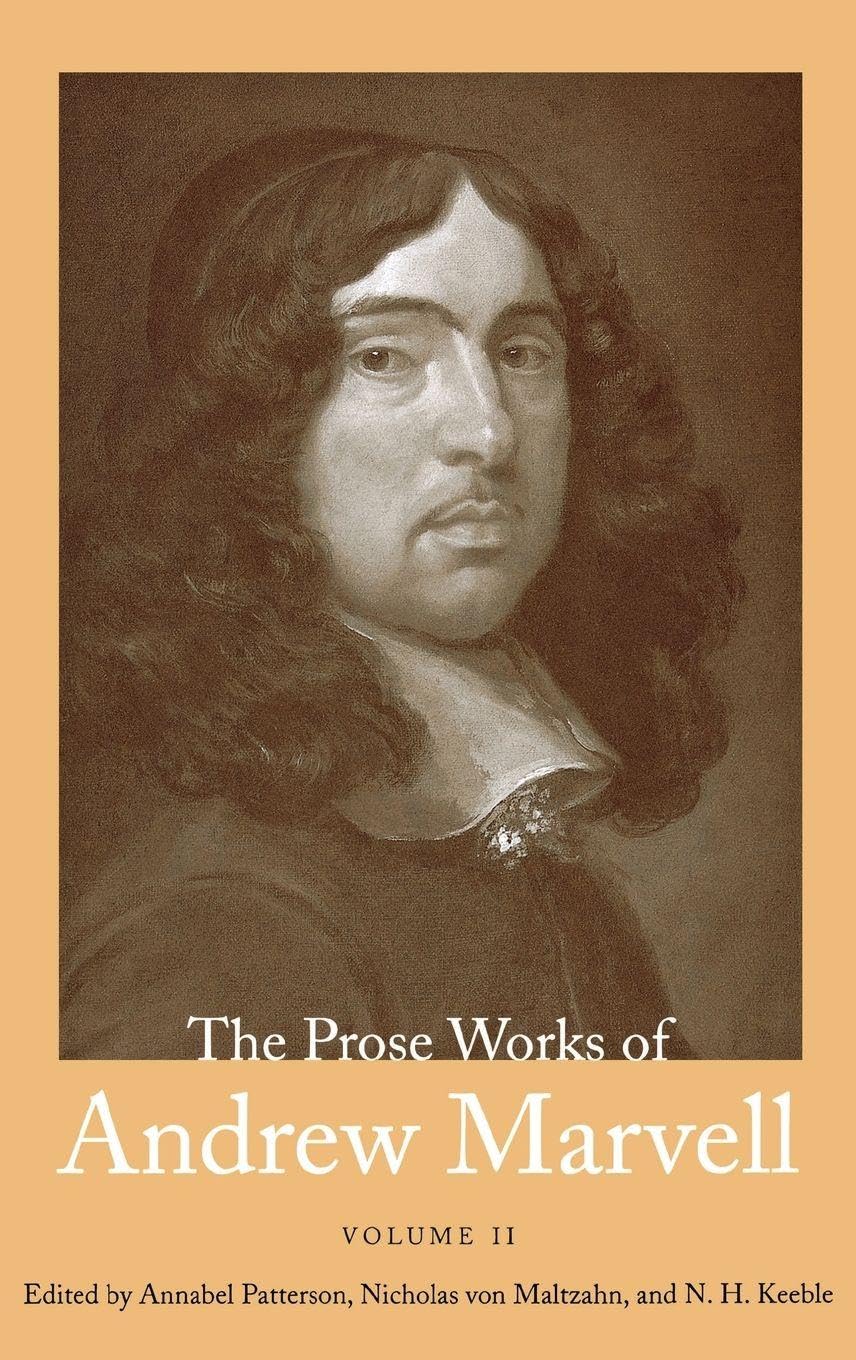
The Prose Works of Andrew Marvell: 1676-1678 by Andrew Marvell – Restoration Literature
Related Products
View All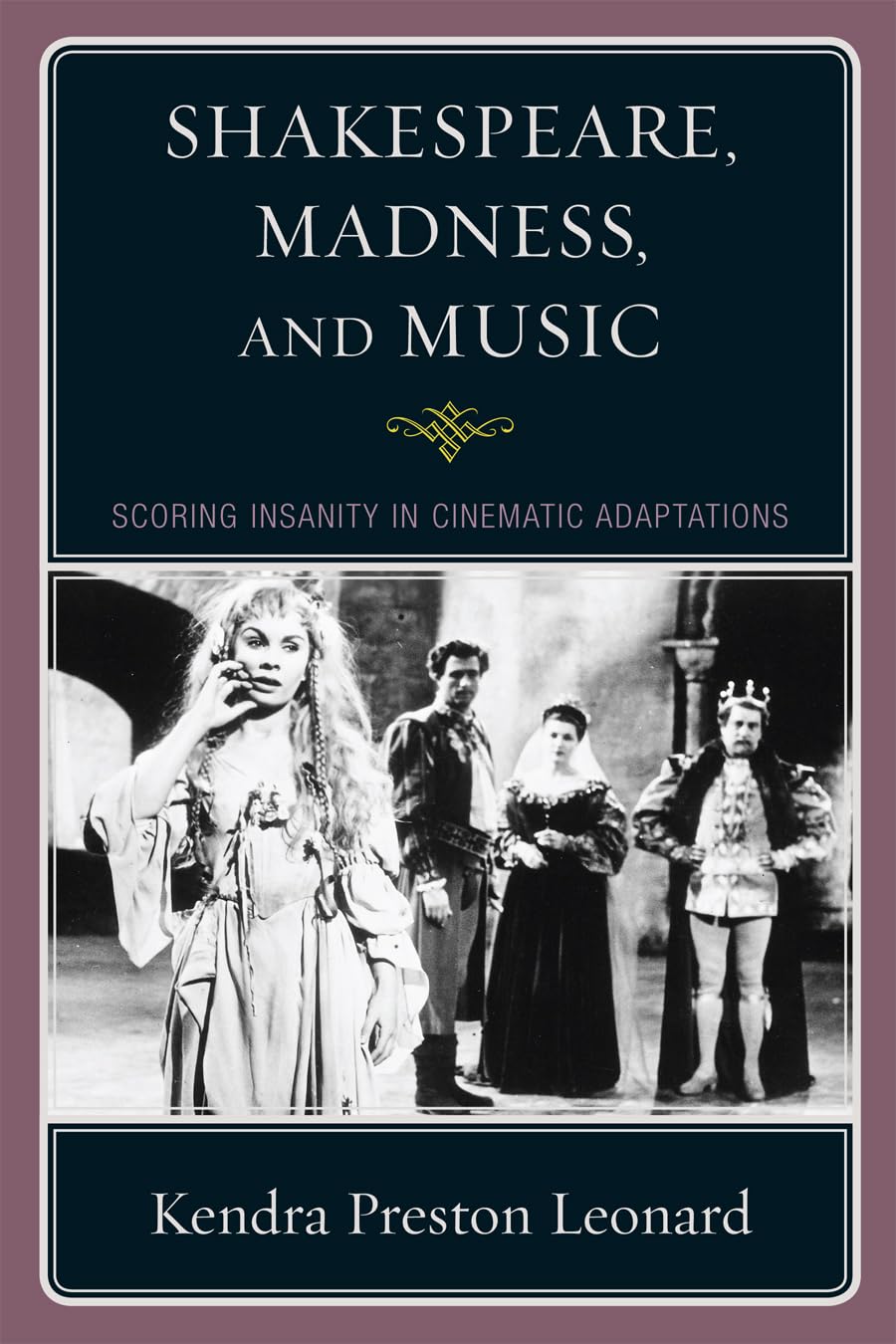
Literature & Fiction
Shakespeare, Madness, and Music: Scoring Insanity in Cinematic Adaptations
Literature & Fiction
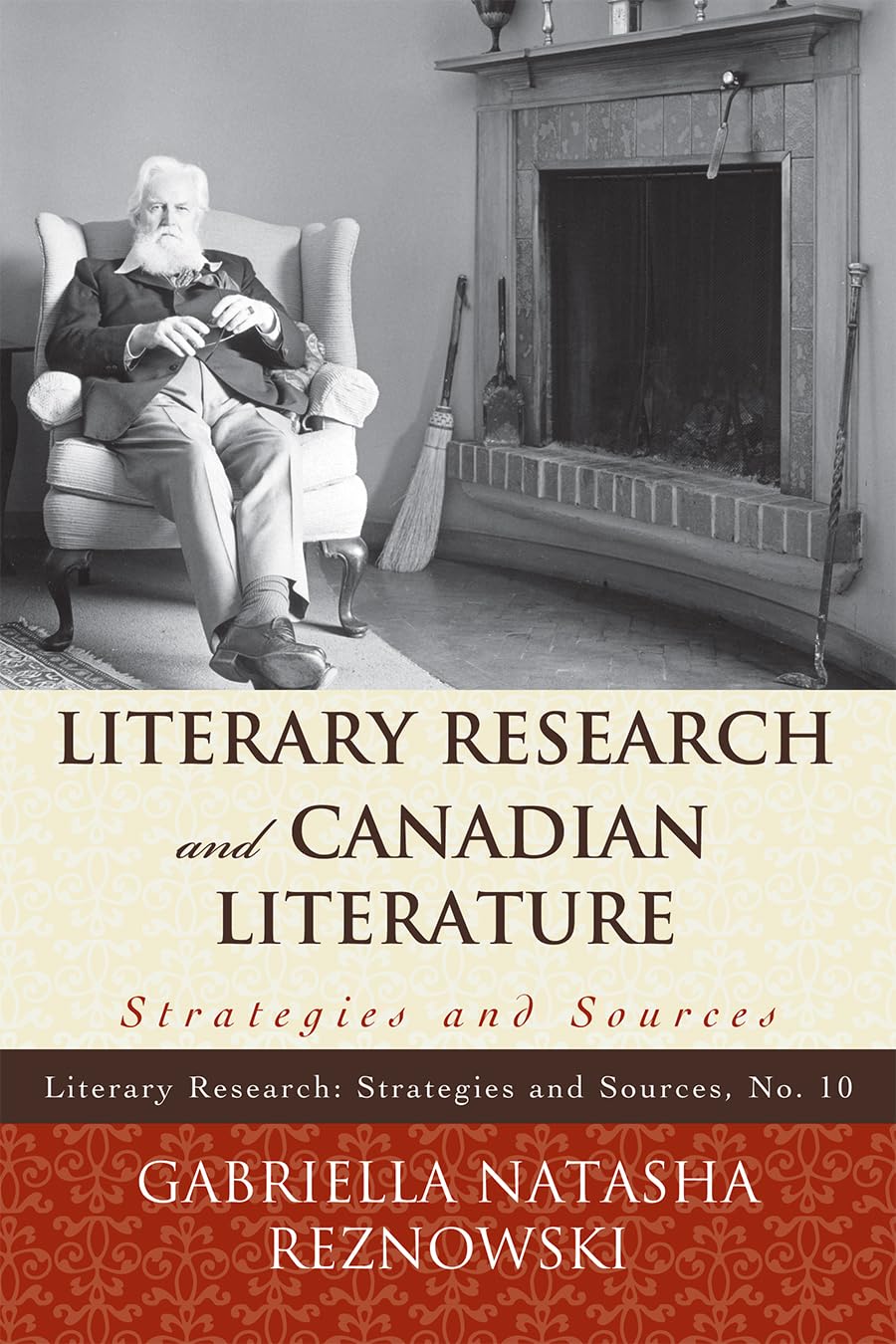
Literary Research and Canadian Literature: Strategies and Sources: 10 (Literary Research: Strategies and Sources, 10)

Literature & Fiction
Crime Fiction and National Identities in the Global Age | by Julie H. Kim | McFarland & Company | by Julie H. Kim | McFarland & Company | by Julie H. Kim | McFarland & Company | by Julie H. Kim | McFarland & Company | by Julie H. Kim | McFarland & Company | by Julie H. Kim | McFarland & Company | by Julie H. Kim | McFarland & Company | by Julie H. Kim | McFarland & Company | by Julie H. Kim | McFarland & Company | by Julie H. Kim | McFarland & Company | by
Literature & Fiction
Greek Literature in the Classical Period: The Poetics of Drama in Athens: 4 (Greek Literature Vol. 4)
Literature & Fiction
Greek Literature and Philosophy (Greek Literature, Volume 6)
Literature & Fiction