
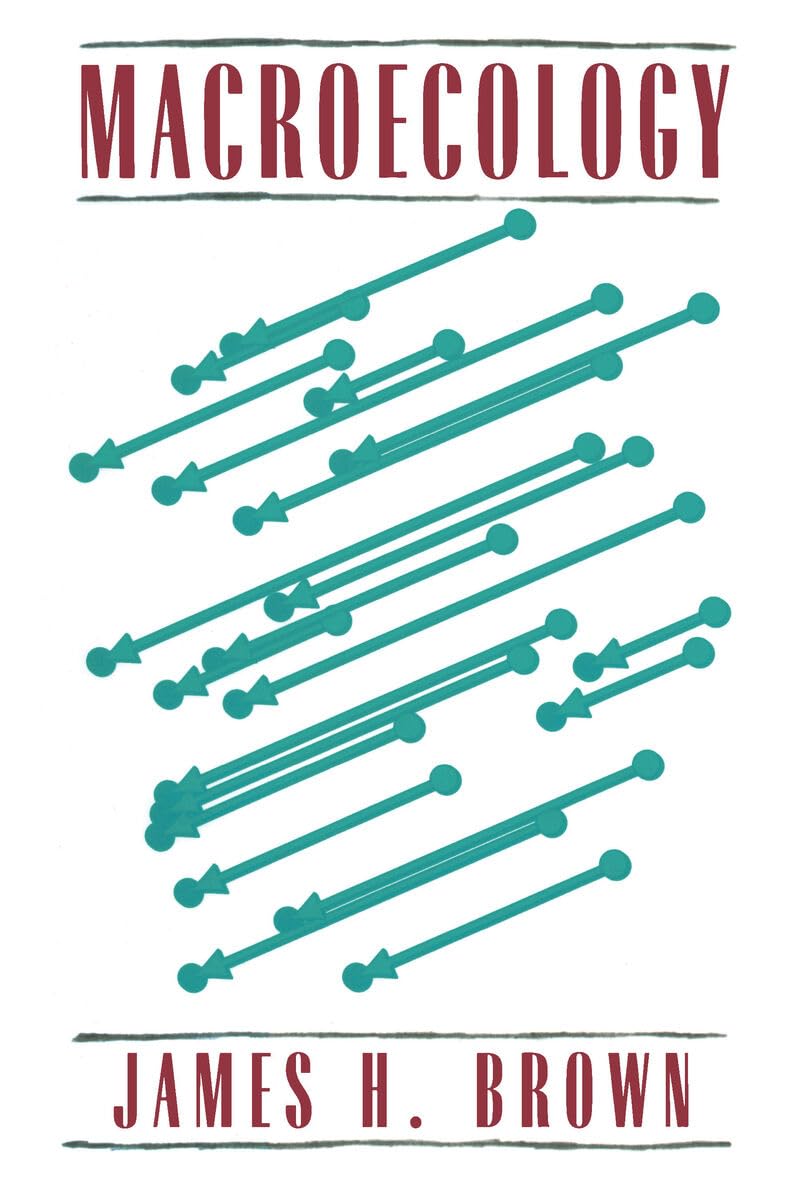
Macroecology: A Groundbreaking Ecology Book by James H. Brown – Integrating Patterns Across Space and Time
Inclusive of all applicable taxes. FREE shipping on all orders.
Available Offers
- 🚚Free Delivery — Free shipping on all orders
- 💵Cash on Delivery — Pay when your order arrives
- ↩️15-Day Easy Returns — Hassle-free return policy
- 🔒Cash on Delivery — Pay safely when your order arrives
Check Delivery
Product Description
Introduction
Macroecology by James H. Brown is a landmark work that redefines how we understand ecological patterns across vast spatial and temporal scales. Published by the University of Chicago Press, this hardcover edition offers a fresh perspective for students, researchers, and conservationists in India and around the world. Brown challenges the traditional focus on localized experiments and instead advocates for a big-picture approach that integrates data from multiple disciplines. This book is essential reading for anyone seeking to grasp the grand patterns of life on Earth, from species distributions to biodiversity trends, and is particularly relevant for Indian readers studying the country's diverse ecosystems.
Book Overview
In Macroecology, Brown synthesizes insights from ecology, evolutionary biology, paleobiology, systematics, and biogeography to create a unified framework for understanding how life organizes itself across continents and through deep time. Rather than getting lost in the details of individual species or small habitats, the book zooms out to reveal the statistical regularities that govern the abundance, distribution, and diversity of organisms. Brown uses data from a wide range of sources—including fossil records, species range maps, and body size distributions—to show how macroecological patterns emerge from fundamental processes like energy flow, metabolic scaling, and dispersal. The book also highlights the practical applications of macroecology for conservation, enabling scientists to predict extinction risks and prioritize protection efforts at regional and global scales.
Key Highlights
- Radical Research Agenda: Proposes a shift from narrow experimental studies to a broader, more integrative science that can generalize across ecosystems and time periods.
- Interdisciplinary Approach: Blends data from ecology, evolution, paleontology, and biogeography to uncover universal patterns in nature.
- Conservation Relevance: Demonstrates how macroecology helps identify vulnerable species and ecosystems, offering tools for large-scale conservation planning in biodiverse regions like India.
- Rich Data Analysis: Uses quantitative methods to explore relationships between body size, geographic range, species richness, and energy use.
- Timeless Insights: Provides a foundation for understanding contemporary issues such as climate change impacts and habitat fragmentation.
Inside the Book
Macroecology is structured to guide readers from foundational concepts to advanced applications. Early chapters introduce the central questions of the field—such as why there are more small-bodied species than large ones, and why species richness increases toward the tropics. Brown then delves into the mechanisms driving these patterns, including metabolic theory, niche differentiation, and historical biogeography. Later chapters explore the dynamics of species ranges, the role of environmental gradients, and the implications for conservation. The book is rich with graphs, tables, and case studies that illustrate key ideas, making complex topics accessible. Indian readers will appreciate examples drawn from tropical ecosystems, which resonate with the subcontinent's own ecological diversity.
Key Topics
- Metabolic Scaling and Body Size: How energy requirements shape species abundance and distribution.
- Species-Area Relationships: The link between habitat size and biodiversity.
- Latitudinal Gradients: Why tropical regions like India host more species than temperate zones.
- Range Dynamics: Factors influencing the geographic boundaries of species.
- Macroecology and Conservation: Applying large-scale patterns to protect endangered species and ecosystems.
- Deep-Time Perspectives: Using fossil data to understand how past climates and continents shaped modern biodiversity.
Reader Benefits
- Broadened Perspective: Move beyond localized studies to see the bigger picture of how life operates on a planetary scale.
- Enhanced Analytical Skills: Learn to interpret large datasets and statistical patterns in ecology.
- Practical Tools for Conservation: Gain insights applicable to wildlife management, protected area design, and climate adaptation strategies.
- Interdisciplinary Knowledge: Build a foundation that bridges ecology, evolution, and earth sciences.
- Inspiration for Research: Discover new questions and methodologies for studying India's unique biodiversity.
Learning Outcomes
By engaging with Macroecology, readers will be able to identify and explain major macroecological patterns, such as the distribution of species body sizes and the decline of biodiversity with latitude. They will understand how metabolic theory and energy flow drive ecological dynamics at large scales. Readers will also learn to critically evaluate conservation strategies using macroecological principles, such as predicting species vulnerability based on range size and population density. Additionally, the book equips students with the conceptual tools to integrate data from multiple disciplines, fostering a holistic understanding of ecological systems.
Who Should Read
- Ecology and Biology Students: Undergraduate and postgraduate students in Indian universities seeking a comprehensive introduction to macroecology.
- Conservation Practitioners: Wildlife biologists, forest officers, and NGO workers involved in biodiversity conservation across India's varied landscapes.
- Researchers: Academics in ecology, evolutionary biology, and biogeography looking for a foundational text that inspires new research directions.
- Environmental Educators: Teachers and curriculum developers who want to incorporate big-picture ecological thinking into their courses.
- Science Enthusiasts: Anyone curious about the patterns of life on Earth and how they are shaped by time and space.
About the Author
James H. Brown is a distinguished ecologist and professor emeritus at the University of New Mexico. He is widely recognized for his pioneering work in macroecology and metabolic theory. Brown's research has spanned continents and decades, from the deserts of North America to the tropics. He has authored numerous influential papers and books, and his ideas have shaped modern ecological thought. His ability to synthesize diverse data into coherent frameworks makes him a leading voice in the field, and his writing is both rigorous and accessible.
About the Publisher
The University of Chicago Press is a prestigious academic publisher known for its high-quality scholarly books in the sciences, humanities, and social sciences. With a history spanning over a century, it has published works by Nobel laureates, leading scientists, and influential thinkers. This hardcover edition of Macroecology reflects the press's commitment to producing durable, beautifully crafted books that stand the test of time—perfect for Indian readers who value lasting reference works.
Conclusion
Macroecology by James H. Brown is not just a book; it is an invitation to see the natural world through a wider lens. For Indian students and professionals navigating the complexities of biodiversity and conservation, this book offers both a conceptual foundation and a practical toolkit. Its interdisciplinary approach and emphasis on large-scale patterns make it a timeless resource for understanding life's grand design. Whether you are a budding ecologist or a seasoned researcher, this volume will transform the way you think about the planet's living systems. Add it to your library and begin exploring the big picture of ecology today.
Quick Summary
Macroecology by James H. Brown is a landmark work that redefines ecological research by focusing on large-scale patterns of biodiversity across space and time. Brown synthesizes data from ecology, evolutionary biology, biogeography, and paleobiology to uncover general principles that govern the distribution and abundance of species. Readers will learn about patterns such as the latitudinal diversity gradient, body size distributions, and species-area relationships, and how these patterns arise from fundamental ecological and evolutionary processes. This book is ideal for graduate students, researchers, and professionals in ecology, conservation, and environmental science who seek a broader, more integrative understanding of life on Earth. By purchasing from Bookshops.in, Indian readers get a premium hardcover edition with reliable delivery and customer support.
Book Highlights
Book Specifications
| ISBN-13 | 9780226076157 |
| ISBN-10 | 0226076156 |
| Publisher | Univ of Chicago Pr |
| Language | English |
| Dimensions | 15.24 x 1.8 x 22.86 cm |
| Weight | 386 g |
| Country | India |
| Category | Biology & Life Sciences › Ecology |
| Genre | Non-fiction |
| Original Language | English |
Frequently Asked Questions
What is macroecology?
Who is the author of Macroecology?
Is this book suitable for beginners in ecology?
What topics does the book cover?
How is this book different from standard ecology textbooks?
Does the book include Indian examples?
Is this book used in Indian universities?
Can I use this book for UGC NET or CSIR preparation?
What is the price of Macroecology?
Is the book available in hardcover?
Does the book have illustrations?
What is the ISBN of this book?
Why should I buy from Bookshops.in?
Readers Also Search For
Customers Also Bought
Mathematics
Stereotype Spaces and Algebras: 73 (De Gruyter Expositions in Mathematics, 73)
Mathematics
Semigroups in Algebra, Geometry and Analysis: 20 (De Gruyter Expositions in Mathematics, 20)
Mathematics
Geometry from the Pacific Rim: Proceedings of the Pacific Rim Geometry Conference held at National University of Singapore, Republic of Singapore, ... 1994 (De Gruyter Proceedings in Mathematics)
Mathematics
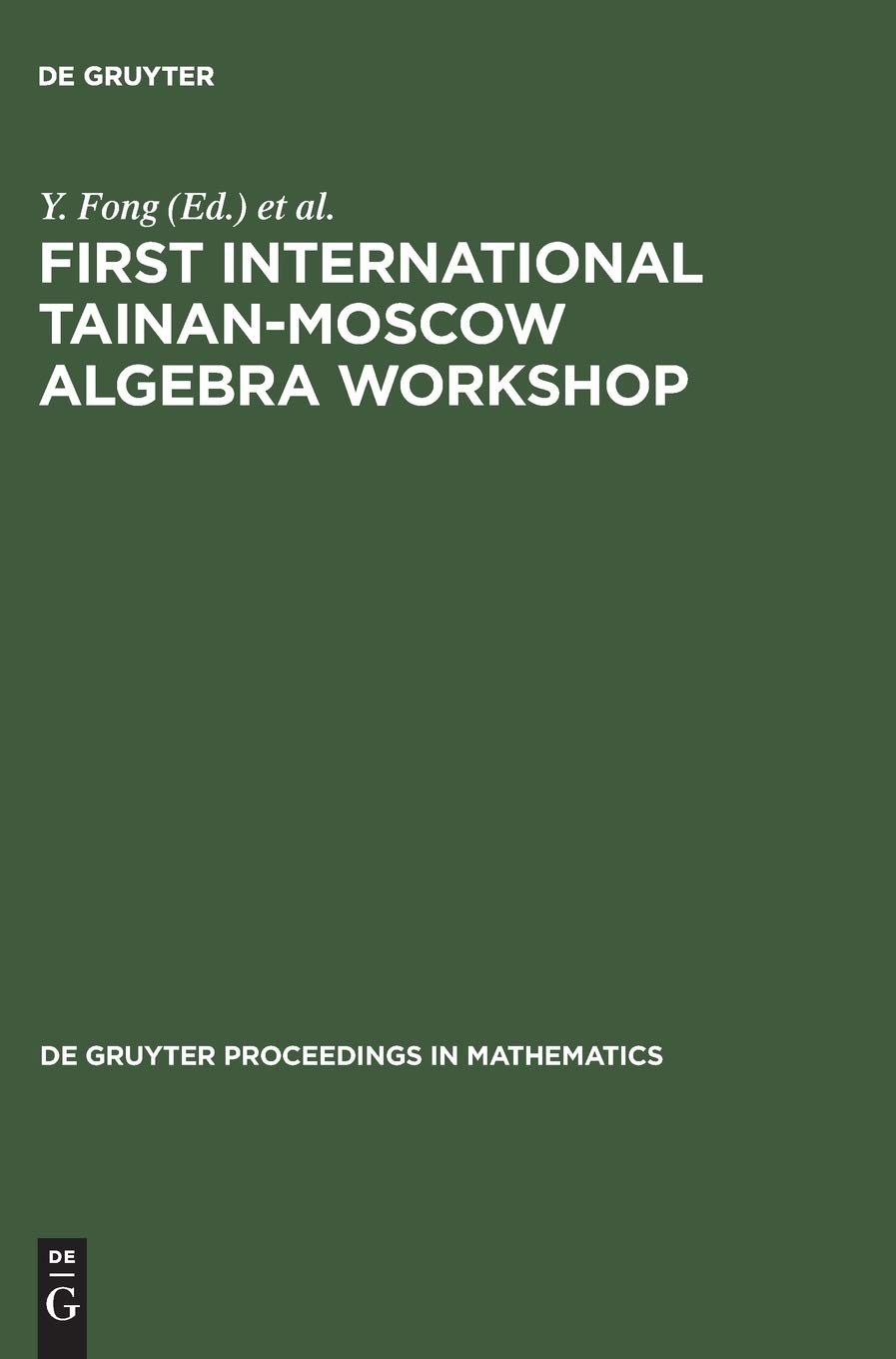
First International Tainan-Moscow Algebra Workshop: Proceedings of the International Conference held at National Cheng Kung University Tainan, Taiwan, ... 1994 (De Gruyter Proceedings in Mathematics)
Mathematics
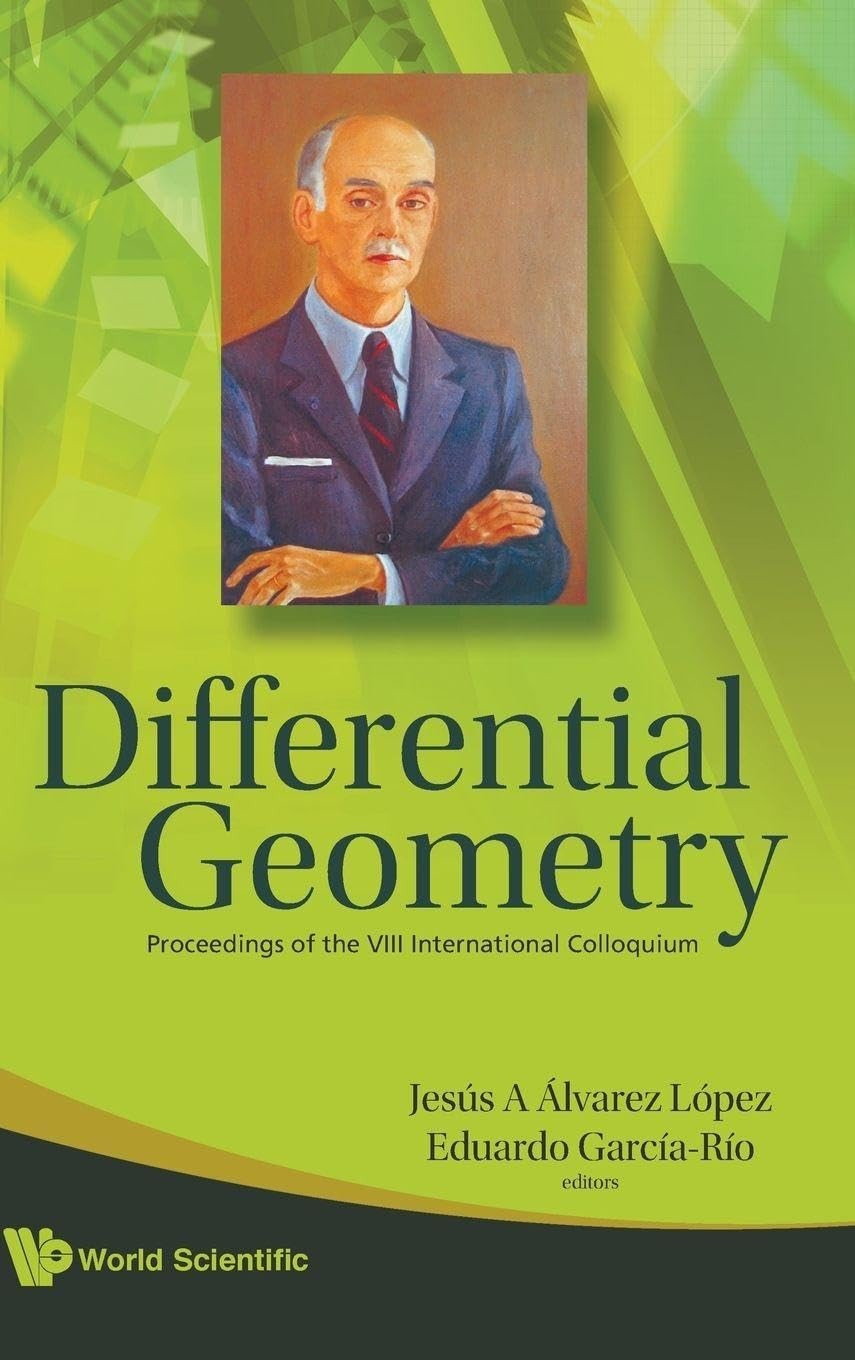
Differential Geometry - Proceedings of the VIII International Colloquium (English, Jesus A. Alvarez Lopez | Eduardo Garcia-Rio)
Mathematics
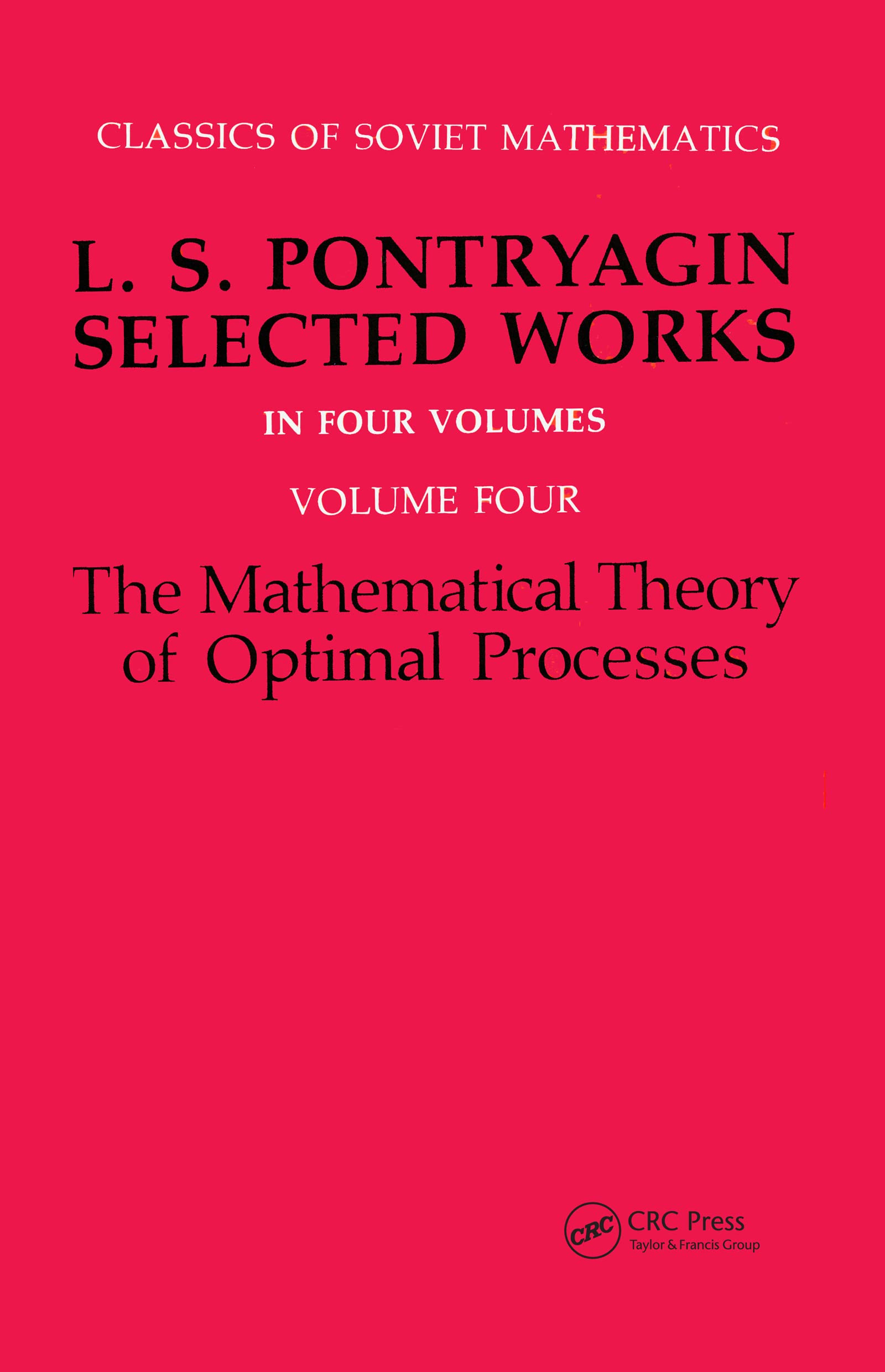
Mathematical Theory of Optimal Processes (Classics of Soviet Mathematics)
Related Products
View All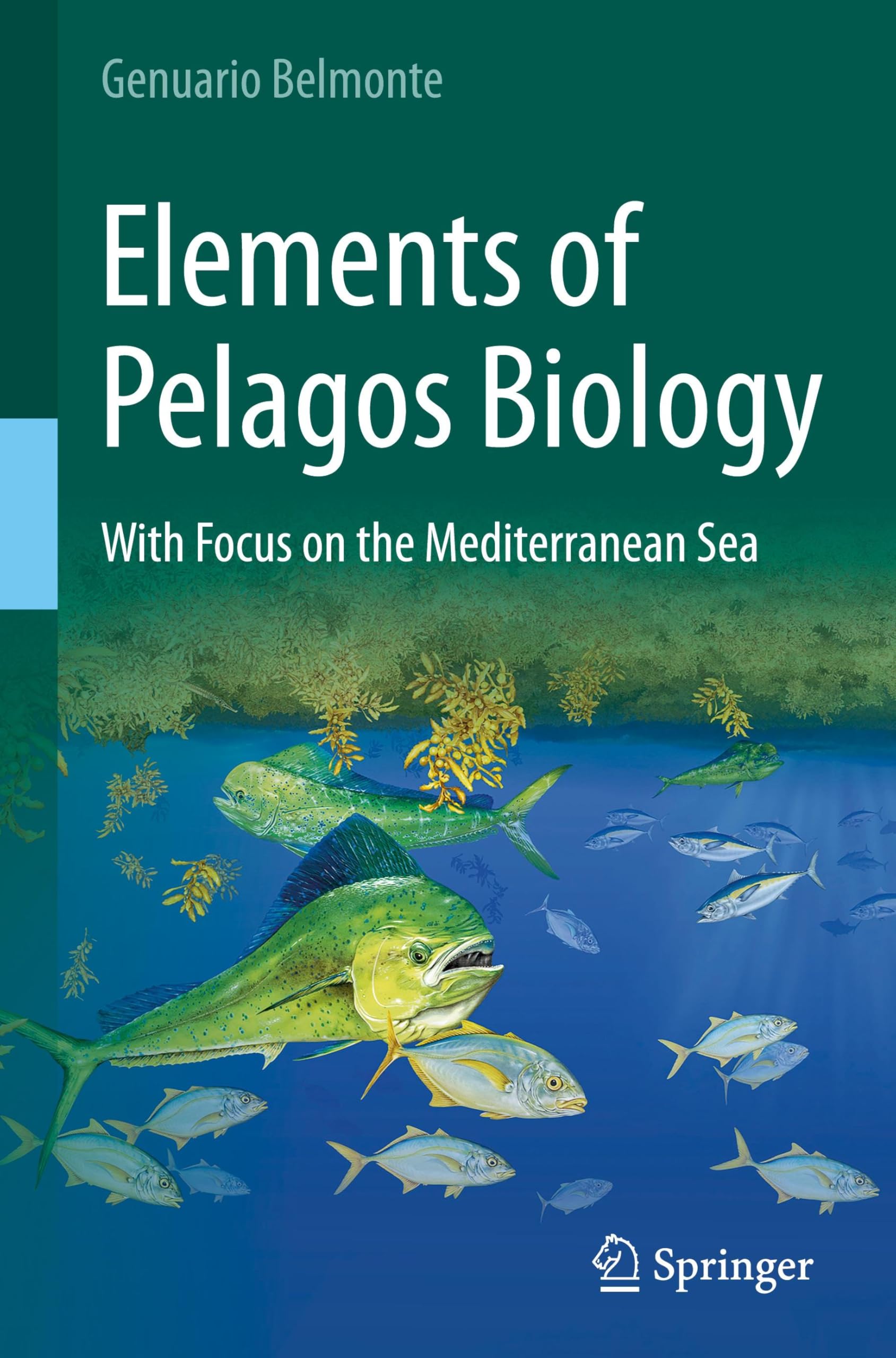
Science & Mathematics
Elements of Pelagos Biology: With Focus on the Mediterranean Sea

Science & Mathematics
Squid - Superconducting Quantum Interference Devices and Their Applications: Proceedings of the International Conference on Superconducting Quantum Devices, Berlin-west, October 4-8, 1976
Science & Mathematics
Thermodynamics and Pattern Formation in Biology

Science & Mathematics
The Nature of Mathematics and the Mathematics of Nature by S. Andersson – Mathematics & Science

Science & Mathematics
Linear Algebra | by Stephen Friedberg | Arnold Insel | Lawrence Spence | Pearson | by Stephen Friedberg | Arnold Insel | Lawrence Spence | Pearson | by Stephen Friedberg | Arnold Insel | Lawrence Spence | Pearson | by Stephen Friedberg | Arnold Insel | Lawrence Spence | Pearson | by Stephen Friedberg | Arnold Insel | Lawrence Spence | Pearson | by Stephen Friedberg | Arnold Insel | Lawrence Spence | Pearson | by Stephen Friedberg | Arnold Insel | Lawrence Spence | Pearson | by Stephen Friedberg

Science & Mathematics