
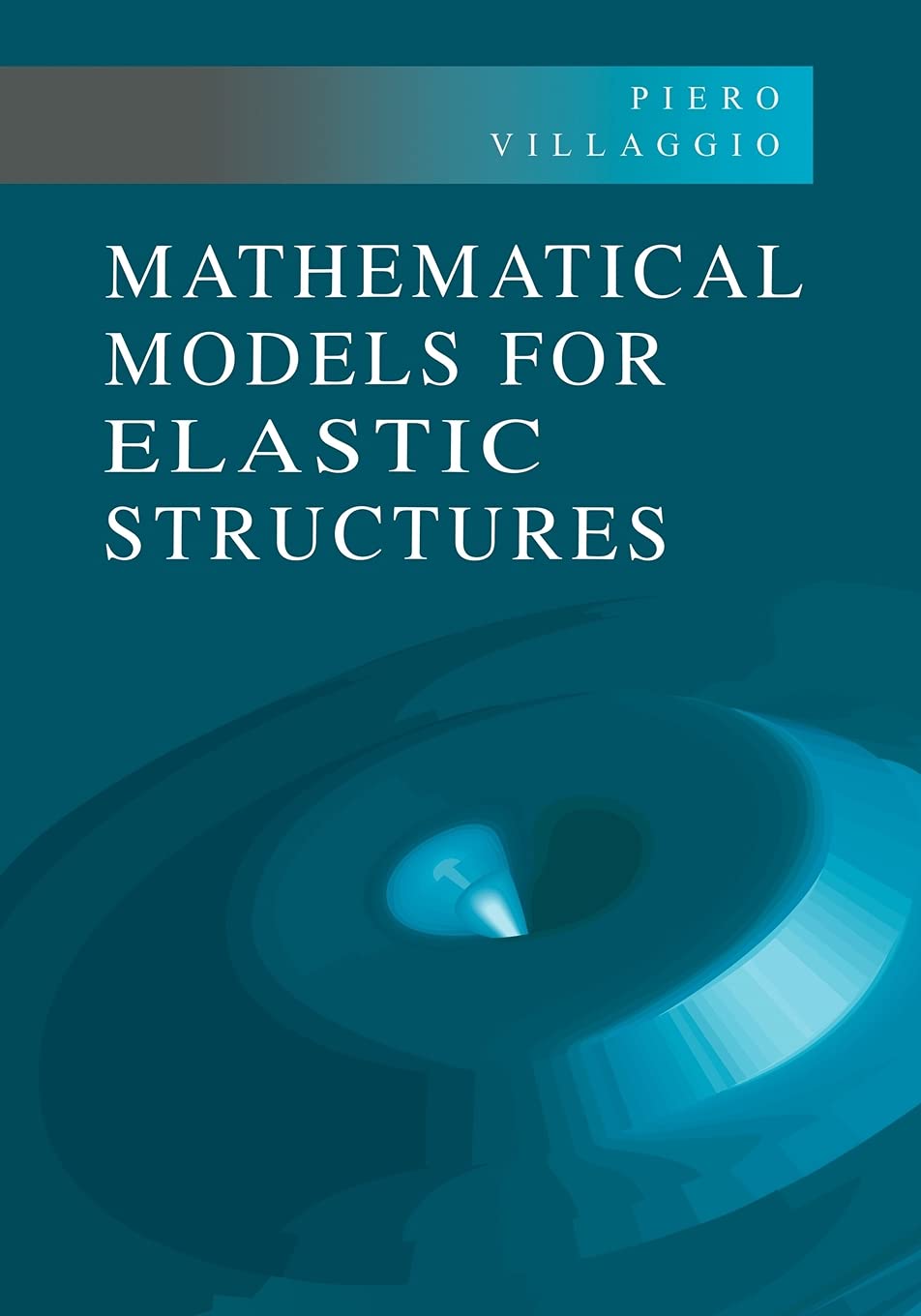
Mathematical Models for Elastic Structures by Piero Villaggio – A Critical Collection of Theories for Elastic Slender Bo
Inclusive of all applicable taxes. FREE shipping on all orders.
Available Offers
- 🚚Free Delivery — Free shipping on all orders
- 💵Cash on Delivery — Pay when your order arrives
- ↩️15-Day Easy Returns — Hassle-free return policy
- 🔒Cash on Delivery — Pay safely when your order arrives
Check Delivery
Product Description
Introduction
Mathematical models form the backbone of modern engineering, especially when it comes to understanding how elastic structures behave under various loads. Piero Villaggio’s Mathematical Models for Elastic Structures is a masterful exploration of this subject, bridging classical theories with contemporary applications. Published by Cambridge University Press, this hardcover volume is an essential addition to the library of any serious student or professional in structural mechanics. For Indian readers and researchers, this book offers a rigorous yet accessible pathway into the mathematics that govern beams, arches, plates, and shells.
Book Overview
First published in 1998, this book presents a carefully curated collection of the most significant theories dealing with elastic slender bodies. Villaggio does not merely list equations; he critically examines each model, highlighting its strengths, limitations, and practical relevance. The work spans from historical foundations—such as the Euler–Bernoulli beam theory—to more advanced nonlinear formulations used in geomechanics and biomechanics. The emphasis is on solving real-world problems, making it a practical reference for engineers and applied mathematicians alike.
Key Highlights
- Comprehensive coverage of classical and modern elastic structure theories
- Focus on nonlinear problems, a critical area for advanced engineering
- Critically filtered content that separates robust models from outdated approaches
- Applications in civil, mechanical, geomechanical, and biomechanical fields
- Rigorous mathematical treatment suitable for graduate-level study
Inside the Book
The book is structured to take the reader from fundamental concepts to sophisticated models. Early chapters revisit the classic theories of beams, columns, and arches, providing a solid grounding. Later chapters delve into plates and shells, incorporating nonlinear effects such as large deformations and instability. Each model is accompanied by derivations, assumptions, and illustrative examples. Villaggio’s lucid writing style helps demystify complex mathematics, making the content approachable for Indian students who may be encountering these ideas for the first time.
Key Topics
- Euler–Bernoulli and Timoshenko beam theories
- Buckling and stability of elastic columns
- Arch and ring models under distributed loads
- Kirchhoff–Love plate theory
- Nonlinear shell models
- Variational principles and energy methods
- Contact problems and stress concentration
- Applications in biomechanics and geomechanics
Reader Benefits
By studying this book, readers will gain a deep understanding of how mathematical models are constructed, validated, and applied. The critical perspective offered by Villaggio helps avoid common pitfalls in model selection. Engineers will find practical guidance for solving structural problems, while mathematicians will appreciate the rigorous foundations. The book also serves as a bridge between theory and computation, preparing readers for finite element analysis and other numerical methods.
Learning Outcomes
- Ability to derive and apply classical beam, plate, and shell theories
- Skill in identifying nonlinear effects and selecting appropriate models
- Understanding of stability and buckling phenomena in elastic structures
- Proficiency in using variational methods for structural analysis
- Capacity to critically evaluate the validity of different mathematical models
Who Should Read
This book is ideal for graduate students in structural engineering, applied mathematics, and mechanics. It is also highly valuable for researchers and practicing engineers who wish to deepen their theoretical knowledge. Indian students preparing for competitive exams or pursuing advanced degrees will find it a rich resource. Professionals in civil, mechanical, aerospace, and biomedical engineering will benefit from the practical insights into nonlinear structural behaviour.
About the Author
Piero Villaggio was a distinguished Italian mathematician and engineer, known for his contributions to the mechanics of solids and structures. He served as a professor at the University of Pisa and authored several influential texts. His work is characterized by a rare blend of mathematical rigour and engineering intuition, making complex topics accessible to a wide audience.
About the Publisher
Cambridge University Press is one of the world’s oldest and most respected academic publishers, with a legacy of producing high-quality scholarly works. Their titles are trusted by universities and research institutions globally, including many in India. This hardcover edition reflects their commitment to durable binding and clear typesetting, ensuring years of reliable use.
Conclusion
Mathematical Models for Elastic Structures is more than a textbook—it is a thoughtful guide through the landscape of structural mechanics. Piero Villaggio’s critical eye and pedagogical clarity make this a standout volume for anyone serious about understanding elastic structures. Whether you are a student in an Indian institute or a practicing engineer, this book will enhance your grasp of both classical and modern theories. Add it to your collection and explore the mathematics that shape our built world.
Quick Summary
Mathematical Models for Elastic Structures by Piero Villaggio is a masterful compilation of the most important theories for analyzing elastic slender bodies, such as beams, plates, shells, and rods. Aimed at graduate students, researchers, and professional engineers, this book delves into both classical and modern mathematical models, with a strong emphasis on nonlinear problems. Readers will gain a deep understanding of how these models are applied to practical challenges in civil engineering, mechanical engineering, geomechanics, and even biomechanics. The author, a respected figure in the field, critically filters the theories to present only the most significant and useful ones, making this volume an essential reference. By choosing Bookshops.in, Indian customers receive a premium hardcover edition from Cambridge University Press, ensuring durability and excellent print quality. Whether you are preparing for advanced research or solving real-world structural problems, this book equips you with the rigorous mathematical tools needed to succeed.
Book Highlights
Book Specifications
| ISBN-13 | 9780521017985 |
| ISBN-10 | 052101798X |
| Publisher | Cambridge University Press |
| Language | English |
| Dimensions | 17.78 x 3.99 x 25.4 cm |
| Weight | 1 kg 170 g |
| Country | India |
| Category | Engineering Textbooks › Civil Engineering |
| Genre | Science & Mathematics |
| Original Language | English |
Frequently Asked Questions
What is Mathematical Models for Elastic Structures about?
Who is the author of this book?
What level of mathematics is required?
Is this book suitable for Indian engineering students?
Does the book cover nonlinear problems?
What types of structures are covered?
Are there applications in biomechanics?
Is this a textbook or a reference?
What is the ISBN for this book?
Can I use this book for self-study?
Does the book include historical context?
What makes this book different from other elasticity texts?
Where can I buy this book in India?
Readers Also Search For
Customers Also Bought
Mathematics
Stereotype Spaces and Algebras: 73 (De Gruyter Expositions in Mathematics, 73)
Mathematics
Semigroups in Algebra, Geometry and Analysis: 20 (De Gruyter Expositions in Mathematics, 20)
Mathematics
Geometry from the Pacific Rim: Proceedings of the Pacific Rim Geometry Conference held at National University of Singapore, Republic of Singapore, ... 1994 (De Gruyter Proceedings in Mathematics)
Mathematics
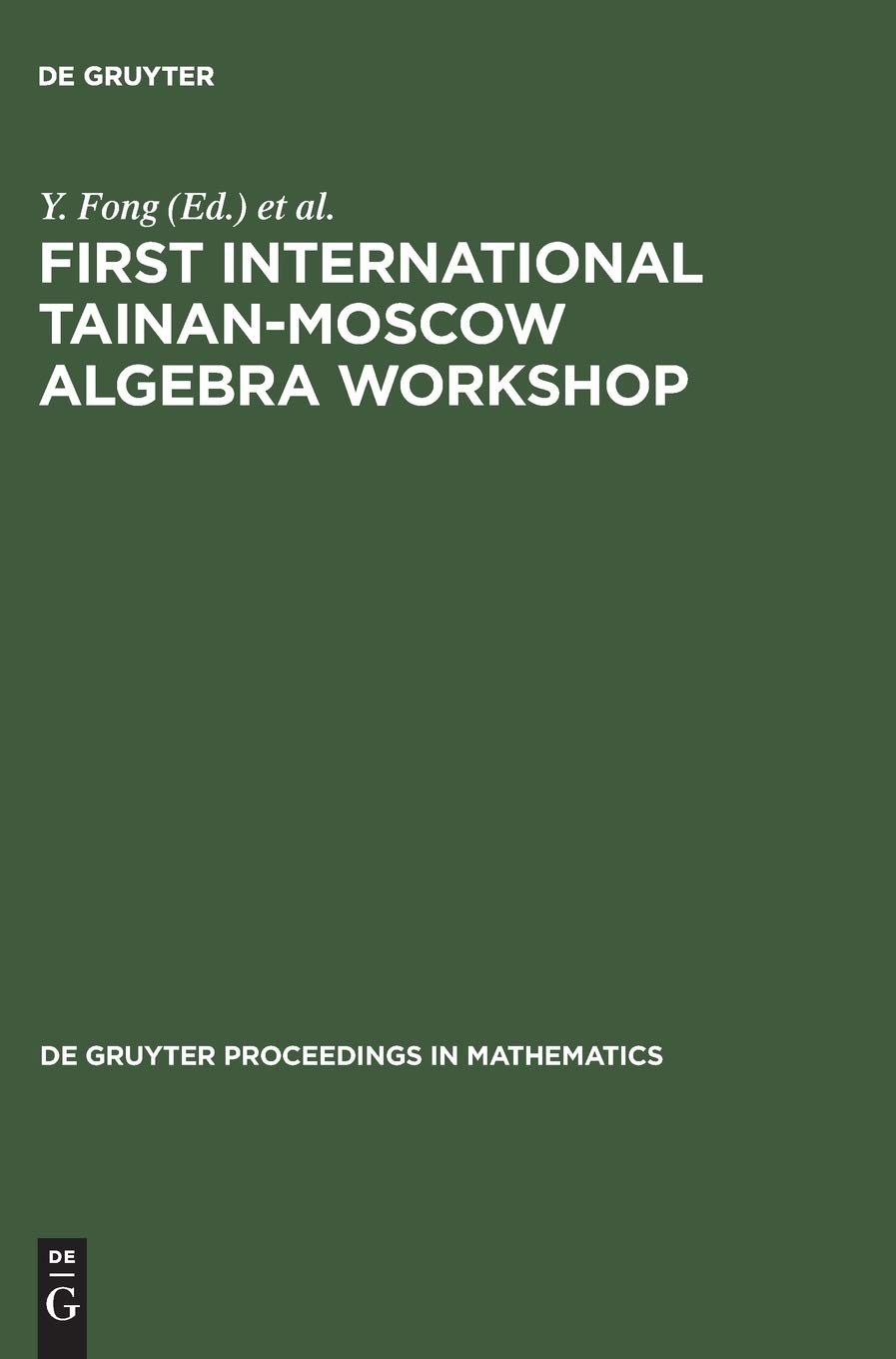
First International Tainan-Moscow Algebra Workshop: Proceedings of the International Conference held at National Cheng Kung University Tainan, Taiwan, ... 1994 (De Gruyter Proceedings in Mathematics)
Mathematics
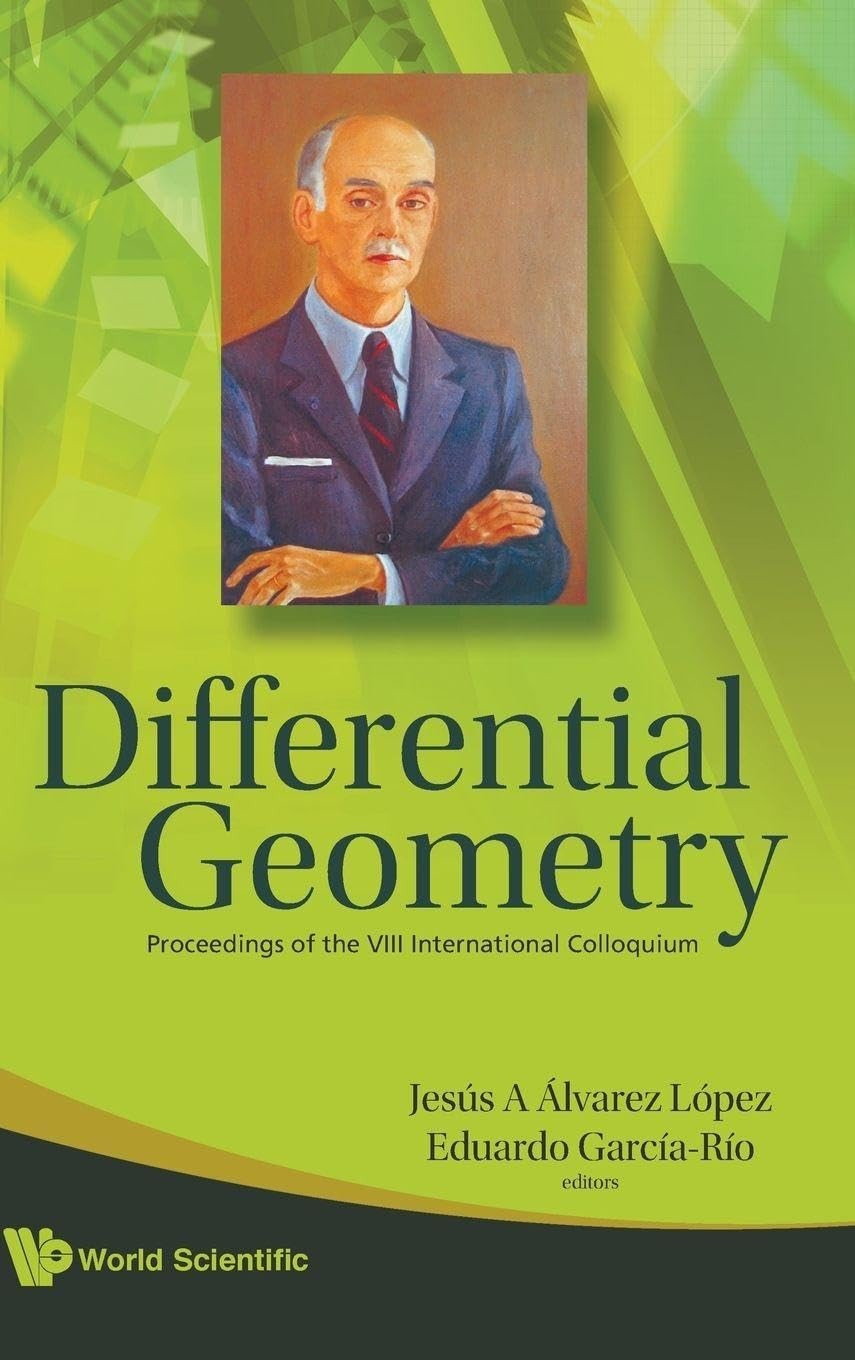
Differential Geometry - Proceedings of the VIII International Colloquium (English, Jesus A. Alvarez Lopez | Eduardo Garcia-Rio)
Mathematics
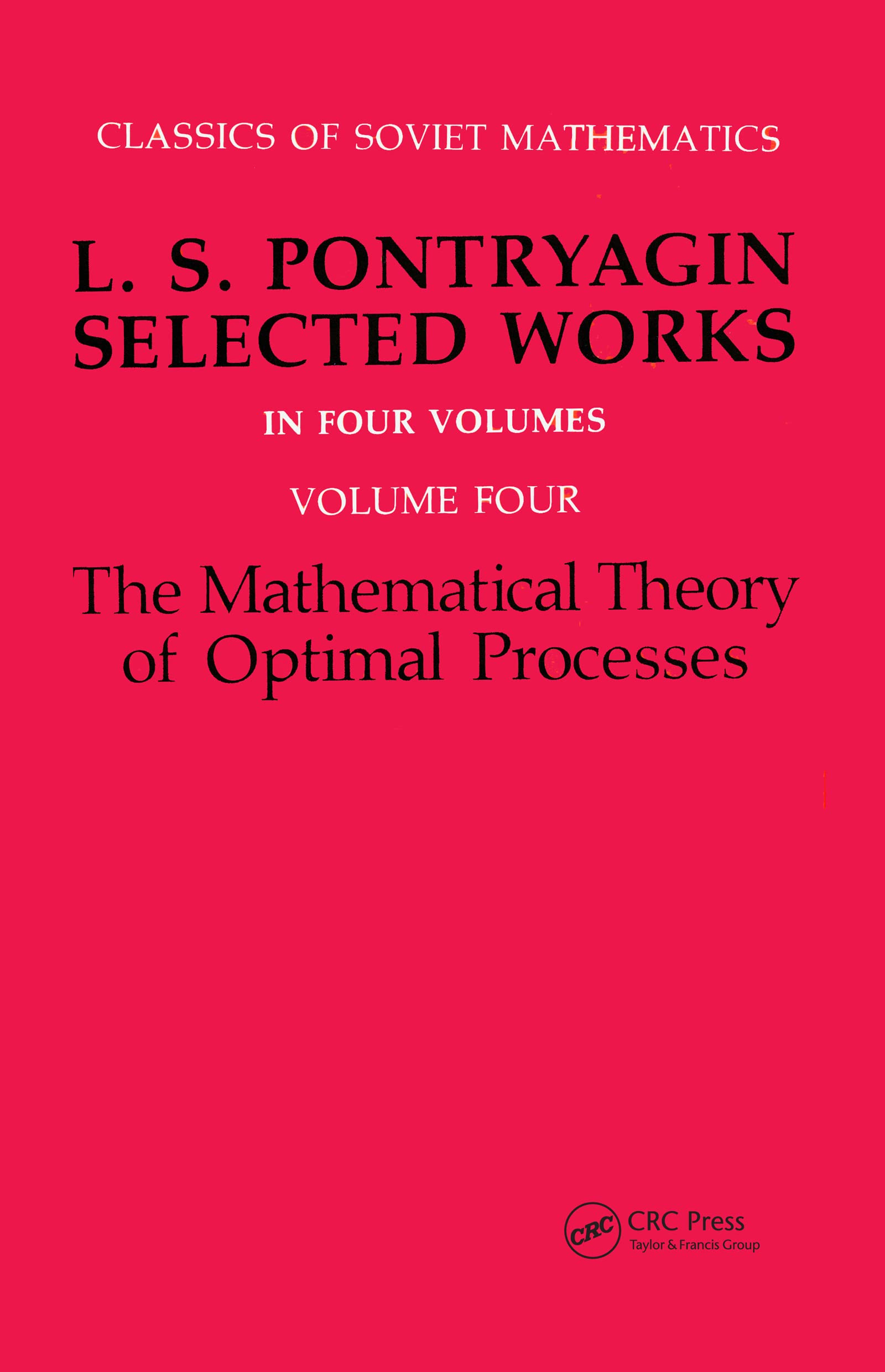
Mathematical Theory of Optimal Processes (Classics of Soviet Mathematics)
Related Products
View All
Science & Mathematics
Elements of Pelagos Biology: With Focus on the Mediterranean Sea

Science & Mathematics
Squid - Superconducting Quantum Interference Devices and Their Applications: Proceedings of the International Conference on Superconducting Quantum Devices, Berlin-west, October 4-8, 1976
Science & Mathematics
Thermodynamics and Pattern Formation in Biology
Science & Mathematics
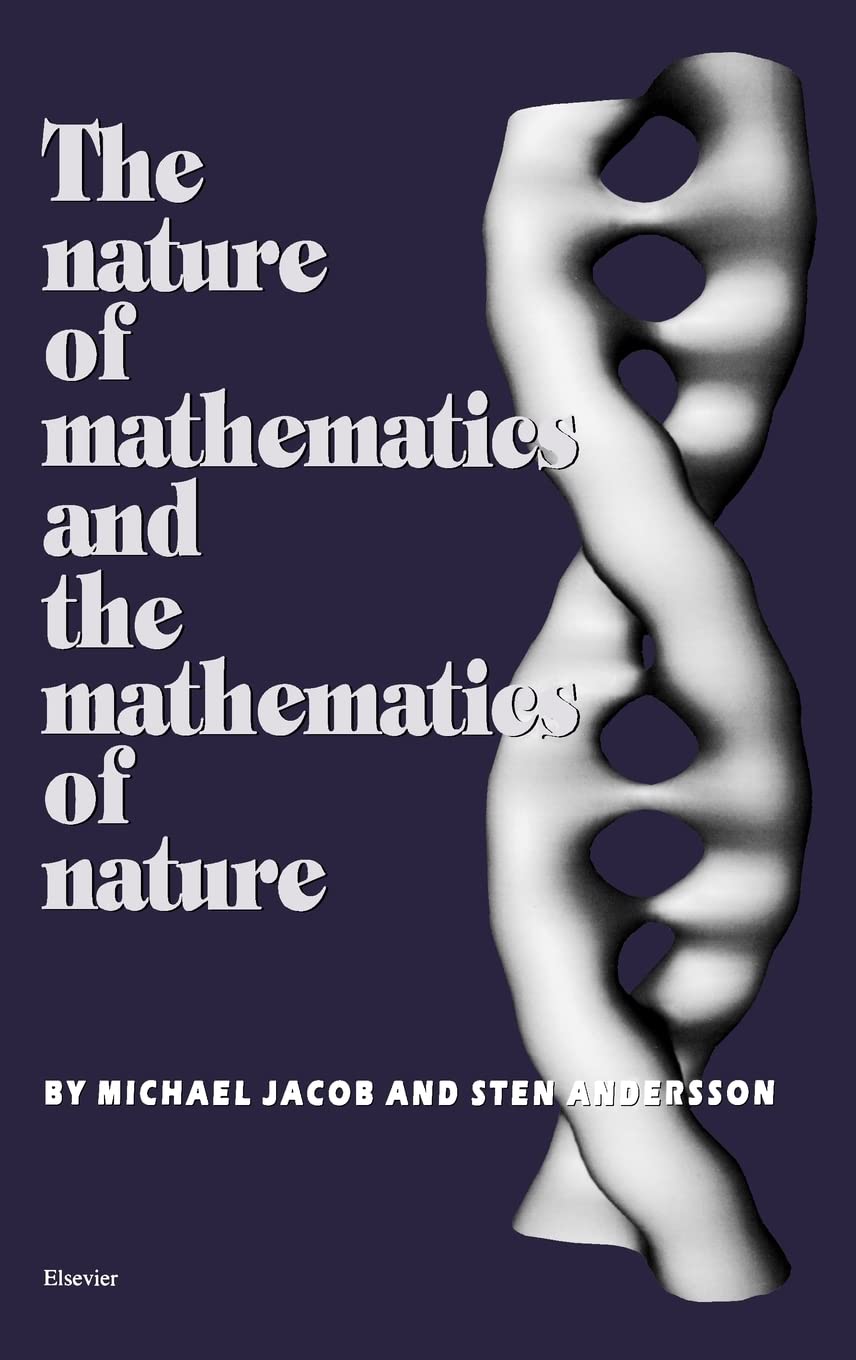
The Nature of Mathematics and the Mathematics of Nature by S. Andersson – Mathematics & Science

Science & Mathematics
Linear Algebra | by Stephen Friedberg | Arnold Insel | Lawrence Spence | Pearson | by Stephen Friedberg | Arnold Insel | Lawrence Spence | Pearson | by Stephen Friedberg | Arnold Insel | Lawrence Spence | Pearson | by Stephen Friedberg | Arnold Insel | Lawrence Spence | Pearson | by Stephen Friedberg | Arnold Insel | Lawrence Spence | Pearson | by Stephen Friedberg | Arnold Insel | Lawrence Spence | Pearson | by Stephen Friedberg | Arnold Insel | Lawrence Spence | Pearson | by Stephen Friedberg
Science & Mathematics