
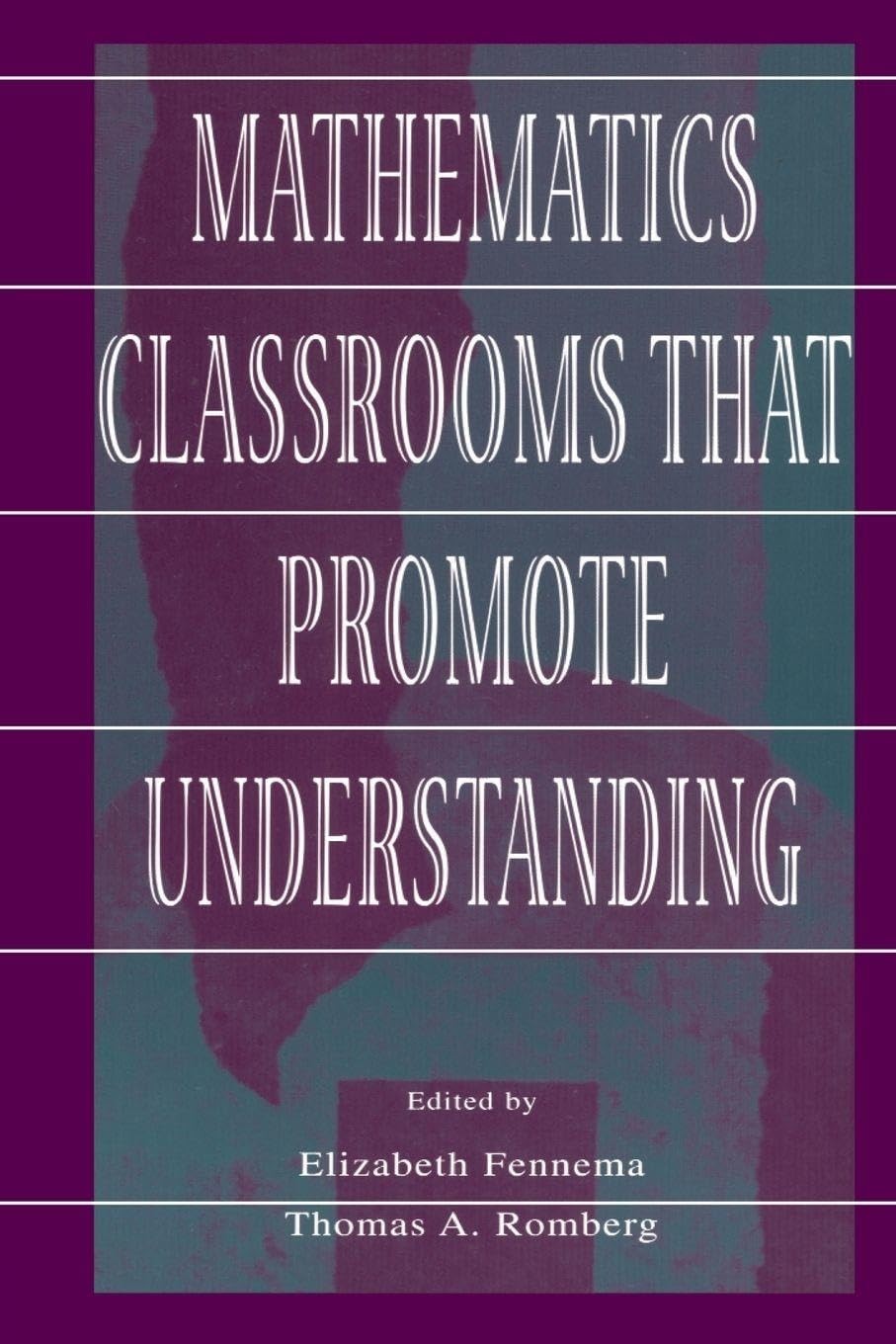
Mathematics Classrooms That Promote Understanding by Elizabeth Fennema – A Research-Based Guide for K-12 Math Educators
Inclusive of all applicable taxes. FREE shipping on all orders.
Available Offers
- 🚚Free Delivery — Free shipping on all orders
- 💵Cash on Delivery — Pay when your order arrives
- ↩️15-Day Easy Returns — Hassle-free return policy
- 🔒Cash on Delivery — Pay safely when your order arrives
Check Delivery
Product Description
Introduction
Mathematics is not just about numbers and formulas—it is about making sense of the world. Mathematics Classrooms That Promote Understanding by Elizabeth Fennema and her colleagues offers a transformative vision for mathematics education in India and beyond. This hardcover volume, published by Routledge, brings together decades of research from the National Center for Research in Mathematical Sciences to show how classrooms can become spaces where students truly grasp mathematical concepts, rather than memorise them. Whether you are a teacher, a curriculum designer, or a student of education, this book provides a roadmap to fostering deep, lasting understanding in mathematics.
Book Overview
This seminal work synthesises two often separate fields: the study of teaching and the study of learning mathematics. The research was organised around key content domains and persistent educational issues such as equity, assessment, and the changing mathematical needs of 21st-century citizens. Guided by two overarching goals—redefining the K-12 mathematics curriculum for modern demands, and identifying common components of classrooms that enable understanding—the authors established and studied classrooms where learning with comprehension thrived. The result is a rich collection of findings, discussions, and practical insights that challenge traditional teaching methods and offer evidence-based alternatives.
Key Highlights
- Research-Backed Framework: Grounded in extensive studies by the National Center for Research in Mathematical Sciences, offering credible and actionable strategies.
- Focus on Understanding: Moves beyond rote learning to help students develop conceptual clarity and problem-solving abilities.
- Equity and Assessment: Addresses critical issues of fairness in mathematics education and innovative ways to evaluate true learning.
- Curriculum Redefinition: Proposes a mathematics curriculum aligned with the skills needed for the 21st century, including critical thinking and real-world application.
- Classroom Practices: Provides concrete examples of instructional methods that promote understanding, making it ideal for Indian educators seeking practical guidance.
Inside the Book
The book is structured around research conducted in real classrooms, where teaching was designed to facilitate growth in understanding. It includes detailed case studies, analyses of student interactions, and discussions on how teachers can create environments that encourage exploration and reasoning. Chapters explore topics such as number sense, algebraic thinking, geometry, and data analysis, all within the context of meaningful learning. The authors also delve into the role of teacher beliefs, classroom discourse, and the use of manipulatives and technology to support comprehension.
Key Topics
- Redefining mathematics content for K-12 education in a changing world
- Components of classrooms that enable learning with understanding
- Equity in mathematics education: addressing diverse learner needs
- Assessment strategies that measure deep understanding, not just recall
- The interplay between teaching practices and student cognition
- Building number sense and algebraic reasoning from early grades
- Fostering problem-solving and mathematical communication skills
Reader Benefits
This book empowers educators to shift from a transmission model of teaching to one that builds genuine understanding. Readers will learn how to design lessons that encourage students to ask questions, make connections, and apply mathematics in new contexts. For Indian teachers working within rigid curricula, the research offers adaptable strategies that can be integrated into existing frameworks. Students of education will gain a solid theoretical foundation, while policymakers will find evidence to support reforms that prioritise conceptual learning over procedural fluency alone.
Learning Outcomes
- Understand the cognitive and social factors that contribute to mathematical understanding
- Identify key components of effective mathematics classrooms that promote deep learning
- Develop skills to create equitable learning environments where all students can succeed
- Learn to design assessments that capture genuine understanding and growth
- Apply research-based practices to reimagine mathematics instruction in Indian schools
Who Should Read
This book is essential for mathematics teachers at the primary and secondary levels, teacher educators, curriculum developers, and education researchers. It is also highly relevant for school administrators looking to improve mathematics outcomes, and for undergraduate and postgraduate students in education or mathematics education programmes. Parents and tutors who wish to understand how to support children in learning mathematics meaningfully will also find valuable insights.
About the Author
Elizabeth Fennema is a distinguished scholar in mathematics education, known for her pioneering work on gender and mathematics, as well as teaching for understanding. She has contributed extensively to research on how students learn mathematics and how classrooms can be structured to support that learning. Her work has influenced curriculum reforms and teaching practices worldwide, making her a respected voice in the field.
About the Publisher
Routledge is a global academic publisher renowned for its high-quality books in education, social sciences, and humanities. With a commitment to advancing knowledge through rigorous scholarship, Routledge publishes works that shape educational practice and policy. This hardcover edition is produced to the highest standards, ensuring durability for repeated reference in libraries, classrooms, and personal collections.
Conclusion
Mathematics Classrooms That Promote Understanding is more than a book—it is a call to action for educators to rethink how mathematics is taught. In an era where Indian students are competing globally, fostering true understanding is the key to unlocking their potential. This volume offers the research, the stories, and the practical tools to make that vision a reality. Add it to your library today and become part of the movement to transform mathematics education.
Quick Summary
Mathematics Classrooms That Promote Understanding by Elizabeth Fennema is a landmark research synthesis published by Routledge. It brings together findings from the National Center for Research in Mathematical Sciences to show how teachers can design classrooms that foster genuine mathematical comprehension rather than rote memorisation. The book covers key content domains such as number sense, algebra, geometry, and data analysis, while also addressing critical issues like equity in education and assessment of learning. It is written for K-12 teachers, teacher educators, curriculum developers, and education students who want to align their practice with 21st century mathematical needs. Readers will learn how to identify common components of effective math classrooms, redefine curriculum content for modern citizens, and implement assessment strategies that support understanding. This hardcover edition is ideal for Indian educators seeking research-backed, practical guidance. Buying from Bookshops.in ensures you receive a genuine copy with fast, reliable delivery across India.
Book Highlights
Book Specifications
| ISBN-13 | 9780805830286 |
| ISBN-10 | 0805830286 |
| Publisher | Routledge |
| Language | English |
| Dimensions | 15.19 x 1.24 x 22.91 cm |
| Weight | 340 g |
| Country | India |
| Category | Teaching & Education › Curriculum & Instruction |
| Genre | Non-fiction |
| Original Language | English |
Frequently Asked Questions
What is Mathematics Classrooms That Promote Understanding about?
Who is Elizabeth Fennema?
Is this book suitable for Indian school teachers?
What grade levels does this book cover?
Does the book include practical classroom activities?
Is this book a textbook or a reference?
What topics are covered in the book?
What is the ISBN of this book?
Can I use this book for teacher training programs?
Does the book address equity in math education?
What is the language of the book?
Is this book available in hardcover?
Why should I buy from Bookshops.in?
Readers Also Search For
Customers Also Bought
Mathematics
Stereotype Spaces and Algebras: 73 (De Gruyter Expositions in Mathematics, 73)
Mathematics
Semigroups in Algebra, Geometry and Analysis: 20 (De Gruyter Expositions in Mathematics, 20)
Mathematics
Geometry from the Pacific Rim: Proceedings of the Pacific Rim Geometry Conference held at National University of Singapore, Republic of Singapore, ... 1994 (De Gruyter Proceedings in Mathematics)
Mathematics
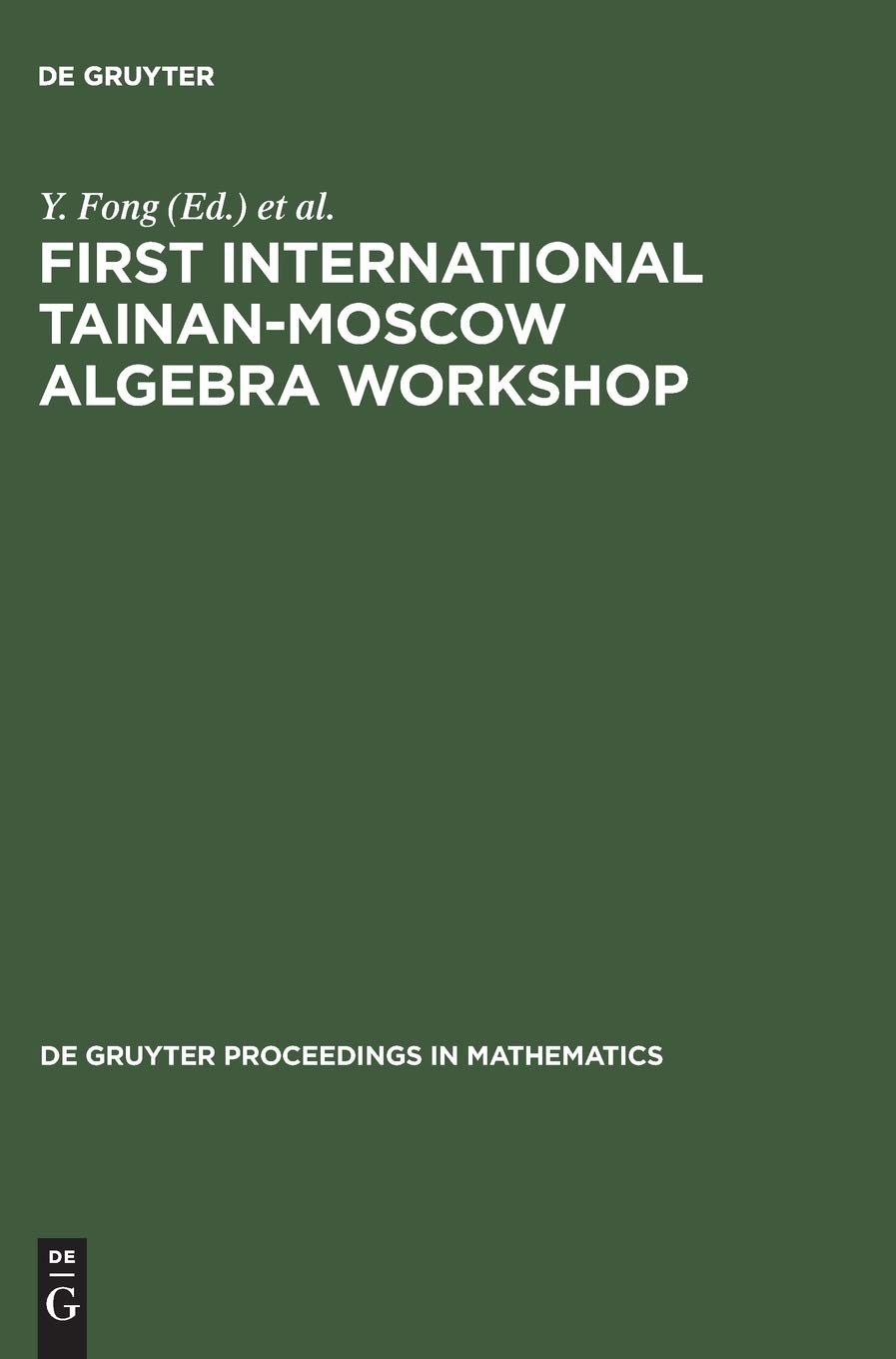
First International Tainan-Moscow Algebra Workshop: Proceedings of the International Conference held at National Cheng Kung University Tainan, Taiwan, ... 1994 (De Gruyter Proceedings in Mathematics)

Mathematics
Differential Geometry - Proceedings of the VIII International Colloquium (English, Jesus A. Alvarez Lopez | Eduardo Garcia-Rio)
Mathematics
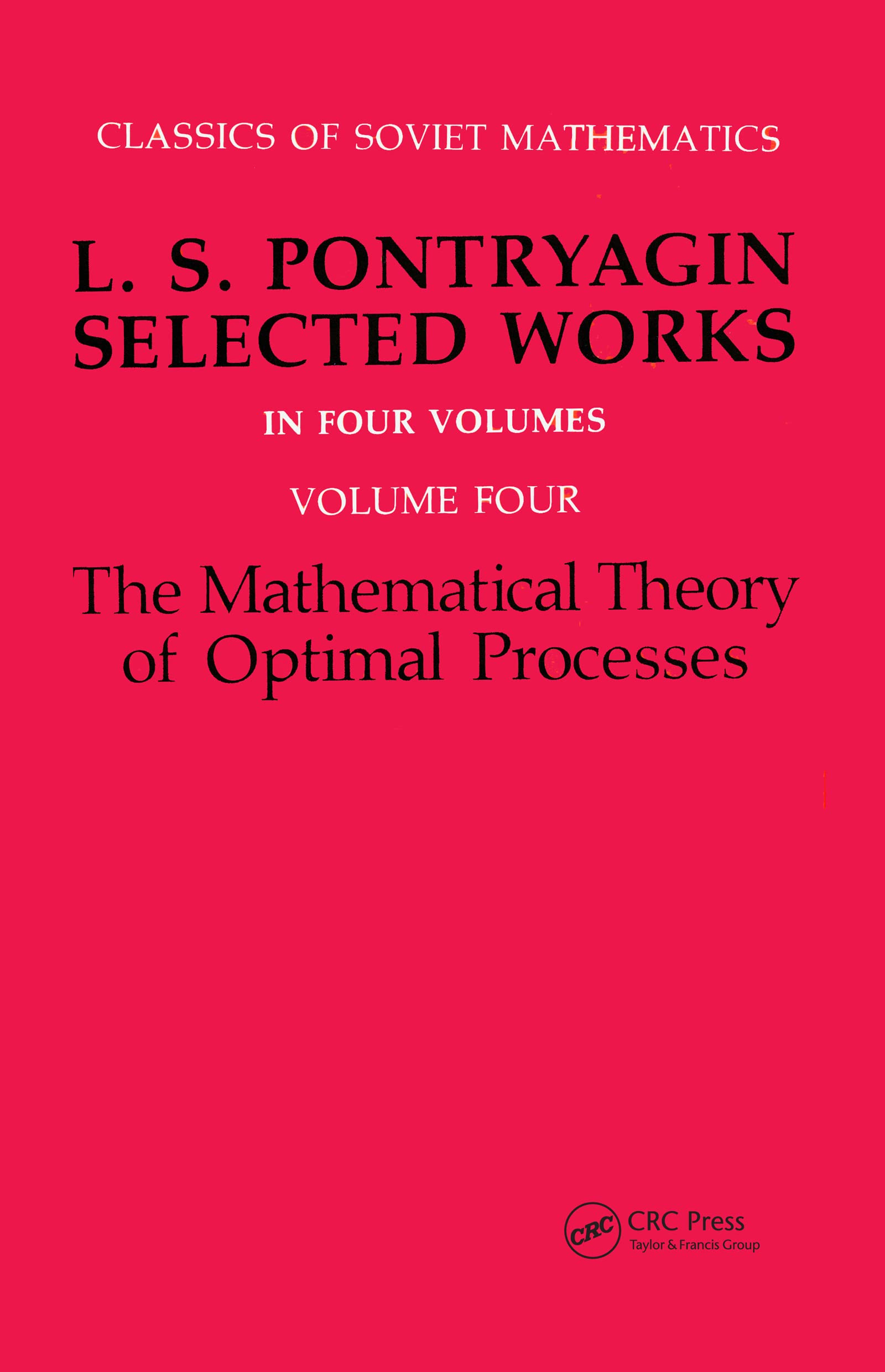
Mathematical Theory of Optimal Processes (Classics of Soviet Mathematics)
Related Products
View All
Science & Mathematics
Squid - Superconducting Quantum Interference Devices and Their Applications: Proceedings of the International Conference on Superconducting Quantum Devices, Berlin-west, October 4-8, 1976

Science & Mathematics
Thermodynamics and Pattern Formation in Biology
Science & Mathematics
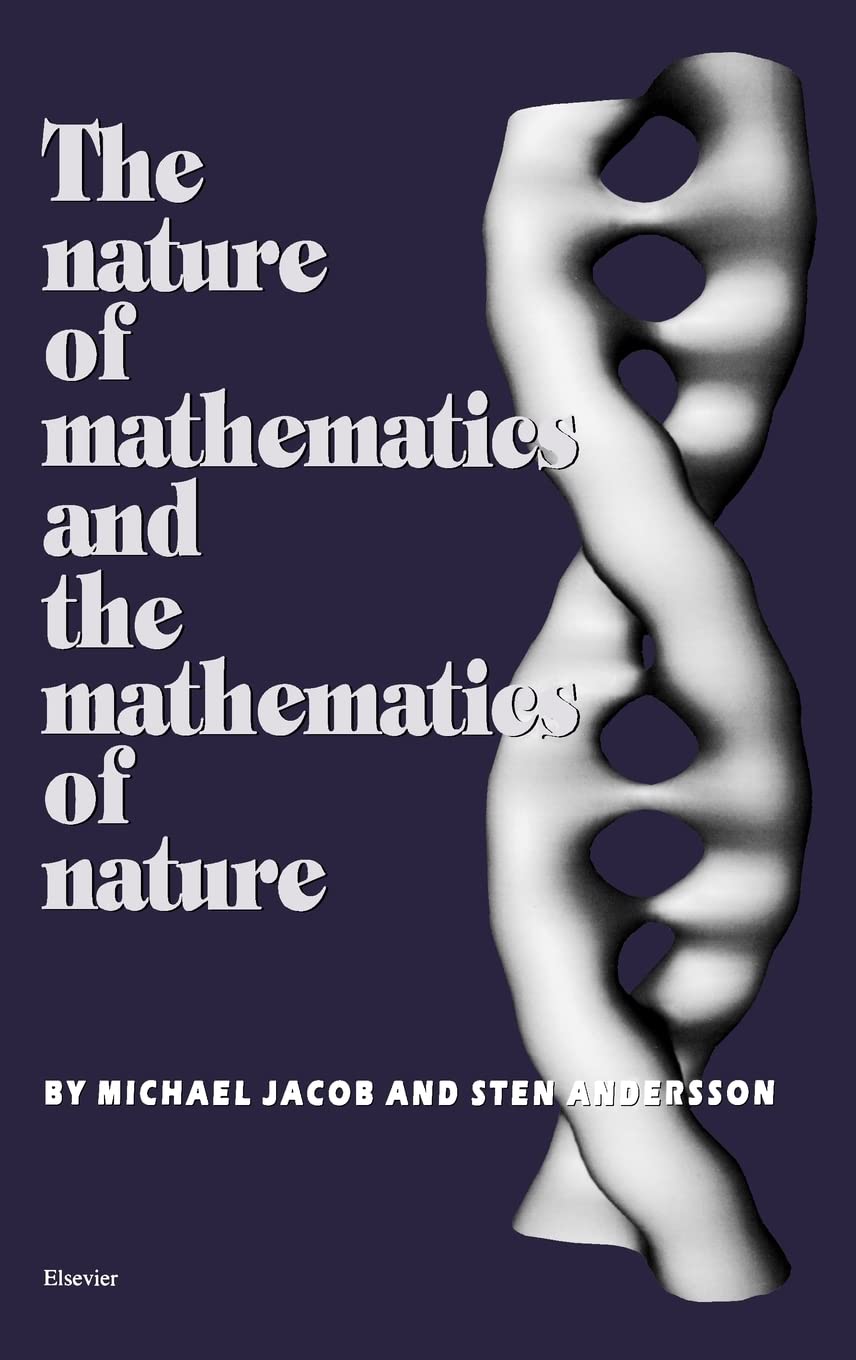
The Nature of Mathematics and the Mathematics of Nature by S. Andersson – Mathematics & Science

Science & Mathematics
Linear Algebra | by Stephen Friedberg | Arnold Insel | Lawrence Spence | Pearson | by Stephen Friedberg | Arnold Insel | Lawrence Spence | Pearson | by Stephen Friedberg | Arnold Insel | Lawrence Spence | Pearson | by Stephen Friedberg | Arnold Insel | Lawrence Spence | Pearson | by Stephen Friedberg | Arnold Insel | Lawrence Spence | Pearson | by Stephen Friedberg | Arnold Insel | Lawrence Spence | Pearson | by Stephen Friedberg | Arnold Insel | Lawrence Spence | Pearson | by Stephen Friedberg

Science & Mathematics
University Calculus | by Joel Hass | Christopher Heil | Maurice Weir | Pearson | by Joel Hass | Christopher Heil | Maurice Weir | Pearson | by Joel Hass | Christopher Heil | Maurice Weir | Pearson | by Joel Hass | Christopher Heil | Maurice Weir | Pearson | by Joel Hass | Christopher Heil | Maurice Weir | Pearson | by Joel Hass | Christopher Heil | Maurice Weir | Pearson | by Joel Hass | Christopher Heil | Maurice Weir | Pearson | by Joel Hass | Christopher Heil | Maurice Weir | Pearson | by Joe

Science & Mathematics