
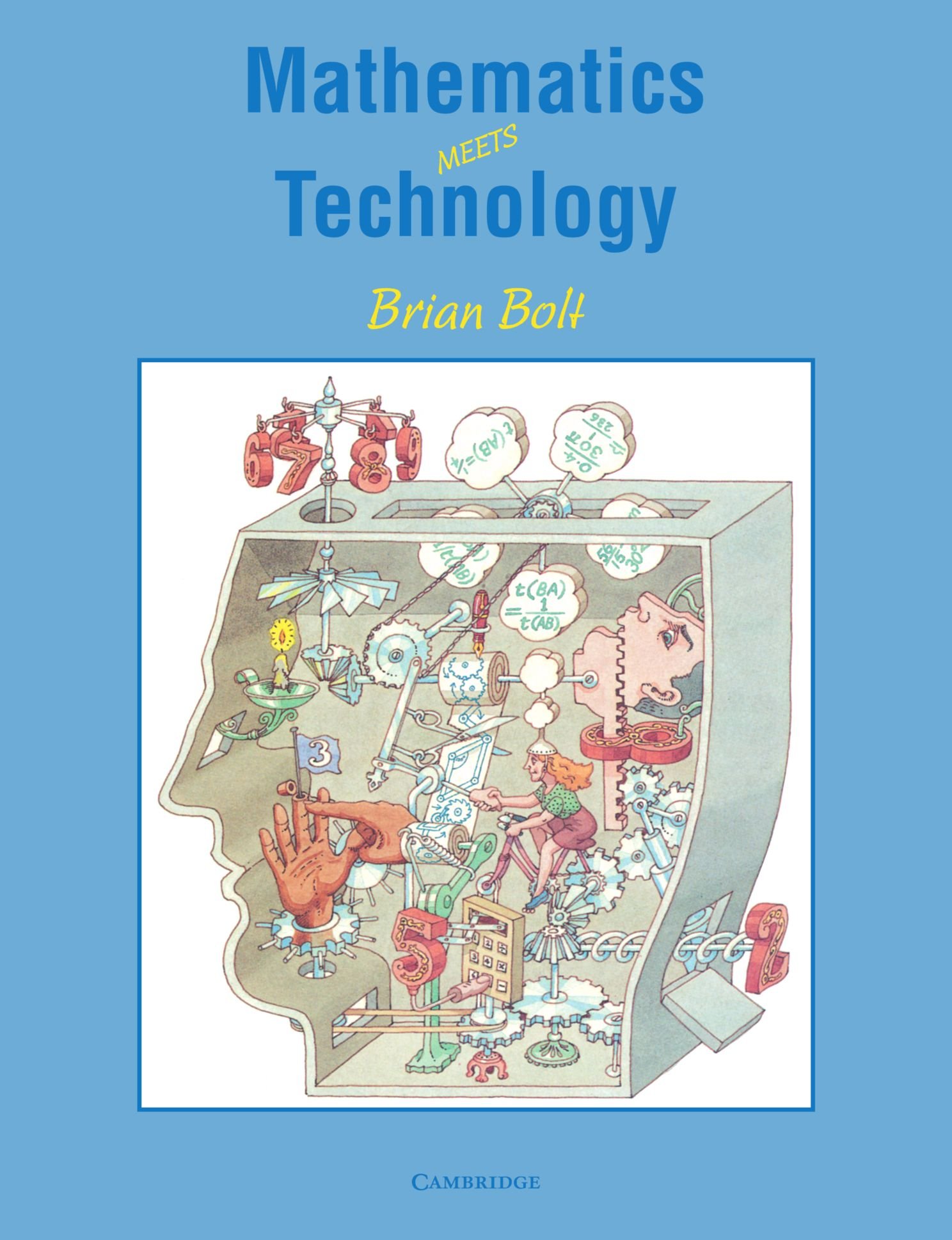
Mathematics Meets Technology: A Mathematical Journey into Mechanisms, Gears, and Engineering Design by Brian Bolt
Inclusive of all applicable taxes. FREE shipping on all orders.
Available Offers
- 🚚Free Delivery — Free shipping on all orders
- 💵Cash on Delivery — Pay when your order arrives
- ↩️15-Day Easy Returns — Hassle-free return policy
- 🔒Cash on Delivery — Pay safely when your order arrives
Check Delivery
Product Description
Introduction
Mathematics is often seen as a subject confined to textbooks and classrooms, but its true magic unfolds when it meets the tangible world of machines and movement. Mathematics Meets Technology by Brian Bolt is a rare gem that bridges the gap between abstract mathematical concepts and the mechanical devices we encounter every day. Published by the prestigious Cambridge University Press, this hardcover edition is an indispensable resource for Indian students and educators who wish to explore the hidden mathematical principles behind gears, linkages, robots, and everyday tools. Whether you are preparing for competitive exams, pursuing engineering, or simply curious about how things work, this book offers a hands-on, visual, and deeply engaging journey into the mathematics of design.
Book Overview
This is not a dry theoretical treatise; it is a lively, interactive exploration of how mathematicians and engineers think about motion, force, and structure. Brian Bolt takes readers through the design of mechanisms such as car steering systems, anglepoise lamps, bicycles, cine cameras, folding push chairs, and even robots. Each chapter encourages you to build simple models using everyday materials, making abstract ideas like gear ratios, linkages, and kinematics come alive. The book is suitable for students from GCSE level through A levels and further education courses in mathematics, technology, and engineering. For Indian readers, it aligns beautifully with the practical, application-based approach encouraged in modern curricula like the CBSE, ICSE, and state boards, as well as engineering foundation courses.
Key Highlights
- Hands-On Learning: Every chapter includes model-making activities that require only basic materials like cardboard, pins, and string.
- Real-World Examples: From car steering to folding chairs, the book reveals the mathematics behind everyday technology.
- Cross-Disciplinary Approach: Perfectly blends mathematics, design, and engineering principles.
- Clear Illustrations: Over 200 diagrams and photographs make complex mechanisms easy to understand.
- Self-Contained: No prior knowledge of mechanics is required; the book builds concepts from scratch.
Inside the Book
Open the cover and you will find a treasure trove of mechanical wonders. The book begins with simple levers and pulleys, then progresses to more complex systems like four-bar linkages, cams, and gears. Each chapter focuses on a specific mechanism, explaining its history, its mathematical basis, and how to construct a working model. You will learn how the anglepoise lamp stays balanced at any position, why a bicycle chain uses a specific gear ratio, and how a cine camera’s intermittent motion works. The final chapters delve into robotics, showing how mathematical principles guide the design of robotic arms and walking machines. Every concept is illustrated with clear, step-by-step diagrams that make even the trickiest ideas accessible.
Key Topics
- Gears and gear trains: ratios, torque, and speed
- Linkages: four-bar, slider-crank, and parallel motion
- Cams and followers: converting rotary to linear motion
- Pulleys and belts: mechanical advantage and transmission
- Steering mechanisms: Ackermann geometry and turning circles
- Folding mechanisms: for chairs, umbrellas, and strollers
- Robotic design: degrees of freedom, joints, and actuators
- Mathematical modeling: using algebra and geometry to predict motion
Reader Benefits
By working through this book, you will develop a deep intuition for how mathematics governs the physical world. You will sharpen your problem-solving skills as you design and test your own models. The hands-on approach makes learning memorable and fun, turning abstract formulas into tangible experiences. For students, this book is a powerful supplement to school mathematics and physics, providing real-world context that boosts understanding and exam performance. Teachers will find it a goldmine of classroom demonstrations and projects. Hobbyists and DIY enthusiasts will love the challenge of building working mechanisms from scratch. Ultimately, you will never look at a bicycle or a lamp the same way again.
Learning Outcomes
- Understand the mathematical principles behind common mechanical devices
- Design and build simple working models of gears, linkages, and cams
- Apply geometric and algebraic reasoning to analyze motion and force
- Recognize the role of mathematics in engineering and technology
- Develop critical thinking and creative problem-solving skills
- Gain confidence in tackling real-world design challenges
Who Should Read
This book is ideal for students in Classes 9 through 12 who are studying mathematics, physics, or engineering drawing. It is equally valuable for undergraduate students in mechanical engineering, industrial design, or robotics. Teachers and educators looking for innovative ways to bring mathematics to life will find it an invaluable resource. Hobbyists, makers, and tinkerers who enjoy building models and understanding how things work will also be captivated. In short, anyone with a curious mind and a love for both mathematics and machines will find this book a delightful and rewarding read.
About the Author
Brian Bolt is a renowned mathematics educator and author with decades of experience in making mathematics accessible and exciting. He has written numerous books that explore the connections between mathematics and the real world, including puzzles, games, and technology. His clear, engaging writing style and passion for hands-on learning have inspired countless students and teachers around the globe. In Mathematics Meets Technology, he brings his unique blend of mathematical rigor and practical creativity to the forefront, guiding readers on a journey of discovery that is both educational and entertaining.
About the Publisher
Cambridge University Press is one of the oldest and most respected academic publishers in the world, with a history dating back to 1534. Known for its commitment to excellence, the Press produces high-quality educational and research materials across all disciplines. This hardcover edition of Mathematics Meets Technology reflects Cambridge’s dedication to rigorous content, clear presentation, and enduring value. For Indian readers, Cambridge University Press books are trusted companions in academic and professional growth, offering resources that meet global standards while addressing local educational needs.
Conclusion
Mathematics Meets Technology is more than a book; it is an invitation to see the world through the eyes of a mathematician and an engineer. It transforms passive learning into active discovery, turning readers into creators. Whether you are a student striving for deeper understanding, a teacher seeking fresh ideas, or a curious mind eager to explore, this book will equip you with the knowledge and skills to appreciate the elegant mathematics hidden in every machine. Order your copy today from Bookshops.in and start building, experimenting, and learning in the most exciting way possible.
Quick Summary
Mathematics Meets Technology by Brian Bolt is a unique resource that bridges the gap between abstract mathematics and tangible mechanical design. The book takes readers on a fascinating journey through the mathematical principles underlying everyday mechanisms—from gears and linkages to car steering systems, anglepoise lamps, bicycles, cine cameras, folding push chairs, and even robots. It encourages a hands-on approach, urging readers to build models and observe mathematics in action in the world around them. Written for students at GCSE, A level, and further education levels, this book is particularly valuable for Indian learners pursuing mathematics, technology, or engineering courses. Brian Bolt, a celebrated mathematics educator, presents complex ideas in an accessible and engaging manner. The book is not just theoretical; it fosters creativity, problem-solving, and a deeper appreciation for the role of mathematics in technology. Published by Cambridge University Press, this hardcover edition is a durable addition to any student or enthusiast's library. By choosing Bookshops.in, Indian readers gain access to authentic imported titles with fast delivery and excellent customer service, making it the ideal place to purchase this timeless educational classic.
Book Highlights
Book Specifications
| ISBN-13 | 9780521376921 |
| ISBN-10 | 0521376920 |
| Publisher | Cambridge University Press |
| Language | English |
| Dimensions | 18.9 x 1.24 x 24.61 cm |
| Weight | 428 g |
| Country | India |
| Category | Mechanical Engineering › Machinery |
| Genre | Educational |
| Reading Age | 14+ |
| Original Language | English |
Frequently Asked Questions
What is Mathematics Meets Technology about?
Who is the author of this book?
Is this book suitable for Indian students?
What age group is this book for?
Does the book include practical projects?
What topics are covered in the book?
Is this book a textbook or a reference?
Can teachers use this book in classrooms?
Is the book available in hardcover?
Does the book require prior math knowledge?
Why should I buy from Bookshops.in?
Is this book useful for engineering students?
Does the book cover modern robotics?
Readers Also Search For
Customers Also Bought
Mathematics
Stereotype Spaces and Algebras: 73 (De Gruyter Expositions in Mathematics, 73)
Mathematics
Semigroups in Algebra, Geometry and Analysis: 20 (De Gruyter Expositions in Mathematics, 20)
Mathematics
Geometry from the Pacific Rim: Proceedings of the Pacific Rim Geometry Conference held at National University of Singapore, Republic of Singapore, ... 1994 (De Gruyter Proceedings in Mathematics)
Mathematics
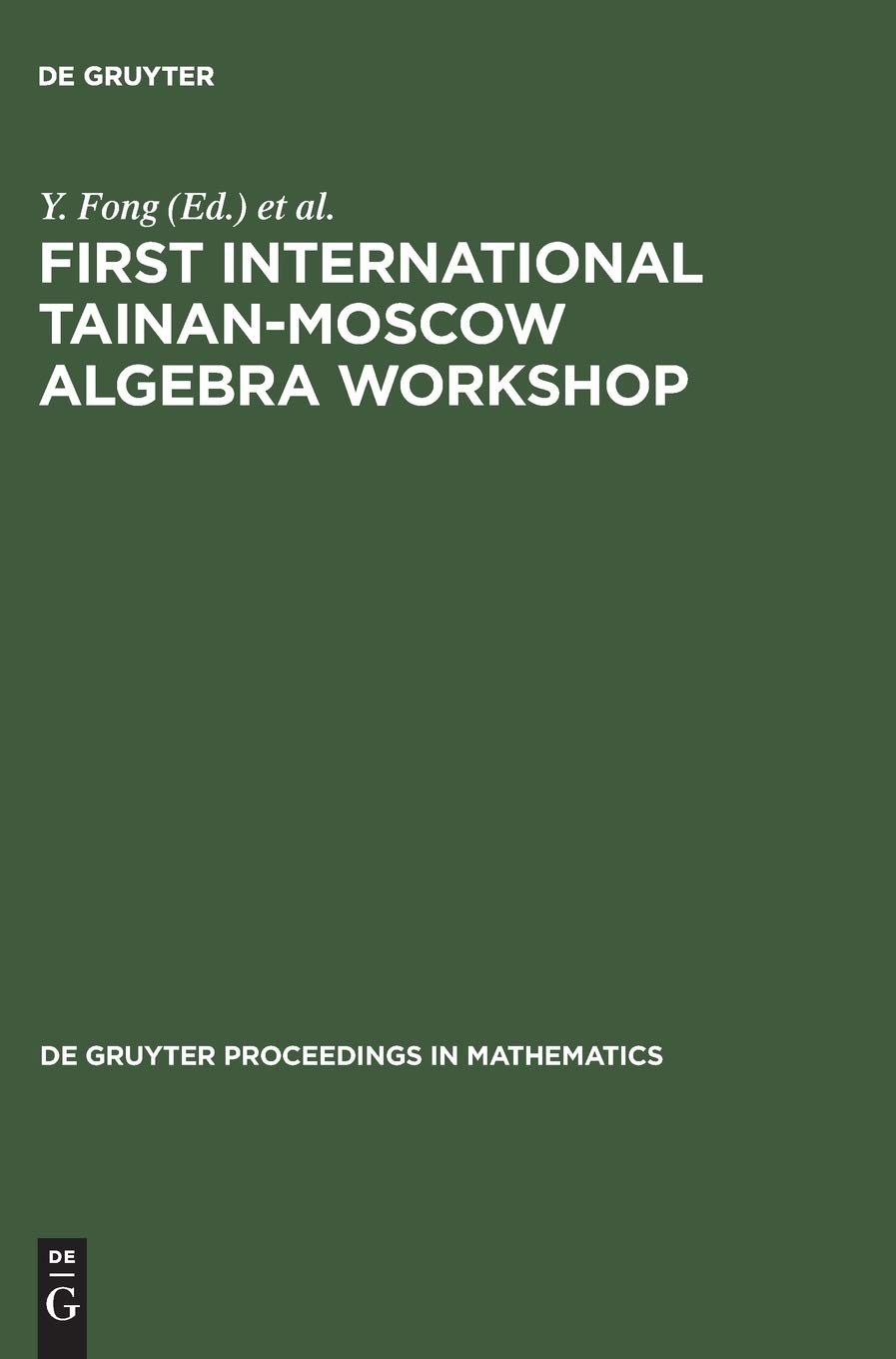
First International Tainan-Moscow Algebra Workshop: Proceedings of the International Conference held at National Cheng Kung University Tainan, Taiwan, ... 1994 (De Gruyter Proceedings in Mathematics)
Mathematics
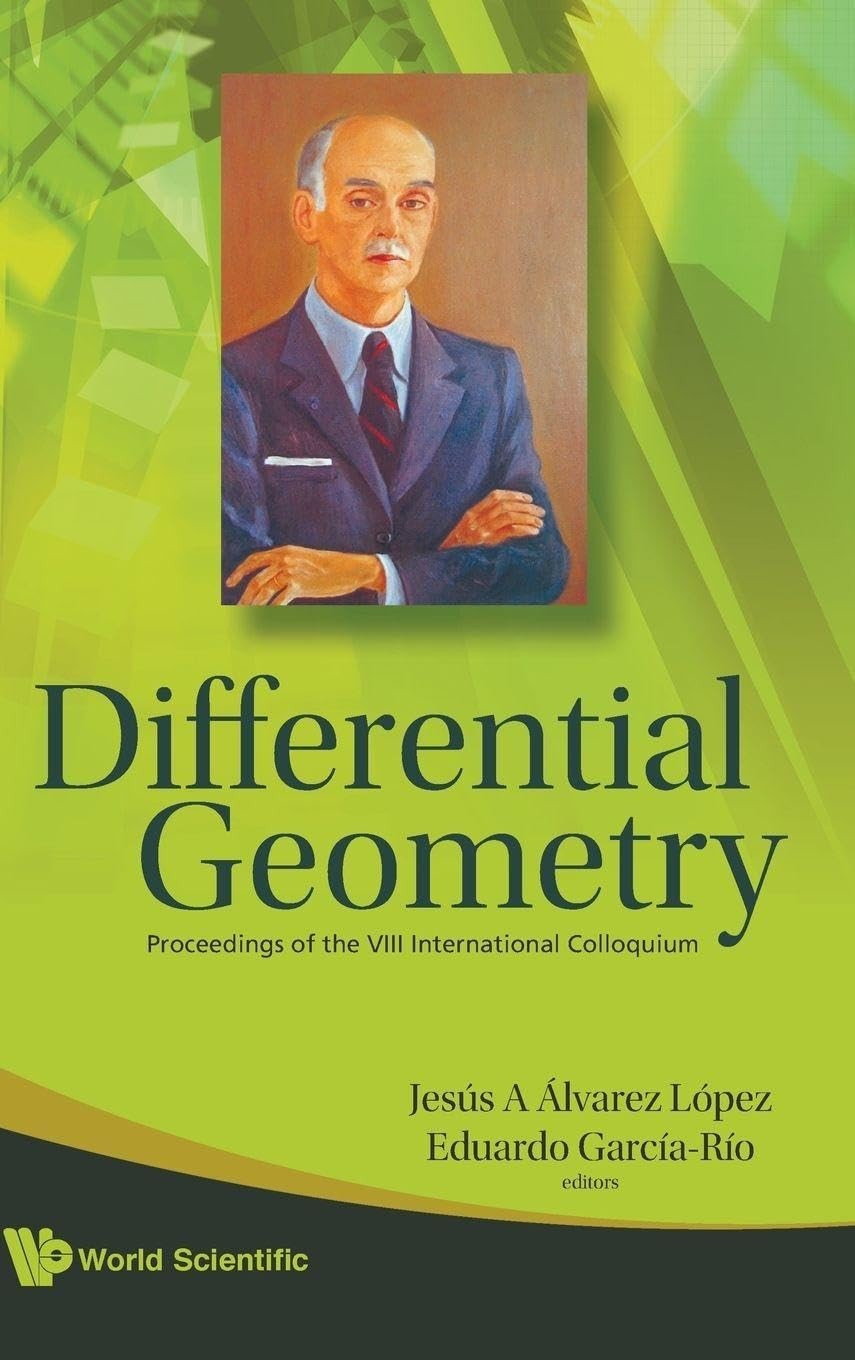
Differential Geometry - Proceedings of the VIII International Colloquium (English, Jesus A. Alvarez Lopez | Eduardo Garcia-Rio)
Mathematics
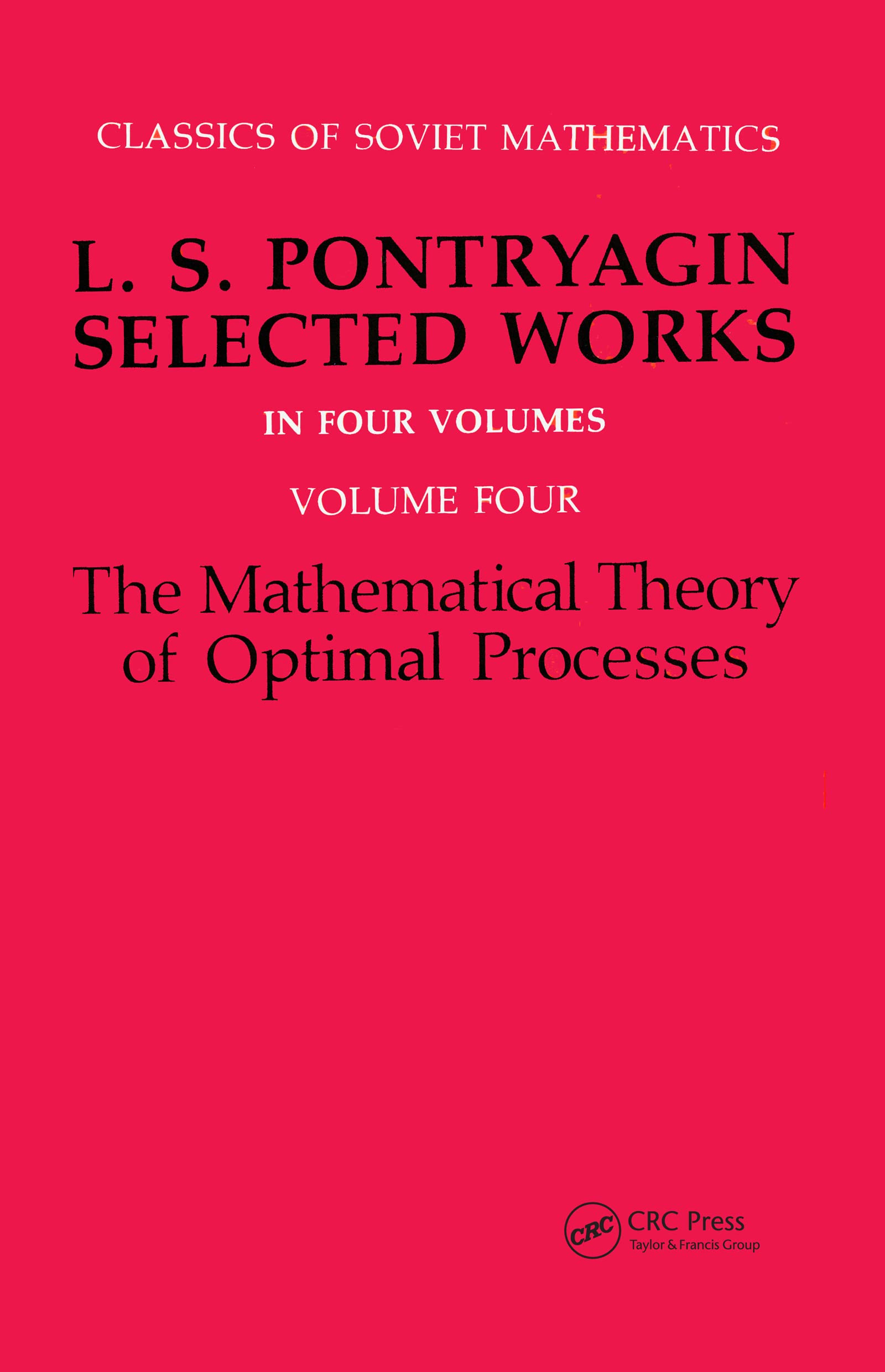
Mathematical Theory of Optimal Processes (Classics of Soviet Mathematics)
Related Products
View All
Science & Mathematics
Elements of Pelagos Biology: With Focus on the Mediterranean Sea

Science & Mathematics
Squid - Superconducting Quantum Interference Devices and Their Applications: Proceedings of the International Conference on Superconducting Quantum Devices, Berlin-west, October 4-8, 1976

Science & Mathematics
Thermodynamics and Pattern Formation in Biology
Science & Mathematics
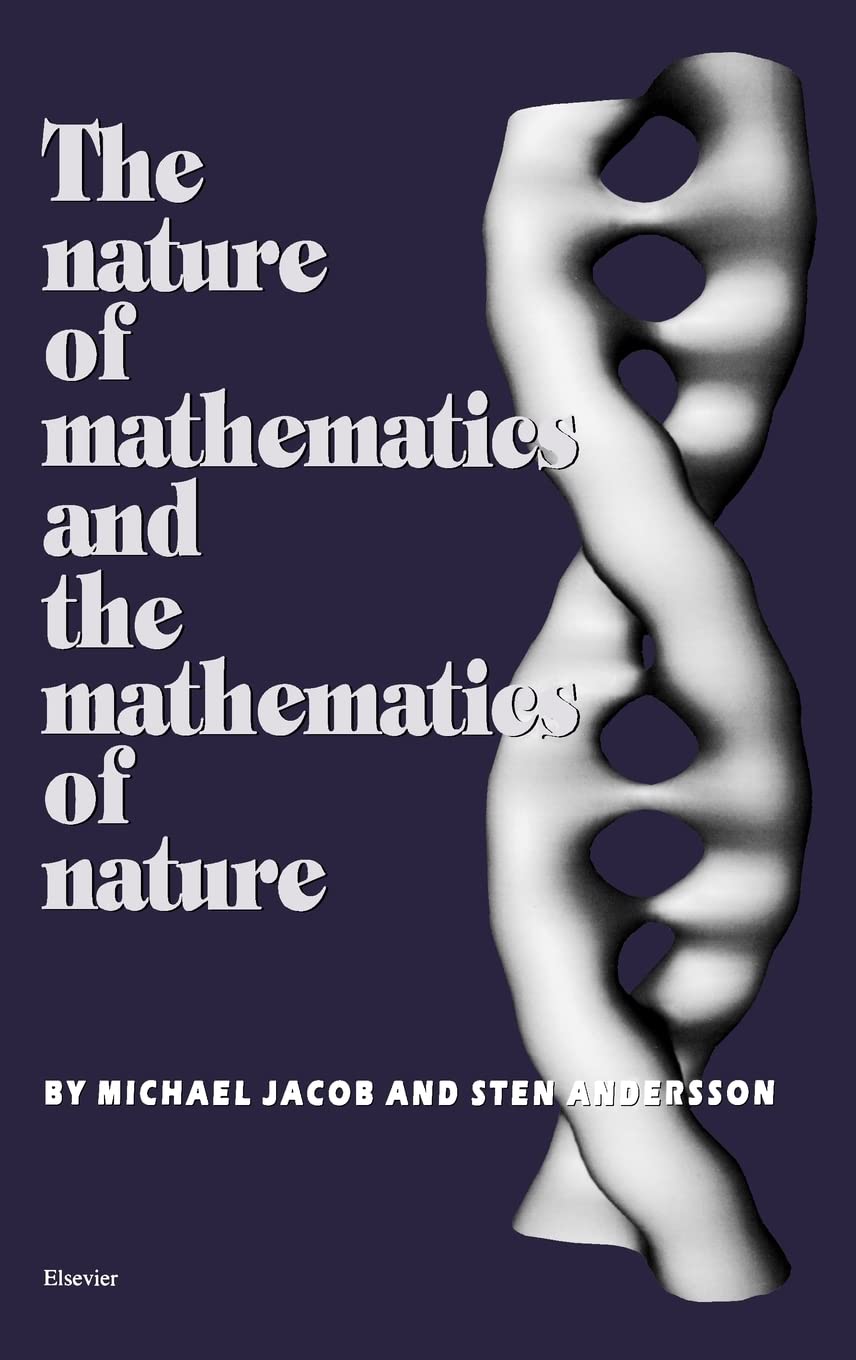
The Nature of Mathematics and the Mathematics of Nature by S. Andersson – Mathematics & Science

Science & Mathematics
Linear Algebra | by Stephen Friedberg | Arnold Insel | Lawrence Spence | Pearson | by Stephen Friedberg | Arnold Insel | Lawrence Spence | Pearson | by Stephen Friedberg | Arnold Insel | Lawrence Spence | Pearson | by Stephen Friedberg | Arnold Insel | Lawrence Spence | Pearson | by Stephen Friedberg | Arnold Insel | Lawrence Spence | Pearson | by Stephen Friedberg | Arnold Insel | Lawrence Spence | Pearson | by Stephen Friedberg | Arnold Insel | Lawrence Spence | Pearson | by Stephen Friedberg
Science & Mathematics