
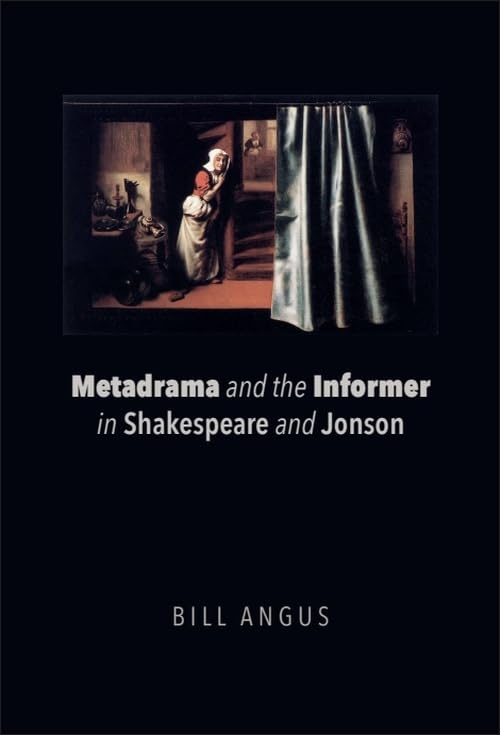
Metadrama and the Informer in Shakespeare and Jonson by Bill Angus – Uncovering the Shadowy Figure of the Informer in Ea
Inclusive of all applicable taxes. FREE shipping on all orders.
Available Offers
- 🚚Free Delivery — Free shipping on all orders
- 💵Cash on Delivery — Pay when your order arrives
- ↩️15-Day Easy Returns — Hassle-free return policy
- 🔒Cash on Delivery — Pay safely when your order arrives
Check Delivery
Product Description
Introduction
What happens when a playwright turns the mirror on his own craft, revealing the unsettling ties between storytelling and surveillance? In Metadrama and the Informer in Shakespeare and Jonson, Bill Angus dives deep into the shadowy world of early modern drama, where characters eavesdrop, spy, and report back—much like the real-life informers who haunted Elizabethan and Jacobean society. This book is not just for literature scholars; it is for anyone fascinated by the hidden mechanics of power, paranoia, and performance in the works of two of England's greatest dramatists.
Book Overview
Published by Edinburgh University Press and available in a sturdy hardcover edition, this volume explores the provocative connection between the figure of the informer and the phenomenon of metadrama—plays within plays, soliloquies that break the fourth wall, and moments where characters observe or overhear one another. Angus argues that these theatrical devices are far more than artistic flourishes; they reveal a deep unease about authorship itself. By examining plays like Hamlet, Measure for Measure, Volpone, and The Alchemist, the book shows how Shakespeare and Jonson used metadrama to comment on the informer's role in society—and, in doing so, exposed their own complicity in systems of surveillance and control.
Key Highlights
- Original Thesis: Links the early modern informer—a spy, a tattler, a secret witness—to the very act of playwriting itself.
- Close Readings: Detailed analysis of key metadramatic moments in Shakespeare and Jonson, from inner-plays to staged eavesdropping.
- Historical Context: Situates the drama within the paranoid world of Elizabethan and Jacobean England, where informers were both feared and employed by the state.
- Interdisciplinary Approach: Blends literary criticism, theatre history, and cultural studies to offer a fresh perspective on canonical texts.
Story Themes
At its heart, this book grapples with themes of surveillance and suspicion. The informer is a figure who watches, listens, and reports—often for personal gain or political favour. Angus shows how Shakespeare and Jonson turned this figure into a dramatic device, using it to explore questions of trust, loyalty, and identity. Another central theme is the nature of authorship: if playwrights, like informers, are constantly observing and reporting on human behaviour, then what separates the artist from the spy? The book also delves into paranoia and self-awareness, arguing that metadrama is most powerful when it forces both characters and audiences to question what is real and what is staged.
Reader Benefits
For students of English literature, this book offers a fresh analytical framework that can be applied to essays, dissertations, and classroom discussions. For theatre enthusiasts, it provides a deeper appreciation of the cleverness behind plays-within-plays and other meta-theatrical tricks. For history buffs, it paints a vivid picture of the informer's role in early modern society—a role that resonates with contemporary debates about privacy and surveillance. And for general readers, it unlocks hidden layers of meaning in some of the most famous plays ever written.
Who Should Read
- Undergraduate and postgraduate students of English literature, especially those studying Shakespeare, Jonson, or Renaissance drama.
- Teachers and professors looking for innovative ways to teach canonical texts.
- Theatre practitioners interested in the theory and history of metadrama.
- Anyone curious about the intersection of art, power, and secrecy in the early modern period.
About the Author
Bill Angus is a scholar of early modern literature and drama, with a particular focus on the cultural and political contexts of Renaissance theatre. His research often explores how plays reflect and critique the anxieties of their time, from surveillance to state control. Angus brings a sharp, analytical eye to well-known texts, uncovering connections that have long been overlooked. He is known for his accessible yet rigorous writing style, making complex ideas understandable without sacrificing depth.
About the Publisher
Edinburgh University Press is a prestigious academic publisher based in Scotland, renowned for its high-quality books in the humanities and social sciences. With a strong focus on literary studies, history, and cultural theory, the press has a long tradition of publishing groundbreaking research. This hardcover edition reflects their commitment to durable, beautifully produced books that will last for years on any scholar's shelf.
Conclusion
Metadrama and the Informer in Shakespeare and Jonson is a compelling read that transforms how we understand the plays of two literary giants. By revealing the unsettling kinship between playwright and informer, Bill Angus opens up new conversations about authorship, observation, and the theatre of power. Whether you are a student, teacher, or lifelong learner, this book will change the way you see the stage—and the world beyond it. Order your copy from Bookshops.in today and add this essential work to your collection.
Quick Summary
Metadrama and the Informer in Shakespeare and Jonson by Bill Angus is a groundbreaking academic work that explores the unsettling parallels between playwrights and informers in early modern drama. Focusing on the metadramatic devices—such as inner-plays, secret overhearing, and tacit observation—that Shakespeare and Jonson repeatedly employed, the book argues that these techniques are far more than artistic experimentation. They reveal a deep, intrinsic connection between the act of authorship and the shadowy figure of the informer, both of whom shape perception and control information. Through detailed case studies, Angus demonstrates how this complicity drives the self-awareness and paranoia that characterise many of these plays. This book is ideal for Indian students and researchers of English literature, particularly those studying Renaissance drama, literary theory, or the history of surveillance. Readers will gain fresh insights into how drama reflects on its own nature and the social anxieties of its time. By purchasing from Bookshops.in, you support a trusted Indian bookstore that offers genuine imported editions with prompt delivery and excellent customer service.
Book Highlights
Book Specifications
| ISBN-13 | 9781474415118 |
| ISBN-10 | 1474415113 |
| Publisher | Edinburgh Univ Pr |
| Language | English |
| Dimensions | 15.88 x 1.27 x 23.5 cm |
| Weight | 472 g |
| Category | Literature › English Literature |
| Genre | Literary Criticism |
| Original Language | English |
Frequently Asked Questions
What is the main focus of this book?
Who is the author of Metadrama and the Informer?
Is this book suitable for undergraduate students?
Does the book cover both Shakespeare and Jonson equally?
What are metadramatic devices?
How does this book differ from other Shakespeare criticism?
Is the book only for academic readers?
What is the ISBN?
Is this a hardcover edition?
Can I use this book for my PhD research?
Does the book include historical context?
Are there any reviews available?
Where can I buy this book in India?
Readers Also Search For
Customers Also Bought
Contemporary Fiction
Stepladder Junction and Other Stories

Contemporary Fiction
Fabrications by Pamela Painter – Short Story Collection

Contemporary Fiction
The Double Life of an Alaskan Sled Dog (English, Andrea Finney Aufder Heyde)

Contemporary Fiction
The Alabaster Girl by Zan Perrion

Contemporary Fiction
Grimm and Grimmer: Classic Fairy Tales Rebooted by Mark Russell
Classic Literature
The Prose Works of Andrew Marvell: 1676-1678 by Andrew Marvell – Restoration Literature
Related Products
View All
Literature & Fiction
Shakespeare, Madness, and Music: Scoring Insanity in Cinematic Adaptations
Literature & Fiction
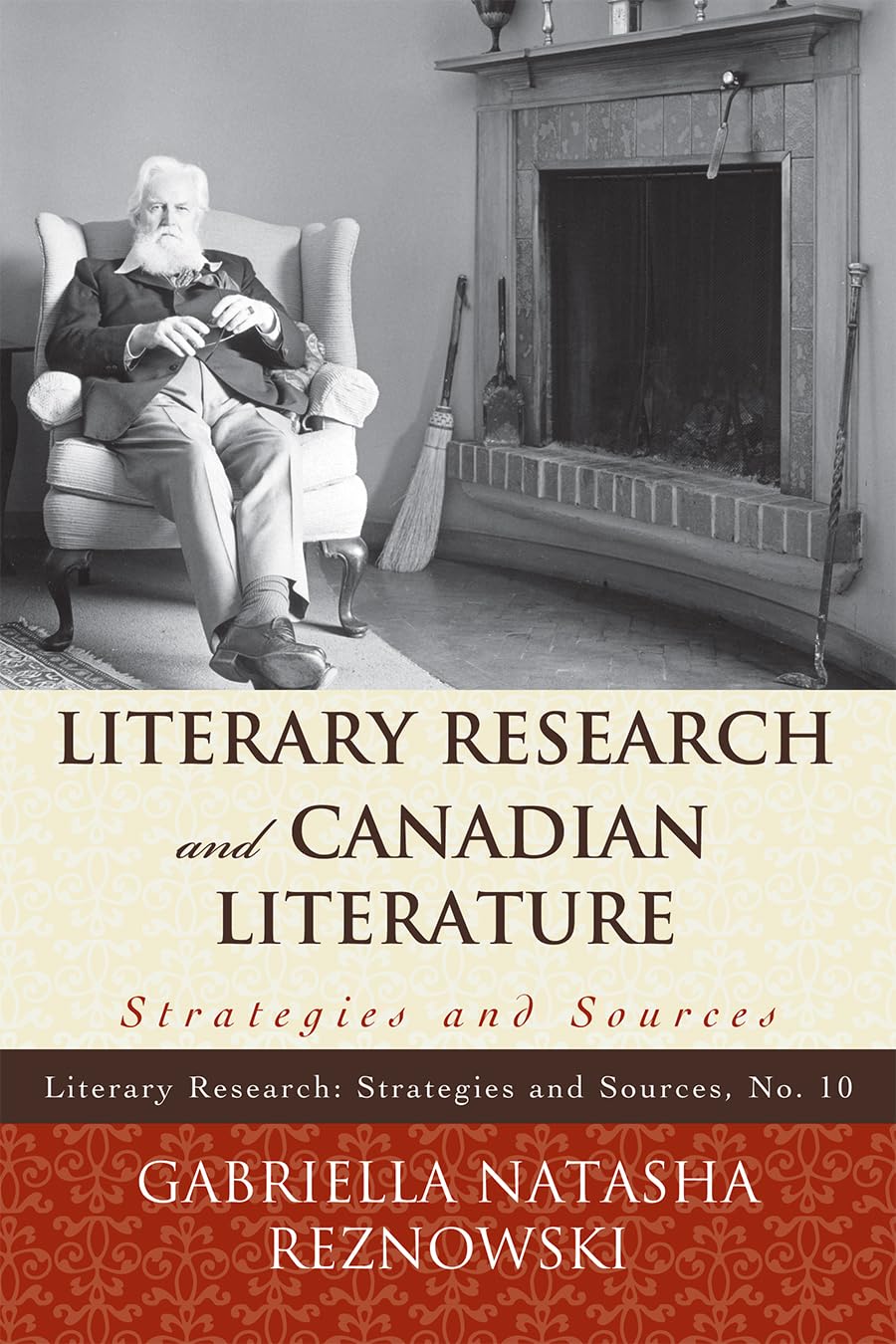
Literary Research and Canadian Literature: Strategies and Sources: 10 (Literary Research: Strategies and Sources, 10)

Literature & Fiction
Crime Fiction and National Identities in the Global Age | by Julie H. Kim | McFarland & Company | by Julie H. Kim | McFarland & Company | by Julie H. Kim | McFarland & Company | by Julie H. Kim | McFarland & Company | by Julie H. Kim | McFarland & Company | by Julie H. Kim | McFarland & Company | by Julie H. Kim | McFarland & Company | by Julie H. Kim | McFarland & Company | by Julie H. Kim | McFarland & Company | by Julie H. Kim | McFarland & Company | by
Literature & Fiction
Greek Literature in the Classical Period: The Poetics of Drama in Athens: 4 (Greek Literature Vol. 4)
Literature & Fiction
Greek Literature and Philosophy (Greek Literature, Volume 6)
Literature & Fiction