

Metaphor and the Slave Trade in West African Literature: Uncovering Hidden Traces of Transatlantic Slavery Through Afric
Inclusive of all applicable taxes. FREE shipping on all orders.
Available Offers
- 🚚Free Delivery — Free shipping on all orders
- 💵Cash on Delivery — Pay when your order arrives
- ↩️15-Day Easy Returns — Hassle-free return policy
- 🔒Cash on Delivery — Pay safely when your order arrives
Check Delivery
Product Description
Introduction
In the vast tapestry of West African literature, the echoes of the transatlantic slave trade are not always spoken in plain words. Instead, they linger in the shadows of metaphor—in images, tropes, and whispered fears that carry the weight of centuries. Laura T. Murphy's Metaphor and the Slave Trade in West African Literature is a groundbreaking exploration of how these coded expressions preserve the trauma, loss, and resilience of a people. For Indian readers and students of postcolonial studies, this book offers a profound lens through which to understand how memory survives even when history is silenced. Published by Ohio University Press, this hardcover volume is an essential addition to any serious literary collection.
Book Overview
This meticulously researched work delves into the hidden but unmistakable traces of the slave trade that persist in West African discourse. Murphy examines a rich array of canonical fiction, autobiography, drama, and poetry from the region, revealing how metaphors of captivity, voyage, and loss are woven into the very fabric of storytelling. The book argues that these figurative languages serve as a vital archive—a way for generations to communicate the unspeakable horrors of slavery without direct narration. By analyzing the unique codes through which West Africans have represented this history, Murphy foregrounds African literary contributions to global Black Atlantic discourse. The study is both a literary analysis and a cultural excavation, showing how repressed memories are transmitted through images and rumors, shaping identity and resistance across time.
Key Highlights
- Original Metaphor Analysis: Unpacks the symbolic language of slavery in West African texts, from the 'door of no return' to the 'middle passage' as a recurring trope.
- Interdisciplinary Approach: Bridges literary criticism, memory studies, and postcolonial theory, making it relevant for scholars across disciplines.
- Canonical and Marginal Voices: Covers works by renowned authors like Chinua Achebe, Ayi Kwei Armah, and Wole Soyinka, alongside lesser-known writers.
- Focus on Oral Tradition: Explores how proverbs, folk tales, and rumors encode historical trauma in everyday speech.
- Archival Power of Metaphor: Demonstrates how figurative language becomes a repository for histories that official records often ignore.
Story Themes
At its heart, this book grapples with the tension between memory and forgetting. The central theme is the persistence of trauma—how the slave trade’s psychological and cultural wounds are passed down through generations, not as direct narratives but as symbolic echoes. Murphy explores themes of loss and displacement, the fragmentation of identity, and the search for wholeness in a world shattered by violence. The metaphor of the 'ship' recurs as a vessel of both death and transformation, while the 'chain' symbolizes bondage that extends beyond the physical into the psychological. Another key theme is resistance and resilience: how West African writers use metaphor to reclaim agency, turning the language of oppression into a tool for liberation. The book also examines the role of rumor and gossip as unofficial archives of history, showing how marginalized communities preserve their truths through coded speech.
Reader Benefits
- Deepen Your Literary Understanding: Gain new insights into classic West African texts by understanding the hidden metaphors that shape their meaning.
- Enhance Your Critical Thinking: Learn to read between the lines of literature, identifying how trauma and memory are encoded in language.
- Broaden Your Global Perspective: Connect the dots between African history and contemporary postcolonial studies, with relevance to India’s own colonial past.
- Accessible Scholarship: Written in clear, engaging prose, this book is suitable for both academic study and personal enrichment.
- Research Resource: An invaluable tool for students writing dissertations or papers on slavery, memory, or African literature.
Who Should Read
This book is ideal for students and scholars of literature, postcolonial studies, African history, and cultural memory. It is also highly recommended for Indian readers interested in comparative trauma studies—for example, those exploring how Indian literature deals with the legacy of colonialism or indentured labour. Writers, poets, and storytellers will find inspiration in Murphy’s analysis of how metaphor can bear the weight of history. Additionally, general readers with a passion for African literature and global history will appreciate the book’s accessible yet rigorous approach. If you have ever wondered how a culture speaks about unspeakable pain, this book is for you.
About the Author
Laura T. Murphy is a distinguished scholar of postcolonial and African literatures. She has held academic positions at leading universities and is known for her work on human rights, testimony, and the literary representation of trauma. Her research focuses on how marginalized communities use narrative to resist oppression and preserve their histories. In this book, she brings her deep expertise in West African cultures and literary theory to illuminate the often-invisible legacies of the slave trade. Murphy’s writing is both intellectually rigorous and deeply humane, making complex ideas accessible without sacrificing depth.
About the Publisher
Ohio University Press is a respected academic publisher known for its commitment to advancing knowledge in the humanities and social sciences. With a strong focus on African studies, the press has published numerous works that challenge conventional narratives and amplify underrepresented voices. This hardcover edition is produced to the highest standards, ensuring durability for years of study and reference. The press’s dedication to scholarly excellence makes this book a trusted resource for libraries, universities, and serious readers worldwide.
Conclusion
Metaphor and the Slave Trade in West African Literature is more than a literary study—it is a key to unlocking the hidden archives of a continent’s memory. Laura T. Murphy’s brilliant analysis reveals how the most profound truths are often spoken in the language of metaphor, carrying the pain and resilience of generations. For Indian readers, this book offers a powerful parallel to our own histories of trauma and survival, reminding us that literature can be a vessel for healing. Whether you are a student, a scholar, or a curious reader, this hardcover volume from Ohio University Press deserves a place on your shelf. Order your copy today from Bookshops.in and embark on a journey through the metaphors that shape our understanding of the past.
Quick Summary
Metaphor and the Slave Trade in West African Literature by Laura T. Murphy is a groundbreaking scholarly work that uncovers the hidden but unmistakable traces of the transatlantic slave trade in West African literary discourse. Through a meticulous analysis of metaphors, tropes, and figurative language in canonical fiction, autobiography, drama, and poetry, Murphy demonstrates how the trauma, loss, and suffering associated with the commerce in human lives are communicated from generation to generation. The book explores the intricate relationship between memory and metaphor, emphasizing how repressed or marginalized memories can be transmitted through images, rumors, and collective fears. By decoding the unique literary codes through which West Africans have represented the slave trade, this study foregrounds African perspectives and offers fresh interpretations of major texts. This book is essential for students and scholars of African literature, postcolonial studies, memory studies, and trauma theory. Readers will gain a deeper understanding of how literature functions as a vessel for historical memory and cultural healing. Buy your copy from Bookshops.in, India’s trusted source for academic and literary books, and enrich your library with this insightful analysis.
Book Highlights
Book Specifications
| ISBN-13 | 9780821419953 |
| ISBN-10 | 0821419951 |
| Publisher | Ohio University Press |
| Language | English |
| Dimensions | 15.24 x 2.29 x 22.86 cm |
| Weight | 394 g |
| Country | India |
| Category | World Literature › African & Middle Eastern |
| Genre | Literary Criticism |
| Reading Age | Adult |
| Original Language | English |
Frequently Asked Questions
What is Metaphor and the Slave Trade in West African Literature about?
Who is the author Laura T. Murphy?
Which literary works are analyzed in this book?
Is this book suitable for undergraduate students?
Does the book focus only on the slave trade?
What theoretical frameworks does the author use?
How is this book different from other studies on African literature?
What is the language of the book?
Who is the publisher?
What is the ISBN-13 of this book?
What is the price of the book in India?
Where can I buy this book in India?
Readers Also Search For
Customers Also Bought
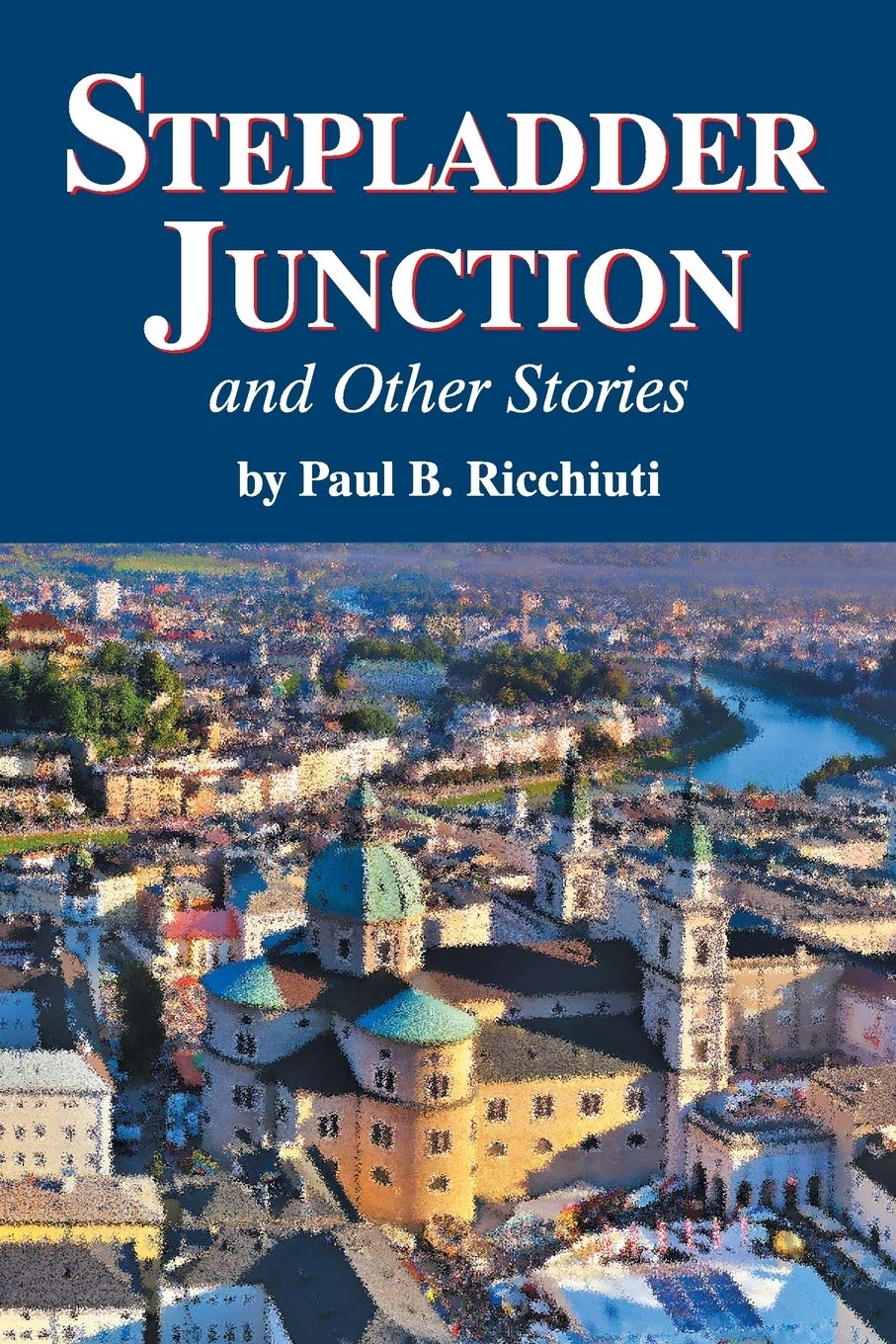
Contemporary Fiction
Stepladder Junction and Other Stories

Contemporary Fiction
Fabrications by Pamela Painter – Short Story Collection

Contemporary Fiction
The Double Life of an Alaskan Sled Dog (English, Andrea Finney Aufder Heyde)

Contemporary Fiction
The Alabaster Girl by Zan Perrion

Contemporary Fiction
Grimm and Grimmer: Classic Fairy Tales Rebooted by Mark Russell
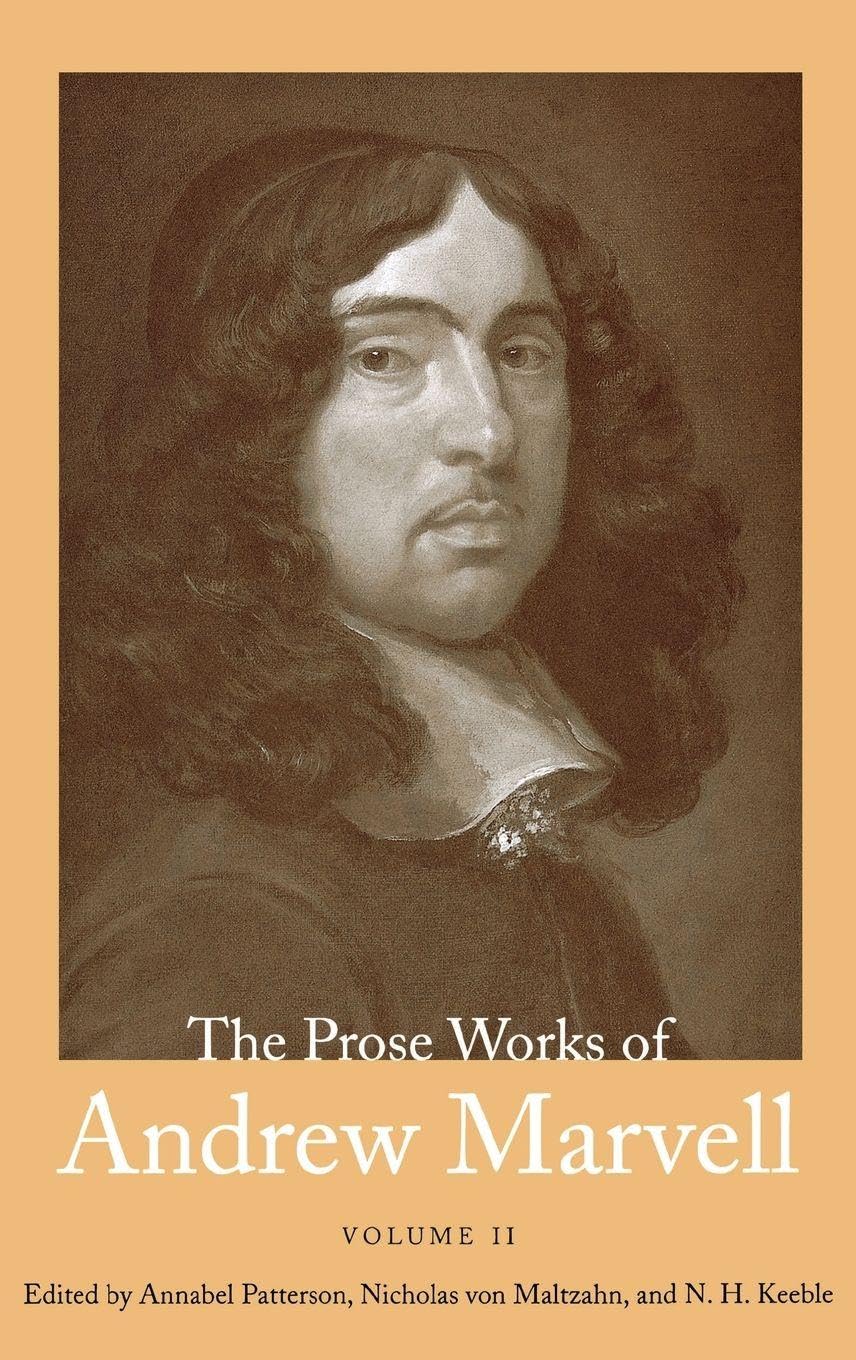
Classic Literature
The Prose Works of Andrew Marvell: 1676-1678 by Andrew Marvell – Restoration Literature
Related Products
View All
Literature & Fiction
Shakespeare, Madness, and Music: Scoring Insanity in Cinematic Adaptations

Literature & Fiction
Literary Research and Canadian Literature: Strategies and Sources: 10 (Literary Research: Strategies and Sources, 10)

Literature & Fiction
Crime Fiction and National Identities in the Global Age | by Julie H. Kim | McFarland & Company | by Julie H. Kim | McFarland & Company | by Julie H. Kim | McFarland & Company | by Julie H. Kim | McFarland & Company | by Julie H. Kim | McFarland & Company | by Julie H. Kim | McFarland & Company | by Julie H. Kim | McFarland & Company | by Julie H. Kim | McFarland & Company | by Julie H. Kim | McFarland & Company | by Julie H. Kim | McFarland & Company | by
Literature & Fiction
Greek Literature in the Classical Period: The Poetics of Drama in Athens: 4 (Greek Literature Vol. 4)
Literature & Fiction
Greek Literature and Philosophy (Greek Literature, Volume 6)
Literature & Fiction