
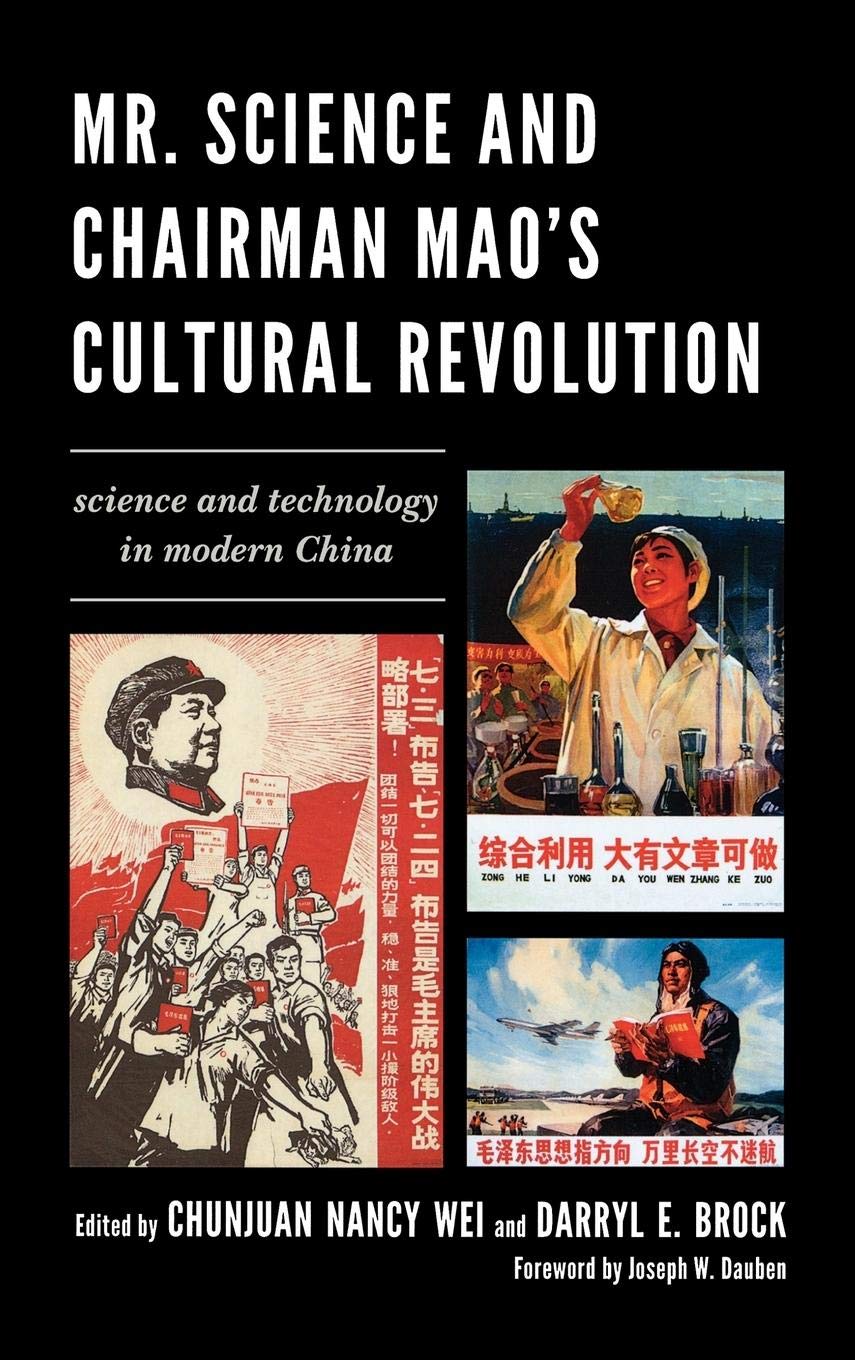
Mr. Science and Chairman Mao's Cultural Revolution: Science and Technology in Modern China by Chunjuan Nancy Wei
Inclusive of all applicable taxes. FREE shipping on all orders.
Available Offers
- 🚚Free Delivery — Free shipping on all orders
- 💵Cash on Delivery — Pay when your order arrives
- ↩️15-Day Easy Returns — Hassle-free return policy
- 🔒Cash on Delivery — Pay safely when your order arrives
Check Delivery
Product Description
Introduction
In an era when China is racing ahead as a global leader in space exploration, artificial intelligence, and high-speed rail, the question of how this scientific powerhouse emerged from its turbulent past becomes ever more compelling. Mr. Science and Chairman Mao's Cultural Revolution: Science and Technology in Modern China by Chunjuan Nancy Wei offers a daring and nuanced exploration of the very period many have dismissed as an unmitigated disaster—the Great Proletarian Cultural Revolution. This hardcover volume challenges conventional narratives and invites readers to re-examine the complex interplay between ideology, mass mobilization, and scientific progress in modern China. For Indian students, scholars, and policy enthusiasts, this book provides a critical lens to understand how a nation can simultaneously endure political upheaval and lay the groundwork for technological supremacy.
Book Overview
This meticulously researched work assembles a rich tapestry of essays and analyses that delve into the fortunes and misfortunes of science, technology, and medicine during Mao Zedong's Cultural Revolution. Rather than accepting the widespread verdict of total failure, the book presents a balanced investigation into the period's unique experiments—such as mass science, barefoot doctors, and grassroots innovation—that sought to democratize knowledge and break down the barriers between elite scientists and ordinary citizens. Wei and her contributors trace the roots of China's contemporary scientific achievements back to this era, revealing how Maoist policies, despite their excesses, also fostered a spirit of self-reliance and practical invention that continues to shape China's technological landscape today.
Key Highlights
- Revisionist Perspective: Challenges the one-dimensional view of the Cultural Revolution as a purely destructive force, highlighting lesser-known scientific and medical advances.
- Mass Science Movement: Explores Chairman Mao's egalitarian vision of taking science out of the ivory tower and placing it in the hands of peasants, workers, and soldiers.
- Global Context: Examines how Western observers once admired Maoist science and how these cross-cultural perceptions influenced global discourse.
- Interdisciplinary Approach: Combines history, political science, and sociology to provide a holistic understanding of science policy in modern China.
- Contemporary Relevance: Connects the dots between the Cultural Revolution era and China's current status as a tech superpower, including its space program and maglev trains.
Inside the Book
Readers will journey through a series of well-crafted chapters that cover diverse topics: from the role of the Chinese Academy of Sciences during political turmoil, to the legacy of the 'two bombs, one satellite' program, to the impact of revolutionary ideology on medical education and public health. The book also delves into the lives of individual scientists who navigated the treacherous waters of political loyalty and scientific integrity. Each chapter is grounded in primary sources, interviews, and archival research, making this an indispensable resource for anyone seeking a deeper understanding of how science and politics intertwine in non-Western contexts.
Key Topics
- The Great Leap Forward and its scientific aftermath
- Barefoot doctors and rural healthcare innovation
- Self-reliance in technology: from nuclear weapons to satellites
- Maoist ideology and the democratization of knowledge
- Western fascination with Chinese mass science
- Lessons for developing nations in science policy
Reader Benefits
By engaging with this book, you will gain a fresh perspective on a pivotal yet misunderstood chapter of world history. It equips you with the analytical tools to critically evaluate the relationship between political systems and scientific progress. For Indian readers, the parallels with India's own journey in science and technology—amidst its own political and social challenges—become strikingly evident. The book also enhances your ability to engage in informed debates about development, innovation, and the ethics of science in state-driven economies.
Learning Outcomes
- Understand the historical context of China's rise as a technological power
- Critically assess the successes and failures of Maoist science policy
- Analyze the role of ideology in shaping scientific research and education
- Compare China's path with other developing nations, including India
- Develop a nuanced view of the Cultural Revolution beyond popular stereotypes
Who Should Read
This book is ideal for undergraduate and postgraduate students of history, political science, sociology, and science and technology studies. It is equally valuable for researchers, policy analysts, journalists, and anyone curious about the intersection of politics and innovation. Indian readers with an interest in comparative development, China studies, or the history of science will find this work particularly enlightening.
About the Author
Chunjuan Nancy Wei is a respected scholar specializing in the history of science and technology in modern China. With a PhD from the University of California, Davis, she has published extensively on the Cultural Revolution's impact on scientific communities. Her work brings a balanced, evidence-based approach to a field often dominated by ideological bias, making her a leading voice in re-evaluating Mao-era science.
About the Publisher
Lexington Books, an imprint of Rowman & Littlefield, is renowned for publishing rigorous academic works that push the boundaries of scholarship. With a focus on the humanities and social sciences, Lexington Books is committed to bringing diverse and critical perspectives to global readers. This hardcover edition reflects the publisher's dedication to quality and intellectual integrity.
Conclusion
Mr. Science and Chairman Mao's Cultural Revolution is not just a historical account—it is a timely meditation on how nations navigate the delicate balance between progress and upheaval. For Indian readers, it offers valuable insights into the complexities of nation-building and the enduring power of human ingenuity. Whether you are a student, a researcher, or a lifelong learner, this book will transform the way you think about science, politics, and the making of modern Asia. Order your hardcover copy today from Bookshops.in and add this essential volume to your collection.
Quick Summary
This book by Chunjuan Nancy Wei offers a provocative re-examination of science and technology during China's Cultural Revolution, challenging the dominant narrative of that era as an unmitigated disaster. Instead, Wei argues that Mao Zedong's 'mass science' movement—an egalitarian effort to bring scientific knowledge to peasants, workers, and soldiers—had a lasting and complex impact on China's technological trajectory. The book traces how these policies, despite their flaws, contributed to later successes such as China's space program and high-speed rail. It also explores why Western observers once admired Maoist science, and how this history is being reassessed today. Ideal for students of Chinese history, political science, and innovation studies, this hardcover volume from Lexington Books provides a balanced, scholarly perspective that is essential for understanding China's rise as a technological superpower. Readers will gain insights into the interplay between ideology and science, and how the past continues to shape modern China. Purchasing from Bookshops.in ensures you receive a genuine, high-quality hardcover edition for your academic or personal library.
Book Highlights
Book Specifications
| ISBN-13 | 9780739149744 |
| ISBN-10 | 0739149741 |
| Publisher | Lexington Books |
| Language | English |
| Dimensions | 16.23 x 2.82 x 23.44 cm |
| Weight | 839 g |
| Category | Region & Countries › Asia |
| Series | Science and Technology in Modern China |
| Genre | Nonfiction |
| Reading Age | Adult |
| Original Language | English |
Frequently Asked Questions
What is the main thesis of 'Mr. Science and Chairman Mao's Cultural Revolution'?
Who is the author of this book?
Is this book suitable for undergraduate students?
Does the book cover modern Chinese technology like space and trains?
Which publisher released this book?
Is this book available in hardcover?
What is the ISBN-13 for this book?
Does the book include references to primary sources?
How does this book differ from standard histories of Chinese science?
What is 'Mr. Science' referring to in the title?
Is this book part of a series?
Can I use this book for a research paper on Chinese innovation?
What language is the book written in?
Readers Also Search For
Customers Also Bought

Related Products
View All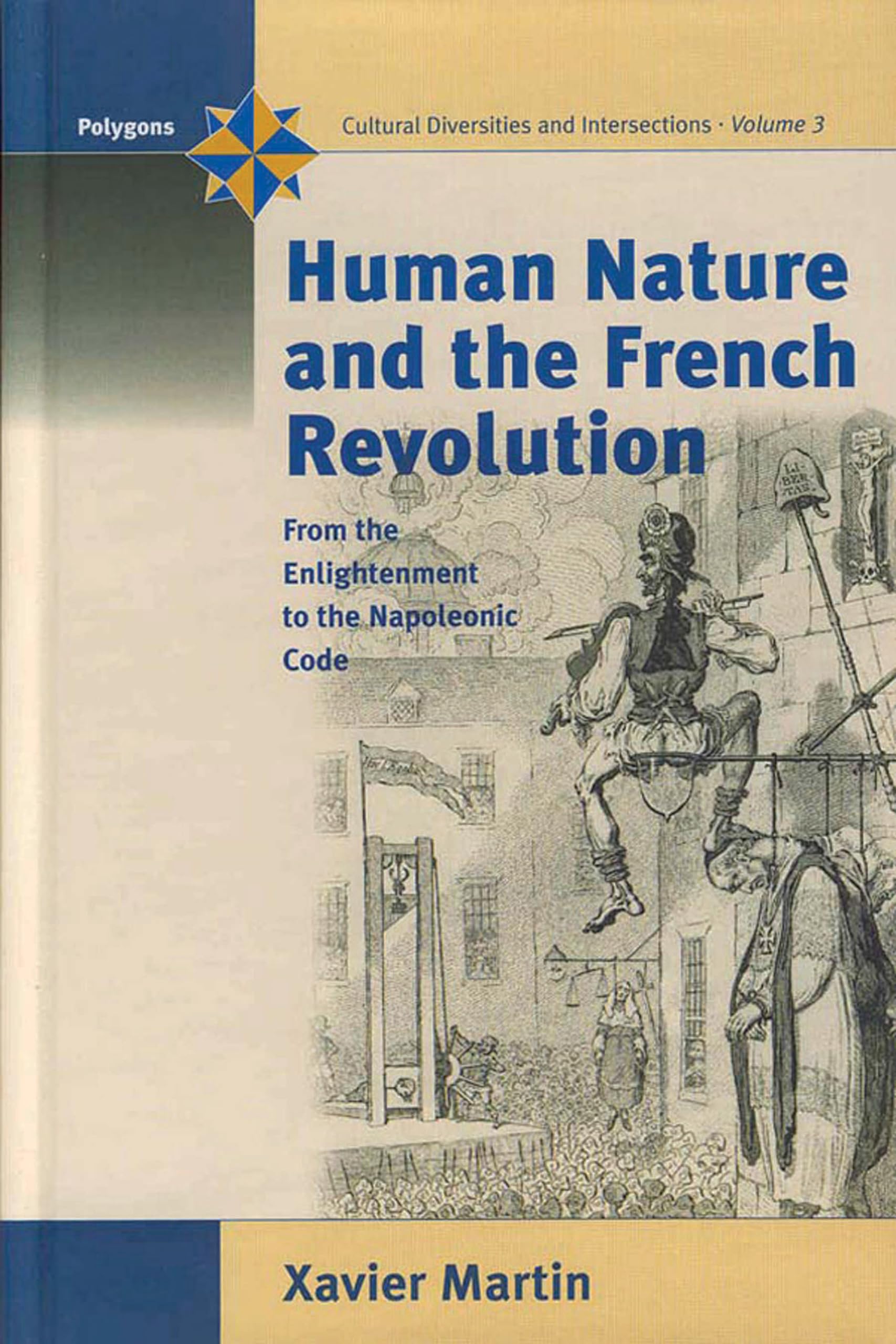
History
Human Nature and the French Revolution: From the Enlightenment to the Napoleonic Code: 3 (Polygons: Cultural Diversities and Intersections, 3)

History
The Unmaking of Home in Contemporary Art (Cultural Spaces)

History
Handbook to Life in Medieval and Early Modern Japan | by William E. Deal | Oxford University Press | by William E. Deal | Oxford University Press | by William E. Deal | Oxford University Press | by William E. Deal | Oxford University Press | by William E. Deal | Oxford University Press | by William E. Deal | Oxford University Press | by William E. Deal | Oxford University Press | by William E. Deal | Oxford University Press | by William E. Deal | Oxford University Press | by William E. Deal | Ox

History
The Narrators of Barbarian History (A.D. 550-800) | by Walter Goffart | University of Notre Dame Press | by Walter Goffart | University of Notre Dame Press | by Walter Goffart | University of Notre Dame Press | by Walter Goffart | University of Notre Dame Press | by Walter Goffart | University of Notre Dame Press | by Walter Goffart | University of Notre Dame Press | by Walter Goffart | University of Notre Dame Press | by Walter Goffart | University of Notre Dame Press | by Walter Goffart | Univ
History
The Collected Mathematical Papers of Arthur Cayley.Vol. 12
History