
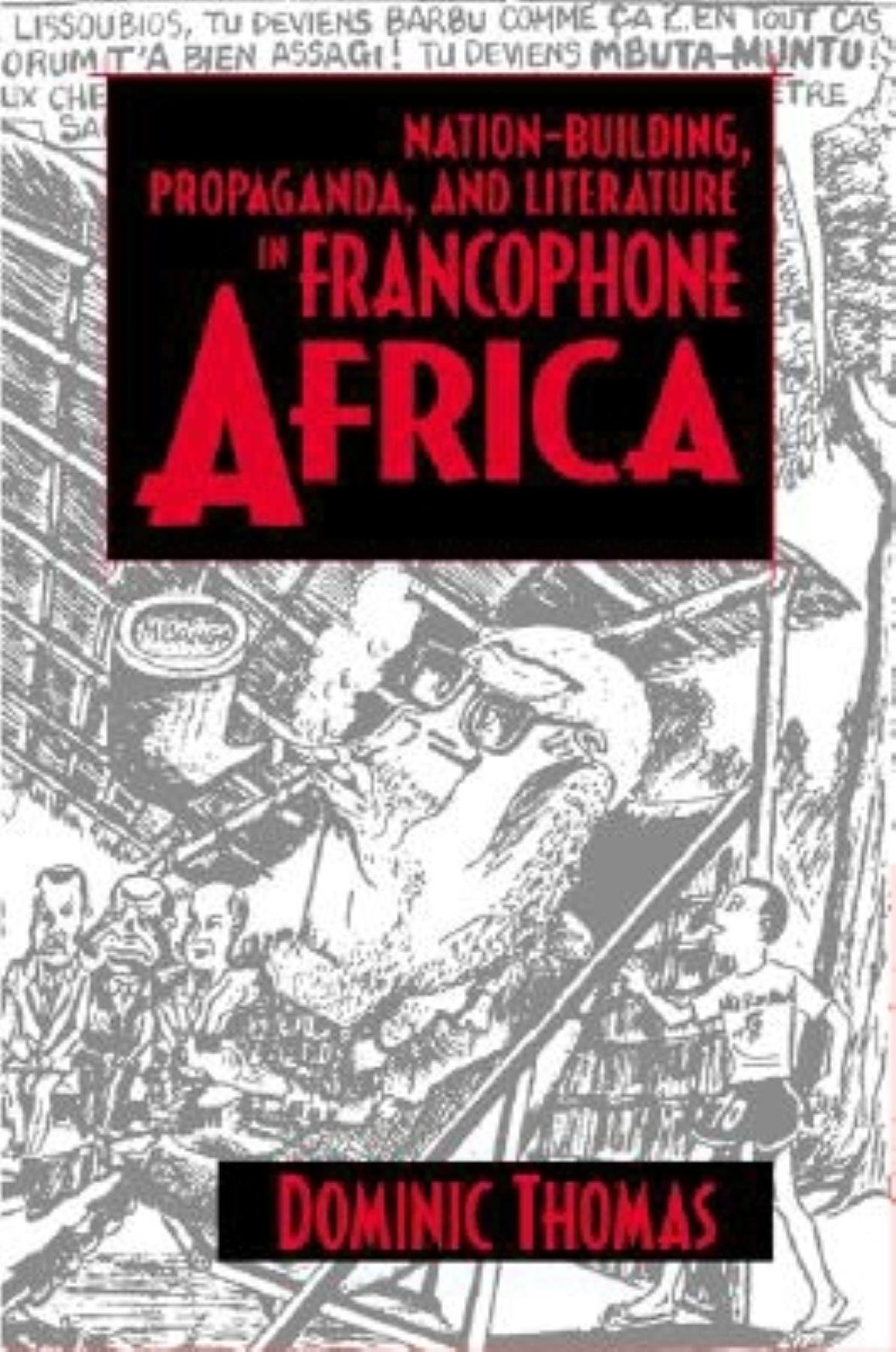
Nation-Building, Propaganda, and Literature in Francophone Africa by Dominic Thomas – A Critical Study of Politics, Lite
Inclusive of all applicable taxes. FREE shipping on all orders.
Available Offers
- 🚚Free Delivery — Free shipping on all orders
- 💵Cash on Delivery — Pay when your order arrives
- ↩️15-Day Easy Returns — Hassle-free return policy
- 🔒Cash on Delivery — Pay safely when your order arrives
Check Delivery
Product Description
Introduction
What role should literature play in the life of a nation? Should it serve as a tool for statecraft, shaping national consciousness and promoting government ideals? Or must it remain an independent voice, capable of critiquing power and imagining alternative futures? Nation-Building, Propaganda, and Literature in Francophone Africa by Dominic Thomas offers a compelling exploration of these questions through the lens of Francophone African writing. This hardcover volume from Indiana University Press is an essential read for students, scholars, and anyone interested in the intersection of politics, culture, and literary expression.
Book Overview
This meticulously researched work examines the complex relationship between literature and state-building in postcolonial Francophone Africa, with a particular focus on the Republic of Congo. Dominic Thomas analyzes how writers such as Sony Labou Tansi, Henri Lopes, and Emmanuel Dongala navigated the turbulent waters of nation-building, propaganda, and democratic transition. The book delves into themes of collaboration, reconciliation, identity, history, and memory, offering a nuanced understanding of how literature both supports and challenges state power. Far from a dry academic treatise, this book brings to life the vibrant debates around authorship, citizenship, and social responsibility in the African literary tradition.
Key Highlights
- In-depth analysis of works by Sony Labou Tansi, Henri Lopes, and Emmanuel Dongala, among others
- Focus on the Congo as a case study for broader Francophone African literary and political dynamics
- Examines the dual role of literature as both a tool of state propaganda and a vehicle for democratic critique
- Interdisciplinary approach combining literary criticism, political theory, and historical context
- Original insights into how writers engage with issues of national identity, memory, and reconciliation
Inside the Book
The book is structured to guide readers through the evolution of literary engagement with the state in Francophone Africa. It opens with a theoretical framework that situates the debate within global discussions on literature and politics. Subsequent chapters explore specific authors and texts, revealing how their works reflect and respond to the pressures of nation-building. Thomas draws on archival research, interviews, and close readings to present a rich tapestry of literary activism. The concluding sections reflect on the legacy of these writers and the ongoing relevance of their work in contemporary Africa.
Key Topics
- Literature and state propaganda in postcolonial Africa
- The role of the writer as citizen and critic
- National identity and the construction of collective memory
- Democratization and literary expression in the Congo
- Collaboration versus resistance in African letters
- History, trauma, and reconciliation in Francophone fiction
Reader Benefits
This book offers Indian readers and students a unique perspective on the power of literature to shape societies. It provides comparative insights into how other postcolonial nations have grappled with questions of identity and governance. Readers will gain a deeper appreciation for African literary traditions and their political dimensions. The clear, engaging prose makes complex ideas accessible, while the rigorous scholarship ensures lasting value for academic study. Whether you are a literature enthusiast, a political science student, or a curious reader, this book will expand your understanding of the world.
Learning Outcomes
- Understand the relationship between literature and state-building in Francophone Africa
- Analyze how writers navigate propaganda, censorship, and political engagement
- Identify key themes in the works of major Congolese authors
- Evaluate the role of literature in democratic transitions
- Apply theoretical frameworks to other postcolonial contexts
Who Should Read
This book is ideal for university students and scholars of African literature, postcolonial studies, political science, and cultural studies. It is also highly relevant for Indian readers interested in comparative literature, especially those studying the role of writers in nation-building. General readers with a passion for world literature and political history will find it equally rewarding. The book is suitable for advanced undergraduates, graduate students, and researchers seeking a comprehensive, well-argued analysis of a crucial topic.
About the Author
Dominic Thomas is a distinguished scholar of Francophone African literature and culture. He has held academic positions at prestigious institutions and is known for his insightful work on the politics of literature in the postcolonial world. His research combines literary analysis with a deep understanding of African history and political theory. Nation-Building, Propaganda, and Literature in Francophone Africa stands as a testament to his expertise and his commitment to illuminating the vital role of writers in shaping societies.
About the Publisher
Indiana University Press is a leading academic publisher with a strong reputation for publishing groundbreaking works in the humanities and social sciences. Their catalog includes influential titles in African studies, literary criticism, and political theory. This hardcover edition reflects the press's commitment to producing high-quality, durable books that serve the needs of scholars and students alike.
Conclusion
Nation-Building, Propaganda, and Literature in Francophone Africa is a timely and thought-provoking book that challenges readers to rethink the purpose of literature in society. By examining the works of Congolese writers who engaged directly with state power, Dominic Thomas offers a powerful narrative of collaboration, resistance, and hope. This book is not just for specialists—it is for anyone who believes that words can change the world. Add this essential volume to your library today and explore the enduring power of literature to shape nations.
Quick Summary
Nation-Building, Propaganda, and Literature in Francophone Africa by Dominic Thomas is a scholarly exploration of how literature interacts with state power during the process of nation-building in the Congo. The book critically examines the works of prominent Francophone African writers such as Sony Labou Tansi, Henri Lopes, and Emmanuel Dongala, highlighting their roles in either supporting or challenging government propaganda. Thomas argues that literature can serve as a tool for constructing national consciousness or as a means of articulating democratic ideals and individual freedoms. This volume is essential reading for students and researchers in African literature, postcolonial studies, and political science. It offers a nuanced understanding of the delicate balance between creative expression and political obligation. Readers will gain insight into the historical context of Congo's transition to democracy and the intellectual debates that shaped it. By purchasing from Bookshops.in, Indian readers receive a high-quality hardcover edition perfect for academic libraries and personal study.
Book Highlights
Book Specifications
| ISBN-13 | 9780253341570 |
| ISBN-10 | 0253341574 |
| Publisher | Indiana Univ Pr |
| Language | English |
| Dimensions | 15.24 x 2.21 x 22.86 cm |
| Weight | 544 g |
| Country | United Kingdom |
| Category | World Literature › African & Middle Eastern |
| Genre | Non-fiction |
| Reading Age | Adult |
| Original Language | English |
Frequently Asked Questions
What is this book about?
Who is the author?
Which writers are discussed?
Is this book suitable for undergraduate students?
Does the book cover all Francophone Africa?
Is this a hardcover edition?
Can I use this for my research paper?
Does it include a bibliography?
What language is the book in?
Is it available in India?
What is the price?
Does it discuss propaganda techniques?
Why should I buy from Bookshops.in?
Readers Also Search For
Customers Also Bought
Mathematics
Stereotype Spaces and Algebras: 73 (De Gruyter Expositions in Mathematics, 73)

Chemistry
Concise Encyclopedia of Biochemistry
Chemistry
Proceedings of the Third USSR - FRG Symposium, Makhachkala (USSR), October 2–6, 1980: 001
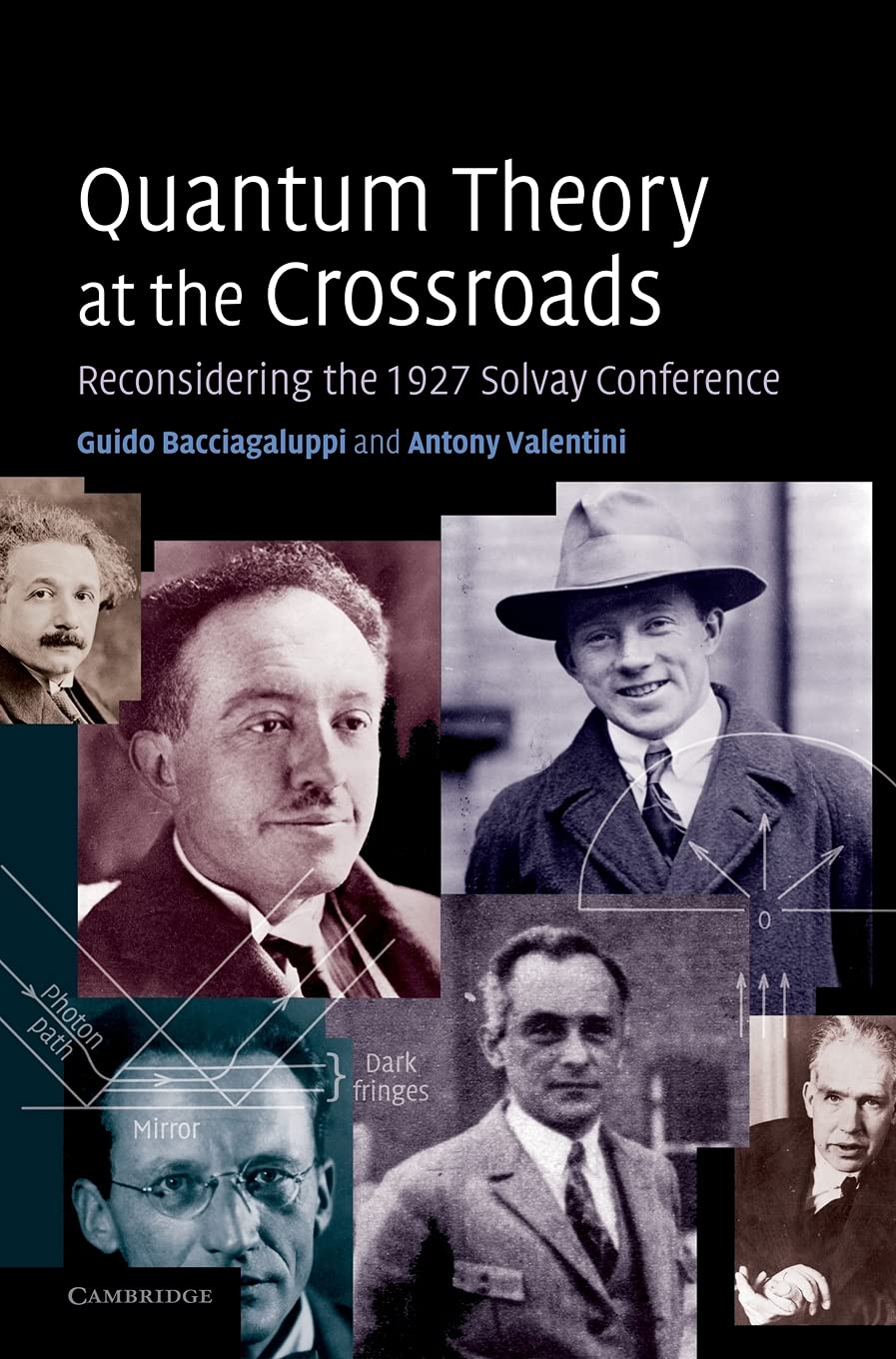
Physics
Quantum Theory at the Crossroads by Guido Bacciagaluppi – Quantum Mechanics History
Physics
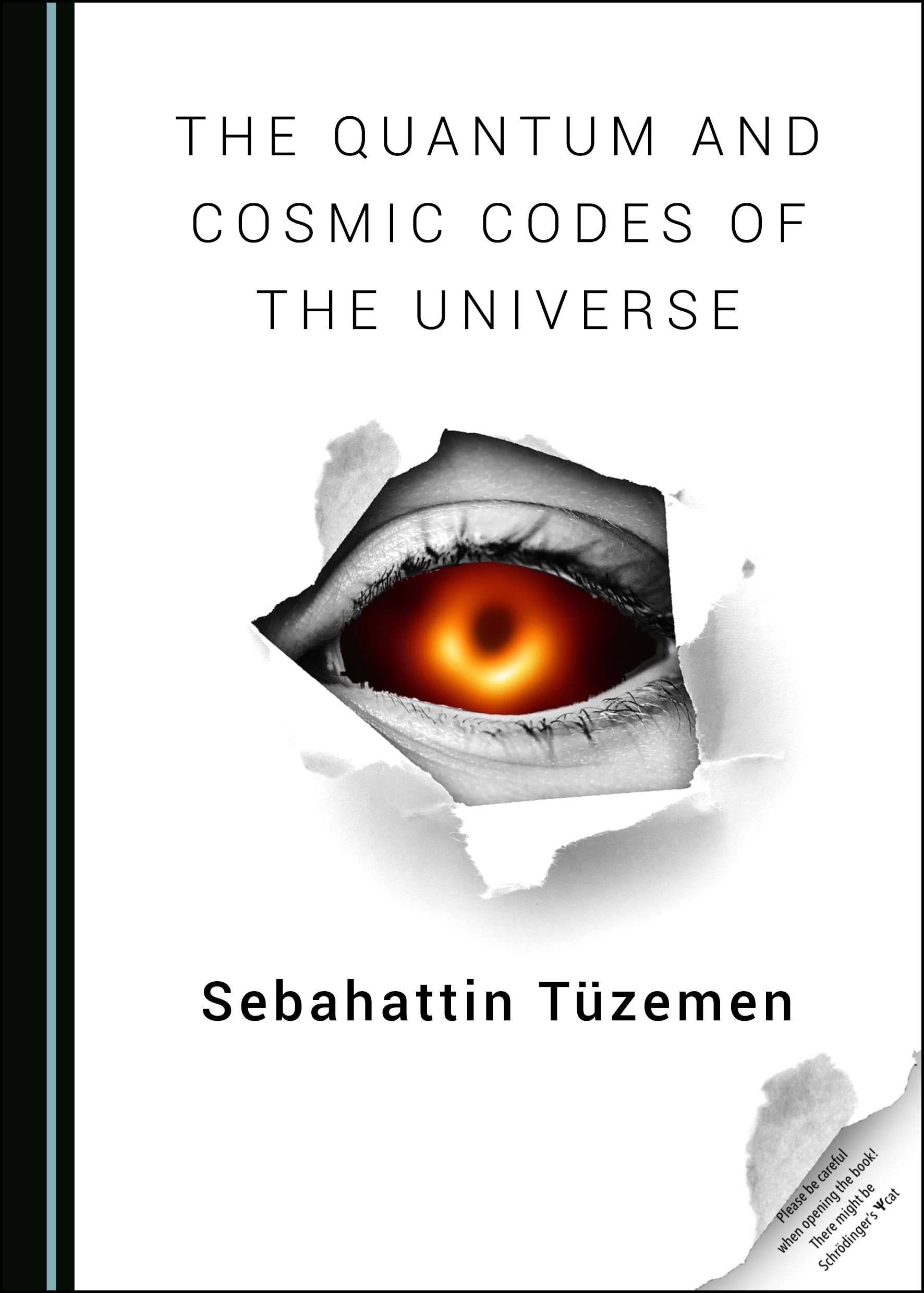
The Quantum and Cosmic Codes of the Universe
Mathematics
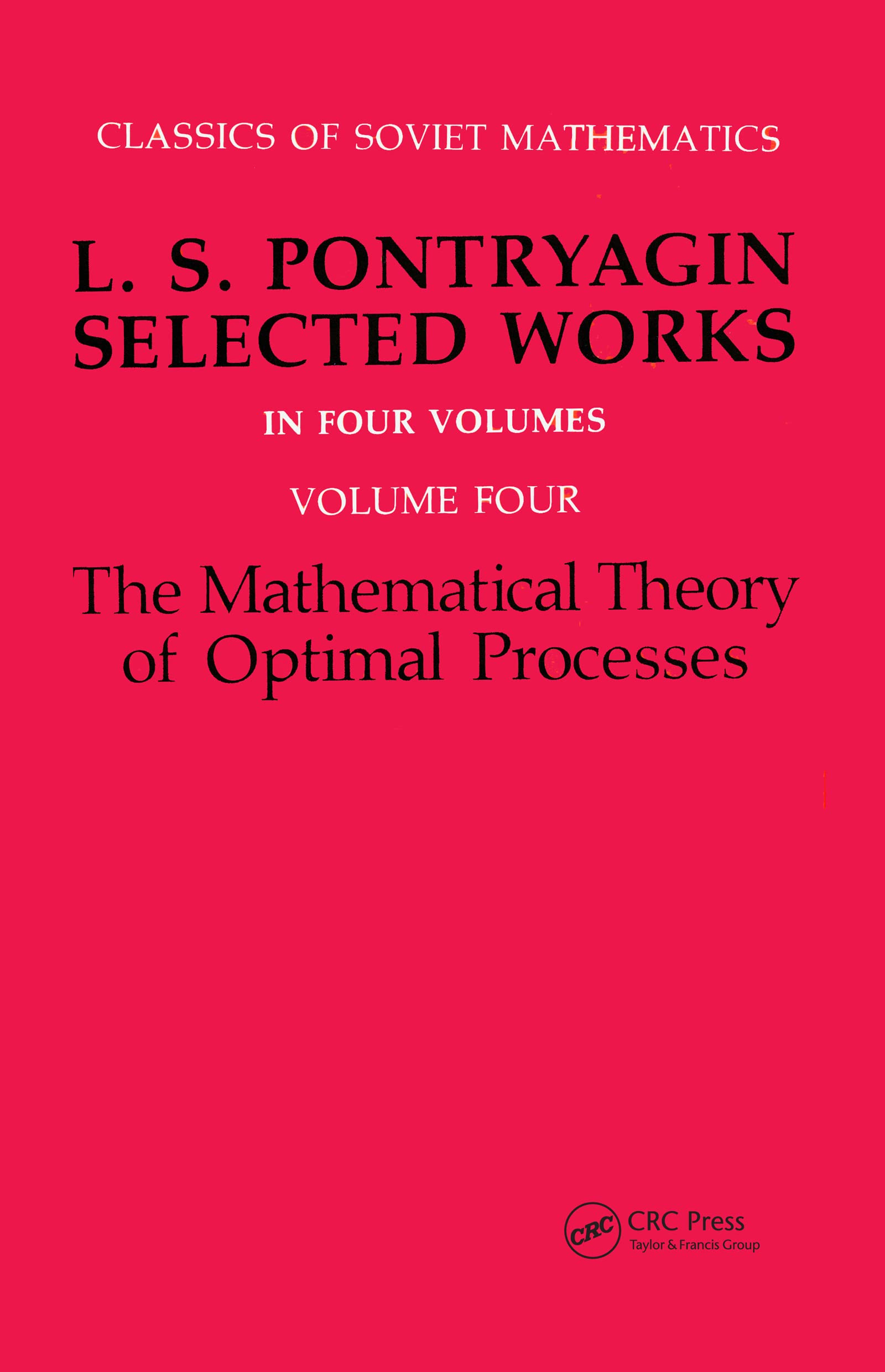
Mathematical Theory of Optimal Processes (Classics of Soviet Mathematics)
Related Products
View All
Science & Mathematics
Squid - Superconducting Quantum Interference Devices and Their Applications: Proceedings of the International Conference on Superconducting Quantum Devices, Berlin-west, October 4-8, 1976
Science & Mathematics
Thermodynamics and Pattern Formation in Biology
Science & Mathematics
The Nature of Mathematics and the Mathematics of Nature by S. Andersson – Mathematics & Science

Science & Mathematics
Linear Algebra | by Stephen Friedberg | Arnold Insel | Lawrence Spence | Pearson | by Stephen Friedberg | Arnold Insel | Lawrence Spence | Pearson | by Stephen Friedberg | Arnold Insel | Lawrence Spence | Pearson | by Stephen Friedberg | Arnold Insel | Lawrence Spence | Pearson | by Stephen Friedberg | Arnold Insel | Lawrence Spence | Pearson | by Stephen Friedberg | Arnold Insel | Lawrence Spence | Pearson | by Stephen Friedberg | Arnold Insel | Lawrence Spence | Pearson | by Stephen Friedberg
Science & Mathematics
University Calculus | by Joel Hass | Christopher Heil | Maurice Weir | Pearson | by Joel Hass | Christopher Heil | Maurice Weir | Pearson | by Joel Hass | Christopher Heil | Maurice Weir | Pearson | by Joel Hass | Christopher Heil | Maurice Weir | Pearson | by Joel Hass | Christopher Heil | Maurice Weir | Pearson | by Joel Hass | Christopher Heil | Maurice Weir | Pearson | by Joel Hass | Christopher Heil | Maurice Weir | Pearson | by Joel Hass | Christopher Heil | Maurice Weir | Pearson | by Joe
Science & Mathematics