

On Aristotle's Metaphysics: An Annotated Translation of the So-called Epitome by Averroes – A Scholarly Exploration of A
Inclusive of all applicable taxes. FREE shipping on all orders.
Available Offers
- 🚚Free Delivery — Free shipping on all orders
- 💵Cash on Delivery — Pay when your order arrives
- ↩️15-Day Easy Returns — Hassle-free return policy
- 🔒Cash on Delivery — Pay safely when your order arrives
Check Delivery
Product Description
Introduction
For students and scholars of classical philosophy, Islamic intellectual history, and the enduring legacy of Aristotle, On Aristotle's Metaphysics: An Annotated Translation of the So-called Epitome by Averroes (Abul-Walid Ibn Rushd) is an indispensable scholarly resource. Presented here in its first complete English translation by a leading publisher, de Gruyter, this hardbound volume offers a rare window into how one of the most influential thinkers of the medieval Islamic world reinterpreted the foundational text of Western metaphysics. Whether you are a postgraduate researcher, a professor of philosophy, or an advanced undergraduate in Indian universities, this meticulously annotated translation brings the depth of Averroes' thought directly into your hands.
Book Overview
This book presents the first English translation of Averroes' so-called Epitome of Aristotle's Metaphysics, originally composed in Arabic around 1160 CE. Unlike his later, line-by-line literal commentary, this earlier work reflects Averroes' own systematic restructuring of Aristotle's material—a bold rethinking of metaphysics according to his own philosophical vision. The translation is based on a wide range of sources, including medieval Arabic manuscripts and a Renaissance Latin translation by Jacob Mantinus, making it a definitive edition for modern readers. Accompanied by a detailed commentary, the volume illuminates the major philosophical questions that drove Averroes' lifelong engagement with Aristotle.
Key Highlights
- First English translation of Averroes' Epitome of Aristotle's Metaphysics, making a seminal text accessible to a global audience.
- Annotated with extensive commentary that clarifies complex arguments and contextualises Averroes' unique approach.
- Based on multiple manuscript traditions, including previously unexamined Arabic sources and the Renaissance Latin version, ensuring scholarly rigour.
- Hardcover edition from de Gruyter, a publisher renowned for authoritative works in philosophy and classical studies.
- Reflects Averroes' evolving thought over three decades of revision, offering insight into his intellectual development.
Inside the Book
The volume opens with a comprehensive introduction that situates the Epitome within Averroes' broader corpus and the Andalusian philosophical tradition. The translation itself is presented in clear, readable English, with the original Arabic structure preserved wherever possible. Each chapter is followed by detailed annotations that explain key terms, cross-reference Aristotle's original text, and highlight Averroes' original contributions. The commentary addresses major philosophical issues such as the nature of being, the division of the sciences, and the relationship between metaphysics and theology. Appendices include textual notes, a glossary of technical terms, and an updated bibliography.
Key Topics
- Averroes' restructuring of Aristotle's Metaphysics and his own conception of metaphysical science
- The problem of being qua being and the categories of existence
- The relationship between first philosophy and natural philosophy in the Aristotelian tradition
- Medieval Islamic interpretations of Aristotle's theology and cosmology
- The evolution of Averroes' thought from the Epitome to the later Long Commentary
- Textual transmission and manuscript history of Arabic philosophical works
Reader Benefits
- Gain direct access to a foundational text of medieval philosophy, previously unavailable in English.
- Deepen your understanding of how Islamic philosophers engaged with and transformed Greek thought.
- Enhance your research with a critically edited translation supported by philological and philosophical notes.
- Save time with a single volume that combines translation, commentary, and manuscript analysis.
- Strengthen your library with a durable hardcover edition designed for long-term academic use.
Learning Outcomes
By reading this book, you will be able to: articulate Averroes' distinctive method of epitomising Aristotle; compare the Epitome with the Long Commentary to trace philosophical shifts; analyse key metaphysical concepts such as potentiality, actuality, and the unmoved mover as reinterpreted in the Islamic context; evaluate the influence of Arabic sources on the Latin Scholastic tradition; and apply textual criticism techniques to medieval manuscripts. The volume is ideal for seminar discussions, thesis preparation, and advanced self-study.
Who Should Read
This book is essential for postgraduate students and faculty in philosophy, especially those specialising in ancient and medieval thought, Islamic studies, or the history of science. It will also appeal to scholars of comparative religion, intellectual historians, and anyone interested in the transmission of Greek philosophy through the Arabic world. Indian readers in universities with strong philosophy or Indology departments will find this work particularly valuable for understanding the cross-cultural currents that shaped global philosophy.
About the Author
Averroes (Abul-Walid Ibn Rushd, 1126–1198) was a preeminent Andalusian philosopher, jurist, and physician whose commentaries on Aristotle earned him the title 'The Commentator' in the Latin West. Born in Córdoba, he served as a judge and royal physician while producing an extraordinary body of work that bridged Greek philosophy and Islamic theology. His rationalist approach and defence of Aristotelianism profoundly influenced medieval Jewish and Christian thinkers, including Thomas Aquinas. The Epitome represents his early, more independent engagement with Aristotle, making it a crucial text for understanding his intellectual journey.
About the Publisher
Walter de Gruyter GmbH, established in 1749, is one of the world's oldest and most respected academic publishers. Based in Berlin, de Gruyter is renowned for its rigorous editorial standards and authoritative publications in the humanities, social sciences, and natural sciences. This volume is part of their distinguished series on Aristotelian and Peripatetic philosophy, ensuring that every page meets the highest scholarly benchmarks. For Indian readers, de Gruyter's commitment to critical editions and translations makes this book a trustworthy addition to any serious academic collection.
Conclusion
On Aristotle's Metaphysics: An Annotated Translation of the So-called Epitome is more than a translation—it is a gateway into the mind of one of history's greatest commentators. By presenting Averroes' own restructuring of Aristotle's most difficult work, this volume challenges readers to rethink the very nature of metaphysical inquiry. Whether you are tracing the roots of European philosophy or exploring the rich heritage of Islamic thought, this book offers an unparalleled resource. Add this definitive hardcover edition to your shelf today from Bookshops.in and engage with a text that has shaped centuries of philosophical debate.
Quick Summary
On Aristotle's Metaphysics: An Annotated Translation of the So-called Epitome by Averroes is a landmark scholarly work that presents the first English translation of Averroes' personal condensation of Aristotle's Metaphysics. Composed around 1160 in Arabic, this text is not a simple summary but a creative restructuring that reflects Averroes' own philosophical vision, distinguishing it from his later literal commentary. The translation is based on a thorough examination of medieval Arabic manuscripts, offering readers a rare glimpse into how Islamic philosophers reinterpreted Greek thought. This hardcover edition, published by de Gruyter, is essential for researchers and advanced students of medieval philosophy, Islamic studies, and Aristotelian metaphysics. Readers will gain insight into the evolution of metaphysical concepts, the transmission of knowledge between cultures, and Averroes' intellectual development over three decades. By purchasing from Bookshops.in, Indian scholars and students can access this authoritative text with reliable delivery and customer support, making it a valuable addition to any academic library.
Book Highlights
Book Specifications
| ISBN-13 | 9783110220018 |
| ISBN-10 | 3110220016 |
| Publisher | De Gruyter |
| Language | English |
| Dimensions | 16.99 x 2.24 x 24 cm |
| Weight | 794 g |
| Category | Ancient › Greece |
| Genre | Philosophy |
| Original Language | Arabic |
Frequently Asked Questions
What is On Aristotle's Metaphysics about?
Who is the author of this book?
When was the original Arabic text composed?
What makes this translation unique?
Is this book suitable for beginners in philosophy?
How does this book differ from other translations of Aristotle?
What language is the translation in?
What is the binding of this edition?
Does the book include annotations?
Why is Averroes important in philosophy?
Can this book be used for academic courses?
What topics does the book cover?
Where can I buy this book in India?
Readers Also Search For
Customers Also Bought

Related Products
View All
History
The Information Revolution: Transforming the World Through Technology (World History)
History
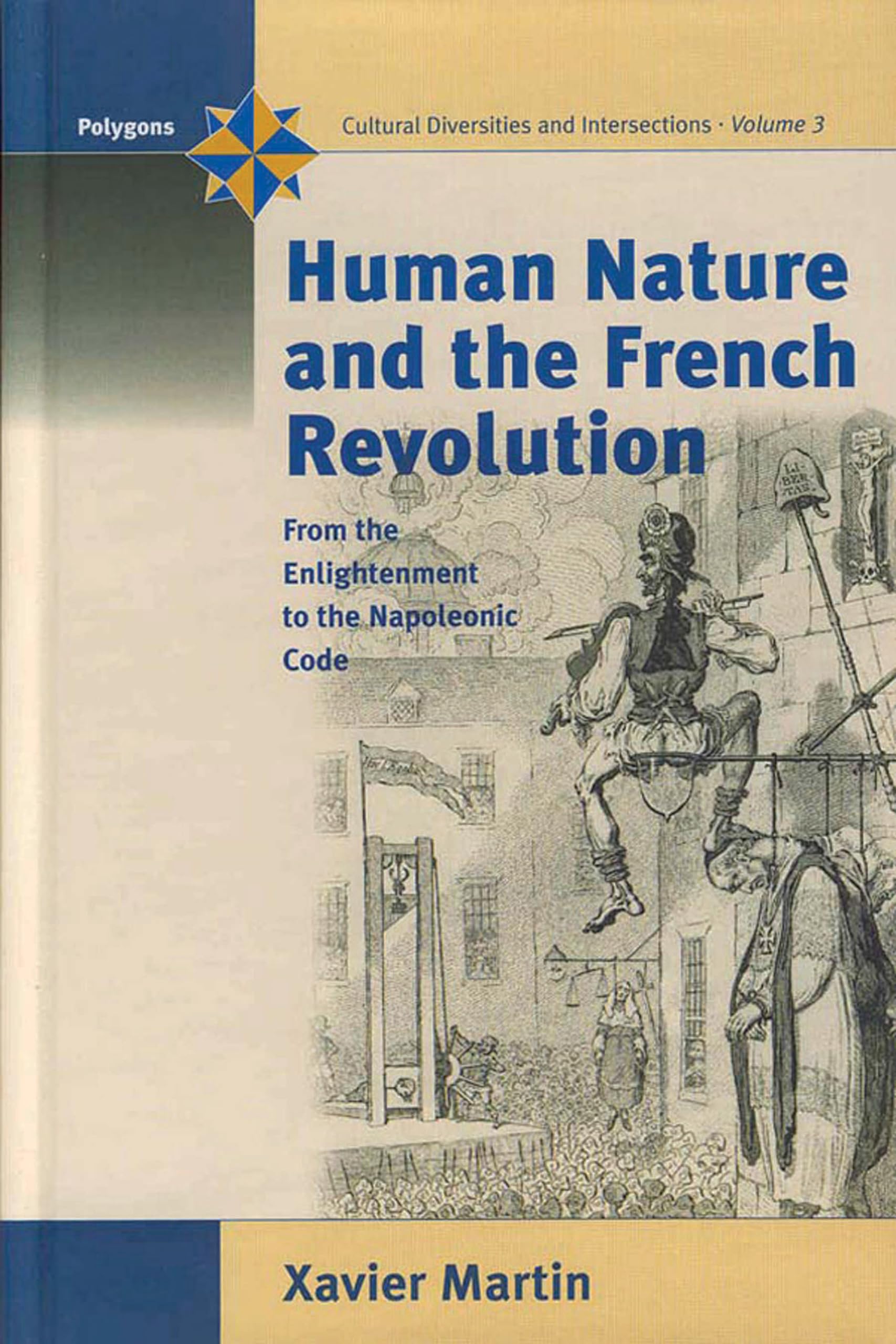
Human Nature and the French Revolution: From the Enlightenment to the Napoleonic Code: 3 (Polygons: Cultural Diversities and Intersections, 3)

History
The Unmaking of Home in Contemporary Art (Cultural Spaces)

History
Handbook to Life in Medieval and Early Modern Japan | by William E. Deal | Oxford University Press | by William E. Deal | Oxford University Press | by William E. Deal | Oxford University Press | by William E. Deal | Oxford University Press | by William E. Deal | Oxford University Press | by William E. Deal | Oxford University Press | by William E. Deal | Oxford University Press | by William E. Deal | Oxford University Press | by William E. Deal | Oxford University Press | by William E. Deal | Ox

History
The Narrators of Barbarian History (A.D. 550-800) | by Walter Goffart | University of Notre Dame Press | by Walter Goffart | University of Notre Dame Press | by Walter Goffart | University of Notre Dame Press | by Walter Goffart | University of Notre Dame Press | by Walter Goffart | University of Notre Dame Press | by Walter Goffart | University of Notre Dame Press | by Walter Goffart | University of Notre Dame Press | by Walter Goffart | University of Notre Dame Press | by Walter Goffart | Univ

History