
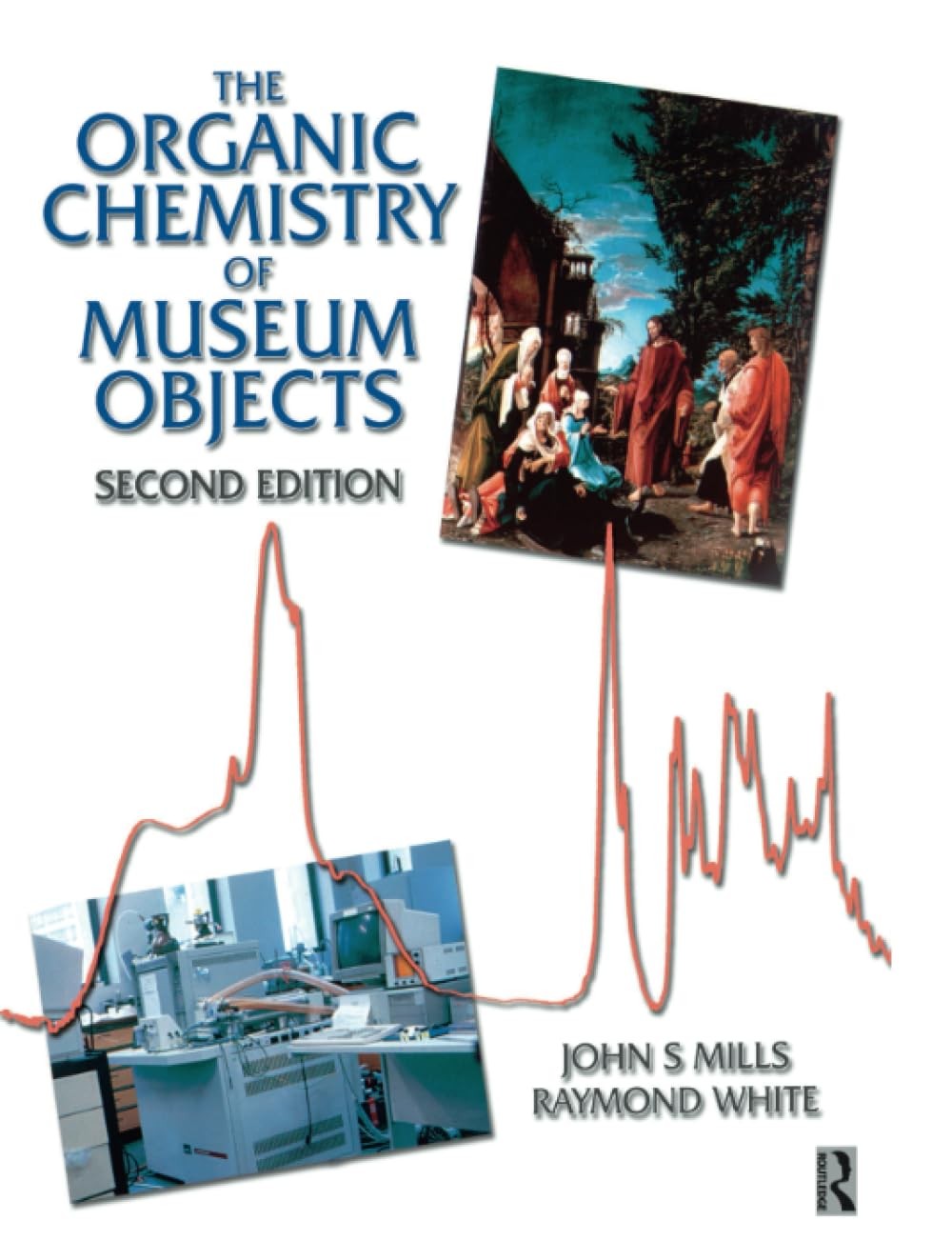
The Organic Chemistry of Museum Objects by John Mills – Essential Reference for Conservation Science and Material Analys
Inclusive of all applicable taxes. FREE shipping on all orders.
Available Offers
- 🚚Free Delivery — Free shipping on all orders
- 💵Cash on Delivery — Pay when your order arrives
- ↩️15-Day Easy Returns — Hassle-free return policy
- 🔒Cash on Delivery — Pay safely when your order arrives
Check Delivery
Product Description
Introduction
For conservators, curators, and students of heritage science, understanding the materials that make up museum objects is as crucial as the art itself. The Organic Chemistry of Museum Objects by John Mills is an indispensable reference that bridges the gap between organic chemistry and the practical conservation of cultural artefacts. This comprehensive volume, published by Routledge, offers a deep dive into the chemical composition, properties, and analysis of organic materials found in museum collections across India and the world. Whether you are working with ancient manuscripts, traditional textiles, or wooden sculptures, this book provides the scientific foundation needed to preserve our shared heritage.
Book Overview
This second edition expands upon the classic first edition, offering updated and extensively revised content. The book systematically explores the chemistry of materials such as wood, paper, natural fibres, skin products, paints, varnishes, adhesives, and dyes. It is structured to first introduce basic organic chemistry and analytical methods, then move through broad chemical classes including oils, fats, waxes, bitumens, carbohydrates, proteins, natural resins, dyestuffs, and synthetic polymers. The authors skillfully connect molecular structures to the practical challenges of deterioration and conservation, making this an essential single-volume survey for professionals and students alike.
Key Highlights
- Comprehensive Coverage: A single-volume survey of all major organic materials found in museum objects, from ancient to modern.
- Updated Second Edition: Extensively revised content reflecting the latest research and analytical techniques in conservation science.
- Practical Focus: Connects fundamental organic chemistry to real-world conservation challenges, including deterioration mechanisms.
- Analytical Methods: Detailed chapters on chemical analysis techniques used to identify and characterise museum materials.
- Authoritative Authorship: Written by John Mills, a respected expert in the field of organic chemistry and conservation.
Inside the Book
The book is meticulously organized into logical sections. It begins with foundational chapters on basic organic chemistry and analytical methods, ensuring readers have the necessary scientific background. Subsequent chapters are grouped by chemical class: oils and fats, waxes, bitumens, carbohydrates (including cellulose and starch), proteins (such as collagen and silk), natural resins, dyestuffs, and synthetic polymers. Each chapter explores the chemical structure, properties, natural ageing, and degradation pathways of these materials, along with the analytical techniques used to study them. The final sections present analytical findings and discuss fundamental aspects of deterioration, providing a holistic understanding of material behaviour.
Key Topics
- Fundamental organic chemistry for conservators
- Analytical techniques: chromatography, spectroscopy, and microscopy
- Chemistry of oils, fats, and waxes in art and artefacts
- Carbohydrates: wood, paper, and plant fibres
- Proteins: silk, wool, leather, and adhesives
- Natural resins and varnishes
- Dyestuffs and pigments: natural and synthetic
- Synthetic polymers in modern museum collections
- Deterioration mechanisms: oxidation, hydrolysis, and microbial attack
- Case studies and analytical findings from real museum objects
Reader Benefits
This book empowers readers with a deep scientific understanding of the materials they handle daily. Conservators will gain the knowledge to make informed decisions about cleaning, stabilization, and storage. Students will build a solid foundation in organic chemistry tailored to heritage science. Researchers will find detailed analytical data and references. By understanding the chemical nature of objects, readers can better predict deterioration, select appropriate conservation materials, and communicate effectively with scientists. The book also helps in identifying unknown materials through systematic chemical analysis, a crucial skill in any conservation lab.
Learning Outcomes
- Understand the chemical structure and properties of major organic materials in museum collections.
- Identify and differentiate between natural and synthetic polymers used in art and artefacts.
- Apply analytical techniques to characterise unknown materials in objects.
- Recognise the chemical pathways of deterioration and their impact on object stability.
- Develop strategies for preventive conservation based on material chemistry.
- Interpret scientific literature and analytical reports relevant to conservation.
Who Should Read
This book is essential for practising conservators, conservation scientists, and students enrolled in conservation or heritage science programmes. It is also highly valuable for curators, archaeologists, art historians, and museum professionals who wish to deepen their understanding of the materials they care for. Collectors and independent researchers with a serious interest in the science behind art and artefacts will also find it a rewarding read. Libraries and institutions with conservation departments should consider this a core reference work.
About the Author
John Mills is a highly respected figure in the field of conservation science. With decades of experience in the analysis of organic materials from museum collections, he has contributed significantly to the understanding of how natural and synthetic substances age and degrade. His work has been instrumental in developing analytical methods that are now standard in conservation laboratories. Mills’ expertise ensures that this book is both academically rigorous and practically relevant, making complex chemical concepts accessible to non-specialists.
About the Publisher
Routledge is a world-leading academic publisher known for its high-quality books in the humanities, social sciences, and sciences. With a strong reputation in conservation, museum studies, and heritage science, Routledge publishes works that set the standard for research and education. This edition of The Organic Chemistry of Museum Objects continues that tradition, offering a reliable and authoritative resource for the global conservation community.
Conclusion
The Organic Chemistry of Museum Objects is more than a textbook—it is a vital tool for anyone serious about preserving cultural heritage. By demystifying the chemistry behind the objects we treasure, John Mills provides the knowledge needed to protect them for future generations. Whether you are a student in a conservation programme in India or a seasoned professional in a museum lab, this hardcover volume deserves a place on your shelf. Order your copy today from Bookshops.in and deepen your understanding of the science that safeguards our past.
Quick Summary
The Organic Chemistry of Museum Objects by John Mills is an authoritative reference that explores the chemical composition, properties, and analysis of organic materials commonly found in museum collections. This second edition, updated and expanded, covers everything from wood, paper, and natural fibres to paints, varnishes, adhesives, and dyes. The book begins with fundamental organic chemistry principles, making it accessible to students, while also providing advanced analytical methods for professionals. Readers will learn how to identify materials, understand deterioration mechanisms, and apply conservation strategies. Ideal for conservators, chemists, museum curators, and researchers, this book serves as a single-volume guide to the complex chemistry behind cultural heritage objects. By purchasing from Bookshops.in, Indian readers get a genuine hardcover edition with fast delivery and trusted service, making it a valuable addition to any academic or professional library.
Book Highlights
Book Specifications
| ISBN-13 | 9780750646932 |
| ISBN-10 | 0750646934 |
| Publisher | Routledge |
| Language | English |
| Dimensions | 18.9 x 1.27 x 24.61 cm |
| Weight | 635 g |
| Country | India |
| Category | Mechanical Engineering › Material Science & Engineering |
| Genre | Non-fiction |
| Original Language | English |
Frequently Asked Questions
What is The Organic Chemistry of Museum Objects about?
Who is the author of this book?
Is this book suitable for beginners in chemistry?
What materials are covered in the book?
Does the book include analytical methods?
Who would benefit from reading this book?
Does the book cover deterioration of materials?
What is the price of this book?
Is this book available in hardcover?
Can I use this book for academic courses?
Does the book include case studies?
What is the language of the book?
Why should I buy from Bookshops.in?
Readers Also Search For
Customers Also Bought
Mathematics
Stereotype Spaces and Algebras: 73 (De Gruyter Expositions in Mathematics, 73)
Mathematics
Semigroups in Algebra, Geometry and Analysis: 20 (De Gruyter Expositions in Mathematics, 20)
Mathematics
Geometry from the Pacific Rim: Proceedings of the Pacific Rim Geometry Conference held at National University of Singapore, Republic of Singapore, ... 1994 (De Gruyter Proceedings in Mathematics)
Mathematics
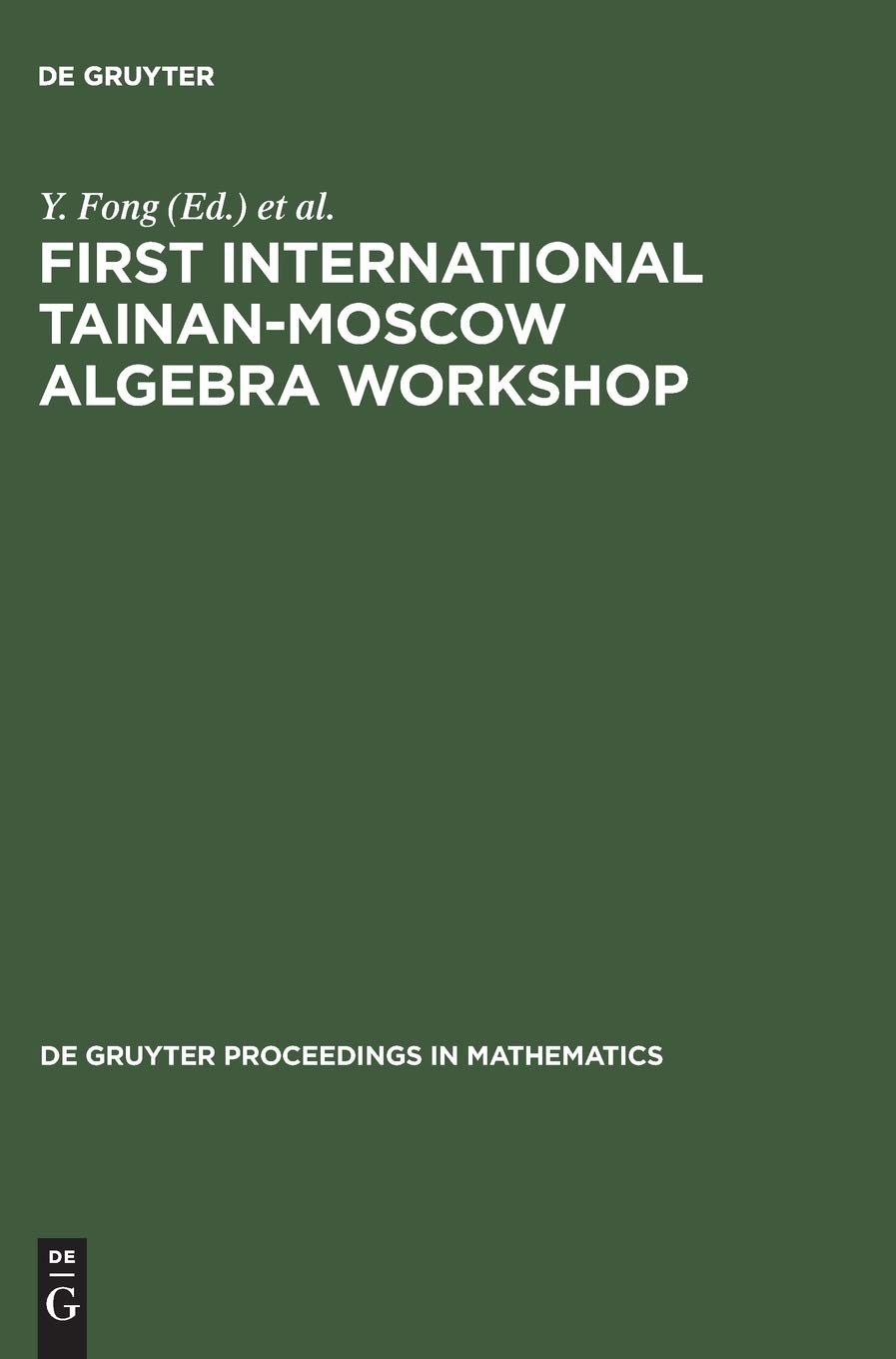
First International Tainan-Moscow Algebra Workshop: Proceedings of the International Conference held at National Cheng Kung University Tainan, Taiwan, ... 1994 (De Gruyter Proceedings in Mathematics)
Mathematics
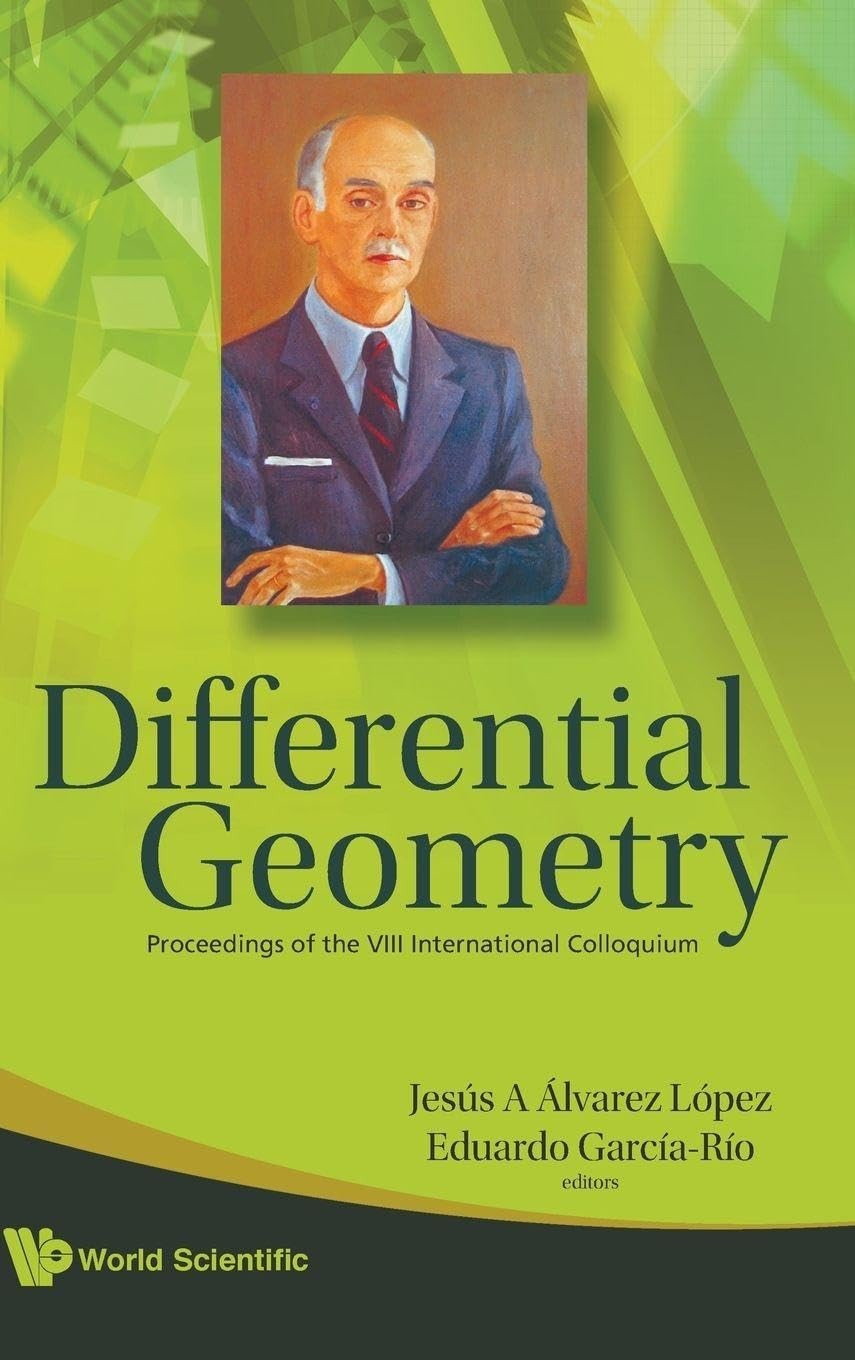
Differential Geometry - Proceedings of the VIII International Colloquium (English, Jesus A. Alvarez Lopez | Eduardo Garcia-Rio)
Mathematics
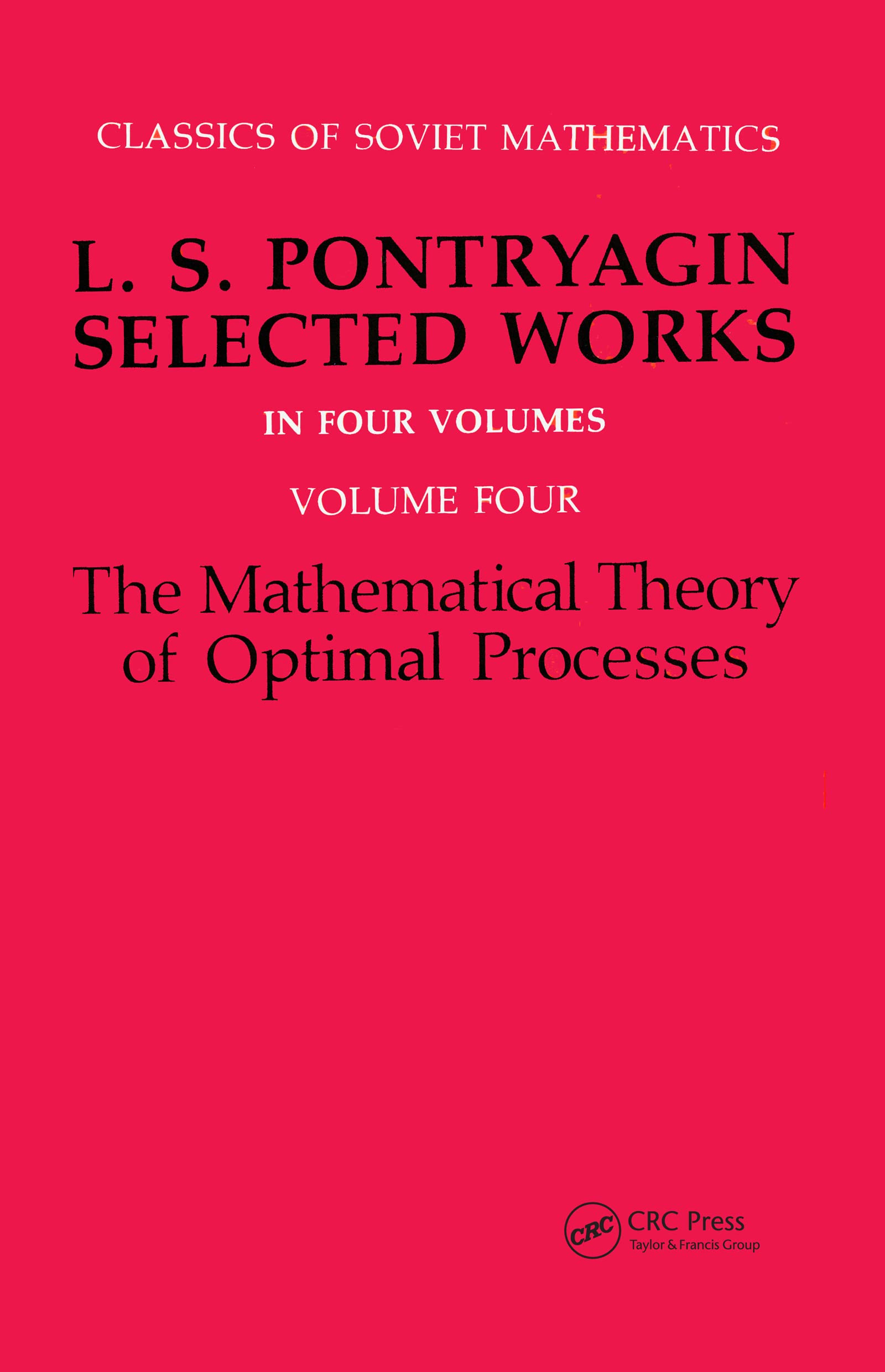
Mathematical Theory of Optimal Processes (Classics of Soviet Mathematics)
Related Products
View All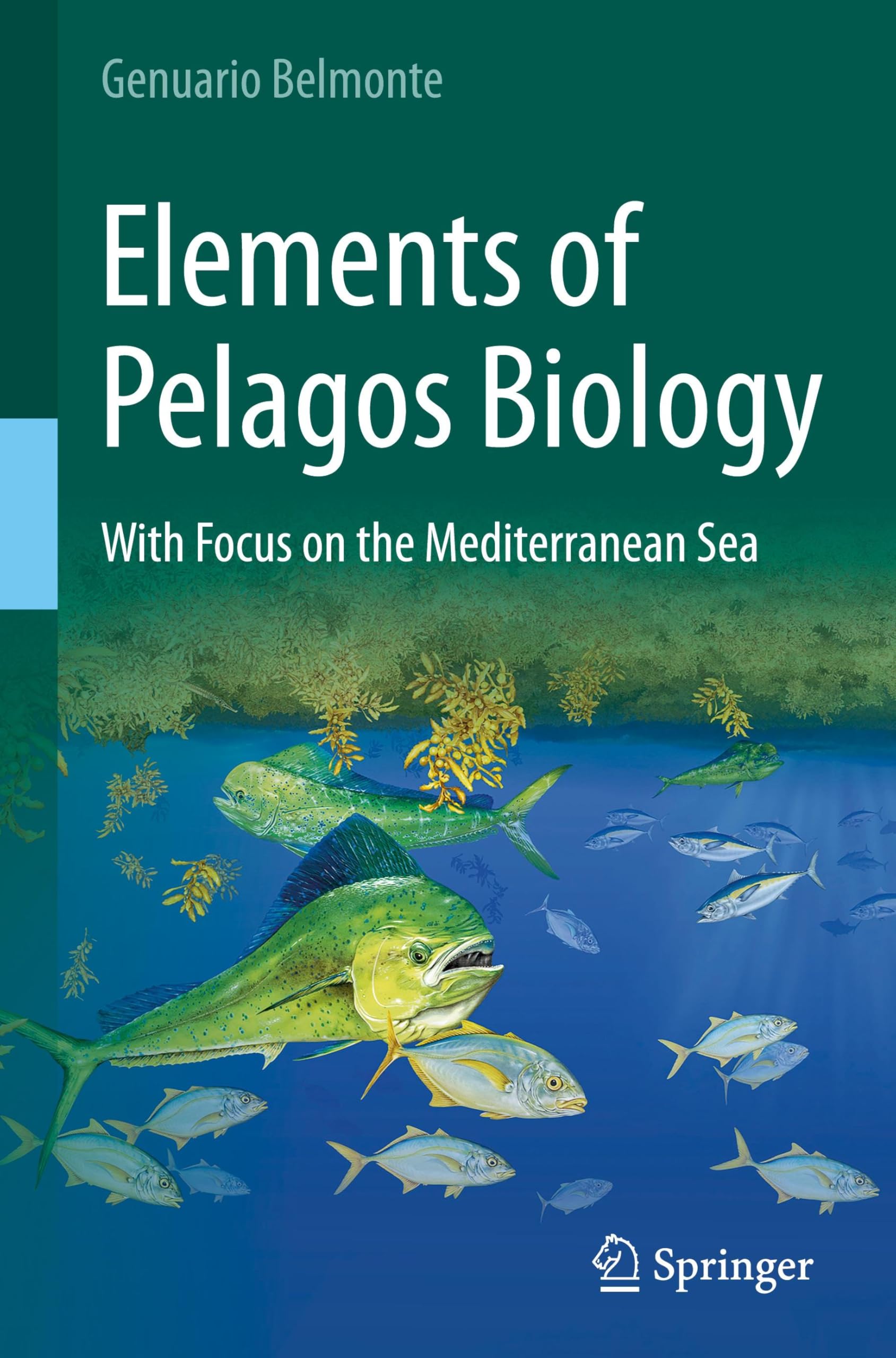
Science & Mathematics
Elements of Pelagos Biology: With Focus on the Mediterranean Sea
Science & Mathematics
Squid - Superconducting Quantum Interference Devices and Their Applications: Proceedings of the International Conference on Superconducting Quantum Devices, Berlin-west, October 4-8, 1976
Science & Mathematics
Thermodynamics and Pattern Formation in Biology
Science & Mathematics
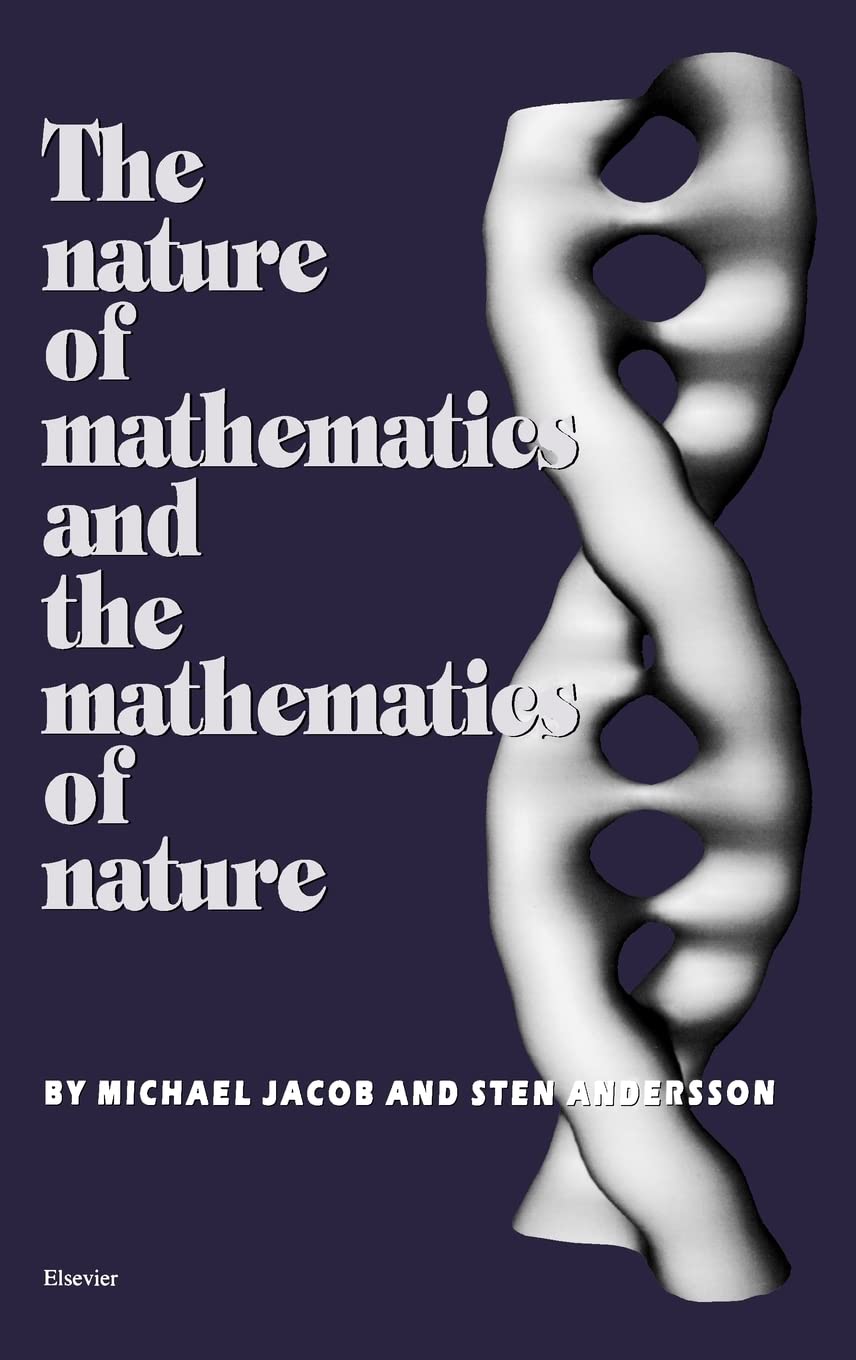
The Nature of Mathematics and the Mathematics of Nature by S. Andersson – Mathematics & Science

Science & Mathematics
Linear Algebra | by Stephen Friedberg | Arnold Insel | Lawrence Spence | Pearson | by Stephen Friedberg | Arnold Insel | Lawrence Spence | Pearson | by Stephen Friedberg | Arnold Insel | Lawrence Spence | Pearson | by Stephen Friedberg | Arnold Insel | Lawrence Spence | Pearson | by Stephen Friedberg | Arnold Insel | Lawrence Spence | Pearson | by Stephen Friedberg | Arnold Insel | Lawrence Spence | Pearson | by Stephen Friedberg | Arnold Insel | Lawrence Spence | Pearson | by Stephen Friedberg
Science & Mathematics