
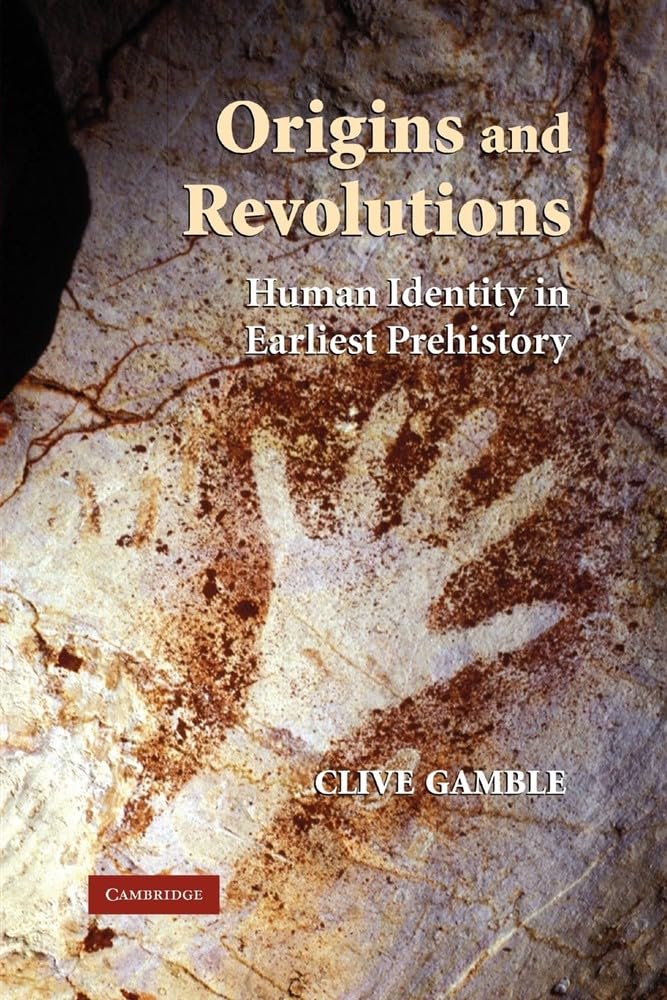
Origins and Revolutions: Human Identity in Earliest Prehistory by Clive Gamble – A Critical Study of Prehistoric Change
Inclusive of all applicable taxes. FREE shipping on all orders.
Available Offers
- 🚚Free Delivery — Free shipping on all orders
- 💵Cash on Delivery — Pay when your order arrives
- ↩️15-Day Easy Returns — Hassle-free return policy
- 🔒Cash on Delivery — Pay safely when your order arrives
Check Delivery
Product Description
Introduction
In the vast sweep of human prehistory, few questions are as compelling as how our earliest ancestors forged identities, created culture, and transformed their world. Clive Gamble’s Origins and Revolutions: Human Identity in Earliest Prehistory is a thought-provoking exploration that challenges conventional narratives about the 'human revolution' and the Neolithic transition. Published by Cambridge University Press, this hardcover volume is essential reading for Indian students and scholars of archaeology, anthropology, and history who seek a deeper understanding of the material and social foundations of human identity.
Book Overview
Gamble re-examines two of the most famous turning points in prehistory: the emergence of art, music, religion, and language often called the 'human revolution,' and the Neolithic shift to agriculture and settled life. Rather than accepting these as simple breakthroughs, he investigates the historical biases behind 'origins research' and proposes a bold alternative framework. Through the lens of material culture and embodied metaphors, the book shows how prehistoric peoples used objects to construct and express their identities. The result is a nuanced account that asks whether agriculture truly revolutionized society or merely reshaped existing social dynamics.
Key Highlights
- Critical reassessment of the 'human revolution' and Neolithic revolution concepts
- Focus on material metaphors—how tools, ornaments, and artifacts embody identity
- Two major case studies tracing innovation in deep time
- Challenges the idea that agriculture caused a complete social transformation
- Interdisciplinary approach combining archaeology, anthropology, and cognitive science
- Written in accessible yet scholarly prose suitable for advanced undergraduates and researchers
Inside the Book
The book is structured around the tension between origins and revolutions. Gamble begins by deconstructing the historical agendas that have shaped prehistory, from colonial narratives to modern scientific paradigms. He then introduces his core concept of 'embodied material metaphors'—the idea that artifacts are not just tools but extensions of human identity and social relations. The first case study examines the Upper Palaeolithic period, where evidence for symbolic behavior (burials, cave art, personal ornaments) reveals how early humans navigated identity. The second case study focuses on the Neolithic, analyzing whether farming communities truly broke from hunter-gatherer social structures or carried forward older patterns of identity. The final chapters synthesize these insights, offering a new model for understanding change in prehistory.
Key Topics
- The 'human revolution' and its critiques
- Origins of art, music, religion, and language
- Neolithic economic and social transformations
- Material culture and identity construction
- Embodied metaphors in prehistoric societies
- Innovation and continuity in deep time
- Historical biases in archaeological interpretation
- Hunter-gatherer versus agricultural social worlds
Reader Benefits
This book empowers readers to think critically about grand narratives in prehistory. Instead of passive acceptance of 'revolutions,' you will learn to question evidence, recognize hidden assumptions, and appreciate the complexity of human social change. The case studies provide concrete examples of how archaeologists interpret artifacts, while the theoretical framework offers tools for analyzing identity in any past society. Indian readers will find particular relevance in the discussion of how material objects—from beads to pottery—can encode social meanings across cultures.
Learning Outcomes
- Evaluate the strengths and weaknesses of the 'human revolution' model
- Understand the role of material culture in shaping identity
- Analyze how archaeological evidence can be interpreted through embodied metaphors
- Critically assess the Neolithic transition as a social rather than purely economic change
- Apply Gamble's framework to other prehistoric contexts, including South Asian prehistory
- Recognize the influence of modern biases on reconstructions of the past
Who Should Read
This book is ideal for undergraduate and postgraduate students of archaeology, anthropology, and history in Indian universities. It is also highly valuable for researchers in prehistoric studies, museum professionals, and anyone with a serious interest in human origins. The text is rigorous but not overly technical, making it accessible to advanced readers from other disciplines. Teachers and lecturers will find it a useful resource for challenging students to think beyond textbook narratives.
About the Author
Clive Gamble is a renowned British archaeologist and Professor of Geography at Royal Holloway, University of London. He has written extensively on human evolution, the Palaeolithic, and the archaeology of identity. His previous works include The Palaeolithic Societies of Europe and Archaeology: The Basics. Gamble’s research combines fieldwork, theoretical innovation, and a deep commitment to making prehistory meaningful for contemporary audiences. His work has influenced generations of students worldwide.
About the Publisher
Cambridge University Press is one of the oldest and most respected academic publishers in the world. Founded in 1534, it has a distinguished record of publishing groundbreaking scholarship across all disciplines. This hardcover edition reflects the Press’s commitment to quality production and rigorous editorial standards, ensuring that Gamble’s ideas reach readers in the best possible format.
Conclusion
Origins and Revolutions: Human Identity in Earliest Prehistory is not just a book about the distant past—it is a challenge to how we think about change, identity, and the stories we tell about ourselves. For Indian readers, it offers a fresh perspective on the deep roots of human society, questioning whether revolutions are truly revolutionary. Whether you are a student, a scholar, or a curious reader, this book will transform your understanding of prehistory and its relevance today. Add it to your library and join the ongoing conversation about who we are and where we came from.
Quick Summary
Origins and Revolutions: Human Identity in Earliest Prehistory by Clive Gamble is a thought-provoking re-evaluation of two foundational narratives in archaeology: the 'human revolution' (the emergence of art, music, religion, and language) and the Neolithic revolution (the shift to agriculture). Gamble argues that these revolutions are historical constructs shaped by modern agendas, not objective facts. He introduces the concept of 'embodied material metaphors' and uses artefact proxies to trace how human identity was negotiated through material culture over millennia. Through two major case studies, he questions whether agriculture truly transformed the social world or merely continued long-standing trends. This book is ideal for advanced students, researchers, and anyone interested in critical archaeological theory. By purchasing from Bookshops.in, Indian readers receive a genuine hardcover edition with prompt delivery and trusted service.
Book Highlights
Book Specifications
| ISBN-13 | 9780521677493 |
| ISBN-10 | 0521677491 |
| Publisher | Cambridge University Press |
| Language | English |
| Dimensions | 15.21 x 2.11 x 22.91 cm |
| Weight | 483 g |
| Country | India |
| Category | Social Sciences › Archaeology |
| Genre | Non-fiction |
| Reading Age | 18+ |
| Original Language | English |
Frequently Asked Questions
What is Origins and Revolutions about?
Who is Clive Gamble?
What is the 'human revolution'?
What is the Neolithic revolution?
Is this book suitable for beginners?
Does the book support the idea of a revolution in prehistory?
What are 'embodied material metaphors'?
What is the price in India?
Is this book available in hardcover?
What is the ISBN?
Does this book cover Indian prehistory?
Why should I buy from Bookshops.in?
Readers Also Search For
Customers Also Bought
Mathematics
Stereotype Spaces and Algebras: 73 (De Gruyter Expositions in Mathematics, 73)
Mathematics
Semigroups in Algebra, Geometry and Analysis: 20 (De Gruyter Expositions in Mathematics, 20)
Mathematics
Geometry from the Pacific Rim: Proceedings of the Pacific Rim Geometry Conference held at National University of Singapore, Republic of Singapore, ... 1994 (De Gruyter Proceedings in Mathematics)
Mathematics
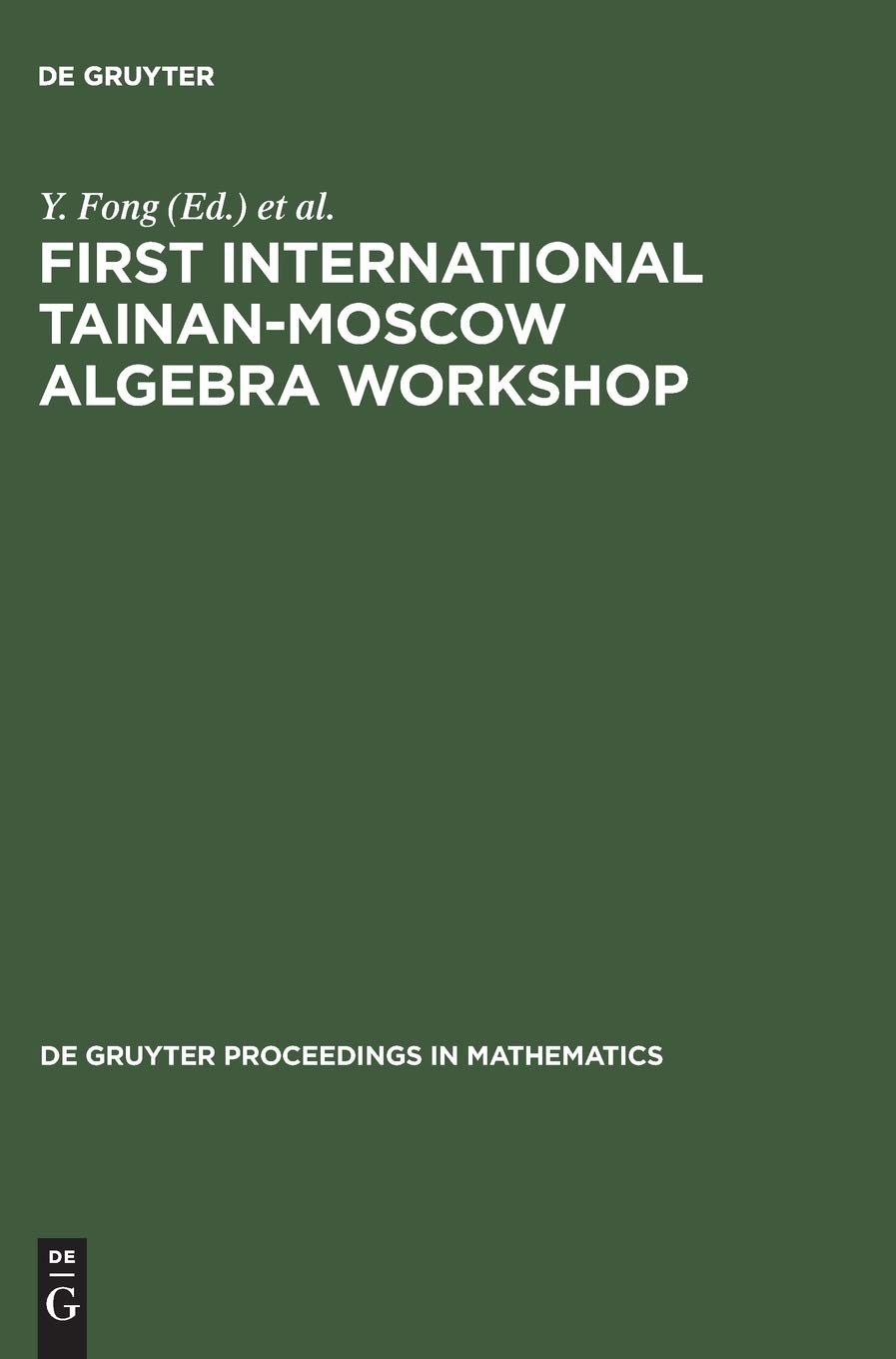
First International Tainan-Moscow Algebra Workshop: Proceedings of the International Conference held at National Cheng Kung University Tainan, Taiwan, ... 1994 (De Gruyter Proceedings in Mathematics)
Mathematics
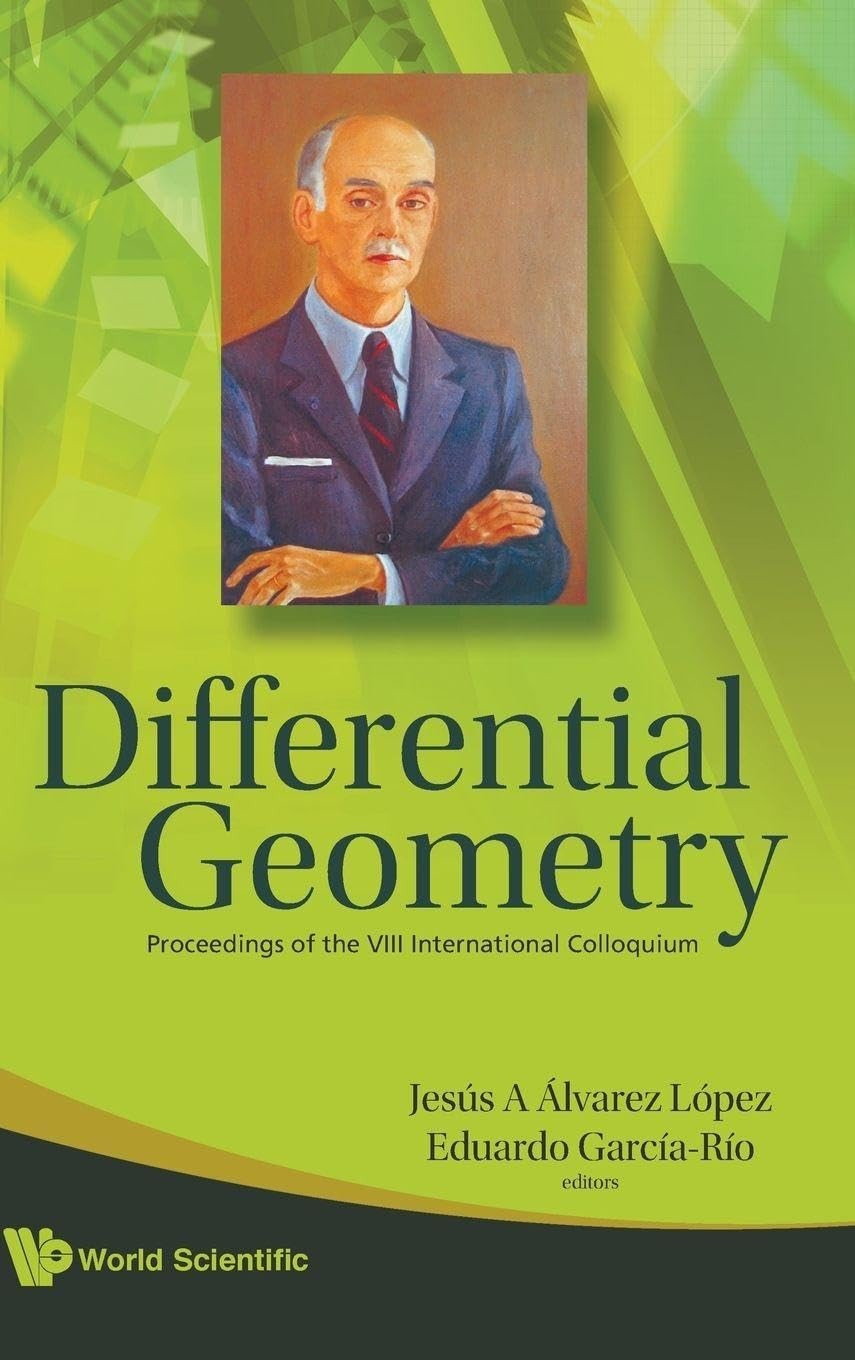
Differential Geometry - Proceedings of the VIII International Colloquium (English, Jesus A. Alvarez Lopez | Eduardo Garcia-Rio)
Mathematics
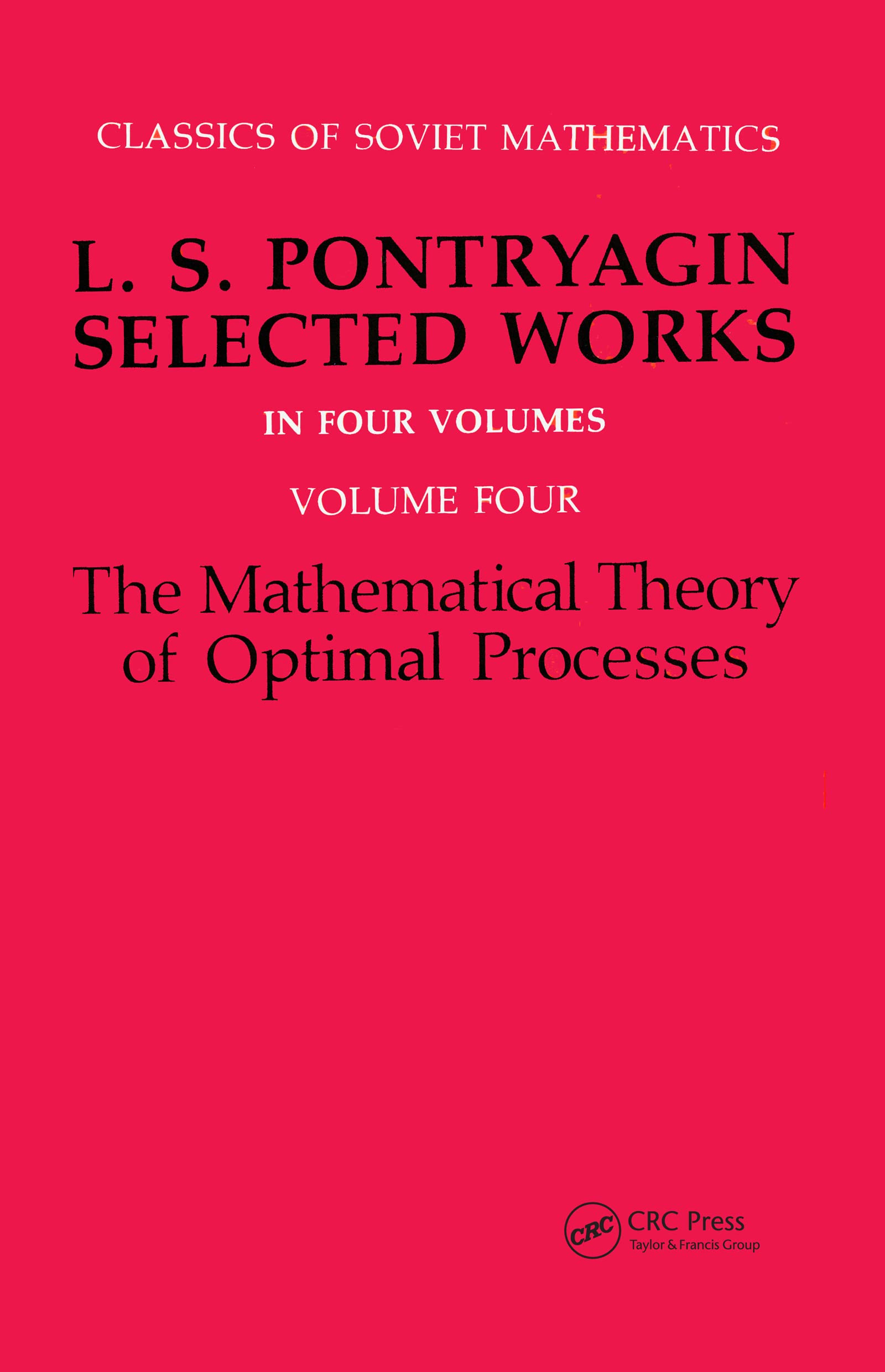
Mathematical Theory of Optimal Processes (Classics of Soviet Mathematics)
Related Products
View All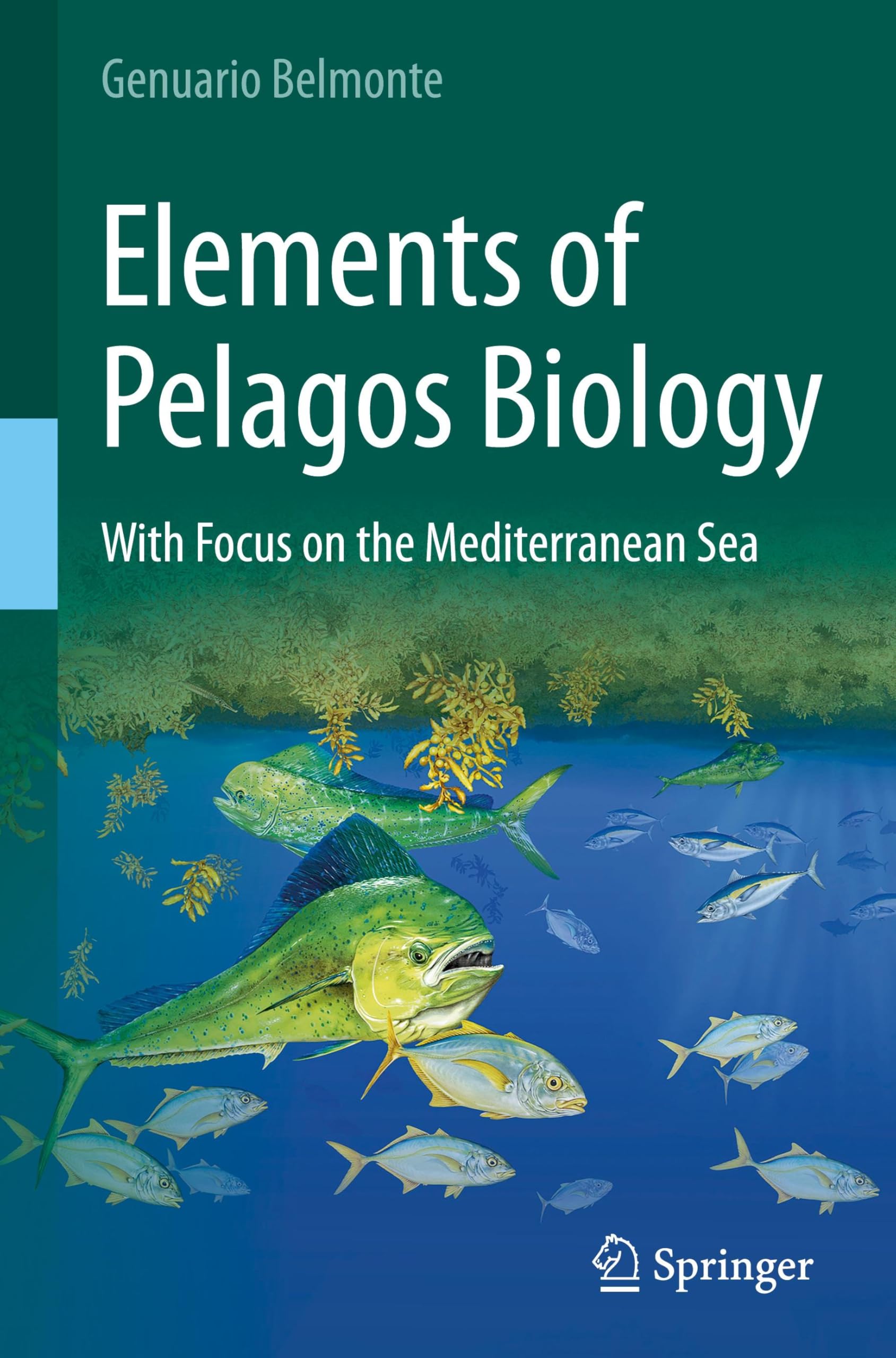
Science & Mathematics
Elements of Pelagos Biology: With Focus on the Mediterranean Sea
Science & Mathematics
Squid - Superconducting Quantum Interference Devices and Their Applications: Proceedings of the International Conference on Superconducting Quantum Devices, Berlin-west, October 4-8, 1976
Science & Mathematics
Thermodynamics and Pattern Formation in Biology
Science & Mathematics
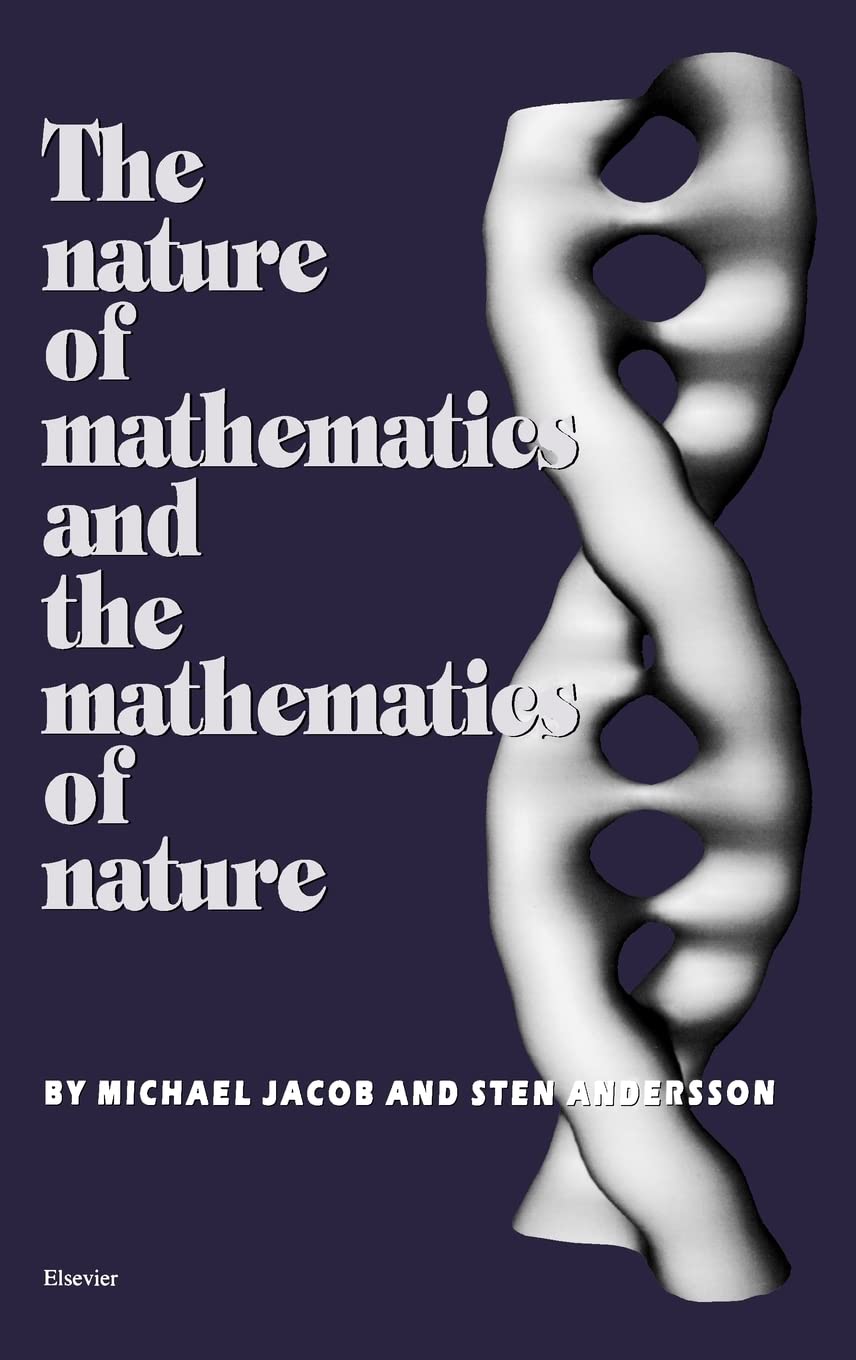
The Nature of Mathematics and the Mathematics of Nature by S. Andersson – Mathematics & Science

Science & Mathematics
Linear Algebra | by Stephen Friedberg | Arnold Insel | Lawrence Spence | Pearson | by Stephen Friedberg | Arnold Insel | Lawrence Spence | Pearson | by Stephen Friedberg | Arnold Insel | Lawrence Spence | Pearson | by Stephen Friedberg | Arnold Insel | Lawrence Spence | Pearson | by Stephen Friedberg | Arnold Insel | Lawrence Spence | Pearson | by Stephen Friedberg | Arnold Insel | Lawrence Spence | Pearson | by Stephen Friedberg | Arnold Insel | Lawrence Spence | Pearson | by Stephen Friedberg
Science & Mathematics