
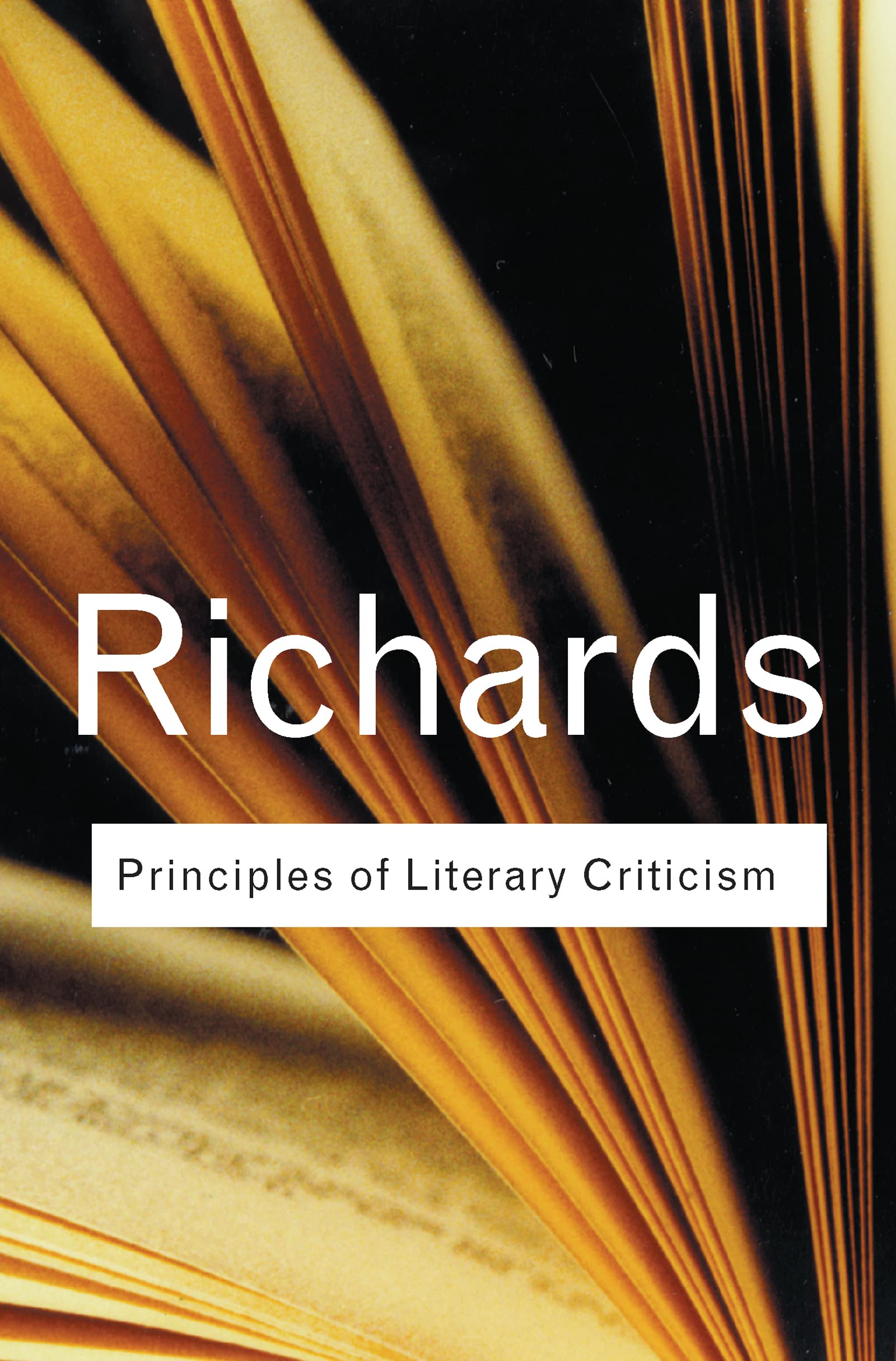
Principles of Literary Criticism: A Foundational Work in Modern Literary Theory by I. A. Richards
Inclusive of all applicable taxes. FREE shipping on all orders.
Available Offers
- 🚚Free Delivery — Free shipping on all orders
- 💵Cash on Delivery — Pay when your order arrives
- ↩️15-Day Easy Returns — Hassle-free return policy
- 🔒Cash on Delivery — Pay safely when your order arrives
Check Delivery
Product Description
Introduction
Principles of Literary Criticism by I. A. Richards is a foundational text in modern literary theory. First published in 1924, this hardcover edition from Routledge brings back a work that shaped the way we read, interpret, and evaluate literature. For students, teachers, and serious readers in India, this book offers a rigorous yet accessible exploration of how criticism can illuminate the art of writing. Richards’ ideas remain deeply relevant, making this volume a must-have for anyone who wants to understand the principles behind literary judgment.
Book Overview
In Principles of Literary Criticism, I. A. Richards systematically examines the nature of literary experience and the criteria for evaluating it. He argues that criticism must be grounded in psychology and communication, moving away from vague impressionism. The book covers topics such as the role of emotion in poetry, the difference between scientific and emotive language, and the importance of a reader’s response. Richards challenges traditional notions of beauty and meaning, offering a fresh framework that influenced the New Criticism movement. This edition preserves the original text in a sturdy hardcover format, ideal for academic study and personal libraries.
Key Highlights
- Pioneering approach: Bridges psychology and literary analysis, making criticism more systematic.
- Influential concepts: Introduces ideas like ‘pseudo-statements’ and ‘emotive language’ that remain central to literary theory.
- Clear structure: Chapters progress logically from basic principles to advanced applications.
- Critical legacy: Directly shaped the work of T. S. Eliot and the entire New Criticism school.
- Hardcover quality: Durable binding and high-quality paper ensure long-lasting use for students and scholars.
Story Themes
While not a narrative work, Principles of Literary Criticism explores themes of communication, value, and the psychology of reading. Richards delves into how literature creates emotional and intellectual responses, and how critics can distinguish between genuine and spurious art. The theme of order versus chaos in aesthetic experience runs throughout, as does the tension between subjective taste and objective standards. Richards also examines the role of language in shaping thought, making this a book about the very fabric of human expression.
Reader Benefits
- Deepen your understanding: Gain a solid grounding in the theoretical foundations of literary criticism.
- Improve analytical skills: Learn to evaluate poems, novels, and plays with greater precision and insight.
- Prepare for exams: Essential reading for UGC NET, MA English, and other literature courses in Indian universities.
- Appreciate modernist literature: Understand the critical context that shaped writers like T. S. Eliot and Virginia Woolf.
- Build your library: A classic reference work that belongs on every serious reader’s shelf.
Who Should Read
Principles of Literary Criticism is ideal for undergraduate and postgraduate students of English literature, teachers and professors seeking a core text for courses on literary theory, and self-taught readers who want to move beyond surface-level appreciation. It is also valuable for writers, editors, and anyone interested in the philosophy of art. Indian students preparing for competitive exams or pursuing research in literary studies will find Richards’ arguments both challenging and rewarding.
About the Author
I. A. Richards (1893–1979) was a British literary critic and rhetorician, widely regarded as one of the founders of modern criticism. He taught at Cambridge University and later at Harvard, where he influenced generations of scholars. Richards was a key supporter of T. S. Eliot and helped popularise the close reading techniques that define the New Criticism approach. His other major works include Practical Criticism and The Meaning of Meaning (with C. K. Ogden). His ideas continue to shape how we talk about literature today.
About the Publisher
Routledge is a premier academic publisher with a history dating back to 1836. Known for its authoritative works in the humanities and social sciences, Routledge brings this classic text to new audiences in a high-quality hardcover edition. The publisher’s commitment to scholarly excellence ensures that the text is reliable, well-edited, and presented with care—perfect for Indian readers who value academic rigour.
Conclusion
Principles of Literary Criticism is more than a historical artefact; it is a living guide to thinking about literature with depth and clarity. I. A. Richards’ insights into the psychology of reading and the nature of critical judgment remain as fresh today as they were a century ago. Whether you are a student grappling with theory for the first time or a seasoned reader seeking to refine your understanding, this hardcover edition from Routledge is an investment in your literary education. Add it to your collection and engage with the ideas that changed criticism forever.
Quick Summary
Principles of Literary Criticism by I. A. Richards is a landmark text that laid the groundwork for the New Criticism movement. First published in 1924, this book revolutionised the way literature is studied by focusing on the text itself rather than external contexts. Richards explores the nature of poetic language, the role of emotion in art, and the criteria for literary value. He argues that criticism should be systematic and grounded in psychology and communication theory. The book is essential for students of English literature, especially those preparing for UGC NET, SET, or postgraduate courses in India. It offers a rigorous framework for analysing poetry and prose through close reading. Readers will gain a deep understanding of how meaning is created in literary texts and how readers respond emotionally and intellectually. This Routledge hardcover edition is a durable addition to any academic library. Buying from Bookshops.in ensures you receive a genuine copy with prompt delivery across India. Whether you are a scholar, teacher, or passionate reader, this book remains an indispensable guide to the art of criticism.
Book Highlights
Book Specifications
| ISBN-13 | 9781138123748 |
| ISBN-10 | 1138123749 |
| Publisher | Routledge |
| Language | English |
| Dimensions | 12.9 x 1.7 x 19.81 cm |
| Weight | 318 g |
| Country | United Kingdom |
| Category | Literature › Literary Theory |
| Genre | Literary Criticism |
| Original Language | English |
Frequently Asked Questions
What is Principles of Literary Criticism about?
Who is the author of Principles of Literary Criticism?
Is this book suitable for Indian students?
What is the New Criticism movement?
How does this book help in UGC NET preparation?
Is this a hardcover edition?
Does the book include practical criticism examples?
Can beginners read this book?
What is the ISBN of this book?
Is this book available in other Indian bookstores?
What language is the book written in?
Does the book discuss T. S. Eliot?
Why should I buy from Bookshops.in?
Readers Also Search For
Customers Also Bought
Contemporary Fiction
Stepladder Junction and Other Stories

Contemporary Fiction
Fabrications by Pamela Painter – Short Story Collection

Contemporary Fiction
The Double Life of an Alaskan Sled Dog (English, Andrea Finney Aufder Heyde)

Contemporary Fiction
The Alabaster Girl by Zan Perrion

Contemporary Fiction
Grimm and Grimmer: Classic Fairy Tales Rebooted by Mark Russell
Classic Literature
The Prose Works of Andrew Marvell: 1676-1678 by Andrew Marvell – Restoration Literature
Related Products
View All
Literature & Fiction
Shakespeare, Madness, and Music: Scoring Insanity in Cinematic Adaptations
Literature & Fiction
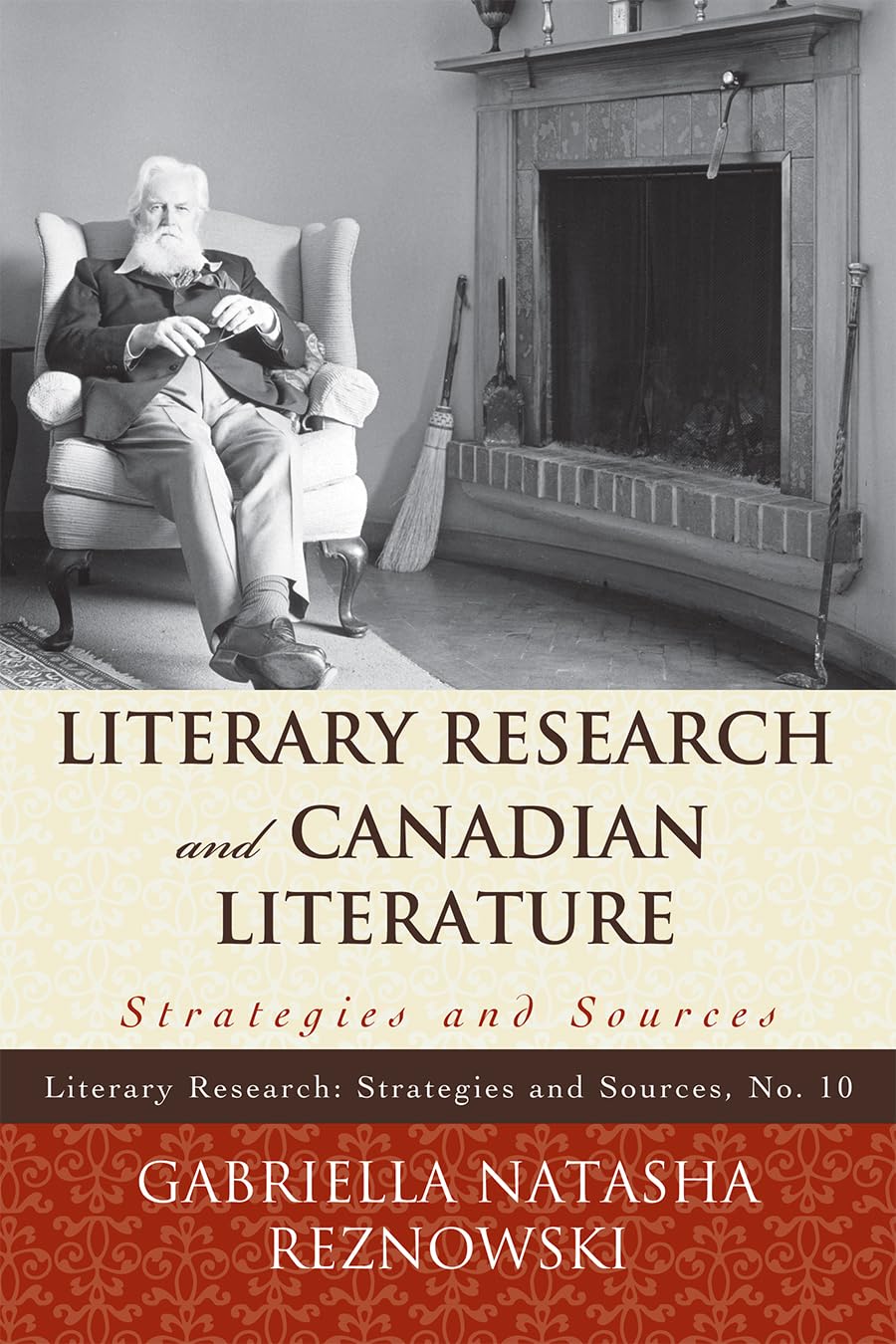
Literary Research and Canadian Literature: Strategies and Sources: 10 (Literary Research: Strategies and Sources, 10)

Literature & Fiction
Crime Fiction and National Identities in the Global Age | by Julie H. Kim | McFarland & Company | by Julie H. Kim | McFarland & Company | by Julie H. Kim | McFarland & Company | by Julie H. Kim | McFarland & Company | by Julie H. Kim | McFarland & Company | by Julie H. Kim | McFarland & Company | by Julie H. Kim | McFarland & Company | by Julie H. Kim | McFarland & Company | by Julie H. Kim | McFarland & Company | by Julie H. Kim | McFarland & Company | by
Literature & Fiction
Greek Literature in the Classical Period: The Poetics of Drama in Athens: 4 (Greek Literature Vol. 4)
Literature & Fiction
Greek Literature and Philosophy (Greek Literature, Volume 6)
Literature & Fiction