
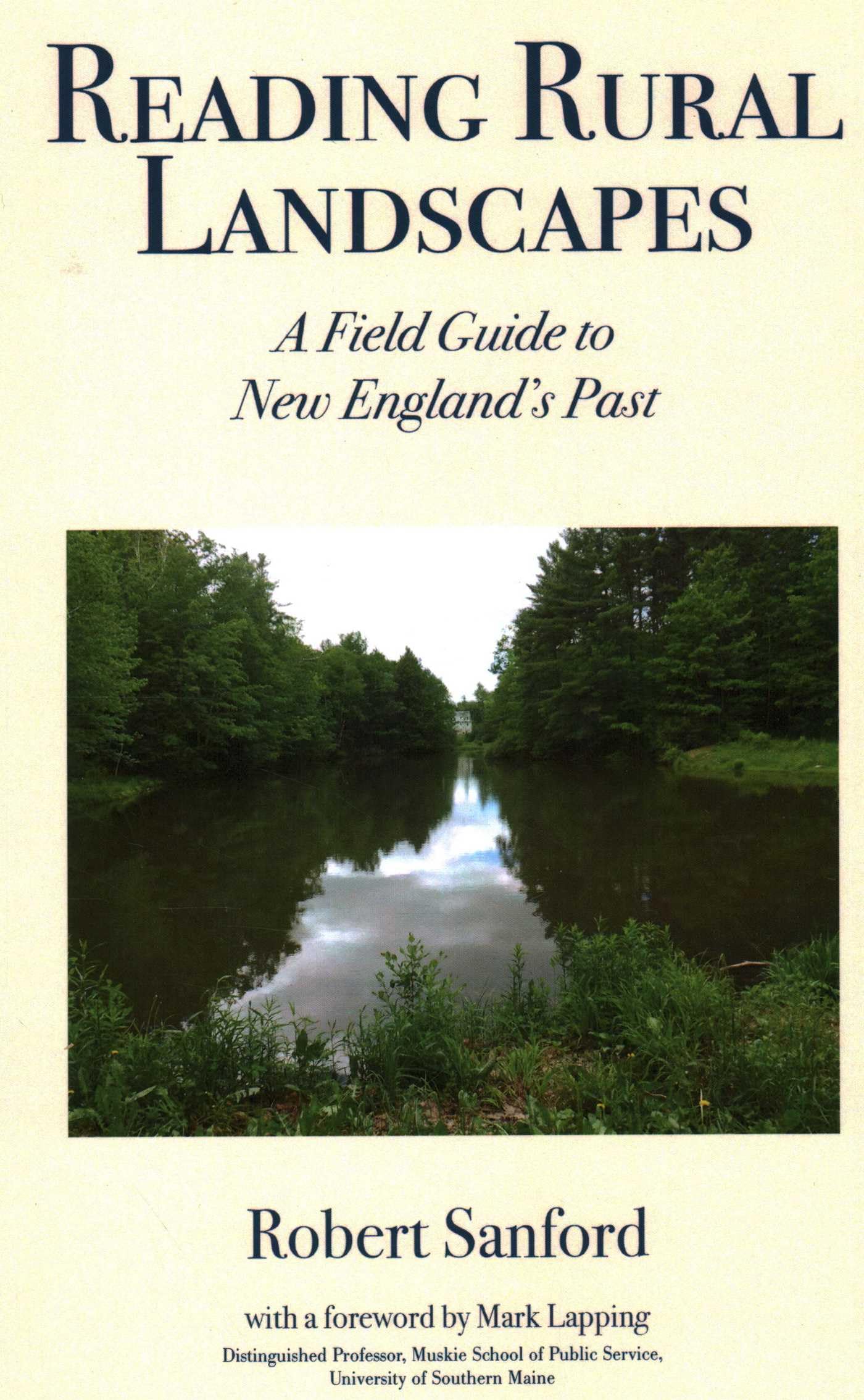
Reading Rural Landscapes: A Field Guide to New England's Past by Robert Stanford – Interpreting Traces in Fields, Woods,
Inclusive of all applicable taxes. FREE shipping on all orders.
Available Offers
- 🚚Free Delivery — Free shipping on all orders
- 💵Cash on Delivery — Pay when your order arrives
- ↩️15-Day Easy Returns — Hassle-free return policy
- 🔒Cash on Delivery — Pay safely when your order arrives
Check Delivery
Product Description
Introduction
Every stone wall, forgotten cellar hole, or overgrown orchard in the countryside tells a story. For those who love history, nature, or simply wandering through New England’s quiet lanes, Reading Rural Landscapes: A Field Guide to New England's Past by Robert Stanford is the perfect companion. This beautifully illustrated hardcover volume transforms an ordinary walk into a journey through time, revealing the hidden human stories etched into the land. Whether you are a student of landscape history, a genealogist tracing ancestral roots, or a curious traveller, this book offers the keys to unlock the past that lies just beneath the surface of the present.
Book Overview
Published by Tilbury House, this field guide is designed to be carried in a backpack or glove box, making it ideal for outdoor exploration. Robert Stanford combines decades of observation with a deep knowledge of rural artifacts, showing readers how to identify and interpret the marks left by generations of farmers, millers, and settlers. Lavishly illustrated with colour photographs and detailed drawings, the book teaches you to read the landscape as a living archive. From abandoned homesteads to forgotten mill sites, every feature becomes a clue to reconstructing the region’s rich past.
Key Highlights
- Practical Field Guide Format: Compact and durable, perfect for taking on hikes, road trips, or genealogical field visits.
- Rich Visuals: Hundreds of colour photographs and hand-drawn illustrations bring each landscape feature to life.
- Expert Interpretation: Learn to spot and understand stone walls, cellar holes, old roads, dams, orchards, and other remnants of rural life.
- Unique Perspective: Bridges the gap between natural history and human history, showing how the land remembers.
- Indian Reader Appeal: While focused on New England, the methods of reading landscapes are universal and can be applied to rural India’s own layered histories.
Inside the Book
The book is organised into thematic sections that guide you step by step through the landscape. Early chapters introduce the basic principles of reading rural spaces, explaining how to differentiate natural features from human-made ones. Subsequent chapters dive into specific artifacts: stone walls and their many styles, cellar holes and what they reveal about old homes, abandoned roads and cart paths, mill sites with their dams and sluices, and the telltale signs of former fields and orchards. Each section includes clear photographs, annotated diagrams, and real-world examples. The final chapters offer guidance on conducting your own landscape surveys, making this a truly hands-on resource.
Key Topics
- Identifying and dating stone walls
- Reading cellar holes and house foundations
- Recognising old roads, lanes, and boundary markers
- Interpreting mill sites, dams, and waterpower remnants
- Understanding field patterns, hedgerows, and reforested farmland
- Detecting old orchards, gardens, and domestic plantings
- Using maps, deeds, and historical records alongside field observation
Reader Benefits
- Enhanced Observation Skills: Develop a keen eye for subtle landscape clues that most people overlook.
- Deeper Connection to History: Move beyond textbook history to experience the past directly through the land.
- Practical Genealogy Tool: Locate ancestral homesteads and understand the environments where your forebears lived and worked.
- Perfect Travel Companion: Turn any drive or hike into an educational adventure for families, students, and solo explorers.
- Applicable Skills: The interpretive methods can be adapted to landscapes anywhere in the world, including India’s rural and historical terrains.
Learning Outcomes
By the end of this book, readers will be able to confidently identify and interpret a wide range of human-made features in rural landscapes. You will learn to reconstruct the sequence of land use—from forest to farm and back again—using only the evidence at your feet. You will also gain the ability to use historical maps and documents alongside field observations to build a richer picture of the past. These skills empower you to become an active historian of your own surroundings, whether in New England or any other region with a deep rural heritage.
Who Should Read
- History Enthusiasts: Anyone fascinated by the everyday lives of earlier generations.
- Genealogists: Those researching family roots and wanting to visit ancestral homesites.
- Students and Educators: Ideal for courses in landscape history, archaeology, geography, and environmental studies.
- Hikers and Nature Lovers: Adds a new dimension to outdoor experiences.
- Indian Readers: Though focused on New England, the principles are universal and will appeal to anyone interested in rural history, heritage walks, or understanding how human activity shapes the land.
About the Author
Robert Stanford is a seasoned landscape historian and educator with decades of experience walking and studying the rural landscapes of New England. His work combines rigorous historical research with a passion for fieldwork, making him a trusted guide for both amateur and professional explorers. Stanford’s ability to make the invisible visible—revealing the stories hidden in a tumbled stone wall or a patch of daffodils in the woods—has earned him a devoted following among genealogists, naturalists, and history buffs alike.
About the Publisher
Tilbury House is an independent publisher based in Maine, known for producing high-quality books that celebrate the natural and cultural heritage of New England and beyond. With a focus on thoughtful design, rich illustrations, and accessible writing, Tilbury House has become a beloved name for readers who value books that educate, inspire, and connect them to the world around them. Their commitment to publishing works that blend history, nature, and practical knowledge makes them the perfect home for this indispensable field guide.
Conclusion
Reading Rural Landscapes: A Field Guide to New England's Past is more than a book—it is an invitation to step outside and see the world with new eyes. Whether you are tracing your own family’s footsteps or simply curious about the stories embedded in the land, this guide will transform every walk into a conversation with the past. Pick up your copy today and begin your journey into the hidden history that surrounds us all.
Quick Summary
Reading Rural Landscapes: A Field Guide to New England's Past by Robert Stanford is a beautifully illustrated manual that empowers readers to decode the hidden stories written in the rural landscape. From cellar holes and stone walls to patches of daylilies and remnants of mill dams, every feature holds a clue to the region's history. This book is perfect for history enthusiasts, hikers, students of geography, and travellers who want to see beyond the surface during their outdoor adventures. Readers will learn to identify human artifacts, understand how forests reclaim abandoned farms, and reconstruct past land use. The book is richly illustrated with colour photographs and drawings, making it easy to use in the field. Published by Tilbury House, this hardcover edition is a durable companion for field trips. By purchasing from Bookshops.in, Indian customers get an authentic copy at a great price, delivered to their doorstep. Whether you are planning a trip to New England or simply love exploring cultural landscapes, this guide will transform the way you see the world around you.
Book Highlights
Book Specifications
| ISBN-13 | 9780884483663 |
| ISBN-10 | 0884483665 |
| Publisher | Tilbury House Pub |
| Language | English |
| Dimensions | 14.22 x 1.52 x 21.08 cm |
| Weight | 363 g |
| Category | Americas › United States |
| Genre | Nonfiction |
| Original Language | English |
Frequently Asked Questions
What is Reading Rural Landscapes about?
Who is the author of this book?
Is this book suitable for beginners?
Does the book have photographs?
Can Indian readers benefit from this book?
What kind of features does the book cover?
Is this a hardcover edition?
Is the book focused only on New England?
Does the book include maps?
What is the ISBN-13?
Can I use this book for academic research?
Is the language easy to understand?
Why should I buy from Bookshops.in?
Readers Also Search For
Customers Also Bought
Related Products
View All
History
The Information Revolution: Transforming the World Through Technology (World History)

History
Human Nature and the French Revolution: From the Enlightenment to the Napoleonic Code: 3 (Polygons: Cultural Diversities and Intersections, 3)
History
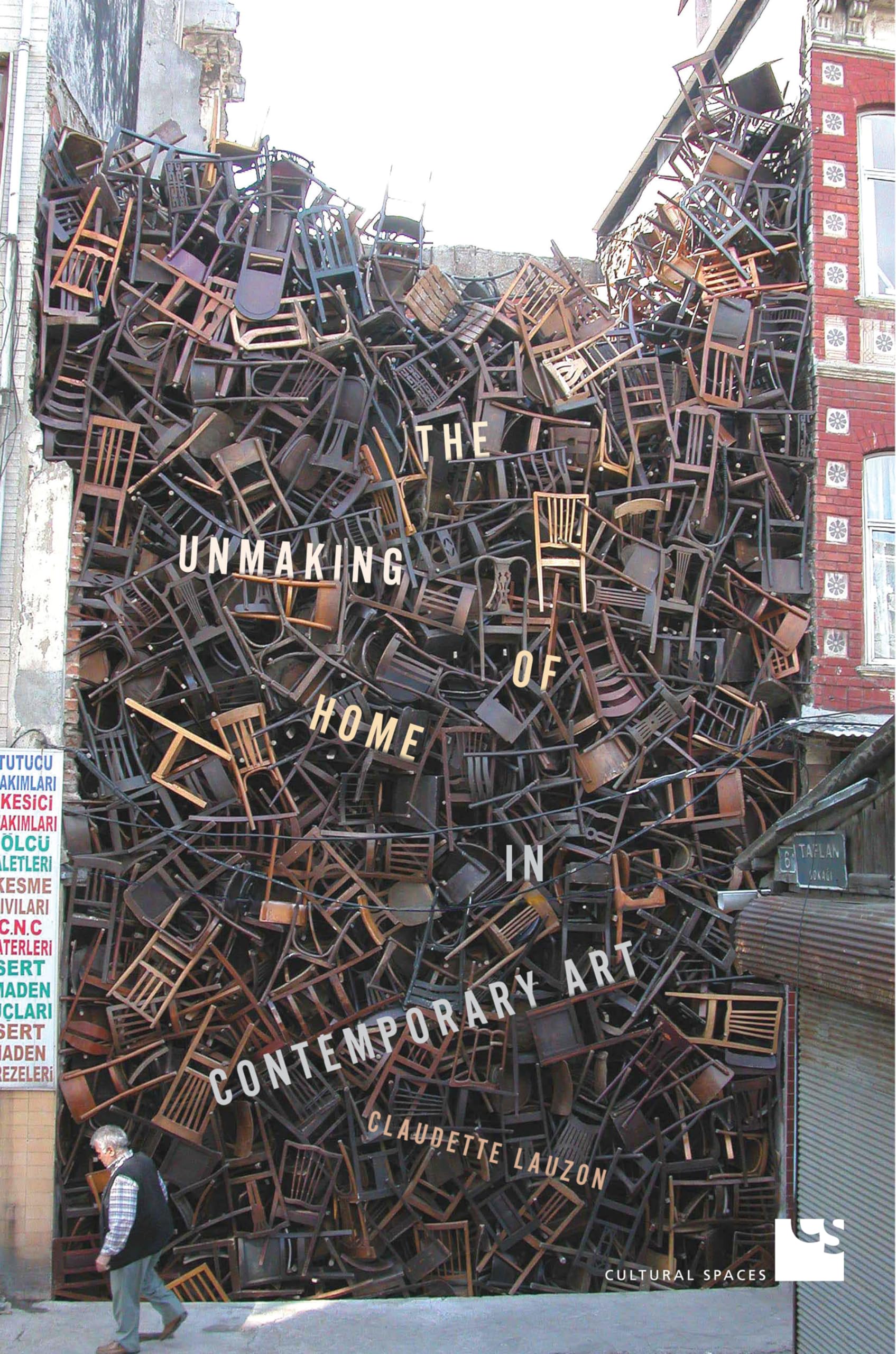
The Unmaking of Home in Contemporary Art (Cultural Spaces)

History
Handbook to Life in Medieval and Early Modern Japan | by William E. Deal | Oxford University Press | by William E. Deal | Oxford University Press | by William E. Deal | Oxford University Press | by William E. Deal | Oxford University Press | by William E. Deal | Oxford University Press | by William E. Deal | Oxford University Press | by William E. Deal | Oxford University Press | by William E. Deal | Oxford University Press | by William E. Deal | Oxford University Press | by William E. Deal | Ox

History
The Narrators of Barbarian History (A.D. 550-800) | by Walter Goffart | University of Notre Dame Press | by Walter Goffart | University of Notre Dame Press | by Walter Goffart | University of Notre Dame Press | by Walter Goffart | University of Notre Dame Press | by Walter Goffart | University of Notre Dame Press | by Walter Goffart | University of Notre Dame Press | by Walter Goffart | University of Notre Dame Press | by Walter Goffart | University of Notre Dame Press | by Walter Goffart | Univ

History