
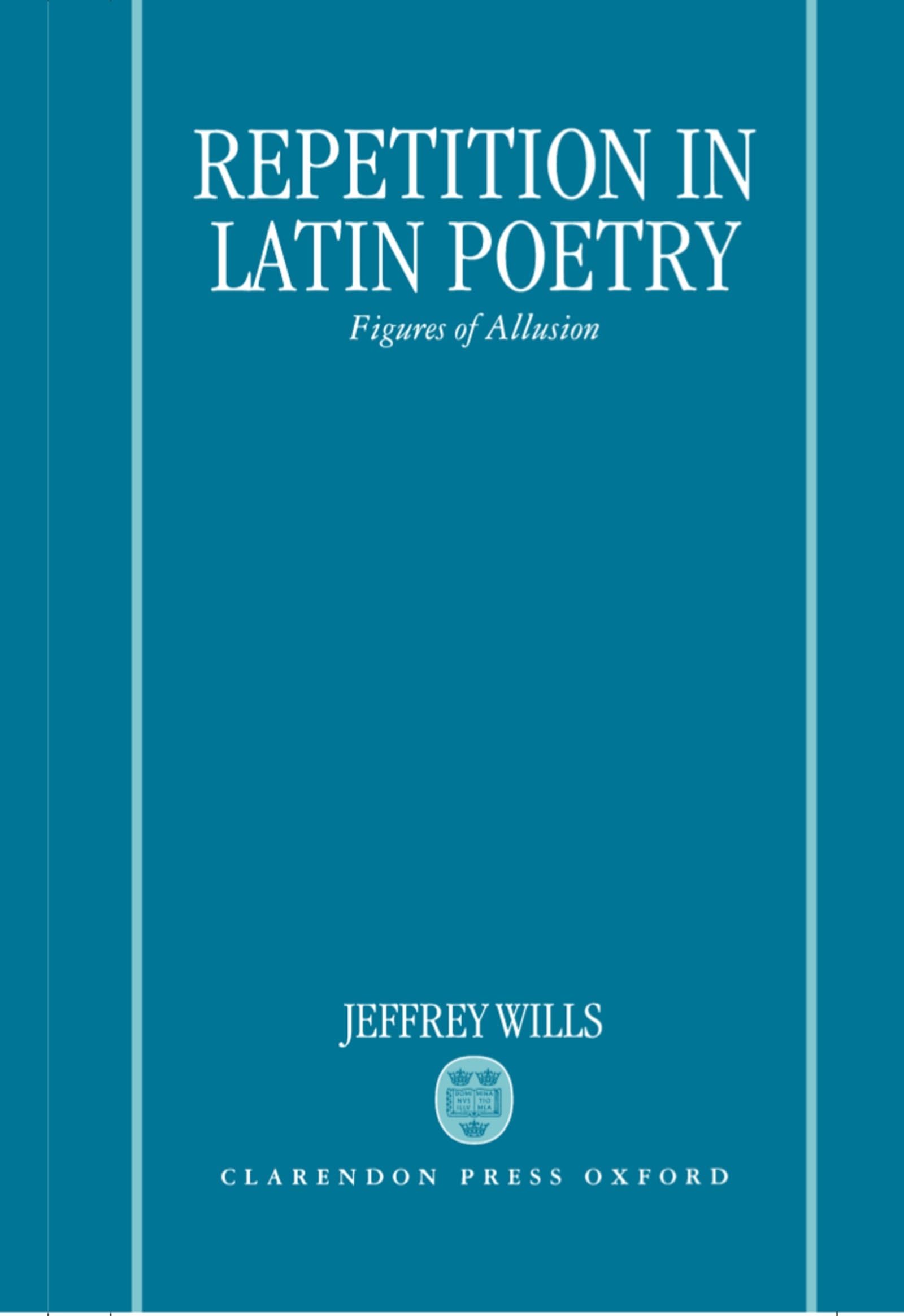
Repetition in Latin Poetry: Figures of Allusion by Jeffrey Wills – A Comprehensive Study of Word Repetition and Intertex
Inclusive of all applicable taxes. FREE shipping on all orders.
Available Offers
- 🚚Free Delivery — Free shipping on all orders
- 💵Cash on Delivery — Pay when your order arrives
- ↩️15-Day Easy Returns — Hassle-free return policy
- 🔒Cash on Delivery — Pay safely when your order arrives
Check Delivery
Product Description
Introduction
In the vast landscape of Latin literary scholarship, few works have dared to tackle the subtle yet powerful role of repetition with the depth and precision that Jeffrey Wills brings to the table. Repetition in Latin Poetry: Figures of Allusion is a landmark study that unveils how ancient Roman poets used repeated words, phrases, and structures to weave intricate networks of meaning across their verses. Published by OUP Oxford, this hardcover volume is an essential addition to any serious student's or scholar's library, offering fresh insights into the mechanics of allusion and intertextuality in Latin poetry from its earliest days to the Silver Age.
Book Overview
This meticulously researched work examines over ten thousand instances of repetition drawn from the entire sweep of Latin poetry—from the archaic fragments of Ennius to the satirical verses of Juvenal. Wills moves beyond the footnote-level treatment that repetition has traditionally received, elevating it to a central figure of literary craft. The book explores how poets like Virgil, Horace, Ovid, and Catullus employed repetition not as mere ornamentation but as a deliberate strategy for allusion, genre play, and thematic resonance. Each chapter dissects specific patterns—anaphora, polyptoton, gemination, and more—demonstrating how these figures shaped the reader's experience and connected poems across time and tradition.
Key Highlights
- Comprehensive Scope: Covers Latin poetry from Ennius (3rd century BCE) to Juvenal (2nd century CE), offering a panoramic view of repetition's evolution.
- Intertextual Focus: Shows how repetition functioned as a tool for poets to reference and reinterpret earlier works, creating a dialogue across generations.
- Scholarly Rigor: Based on an exhaustive analysis of over 10,000 quotations, providing an empirical foundation for every claim.
- Accessible Structure: Organized by figure type and poetic context, making it usable for both graduate students and seasoned researchers.
- Genre Diversity: Includes epic, elegy, lyric, drama, and satire, highlighting how repetition adapted to different poetic modes.
Story Themes
While this is a work of literary criticism, its thematic undercurrents resonate with the very essence of poetic creation. The book explores how repetition mirrors the cyclical nature of memory, tradition, and innovation in Roman culture. Themes of influence and originality emerge as Wills demonstrates that Latin poets often signaled their debts to predecessors through repeated phrases—a form of homage that also asserted their own creative voice. The tension between imitation and transformation runs throughout, revealing how repetition could reinforce authority or subvert it. Additionally, the book touches on the ritualistic and performative aspects of repetition in Roman society, linking poetic practice to broader cultural patterns.
Reader Benefits
- Deepen Your Interpretation: Learn to recognize and analyze repeated words and structures in Latin poetry, unlocking layers of meaning that casual reading misses.
- Enhance Your Research: Gain access to a wealth of categorized examples and theoretical frameworks that can support your own scholarly work.
- Master Allusion: Understand how repetition serves as a key mechanism for allusion, helping you trace the intertextual web that connects Roman poets.
- Improve Close Reading: Develop a sharper eye for linguistic patterns, from simple anaphora to complex polyptoton, and apply these skills to any Latin text.
- Build a Foundation: Whether you are preparing for exams, writing a thesis, or teaching a course, this book provides a solid grounding in a previously underexplored topic.
Who Should Read
This book is ideal for advanced undergraduate and postgraduate students of Latin literature, as well as scholars specialising in classical philology, intertextuality, and poetic theory. Teachers and professors who want to incorporate fresh material into their courses on Roman poetry will find it invaluable. It also appeals to dedicated independent readers with a strong background in Latin who wish to deepen their appreciation of poetic craft. If you have ever wondered why Virgil repeats a phrase from Ennius or how Ovid's verbal echoes create irony, this book will answer those questions and more.
About the Author
Jeffrey Wills is a distinguished classical scholar whose work has focused on the intersection of language, rhetoric, and poetry in ancient Rome. With a PhD from Harvard University, he has taught at the University of Wisconsin–Madison and published extensively on Latin literature. His research is known for its meticulous attention to textual detail and its ability to connect small-scale linguistic features to large-scale literary effects. Repetition in Latin Poetry is the culmination of years of painstaking analysis and stands as his most significant contribution to the field.
About the Publisher
OUP Oxford, the academic imprint of Oxford University Press, is one of the world's most respected publishers of scholarly works. With a history dating back to the 16th century, OUP has set the standard for rigorous peer review and high-quality production in the humanities. This hardcover edition reflects their commitment to durability and elegance, featuring acid-free paper and a sturdy binding that will withstand years of use in a library or study. For Indian readers and institutions, OUP's global distribution ensures that this authoritative work is readily available for academic pursuits.
Conclusion
Repetition in Latin Poetry: Figures of Allusion is not merely a reference book—it is an invitation to read Latin poetry with new eyes. By elevating repetition from a footnote to a focal point, Jeffrey Wills has given scholars and students a powerful lens through which to understand how Roman poets built their art. Whether you are tracing the echoes of Homer in Virgil or decoding the verbal play of Ovid, this book will transform the way you engage with ancient texts. Add it to your collection today and discover the hidden rhythms that shaped the greatest poetry of Rome.
Quick Summary
Repetition in Latin Poetry: Figures of Allusion by Jeffrey Wills is a landmark scholarly work that redefines our understanding of word repetition in Latin verse. Drawing on over 10,000 quotations from Ennius to Juvenal, Wills demonstrates that repetition is not a mere stylistic flourish but a deliberate figure of allusion that connects texts across time and genre. The book covers major poets such as Virgil, Horace, Ovid, Catullus, and Lucan, analysing rhetorical devices like anaphora, epanalepsis, and polyptoton within their literary and historical contexts. This study is essential for advanced students, researchers, and teachers of Latin literature who wish to explore intertextuality, poetic technique, and the art of allusion in depth. By purchasing from Bookshops.in, Indian readers gain access to a premium hardcover edition backed by reliable service and competitive pricing, making it a valuable addition to any classical studies library.
Book Highlights
Book Specifications
| ISBN-13 | 9780198140849 |
| ISBN-10 | 0198140843 |
| Publisher | Clarendon Pr |
| Language | English |
| Dimensions | 22.45 x 3.68 x 17.22 cm |
| Weight | 975 g |
| Country | India |
| Category | Literature & Fiction › Literary Theory, History & Criticism |
| Genre | Literary Criticism |
| Original Language | English |
Frequently Asked Questions
What is the main focus of this book?
Which Latin poets are covered in this study?
Is this book suitable for beginners in Latin poetry?
How does repetition relate to allusion in Latin poetry?
What rhetorical figures are discussed?
Does the book include examples from all genres of Latin poetry?
How many quotations are analysed?
Is this book available in paperback?
Can this book help with my research on intertextuality?
Does the book include a bibliography or index?
Is the language of the book English?
Why is repetition important in Latin poetry?
Where can I buy this book in India?
Readers Also Search For
Customers Also Bought
Contemporary Fiction
Stepladder Junction and Other Stories

Contemporary Fiction
Fabrications by Pamela Painter – Short Story Collection

Contemporary Fiction
The Double Life of an Alaskan Sled Dog (English, Andrea Finney Aufder Heyde)
Contemporary Fiction
The Alabaster Girl by Zan Perrion

Contemporary Fiction
Grimm and Grimmer: Classic Fairy Tales Rebooted by Mark Russell
Classic Literature
The Prose Works of Andrew Marvell: 1676-1678 by Andrew Marvell – Restoration Literature
Related Products
View All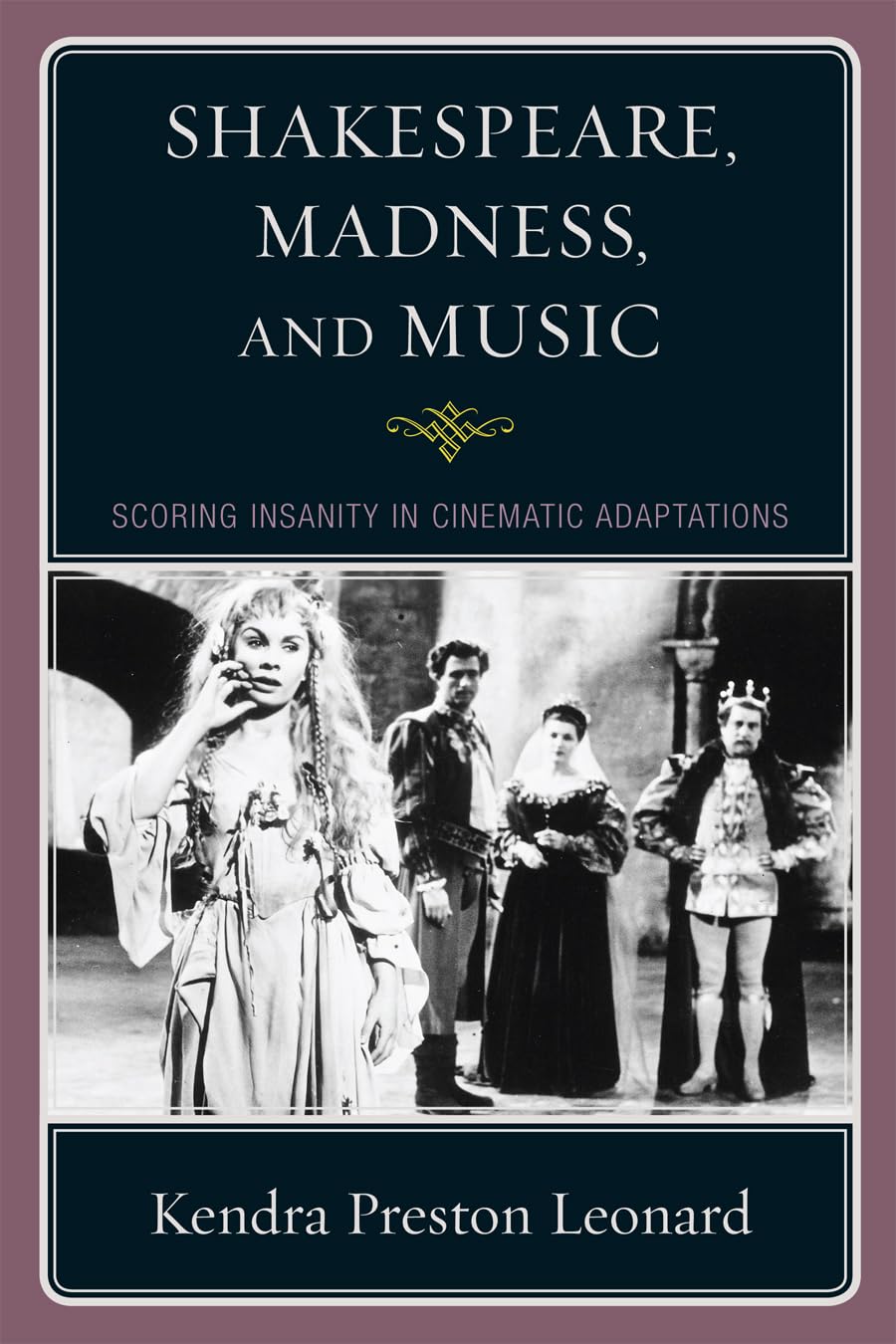
Literature & Fiction
Shakespeare, Madness, and Music: Scoring Insanity in Cinematic Adaptations

Literature & Fiction
Literary Research and Canadian Literature: Strategies and Sources: 10 (Literary Research: Strategies and Sources, 10)

Literature & Fiction
Crime Fiction and National Identities in the Global Age | by Julie H. Kim | McFarland & Company | by Julie H. Kim | McFarland & Company | by Julie H. Kim | McFarland & Company | by Julie H. Kim | McFarland & Company | by Julie H. Kim | McFarland & Company | by Julie H. Kim | McFarland & Company | by Julie H. Kim | McFarland & Company | by Julie H. Kim | McFarland & Company | by Julie H. Kim | McFarland & Company | by Julie H. Kim | McFarland & Company | by
Literature & Fiction
Greek Literature in the Classical Period: The Poetics of Drama in Athens: 4 (Greek Literature Vol. 4)
Literature & Fiction
Greek Literature and Philosophy (Greek Literature, Volume 6)

Literature & Fiction