
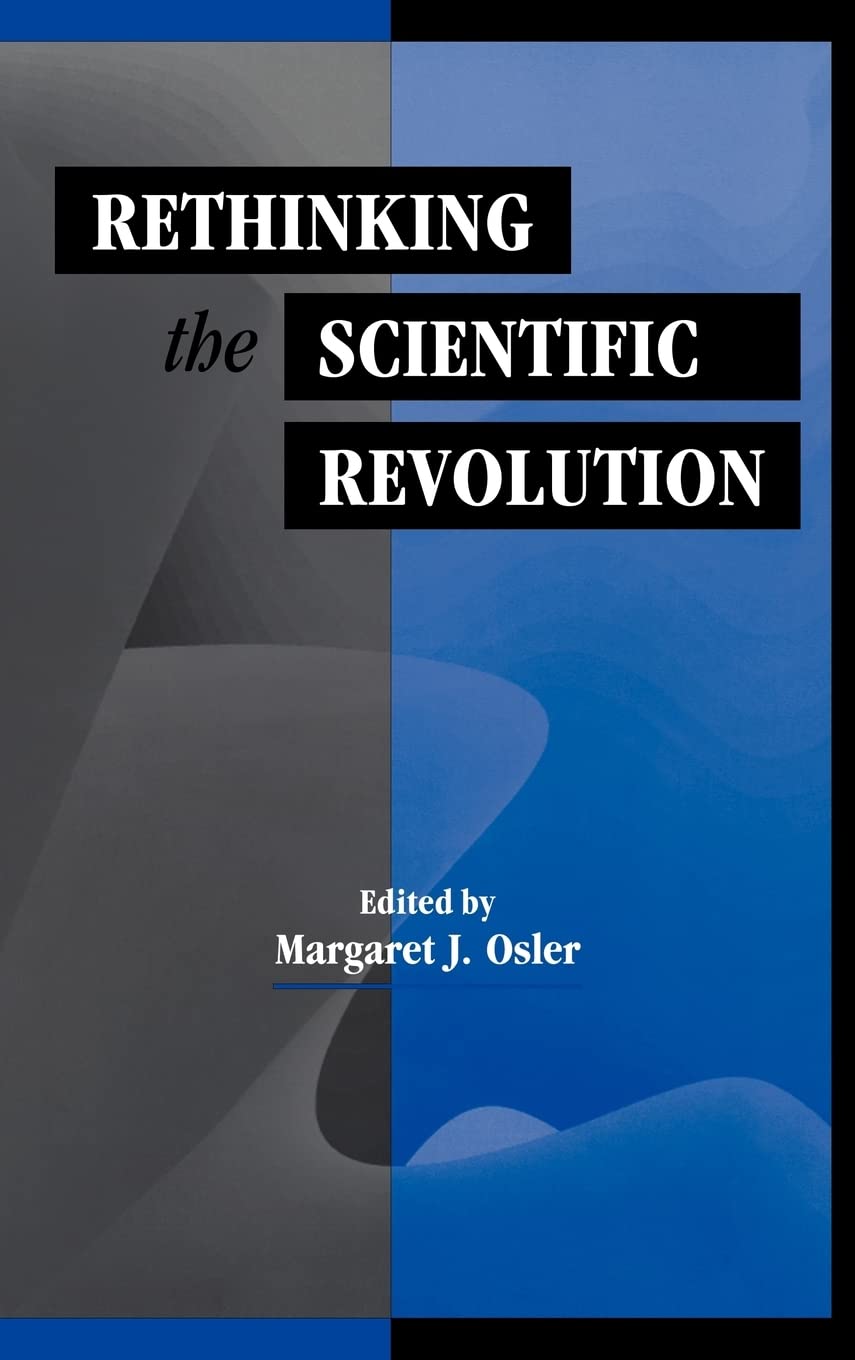
Rethinking the Scientific Revolution: A Critical Re-Examination of Early Modern Science by Margaret J. Osler
Inclusive of all applicable taxes. FREE shipping on all orders.
Available Offers
- 🚚Free Delivery — Free shipping on all orders
- 💵Cash on Delivery — Pay when your order arrives
- ↩️15-Day Easy Returns — Hassle-free return policy
- 🔒Cash on Delivery — Pay safely when your order arrives
Check Delivery
Product Description
Introduction
Few periods in European intellectual history have shaped the modern world as profoundly as the Scientific Revolution. Yet, for decades, historians have debated what exactly happened between Copernicus and Newton, and whether the term 'revolution' itself is even adequate. Margaret J. Osler's Rethinking the Scientific Revolution offers a bold, critical reassessment of this canonical era. Designed for serious students and scholars alike, this hardcover volume from Cambridge University Press challenges long-held assumptions and opens new pathways for understanding the birth of modern science.
Book Overview
This collection of essays emerged from a dialogue between two eminent historians—Betty Jo Teeter Dobbs and Richard S. Westfall—whose interpretations of the Scientific Revolution diverged in fundamental ways. Osler brings together leading voices to re-examine the period roughly from 1500 to 1700, questioning the traditional narrative that presents it as a single, coherent event. Instead, the book explores the messy, contested, and often contradictory processes that gave rise to what we now call modern science. It reconsiders canonical figures like Copernicus, Galileo, Kepler, and Newton, while also investigating the formation of disciplinary boundaries and the cultural contexts that shaped scientific inquiry.
Key Highlights
- Pioneering historiographical approach: Moves beyond the 'great man' theory of science to examine social, religious, and philosophical influences.
- Dialogue between Dobbs and Westfall: A unique starting point that reveals the depth of disagreement among historians.
- Re-evaluation of canonical figures: Fresh perspectives on Copernicus, Galileo, Kepler, Newton, and others.
- Interdisciplinary scope: Connects the history of science with intellectual history, philosophy, and religious studies.
- Critical of traditional periodization: Questions whether the term 'Scientific Revolution' remains useful for understanding the past.
Inside the Book
The volume is structured around key thematic essays, each tackling a specific problem or figure. Readers will find detailed analyses of how alchemy, natural magic, and religious beliefs intersected with emerging scientific practices. The book also examines the role of institutions—universities, courts, and academies—in shaping scientific knowledge. Notably, it includes contributions that explore the boundaries between disciplines such as astronomy, physics, and chemistry, showing how these categories were themselves invented during this period. The essays are rigorous yet accessible, making complex historiographical debates understandable for advanced undergraduates and graduate students.
Key Topics
- The meaning and validity of the term 'Scientific Revolution'
- Copernicanism and its reception across Europe
- Galileo's conflict with the Church and its historiographical legacy
- Kepler's mystical and mathematical cosmology
- Newton's alchemy, theology, and natural philosophy
- The role of women and gender in early modern science
- Formation of disciplinary boundaries (astronomy vs. physics vs. chemistry)
- Religion, magic, and the rise of mechanical philosophy
- Institutional contexts: universities, courts, and scientific societies
- Comparative perspectives: European science in global context
Reader Benefits
By engaging with this book, Indian students and scholars will gain a nuanced understanding of how modern science emerged—not as a sudden breakthrough, but as a complex, contested process. The essays help readers critically evaluate historical narratives and develop a sophisticated approach to the history of science. For those preparing for competitive exams or advanced research, this volume provides essential historiographical tools. It also encourages readers to think about science as a human activity shaped by culture, religion, and politics, rather than as a purely objective enterprise.
Learning Outcomes
- Understand the major historiographical debates surrounding the Scientific Revolution.
- Critically evaluate the contributions of key figures like Copernicus, Galileo, Kepler, and Newton.
- Analyze the role of religion, magic, and alchemy in early modern science.
- Recognize how disciplinary boundaries were historically constructed.
- Develop skills in reading and interpreting primary and secondary sources in the history of science.
- Apply historiographical concepts to other periods and regions, including Indian scientific traditions.
Who Should Read
This book is ideal for advanced undergraduate and postgraduate students of history, philosophy of science, and science studies. It is also valuable for researchers in the history of science who wish to update their theoretical frameworks. Indian educators teaching courses on the Scientific Revolution or early modern Europe will find it an indispensable resource. Additionally, curious general readers with a strong interest in how science became what it is today will appreciate the accessible yet scholarly tone.
About the Author
Margaret J. Osler (1942–2010) was a distinguished historian of science and professor at the University of Calgary. Her research focused on the Scientific Revolution, particularly the intersections of science, religion, and philosophy. She authored several influential works, including Divine Will and the Mechanical Philosophy and Reconfiguring the World: Nature, God, and Human Understanding from the Middle Ages to Early Modern Europe. Osler was known for her ability to bridge the gap between technical history and broader intellectual history, making her work accessible to a wide audience.
About the Publisher
Cambridge University Press is one of the world's oldest and most prestigious academic publishers, founded in 1534. With a strong commitment to scholarly excellence, Cambridge publishes cutting-edge research across the sciences and humanities. Their history of science list is particularly renowned, featuring works by leading international scholars. This hardcover edition is produced to the highest standards, with durable binding and clear typography suitable for long-term academic use.
Conclusion
Rethinking the Scientific Revolution is not just a book—it is an invitation to think critically about how we understand the past. For Indian readers, it offers a chance to engage with global historiographical debates while reflecting on the diversity of scientific traditions. Whether you are a student, teacher, or lifelong learner, this volume will deepen your appreciation for the complex roots of modern science. Order your copy today from Bookshops.in and join the conversation that continues to shape our understanding of the world.
Quick Summary
Rethinking the Scientific Revolution, edited by Margaret J. Osler, is a critical collection of essays that challenges the traditional narrative of the Scientific Revolution—the period from Copernicus to Newton that is often seen as the birth of modern science. The book opens with a dialogue between Betty Jo Teeter Dobbs and Richard S. Westfall, two scholars with differing views, setting the stage for a series of essays that re-examine canonical figures, the role of religion and magic, and the formation of scientific disciplines. This volume is ideal for advanced students, researchers, and teachers in history, philosophy, and sociology of science who want to move beyond simplistic accounts. Readers will learn to question historical assumptions, understand the complexity of scientific change, and appreciate the interplay of ideas, institutions, and culture. By purchasing from Bookshops.in, you receive a genuine hardcover edition with fast, reliable shipping across India.
Book Highlights
Book Specifications
| ISBN-13 | 9780521661010 |
| ISBN-10 | 0521661013 |
| Publisher | Cambridge University Press |
| Language | English |
| Dimensions | 15.88 x 2.54 x 23.5 cm |
| Weight | 605 g |
| Country | India |
| Category | Sciences, Technology & Medicine |
| Genre | History of Science |
| Reading Age | Adult |
| Original Language | English |
Frequently Asked Questions
What is Rethinking the Scientific Revolution about?
Who is the author of this book?
Is this book suitable for undergraduate students?
Does the book cover Indian science or non-European perspectives?
What is the binding type of this edition?
Can I use this book for a research paper?
Is this book available in Indian bookstores?
Does the book include primary sources?
What is the price of this book?
Who are the contributors to this volume?
What is the language of the book?
Why should I buy from Bookshops.in?
Readers Also Search For
Customers Also Bought
Research
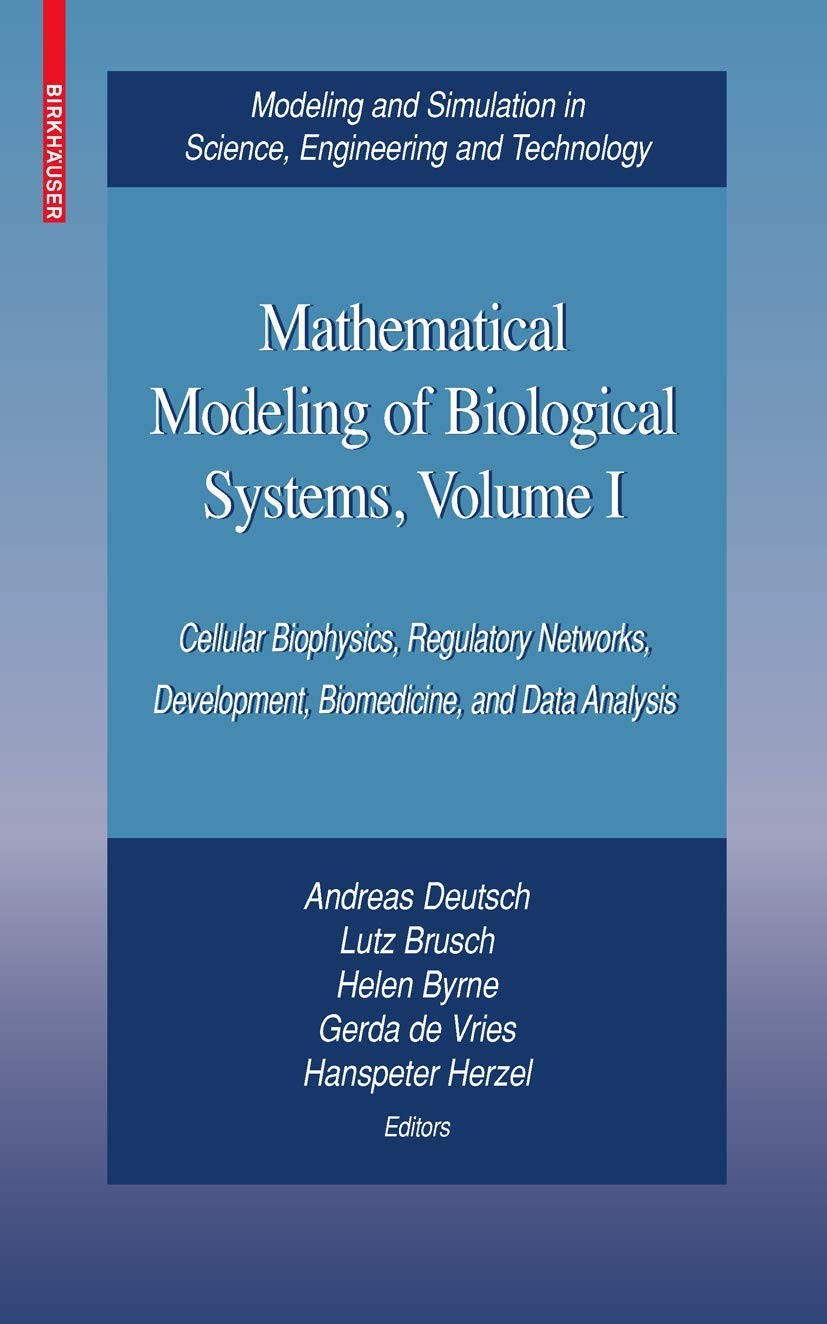
Mathematical Modeling of Biological Systems, Volume I (English, Andreas Deutsch | Lutz Brusch | Helen Byrne)
Research
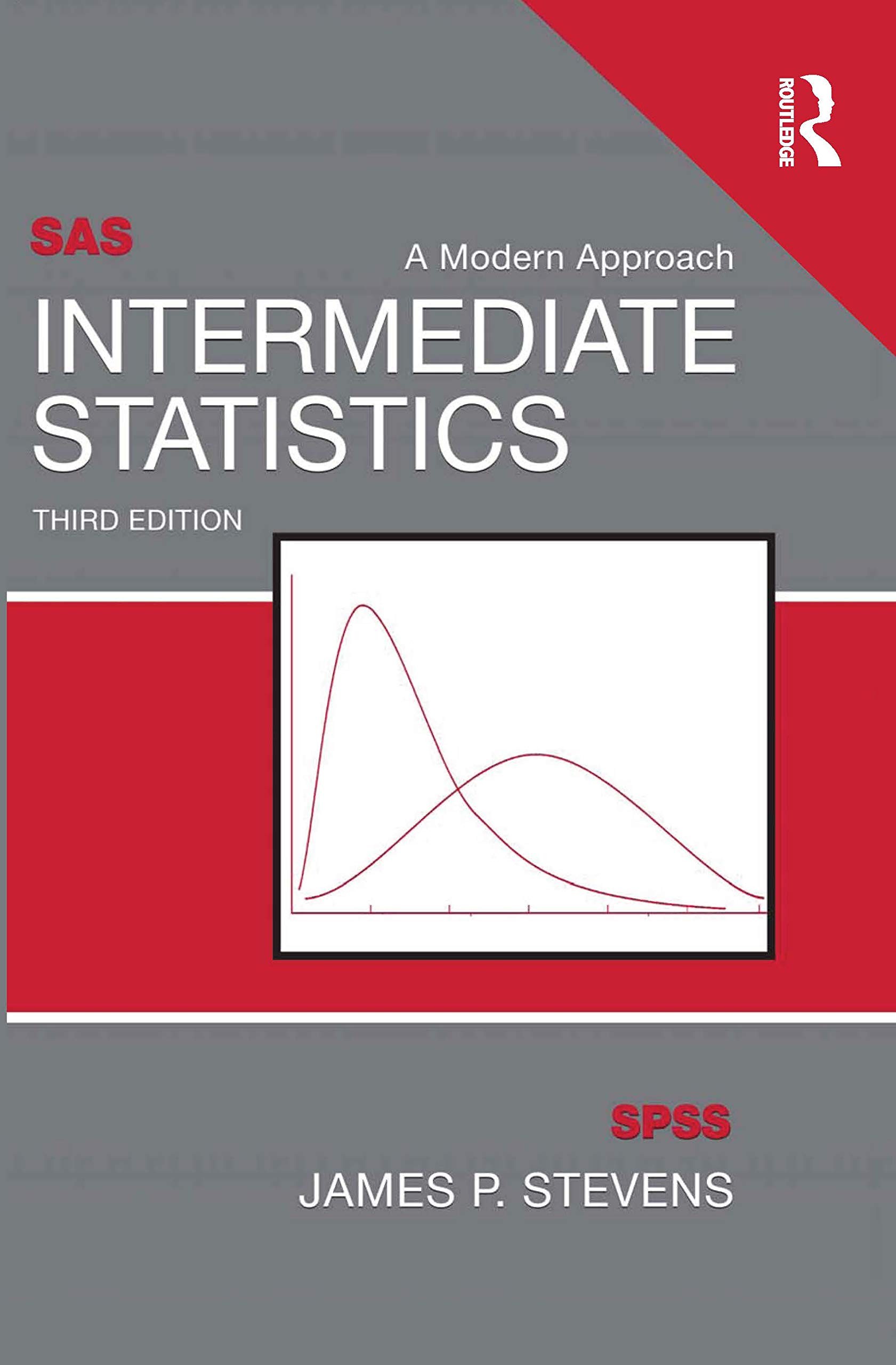
Intermediate Statistics (English, James P. Stevens)
Research
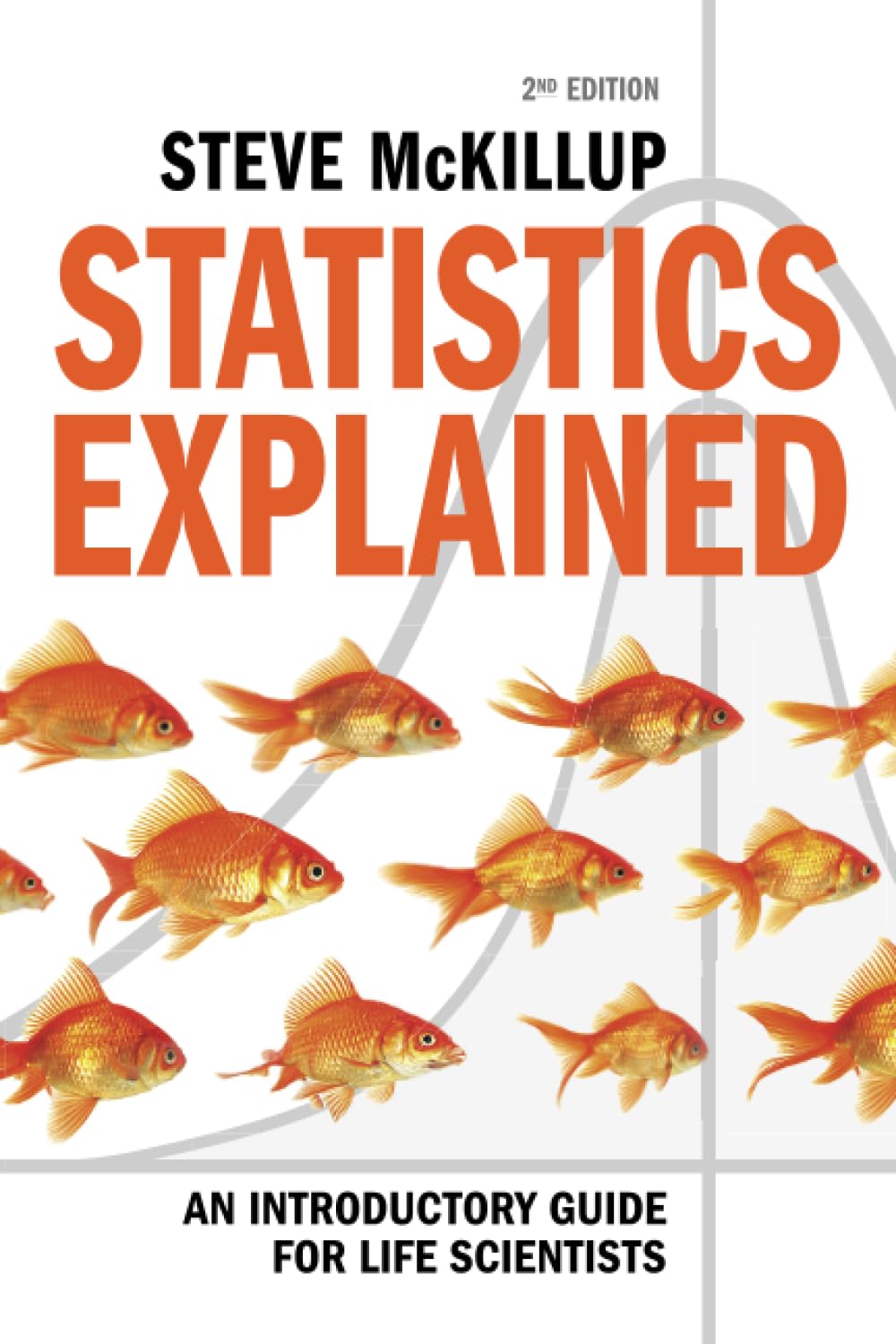
Statistics Explained by Steve McKillup – Life Science Statistics Guide

Research
Data Analysis and Graphics Using R by John Maindonald – Statistical Computing
Research
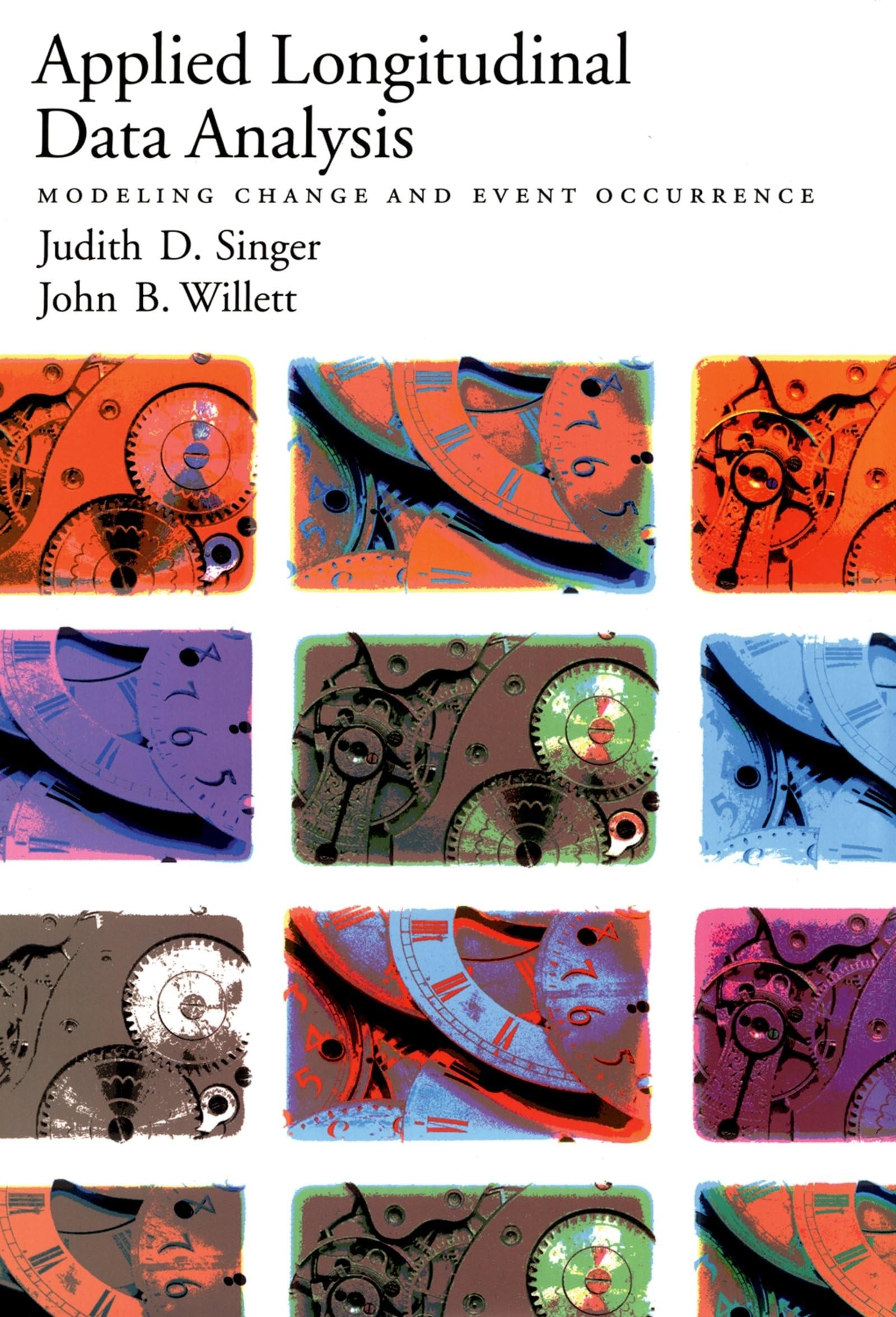
Applied Longitudinal Data Analysis (English, Judith D. Singer | John B. Willett)
Research
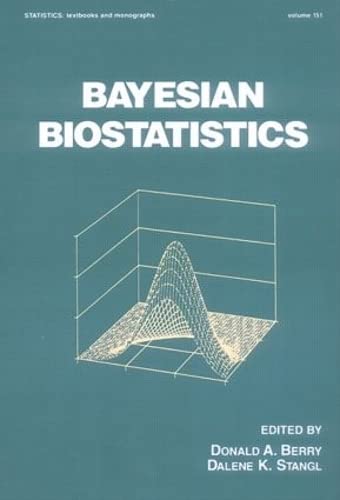
Bayesian Biostatistics (STATISTICS, A SERIES OF TEXTBOOKS AND MONOGRAPHS)
Related Products
View All
Sciences, Technology & Medicine
African Philosophy and the Epistemic Marginalization of Women (Routledge African Studies)
Sciences, Technology & Medicine
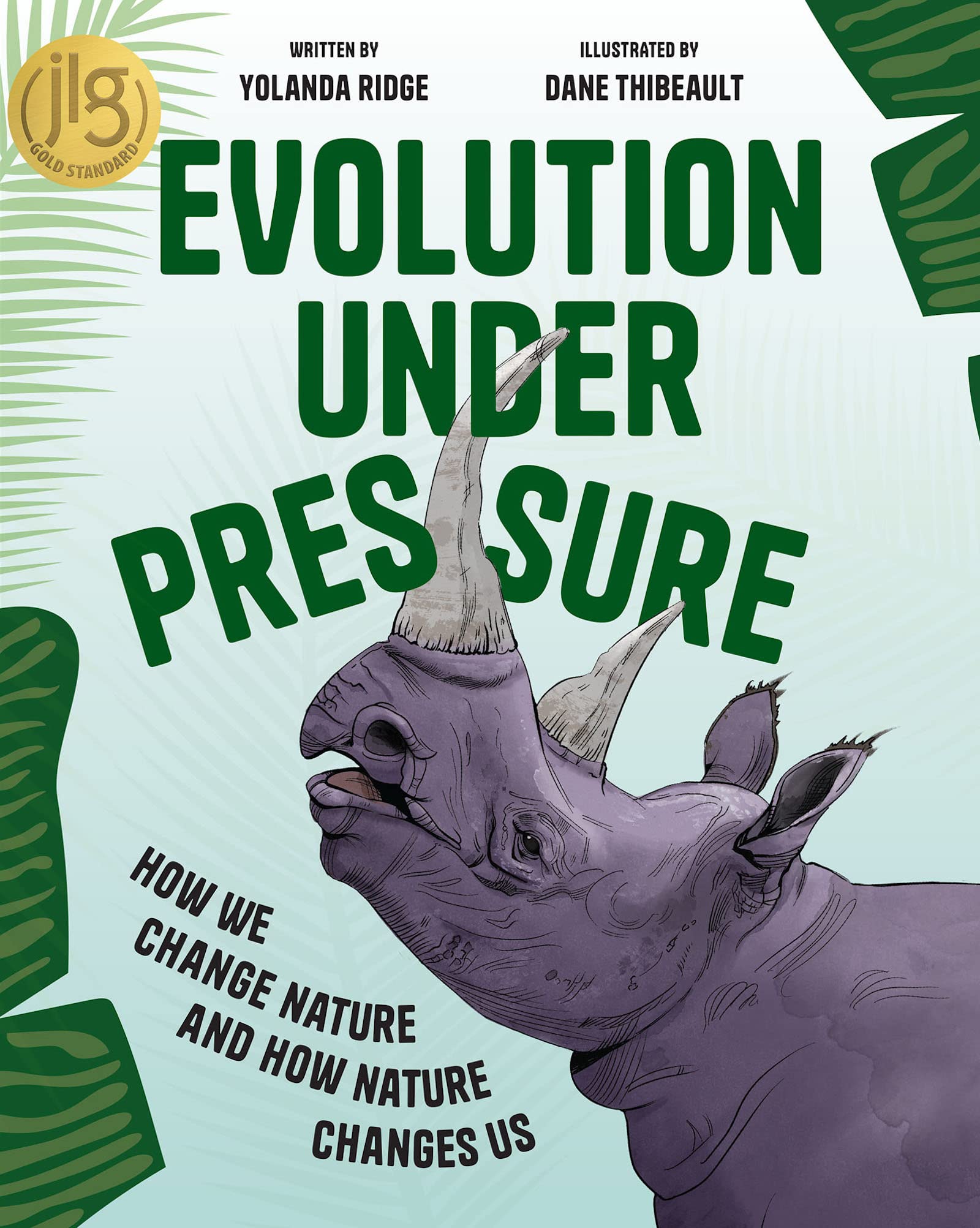
Evolution Interrupted: How We Change Nature and How Nature Changes Us
Sciences, Technology & Medicine
The Tragicomedy of Classical Thermodynamics: Course Held at the Department of Mechanics of Solids (July 1971): 70 (CISM International Centre for Mechanical Sciences)
Sciences, Technology & Medicine
DNA Repair Protocols: 113 (Methods in Molecular Biology)
Sciences, Technology & Medicine
Acoustic Fish Reconnaissance: 32 (Marine Science, 32)

Sciences, Technology & Medicine