
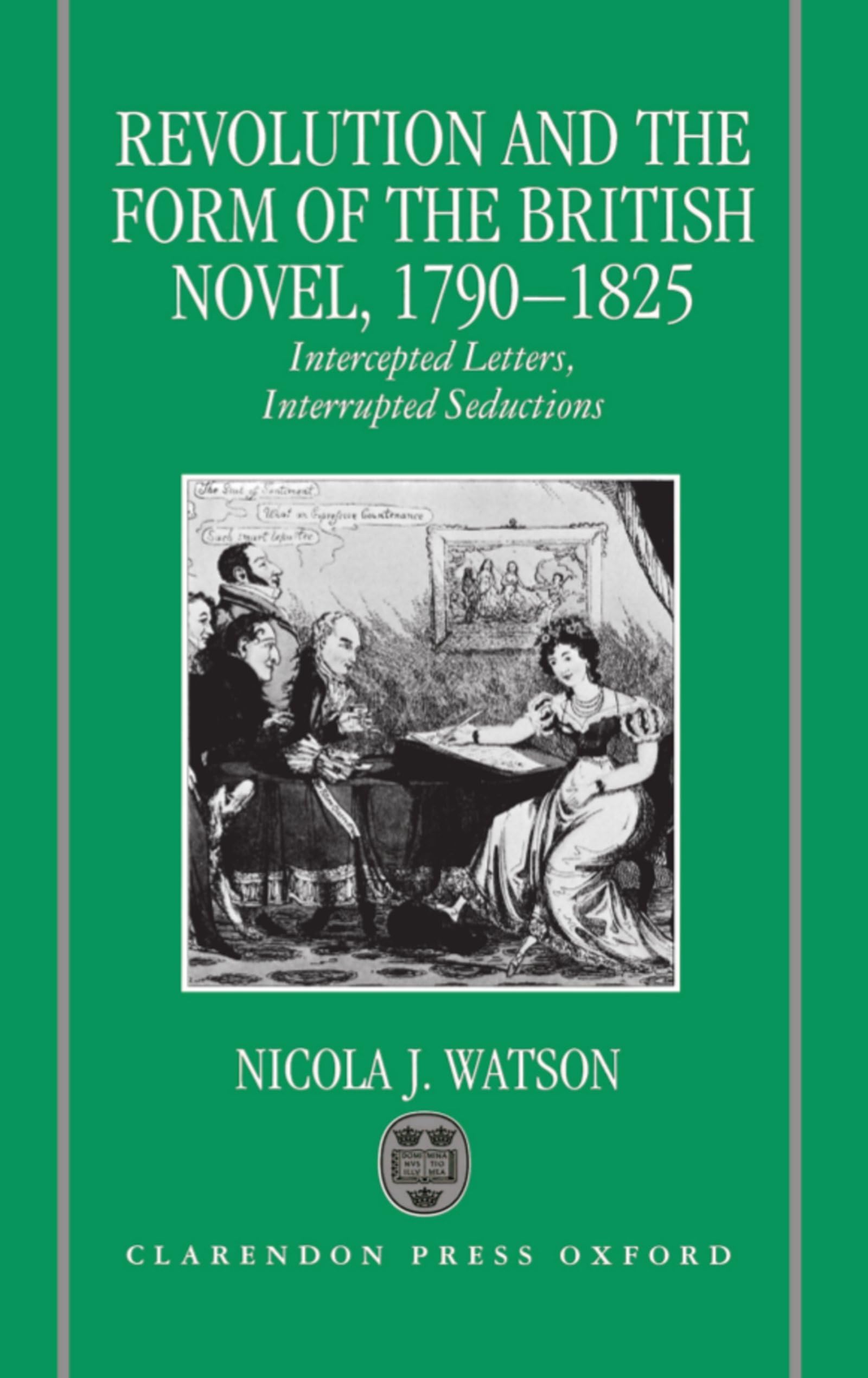
Revolution and the Form of the British Novel, 1790-1825: Intercepted Letters, Interrupted Seductions by Nicola J. Watson
Inclusive of all applicable taxes. FREE shipping on all orders.
Available Offers
- 🚚Free Delivery — Free shipping on all orders
- 💵Cash on Delivery — Pay when your order arrives
- ↩️15-Day Easy Returns — Hassle-free return policy
- 🔒Cash on Delivery — Pay safely when your order arrives
Check Delivery
Product Description
Introduction
Why did the epistolary novel—once the dominant form of storytelling in the eighteenth century—fade into obscurity in the early nineteenth century? In Revolution and the Form of the British Novel, 1790–1825: Intercepted Letters, Interrupted Seductions, Nicola J. Watson offers a compelling answer. This meticulously researched work traces the transformation of British fiction during a period of political upheaval, when the novel shifted from intimate letter-writing to more authoritarian, third-person narratives. For students and scholars of English literature in India, this book provides a fresh lens through which to understand the novel’s role in shaping national identity during the Napoleonic era.
Book Overview
Published by OUP Oxford, this hardcover volume examines how the British novel evolved between the French Revolution and the end of the Napoleonic Wars. Watson argues that the decline of the epistolary form was not merely a stylistic change but a political and ideological one. By analyzing works of Jane Austen, Mary Wollstonecraft, Charlotte Smith, Maria Edgeworth, Walter Scott, Charles Maturin, William Hazlitt, and Lord Byron, she demonstrates how novelists began to favour closed, third-person structures that reinforced order, authority, and a unified British identity. The book’s subtitle—Intercepted Letters, Interrupted Seductions—captures the tension between private desire and public control that lies at the heart of this literary shift.
Key Highlights
- Innovative Thesis: Challenges conventional literary history by linking narrative form directly to political events.
- Rich Textual Analysis: Offers close readings of canonical and lesser-known novels from the Romantic period.
- Interdisciplinary Approach: Blends literary criticism with history, politics, and gender studies.
- Authoritative Scholarship: Written by Nicola J. Watson, a respected scholar of eighteenth- and nineteenth-century literature.
- Comprehensive Scope: Covers a crucial 35-year period that shaped the modern novel.
Inside the Book
The book is structured around the concept of the intercepted letter—a plot device that embodies the anxieties of a revolutionary age. Watson explores how novelists used interrupted correspondence to dramatize the conflict between individual passion and social stability. Each chapter focuses on a different author or group of authors, revealing how they adapted or rejected the epistolary tradition. From Wollstonecraft’s radical letters to Austen’s controlled free indirect discourse, the analysis shows a clear trajectory toward narrative authority. The final chapters examine Walter Scott’s historical novels and Byron’s poetic narratives, demonstrating how the novel became a tool for consolidating British national identity in the face of revolutionary threats.
Key Topics
- Decline of the epistolary novel after 1790
- Impact of the French Revolution on British fiction
- Gender and the politics of seduction in literature
- Narrative authority and control in the Romantic novel
- Construction of British national identity through fiction
- Intertextuality and literary influence among major authors
Reader Benefits
- For Students: Gain a deeper understanding of Romantic-era novels and their historical context, essential for coursework and exams.
- For Researchers: Access a groundbreaking theoretical framework that can inspire new directions in literary criticism.
- For Educators: Enrich your teaching with fresh interpretations of Austen, Scott, and their contemporaries.
- For General Readers: Discover why your favourite classic novels are shaped by the turbulent politics of their time.
Learning Outcomes
- Understand the relationship between narrative form and political ideology.
- Identify key features of the epistolary novel and its successors.
- Analyze how authors like Austen and Edgeworth responded to revolutionary ideas.
- Critique the role of gender and class in shaping literary conventions.
- Trace the evolution of British national identity in fiction from 1790 to 1825.
Who Should Read
This book is ideal for undergraduate and postgraduate students of English literature, especially those enrolled in courses on the Romantic period, the history of the novel, or British cultural studies. It will also appeal to researchers in literary theory, gender studies, and political history. For Indian readers with a passion for classic British fiction—from Austen’s Pride and Prejudice to Scott’s Waverley—this volume offers a rewarding intellectual journey into the hidden politics of storytelling.
About the Author
Nicola J. Watson is a distinguished scholar of eighteenth- and nineteenth-century British literature. She has published extensively on the novel, gender, and national identity. Her research combines close textual analysis with cultural history, making her a leading voice in the study of Romantic-era fiction. Watson’s work is known for its clarity, depth, and ability to connect literary forms to broader social changes.
About the Publisher
OUP Oxford (Oxford University Press) is one of the world’s most prestigious academic publishers. With a history dating back to 1586, OUP is renowned for its rigorous editorial standards and scholarly excellence. This hardcover edition is produced to the highest quality, ensuring durability for years of study and reference.
Conclusion
Revolution and the Form of the British Novel, 1790–1825 is an essential addition to any serious literary collection. It transforms our understanding of how the novel responded to one of the most volatile periods in European history. By tracing the shift from intercepted letters to interrupted seductions, Nicola J. Watson reveals the deep political currents that shaped the stories we still read today. Order your copy from Bookshops.in and explore the revolutionary origins of the modern British novel.
Quick Summary
Revolution and the Form of the British Novel, 1790-1825: Intercepted Letters, Interrupted Seductions by Nicola J. Watson is a groundbreaking critical study that examines the decline of the epistolary novel in the late 18th and early 19th centuries. Watson argues that as Britain faced the political upheavals of the French Revolution and the Napoleonic Wars, novelists abandoned the intimate, first-person letter format in favour of more authoritarian third-person narratives. This shift helped forge a cohesive British national identity by promoting order, stability, and patriarchal authority. The book offers political readings of major authors including Jane Austen, Mary Wollstonecraft, Charlotte Smith, Maria Edgeworth, Walter Scott, Charles Maturin, William Hazlitt, and Lord Byron. Through close analysis of intercepted letters and interrupted seductions, Watson reveals how narrative form itself became a site of ideological struggle. This is an essential text for students and scholars of Romantic literature, narrative theory, and the politics of fiction. Published by OUP Oxford, this hardcover edition is a durable addition to any academic library. Buy from Bookshops.in for genuine imported copies and fast delivery across India.
Book Highlights
Book Specifications
| ISBN-13 | 9780198112976 |
| ISBN-10 | 0198112971 |
| Publisher | Clarendon Pr |
| Language | English |
| Dimensions | 14.45 x 2.1 x 22.23 cm |
| Weight | 408 g |
| Country | India |
| Category | Literature › English Literature |
| Genre | Literary Criticism |
| Original Language | English |
Frequently Asked Questions
What is the main argument of this book?
Which authors does Nicola J. Watson discuss?
Is this book suitable for undergraduate students?
Does the book focus only on the epistolary novel?
What is the historical timeframe covered?
How does this book connect literature and politics?
Is this a hardcover or paperback edition?
Who is the publisher?
What is the ISBN?
Does the book include readings of Jane Austen's novels?
What does 'intercepted letters' refer to?
What does 'interrupted seductions' mean?
Can I use this book for my PhD research?
Why buy from Bookshops.in?
Readers Also Search For
Customers Also Bought
Mathematics
Stereotype Spaces and Algebras: 73 (De Gruyter Expositions in Mathematics, 73)
Mathematics
Semigroups in Algebra, Geometry and Analysis: 20 (De Gruyter Expositions in Mathematics, 20)
Mathematics
Geometry from the Pacific Rim: Proceedings of the Pacific Rim Geometry Conference held at National University of Singapore, Republic of Singapore, ... 1994 (De Gruyter Proceedings in Mathematics)
Mathematics
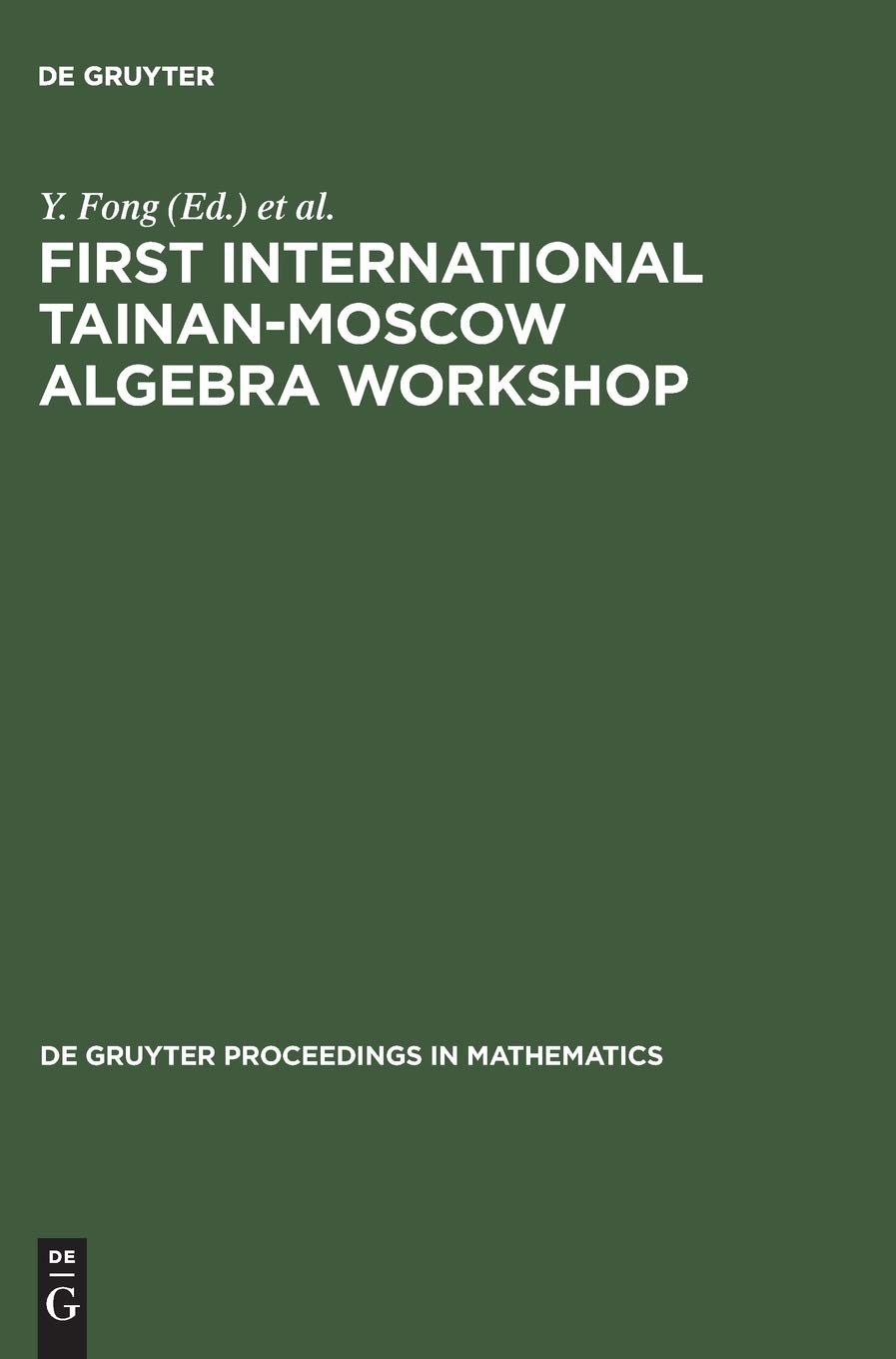
First International Tainan-Moscow Algebra Workshop: Proceedings of the International Conference held at National Cheng Kung University Tainan, Taiwan, ... 1994 (De Gruyter Proceedings in Mathematics)
Mathematics
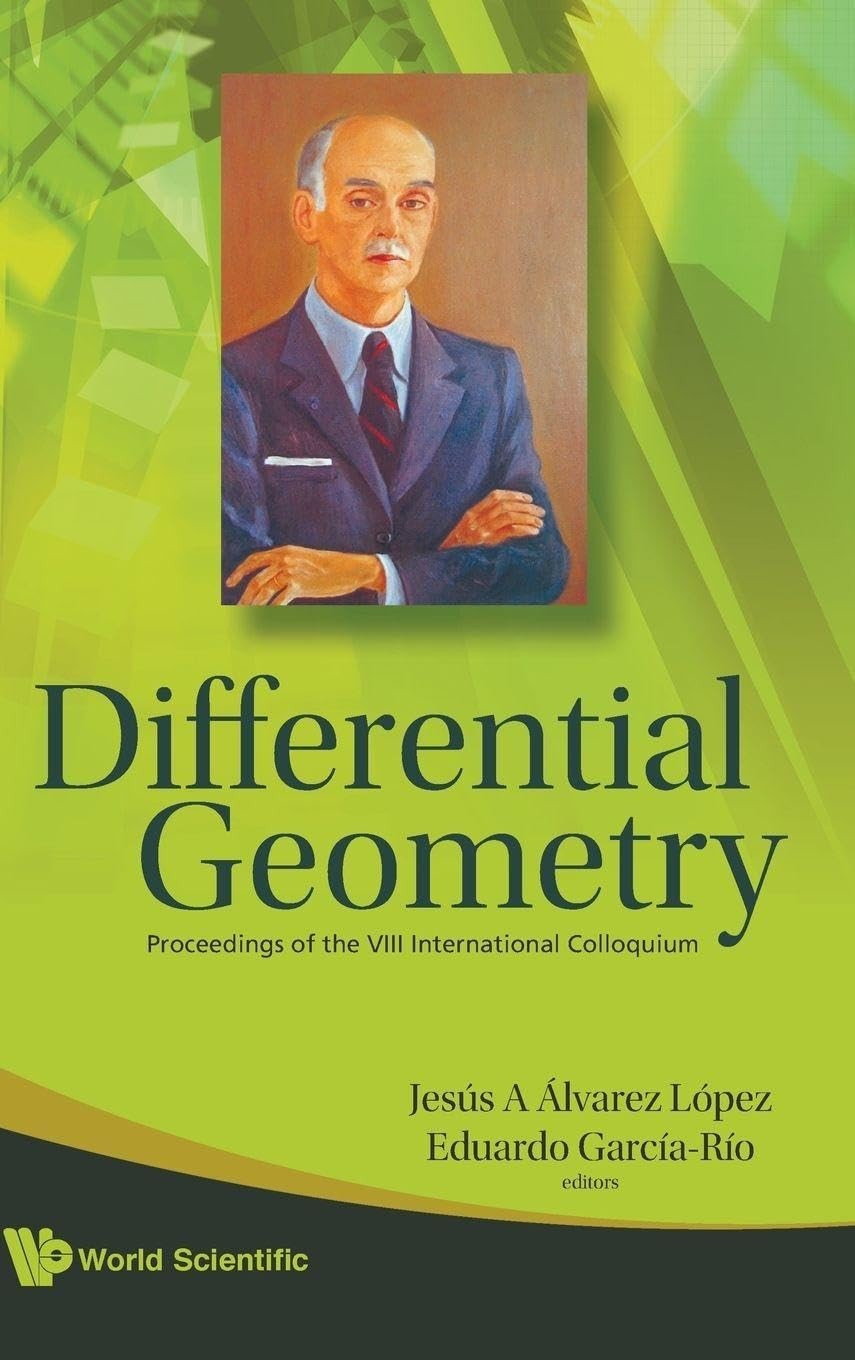
Differential Geometry - Proceedings of the VIII International Colloquium (English, Jesus A. Alvarez Lopez | Eduardo Garcia-Rio)
Mathematics
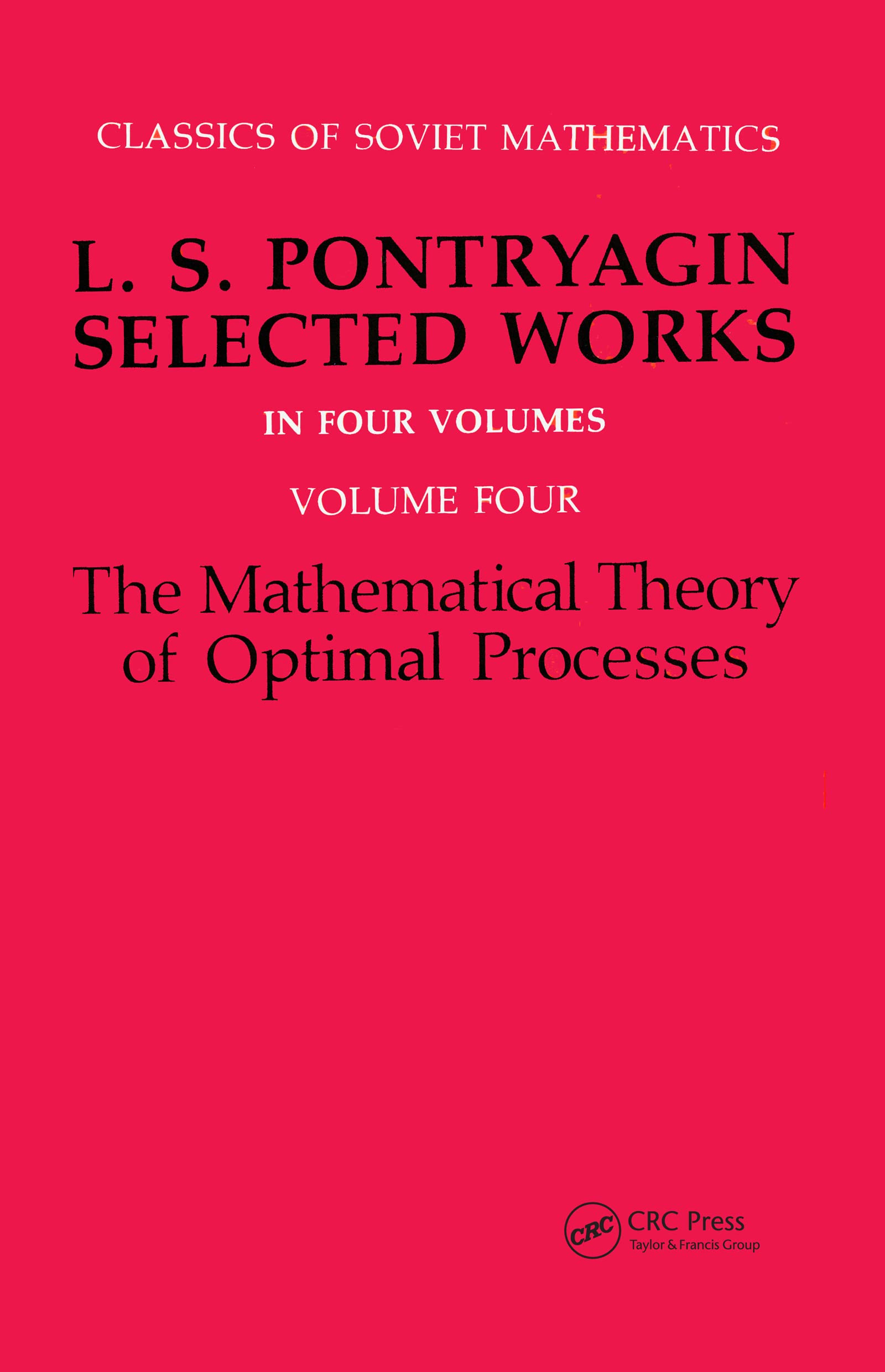
Mathematical Theory of Optimal Processes (Classics of Soviet Mathematics)
Related Products
View All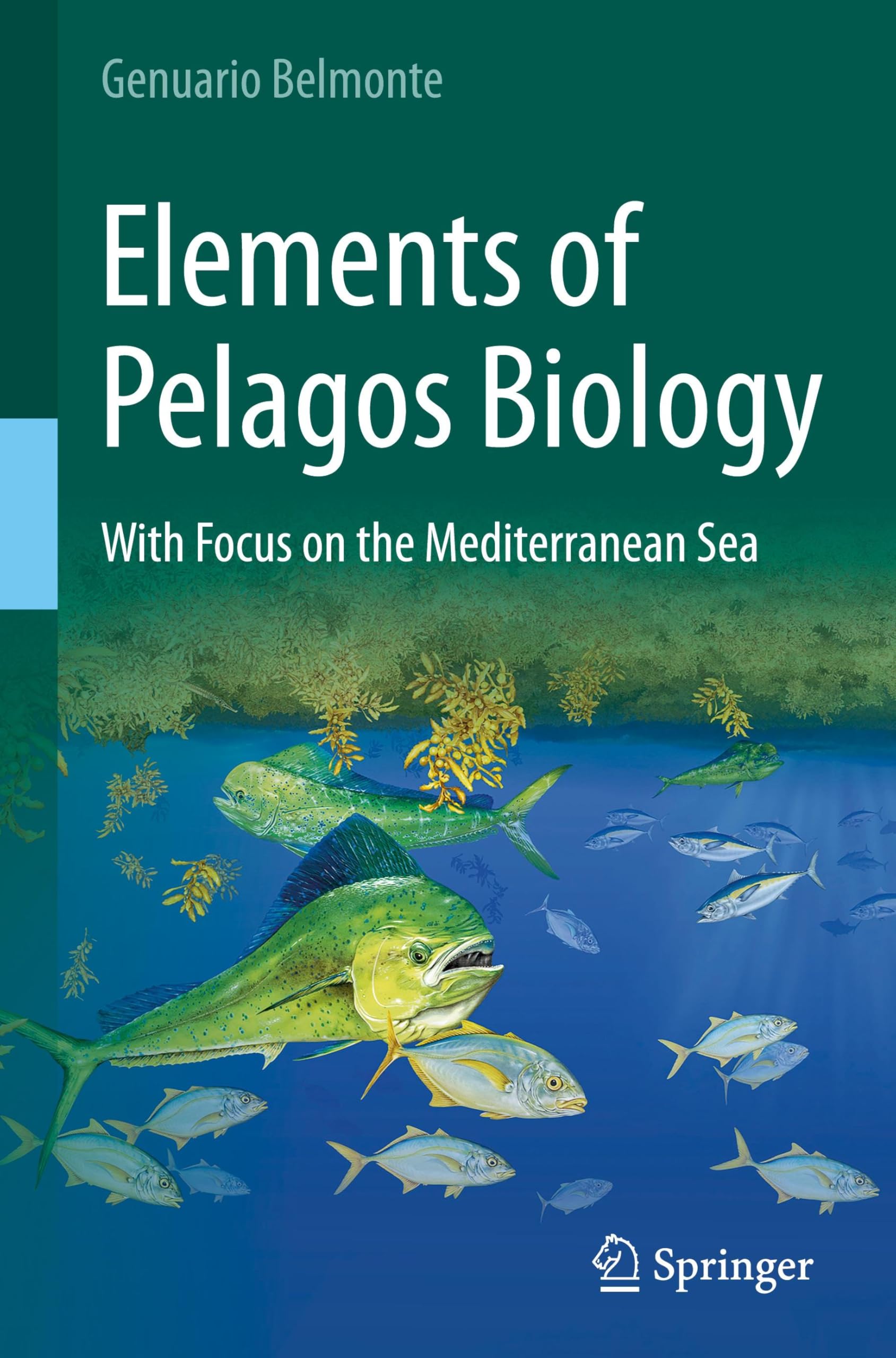
Science & Mathematics
Elements of Pelagos Biology: With Focus on the Mediterranean Sea
Science & Mathematics
Squid - Superconducting Quantum Interference Devices and Their Applications: Proceedings of the International Conference on Superconducting Quantum Devices, Berlin-west, October 4-8, 1976
Science & Mathematics
Thermodynamics and Pattern Formation in Biology
Science & Mathematics
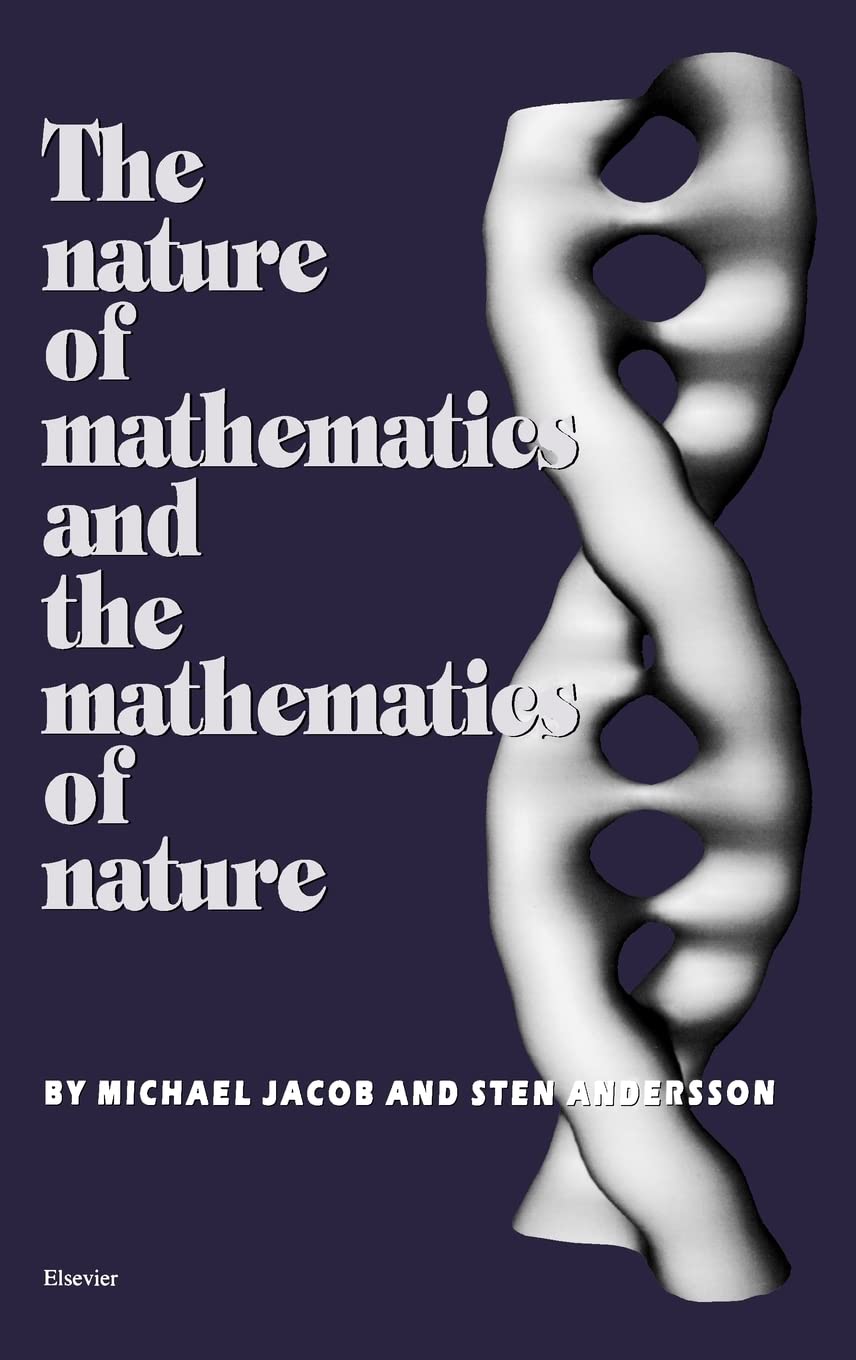
The Nature of Mathematics and the Mathematics of Nature by S. Andersson – Mathematics & Science

Science & Mathematics
Linear Algebra | by Stephen Friedberg | Arnold Insel | Lawrence Spence | Pearson | by Stephen Friedberg | Arnold Insel | Lawrence Spence | Pearson | by Stephen Friedberg | Arnold Insel | Lawrence Spence | Pearson | by Stephen Friedberg | Arnold Insel | Lawrence Spence | Pearson | by Stephen Friedberg | Arnold Insel | Lawrence Spence | Pearson | by Stephen Friedberg | Arnold Insel | Lawrence Spence | Pearson | by Stephen Friedberg | Arnold Insel | Lawrence Spence | Pearson | by Stephen Friedberg
Science & Mathematics