
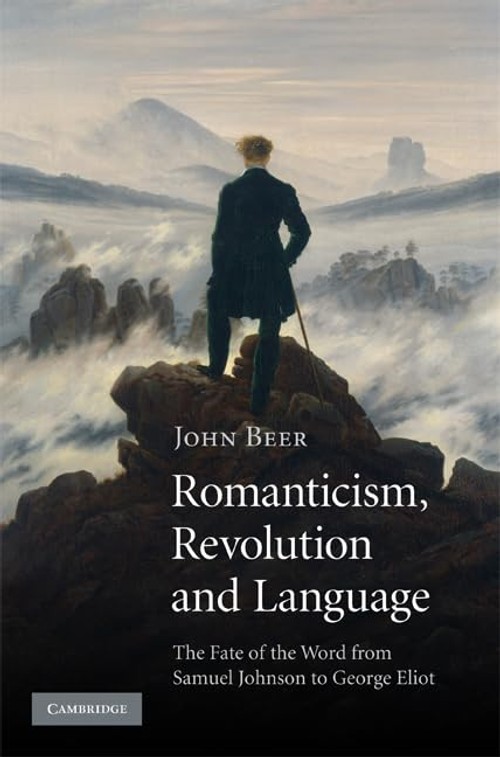
Romanticism, Revolution and Language: The Fate of the Word from Samuel Johnson to George Eliot – A Scholarly Journey by
Inclusive of all applicable taxes. FREE shipping on all orders.
Available Offers
- 🚚Free Delivery — Free shipping on all orders
- 💵Cash on Delivery — Pay when your order arrives
- ↩️15-Day Easy Returns — Hassle-free return policy
- 🔒Cash on Delivery — Pay safely when your order arrives
Check Delivery
Product Description
Introduction
In an era where the tremors of the French Revolution reshaped the intellectual and cultural landscape of Europe, the very foundations of language and knowledge came under scrutiny. Romanticism, Revolution and Language: The Fate of the Word from Samuel Johnson to George Eliot by John Beer offers a masterful exploration of how revolutionary upheaval transformed the written and spoken word. This thought-provoking volume, published by Cambridge University Press, is an essential addition to the library of any serious student of literature, history, or philosophy.
Book Overview
This meticulously researched hardcover traces the profound impact of political and social revolution on the English language and literary expression. John Beer, a leading scholar in Romantic literature and theology, guides readers through a transformative period, from the late eighteenth century through the Victorian era. The book examines how Romantic writers—from William Blake and Samuel Taylor Coleridge to William Wordsworth—developed new ways of articulating the imagination and the human heart, challenging the authority of language as a cornerstone of knowledge. The narrative seamlessly connects these Romantic pioneers to their Victorian successors, including Jane Austen, Elizabeth Gaskell, and George Eliot, revealing a continuous thread of linguistic and philosophical evolution.
Key Highlights
- Comprehensive Chronological Scope: Covers the journey from Samuel Johnson's lexicographical authority to George Eliot's narrative innovation, spanning nearly a century of literary transformation.
- Interdisciplinary Approach: Blends literary criticism, historical analysis, and theological insight to provide a holistic understanding of the period.
- Authoritative Scholarship: Written by John Beer, a renowned expert whose work on Romanticism is celebrated globally.
- Critical Examination of Language: Delves into how the French Revolution eroded certainties and forced writers to reinvent the very tools of expression.
- Bridging Romantic and Victorian Eras: Offers a rare, cohesive narrative that connects two often-separated literary periods.
Inside the Book
Within these pages, readers will find a rich tapestry of analysis. Beer unpacks the poetry and prose of major figures, showing how their work responded to the chaos and promise of revolution. The book explores how the concept of the 'Word'—both as divine logos and human utterance—underwent a dramatic transformation. Through close readings of canonical texts, Beer demonstrates how writers grappled with the limits of language to convey emotion, faith, and social change. The hardcover edition presents this dense scholarship in a well-organized format, making complex ideas accessible to dedicated readers.
Key Topics
- The impact of the French Revolution on British literature and thought
- Language as a site of philosophical and political contestation
- The Romantic imagination and its expression through poetry and fiction
- Continuities between Romantic and Victorian literary sensibilities
- The role of religion and theology in shaping literary language
- Gender and social critique in the works of Austen, Gaskell, and Eliot
Reader Benefits
This book offers Indian readers and students a rare opportunity to delve into the intellectual ferment that shaped modern English literature. It enhances understanding of classic texts studied in Indian universities, from Wordsworth's 'The Prelude' to Eliot's 'Middlemarch'. The clear, scholarly prose makes it suitable for both academic research and personal enrichment. By tracing the evolution of language, readers gain insight into how revolutions—political, industrial, and intellectual—continue to influence how we think and write today.
Learning Outcomes
- Develop a nuanced understanding of how historical events shape literary forms and linguistic norms.
- Analyze the philosophical underpinnings of Romantic and Victorian literature.
- Recognize the interconnectedness of major authors across the late eighteenth and nineteenth centuries.
- Critically evaluate the role of language in constructing knowledge and identity.
- Gain deeper appreciation for the works of Blake, Coleridge, Wordsworth, Hazlitt, Austen, Gaskell, and Eliot.
Who Should Read
This volume is ideal for undergraduate and postgraduate students of English literature, history, and cultural studies. It is equally valuable for researchers specializing in Romanticism, Victorian literature, or the history of ideas. General readers with a passion for classic literature and a curiosity about the forces that shaped it will find this book immensely rewarding. Teachers and lecturers looking for a reliable resource to supplement their courses will also benefit from Beer's insightful analysis.
About the Author
John Beer is a distinguished scholar and Emeritus Professor of English Literature at the University of Cambridge. He is widely recognized for his pioneering work on Romantic poetry and theology, with numerous publications that have shaped modern understanding of the period. His expertise brings depth and clarity to this exploration of language and revolution, making complex ideas accessible without sacrificing scholarly rigor.
About the Publisher
Cambridge University Press is one of the world's oldest and most prestigious academic publishers. With a legacy of excellence spanning over four centuries, it is renowned for producing authoritative works that advance knowledge across disciplines. This hardcover edition reflects the Press's commitment to quality, with durable binding and clear typography that ensures a satisfying reading experience.
Conclusion
Romanticism, Revolution and Language is more than a literary study; it is a journey into the heart of how words shape our world. John Beer's insightful narrative illuminates the struggles and triumphs of writers who sought to capture a changing reality. For Indian readers eager to understand the roots of modern English literature, this book is an invaluable guide. Order your hardcover copy from Bookshops.in today and add this definitive work to your collection.
Quick Summary
Romanticism, Revolution and Language: The Fate of the Word from Samuel Johnson to George Eliot by John Beer is a compelling academic study that examines how the French Revolution reshaped the very foundations of language and literature in Britain. The book traces a clear lineage from Samuel Johnson's linguistic authority through the revolutionary poetry of Blake, Coleridge, and Wordsworth, and onward to the nuanced novels of Jane Austen, Elizabeth Gaskell, and George Eliot. John Beer, a leading scholar in Romantic literature and theology, argues that the Revolution eroded previously held certainties about language as a stable cornerstone of knowledge, prompting writers to explore new ways of expressing the imagination and the human heart. This volume is ideal for postgraduate students, researchers, and literature enthusiasts who wish to understand the deep continuities between Romantic and Victorian literary traditions. Readers will gain a rich perspective on how political upheaval influences literary form and philosophical thought. Buying this book from Bookshops.in ensures you receive a genuine hardcover edition from Cambridge University Press, delivered to your doorstep in India.
Book Highlights
Book Specifications
| ISBN-13 | 9780521897556 |
| ISBN-10 | 0521897556 |
| Publisher | Cambridge University Press |
| Language | English |
| Dimensions | 15.88 x 1.27 x 23.5 cm |
| Weight | 530 g |
| Country | India |
| Category | Literature › English Literature |
| Genre | Literary Criticism |
| Original Language | English |
Frequently Asked Questions
What is the main theme of this book?
Who is the author of Romanticism, Revolution and Language?
Which writers are discussed in the book?
Is this book suitable for undergraduate students?
Does the book cover only poetry?
What is the ISBN of this book?
Is the book available in English?
What is the price of the book?
Can I use this book for my PhD research?
Does the book include analysis of George Eliot's novels?
Is this book part of a series?
Why should I buy this book from Bookshops.in?
Readers Also Search For
Customers Also Bought
Mathematics
Stereotype Spaces and Algebras: 73 (De Gruyter Expositions in Mathematics, 73)
Mathematics
Semigroups in Algebra, Geometry and Analysis: 20 (De Gruyter Expositions in Mathematics, 20)
Mathematics
Geometry from the Pacific Rim: Proceedings of the Pacific Rim Geometry Conference held at National University of Singapore, Republic of Singapore, ... 1994 (De Gruyter Proceedings in Mathematics)
Mathematics
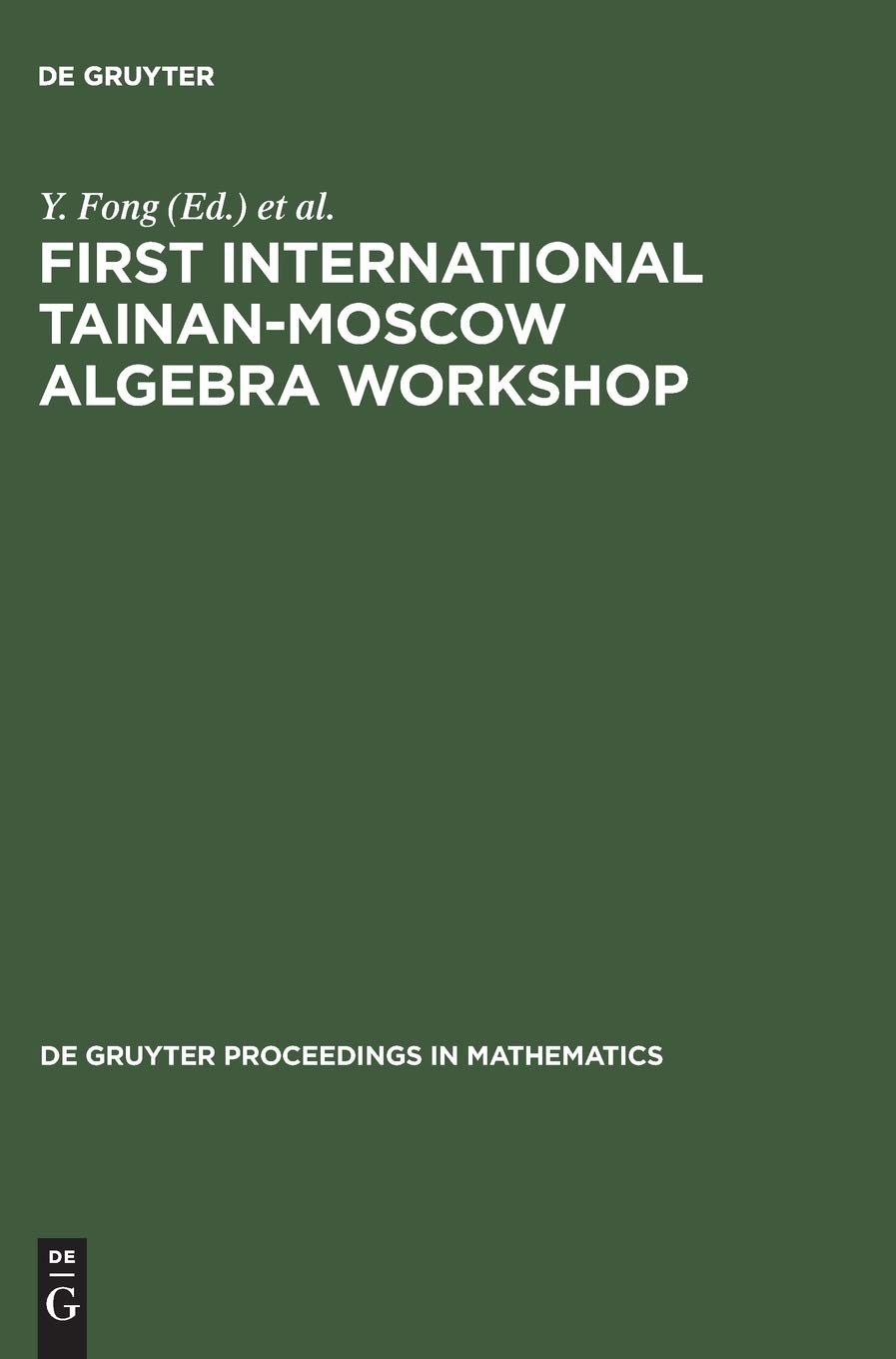
First International Tainan-Moscow Algebra Workshop: Proceedings of the International Conference held at National Cheng Kung University Tainan, Taiwan, ... 1994 (De Gruyter Proceedings in Mathematics)
Mathematics
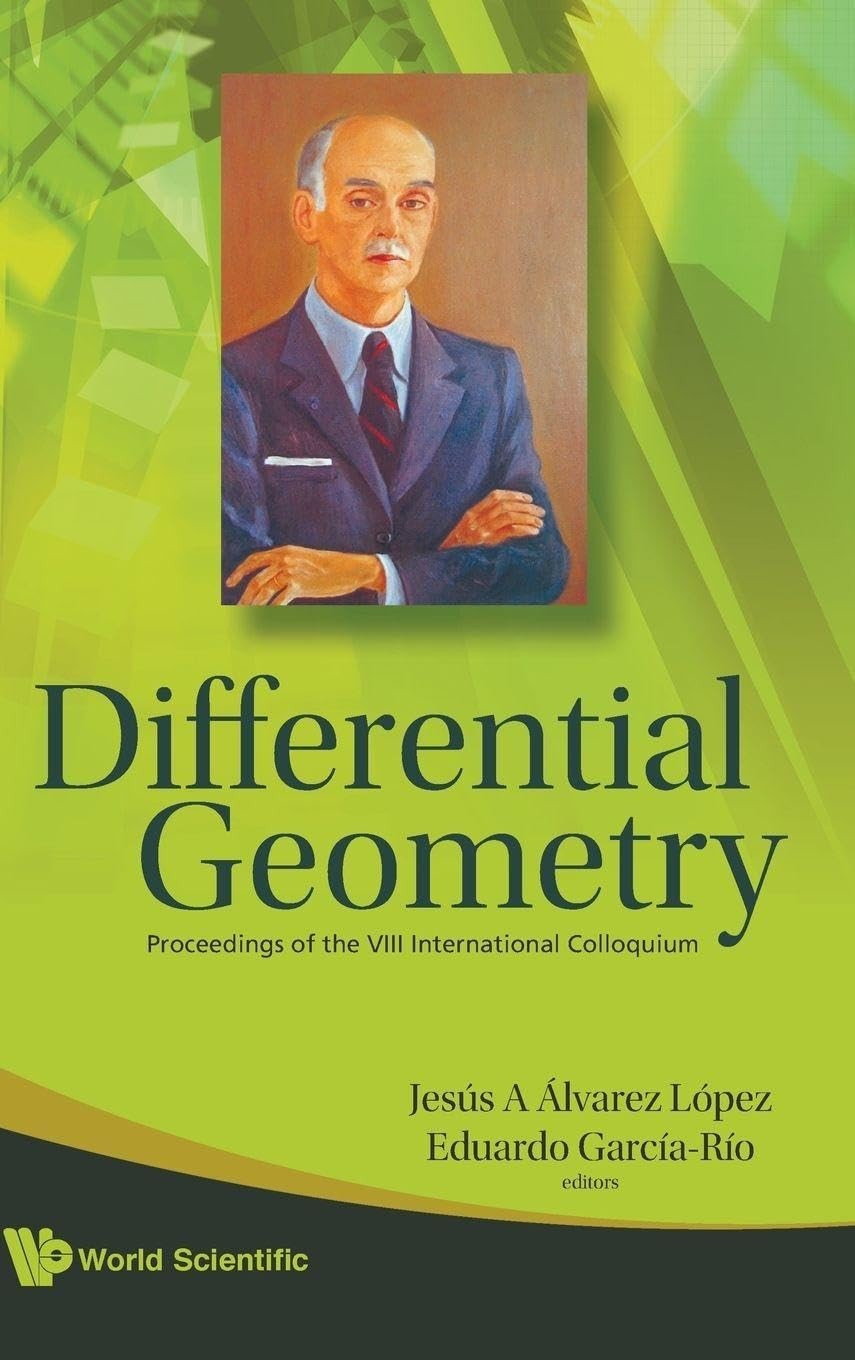
Differential Geometry - Proceedings of the VIII International Colloquium (English, Jesus A. Alvarez Lopez | Eduardo Garcia-Rio)
Mathematics
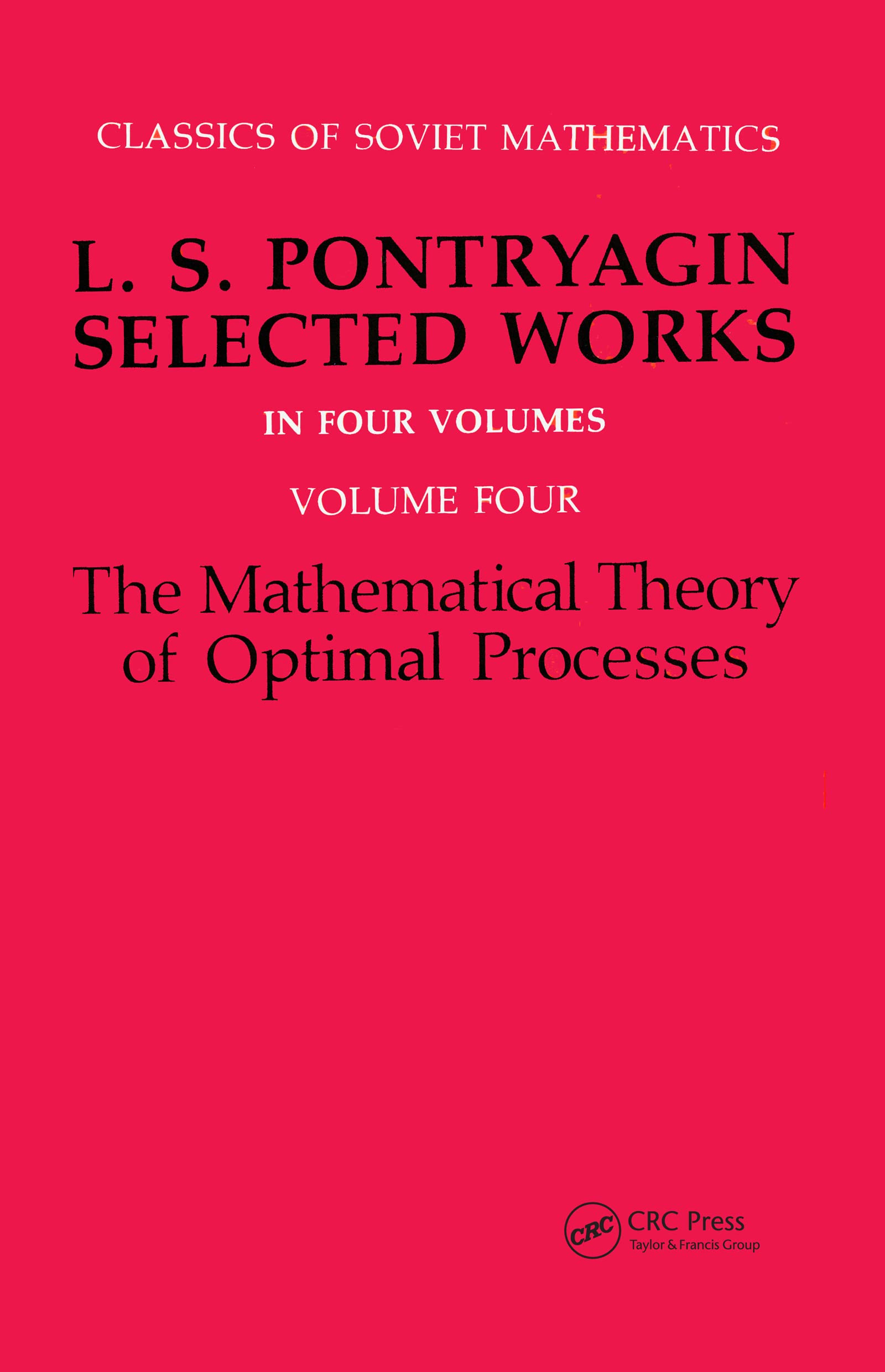
Mathematical Theory of Optimal Processes (Classics of Soviet Mathematics)
Related Products
View All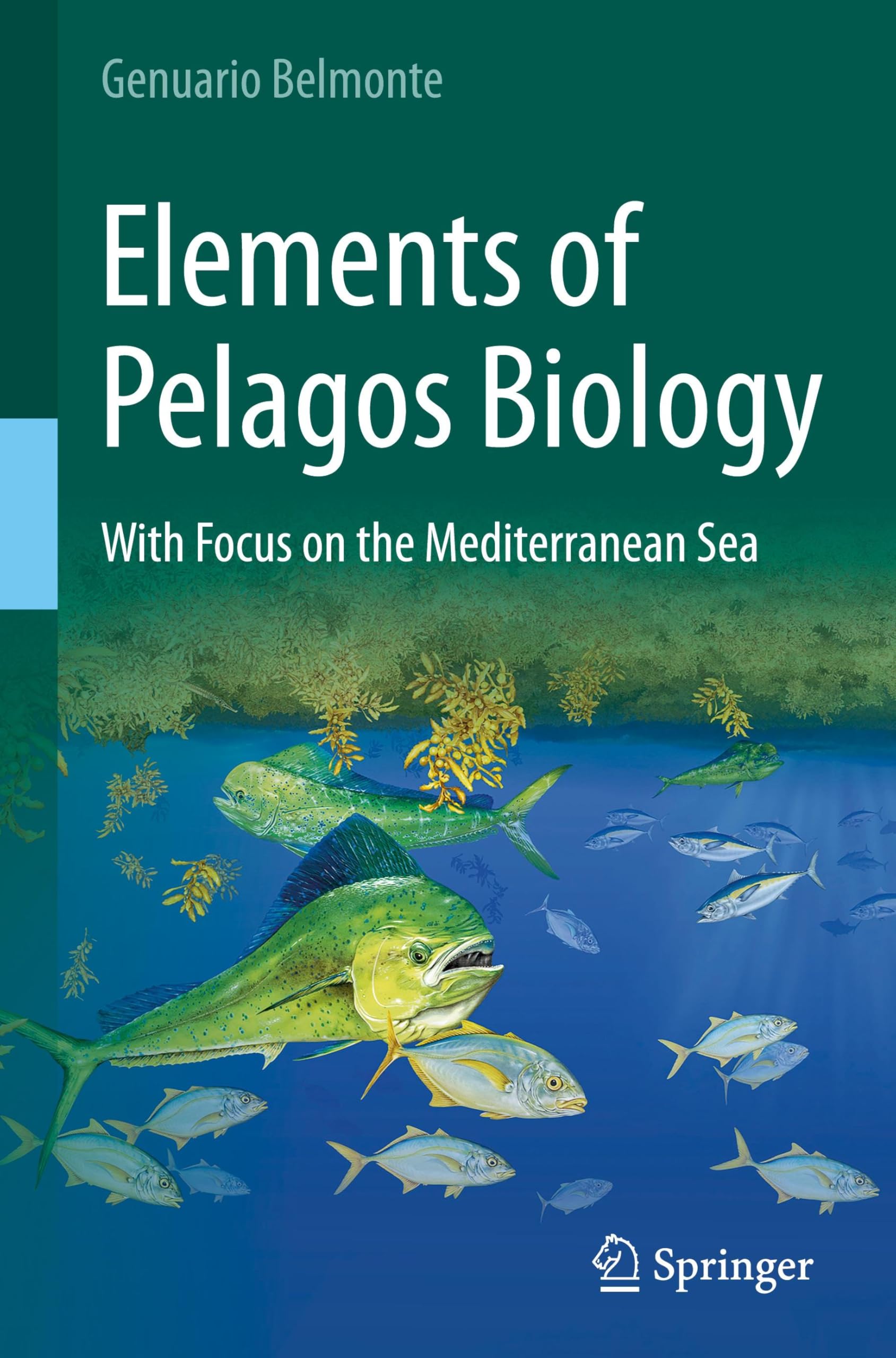
Science & Mathematics
Elements of Pelagos Biology: With Focus on the Mediterranean Sea
Science & Mathematics
Squid - Superconducting Quantum Interference Devices and Their Applications: Proceedings of the International Conference on Superconducting Quantum Devices, Berlin-west, October 4-8, 1976
Science & Mathematics
Thermodynamics and Pattern Formation in Biology
Science & Mathematics
The Nature of Mathematics and the Mathematics of Nature by S. Andersson – Mathematics & Science

Science & Mathematics
Linear Algebra | by Stephen Friedberg | Arnold Insel | Lawrence Spence | Pearson | by Stephen Friedberg | Arnold Insel | Lawrence Spence | Pearson | by Stephen Friedberg | Arnold Insel | Lawrence Spence | Pearson | by Stephen Friedberg | Arnold Insel | Lawrence Spence | Pearson | by Stephen Friedberg | Arnold Insel | Lawrence Spence | Pearson | by Stephen Friedberg | Arnold Insel | Lawrence Spence | Pearson | by Stephen Friedberg | Arnold Insel | Lawrence Spence | Pearson | by Stephen Friedberg
Science & Mathematics