
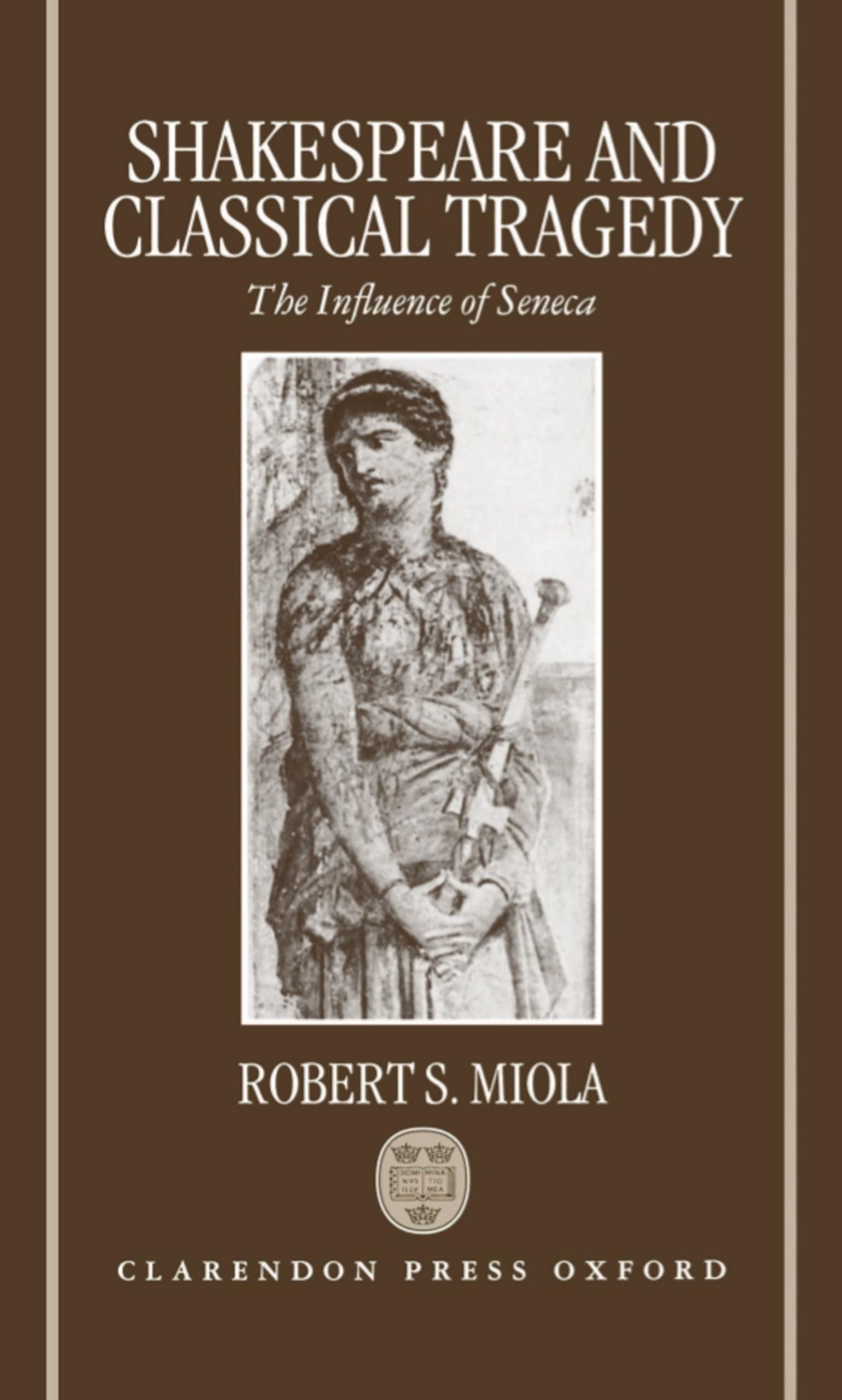
Shakespeare and Classical Tragedy: The Influence of Seneca by Robert S. Miola – A Deep Study of Senecan Revenge, Tyranny
Inclusive of all applicable taxes. FREE shipping on all orders.
Available Offers
- 🚚Free Delivery — Free shipping on all orders
- 💵Cash on Delivery — Pay when your order arrives
- ↩️15-Day Easy Returns — Hassle-free return policy
- 🔒Cash on Delivery — Pay safely when your order arrives
Check Delivery
Product Description
Introduction
For students, scholars, and lovers of Shakespearean tragedy, understanding the deep classical roots of the Bard’s work is essential. Robert S. Miola’s Shakespeare and Classical Tragedy: The Influence of Seneca is a definitive study that illuminates how the Roman playwright Seneca—both as a direct textual source and as a living dramatic tradition—shaped Shakespeare’s greatest tragedies. Published by OUP Oxford, this hardcover volume offers a rigorous yet accessible journey into the intertextual world of Renaissance drama, making it an indispensable addition to any serious literature collection.
Book Overview
This scholarly work systematically traces Seneca’s presence in Shakespeare’s tragedies, moving beyond simple source-hunting to explore a richer, more nuanced model of influence. Miola re-evaluates Seneca not as a flawed imitator of Greek drama but as a powerful, independent force whose themes of revenge, tyranny, and uncontrollable fury resonated deeply with Elizabethan audiences. The book examines Shakespeare’s eclectic method of blending Senecan conventions with other classical and contemporary sources—including the works of Chapman, Jonson, Marston, Garnier, Cinthio, and Dolce—to create tragedies of unmatched psychological depth and moral complexity. Each of the three central categories—Senecan revenge, tyranny, and furor—is illustrated through a pairing of an early and a later Shakespearean tragedy, offering a panoramic view of the playwright’s evolving engagement with the Senecan tradition.
Key Highlights
- Comprehensive Source Analysis: Miola identifies both previously recognized borrowings and new instances of Senecan influence across Shakespeare’s tragic canon.
- Intertextual Methodology: The study employs sophisticated theories of intertextuality, moving beyond simple one-to-one correspondences to reveal a web of literary relationships.
- Rehabilitation of Seneca: The book challenges centuries of negative criticism, presenting Seneca as a vital, creative dramatist whose works were central to Renaissance literary culture.
- Broad Dramatic Context: Extensive discussion of Renaissance translations, commentaries, and adaptations by key European playwrights enriches the analysis.
- Critical and Theatrical Legacy: The author keeps in view the rich history of literary criticism and theatrical interpretation, connecting scholarly insights to performance practice.
Story Themes
At its heart, this book explores how Shakespeare transformed Senecan motifs into timeless explorations of human nature. The theme of revenge is examined not as a simple dramatic device but as a philosophical and moral problem—how does a just character respond to unbearable wrong? The theme of tyranny investigates the corrupting nature of absolute power, drawing on Senecan portraits of mad rulers. The theme of furor—a kind of divine or demonic madness—probes the limits of human reason and the eruption of irrational forces that shatter order. Miola shows how these themes, filtered through Shakespeare’s genius, speak directly to universal questions of justice, authority, and the chaos that lurks beneath civilization.
Reader Benefits
- Deepen Your Understanding: Gain a sophisticated grasp of how classical literature directly shaped Shakespeare’s plots, characters, and language.
- Excel in Academics: Ideal for university students of English literature, classical reception, and Renaissance studies, providing a solid foundation for essays and dissertations.
- Enhance Critical Thinking: Learn to identify intertextual references and appreciate the layered meanings in Shakespeare’s tragedies.
- Broaden Literary Horizons: Discover the works of Seneca and his Renaissance interpreters, expanding your knowledge of world drama.
- Build a Reference Library: A hardcover edition from OUP Oxford ensures durability for years of study and re-reading.
Who Should Read
This book is essential for postgraduate and advanced undergraduate students in English literature, comparative literature, and theatre studies. It will also appeal to Shakespeare scholars, classicists interested in reception studies, and dedicated general readers who want to move beyond introductory commentaries. Teachers and lecturers looking for a rigorous yet readable text to support their courses will find it invaluable. If you have ever wondered why Shakespeare’s tragedies feel so ancient and so modern at the same time, this book holds the answer.
About the Author
Robert S. Miola is a distinguished scholar of Renaissance literature and classical reception. He has written extensively on Shakespeare, early modern drama, and the influence of classical authors on English literature. His work is known for its meticulous scholarship, clarity of argument, and ability to bridge the gap between specialist research and accessible academic writing. Miola’s deep familiarity with both Greek and Roman texts, as well as the European Renaissance, makes him uniquely qualified to unravel the complex threads of Senecan influence in Shakespeare’s tragedies.
About the Publisher
OUP Oxford is one of the world’s most respected academic publishers, with a long tradition of producing authoritative works in the humanities. Their literature and criticism list includes landmark studies by leading scholars, and their commitment to rigorous editorial standards ensures that every title is a reliable resource for students and researchers. This hardcover edition is printed on high-quality paper and bound to last, reflecting OUP’s dedication to both intellectual excellence and physical durability.
Conclusion
Shakespeare and Classical Tragedy: The Influence of Seneca is more than a source study—it is a profound meditation on how great art emerges from the creative transformation of tradition. Robert S. Miola offers readers a fresh lens through which to view Shakespeare’s tragedies, revealing the Roman roots of their power and passion. Whether you are preparing for an examination, writing a research paper, or simply seeking a deeper appreciation of the Bard, this book will illuminate your reading like no other. Add this essential volume to your library today and discover the Seneca who lived inside Shakespeare’s imagination.
Quick Summary
Shakespeare and Classical Tragedy: The Influence of Seneca by Robert S. Miola is a scholarly exploration of how the Roman playwright Seneca shaped Shakespeare's tragic works. The book is organized into three thematic sections – revenge, tyranny, and furor – each illustrated by both early and later Shakespearean tragedies. Miola uses traditional source study methods alongside modern intertextual theory to identify new patterns of borrowing and re-evaluate Seneca's role in Renaissance drama. The analysis extends beyond Shakespeare to include contemporaries like Chapman, Jonson, Marston, and Italian dramatists Garnier, Cinthio, and Dolce. This book is intended for advanced undergraduate and postgraduate students of English literature, as well as researchers and teachers of Renaissance drama. Readers will learn how classical traditions were adapted and transformed in early modern England, gaining a deeper appreciation of Shakespeare's creative process. By purchasing from Bookshops.in, Indian readers receive a genuine hardcover edition from Oxford University Press, ensuring academic quality and reliable delivery.
Book Highlights
Book Specifications
| ISBN-13 | 9780198112648 |
| ISBN-10 | 0198112645 |
| Publisher | Clarendon Pr |
| Language | English |
| Dimensions | 14.45 x 1.97 x 22.23 cm |
| Weight | 431 g |
| Category | Literature › English Literature |
| Genre | Literary Criticism |
| Original Language | English |
Frequently Asked Questions
What is the main subject of this book?
Who is the author of Shakespeare and Classical Tragedy?
Which publisher released this book?
Is this book suitable for Indian students?
Does the book cover only Shakespeare?
What methodology does the author use?
How is the book organized?
Is this a hardcover or paperback?
Does the book include new discoveries?
Are there comparisons with Greek tragedy?
What is the ISBN of this book?
Can this book be used for research?
Where can I buy this book in India?
Readers Also Search For
Customers Also Bought
Contemporary Fiction
Stepladder Junction and Other Stories
Contemporary Fiction
Fabrications by Pamela Painter – Short Story Collection

Contemporary Fiction
The Double Life of an Alaskan Sled Dog (English, Andrea Finney Aufder Heyde)

Contemporary Fiction
The Alabaster Girl by Zan Perrion

Contemporary Fiction
Grimm and Grimmer: Classic Fairy Tales Rebooted by Mark Russell
Classic Literature
The Prose Works of Andrew Marvell: 1676-1678 by Andrew Marvell – Restoration Literature
Related Products
View All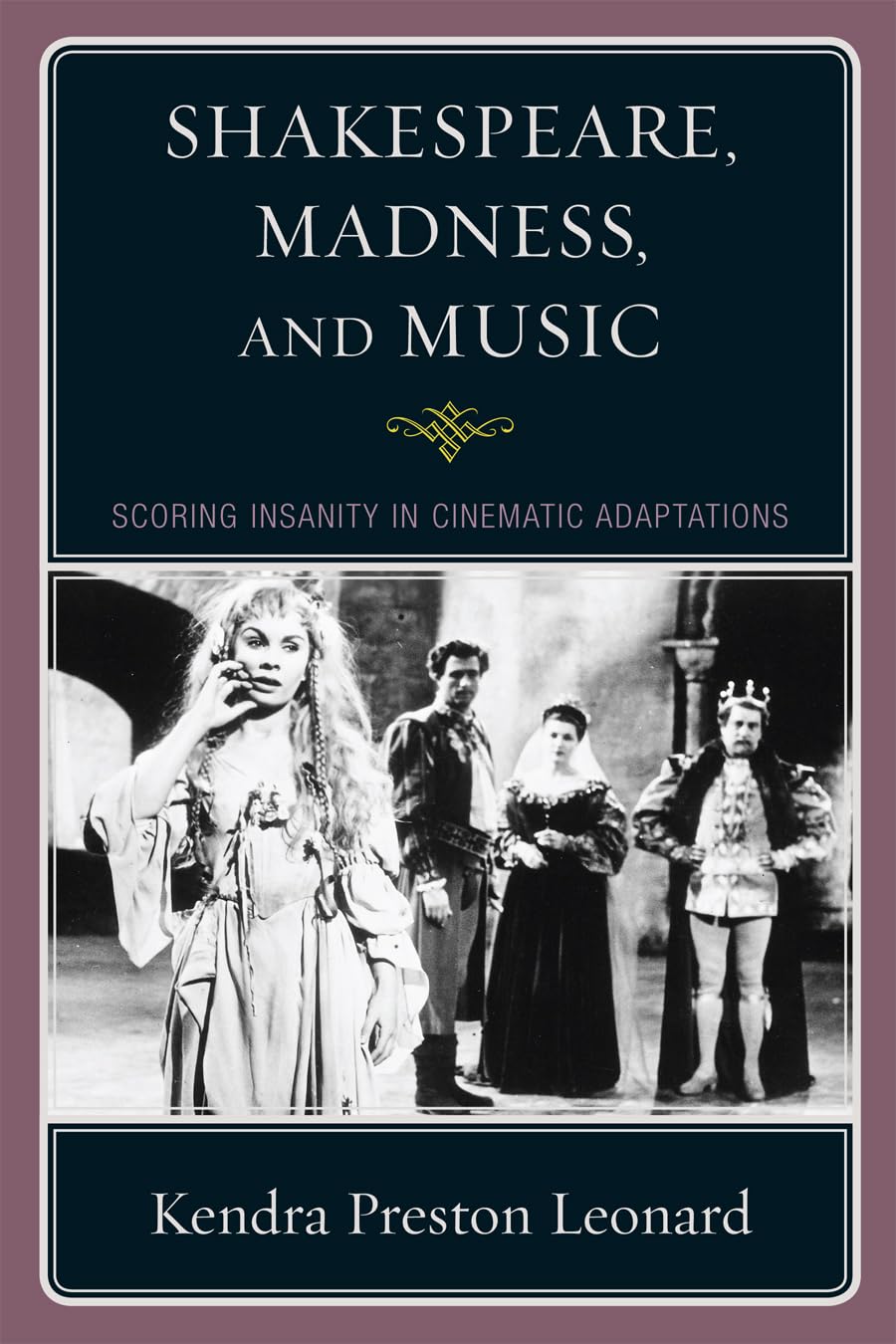
Literature & Fiction
Shakespeare, Madness, and Music: Scoring Insanity in Cinematic Adaptations
Literature & Fiction
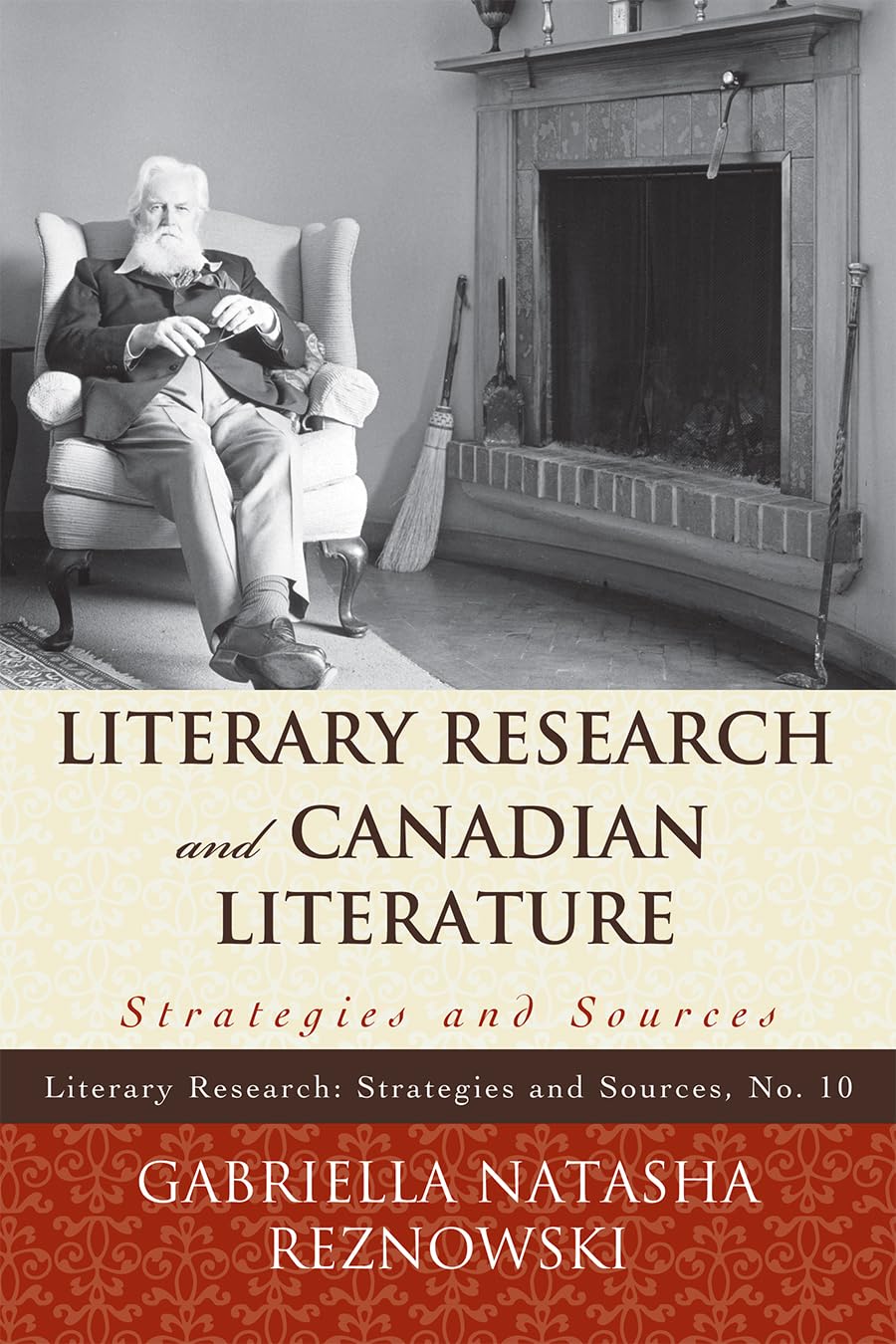
Literary Research and Canadian Literature: Strategies and Sources: 10 (Literary Research: Strategies and Sources, 10)

Literature & Fiction
Crime Fiction and National Identities in the Global Age | by Julie H. Kim | McFarland & Company | by Julie H. Kim | McFarland & Company | by Julie H. Kim | McFarland & Company | by Julie H. Kim | McFarland & Company | by Julie H. Kim | McFarland & Company | by Julie H. Kim | McFarland & Company | by Julie H. Kim | McFarland & Company | by Julie H. Kim | McFarland & Company | by Julie H. Kim | McFarland & Company | by Julie H. Kim | McFarland & Company | by
Literature & Fiction
Greek Literature in the Classical Period: The Poetics of Drama in Athens: 4 (Greek Literature Vol. 4)
Literature & Fiction
Greek Literature and Philosophy (Greek Literature, Volume 6)
Literature & Fiction