
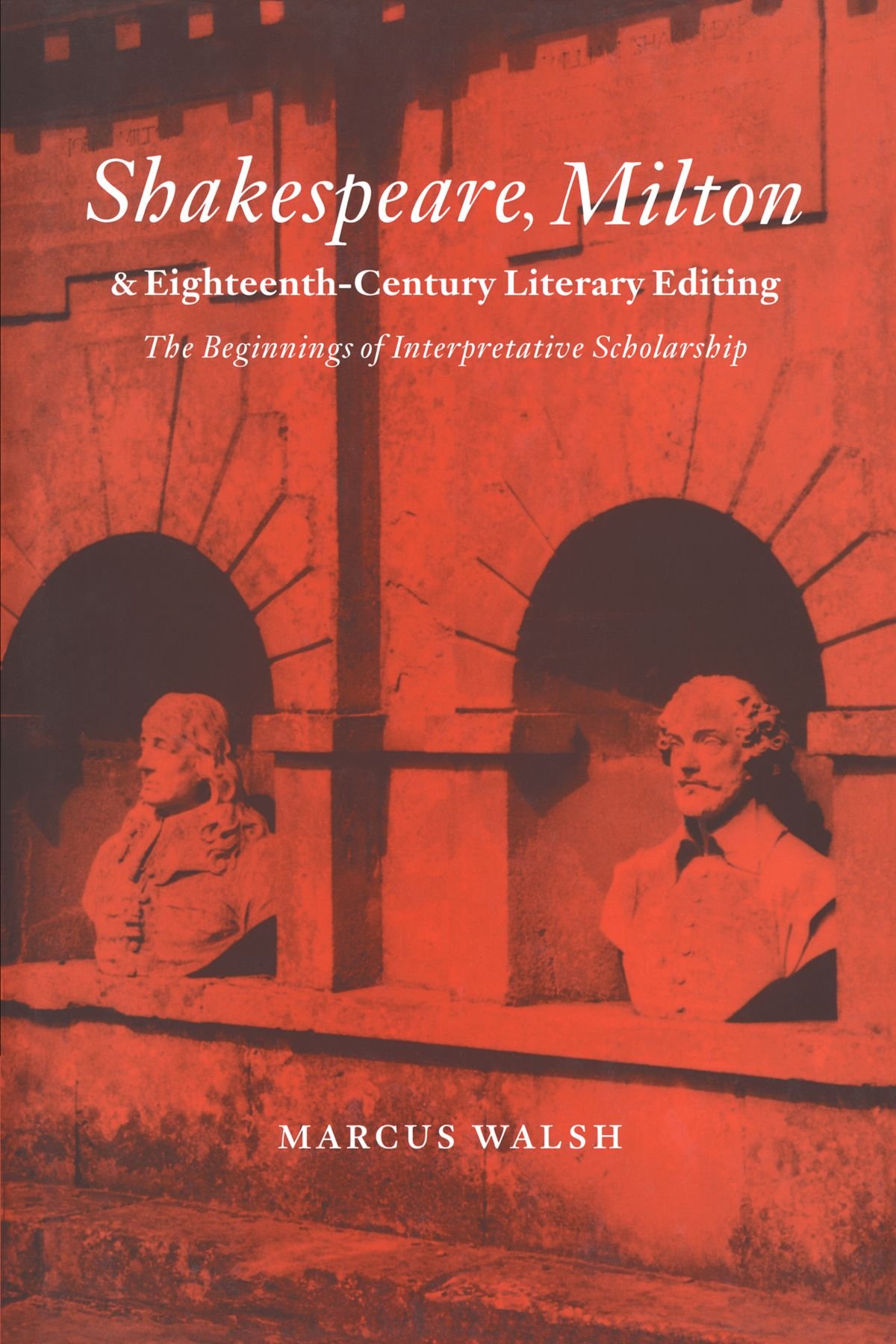
Shakespeare, Milton and Eighteenth-Century Literary Editing: The Beginnings of Interpretative Scholarship by Marcus Wals
Inclusive of all applicable taxes. FREE shipping on all orders.
Available Offers
- 🚚Free Delivery — Free shipping on all orders
- 💵Cash on Delivery — Pay when your order arrives
- ↩️15-Day Easy Returns — Hassle-free return policy
- 🔒Cash on Delivery — Pay safely when your order arrives
Check Delivery
Product Description
Introduction
In the vast landscape of English literary scholarship, the eighteenth century stands as a transformative era when the editing of canonical texts began to take on a distinctly interpretative character. Shakespeare, Milton and Eighteenth-Century Literary Editing: The Beginnings of Interpretative Scholarship by Marcus Walsh offers a meticulous exploration of this pivotal period. Published by Cambridge University Press, this hardcover volume is an essential resource for students, researchers, and lovers of English literature who wish to understand how the foundational works of Shakespeare and Milton were shaped by the editorial practices of the time.
Book Overview
This scholarly work delves into the theoretical and interpretative foundations that guided eighteenth-century editors of English literary texts. Rather than merely cataloguing historical facts, Marcus Walsh investigates the sophisticated methodologies employed by pioneering editors such as Patrick Hume, Lewis Theobald, Zachary Pearce, and Edward Capell. The book demonstrates that these editors operated with clearly articulated theories of textual understanding, moving beyond simple correction to genuine interpretative scholarship. Walsh connects these early editorial practices to Anglican biblical hermeneutics of the seventeenth and eighteenth centuries, creating a rich interdisciplinary dialogue that illuminates the intellectual currents of the period.
Key Highlights
- Pioneering Editors in Focus: Detailed analysis of the work of Patrick Hume, Lewis Theobald, Zachary Pearce, and Edward Capell, among others, showcasing their contributions to textual criticism.
- Theoretical Depth: Explores the interpretative theories and methods that underpinned eighteenth-century editing, revealing a level of sophistication often overlooked.
- Biblical Hermeneutics Connection: Links editorial practices to Anglican biblical interpretation, offering a unique perspective on the intellectual environment of the time.
- Modern Relevance: Engages with key debates in contemporary editorial theory, making the historical discussion pertinent for today's scholars.
Story Themes
At its heart, this book is about the quest for textual authenticity and the role of the editor as an interpreter. It examines themes of authority, authorship, and the evolving relationship between a text and its readers. The eighteenth-century editors were not just correctors of errors; they were scholars who sought to understand the intentions of Shakespeare and Milton, often grappling with ambiguous passages and variant texts. The theme of interpretative responsibility runs throughout, as Walsh shows how these early editors laid the groundwork for modern literary criticism. Additionally, the book touches on the intersection of religious and literary scholarship, revealing how hermeneutic traditions from biblical study influenced the reading of secular texts.
Reader Benefits
For Indian students and scholars of English literature, this book offers a rare window into the historical development of editorial practices that continue to shape how we read classic texts today. It provides a solid foundation for understanding the principles of textual criticism, which is invaluable for those pursuing advanced studies in literature. The interdisciplinary approach—bridging literary theory, history, and religious studies—enriches the reader's perspective and encourages critical thinking. Moreover, the clear and engaging prose makes complex ideas accessible, allowing readers to appreciate the intellectual rigor of eighteenth-century scholarship without feeling overwhelmed.
Who Should Read
- Graduate and postgraduate students of English literature, particularly those specializing in Renaissance or eighteenth-century studies.
- Academic researchers in textual criticism, editorial theory, and literary history.
- Faculty members teaching courses on Shakespeare, Milton, or the history of literary scholarship.
- Bibliophiles and literary enthusiasts with a keen interest in how classic texts have been preserved and interpreted over centuries.
- Library collections in universities and colleges that serve literature and humanities departments.
About the Author
Marcus Walsh is a distinguished scholar of English literature, known for his expertise in eighteenth-century literary studies and editorial theory. His research has focused on the intersection of textual criticism, hermeneutics, and the history of scholarship. With a career marked by rigorous analysis and clear exposition, Walsh brings a wealth of knowledge to this subject, making complex historical and theoretical concepts accessible to a wide audience. His work is widely cited in academic circles, and this book stands as a testament to his deep understanding of the editorial traditions that have shaped our reading of Shakespeare and Milton.
About the Publisher
Cambridge University Press is one of the world's oldest and most prestigious academic publishers, with a history dating back to 1534. Renowned for its rigorous editorial standards and commitment to scholarly excellence, Cambridge University Press publishes works that advance knowledge across disciplines. This book is part of their esteemed catalogue in literary studies, ensuring that readers receive a product of the highest academic quality. For Indian readers, Cambridge University Press titles are trusted resources in university libraries and research institutions across the country.
Conclusion
Shakespeare, Milton and Eighteenth-Century Literary Editing: The Beginnings of Interpretative Scholarship is an indispensable addition to any serious literature collection. Marcus Walsh's insightful analysis not only illuminates a critical period in the history of editing but also invites readers to reflect on the enduring importance of interpretative scholarship. Whether you are a student preparing for examinations, a researcher seeking foundational knowledge, or a lover of literature curious about how Shakespeare and Milton reached us in their present form, this book offers a rewarding intellectual journey. Order your copy from Bookshops.in today and deepen your understanding of the texts that continue to define the English literary canon.
Quick Summary
This book by Marcus Walsh, published by Cambridge University Press, is a scholarly exploration of the theoretical and interpretative origins of literary editing in the eighteenth century. It focuses on the editing of Shakespeare and Milton, examining the work of pioneering editors such as Patrick Hume, Lewis Theobald, Zachary Pearce, and Edward Capell. Walsh demonstrates that these editors developed sophisticated, often clearly articulated theories and methods of textual understanding and explanation. The book is intended for postgraduate students, researchers, and academics in English literature, textual criticism, and literary theory. Readers will gain a deep appreciation of how early editorial practices shaped modern scholarship. By purchasing from Bookshops.in, Indian customers receive a high-quality hardcover edition with reliable delivery and competitive pricing, supporting a local bookstore committed to academic excellence.
Book Highlights
Book Specifications
| ISBN-13 | 9780521602907 |
| ISBN-10 | 0521602904 |
| Publisher | Cambridge University Press |
| Language | English |
| Dimensions | 15.24 x 1.52 x 22.86 cm |
| Weight | 360 g |
| Country | India |
| Category | Literature › English Literature |
| Genre | Literary Criticism |
| Reading Age | Adult |
| Original Language | English |
Frequently Asked Questions
What is the main focus of this book?
Who is the author of this book?
Which editors are discussed in this book?
Is this book suitable for Indian students?
Which publisher released this book?
What is the ISBN of this book?
Does this book cover Shakespearean editing?
Does this book cover Miltonic editing?
What language is the book in?
Is this a hardcover or paperback?
What is the price of this book?
Is the book available at Bookshops.in?
What are the key topics covered?
Who would benefit most from reading this book?
Readers Also Search For
Customers Also Bought
Contemporary Fiction
Fabrications by Pamela Painter – Short Story Collection

Contemporary Fiction
The Double Life of an Alaskan Sled Dog (English, Andrea Finney Aufder Heyde)

Contemporary Fiction
The Alabaster Girl by Zan Perrion

Contemporary Fiction
Grimm and Grimmer: Classic Fairy Tales Rebooted by Mark Russell
Short Stories
Twisted: Tales to Rot Your Brain Vol. 1
Contemporary Fiction
Stepladder Junction and Other Stories
Related Products
View All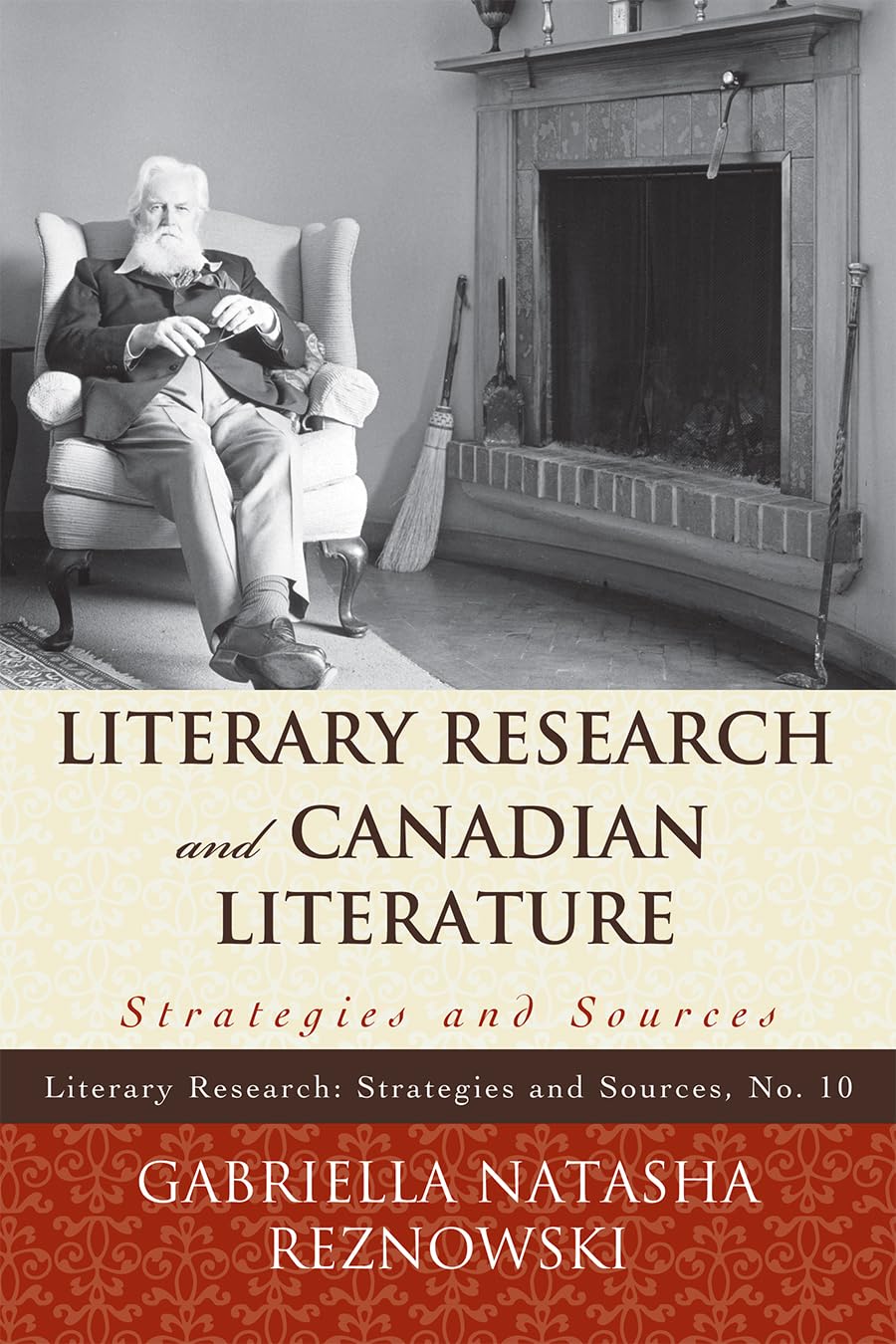
Literature & Fiction
Literary Research and Canadian Literature: Strategies and Sources: 10 (Literary Research: Strategies and Sources, 10)

Literature & Fiction
Crime Fiction and National Identities in the Global Age | by Julie H. Kim | McFarland & Company | by Julie H. Kim | McFarland & Company | by Julie H. Kim | McFarland & Company | by Julie H. Kim | McFarland & Company | by Julie H. Kim | McFarland & Company | by Julie H. Kim | McFarland & Company | by Julie H. Kim | McFarland & Company | by Julie H. Kim | McFarland & Company | by Julie H. Kim | McFarland & Company | by Julie H. Kim | McFarland & Company | by
Literature & Fiction
Greek Literature in the Classical Period: The Poetics of Drama in Athens: 4 (Greek Literature Vol. 4)
Literature & Fiction
Greek Literature and Philosophy (Greek Literature, Volume 6)
Literature & Fiction
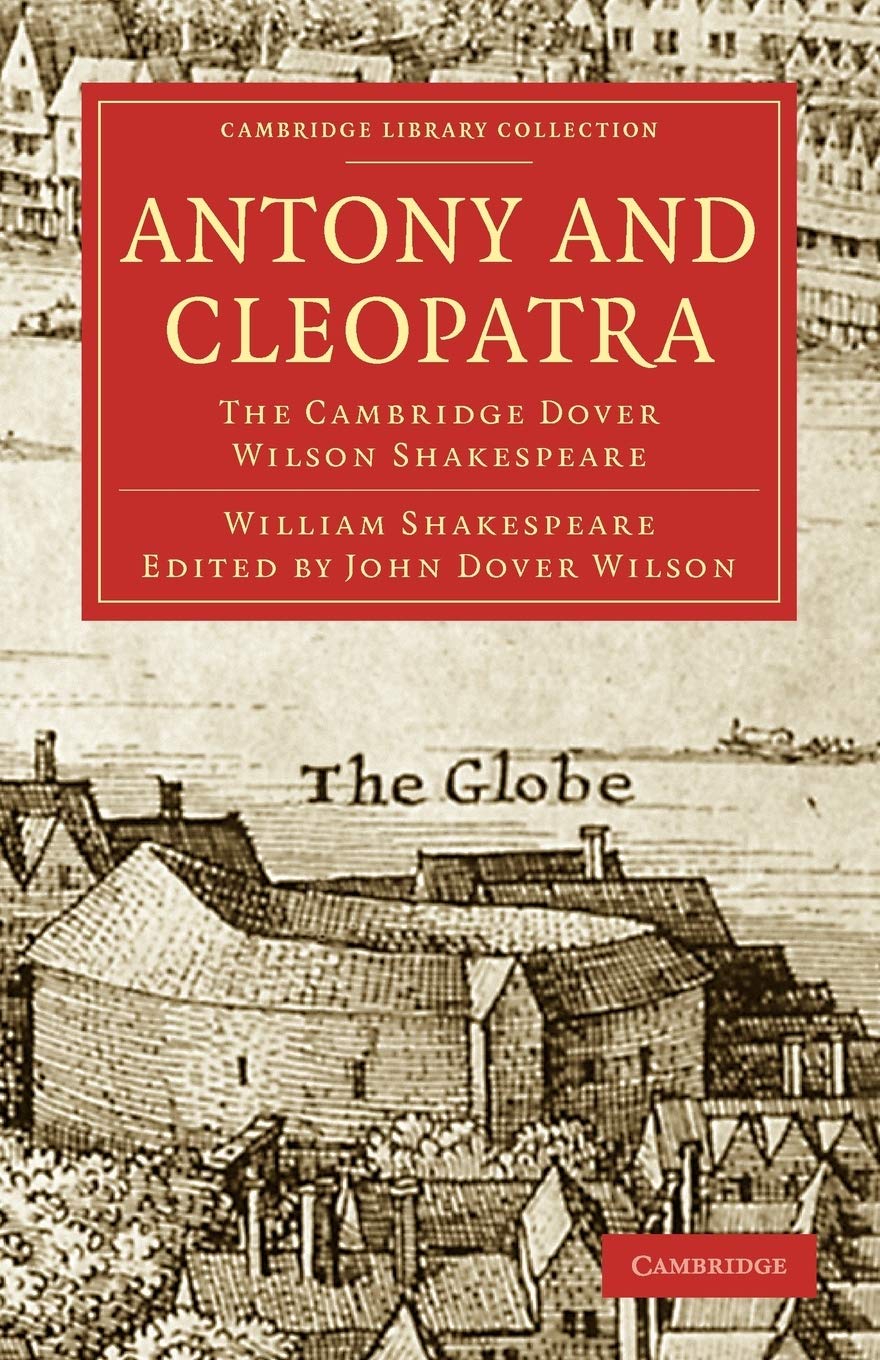
Antony and Cleopatra by William Shakespeare – Cambridge University Press
Literature & Fiction