
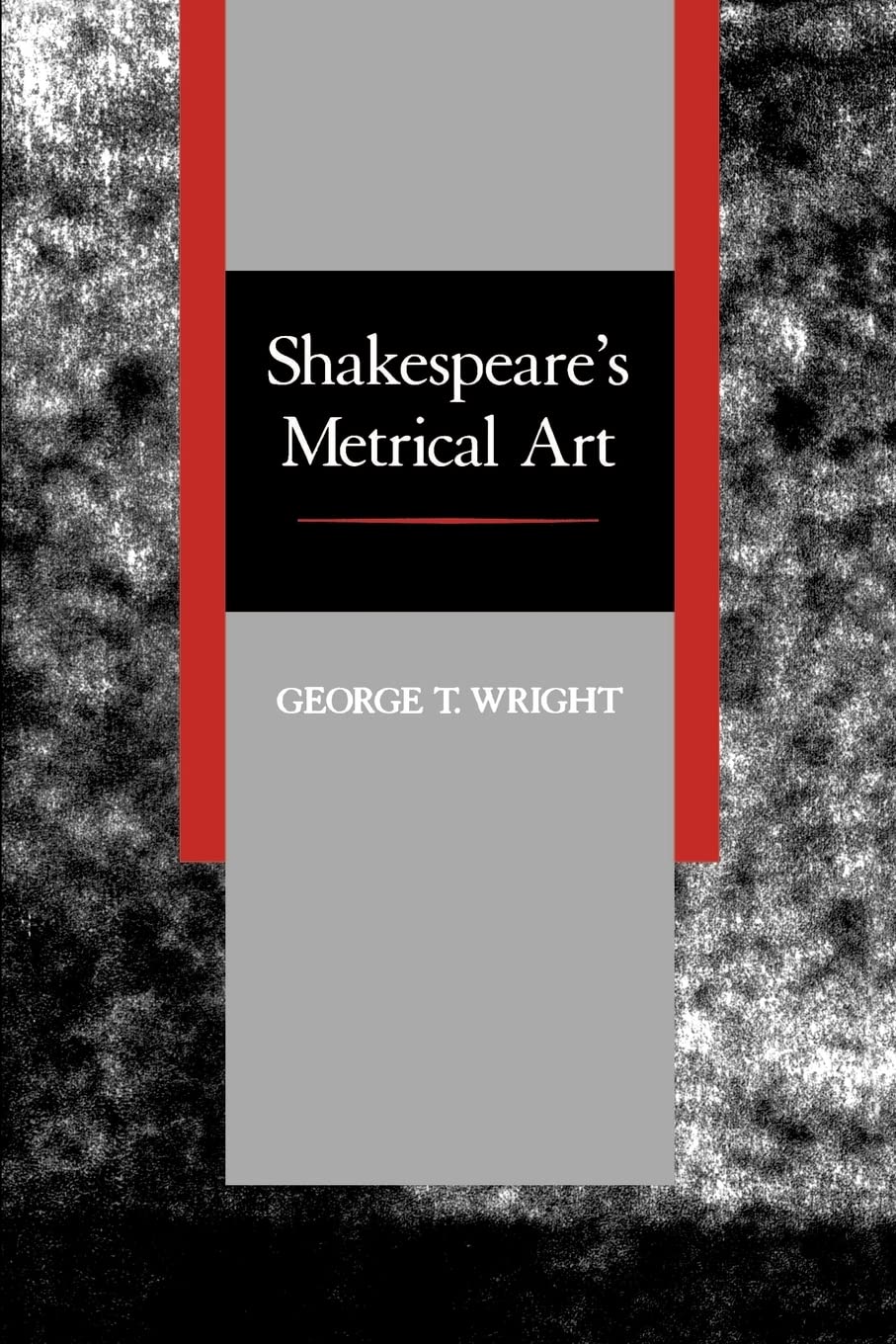
Shakespeare's Metrical Art by George T. Wright – A Deep Dive into Iambic Pentameter and Poetic Technique
Inclusive of all applicable taxes. FREE shipping on all orders.
Available Offers
- 🚚Free Delivery — Free shipping on all orders
- 💵Cash on Delivery — Pay when your order arrives
- ↩️15-Day Easy Returns — Hassle-free return policy
- 🔒Cash on Delivery — Pay safely when your order arrives
Check Delivery
Product Description
Introduction
For students of English literature, poetry enthusiasts, and lovers of Shakespeare, the craft behind the Bard's immortal lines is as fascinating as the stories themselves. Shakespeare's Metrical Art by George T. Wright offers an illuminating exploration of the technical brilliance that makes Shakespeare's verse so powerful and enduring. Published by the University of California Press, this hardcover volume is an essential addition to any serious reader's library, especially for those in India who wish to deepen their understanding of English poetic tradition.
Book Overview
This meticulously researched work delves into the heart of English poetry's most celebrated metrical form—iambic pentameter. George T. Wright traces its evolution from Chaucer through Sidney and Milton, with a primary focus on Shakespeare's extraordinary manipulation of this rhythmic structure. The book examines how Shakespeare's verse grows more flexible, expressive, and character-driven across his career, revealing a poet who constantly reinvented the line to suit dramatic need. Wright's analysis is both scholarly and accessible, making complex prosodic concepts understandable without oversimplification.
Key Highlights
- Comprehensive historical survey: Traces iambic pentameter from its origins in Chaucer to its refinement in Milton, providing context for Shakespeare's innovations.
- In-depth Shakespearean focus: Analyzes the full range of Shakespeare's metrical techniques, from early comedies to late romances, showing his growth as a metrist.
- Practical examples: Uses hundreds of quoted lines from Shakespeare's plays and poems to illustrate metrical patterns, variations, and their dramatic effects.
- Character and rhythm connection: Demonstrates how metrical choices reflect character psychology, social status, and emotional states—a unique lens for performance studies.
- Clear terminology: Defines and explains technical terms like enjambment, caesura, feminine endings, and midline shifts in a reader-friendly manner.
Story Themes
While this is a work of literary criticism, its underlying narrative is about the relationship between form and meaning. Wright explores how Shakespeare's metrical decisions are never arbitrary; they serve to heighten tension, reveal inner conflict, or underscore moments of revelation. Themes of power, love, madness, and mortality are examined through the lens of verse structure. The book also addresses the tension between rigid metrical rules and the freedom of dramatic speech, showing how Shakespeare balanced tradition with innovation to create a living, breathing stage language.
Reader Benefits
Indian readers, whether studying for university exams, preparing for competitive literary assessments, or simply reading for pleasure, will find this book invaluable. It transforms the way one reads Shakespeare—every pause, stress, and line break gains significance. Students of English literature will gain a solid foundation in prosody that applies to all English poetry. Teachers and lecturers can use Wright's insights to enrich classroom discussions. Actors and theatre practitioners will discover practical tools for delivering Shakespeare's lines with greater understanding and impact.
Who Should Read
- Undergraduate and postgraduate students of English literature in Indian universities, especially those studying Shakespeare or poetic form.
- Teachers and professors seeking authoritative yet engaging material for courses on Renaissance literature or poetry.
- Aspiring poets and writers interested in mastering metrical techniques for their own creative work.
- Directors, actors, and theatre enthusiasts who perform Shakespeare and want to understand the rhythm behind the words.
- General readers with a passion for language who enjoy deep dives into how great literature achieves its effects.
About the Author
George T. Wright is a distinguished scholar of English literature, renowned for his expertise in Renaissance poetry and Shakespearean drama. A professor emeritus at the University of Minnesota, Wright has spent decades studying the technical aspects of verse. His writing is marked by clarity, precision, and a genuine love for the subject. Shakespeare's Metrical Art is considered his magnum opus, a work that has influenced generations of scholars and readers worldwide.
About the Publisher
The University of California Press is one of the most respected academic publishers in the world, known for its rigorous editorial standards and contributions to scholarship in the humanities and sciences. This hardcover edition reflects the press's commitment to quality, with a durable binding and clear typography that makes extended reading a pleasure. Indian readers can trust this imprint for authoritative, well-researched content.
Conclusion
Shakespeare's Metrical Art is more than a textbook—it is a doorway into the workshop of the greatest poet in the English language. For anyone in India who has ever marveled at the music of Shakespeare's lines, this book provides the keys to understanding how that music is made. Whether you are a student, teacher, performer, or lifelong learner, George T. Wright's masterful study will enrich your appreciation of poetry and drama. Add this essential volume to your collection and discover the artistry behind the art.
Quick Summary
'Shakespeare's Metrical Art' by George T. Wright is a seminal work that unveils the genius behind Shakespeare's use of iambic pentameter. Wright meticulously examines how Shakespeare, along with Chaucer, Sidney, and Milton, employed this metrical line to create powerful dramatic effects. The book goes beyond simple scansion, showing how rhythm and meter amplify character emotion, reveal subtext, and shape stage language. Ideal for Indian students of English literature, researchers, and poetry lovers, this book provides a technical yet accessible guide to understanding the 'metrical keyboard' of the Bard. Readers will learn to appreciate the subtle variations in Shakespeare's verse and how they contribute to the richness of his plays. By purchasing from Bookshops.in, you get a premium hardcover edition that will last for years. This is an essential addition to any serious literature library, offering insights that transform how you read and perform Shakespeare.
Book Highlights
Book Specifications
| ISBN-13 | 9780520076426 |
| ISBN-10 | 0520076427 |
| Publisher | Univ of California Pr |
| Language | English |
| Dimensions | 14.99 x 2.34 x 22.61 cm |
| Weight | 499 g |
| Country | USA |
| Category | Literature & Fiction › Literary Theory, History & Criticism |
| Genre | Literary Criticism |
| Reading Age | Adult |
| Original Language | English |
Frequently Asked Questions
What is 'Shakespeare's Metrical Art' about?
Who is the author of this book?
Is this book suitable for beginners?
Does the book cover all of Shakespeare's works?
What makes this book different from other Shakespeare studies?
Is this a textbook?
Can this help me write better poetry?
Is the book available in hardcover?
Does the book include examples from other poets?
What is iambic pentameter?
Is this book used in Indian universities?
Does the book discuss Shakespeare's sonnets?
How does the book help in understanding Shakespeare's characters?
Readers Also Search For
Customers Also Bought
Contemporary Fiction
Stepladder Junction and Other Stories
Contemporary Fiction
Fabrications by Pamela Painter – Short Story Collection

Contemporary Fiction
The Double Life of an Alaskan Sled Dog (English, Andrea Finney Aufder Heyde)

Contemporary Fiction
The Alabaster Girl by Zan Perrion

Contemporary Fiction
Grimm and Grimmer: Classic Fairy Tales Rebooted by Mark Russell
Classic Literature
The Prose Works of Andrew Marvell: 1676-1678 by Andrew Marvell – Restoration Literature
Related Products
View All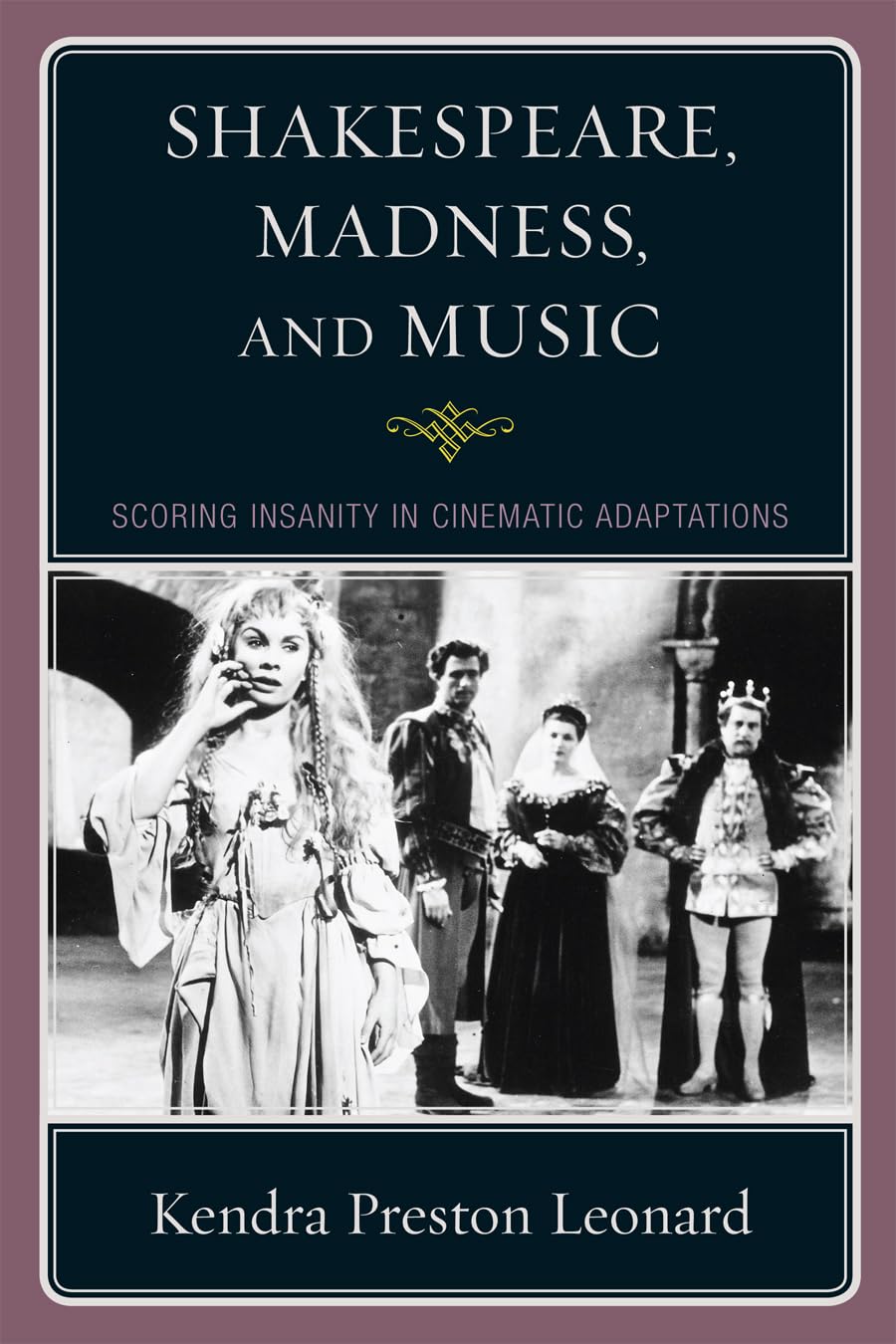
Literature & Fiction
Shakespeare, Madness, and Music: Scoring Insanity in Cinematic Adaptations
Literature & Fiction
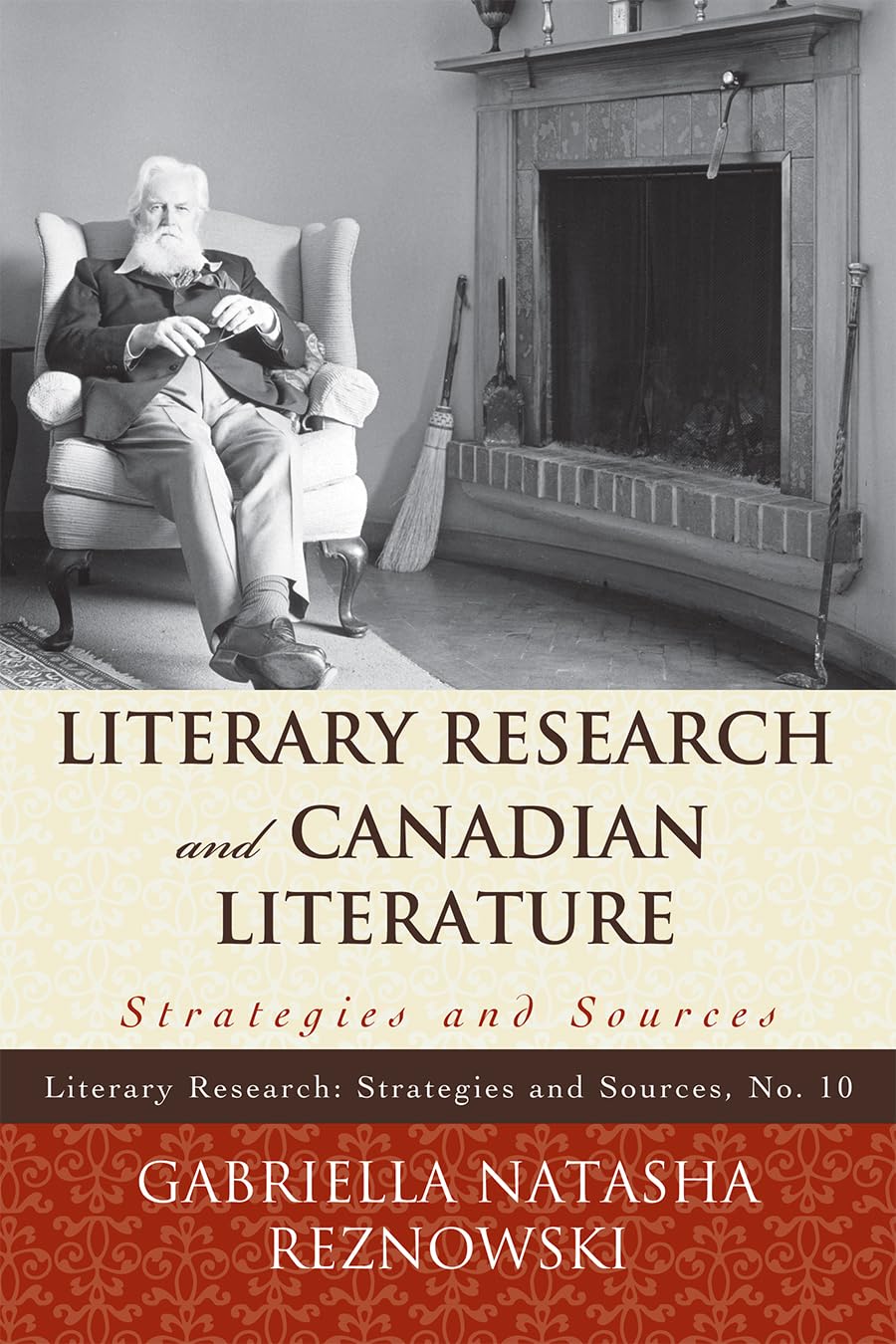
Literary Research and Canadian Literature: Strategies and Sources: 10 (Literary Research: Strategies and Sources, 10)

Literature & Fiction
Crime Fiction and National Identities in the Global Age | by Julie H. Kim | McFarland & Company | by Julie H. Kim | McFarland & Company | by Julie H. Kim | McFarland & Company | by Julie H. Kim | McFarland & Company | by Julie H. Kim | McFarland & Company | by Julie H. Kim | McFarland & Company | by Julie H. Kim | McFarland & Company | by Julie H. Kim | McFarland & Company | by Julie H. Kim | McFarland & Company | by Julie H. Kim | McFarland & Company | by
Literature & Fiction
Greek Literature in the Classical Period: The Poetics of Drama in Athens: 4 (Greek Literature Vol. 4)
Literature & Fiction
Greek Literature and Philosophy (Greek Literature, Volume 6)
Literature & Fiction