
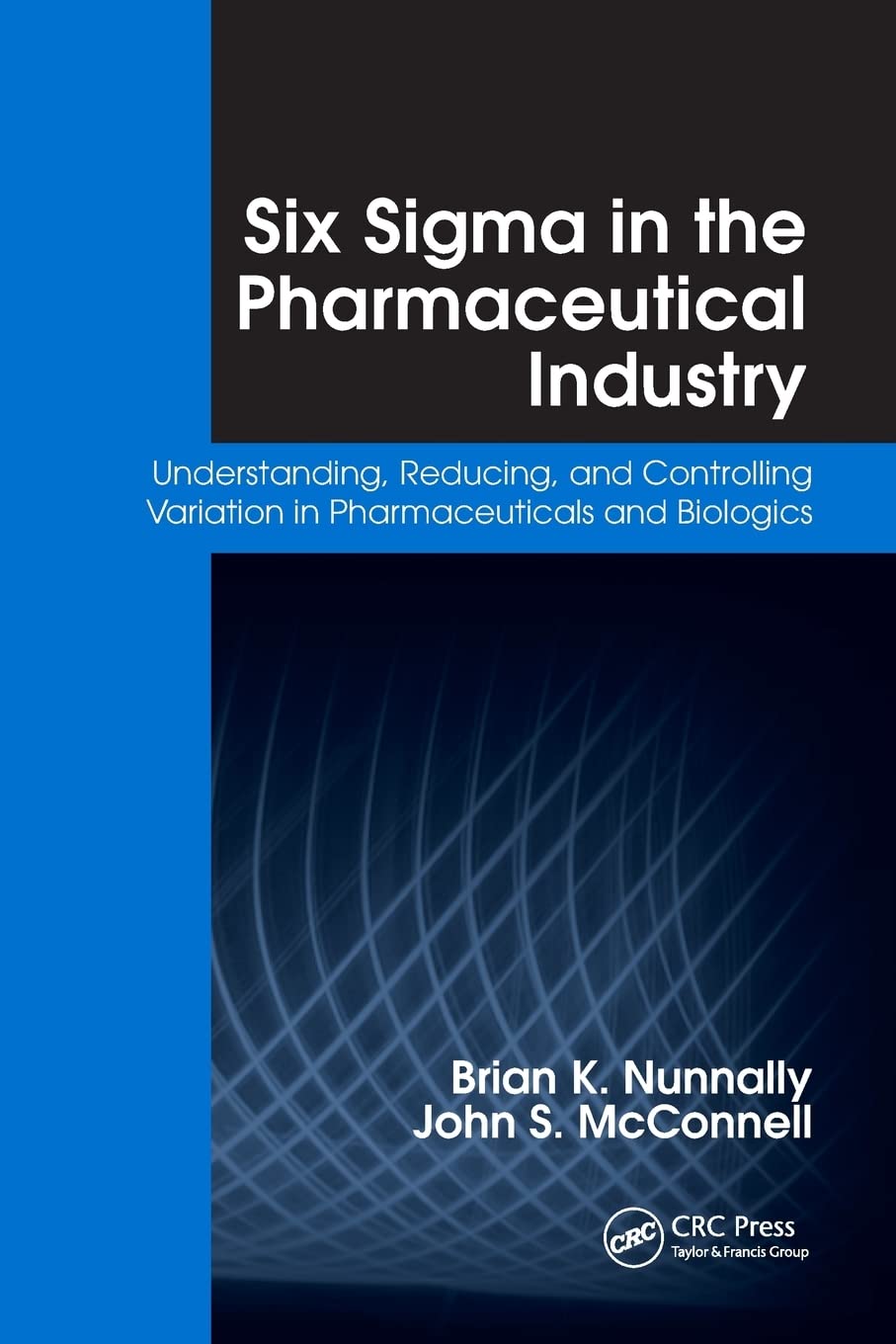
Six Sigma in the Pharmaceutical Industry: Understanding, Reducing and Controlling Variation in Pharmaceuticals and Biolo
Inclusive of all applicable taxes. FREE shipping on all orders.
Available Offers
- 🚚Free Delivery — Free shipping on all orders
- 💵Cash on Delivery — Pay when your order arrives
- ↩️15-Day Easy Returns — Hassle-free return policy
- 🔒Cash on Delivery — Pay safely when your order arrives
Check Delivery
Product Description
Introduction
In an era where the pharmaceutical industry faces relentless pressure to reduce costs, accelerate drug development, and maintain uncompromising quality standards, traditional manufacturing and quality control methods often fall short. Six Sigma in the Pharmaceutical Industry: Understanding, Reducing and Controlling Variation in Pharmaceuticals and Biologics by Brian K. Nunnally emerges as a definitive guide tailored for the unique challenges of pharma and biologics production. This book bridges the gap between statistical rigor and real-world pharmaceutical operations, offering Indian students, researchers, and industry professionals a practical roadmap to achieving process excellence through variation reduction.
Book Overview
Published by CRC Press, this hardcover volume is a comprehensive resource that demystifies Six Sigma methodologies specifically for the pharmaceutical and biologics sectors. Unlike generic Six Sigma texts, this book anchors every concept in the context of regulatory compliance, batch consistency, and patient safety. It systematically explores how understanding and controlling variation can lead to more efficient processes, reduced waste, and higher-quality therapeutics. The author draws from decades of industry experience to present both theoretical foundations and actionable techniques, making it an indispensable reference for anyone involved in pharmaceutical manufacturing, quality assurance, or process improvement.
Key Highlights
- Industry-Specific Focus: Tailored exclusively for pharmaceuticals and biologics, addressing unique regulatory and operational constraints.
- Practical Variation Management: Step-by-step guidance on identifying, measuring, and reducing variation in drug substance and drug product processes.
- Control Chart Theory: In-depth coverage of statistical process control (SPC) tools adapted for batch and continuous manufacturing.
- Real-World Case Studies: Examples drawn from actual pharma settings, illustrating successful Six Sigma implementations.
- Regulatory Alignment: Connects Six Sigma principles with FDA, EMA, and Indian regulatory expectations for quality by design (QbD).
Inside the Book
The book is structured to build expertise from the ground up. Early chapters introduce the fundamental concepts of variation—its sources, types, and impact on product quality. Readers then delve into the DMAIC (Define, Measure, Analyze, Improve, Control) framework, with each phase explained through pharma-specific scenarios. Later sections explore advanced topics such as design of experiments (DoE), capability analysis, and the integration of Six Sigma with lean manufacturing. The final chapters focus on sustaining improvements through robust control plans and continuous monitoring, ensuring long-term benefits for manufacturing sites.
Key Topics
- Fundamentals of variation and its role in pharmaceutical quality
- Statistical process control (SPC) for batch and continuous processes
- DMAIC methodology tailored for regulated environments
- Process capability indices (Cp, Cpk) and their interpretation
- Design of experiments (DoE) for formulation and process optimization
- Risk-based decision making and root cause analysis
- Implementation strategies for biologics and sterile manufacturing
- Linking Six Sigma to regulatory submissions and audits
Reader Benefits
By studying this book, readers will gain a clear, structured approach to reducing variability that directly impacts product quality and operational efficiency. Indian pharmaceutical professionals will find the content particularly valuable for meeting stringent regulatory standards while improving yield and reducing costs. Students will appreciate the logical progression from basic concepts to advanced applications, supported by numerous examples and exercises. The book empowers readers to confidently lead process improvement projects, troubleshoot manufacturing issues, and contribute to a culture of continuous improvement within their organizations.
Learning Outcomes
- Understand the sources and consequences of variation in pharmaceutical and biologic processes
- Apply control charts and other SPC tools to monitor and stabilize manufacturing operations
- Execute a complete Six Sigma project using the DMAIC framework in a regulated setting
- Analyze process capability and identify opportunities for improvement
- Design experiments to optimize formulations and processes while minimizing risk
- Integrate Six Sigma principles with quality by design (QbD) and regulatory compliance
- Develop sustainable control strategies to maintain gains over time
Who Should Read
This book is essential for quality assurance managers, process engineers, production supervisors, regulatory affairs professionals, and Six Sigma practitioners working in pharmaceutical or biotechnology companies. It is equally valuable for postgraduate students in pharmacy, biotechnology, chemical engineering, and industrial engineering who wish to specialize in quality management. Academic researchers exploring process analytical technology (PAT) or continuous manufacturing will also find the content highly relevant. Indian professionals preparing for Six Sigma certification or seeking to enhance their problem-solving skills in a pharma context will benefit immensely from this focused resource.
About the Author
Brian K. Nunnally is a recognized expert in pharmaceutical quality and process improvement with over two decades of experience in the industry. He has held leadership roles in quality assurance, manufacturing, and regulatory compliance at major pharmaceutical and biologics companies. His hands-on work in implementing Six Sigma and lean methodologies has resulted in significant cost savings and quality enhancements across multiple product lines. Nunnally is also a sought-after trainer and consultant, having guided numerous teams toward successful process optimization. His practical, no-nonsense writing style makes complex statistical concepts accessible to readers at all levels.
About the Publisher
CRC Press is a premier global publisher of scientific, technical, and medical content, renowned for its authoritative books in engineering, life sciences, and pharmaceutical sciences. With a legacy spanning over a century, CRC Press is trusted by academics, researchers, and industry professionals worldwide for delivering high-quality, peer-reviewed resources. Their commitment to publishing cutting-edge knowledge ensures that titles like this one remain at the forefront of industry practice and academic study.
Conclusion
Six Sigma in the Pharmaceutical Industry is more than a textbook—it is a strategic tool for transforming pharmaceutical manufacturing. By mastering the principles of variation reduction, readers can drive meaningful improvements in product quality, regulatory compliance, and operational efficiency. Whether you are a seasoned professional or a student entering the field, this book provides the knowledge and confidence to make a tangible impact. Add this essential volume to your library and take the next step toward excellence in pharmaceutical quality.
Quick Summary
Six Sigma in the Pharmaceutical Industry by Brian K. Nunnally is a pioneering guide that applies Six Sigma methodology to the unique challenges of pharmaceutical and biologics manufacturing. The book addresses the pressing need to reduce variation in drug development, clinical trials, and production, helping companies improve quality while cutting costs. It covers fundamental Six Sigma concepts, the DMAIC framework, control charts, and statistical tools, all contextualized for regulated pharma environments. Readers will learn how to systematically identify and eliminate defects, meet stringent regulatory requirements, and enhance operational efficiency. This book is ideal for quality assurance professionals, manufacturing engineers, regulatory specialists, and students in pharmacy or biotechnology. By purchasing from Bookshops.in, Indian readers get a genuine hardcover copy with reliable delivery and excellent customer service.
Book Highlights
Book Specifications
| ISBN-13 | 9781420054392 |
| ISBN-10 | 1420054392 |
| Publisher | CRC Pr I Llc |
| Language | English |
| Dimensions | 14.99 x 1.27 x 22.86 cm |
| Weight | 318 g |
| Country | India |
| Category | Research › Epidemiology |
| Genre | Nonfiction |
| Original Language | English |
Frequently Asked Questions
What is Six Sigma in the pharmaceutical industry?
Who is the author of this book?
Is this book suitable for beginners?
Does the book cover biologics?
What practical tools does the book include?
How can this book help with regulatory compliance?
Is this book used in Indian universities?
Does the book include real-world examples?
What is the price of this book?
Can I use this book for Six Sigma certification?
What is the ISBN?
Is the book available in hardcover?
Why buy from Bookshops.in?
Readers Also Search For
Customers Also Bought
Research
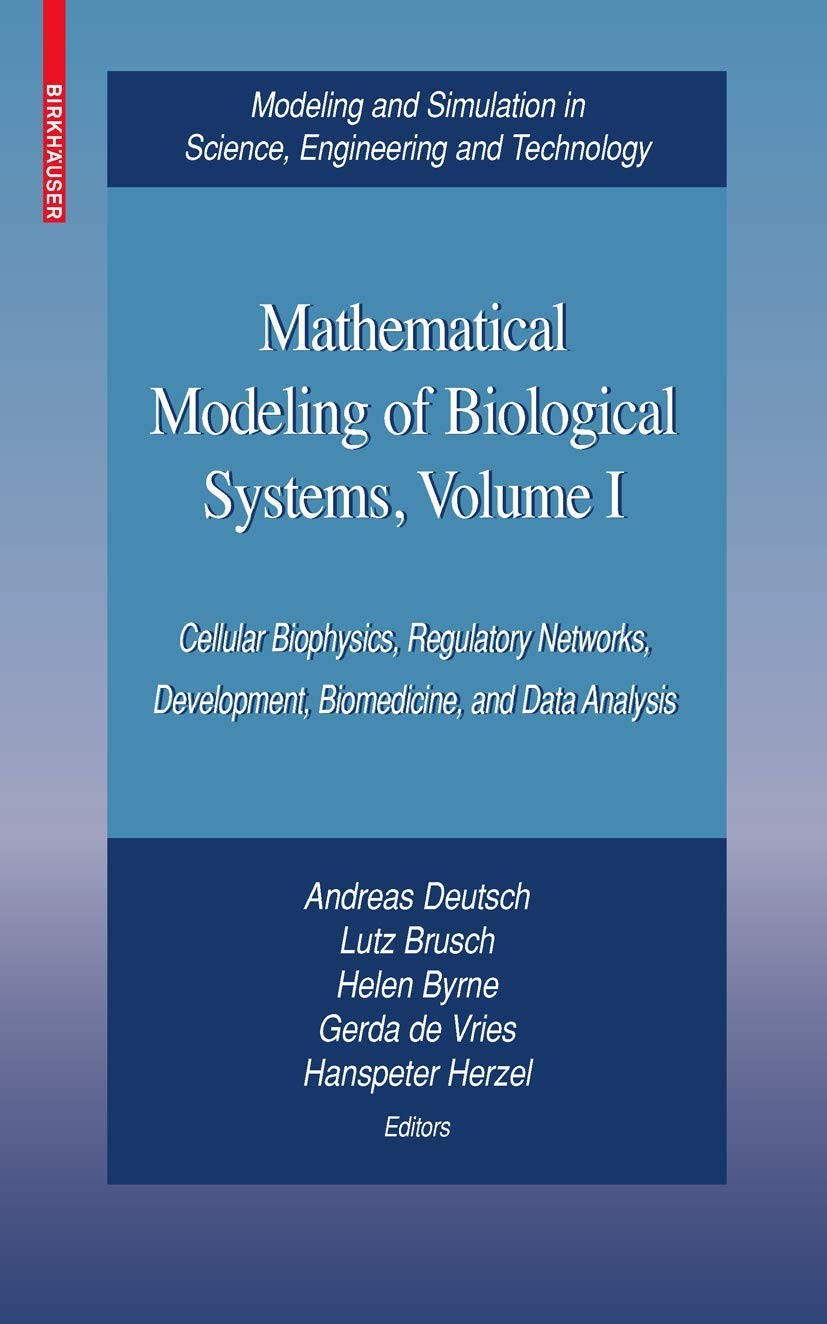
Mathematical Modeling of Biological Systems, Volume I (English, Andreas Deutsch | Lutz Brusch | Helen Byrne)
Research
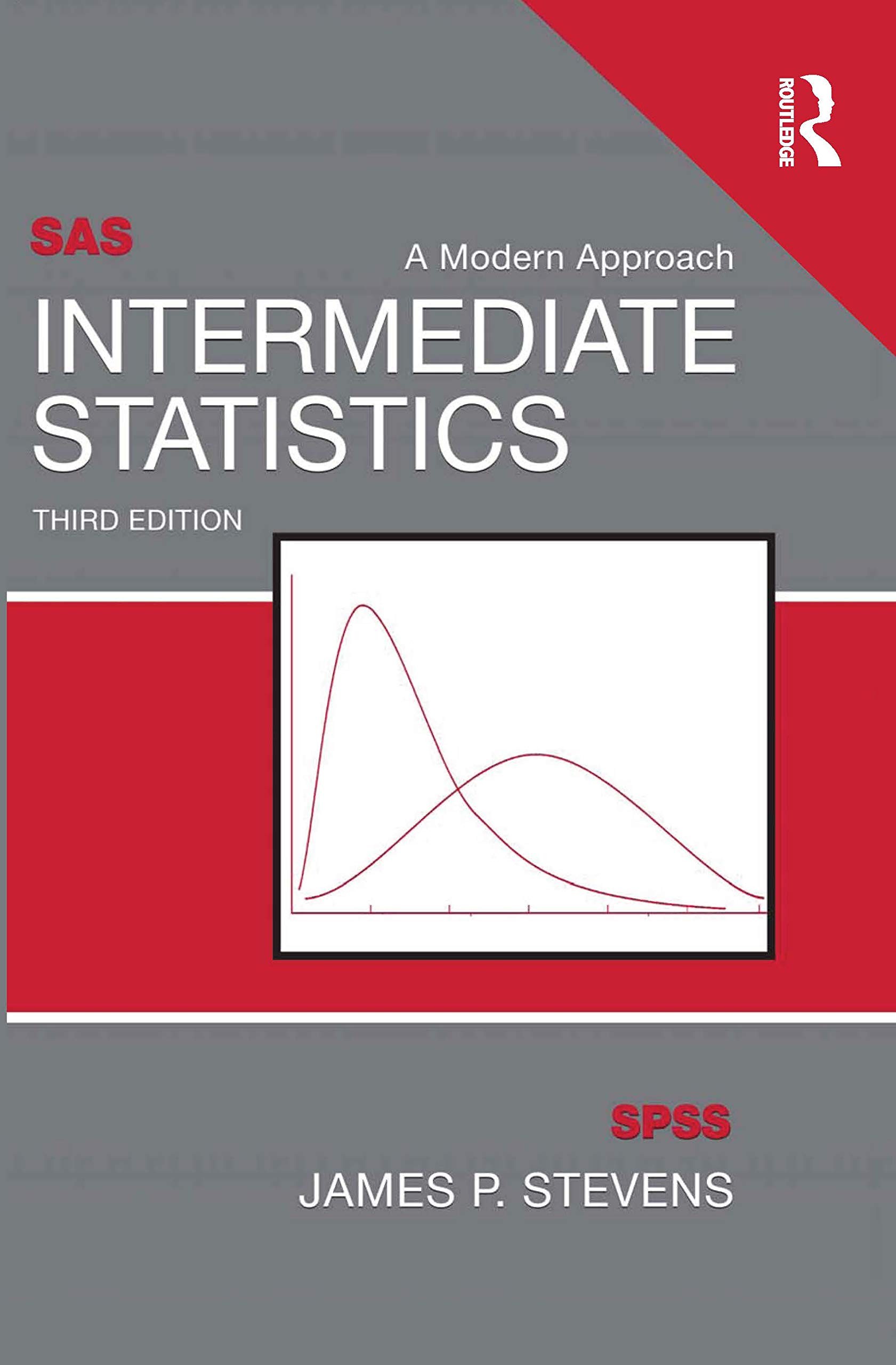
Intermediate Statistics (English, James P. Stevens)
Research
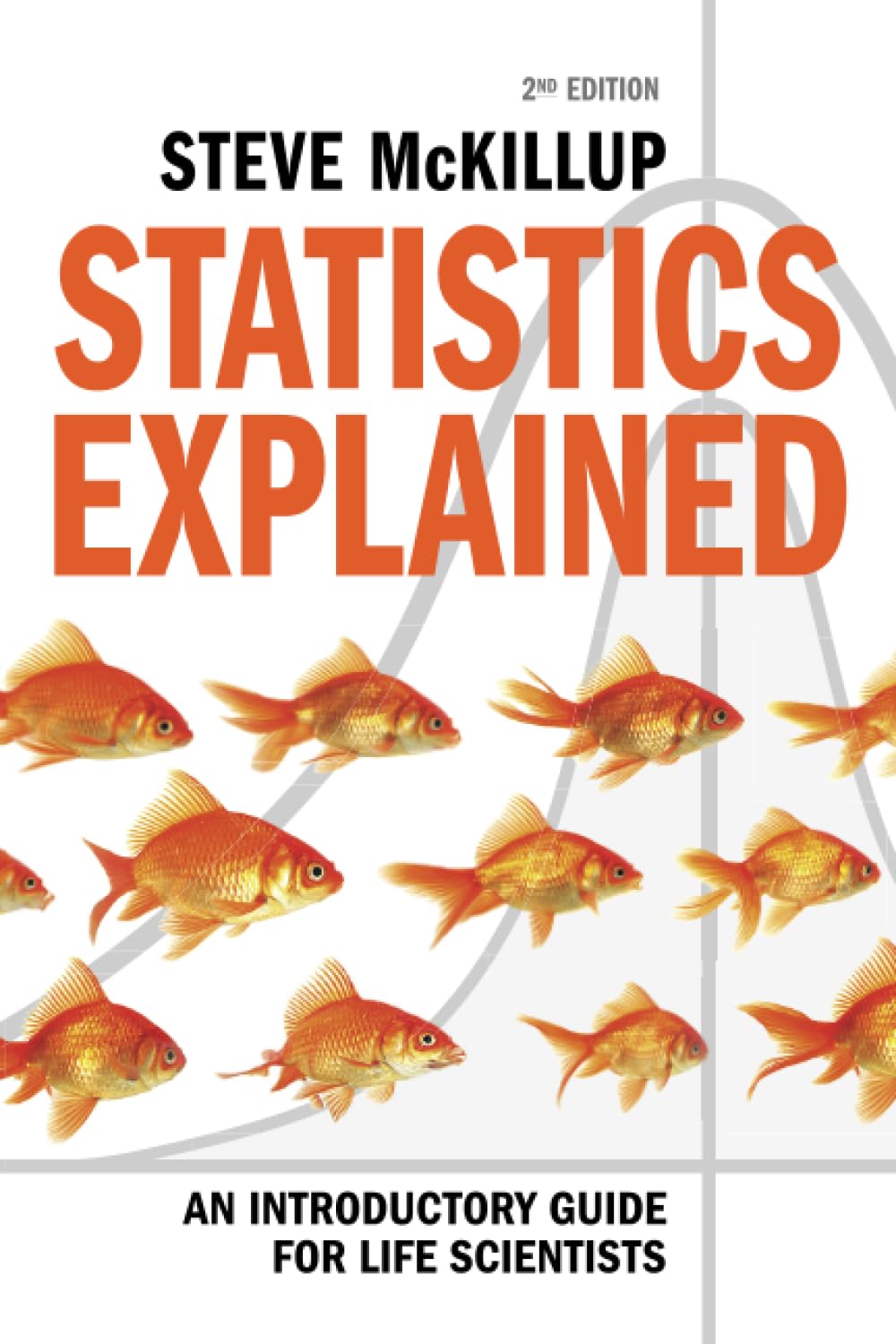
Statistics Explained by Steve McKillup – Life Science Statistics Guide

Research
Data Analysis and Graphics Using R by John Maindonald – Statistical Computing
Research
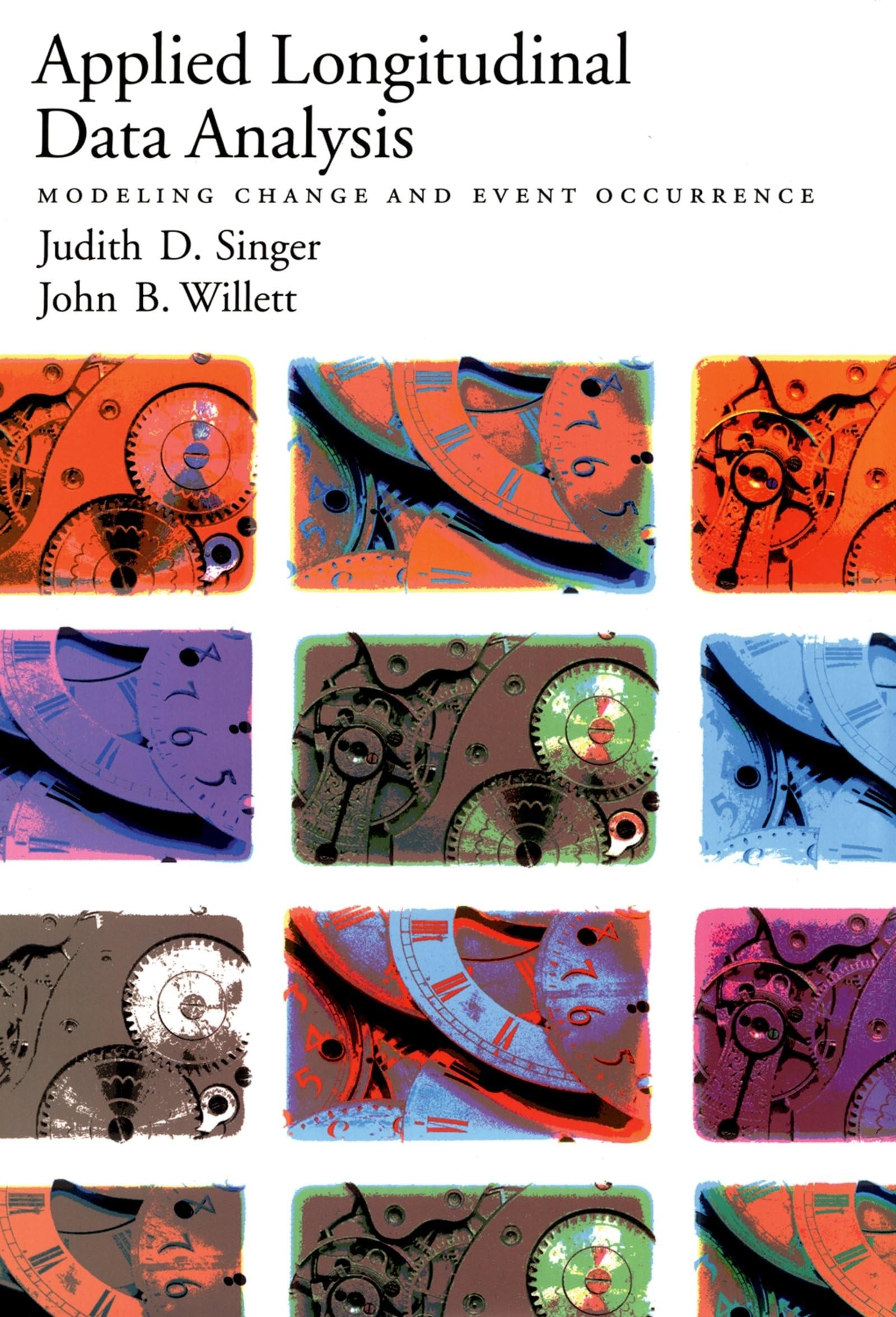
Applied Longitudinal Data Analysis (English, Judith D. Singer | John B. Willett)
Research
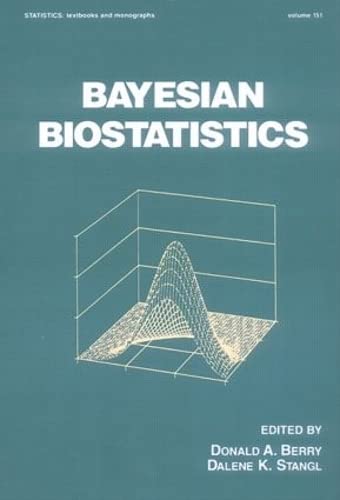
Bayesian Biostatistics (STATISTICS, A SERIES OF TEXTBOOKS AND MONOGRAPHS)
Related Products
View AllResearch
Mathematical Modeling of Biological Systems, Volume I (English, Andreas Deutsch | Lutz Brusch | Helen Byrne)
Research
Intermediate Statistics (English, James P. Stevens)
Research
Statistics Explained by Steve McKillup – Life Science Statistics Guide
Research
Data Analysis and Graphics Using R by John Maindonald – Statistical Computing
Research
Applied Longitudinal Data Analysis (English, Judith D. Singer | John B. Willett)
Research