
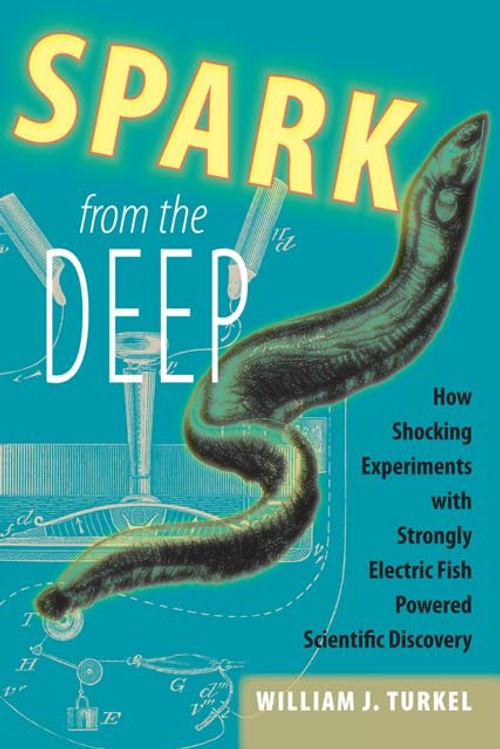
Spark from the Deep: How Shocking Experiments With Strongly Electric Fish Powered Scientific Discovery by William J. Tur
Inclusive of all applicable taxes. FREE shipping on all orders.
Available Offers
- 🚚Free Delivery — Free shipping on all orders
- 💵Cash on Delivery — Pay when your order arrives
- ↩️15-Day Easy Returns — Hassle-free return policy
- 🔒Cash on Delivery — Pay safely when your order arrives
Check Delivery
Product Description
Introduction
What if the key to understanding electricity came not from a laboratory, but from the shocking depths of rivers and oceans? In Spark from the Deep: How Shocking Experiments With Strongly Electric Fish Powered Scientific Discovery, historian William J. Turkel takes readers on an electrifying journey through science, nature, and human ingenuity. This hardcover edition, published by Johns Hopkins University Press, reveals how the strange and powerful abilities of electric eels, torpedo rays, and electric catfish inspired centuries of discovery—from ancient medical treatments to modern robotics. Perfect for Indian students, researchers, and curious minds, this book connects biology, physics, and history in a way that will leave you both enlightened and amazed.
Book Overview
Spark from the Deep is not just a history of science—it is a story of how living creatures shaped human technology. Turkel explores how early encounters with strongly electric fish—painful, shocking, and sometimes dangerous—led people to experiment with electricity long before batteries or generators existed. The book traces how these fish became models for medical therapies, instruments for storing and transmitting power, and even inspirations for modern engineering projects like autonomous underwater robots and energy-efficient sensors. By asking fresh questions about evolution, environment, and human curiosity, Turkel offers a unique perspective on one of the most fundamental forces in our world.
Key Highlights
- Original Research: The author draws on rare historical documents and scientific studies to reveal how electric fish shaped early electrical science.
- Interdisciplinary Approach: Combines biology, history, physics, and engineering in an accessible narrative for Indian readers.
- Practical Applications: Shows how studying these fish led to real-world innovations, from medical shock therapy to modern battery design.
- Engaging Stories: Packed with vivid accounts of ancient fishermen, Victorian scientists, and modern engineers who risked shocks to learn from these creatures.
- Indian Context: Includes references to electric catfish found in Indian waters, making the science relatable for local students.
Inside the Book
Turkel begins with the earliest human encounters with electric fish—how ancient Egyptians, Greeks, and Indians used torpedo fish for pain relief and muscle stimulation. He then moves through the Renaissance and Enlightenment, when natural philosophers like John Walsh and Alessandro Volta conducted shocking experiments with these animals. The middle chapters explore how 19th-century scientists built devices to mimic electric fish, leading to the development of capacitors, batteries, and electrical theory. Later sections reveal how modern researchers are using electric fish as models for designing bio-inspired robots, neural interfaces, and sustainable power sources. Throughout, Turkel emphasizes the deep evolutionary history that made these fish electric—and how that history continues to spark innovation today.
Key Topics
- The biology and evolution of strongly electric fish (electric eels, torpedo rays, catfish)
- Ancient and indigenous uses of electric fish for medicine and magic
- Early electrical experiments with fish (Galvani, Volta, Faraday)
- How electric fish inspired the invention of the battery and capacitor
- Medical applications of electric shock in history
- Modern bio-inspired engineering: underwater robots, sensors, and batteries
- The role of electric fish in Indian and global scientific traditions
Reader Benefits
- Deepen Understanding: Gain a clear, engaging explanation of how electricity works in nature and technology.
- Connect Disciplines: See how biology, history, and physics intersect in surprising ways.
- Inspire Curiosity: Perfect for students who want to explore non-traditional paths in science.
- Enhance Learning: The book’s narrative style makes complex ideas accessible to Indian high school and college students.
- Expand Knowledge: Learn about Indian contributions to electrical science, including ancient texts that mention electric fish.
Learning Outcomes
- Understand the evolutionary origins of bioelectricity in fish and other animals.
- Trace the historical development of electrical science from ancient times to the present.
- Identify key experiments and scientists who used electric fish to advance knowledge.
- Analyze how natural phenomena inspire technological innovation.
- Appreciate the role of electric fish in Indian scientific heritage and global research.
Who Should Read
This book is ideal for Indian students in Class 11 and 12 studying biology, physics, or history, as well as undergraduates in science and engineering programs. It will also appeal to teachers, science communicators, and anyone fascinated by the hidden connections between nature and human invention. If you love stories of discovery, enjoy learning how living things shape technology, or simply want a fresh perspective on electricity, Spark from the Deep is a must-read.
About the Author
William J. Turkel is a professor of history at the University of Western Ontario, where he specializes in the history of science, technology, and the environment. He is known for his innovative research on how humans interact with the natural world, and his work bridges the gap between the humanities and the sciences. Turkel’s writing is clear, engaging, and filled with surprising insights—making complex topics accessible to readers of all backgrounds.
About the Publisher
Johns Hopkins University Press is one of the oldest and most respected academic publishers in the world. Based in Baltimore, USA, it has been publishing groundbreaking works in science, medicine, and the humanities since 1878. This hardcover edition reflects the press’s commitment to high-quality scholarship and accessible writing, making it a trusted source for students and researchers in India and beyond.
Conclusion
From ancient shock therapy to futuristic robots, Spark from the Deep illuminates the extraordinary role that electric fish have played in human history. William J. Turkel’s masterful storytelling will change the way you think about electricity, evolution, and innovation. Whether you are a student in Mumbai, a teacher in Delhi, or a curious reader in Chennai, this book offers a shocking—and inspiring—journey through science. Order your hardcover copy from Bookshops.in today and spark your own discovery.
Quick Summary
Spark from the Deep: How Shocking Experiments With Strongly Electric Fish Powered Scientific Discovery by William J. Turkel is a captivating exploration of how humans learned about electricity through their encounters with strongly electric fish. From the painful shocks of electric catfish to the powerful discharges of electric eels and torpedo rays, this book traces the historical journey that led to medical therapies, batteries, and modern electrical technology. Turkel, a distinguished historian, weaves together evolutionary biology, experimental physics, and cultural history to show how these remarkable animals shaped our understanding of electricity. This book is ideal for Indian students, science enthusiasts, and history buffs who want a fresh perspective on scientific discovery. Readers will learn about the role of electric fish in the work of pioneers like Galvani and Volta, the development of early electrical devices, and the ongoing inspiration these creatures provide for modern bioelectricity research. By purchasing from Bookshops.in, you get a genuine hardcover edition with fast delivery across India, supporting a trusted local bookstore.
Book Highlights
Book Specifications
| ISBN-13 | 9781421409818 |
| ISBN-10 | 142140981X |
| Publisher | Johns Hopkins Univ Pr |
| Language | English |
| Dimensions | 15.24 x 2.51 x 22.86 cm |
| Weight | 553 g |
| Category | Biology & Life Sciences › Zoology |
| Genre | Nonfiction |
| Reading Age | Adult |
| Original Language | English |
Frequently Asked Questions
What is Spark from the Deep about?
Who is the author of Spark from the Deep?
Is this book suitable for Indian students?
Does the book cover modern applications of electric fish?
What types of electric fish are discussed?
Is this a textbook or a popular science book?
Does the book include illustrations?
How does this book connect to the history of electricity?
Is the book available in hardcover?
Who should buy this book?
Does the book discuss Indian contributions?
How is this book different from other history of science books?
Why buy from Bookshops.in?
Readers Also Search For
Customers Also Bought
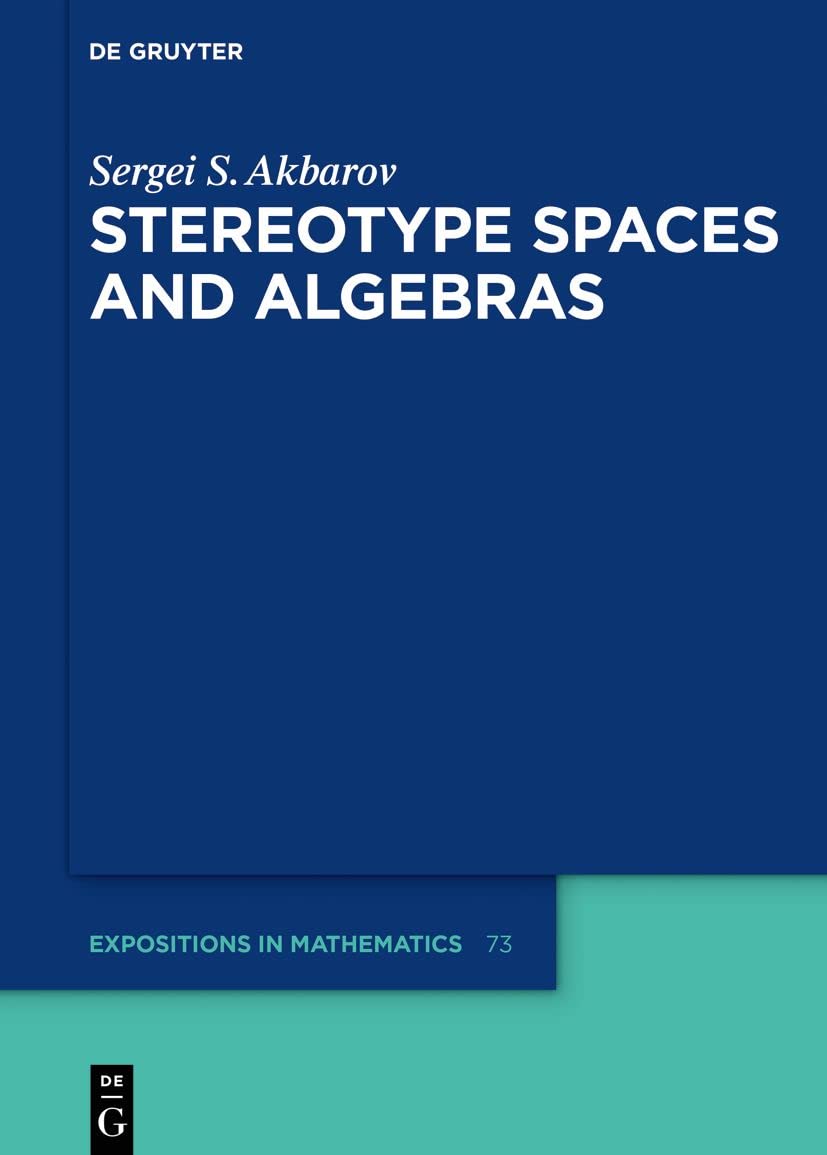
Mathematics
Stereotype Spaces and Algebras: 73 (De Gruyter Expositions in Mathematics, 73)

Mathematics
Semigroups in Algebra, Geometry and Analysis: 20 (De Gruyter Expositions in Mathematics, 20)

Mathematics
Geometry from the Pacific Rim: Proceedings of the Pacific Rim Geometry Conference held at National University of Singapore, Republic of Singapore, ... 1994 (De Gruyter Proceedings in Mathematics)
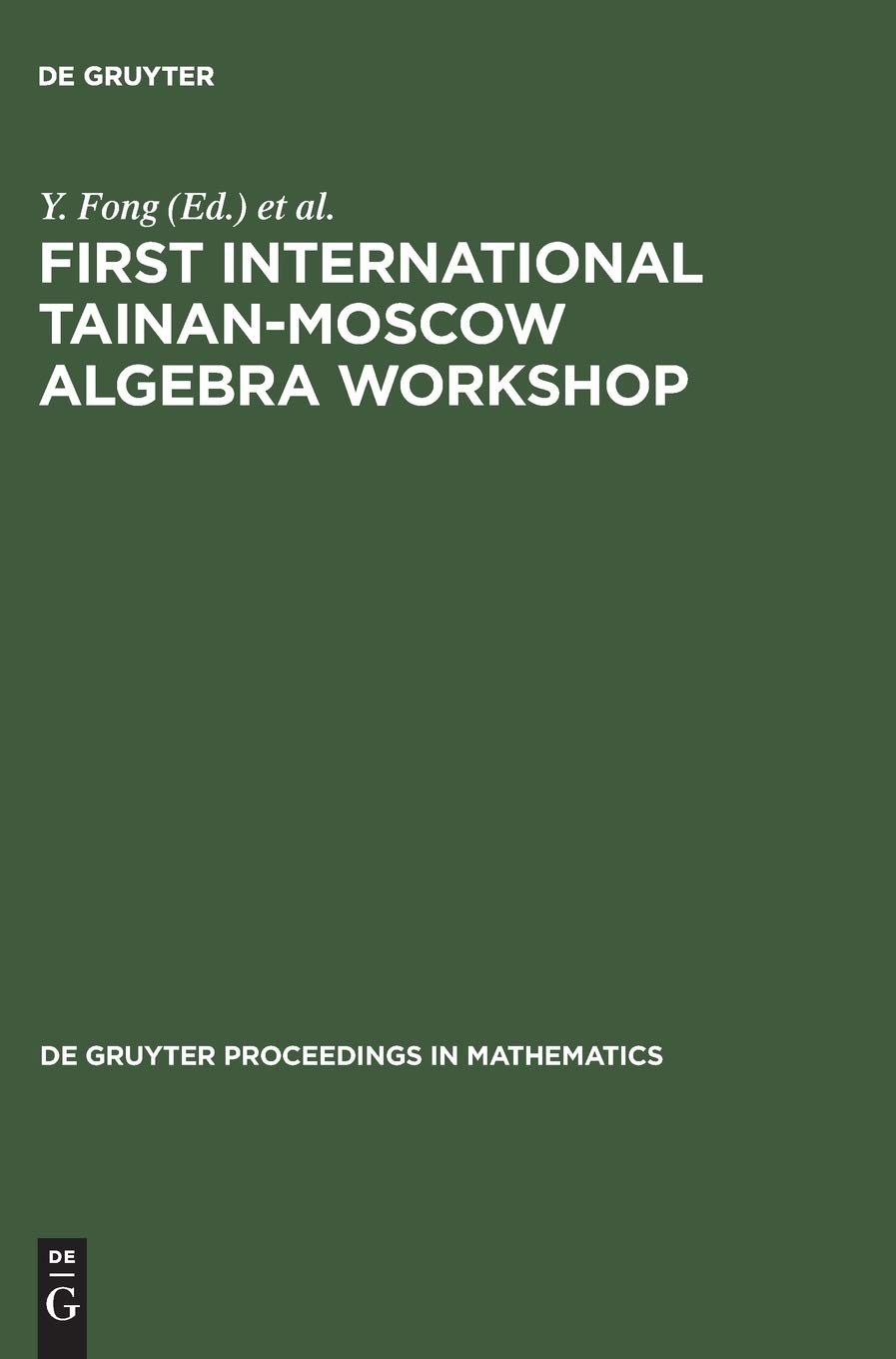
Mathematics
First International Tainan-Moscow Algebra Workshop: Proceedings of the International Conference held at National Cheng Kung University Tainan, Taiwan, ... 1994 (De Gruyter Proceedings in Mathematics)
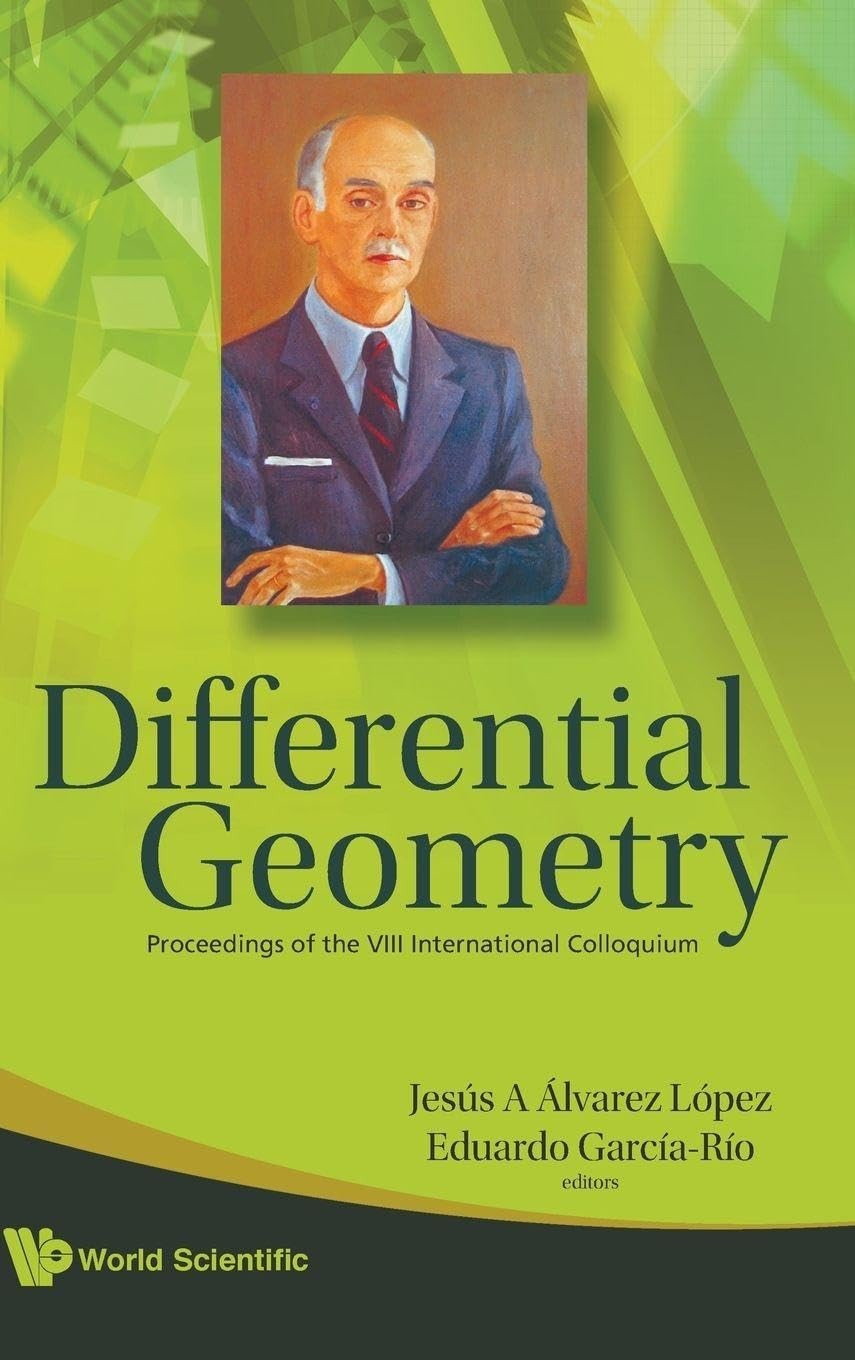
Mathematics
Differential Geometry - Proceedings of the VIII International Colloquium (English, Jesus A. Alvarez Lopez | Eduardo Garcia-Rio)
Mathematics
Mathematical Theory of Optimal Processes (Classics of Soviet Mathematics)
Related Products
View All
Science & Mathematics
Elements of Pelagos Biology: With Focus on the Mediterranean Sea
Science & Mathematics
Squid - Superconducting Quantum Interference Devices and Their Applications: Proceedings of the International Conference on Superconducting Quantum Devices, Berlin-west, October 4-8, 1976
Science & Mathematics
Thermodynamics and Pattern Formation in Biology
Science & Mathematics
The Nature of Mathematics and the Mathematics of Nature by S. Andersson – Mathematics & Science

Science & Mathematics
Linear Algebra | by Stephen Friedberg | Arnold Insel | Lawrence Spence | Pearson | by Stephen Friedberg | Arnold Insel | Lawrence Spence | Pearson | by Stephen Friedberg | Arnold Insel | Lawrence Spence | Pearson | by Stephen Friedberg | Arnold Insel | Lawrence Spence | Pearson | by Stephen Friedberg | Arnold Insel | Lawrence Spence | Pearson | by Stephen Friedberg | Arnold Insel | Lawrence Spence | Pearson | by Stephen Friedberg | Arnold Insel | Lawrence Spence | Pearson | by Stephen Friedberg
Science & Mathematics