
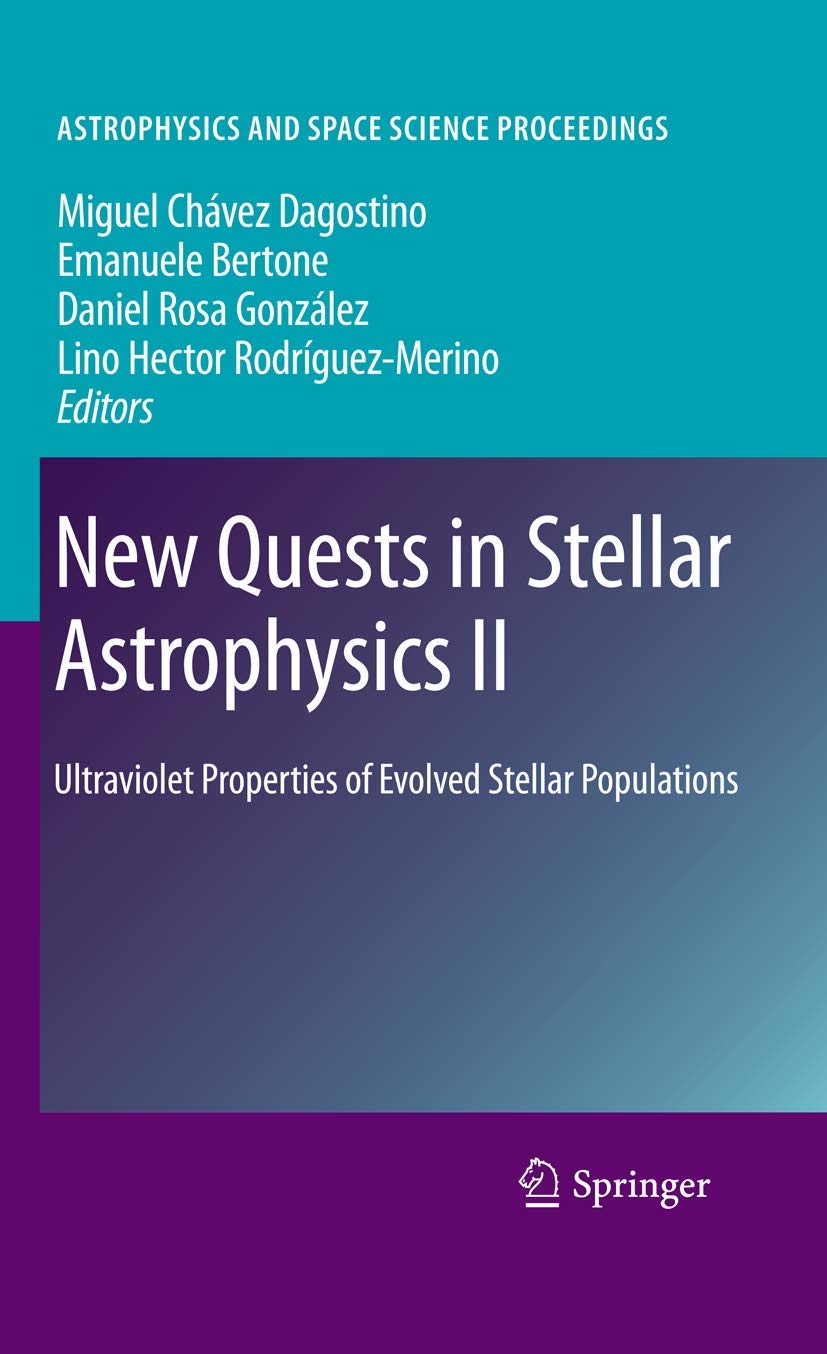
New Quests in Stellar Astrophysics II: Ultraviolet Properties of Evolved Stellar Populations by Miguel Chavez Dagostino
Inclusive of all applicable taxes. FREE shipping on all orders.
Available Offers
- 🚚Free Delivery — Free shipping on all orders
- 💵Cash on Delivery — Pay when your order arrives
- ↩️15-Day Easy Returns — Hassle-free return policy
- 🔒Cash on Delivery — Pay safely when your order arrives
Check Delivery
Product Description
Introduction
In the vast and ever-expanding field of astrophysics, the ultraviolet (UV) window offers a unique and critical perspective on the life cycles of stars and the evolution of galaxies. New Quests in Stellar Astrophysics II: Ultraviolet Properties of Evolved Stellar Populations, edited by Miguel Chavez Dagostino, presents a comprehensive collection of research and discussions from the second international conference held in Puerto Vallarta, Mexico, in 2007. This hardbound volume, published by Springer, serves as an essential resource for researchers, graduate students, and astronomy enthusiasts who wish to understand how evolved stars—such as white dwarfs, planetary nebulae, and supernova remnants—behave in the ultraviolet spectrum. By focusing on the UV properties of these stellar populations, the book bridges observational astronomy with theoretical modeling, offering fresh insights into stellar evolution, nucleosynthesis, and the chemical enrichment of the universe.
Book Overview
This book is the second installment in the New Quests in Stellar Astrophysics series, which aims to highlight the importance of stellar physics in interpreting the properties of stellar systems at various scales. The volume specifically zeroes in on the ultraviolet interval, reviewing our current knowledge of evolved stellar populations as observed by space-based telescopes like the International Ultraviolet Explorer (IUE), the Galaxy Evolution Explorer (GALEX), and other pioneering missions. The conference brought together leading astronomers and astrophysicists from around the globe to discuss the latest findings, challenges, and future directions in UV astronomy. The result is a rich, interdisciplinary text that covers everything from the UV spectra of individual evolved stars to the integrated light of globular clusters and galaxies. Whether you are a seasoned researcher or a curious student, this book provides a thorough grounding in ultraviolet astrophysics and its role in unraveling the mysteries of stellar aging.
Key Highlights
- Focus on Ultraviolet Astronomy: The book emphasizes the unique diagnostic power of the UV range, which reveals hot stellar components, interstellar dust, and chemical abundances that are invisible at optical wavelengths.
- Comprehensive Conference Proceedings: Compiled from the 2007 international conference, the chapters represent cutting-edge research and collaborative discussions among leading experts.
- Bridge Between Theory and Observation: Each chapter connects theoretical models of stellar evolution with actual UV observations, providing a holistic understanding of evolved stellar populations.
- Relevance to Future Missions: The insights presented directly inform upcoming UV space observatories, such as the World Space Observatory and future UV imaging projects.
- Hardcover Quality: Published by Springer, this hardbound edition is built to last, making it a durable addition to any academic or personal library.
Inside the Book
The volume is structured as a series of peer-reviewed papers and invited reviews, each delving into specific aspects of evolved stellar populations in the ultraviolet. Readers will find detailed discussions on the UV properties of planetary nebulae, the hot components of elliptical galaxies, the ultraviolet upturn phenomenon, and the role of binary interactions in shaping stellar evolution. The book also includes observational data from satellites like GALEX and IUE, along with theoretical frameworks for interpreting UV spectra. Tables, graphs, and color plates enhance the visual understanding of complex data. The language is technical yet accessible, making it suitable for advanced undergraduate students, graduate researchers, and professional astronomers. Each chapter stands alone, allowing readers to dip into specific topics without needing to read the entire volume sequentially.
Key Topics
- Ultraviolet observations of white dwarfs and hot subdwarf stars
- UV properties of planetary nebulae and their central stars
- The ultraviolet upturn in elliptical galaxies and globular clusters
- Stellar population synthesis models in the UV domain
- Binary star interactions and their UV signatures
- Interstellar dust extinction and reddening in the ultraviolet
- Chemical abundances and nucleosynthesis in evolved stars
- Future UV space missions and their scientific goals
Reader Benefits
- Deepen Your Knowledge: Gain a specialized understanding of ultraviolet astrophysics, a niche but crucial area of modern astronomy.
- Stay Updated: Access a snapshot of early 21st-century research that remains foundational for ongoing studies.
- Practical Reference: Use the book as a reference for UV data interpretation, spectral analysis, and modeling techniques.
- Career Advancement: Ideal for students and early-career researchers aiming to specialize in stellar astrophysics or observational astronomy.
- Global Perspective: Learn from international experts who present diverse viewpoints and methodologies.
Learning Outcomes
After reading this book, you will be able to identify the key ultraviolet signatures of evolved stellar populations, interpret UV spectra from space observatories, and understand how UV data constrain stellar evolution models. You will also gain familiarity with the major unresolved questions in UV astronomy, such as the origin of the UV upturn in early-type galaxies and the role of hot evolved stars in galaxy evolution. Furthermore, you will appreciate how UV observations complement optical and infrared data to paint a complete picture of stellar life cycles.
Who Should Read
This book is primarily aimed at graduate students and researchers in astrophysics, astronomy, and space science. It is also valuable for faculty members teaching advanced courses on stellar evolution, observational astronomy, or galaxy formation. Amateur astronomers with a strong background in stellar physics will find the content rewarding, though some familiarity with spectroscopy and stellar models is recommended. Science communicators and educators looking for authoritative content on UV astronomy will also benefit from this volume.
About the Author
Miguel Chavez Dagostino is a distinguished astrophysicist affiliated with the Instituto Nacional de Astrofísica, Óptica y Electrónica (INAOE) in Mexico. His research focuses on stellar populations, ultraviolet astronomy, and the evolution of galaxies. As the editor of this volume, he has curated contributions from leading scientists worldwide, ensuring a high standard of scientific rigor and relevance. Dr. Chavez Dagostino has been instrumental in organizing the New Quests in Stellar Astrophysics conference series, fostering international collaboration in stellar physics.
About the Publisher
Springer is a globally recognized academic publisher known for its high-quality scientific, technical, and medical books and journals. With a legacy spanning over 180 years, Springer partners with researchers, institutions, and societies to disseminate cutting-edge knowledge. This hardcover edition reflects Springer's commitment to excellence in publishing, featuring clear typography, durable binding, and meticulous editing. For Indian readers, Springer books are widely available through Bookshops.in and other academic retailers, trusted for their authoritative content.
Conclusion
New Quests in Stellar Astrophysics II: Ultraviolet Properties of Evolved Stellar Populations is an indispensable resource for anyone serious about understanding the ultraviolet universe. By focusing on evolved stars, the book sheds light on the final stages of stellar life and their impact on cosmic evolution. Its blend of observational data, theoretical insights, and future mission outlook makes it a timeless reference. Whether you are preparing for a research project, writing a thesis, or simply expanding your astrophysical horizons, this volume will illuminate the hidden UV side of the cosmos. Order your hardcover copy from Bookshops.in today and embark on a journey through the ultraviolet skies.
Quick Summary
This book, 'New Quests in Stellar Astrophysics II: Ultraviolet Properties of Evolved Stellar Populations' by Miguel Chavez Dagostino, is a hardcover reference published by Springer in 2009. It compiles peer-reviewed proceedings from an international conference held in Puerto Vallarta, Mexico, focusing on how ultraviolet observations help us understand evolved stars such as post-AGB stars, planetary nebulae, and white dwarfs. The volume reviews data from major UV missions including IUE, GALEX, and HST, and discusses stellar population synthesis, mass loss, and stellar winds. It is aimed at astrophysics researchers, graduate students, and professionals seeking an up-to-date synthesis of UV stellar astrophysics. Readers will gain deep insights into the properties of evolved stellar populations and the role of ultraviolet light in tracing stellar evolution. Buying from Bookshops.in ensures you receive a genuine Springer hardcover at a competitive price with reliable shipping across India.
Book Highlights
Book Specifications
| ISBN-13 | 9780387876207 |
| ISBN-10 | 0387876200 |
| Publisher | Springer-Verlag New York Inc. |
| Language | English |
| Dimensions | 15.88 x 1.91 x 23.5 cm |
| Weight | 658 g |
| Country | USA |
| Category | Science & Mathematics › Astronomy & Astrophysics |
| Series | New Quests in Stellar Astrophysics |
| Genre | Non-fiction |
| Reading Age | Adult |
| Original Language | English |
Frequently Asked Questions
What is this book about?
Who edited this book?
Is this book suitable for beginners?
What UV satellites are discussed?
Does it include Indian research?
What is the ISBN?
Is it a paperback or hardcover?
Can I use this for my PhD research?
Does it cover white dwarfs?
What is the price in India?
Is the language English?
Why buy from Bookshops.in?
Readers Also Search For
Customers Also Bought
Mathematics
Stereotype Spaces and Algebras: 73 (De Gruyter Expositions in Mathematics, 73)

Mathematics
Semigroups in Algebra, Geometry and Analysis: 20 (De Gruyter Expositions in Mathematics, 20)

Mathematics
Geometry from the Pacific Rim: Proceedings of the Pacific Rim Geometry Conference held at National University of Singapore, Republic of Singapore, ... 1994 (De Gruyter Proceedings in Mathematics)
Mathematics
First International Tainan-Moscow Algebra Workshop: Proceedings of the International Conference held at National Cheng Kung University Tainan, Taiwan, ... 1994 (De Gruyter Proceedings in Mathematics)

Mathematics
Differential Geometry - Proceedings of the VIII International Colloquium (English, Jesus A. Alvarez Lopez | Eduardo Garcia-Rio)

Mathematics
Mathematical Theory of Optimal Processes (Classics of Soviet Mathematics)
Related Products
View All
Science & Mathematics
Squid - Superconducting Quantum Interference Devices and Their Applications: Proceedings of the International Conference on Superconducting Quantum Devices, Berlin-west, October 4-8, 1976
Science & Mathematics
Thermodynamics and Pattern Formation in Biology
Science & Mathematics
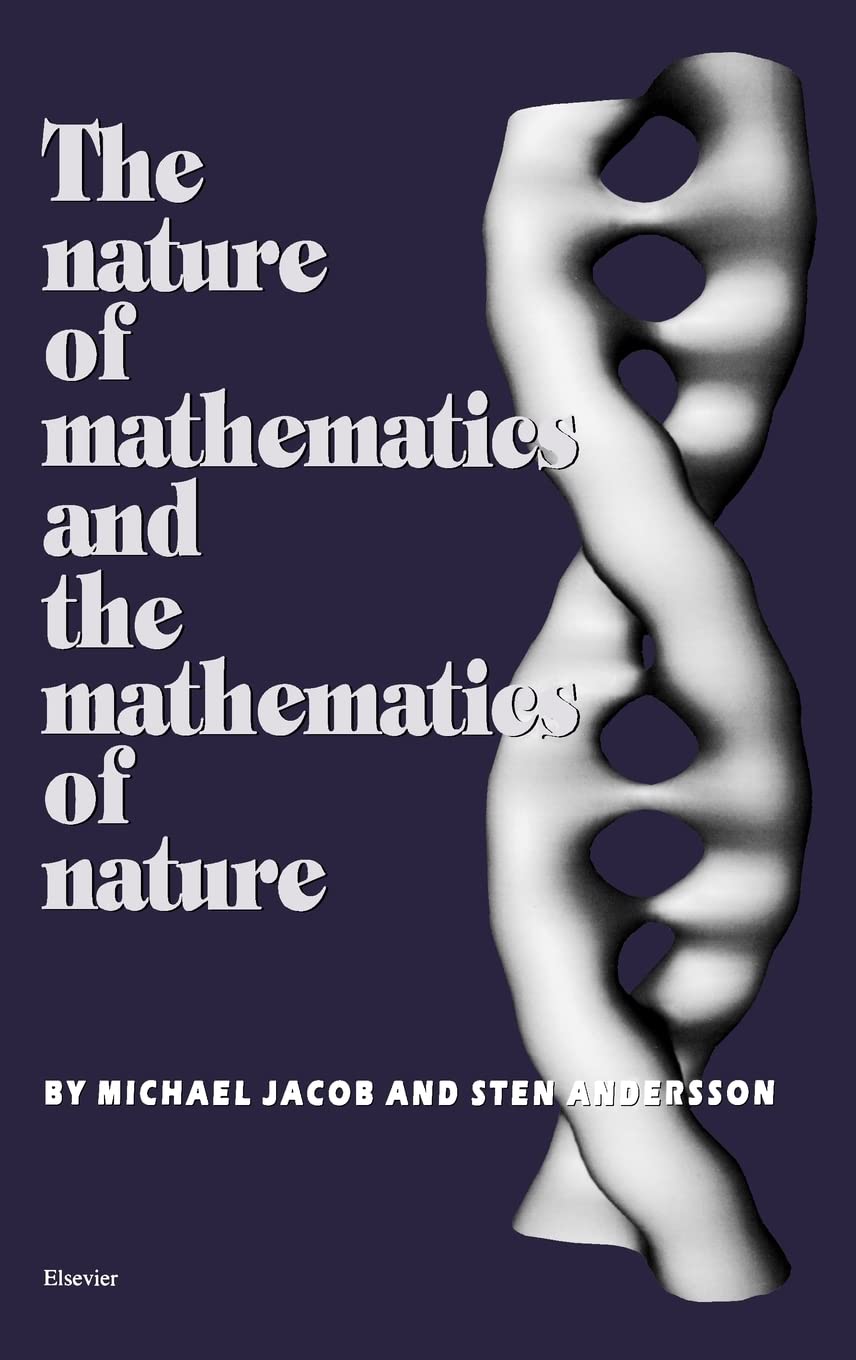
The Nature of Mathematics and the Mathematics of Nature by S. Andersson – Mathematics & Science

Science & Mathematics
Linear Algebra | by Stephen Friedberg | Arnold Insel | Lawrence Spence | Pearson | by Stephen Friedberg | Arnold Insel | Lawrence Spence | Pearson | by Stephen Friedberg | Arnold Insel | Lawrence Spence | Pearson | by Stephen Friedberg | Arnold Insel | Lawrence Spence | Pearson | by Stephen Friedberg | Arnold Insel | Lawrence Spence | Pearson | by Stephen Friedberg | Arnold Insel | Lawrence Spence | Pearson | by Stephen Friedberg | Arnold Insel | Lawrence Spence | Pearson | by Stephen Friedberg
Science & Mathematics
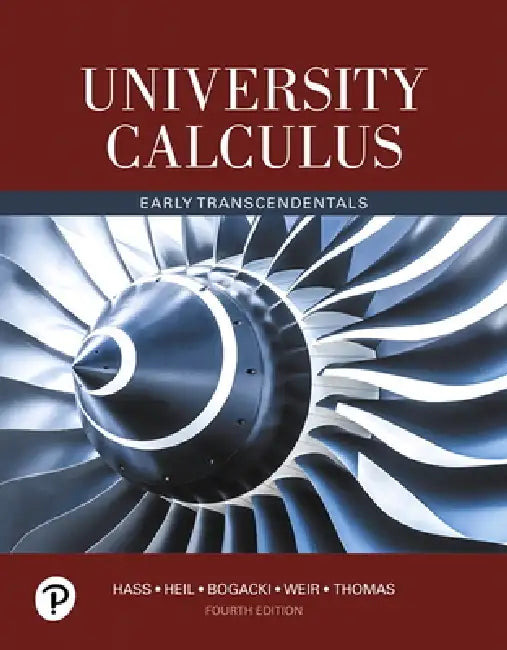
University Calculus | by Joel Hass | Christopher Heil | Maurice Weir | Pearson | by Joel Hass | Christopher Heil | Maurice Weir | Pearson | by Joel Hass | Christopher Heil | Maurice Weir | Pearson | by Joel Hass | Christopher Heil | Maurice Weir | Pearson | by Joel Hass | Christopher Heil | Maurice Weir | Pearson | by Joel Hass | Christopher Heil | Maurice Weir | Pearson | by Joel Hass | Christopher Heil | Maurice Weir | Pearson | by Joel Hass | Christopher Heil | Maurice Weir | Pearson | by Joe

Science & Mathematics