
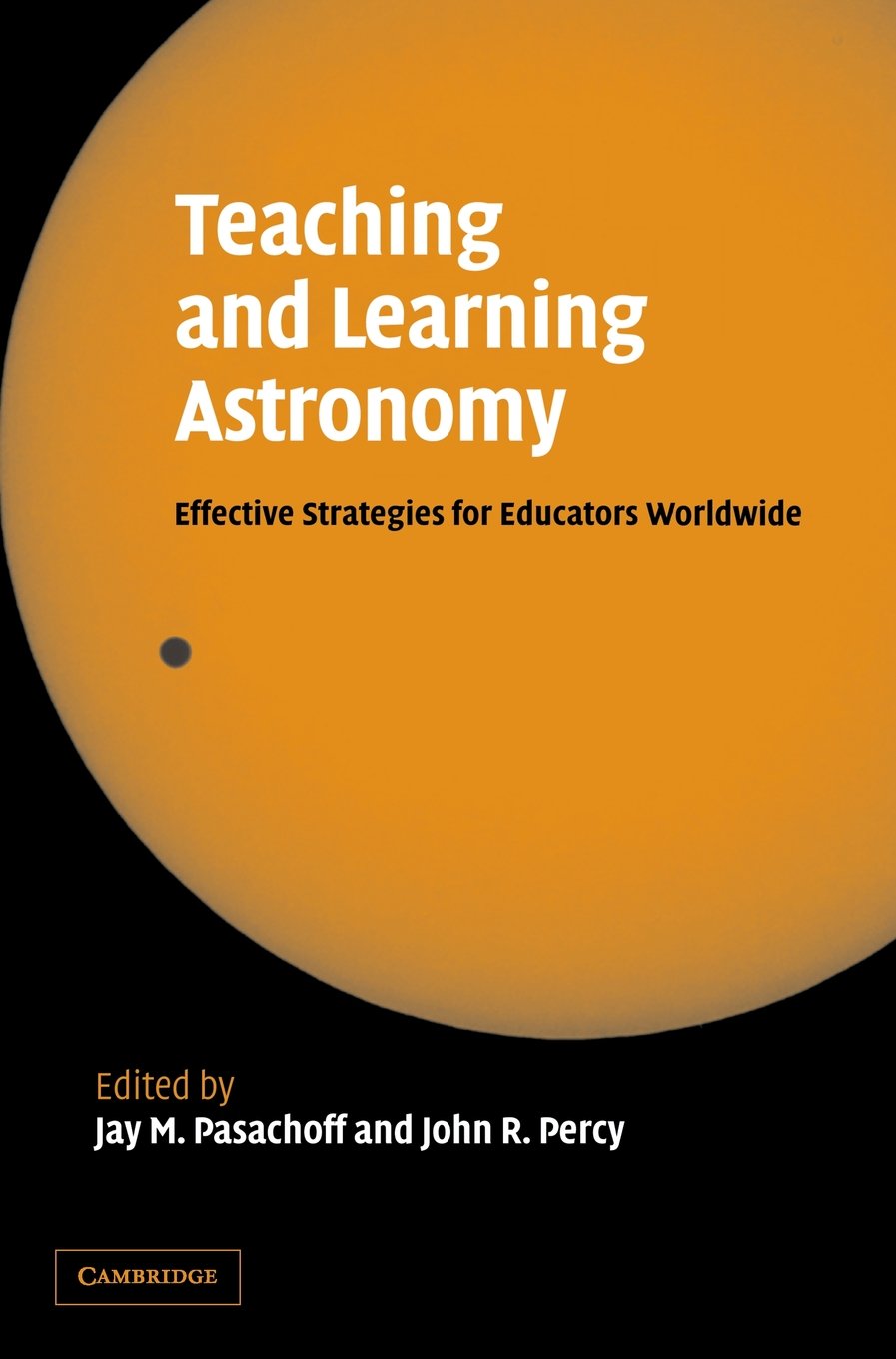
Teaching and Learning Astronomy: Effective Strategies for Educators Worldwide by Jay Pasachoff – A Cambridge University
Inclusive of all applicable taxes. FREE shipping on all orders.
Available Offers
- 🚚Free Delivery — Free shipping on all orders
- 💵Cash on Delivery — Pay when your order arrives
- ↩️15-Day Easy Returns — Hassle-free return policy
- 🔒Cash on Delivery — Pay safely when your order arrives
Check Delivery
Product Description
Introduction
Astronomy has the unique power to inspire wonder and curiosity about the universe, yet many educators around the world—including those in India—face significant challenges when teaching this fascinating subject. Few schoolteachers have formal training in astronomy, and classroom resources are often limited. Teaching and Learning Astronomy: Effective Strategies for Educators Worldwide by renowned astronomer Jay Pasachoff offers a comprehensive solution. This essential volume, published by Cambridge University Press, brings together expert insights from a special session of the International Astronomical Union, providing practical strategies for improving astronomy education across all levels.
Book Overview
This hardcover book is a vital resource for anyone involved in teaching astronomy, from primary school teachers to university professors. It addresses the critical gap between the growing interest in astronomy and the lack of trained educators. The book explores how astronomy can be integrated into existing curricula, highlights best practices from education research, and offers guidance for both pre-service and in-service teacher training. It also examines the role of modern tools like the Internet and other technologies, as well as the contributions of planetariums, observatories, science centres, and amateur astronomy organisations. Special attention is given to the needs of developing countries, including India, where resources may be scarce. The book concludes with actionable recommendations to enhance astronomy teaching and learning worldwide.
Key Highlights
- Expert Contributions: Based on papers and posters presented by leading astronomers and educators at a special session of the International Astronomical Union.
- Global Perspective: Addresses challenges and solutions for astronomy education in both developed and developing nations, with practical advice for resource-limited settings.
- Comprehensive Coverage: Covers curriculum integration, teacher education, technology use, and the role of informal learning centres.
- Research-Based Strategies: Incorporates the latest findings from astronomy education research to provide evidence-based teaching methods.
- Action-Oriented: Ends with concrete steps to improve astronomy education on a global scale.
Inside the Book
The book is structured to guide educators through every aspect of teaching astronomy. It begins by making a strong case for including astronomy in school curricula, showing how it connects to physics, mathematics, geography, and even cultural studies. Subsequent chapters delve into effective teaching strategies, including hands-on activities, observational projects, and the use of simple models. A significant portion is dedicated to teacher education, offering frameworks for training programmes that can be adapted locally. The use of technology—such as online databases, simulation software, and virtual observatories—is explored in depth, with practical tips for classrooms with limited internet access. The book also highlights how planetariums, science museums, and amateur astronomy clubs can support formal education. Finally, it presents a vision for the future of astronomy teaching, emphasising collaboration and resource sharing.
Key Topics
- Integrating astronomy into science and mathematics curricula at primary and secondary levels.
- Best practices for pre-service and in-service teacher training in astronomy.
- Using low-cost and locally available materials for hands-on astronomy activities.
- Leveraging digital tools and online resources for interactive learning.
- Role of planetariums, observatories, and science centres in supplementing classroom teaching.
- Strategies for engaging students from diverse backgrounds and under-resourced communities.
- Assessment methods for astronomy learning outcomes.
- Building partnerships between professional astronomers, amateur groups, and schools.
Reader Benefits
Readers will gain a deep understanding of how to make astronomy accessible and exciting for students of all ages. Educators will find ready-to-use ideas for lessons and activities that require minimal equipment. Teacher trainers will learn effective models for professional development programmes. School administrators will understand the value of incorporating astronomy into the curriculum. The book also helps readers appreciate the cultural and scientific significance of astronomy, fostering a lifelong love for learning. For Indian educators, the practical advice on working with limited resources is particularly valuable, offering creative solutions that can be implemented even in rural schools.
Learning Outcomes
- Understand the importance of astronomy in general education and its interdisciplinary connections.
- Design and implement engaging astronomy lessons aligned with educational standards.
- Apply research-based teaching strategies to improve student understanding of astronomical concepts.
- Utilise technology and community resources effectively to enhance learning.
- Develop and evaluate teacher training programmes in astronomy.
- Identify and overcome common misconceptions about astronomy among students.
- Create inclusive learning environments that cater to diverse student populations.
Who Should Read
This book is indispensable for school teachers of science and mathematics at the primary and secondary levels. It is also highly relevant for teacher educators, curriculum developers, and education policymakers. University professors teaching introductory astronomy courses will find valuable pedagogical insights. Additionally, planetarium educators, science centre staff, and leaders of amateur astronomy clubs will benefit from the practical guidance. Students pursuing degrees in education or astronomy will also find this a useful reference. In short, anyone passionate about spreading the wonder of the cosmos through effective teaching should own this book.
About the Author
Jay Pasachoff is a world-renowned astronomer and educator. He is a professor of astronomy at Williams College in the United States and has conducted extensive research on solar eclipses and the Sun. Pasachoff has authored numerous textbooks and popular science books, and he has been a leading voice in astronomy education for decades. His work with the International Astronomical Union reflects his commitment to improving astronomy teaching globally. His expertise and passion shine through every page of this book.
About the Publisher
Cambridge University Press is one of the oldest and most respected academic publishers in the world. With a legacy spanning over four centuries, Cambridge University Press is known for publishing authoritative works in science, education, and the humanities. This book upholds that tradition, offering rigorous scholarship combined with practical utility. Indian readers can trust the quality and accuracy of this publication.
Conclusion
Teaching and Learning Astronomy: Effective Strategies for Educators Worldwide is more than just a book—it is a roadmap for transforming how astronomy is taught in classrooms across India and beyond. Whether you are a teacher looking for fresh ideas, a trainer shaping future educators, or a policy maker seeking to enhance science education, this volume provides the tools and inspiration you need. By bridging the gap between research and practice, it empowers educators to ignite a passion for the stars in every student. Order your copy today from Bookshops.in and join the global movement to improve astronomy education.
Quick Summary
Teaching and Learning Astronomy: Effective Strategies for Educators Worldwide by Jay Pasachoff is an essential resource for anyone involved in astronomy education. Published by Cambridge University Press, this book addresses the global challenge of teaching astronomy in schools where teachers often lack formal training in the subject. It provides a wealth of practical strategies, from integrating astronomy into existing science curricula to using low-cost materials for hands-on learning. The book emphasises the importance of teacher education, both pre-service and in-service, and explores the effective use of technology, including the internet, for astronomy teaching. It also highlights the crucial role of planetariums, observatories, science centres, and collaborations with amateur astronomers in enriching student learning. Special attention is given to the needs of developing countries and under-resourced areas, making it particularly relevant for Indian educators. Readers will learn how to inspire students with the wonders of the universe, foster critical thinking, and build a lasting interest in science. By choosing Bookshops.in, you get a genuine, high-quality hardcover copy delivered to your doorstep, supporting your journey to become a more effective astronomy educator.
Book Highlights
Book Specifications
| ISBN-13 | 9780521842624 |
| ISBN-10 | 052184262X |
| Publisher | Cambridge University Press |
| Language | English |
| Dimensions | 17.78 x 1.91 x 25.4 cm |
| Weight | 730 g |
| Category | Science & Mathematics › Astronomy & Astrophysics |
| Genre | Non-fiction |
| Original Language | English |
Frequently Asked Questions
What is 'Teaching and Learning Astronomy' about?
Who is the author of this book?
Is this book suitable for Indian teachers?
Does the book cover hands-on activities?
Can this book help with curriculum planning?
What role do planetariums play according to the book?
Is technology discussed in the book?
Does the book address teacher training?
Are there case studies from developing countries?
What age group is this book for?
Can amateur astronomers benefit from this book?
Is this book research-based?
What is the publisher of this book?
Where can I buy this book in India?
Readers Also Search For
Customers Also Bought
Mathematics
Stereotype Spaces and Algebras: 73 (De Gruyter Expositions in Mathematics, 73)
Mathematics
Semigroups in Algebra, Geometry and Analysis: 20 (De Gruyter Expositions in Mathematics, 20)
Mathematics
Geometry from the Pacific Rim: Proceedings of the Pacific Rim Geometry Conference held at National University of Singapore, Republic of Singapore, ... 1994 (De Gruyter Proceedings in Mathematics)
Mathematics
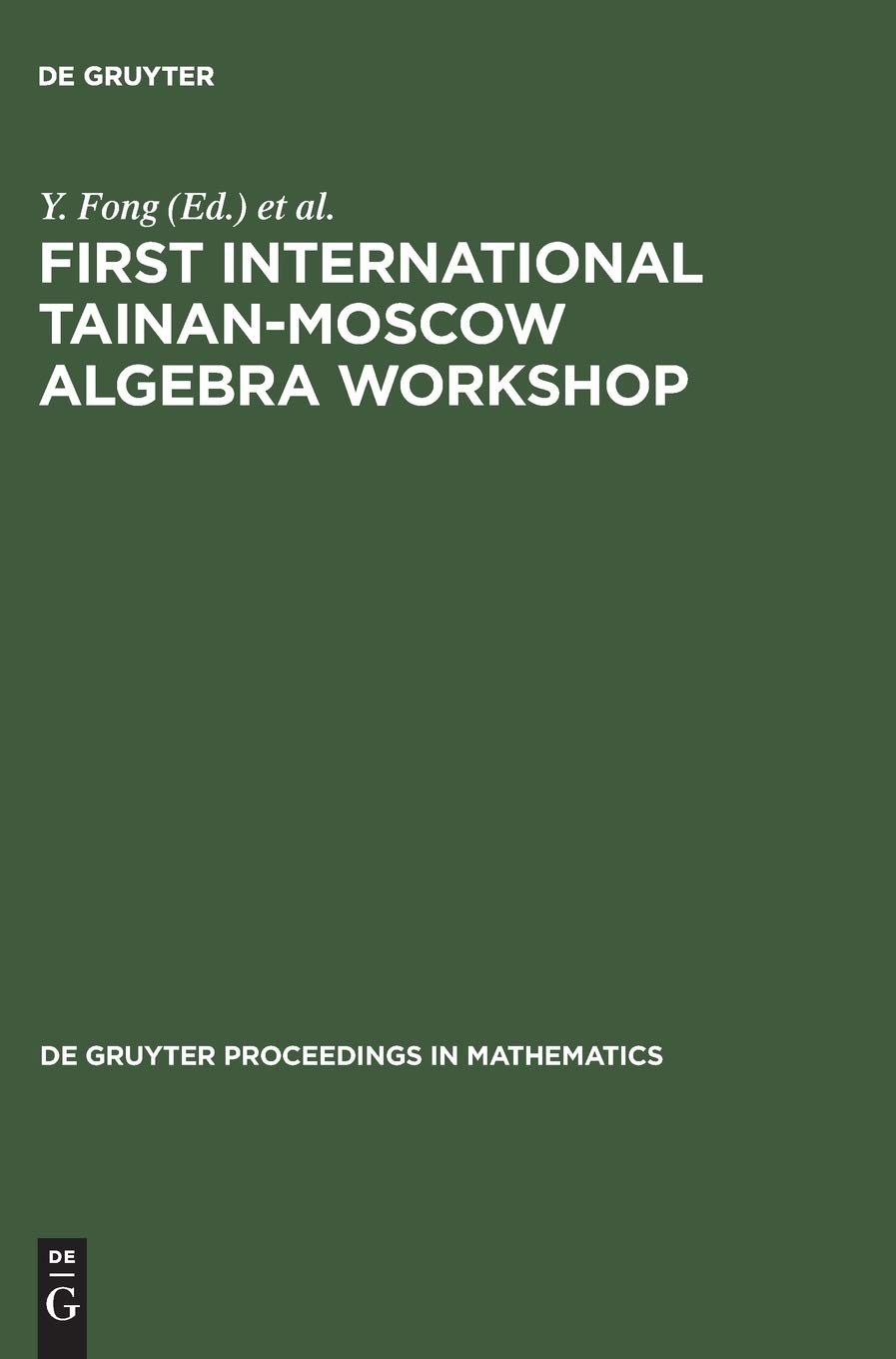
First International Tainan-Moscow Algebra Workshop: Proceedings of the International Conference held at National Cheng Kung University Tainan, Taiwan, ... 1994 (De Gruyter Proceedings in Mathematics)
Mathematics
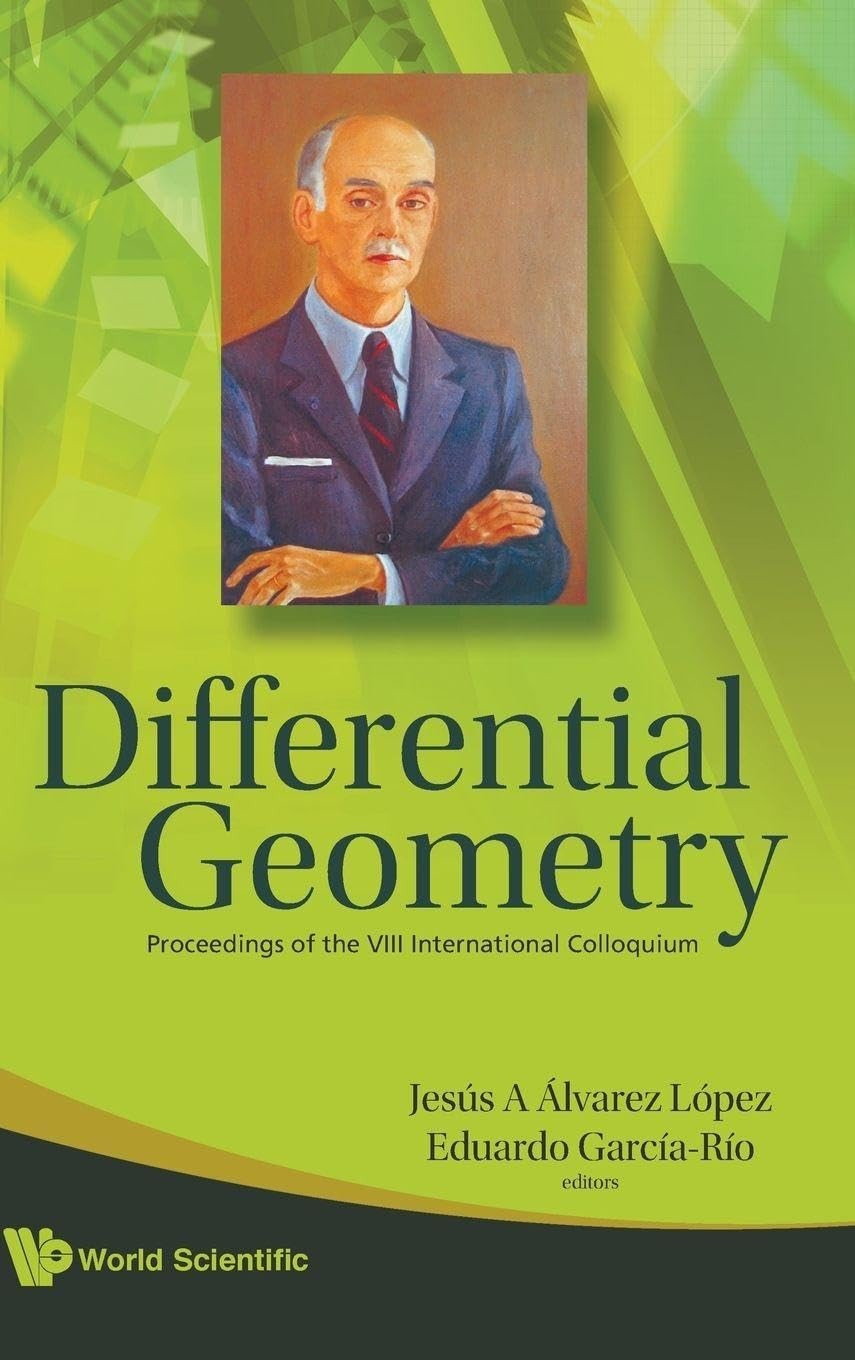
Differential Geometry - Proceedings of the VIII International Colloquium (English, Jesus A. Alvarez Lopez | Eduardo Garcia-Rio)
Mathematics
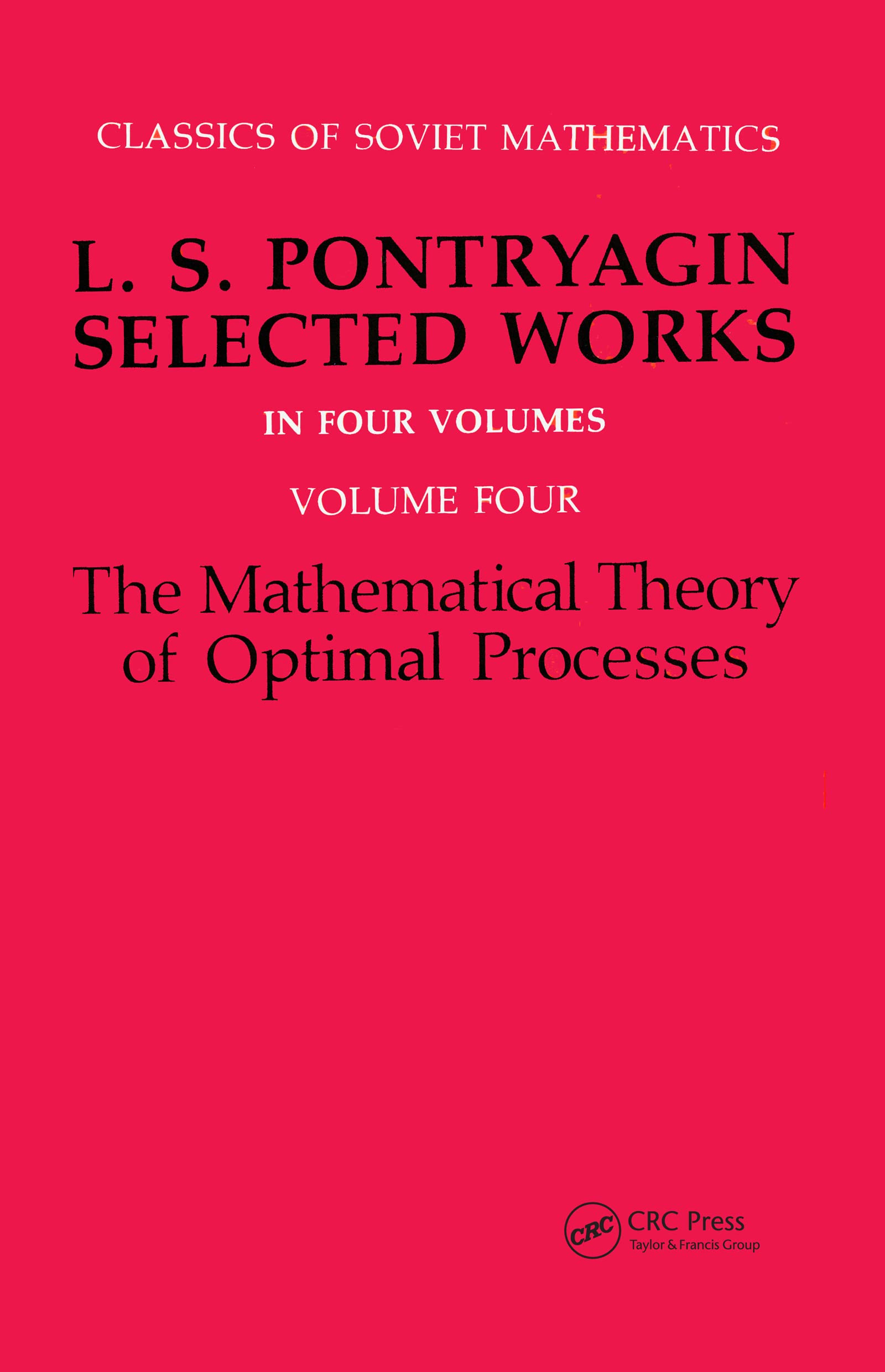
Mathematical Theory of Optimal Processes (Classics of Soviet Mathematics)
Related Products
View All
Science & Mathematics
Squid - Superconducting Quantum Interference Devices and Their Applications: Proceedings of the International Conference on Superconducting Quantum Devices, Berlin-west, October 4-8, 1976
Science & Mathematics
Thermodynamics and Pattern Formation in Biology
Science & Mathematics
The Nature of Mathematics and the Mathematics of Nature by S. Andersson – Mathematics & Science

Science & Mathematics
Linear Algebra | by Stephen Friedberg | Arnold Insel | Lawrence Spence | Pearson | by Stephen Friedberg | Arnold Insel | Lawrence Spence | Pearson | by Stephen Friedberg | Arnold Insel | Lawrence Spence | Pearson | by Stephen Friedberg | Arnold Insel | Lawrence Spence | Pearson | by Stephen Friedberg | Arnold Insel | Lawrence Spence | Pearson | by Stephen Friedberg | Arnold Insel | Lawrence Spence | Pearson | by Stephen Friedberg | Arnold Insel | Lawrence Spence | Pearson | by Stephen Friedberg
Science & Mathematics
University Calculus | by Joel Hass | Christopher Heil | Maurice Weir | Pearson | by Joel Hass | Christopher Heil | Maurice Weir | Pearson | by Joel Hass | Christopher Heil | Maurice Weir | Pearson | by Joel Hass | Christopher Heil | Maurice Weir | Pearson | by Joel Hass | Christopher Heil | Maurice Weir | Pearson | by Joel Hass | Christopher Heil | Maurice Weir | Pearson | by Joel Hass | Christopher Heil | Maurice Weir | Pearson | by Joel Hass | Christopher Heil | Maurice Weir | Pearson | by Joe
Science & Mathematics