
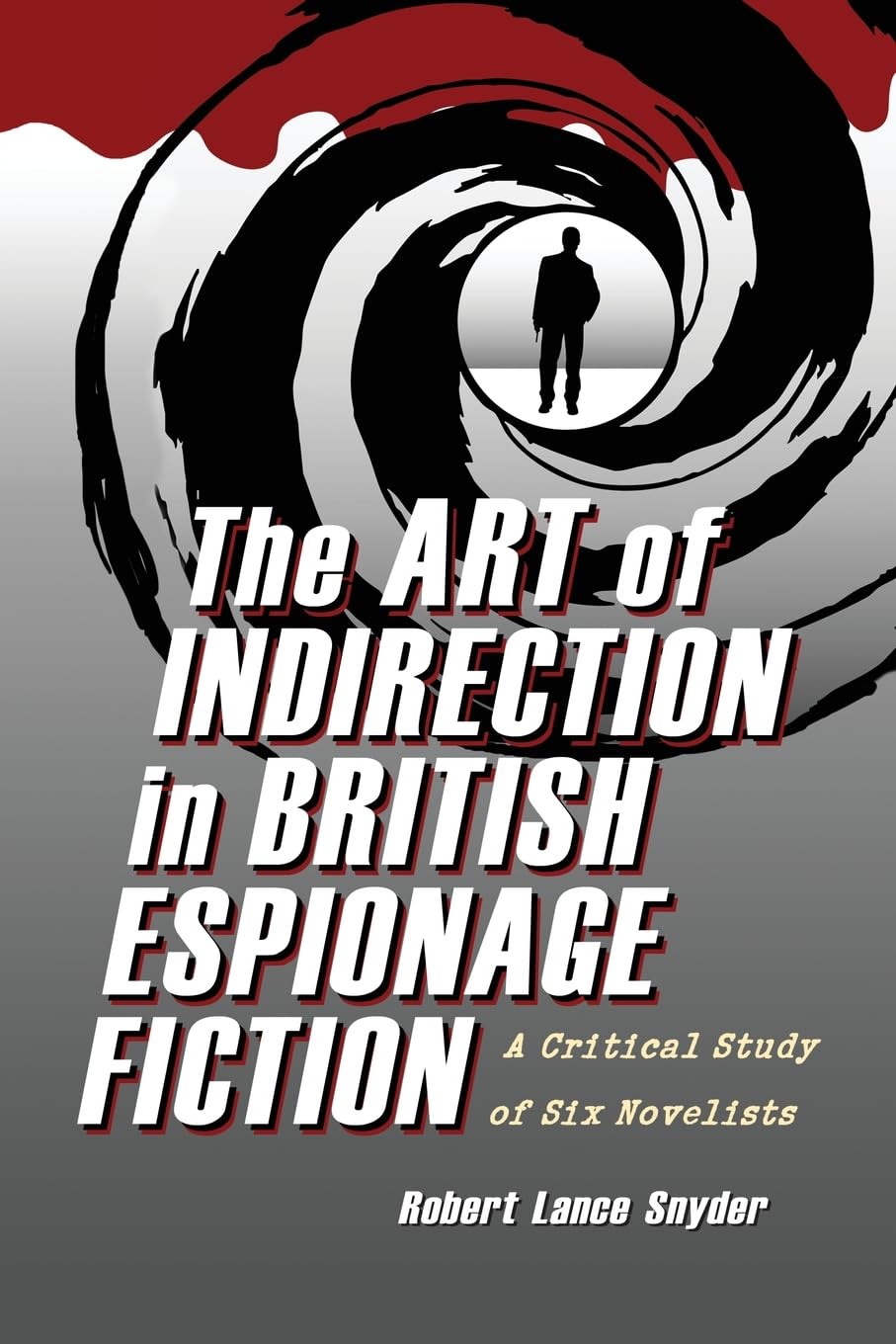
The Art of Indirection in British Espionage Fiction: A Critical Study of Six Novelists by Robert Lance Snyder
Inclusive of all applicable taxes. FREE shipping on all orders.
Available Offers
- 🚚Free Delivery — Free shipping on all orders
- 💵Cash on Delivery — Pay when your order arrives
- ↩️15-Day Easy Returns — Hassle-free return policy
- 🔒Cash on Delivery — Pay safely when your order arrives
Check Delivery
Product Description
Introduction
For decades, the spy novel has lingered in the shadow of its more celebrated cousin, the classical detective story. Often dismissed as mere pulp or genre fiction, British espionage narratives have rarely received the literary scrutiny they deserve. Robert Lance Snyder’s The Art of Indirection in British Espionage Fiction: A Critical Study of Six Novelists challenges this neglect by offering a fresh, form-focused analysis. This hardbound volume from McFarland & Company is an essential resource for Indian students, scholars, and lovers of literary fiction who wish to understand the sophisticated narrative architecture beneath the surface of intrigue and betrayal.
Book Overview
This critical study moves beyond historical, thematic, or ideological readings of spy fiction. Instead, Snyder turns the spotlight on narrative form itself. He argues that the most distinctive feature of British espionage fiction is its elliptical, oblique, and recursive structure—a deliberate art of indirection. By examining the works of six major novelists, the book reveals how these writers use gaps, silences, and circuitous storytelling to mirror the murky world of intelligence operations. The study is neither a beginner’s guide nor a dry academic tome; it is a rigorous yet accessible exploration for those who want to see spy fiction as a craft of literary sophistication.
Key Highlights
- Focus on six canonical British novelists, whose works are dissected for narrative techniques rather than plot summaries.
- Emphasis on narrative form: elliptic storytelling, recursive structures, and deliberate ambiguity as defining features of the genre.
- Critical distinction from detective fiction, showing how the spy novel operates on a different set of literary principles.
- Original research that fills a gap in literary criticism, moving beyond politics and ideology into the realm of poetics.
- Hardcover edition from McFarland & Company, a publisher known for scholarly works in the humanities.
Story Themes
While the book is a critical study, its thematic concerns are deeply rooted in the novels it examines. Snyder explores themes of trust and deception, where nothing is as it seems and every character wears a mask. The fragility of identity emerges as a central motif, as spies double-cross and reinvent themselves. Morality in a grey world is another thread: unlike detective stories that restore order, espionage fiction often leaves readers in a state of moral uncertainty. Finally, the nature of truth itself is questioned through narrative indirection—how much can we know when even the story refuses to be straightforward?
Reader Benefits
For Indian readers, this book offers a gateway into understanding why British spy fiction has endured for over a century. Students of English literature will gain a new lens for analyzing novels they may have dismissed as genre fiction. Researchers will appreciate the meticulous scholarship that connects narrative theory to popular literature. Even casual readers who enjoy authors like John le Carré or Graham Greene will find their reading experience enriched by Snyder’s insights. The book does not require a PhD in narratology; it is written with clarity and passion, making advanced concepts accessible to anyone with a love for literary analysis.
Who Should Read
- Students of British literature looking for a fresh critical perspective on spy fiction.
- Scholars and researchers in narrative theory, genre studies, or twentieth-century fiction.
- Fans of espionage novels who want to understand the craft behind the stories they love.
- Teachers and professors seeking a rigorous yet readable text for course adoption.
- Indian readers with an interest in comparative literary forms or the evolution of the novel.
About the Author
Robert Lance Snyder is a distinguished scholar of twentieth-century British literature. With a career spanning decades, he has published extensively on narrative form, espionage fiction, and the works of authors such as John le Carré and Graham Greene. His expertise lies in bridging the gap between popular fiction and serious literary criticism. Snyder’s writing is known for its clarity, depth, and ability to make complex ideas accessible without sacrificing academic rigour. He currently serves as a professor of English, where he inspires students to look beyond plot and into the architecture of storytelling.
About the Publisher
McFarland & Company is a renowned independent publisher based in the United States, specialising in academic and scholarly works. For over four decades, McFarland has been a trusted name in the fields of literature, history, and cultural studies. Their catalogue includes critical studies, reference works, and monographs that are widely used in universities around the world. This hardcover edition reflects their commitment to quality: durable binding, clear typography, and careful editing ensure that the book will last for years on your shelf. Indian readers can rely on McFarland for authoritative, well-researched content.
Conclusion
The Art of Indirection in British Espionage Fiction is more than a critical study—it is an invitation to rethink an entire genre. For too long, spy novels have been seen as mere entertainment; Snyder proves they are works of literary art, built on deliberate narrative strategies. Whether you are a student, a researcher, or a devoted reader of espionage fiction, this book will change how you see the stories of shadows and secrets. Add this hardcover to your collection and discover the hidden craft behind the cloak and dagger.
Quick Summary
The Art of Indirection in British Espionage Fiction: A Critical Study of Six Novelists by Robert Lance Snyder is a scholarly exploration of the narrative techniques that define British spy fiction. Unlike traditional detective stories, espionage novels often employ elliptical, oblique, and recursive storytelling, creating a sense of ambiguity and complexity. Snyder focuses on six major authors—including John le Carré, Graham Greene, Eric Ambler, Len Deighton, and Ian Fleming—to demonstrate how these narrative strategies shape the genre. This book is ideal for Indian students of English literature, researchers in genre studies, and anyone interested in the craft of storytelling. Readers will learn to identify and analyze the formal elements that make spy fiction a distinct literary form. By purchasing from Bookshops.in, you support a trusted Indian bookstore that offers quality physical books delivered to your doorstep. This hardcover edition is perfect for academic reference and personal libraries alike.
Book Highlights
Book Specifications
| ISBN-13 | 9780786463794 |
| ISBN-10 | 0786463791 |
| Publisher | McFarland Publishing |
| Language | English |
| Dimensions | 15.24 x 1.17 x 22.86 cm |
| Weight | 318 g |
| Country | India |
| Category | Literature › English Literature |
| Genre | Literary Criticism |
| Original Language | English |
Frequently Asked Questions
What is this book about?
Who is the author?
Which novelists are covered?
Is this book suitable for undergraduate students?
How is this book different from other studies on spy fiction?
What is the binding of this book?
Can I use this book for my PhD research?
Does the book discuss Ian Fleming's James Bond?
Is the book written in complex academic language?
Where can I buy this book in India?
Is this book part of a series?
What is the ISBN?
Does the book include a bibliography?
Readers Also Search For
Customers Also Bought
Contemporary Fiction
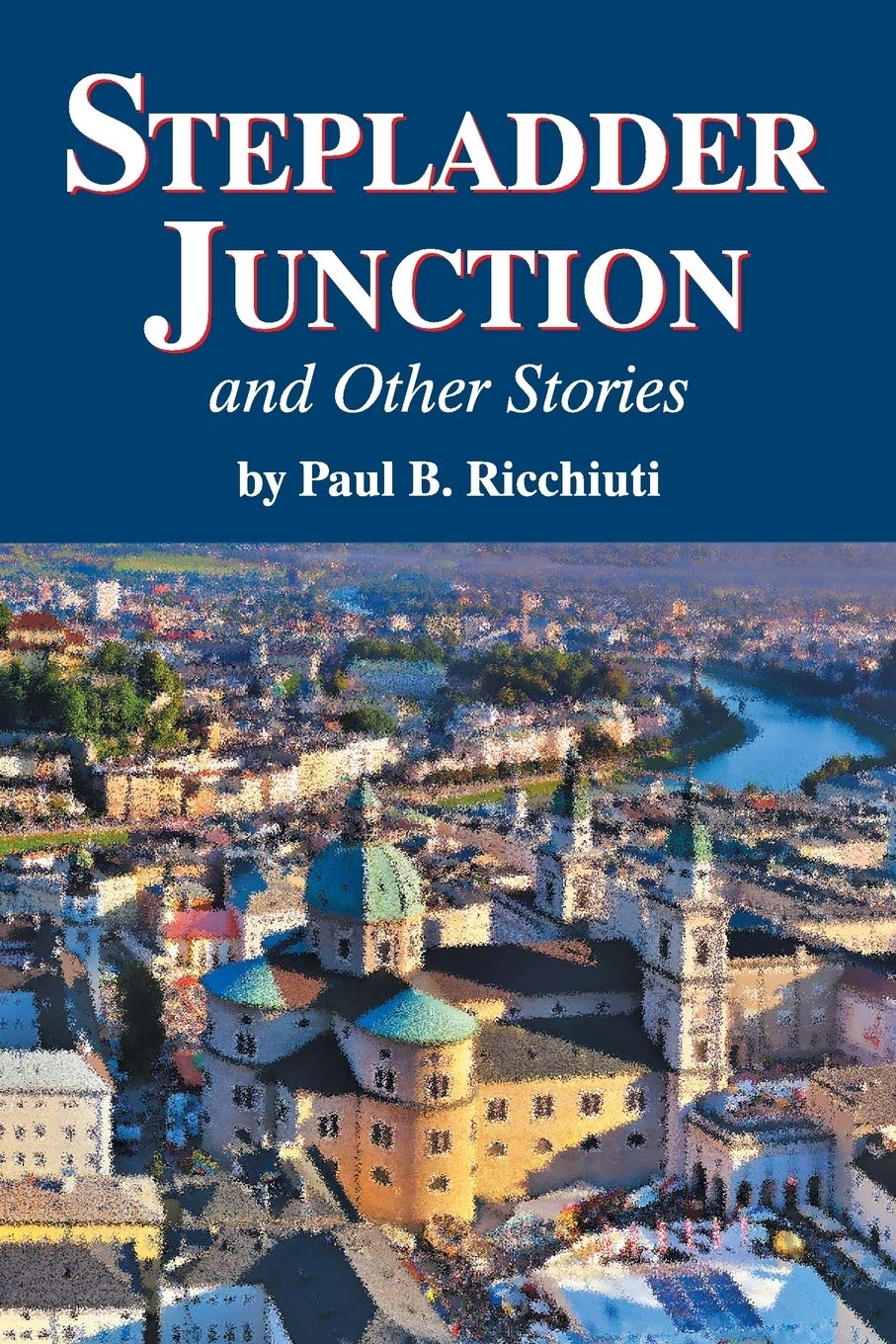
Stepladder Junction and Other Stories
Contemporary Fiction
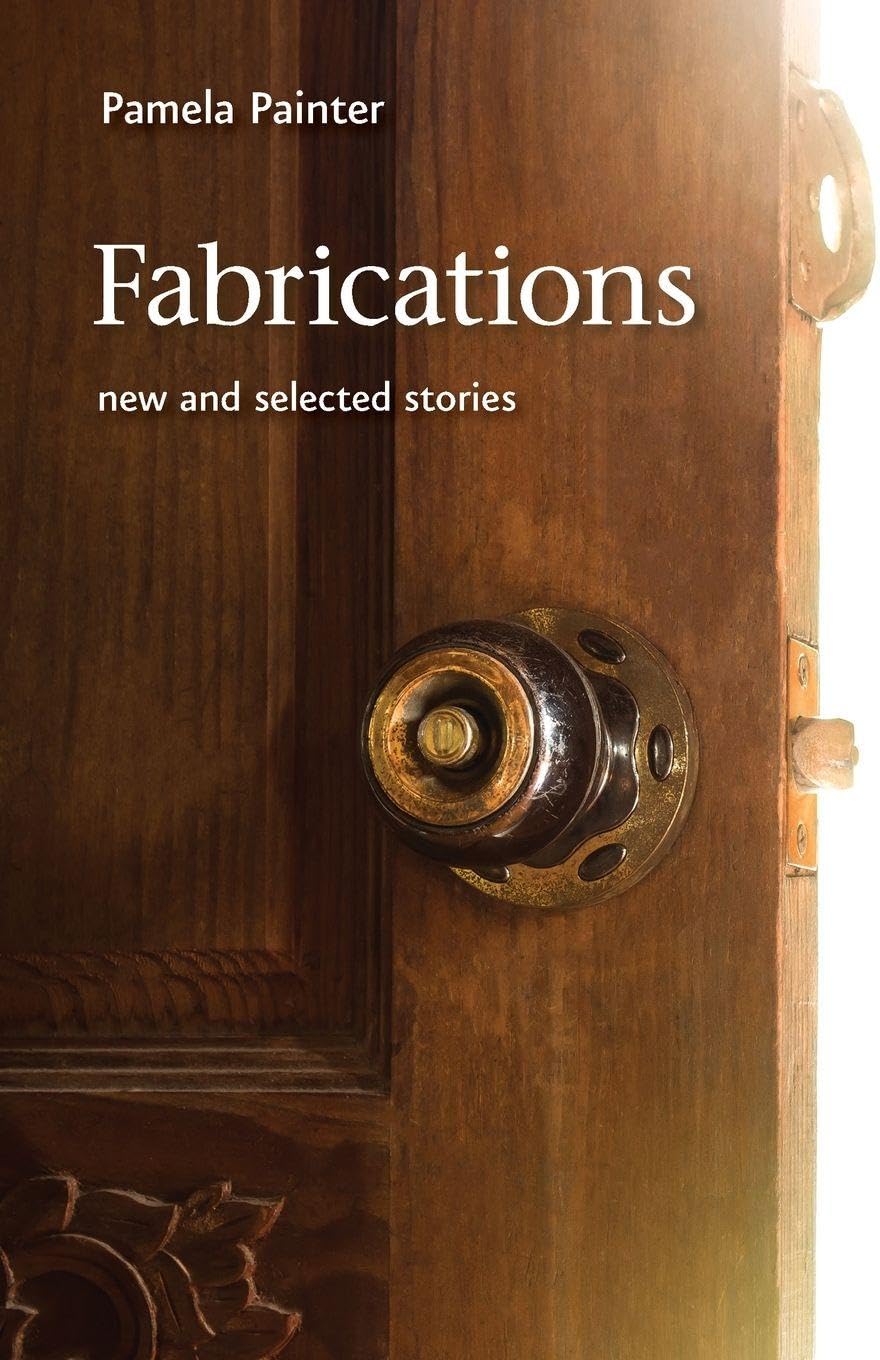
Fabrications by Pamela Painter – Short Story Collection

Contemporary Fiction
The Double Life of an Alaskan Sled Dog (English, Andrea Finney Aufder Heyde)

Contemporary Fiction
The Alabaster Girl by Zan Perrion

Contemporary Fiction
Grimm and Grimmer: Classic Fairy Tales Rebooted by Mark Russell

Classic Literature
The Prose Works of Andrew Marvell: 1676-1678 by Andrew Marvell – Restoration Literature
Related Products
View All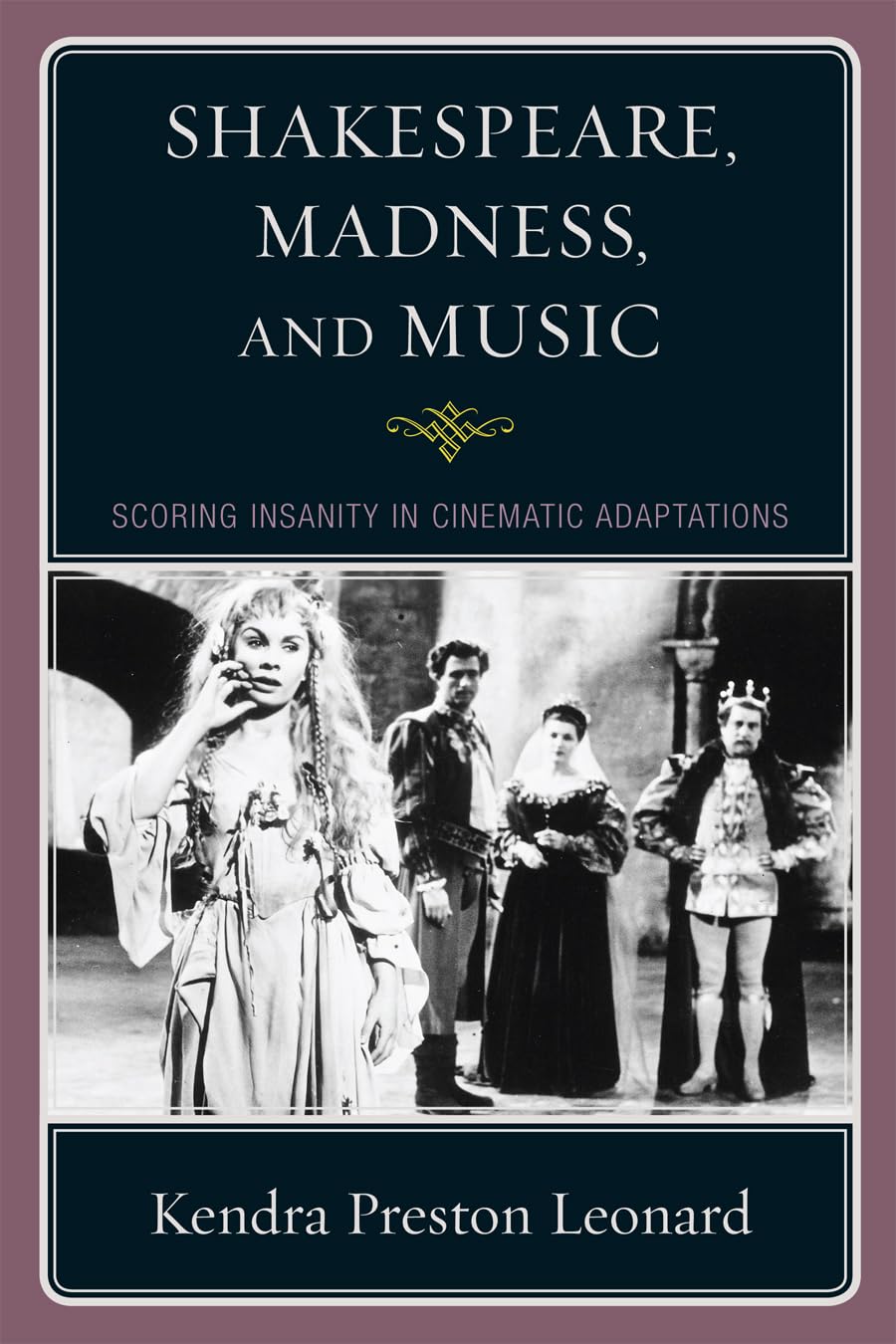
Literature & Fiction
Shakespeare, Madness, and Music: Scoring Insanity in Cinematic Adaptations

Literature & Fiction
Literary Research and Canadian Literature: Strategies and Sources: 10 (Literary Research: Strategies and Sources, 10)

Literature & Fiction
Crime Fiction and National Identities in the Global Age | by Julie H. Kim | McFarland & Company | by Julie H. Kim | McFarland & Company | by Julie H. Kim | McFarland & Company | by Julie H. Kim | McFarland & Company | by Julie H. Kim | McFarland & Company | by Julie H. Kim | McFarland & Company | by Julie H. Kim | McFarland & Company | by Julie H. Kim | McFarland & Company | by Julie H. Kim | McFarland & Company | by Julie H. Kim | McFarland & Company | by
Literature & Fiction
Greek Literature in the Classical Period: The Poetics of Drama in Athens: 4 (Greek Literature Vol. 4)
Literature & Fiction
Greek Literature and Philosophy (Greek Literature, Volume 6)
Literature & Fiction