

The Constitution of Equality: Democratic Authority and Its Limits by Thomas Christiano – A Philosophical Inquiry into th
Inclusive of all applicable taxes. FREE shipping on all orders.
Available Offers
- 🚚Free Delivery — Free shipping on all orders
- 💵Cash on Delivery — Pay when your order arrives
- ↩️15-Day Easy Returns — Hassle-free return policy
- 🔒Cash on Delivery — Pay safely when your order arrives
Check Delivery
Product Description
Introduction
In an era where democratic institutions face unprecedented challenges, Thomas Christiano's The Constitution of Equality: Democratic Authority and Its Limits offers a rigorous philosophical defence of democracy's moral foundations. This hardcover volume from OUP Oxford is essential reading for Indian law students, political theorists, and anyone seeking to understand why democracy deserves our allegiance—and when it may be justly questioned.
Book Overview
Christiano presents a comprehensive ethical framework for democracy, arguing that the principle of public equality—the requirement that laws and policies treat all citizens as equals in ways they can publicly acknowledge—forms the bedrock of social justice. The book systematically explores how democratic authority arises from this principle, why we must often comply with decisions we oppose, and the legitimate limits of democratic power.
Key Highlights
- Original philosophical argument linking democracy to fundamental equality
- Rigorous analysis of democratic authority and its ethical boundaries
- Relevance to contemporary debates on human rights, global justice, and political legitimacy
- Clear, accessible prose suitable for advanced undergraduates and researchers
Inside the Book
The volume unfolds in carefully structured chapters that build from basic principles to complex applications. Christiano begins by establishing public equality as the core value of liberal democracy, then examines how this value justifies democratic procedures, majority rule, and basic liberal rights. He tackles difficult questions about when citizens may resist democratic outcomes and whether democracy is a universal human right. The final sections explore the implications for global politics and the spread of democratic institutions.
Key Topics
- Moral foundations of democratic authority
- The principle of public equality
- Liberal rights and their democratic justification
- Limits of democratic decision-making
- Human right to democracy
- Global justice and democratic legitimacy
Reader Benefits
Readers will gain a sophisticated understanding of why democracy commands our loyalty even when outcomes disappoint us. The book equips students and scholars with conceptual tools to evaluate real-world political systems, from India's vibrant democracy to authoritarian challenges elsewhere. Christiano's arguments help clarify pressing issues such as the balance between majority rule and minority rights, the role of adversarial politics, and the ethical obligations of citizens in a diverse society.
Learning Outcomes
- Articulate the ethical basis of democratic authority
- Critically assess arguments for and against democratic decision-making
- Apply the principle of public equality to contemporary political controversies
- Evaluate claims about democracy as a universal human right
- Understand the legitimate limits of democratic power
Who Should Read
This book is ideal for undergraduate and postgraduate students of political science, law, philosophy, and public policy. It will also appeal to legal professionals, judges, policymakers, and engaged citizens who want to deepen their understanding of democracy's moral underpinnings. Indian readers will find special resonance in the book's treatment of pluralism, equality, and the challenges of governing a diverse society.
About the Author
Thomas Christiano is Professor of Philosophy and Law at the University of Arizona. He is a leading scholar in democratic theory, political philosophy, and the ethics of public life. His previous works include The Rule of the Many and numerous influential articles on democracy, equality, and justice.
About the Publisher
OUP Oxford is the world's largest university press, with a distinguished history of publishing authoritative works in law, philosophy, and political theory. Their academic titles are known for rigorous scholarship and editorial excellence.
Conclusion
The Constitution of Equality is an indispensable contribution to democratic theory. Christiano's powerful argument for grounding democracy in public equality offers both a defence of democratic institutions and a framework for evaluating their limits. For Indian readers engaged with questions of justice, rights, and political legitimacy, this book provides enduring philosophical resources. Order your hardcover copy today from Bookshops.in and add this seminal work to your library.
Quick Summary
The Constitution of Equality: Democratic Authority and Its Limits by Thomas Christiano is a profound philosophical exploration of the moral foundations of democracy and liberalism. The book centers on the principle of public equality, arguing that democratic institutions and basic liberal rights are justified because they treat all citizens as equals in a publicly acceptable manner. Christiano addresses critical questions: Why should we obey democratic decisions we disagree with? When is it permissible to resist democratic authority? He also engages with contemporary global issues, such as whether democracy is a human right and whether nations have an obligation to promote democracy worldwide. This work is essential for students and scholars of political philosophy, law, and political science, offering a rigorous yet accessible argument that connects abstract theory to practical governance. By purchasing from Bookshops.in, Indian readers gain access to a premium hardcover edition of this influential text, supporting their academic journey with a trusted local bookstore.
Book Highlights
Book Specifications
| ISBN-13 | 9780199549030 |
| ISBN-10 | 0199549036 |
| Publisher | OUP Oxford |
| Language | English |
| Dimensions | 2.03 x 15.49 x 23.11 cm |
| Weight | 499 g |
| Category | Politics › Political Theory |
| Genre | Non-fiction |
| Original Language | English |
Frequently Asked Questions
What is the main argument of The Constitution of Equality?
Who is the author Thomas Christiano?
Is this book suitable for Indian readers?
Does this book cover human rights?
What is public equality?
How does the book address disagreements in democracy?
Is this book only for philosophy students?
Does the book discuss global democracy?
Is this a hardcover edition?
Can this book help in understanding Indian democracy?
What is the ISBN of this book?
Does the book critique liberalism?
Why should I buy from Bookshops.in?
Readers Also Search For
Customers Also Bought
International Relations
Clients, Rivals, and Rogues: Why Great Powers Intervene in Revolutionary Civil Wars
International Relations
Foreign Ministries and the Information Revolution: Going Virtual?: 2 (Diplomatic Studies)
International Relations
From Pki to Comintern, 1924-1941: The Apprenticeship of the Malayan Communist Party: 8 (Southeast Asia Program Series, 8)
International Relations
The Evolving Terrorist Threat to Southeast Asia: A Net Assessment
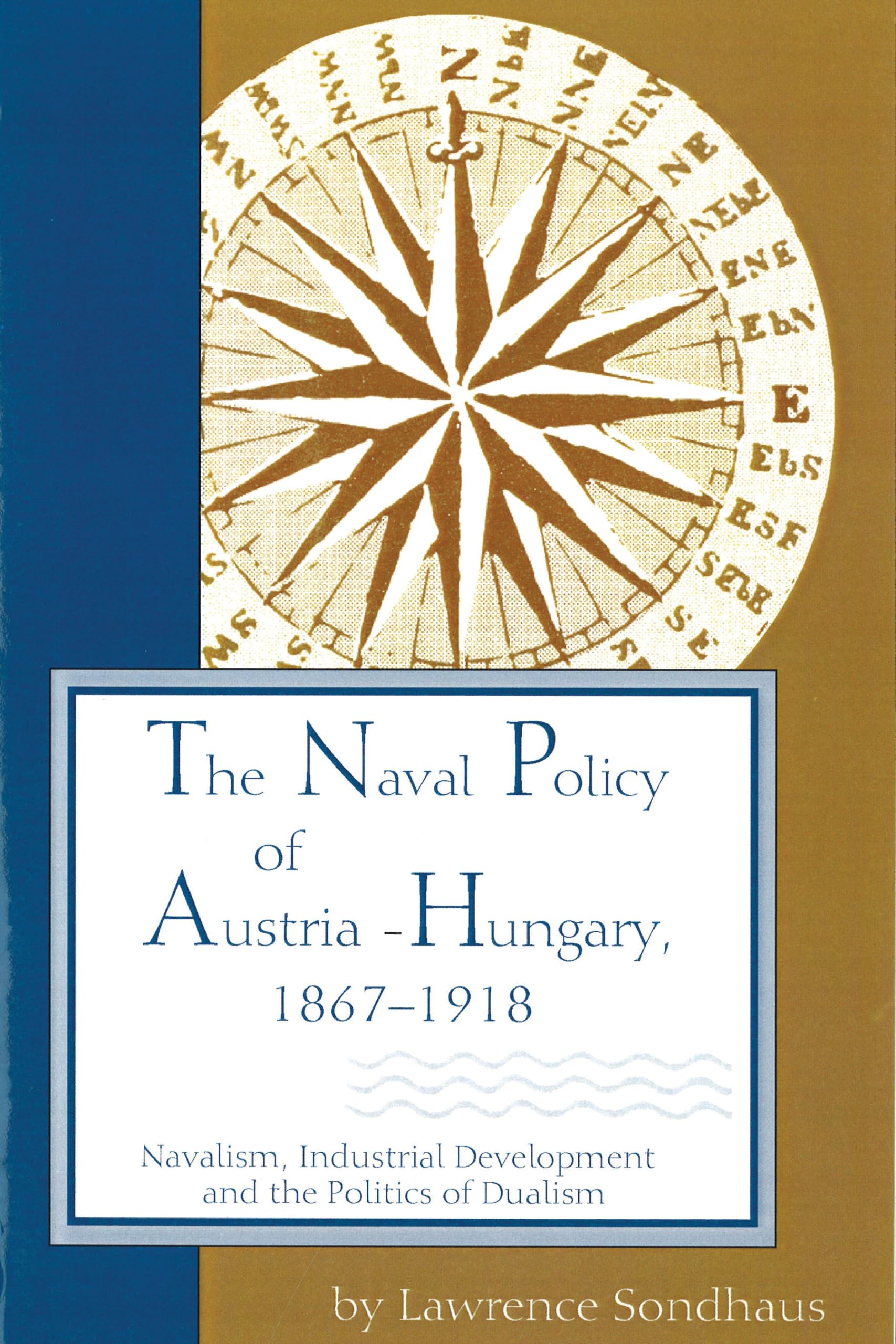
International Relations
The Naval Policy of Austria-Hungary 1867-1918: Navalism, Industrial Development, and the Politics of Dualism (Central European Studies)
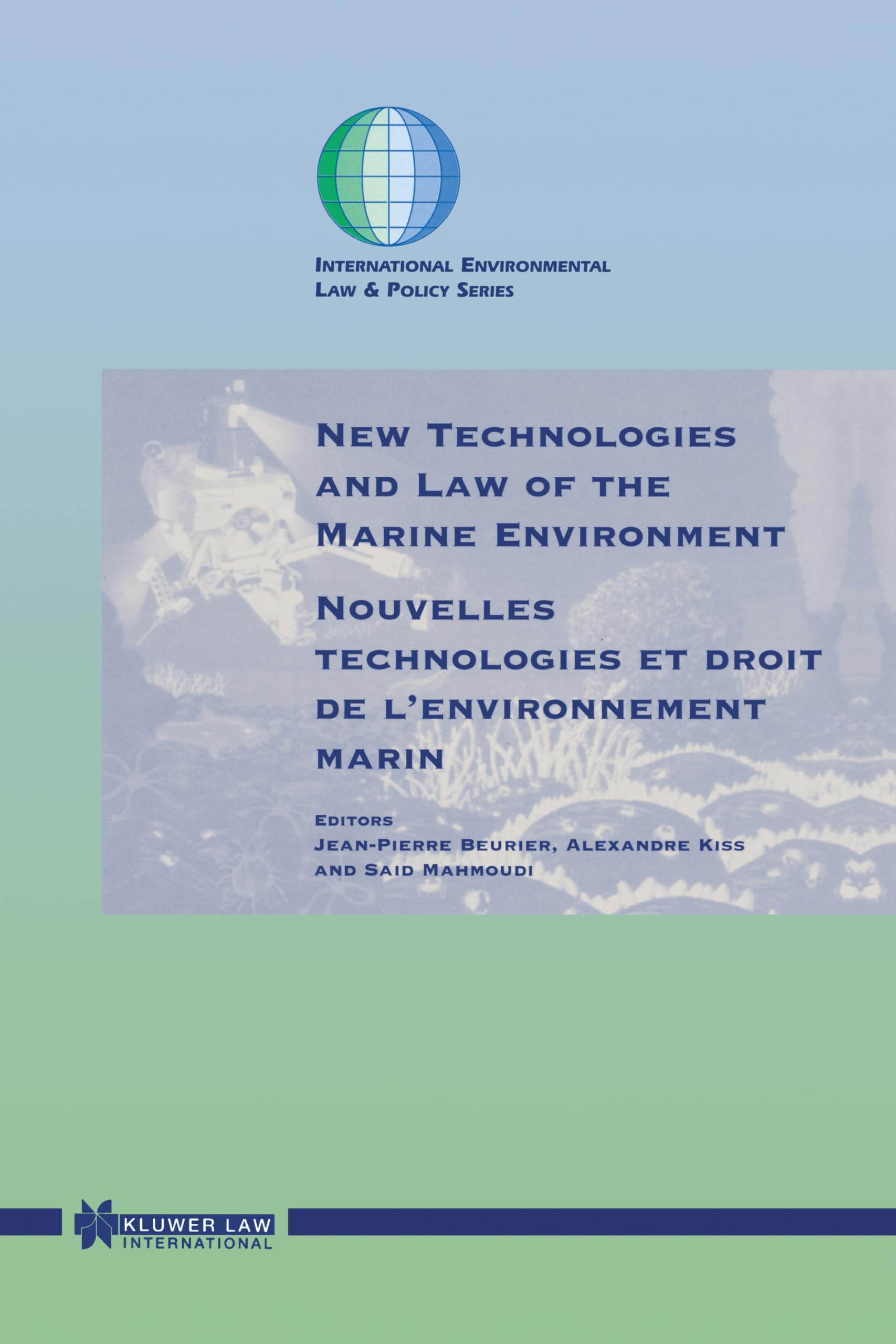
International Relations
New Technologies and Law of the Marine Environment: Nouvelles Technologies Et Droit De L'Environment Marin: 55 (International Enviornmental Law and Policy, 55)
Related Products
View All
Political Theory
A Midwestern Mosaic: Immigration and Political Socialization in Rural America (Social Logic of Politics)

Political Theory
Youth Work Ethics (English, Jonathan Roberts)

Political Theory
Race, Law, and Culture (English, Austin Sarat)
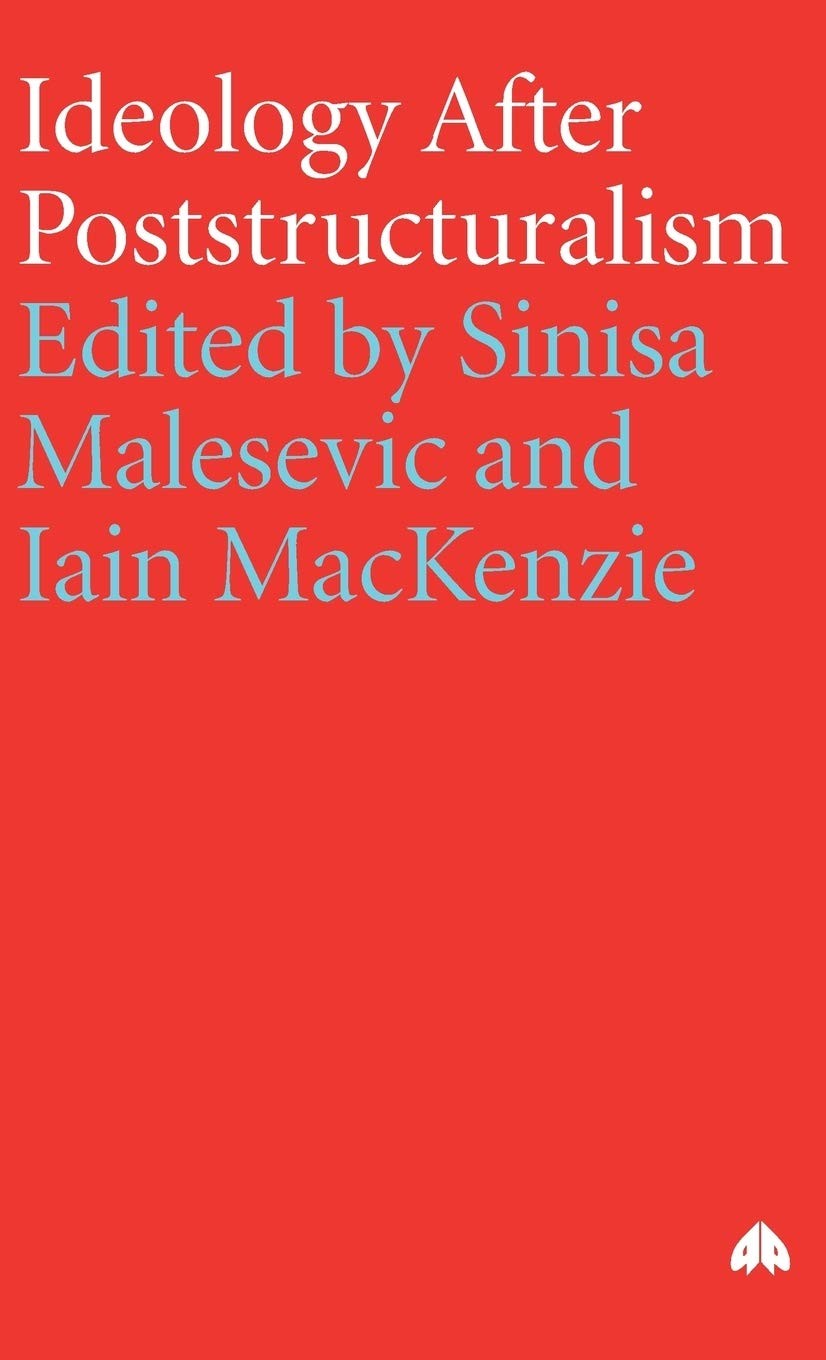
Political Theory
Ideology After Poststructuralism (English, Sinisa Malesevic | Iain MacKenzie)
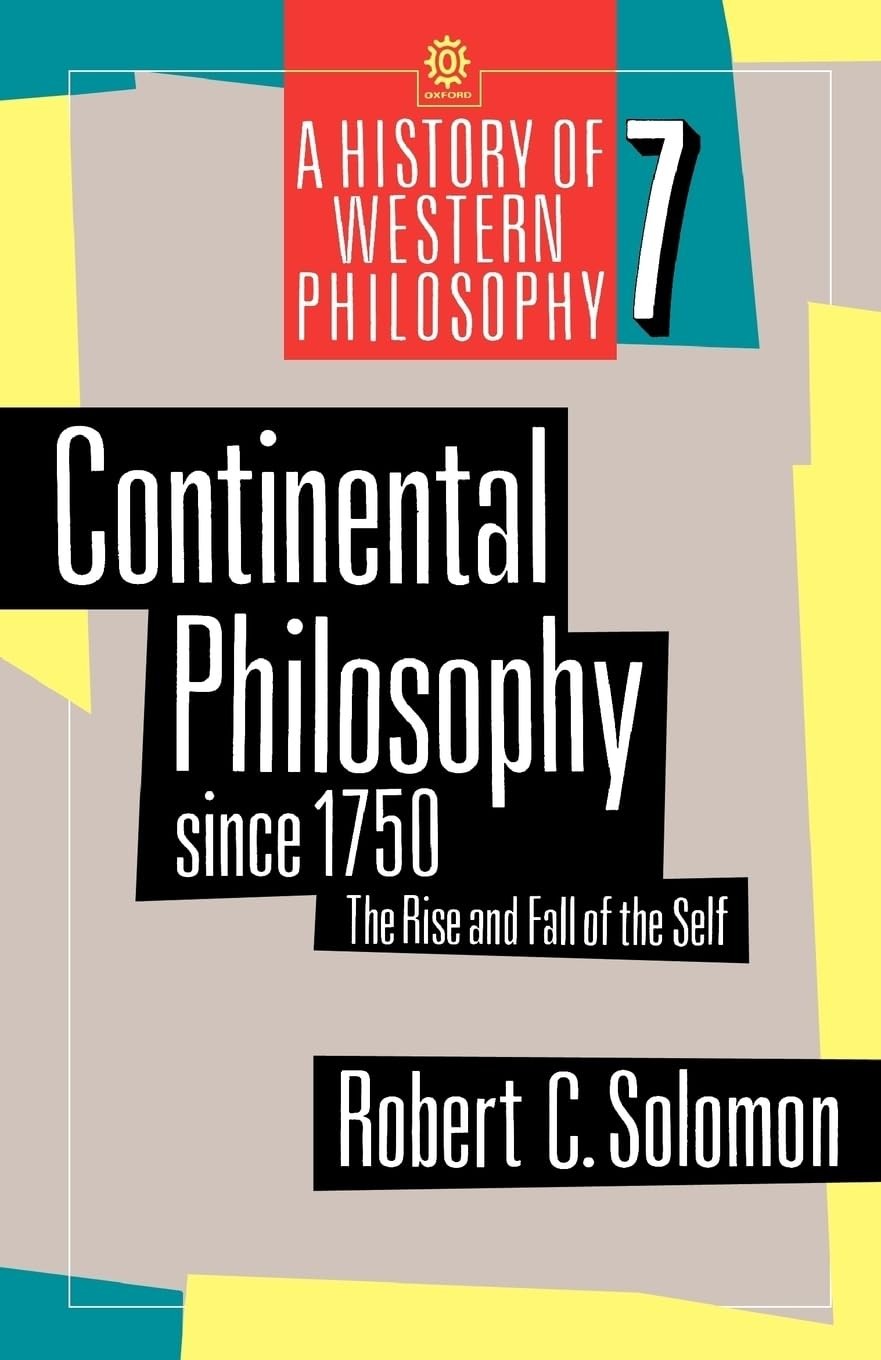
Political Theory
Continental Philosophy Since 1750 by Robert C. Solomon – Modern European Philosophy
Political Theory