
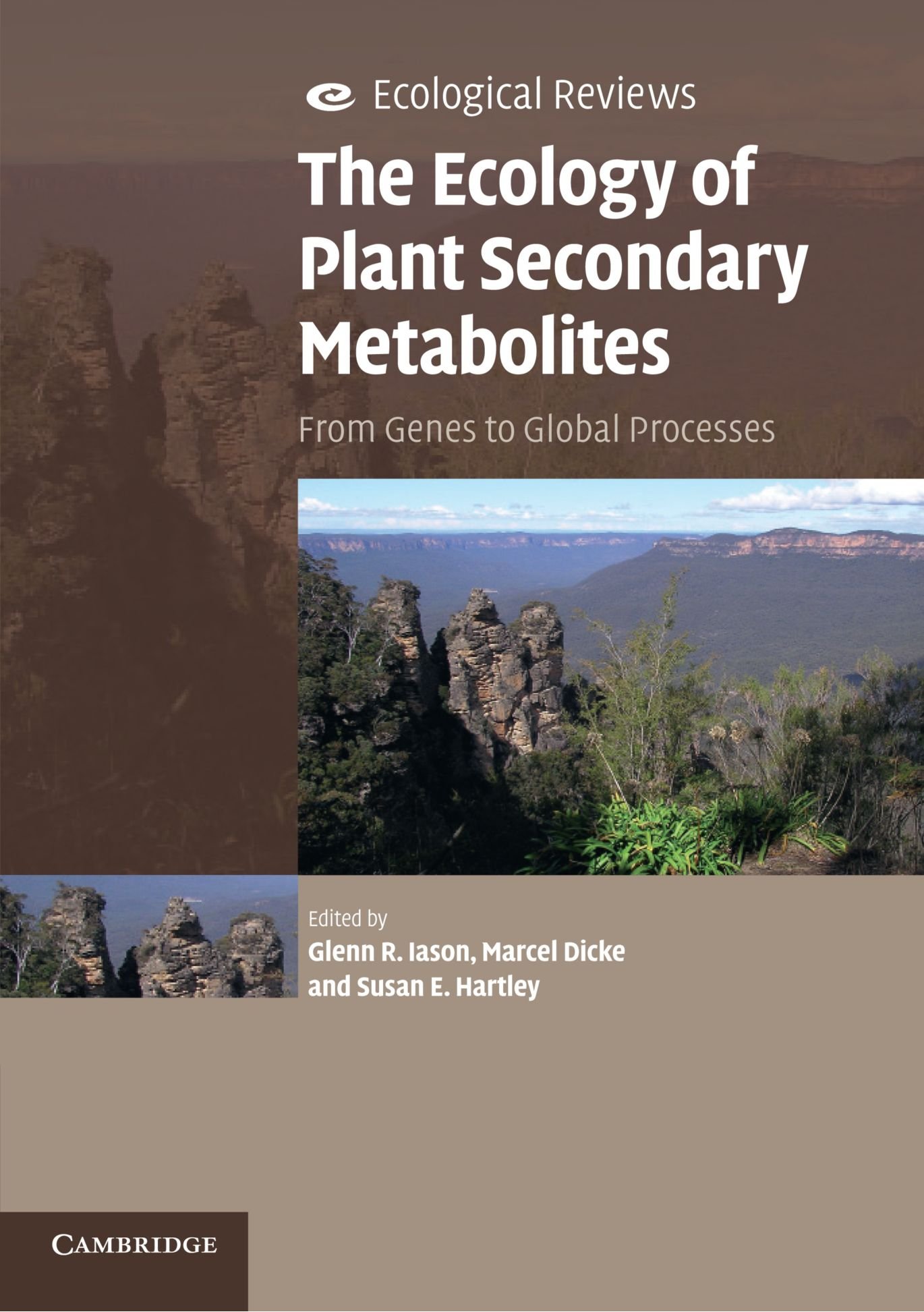
The Ecology of Plant Secondary Metabolites by Glenn R. Iason – A Synthesis of Function, Ecology, and Evolution for Scien
Inclusive of all applicable taxes. FREE shipping on all orders.
Available Offers
- 🚚Free Delivery — Free shipping on all orders
- 💵Cash on Delivery — Pay when your order arrives
- ↩️15-Day Easy Returns — Hassle-free return policy
- 🔒Cash on Delivery — Pay safely when your order arrives
Check Delivery
Product Description
Introduction
Plants are far more than passive organisms rooted in the soil—they are chemical factories that produce a dazzling array of compounds known as secondary metabolites. These substances, which include terpenes, phenolics, and alkaloids, do not directly participate in growth or reproduction but play critical roles in helping plants survive, compete, and communicate. The Ecology of Plant Secondary Metabolites by Glenn R. Iason offers a comprehensive and updated exploration of how these molecules shape ecological interactions at every level, from cellular processes to global environmental dynamics. Published by Cambridge University Press, this hardbound volume is an essential resource for Indian students, researchers, and professionals in ecology, botany, and chemical ecology.
Book Overview
This book synthesizes decades of research to present a holistic view of plant secondary metabolites (PSMs) as integrative agents in natural systems. It moves beyond the traditional focus on herbivore defence to reveal how PSMs mediate plant–microbe symbioses, pollinator attraction, allelopathy, and even responses to climate change. The text highlights cutting-edge molecular, transgenic, and metabolomic approaches that have revolutionized our understanding of PSM biosynthesis and function. With contributions from leading international scientists, the book bridges gaps between genetics, ecology, and evolution, making it a vital reference for anyone interested in the chemical language of plants.
Key Highlights
- Integrative Perspective: Explores how secondary metabolites connect plants with their biotic and abiotic environments across scales—from genes to ecosystems.
- Modern Methodologies: Discusses advances in genomics, transcriptomics, and metabolomics that allow researchers to trace PSM pathways and their ecological impacts.
- Global Relevance: Examines the role of PSMs in climate change adaptation, invasive species dynamics, and sustainable agriculture—topics highly pertinent to Indian agroecosystems.
- Multitrophic Interactions: Covers how PSMs influence herbivores, predators, pollinators, and soil microbial communities in complex food webs.
- Evolutionary Context: Provides insights into the evolutionary pressures that have shaped PSM diversity and distribution.
Inside the Book
The volume is organized into thematic sections that guide readers from foundational concepts to advanced applications. Early chapters establish the chemical diversity of PSMs and their biosynthetic origins. Subsequent sections delve into ecological functions, including plant defence, allelopathy, and mutualistic associations. Later chapters address global change biology, highlighting how rising CO₂ levels and temperature shifts alter PSM production and ecological consequences. Each chapter includes case studies, experimental data, and future research directions, making the content both rigorous and accessible. The book also features detailed illustrations, tables, and a comprehensive bibliography for further study.
Key Topics
- Biosynthesis and regulation of terpenes, phenolics, and nitrogen-containing compounds
- Role of PSMs in plant defence against herbivores and pathogens
- Chemical communication between plants and beneficial organisms (pollinators, mycorrhizae)
- Allelopathy and competitive interactions in natural and agricultural systems
- Impact of abiotic stresses (drought, salinity, UV radiation) on PSM profiles
- PSMs as mediators of ecosystem processes and nutrient cycling
- Transgenic approaches to study PSM function
- Implications for pest management and crop improvement in Indian agriculture
Reader Benefits
This book empowers readers with a deep understanding of how plant chemistry underpins ecological relationships. Indian students will gain a solid foundation for research in chemical ecology, while professionals can apply insights to areas such as biopesticide development, conservation biology, and climate-resilient farming. The clear explanations and up-to-date references make it an excellent resource for preparing lectures, designing experiments, or writing review papers. By connecting molecular mechanisms to real-world ecological patterns, the book helps readers appreciate the sophistication of plant survival strategies.
Learning Outcomes
- Identify major classes of plant secondary metabolites and their biosynthetic pathways
- Explain how PSMs influence interactions with herbivores, pathogens, and mutualists
- Analyze the ecological trade-offs associated with PSM production
- Evaluate modern techniques for studying PSM function at molecular and ecosystem levels
- Relate PSM dynamics to global environmental changes and sustainable agriculture
- Critically assess primary literature in chemical ecology and plant biology
Who Should Read
This book is ideal for postgraduate students and researchers in botany, ecology, plant physiology, and chemical ecology. It is also highly valuable for Indian agricultural scientists, foresters, and environmental consultants seeking a deeper grasp of plant–environment interactions. Undergraduates with a strong foundation in biology will find it a challenging yet rewarding read. Anyone fascinated by the hidden chemical world of plants—from teachers to nature enthusiasts—will discover new perspectives on the flora around them.
About the Author
Glenn R. Iason is a prominent ecologist based at the James Hutton Institute in Scotland, with extensive research experience on plant–herbivore interactions and the ecological roles of secondary metabolites. He has authored numerous peer-reviewed articles and edited several influential volumes. His work integrates field ecology with molecular tools, making him a leading voice in the study of plant chemical defences. Iason’s editorial leadership ensures that this book presents a balanced, evidence-based synthesis of current knowledge.
About the Publisher
Cambridge University Press is one of the world’s oldest and most respected academic publishers, known for rigorous peer review and high-quality scientific books. Their titles in ecology and plant sciences are widely adopted in Indian universities and research institutes. This hardcover edition is produced to the highest standards, with durable binding and clear print, ideal for library or personal reference.
Conclusion
The Ecology of Plant Secondary Metabolites is an indispensable guide to understanding the chemical foundations of plant life. It reveals how seemingly invisible molecules shape the visible world—from a leaf’s bitterness to a forest’s resilience. For Indian readers, this book offers both a global perspective and locally relevant insights into the role of plant chemistry in agriculture, biodiversity, and climate response. Whether you are a student embarking on research or a professional seeking to expand your knowledge, this volume will deepen your appreciation of the intricate dialogues between plants and their environment.
Quick Summary
The Ecology of Plant Secondary Metabolites by Glenn R. Iason is a comprehensive scientific work that delves into the multifaceted ecological roles of plant secondary metabolites (PSMs) such as terpenes and phenolic compounds. The book synthesizes recent research to provide a holistic understanding of how these chemicals function in defence against herbivores, pathogens, and abiotic stresses, as well as in interactions with competitors and mutualists. It emphasizes the integrative role of PSMs in connecting natural systems across scales—from cellular processes within individual plants to global environmental dynamics. This book is ideal for postgraduate students, researchers, and faculty in plant science, ecology, and environmental biology, especially those in India seeking advanced knowledge in chemical ecology. Readers will gain insights into the evolutionary and ecological significance of PSMs, and how genes encoding biosynthetic enzymes shape plant-environment interactions. By purchasing from Bookshops.in, Indian customers receive a genuine hardcover edition with reliable delivery and support for academic needs.
Book Highlights
Book Specifications
| ISBN-13 | 9780521157124 |
| ISBN-10 | 0521157129 |
| Publisher | Cambridge University Press |
| Language | English |
| Dimensions | 17.4 x 2.03 x 24.69 cm |
| Weight | 710 g |
| Country | India |
| Category | Basic Sciences › Biochemistry |
| Genre | Science & Mathematics |
| Original Language | English |
Frequently Asked Questions
What is the main focus of this book?
Who is the author of this book?
Is this book suitable for Indian students?
What topics are covered in the book?
Does the book include recent research?
What is the ISBN of this book?
What language is the book in?
Is this book available in hardcover?
What is the price of this book?
What is the rating of this book?
What category does this book belong to?
Can I use this book for my PhD research?
Readers Also Search For
Customers Also Bought

Anatomy
Ultrastructure of the Digestive Tract: 4 (Electron Microscopy in Biology and Medicine)

Anatomy
Ultrastructure of the Connective Tissue Matrix: 3 (Electron Microscopy in Biology and Medicine)

Anatomy
Reproductive Genetics (Royal College of Obstetricians and Gynaecologists Study Group)

Anatomy
Human Gross Anatomy: An Outline Text by Robert J. Leonard – Medical Anatomy

Pharmacology
Mathematical Modeling and Simulation in Enteric Neurobiology

Anatomy
Nature’s Patterns and the Fractional Calculus: 2 (Fractional Calculus in Applied Sciences and Engineering, 2)
Related Products
View All
Medicine & Health Sciences
Pediatrics on Call | by Charles A. Pohl | Kathleen Bradford | Clara Callahan | McGraw Hill / Medical | by Charles A. Pohl | Kathleen Bradford | Clara Callahan | McGraw Hill / Medical | by Charles A. Pohl | Kathleen Bradford | Clara Callahan | McGraw Hill / Medical | by Charles A. Pohl | Kathleen Bradford | Clara Callahan | McGraw Hill / Medical | by Charles A. Pohl | Kathleen Bradford | Clara Callahan | McGraw Hill / Medical | by Charles A. Pohl | Kathleen Bradford | Clara Callahan | McGraw Hill

Medicine & Health Sciences
The Physician's Guide to Depression and Bipolar Disorders | by Dwight L. Evans | Dennis S. Charney | Lydia Lewis | McGraw Hill / Medical | by Dwight L. Evans | Dennis S. Charney | Lydia Lewis | McGraw Hill / Medical | by Dwight L. Evans | Dennis S. Charney | Lydia Lewis | McGraw Hill / Medical | by Dwight L. Evans | Dennis S. Charney | Lydia Lewis | McGraw Hill / Medical | by Dwight L. Evans | Dennis S. Charney | Lydia Lewis | McGraw Hill / Medical | by Dwight L. Evans | Dennis S. Charney | Lydi
Medicine & Health Sciences
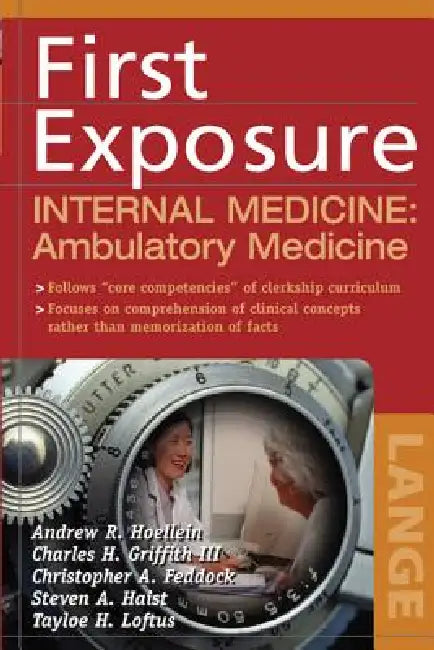
First Exposure to Internal Medicine | by Andrew R. Hoellein | Charles H. Griffith | McGraw Hill / Medical | by Andrew R. Hoellein | Charles H. Griffith | McGraw Hill / Medical | by Andrew R. Hoellein | Charles H. Griffith | McGraw Hill / Medical | by Andrew R. Hoellein | Charles H. Griffith | McGraw Hill / Medical | by Andrew R. Hoellein | Charles H. Griffith | McGraw Hill / Medical | by Andrew R. Hoellein | Charles H. Griffith | McGraw Hill / Medical | by Andrew R. Hoellein | Charles H. Griffit
Medicine & Health Sciences
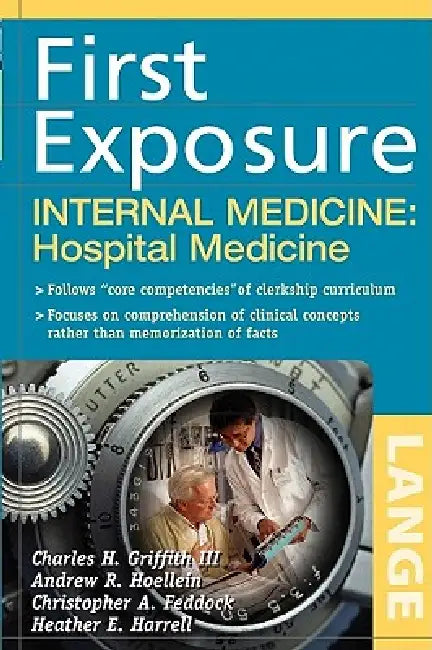
First Exposure to Internal Medicine | by Charles H. Griffith | Andrew R. Hoellein | McGraw Hill / Medical | by Charles H. Griffith | Andrew R. Hoellein | McGraw Hill / Medical | by Charles H. Griffith | Andrew R. Hoellein | McGraw Hill / Medical | by Charles H. Griffith | Andrew R. Hoellein | McGraw Hill / Medical | by Charles H. Griffith | Andrew R. Hoellein | McGraw Hill / Medical | by Charles H. Griffith | Andrew R. Hoellein | McGraw Hill / Medical | by Charles H. Griffith | Andrew R. Hoellei
Medicine & Health Sciences
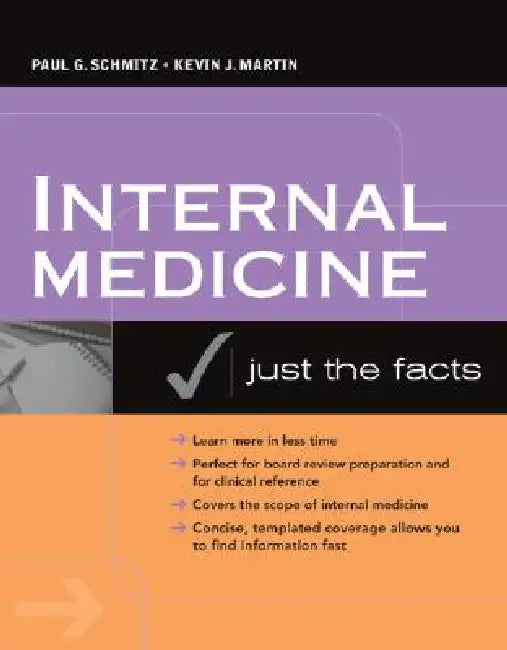
Internal Medicine | by Paul G. Schmitz | Kevin J. Martin | McGraw Hill / Medical | by Paul G. Schmitz | Kevin J. Martin | McGraw Hill / Medical | by Paul G. Schmitz | Kevin J. Martin | McGraw Hill / Medical | by Paul G. Schmitz | Kevin J. Martin | McGraw Hill / Medical | by Paul G. Schmitz | Kevin J. Martin | McGraw Hill / Medical | by Paul G. Schmitz | Kevin J. Martin | McGraw Hill / Medical | by Paul G. Schmitz | Kevin J. Martin | McGraw Hill / Medical | by Paul G. Schmitz | Kevin J. Martin |

Medicine & Health Sciences