
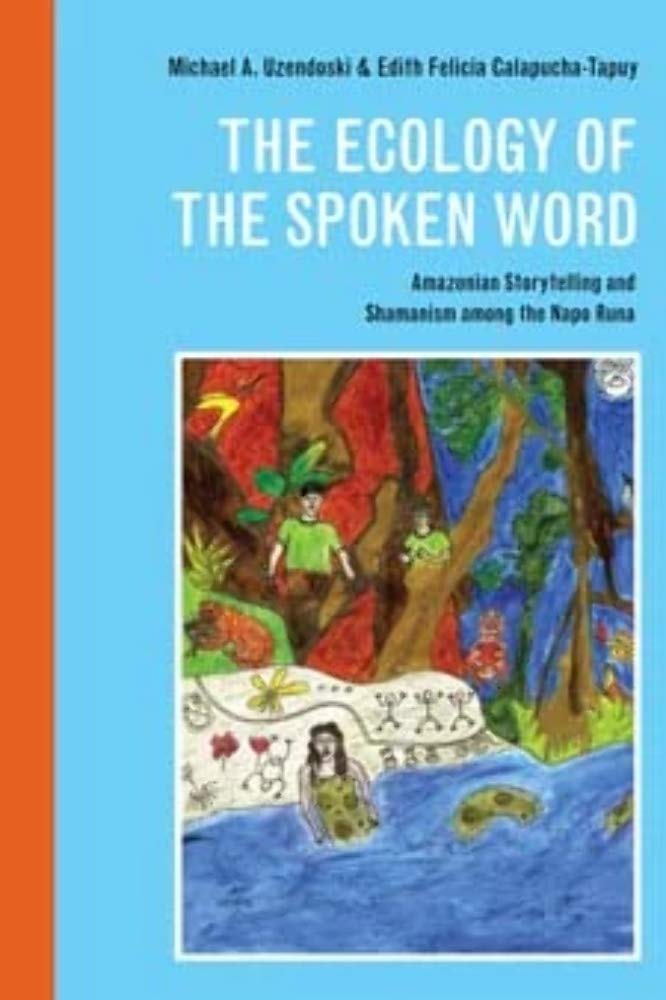
The Ecology of the Spoken Word: Amazonian Storytelling and Shamanism Among the Napo Runa by Michael Uzendoski and Edith
Inclusive of all applicable taxes. FREE shipping on all orders.
Available Offers
- 🚚Free Delivery — Free shipping on all orders
- 💵Cash on Delivery — Pay when your order arrives
- ↩️15-Day Easy Returns — Hassle-free return policy
- 🔒Cash on Delivery — Pay safely when your order arrives
Check Delivery
Product Description
Introduction
Step into the vibrant world of Amazonian oral traditions with The Ecology of the Spoken Word: Amazonian Storytelling and the Shamanism Among the Napo Runa. This groundbreaking work by Michael Uzendoski and Edith Felicia Calapucha-Tapuy offers Indian readers a rare glimpse into the rich tapestry of Napo Runa mythology, where language, nature, and spirituality intertwine. Far more than a mere translation, this volume immerses you in the living, breathing narratives of the Quichua people of Ecuador's Napo province, revealing how stories, songs, and chants shape their understanding of the world. For students of anthropology, linguistics, and environmental studies, this book is an essential bridge to indigenous knowledge systems that resonate deeply with India's own oral heritage.
Book Overview
The Ecology of the Spoken Word presents the first comprehensive English translation and analysis of Napo Runa mythology, exploring how spoken performances—from curing chants to hunting songs—encode profound ecological and spiritual wisdom. The authors argue that for the Napo Runa, language is not separate from the natural world; instead, words, plants, animals, and the landscape form a single communicative continuum. This volume weaves exacting translations with interpretive essays, offering a holistic view of Quichua aesthetics and cosmology. A companion website enriches the experience with authentic audio, video, and photographic documentation of original performances, making this a truly immersive journey into Amazonian storytelling.
Key Highlights
- First English translation of Napo Runa mythology, with detailed analysis of oral performances.
- Interdisciplinary approach blending anthropology, linguistics, ecology, and shamanic studies.
- Rich multimedia companion featuring photos, audio recordings, and video clips of authentic Quichua chants and narratives.
- Deep ecological perspective showing how language and nature are inseparable in Quichua thought.
- Relevance to Indian readers through parallels with India's own oral traditions and indigenous knowledge systems.
Inside the Book
Each chapter unveils a different facet of Napo Runa expressive culture. You will encounter creation myths that explain the origins of rivers and forests, healing chants that invoke plant spirits, and songs that guide hunters to their prey. The authors meticulously contextualize each performance, explaining the social, ritual, and ecological settings in which these words come alive. Through careful translation and commentary, readers gain access to a worldview where the spoken word is a force that shapes reality—a concept that will fascinate anyone interested in the power of language and the wisdom of indigenous peoples.
Key Topics
- Napo Runa mythology and cosmology
- Shamanism and healing practices in the Amazon
- Oral traditions and the ecology of language
- Quichua aesthetics and poetic expression
- Indigenous knowledge and environmental stewardship
- Translation challenges in preserving oral culture
- Relationship between humans, plants, animals, and landscape
Reader Benefits
By reading this book, you will develop a nuanced appreciation for how indigenous communities encode ecological wisdom in their stories. You will learn to see language as a living, relational force rather than a mere tool for communication. The insights gained here can enrich your understanding of India's own oral epics, folk songs, and tribal narratives, fostering a deeper respect for diverse ways of knowing. Additionally, the multimedia resources allow you to hear the actual voices of Napo Runa storytellers, making the experience profoundly authentic.
Learning Outcomes
- Understand the core principles of Napo Runa cosmology and shamanism.
- Analyze how oral performances function as ecological and spiritual knowledge systems.
- Appreciate the aesthetic and poetic dimensions of Quichua language.
- Recognize the challenges and rewards of translating indigenous oral traditions.
- Draw parallels between Amazonian and Indian oral cultures.
- Develop critical perspectives on the relationship between language, nature, and identity.
Who Should Read
This book is ideal for students and scholars of anthropology, linguistics, environmental studies, comparative mythology, and South American indigenous cultures. It will also appeal to Indian readers interested in oral traditions, shamanism, ethnobotany, and the intersection of language and ecology. Storytellers, poets, and anyone fascinated by the power of the spoken word will find this work deeply inspiring. Whether you are a postgraduate researcher or a curious general reader, this volume offers a transformative window into a world where every word is a seed planted in the living earth.
About the Author
Michael Uzendoski is a renowned anthropologist and professor specializing in Amazonian cultures and oral traditions. His collaborative work with Edith Felicia Calapucha-Tapuy, a native Quichua speaker and cultural expert, ensures that this book is grounded in authentic community knowledge. Together, they bring decades of fieldwork and linguistic expertise to create a work that honors the Napo Runa people while making their wisdom accessible to a global audience.
About the Publisher
University of Illinois Press is a prestigious academic publisher known for its rigorous scholarship in anthropology, linguistics, and cultural studies. Their commitment to publishing works that bridge diverse knowledge systems makes them the ideal home for this groundbreaking volume. This edition, a sturdy hardcover, is built to last through years of study and reference.
Conclusion
The Ecology of the Spoken Word is more than a book—it is an invitation to listen to the voices of the Amazon rainforest. It challenges us to rethink the boundaries between language, nature, and spirit, offering lessons that are urgently relevant in our ecologically fragile world. For Indian readers who cherish their own oral traditions, this volume opens a dialogue across continents, reminding us that the spoken word is a living thread connecting all humanity to the earth. Add this essential work to your library and embark on a journey that will forever change how you hear the world.
Quick Summary
The Ecology of the Spoken Word is a groundbreaking study of Napo Runa mythology and oral traditions from the Ecuadorian Amazon. Co-authored by anthropologist Michael Uzendoski and Napo Runa scholar Edith Felicia Calapucha-Tapuy, the book presents the first English translation and analysis of Quichua narratives, songs, curing chants, and other oral performances. It explores how language is embedded in an ecological and spiritual world that includes plants, animals, and the landscape itself. Readers will gain a deep understanding of Napo Runa aesthetics, shamanic communication, and the interplay between oral tradition and literacy. Ideal for students and researchers in anthropology, folklore, indigenous studies, and ethnopoetics, this hardcover edition from University of Illinois Press offers rich ethnographic detail and theoretical insights. By purchasing from Bookshops.in, Indian readers receive a high-quality physical copy with reliable delivery and customer support.
Book Highlights
Book Specifications
| ISBN-13 | 9780252036569 |
| ISBN-10 | 0252036565 |
| Publisher | Univ of Illinois Pr |
| Language | English |
| Dimensions | 15.24 x 3.05 x 22.86 cm |
| Weight | 590 g |
| Category | Region & Countries › Americas |
| Genre | Non-fiction |
| Original Language | Quichua and Spanish |
Frequently Asked Questions
What is the main focus of this book?
Who are the authors?
Is this book suitable for Indian readers?
Does the book include original Quichua texts?
Is there a companion website?
What academic fields does this book cover?
What is the price in India?
Is this book part of a series?
Can I use this book for my research on shamanism?
What language is the book written in?
Does it include any illustrations?
Is this a hardcover or paperback?
Where can I purchase this book in India?
Readers Also Search For
Customers Also Bought
Related Products
View All
History
The Information Revolution: Transforming the World Through Technology (World History)
History
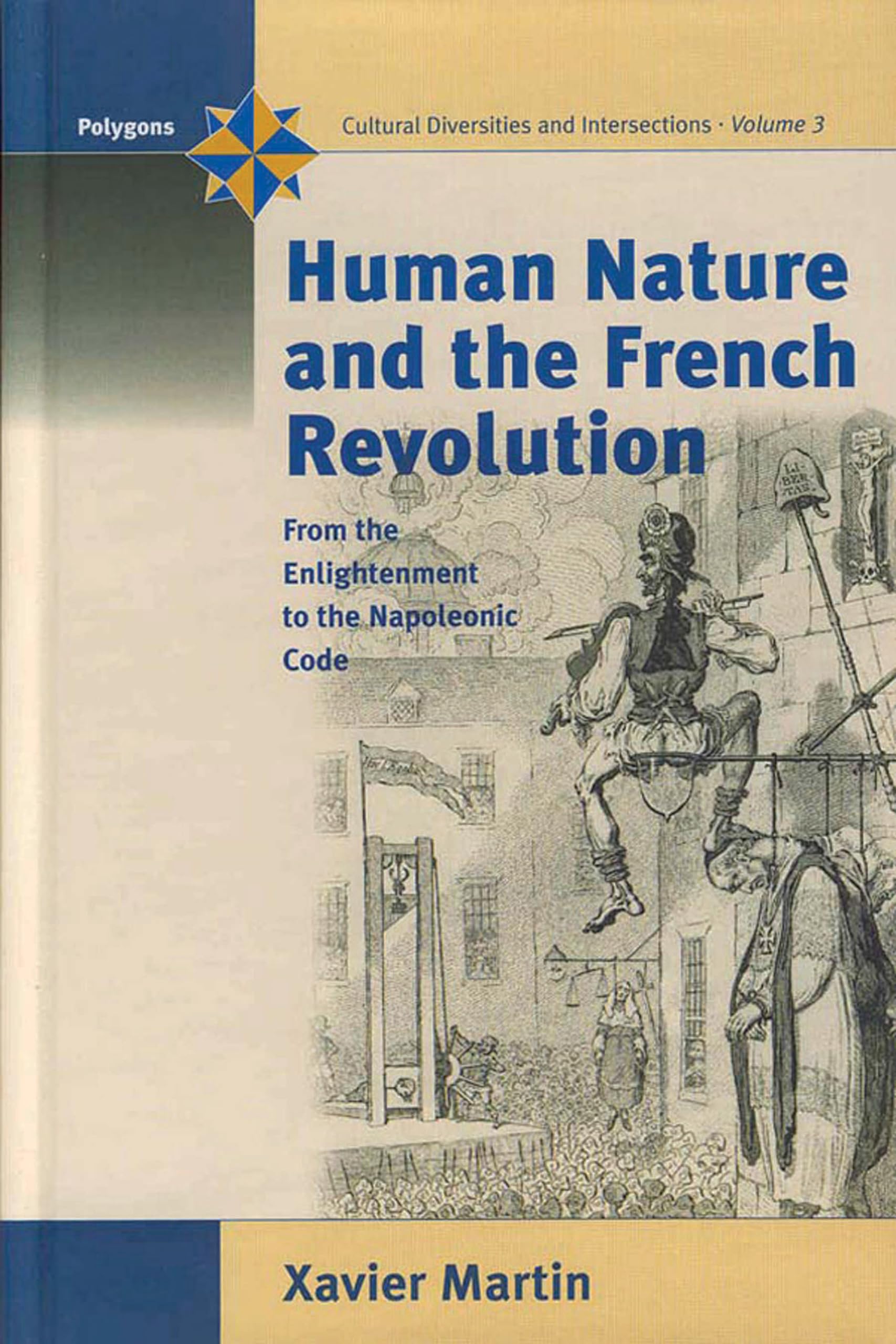
Human Nature and the French Revolution: From the Enlightenment to the Napoleonic Code: 3 (Polygons: Cultural Diversities and Intersections, 3)
History
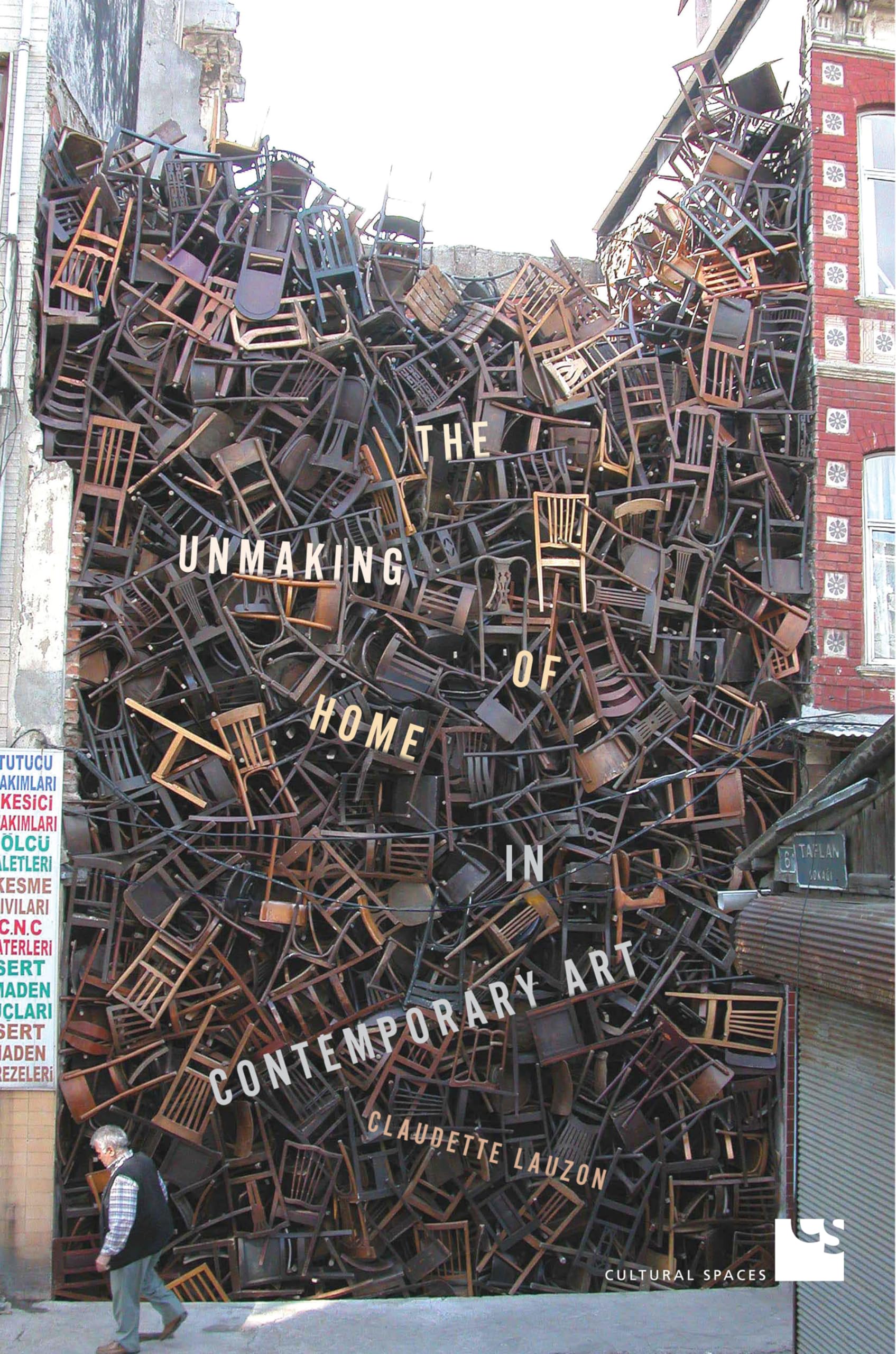
The Unmaking of Home in Contemporary Art (Cultural Spaces)

History
Handbook to Life in Medieval and Early Modern Japan | by William E. Deal | Oxford University Press | by William E. Deal | Oxford University Press | by William E. Deal | Oxford University Press | by William E. Deal | Oxford University Press | by William E. Deal | Oxford University Press | by William E. Deal | Oxford University Press | by William E. Deal | Oxford University Press | by William E. Deal | Oxford University Press | by William E. Deal | Oxford University Press | by William E. Deal | Ox

History
The Narrators of Barbarian History (A.D. 550-800) | by Walter Goffart | University of Notre Dame Press | by Walter Goffart | University of Notre Dame Press | by Walter Goffart | University of Notre Dame Press | by Walter Goffart | University of Notre Dame Press | by Walter Goffart | University of Notre Dame Press | by Walter Goffart | University of Notre Dame Press | by Walter Goffart | University of Notre Dame Press | by Walter Goffart | University of Notre Dame Press | by Walter Goffart | Univ

History