
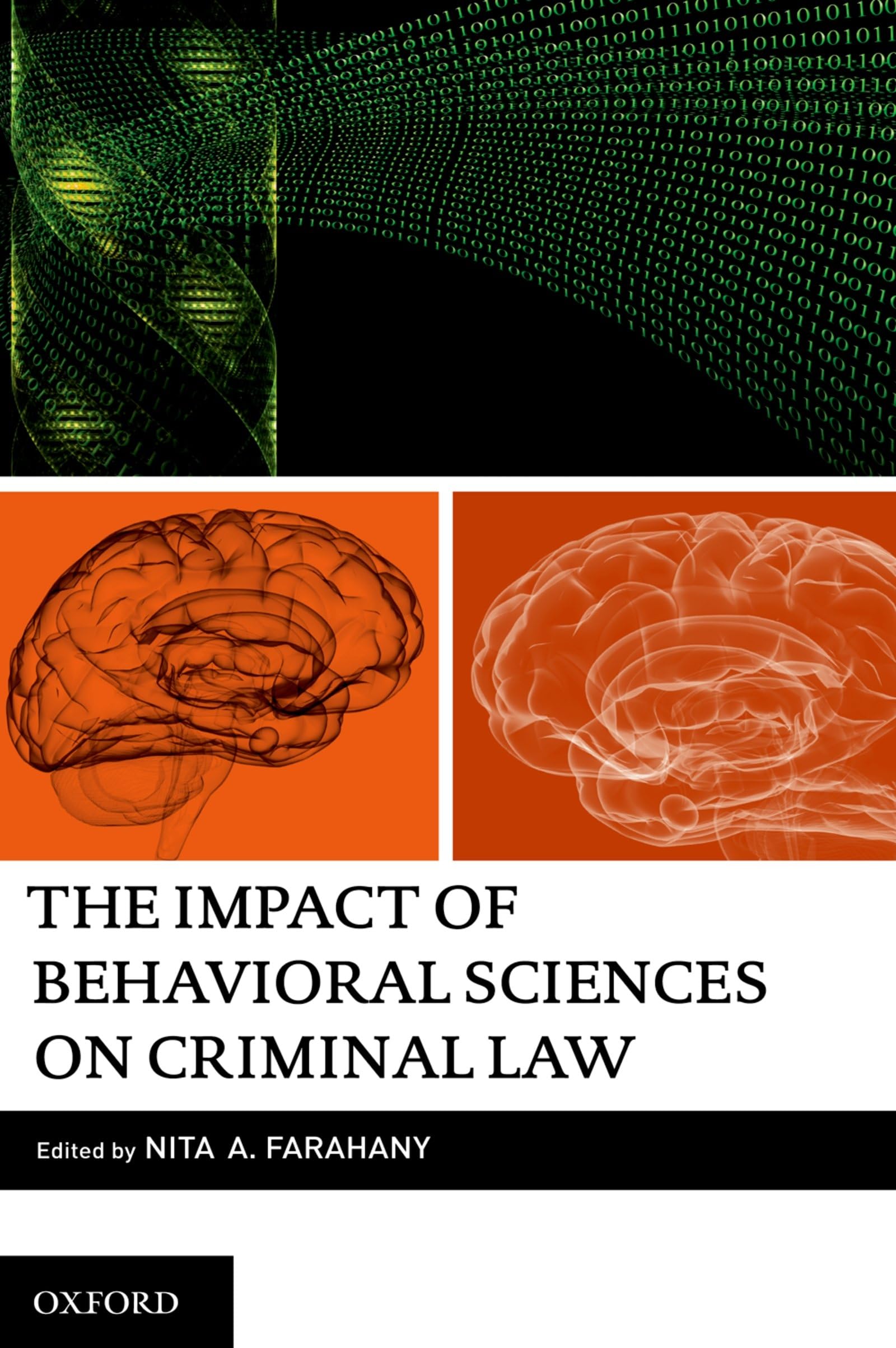
The Impact of Behavioral Sciences on Criminal Law by Nita Farahany – Neuroscience, Genetics, and the Future of Criminal
Inclusive of all applicable taxes. FREE shipping on all orders.
Available Offers
- 🚚Free Delivery — Free shipping on all orders
- 💵Cash on Delivery — Pay when your order arrives
- ↩️15-Day Easy Returns — Hassle-free return policy
- 🔒Cash on Delivery — Pay safely when your order arrives
Check Delivery
Product Description
Introduction
The intersection of science and law has never been more dynamic than in the present era, where rapid advances in behavioral genetics and neuroscience are reshaping our understanding of human behavior. The Impact of Behavioral Sciences on Criminal Law, edited by Nita Farahany, offers a groundbreaking exploration of how these scientific discoveries are challenging traditional legal frameworks. Published by Oxford University Press, this hardcover volume is an essential resource for anyone seeking to comprehend the evolving relationship between behavioral sciences and the criminal justice system in India and worldwide.
Book Overview
This comprehensive collection brings together leading experts from genetics, neuroscience, philosophy, policy-making, and law to examine the profound implications of behavioral science on criminal law. The book delves into how new insights from brain imaging, genetic profiling, and behavioral studies are being introduced into courtrooms, often in an ad hoc and ill-conceived manner. It provides a balanced analysis of both the promises and pitfalls of integrating these sciences into legal practice, making it a vital read for students, legal professionals, and scholars alike.
Key Highlights
- Interdisciplinary Approach: Features contributions from geneticists, neuroscientists, philosophers, policymakers, and legal scholars, offering a 360-degree perspective on the subject.
- Critical Analysis: Examines how behavioral genetics and neuroscience are currently used in criminal law and how they might be applied in the future.
- Policy and Ethics: Addresses the ethical dilemmas and policy challenges that arise from using scientific evidence in criminal proceedings.
- Comprehensive Coverage: Covers topics ranging from the neurobiology of violence to the genetic basis of antisocial behavior, all within the context of legal accountability.
Inside the Book
Through a series of well-researched essays, the book explores the nuanced ways in which behavioral sciences are influencing everything from culpability and sentencing to the definition of criminal intent. Readers will find detailed discussions on how brain scans and genetic tests are being presented as evidence, the potential for reducing recidivism through neuroscience-based interventions, and the risks of overreliance on deterministic explanations of behavior. Each chapter is crafted to provide both theoretical depth and practical relevance, making complex scientific concepts accessible to a legal audience.
Key Topics
- The neurobiological underpinnings of criminal behavior
- Behavioral genetics and its implications for free will and responsibility
- Use of neuroscience in determining competency and insanity
- Ethical considerations of using brain imaging in court
- Policy recommendations for integrating behavioral sciences into criminal justice
- Comparative perspectives from Indian and international legal systems
Reader Benefits
This book empowers readers to critically evaluate the role of science in law. It helps legal professionals anticipate how emerging behavioral evidence might affect their cases, equips students with a foundational understanding of an interdisciplinary field, and provides policymakers with insights to craft evidence-based reforms. By reading this volume, you will gain the tools to navigate the complex ethical terrain where science meets justice, ensuring that you are prepared for the future of criminal law.
Learning Outcomes
- Understand the key scientific principles behind behavioral genetics and neuroscience as they relate to criminal behavior.
- Analyze the legal and ethical challenges of introducing behavioral science evidence in court.
- Evaluate the potential impact of these sciences on concepts of responsibility, punishment, and rehabilitation.
- Develop informed opinions on policy changes needed to integrate scientific advances responsibly.
Who Should Read
This book is indispensable for law students, practicing lawyers, judges, criminologists, psychologists, neuroscientists, and policymakers. It is also highly recommended for anyone interested in the future of criminal justice, particularly in the Indian context where debates about scientific evidence in courts are gaining momentum. Whether you are a student preparing for a career in law or a seasoned professional seeking to stay ahead of emerging trends, this volume offers invaluable insights.
About the Author
Nita Farahany is a distinguished professor of law and philosophy at Duke University, where she also directs the Duke Initiative for Science & Society. A leading voice on the ethical, legal, and social implications of emerging technologies, she has advised governments and international organizations on the use of behavioral genetics and neuroscience in law. Her work bridges the gap between scientific discovery and legal doctrine, making her uniquely qualified to edit this seminal collection.
About the Publisher
Oxford University Press is a globally respected academic publisher with a long tradition of producing authoritative works in law, science, and the humanities. Known for its rigorous editorial standards and commitment to scholarly excellence, OUP ensures that every title, including this one, meets the highest benchmarks of quality and relevance. For readers in India, Oxford University Press books are synonymous with trust and intellectual depth.
Conclusion
The Impact of Behavioral Sciences on Criminal Law is more than a book—it is a roadmap for understanding the future of justice in a world where science increasingly informs legal decisions. By bringing together diverse expert voices, Nita Farahany has created a resource that is both intellectually stimulating and practically useful. Whether you are a student, a legal professional, or a curious reader, this hardcover edition deserves a place on your bookshelf. Order your copy today from Bookshops.in and stay ahead in the evolving landscape of criminal law.
Quick Summary
The Impact of Behavioral Sciences on Criminal Law, edited by Nita Farahany, is a landmark collection that brings together leading voices from neuroscience, genetics, philosophy, and law to explore how emerging behavioral sciences are reshaping criminal justice. The book critically examines the ad hoc introduction of neuroscientific and genetic evidence in courts, raising essential questions about criminal responsibility, free will, and ethical policy-making. Readers will gain a multidisciplinary understanding of how brain science and genetics challenge traditional legal frameworks, and what reforms are needed to ensure justice. This volume is ideal for Indian law students, criminologists, policymakers, and anyone interested in the future of criminal law. By purchasing from Bookshops.in, you receive a genuine Oxford University Press hardcover with trusted service across India.
Book Highlights
Book Specifications
| ISBN-13 | 9780199773305 |
| ISBN-10 | 0199773300 |
| Publisher | Oxford Univ Pr on Demand |
| Language | English |
| Dimensions | 15.49 x 3.1 x 23.11 cm |
| Weight | 771 g |
| Country | India |
| Category | Basic Sciences › Neuroscience |
| Genre | Non-fiction |
| Original Language | English |
Frequently Asked Questions
What is the main focus of this book?
Who edited this collection?
Is this book suitable for Indian law students?
Does the book discuss Indian law specifically?
What disciplines are covered?
Is this a textbook or a collection of essays?
What is the publication date?
Who is the publisher?
What is the ISBN?
What is the price in India?
Is the book available in hardcover?
Are there any reviews?
Can I use this book for research?
Why buy from Bookshops.in?
Readers Also Search For
Customers Also Bought

Anatomy
Ultrastructure of the Digestive Tract: 4 (Electron Microscopy in Biology and Medicine)

Anatomy
Ultrastructure of the Connective Tissue Matrix: 3 (Electron Microscopy in Biology and Medicine)

Anatomy
Reproductive Genetics (Royal College of Obstetricians and Gynaecologists Study Group)

Anatomy
Human Gross Anatomy: An Outline Text by Robert J. Leonard – Medical Anatomy

Pharmacology
Mathematical Modeling and Simulation in Enteric Neurobiology

Anatomy
Nature’s Patterns and the Fractional Calculus: 2 (Fractional Calculus in Applied Sciences and Engineering, 2)
Related Products
View All
Medicine & Health Sciences
Handbook of Hospitality Strategic Management | by Olsen Michael | Taylor & Francis Ltd | by Olsen Michael | Taylor & Francis Ltd | by Olsen Michael | Taylor & Francis Ltd | by Olsen Michael | Taylor & Francis Ltd | by Olsen Michael | Taylor & Francis Ltd | by Olsen Michael | Taylor & Francis Ltd | by Olsen Michael | Taylor & Francis Ltd | by Olsen Michael | Taylor & Francis Ltd | by Olsen Michael | Taylor & Francis Ltd | by Olsen Michael | Taylor & Francis
Medicine & Health Sciences
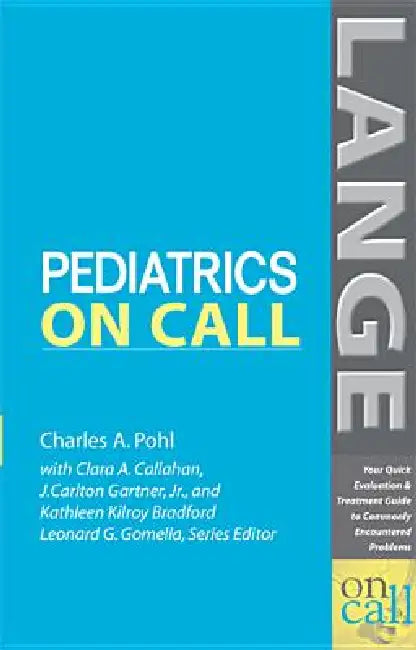
Pediatrics on Call | by Charles A. Pohl | Kathleen Bradford | Clara Callahan | McGraw Hill / Medical | by Charles A. Pohl | Kathleen Bradford | Clara Callahan | McGraw Hill / Medical | by Charles A. Pohl | Kathleen Bradford | Clara Callahan | McGraw Hill / Medical | by Charles A. Pohl | Kathleen Bradford | Clara Callahan | McGraw Hill / Medical | by Charles A. Pohl | Kathleen Bradford | Clara Callahan | McGraw Hill / Medical | by Charles A. Pohl | Kathleen Bradford | Clara Callahan | McGraw Hill
Medicine & Health Sciences
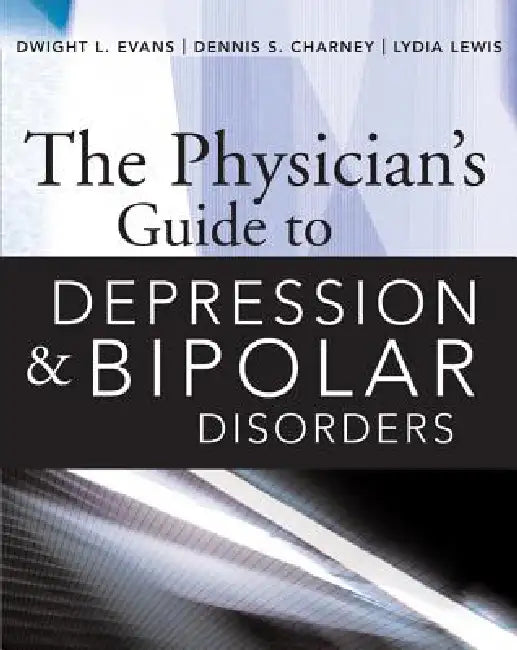
The Physician's Guide to Depression and Bipolar Disorders | by Dwight L. Evans | Dennis S. Charney | Lydia Lewis | McGraw Hill / Medical | by Dwight L. Evans | Dennis S. Charney | Lydia Lewis | McGraw Hill / Medical | by Dwight L. Evans | Dennis S. Charney | Lydia Lewis | McGraw Hill / Medical | by Dwight L. Evans | Dennis S. Charney | Lydia Lewis | McGraw Hill / Medical | by Dwight L. Evans | Dennis S. Charney | Lydia Lewis | McGraw Hill / Medical | by Dwight L. Evans | Dennis S. Charney | Lydi
Medicine & Health Sciences
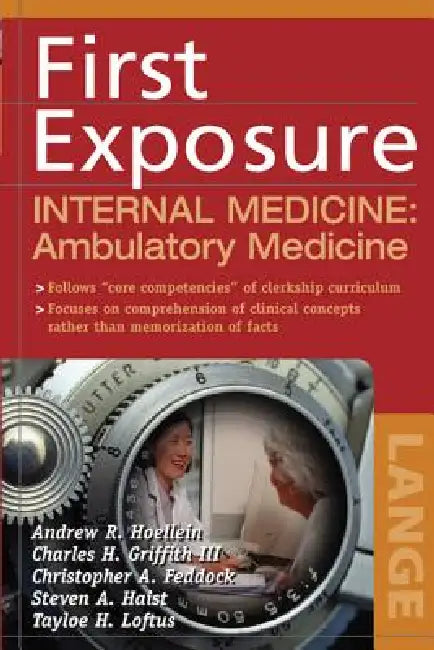
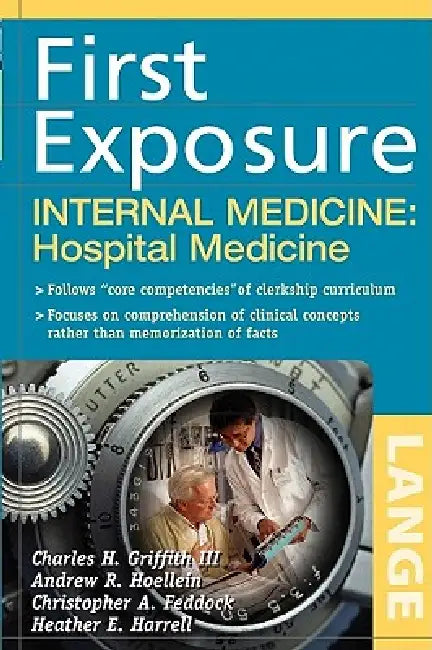
First Exposure to Internal Medicine | by Andrew R. Hoellein | Charles H. Griffith | McGraw Hill / Medical | by Andrew R. Hoellein | Charles H. Griffith | McGraw Hill / Medical | by Andrew R. Hoellein | Charles H. Griffith | McGraw Hill / Medical | by Andrew R. Hoellein | Charles H. Griffith | McGraw Hill / Medical | by Andrew R. Hoellein | Charles H. Griffith | McGraw Hill / Medical | by Andrew R. Hoellein | Charles H. Griffith | McGraw Hill / Medical | by Andrew R. Hoellein | Charles H. Griffit
Medicine & Health Sciences
First Exposure to Internal Medicine | by Charles H. Griffith | Andrew R. Hoellein | McGraw Hill / Medical | by Charles H. Griffith | Andrew R. Hoellein | McGraw Hill / Medical | by Charles H. Griffith | Andrew R. Hoellein | McGraw Hill / Medical | by Charles H. Griffith | Andrew R. Hoellein | McGraw Hill / Medical | by Charles H. Griffith | Andrew R. Hoellein | McGraw Hill / Medical | by Charles H. Griffith | Andrew R. Hoellein | McGraw Hill / Medical | by Charles H. Griffith | Andrew R. Hoellei
Medicine & Health Sciences