
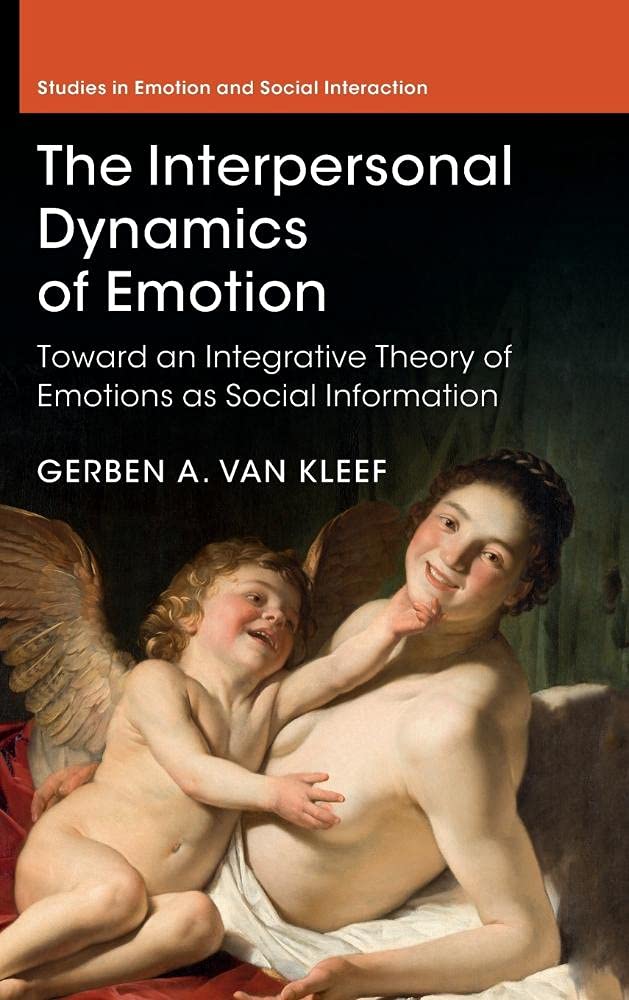
The Interpersonal Dynamics of Emotion: How Emotional Expressions Influence Others – A Comprehensive Book by Gerben A. Va
Inclusive of all applicable taxes. FREE shipping on all orders.
Available Offers
- 🚚Free Delivery — Free shipping on all orders
- 💵Cash on Delivery — Pay when your order arrives
- ↩️15-Day Easy Returns — Hassle-free return policy
- 🔒Cash on Delivery — Pay safely when your order arrives
Check Delivery
Product Description
Introduction
Have you ever wondered why a smile from a friend can lift your mood, or why a frown from a colleague can change your entire approach to a task? Emotions are not just private experiences—they are powerful social signals that shape how we connect, negotiate, lead, and even fall in love. In this groundbreaking work, Gerben A. Van Kleef takes us beyond the traditional view of emotions as internal feelings and reveals their profound interpersonal influence. This book is a must-read for anyone curious about the hidden forces that govern our daily interactions, from students of psychology to managers, counsellors, and every thoughtful reader who wants to understand the social dance of emotions.
Book Overview
The Interpersonal Dynamics of Emotion presents a bold new perspective on why we have emotions and how they function in social contexts. Moving away from the classic intrapersonal approach—which focuses on how emotions affect the individual who feels them—Van Kleef introduces the Emotions as Social Information (EASI) theory. This comprehensive framework explains how our emotional expressions influence the thoughts, feelings, and behaviours of those around us. Drawing on decades of research, the book shows that emotions are not just personal reactions but are evolved tools for social influence. Whether in close relationships, group settings, conflict resolution, customer service, or leadership, our emotional displays serve as powerful signals that shape the dynamics of every interaction.
Key Highlights
- First of its kind: The first book dedicated exclusively to the interpersonal dynamics of emotion, offering a fresh lens on a classic topic.
- EASI theory explained: A comprehensive, research-backed framework that integrates decades of findings into one cohesive model.
- Real-world relevance: Applies insights to diverse domains including relationships, teamwork, negotiation, customer service, and leadership.
- Deeply social perspective: Challenges the individualistic view of emotions and reveals their evolutionary purpose as social signals.
- Rigorous yet accessible: Scholarly depth with clear writing suitable for students, professionals, and curious readers.
Inside the Book
Van Kleef takes you on an intellectual journey through the social life of emotions. The book begins by questioning the traditional intrapersonal paradigm and laying the groundwork for the EASI theory. Subsequent chapters explore how emotional expressions influence observers through two primary pathways: affective reactions (how others feel in response) and inferential processes (what others deduce from the emotion). You will discover how anger can elicit cooperation or conflict, how happiness fosters trust, and how sadness can trigger helping behaviour. The book also examines moderating factors such as power, culture, and relationship closeness, making it a nuanced guide to understanding emotional influence in any context.
Key Topics
- Emotions as social signals versus internal states
- The EASI theory: Affective and inferential pathways
- Emotional expressions in close relationships
- Emotions in group dynamics and team performance
- Conflict, negotiation, and emotional strategy
- Customer service and emotional labour
- Leadership and follower emotions
- Cultural and contextual moderators of emotional influence
Reader Benefits
- Deepen your understanding of why people react emotionally in social situations and how you can navigate these interactions more effectively.
- Enhance your professional skills in leadership, negotiation, customer service, and team management by learning to read and respond to emotional cues.
- Improve personal relationships by recognising how your own emotional expressions affect loved ones and colleagues.
- Gain a research-backed framework that you can apply to everyday life, from the boardroom to the dinner table.
- Stay ahead in your field with cutting-edge insights that bridge psychology, sociology, and organisational behaviour.
Learning Outcomes
- Explain the core principles of the EASI theory and how it differs from traditional intrapersonal models of emotion.
- Identify the two main pathways—affective and inferential—through which emotional expressions influence others.
- Analyse real-world scenarios such as workplace conflicts, customer complaints, and family disagreements using the EASI framework.
- Evaluate the role of power, culture, and context in shaping the impact of emotional displays.
- Apply interpersonal emotion dynamics to improve communication, collaboration, and leadership effectiveness.
Who Should Read
This book is ideal for students and researchers in psychology, sociology, organisational behaviour, and communication studies. It is equally valuable for professionals such as managers, HR specialists, counsellors, negotiators, and customer service leaders who want to harness the power of emotional dynamics. If you are a curious reader fascinated by human behaviour and the subtle ways we influence one another, this book will open your eyes to a new dimension of social life. Indian readers, especially those in diverse workplaces and family structures, will find the insights particularly relevant to navigating the rich emotional landscapes of our culture.
About the Author
Gerben A. Van Kleef is a professor of social psychology at the University of Amsterdam, where he leads the Social Influence and Emotion Lab. His pioneering research on the interpersonal effects of emotions has been published in top-tier journals and has earned him international recognition. He is the recipient of multiple awards, including the Early Career Award from the International Society for Research on Emotion. Van Kleef's work bridges basic science and practical application, making him a leading voice in understanding how emotions shape our social world.
About the Publisher
Cambridge University Press is a world-renowned academic publisher with a history spanning over 400 years. Known for its rigorous editorial standards and commitment to scholarly excellence, Cambridge University Press publishes works that advance knowledge across disciplines. This book is part of their prestigious catalogue in psychology and behavioural science, ensuring that readers receive authoritative, well-researched content. For Indian readers, Cambridge University Press offers a trusted gateway to global academic insights.
Conclusion
The Interpersonal Dynamics of Emotion is not just another book on feelings—it is a paradigm shift that redefines the very purpose of emotions. By showing that our emotional expressions are powerful social tools, Gerben A. Van Kleef gives us a new lens to understand ourselves and others. Whether you are a student, a professional, or simply a human being navigating relationships, this book will change how you see every smile, frown, and tear. Add this transformative work to your library and discover the hidden social power of emotion.
Quick Summary
The Interpersonal Dynamics of Emotion by Gerben A. Van Kleef is a landmark book that shifts the focus from how we feel emotions to how our emotional expressions affect others. It introduces the Emotions as Social Information (EASI) theory, a comprehensive framework that explains why and when emotional expressions influence observers in various domains—from close relationships and group dynamics to negotiation, conflict, customer service, and leadership. This book is ideal for psychology students, researchers, management professionals, and anyone curious about the social power of emotions. Readers will learn how emotions serve as social signals, shaping interactions and outcomes. By integrating decades of research, Van Kleef provides a clear, evidence-based understanding of interpersonal emotion dynamics. Buying from Bookshops.in ensures you receive a genuine physical copy from a trusted Indian bookstore, with reliable delivery and customer support. Whether you are preparing for exams, enhancing your professional skills, or pursuing personal growth, this book offers valuable insights into the hidden forces that drive human connection.
Book Highlights
Book Specifications
| ISBN-13 | 9781107048249 |
| ISBN-10 | 1107048249 |
| Publisher | Cambridge English |
| Language | English |
| Dimensions | 15.88 x 1.91 x 22.86 cm |
| Weight | 620 g |
| Country | India |
| Category | Arts, Design and Education Exams › Arts Entrance Exams |
| Genre | Nonfiction |
| Original Language | English |
Frequently Asked Questions
What is The Interpersonal Dynamics of Emotion about?
Who is the author of this book?
What is the EASI theory?
Is this book suitable for Indian readers?
What topics does the book cover?
Who should read this book?
Is this book based on research?
What format is this book?
Can I use this book for a course?
Does the book include practical examples?
What makes this book unique?
Is the book available in Indian rupees?
Readers Also Search For
Customers Also Bought

Related Products
View All
Exam Preparation
American Literature in Transition, 1970–1980
Exam Preparation
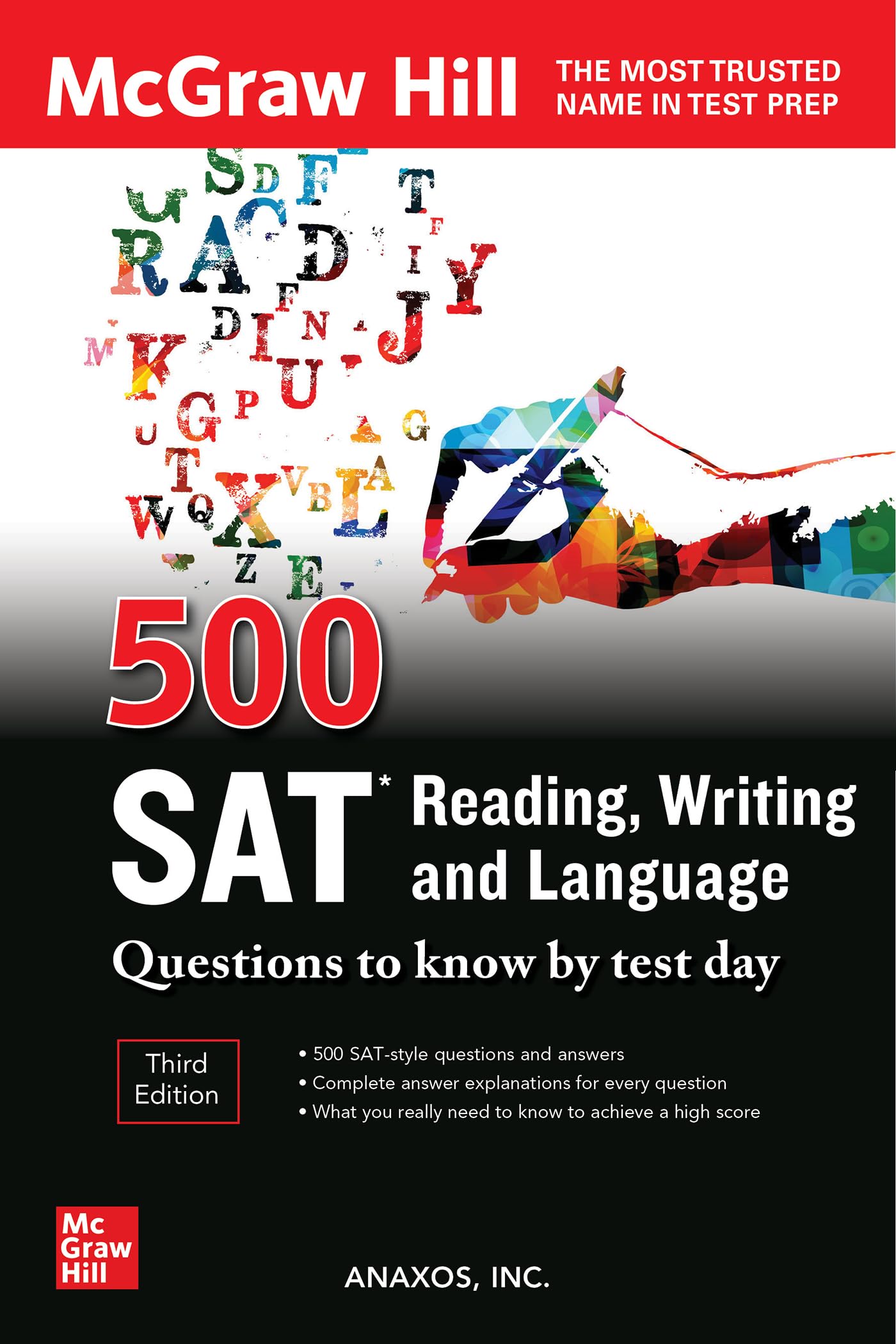
500 SAT Reading, Writing and Language Questions to Know by Test Day by Inc Anaxos
Exam Preparation
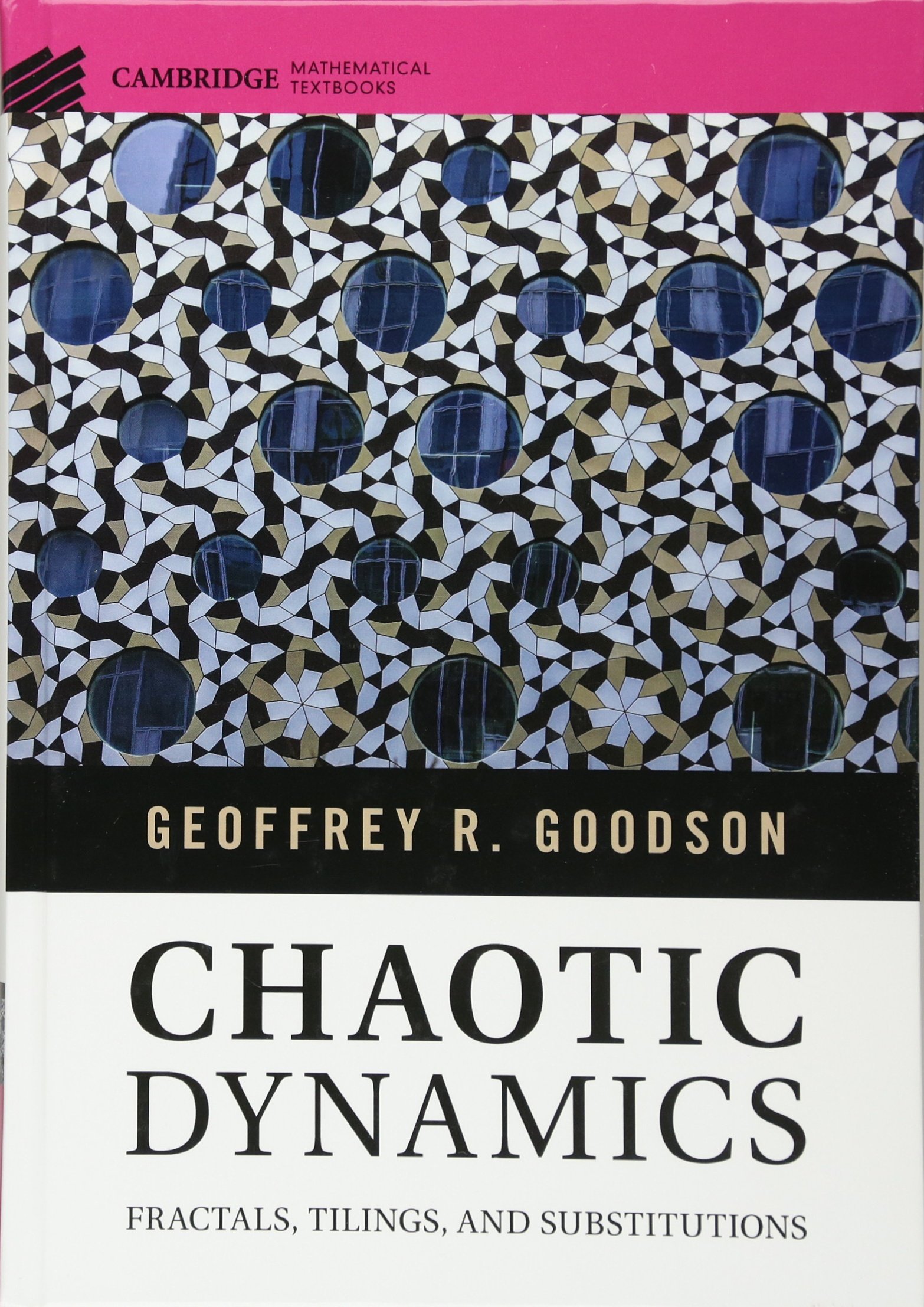
Chaotic Dynamics by Geoffrey R. Goodson – Dynamical Systems
Exam Preparation
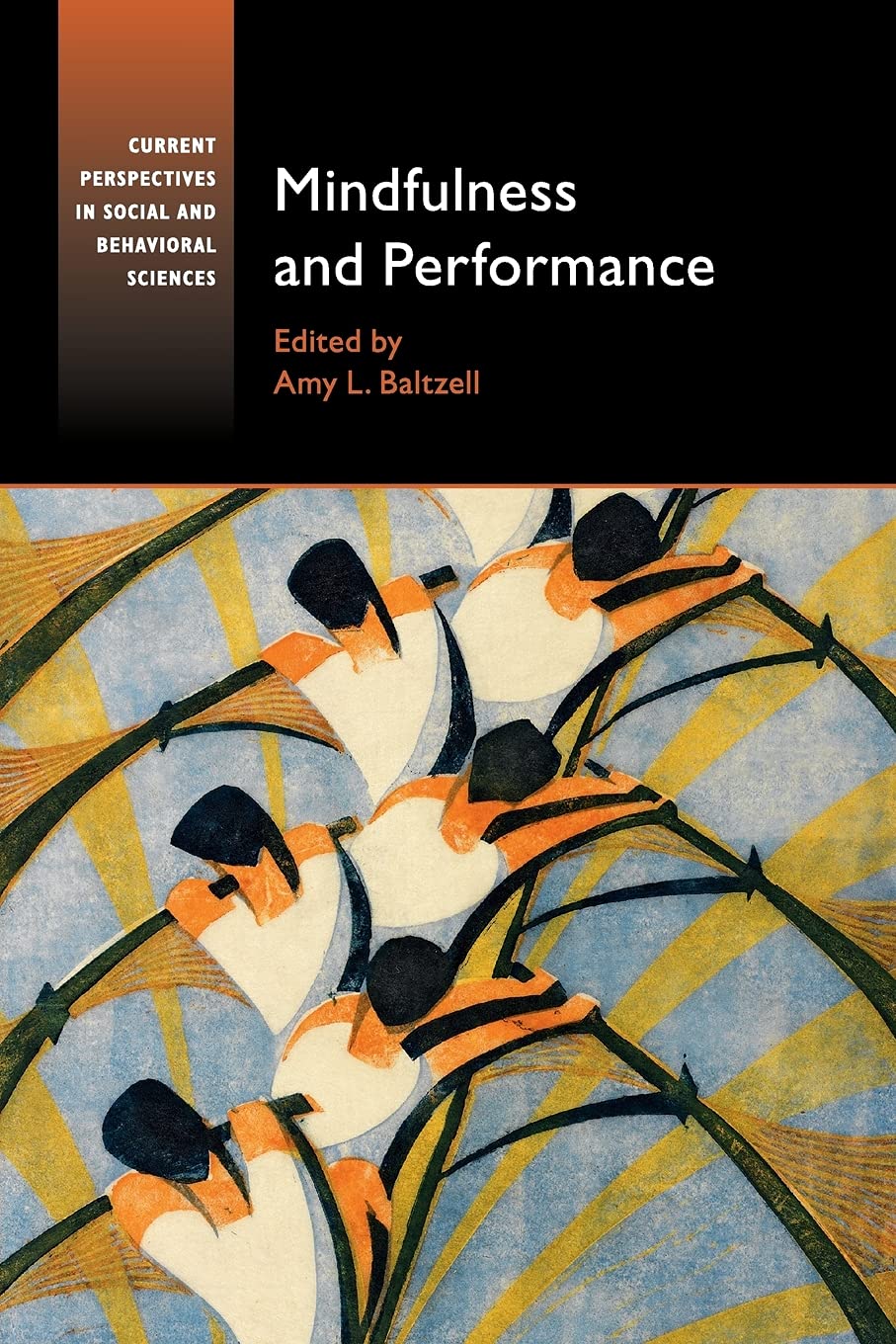
Mindfulness and Performance by Amy L. Baltzell – Performance Psychology

Exam Preparation
Probability on Real Lie Algebras

Exam Preparation