
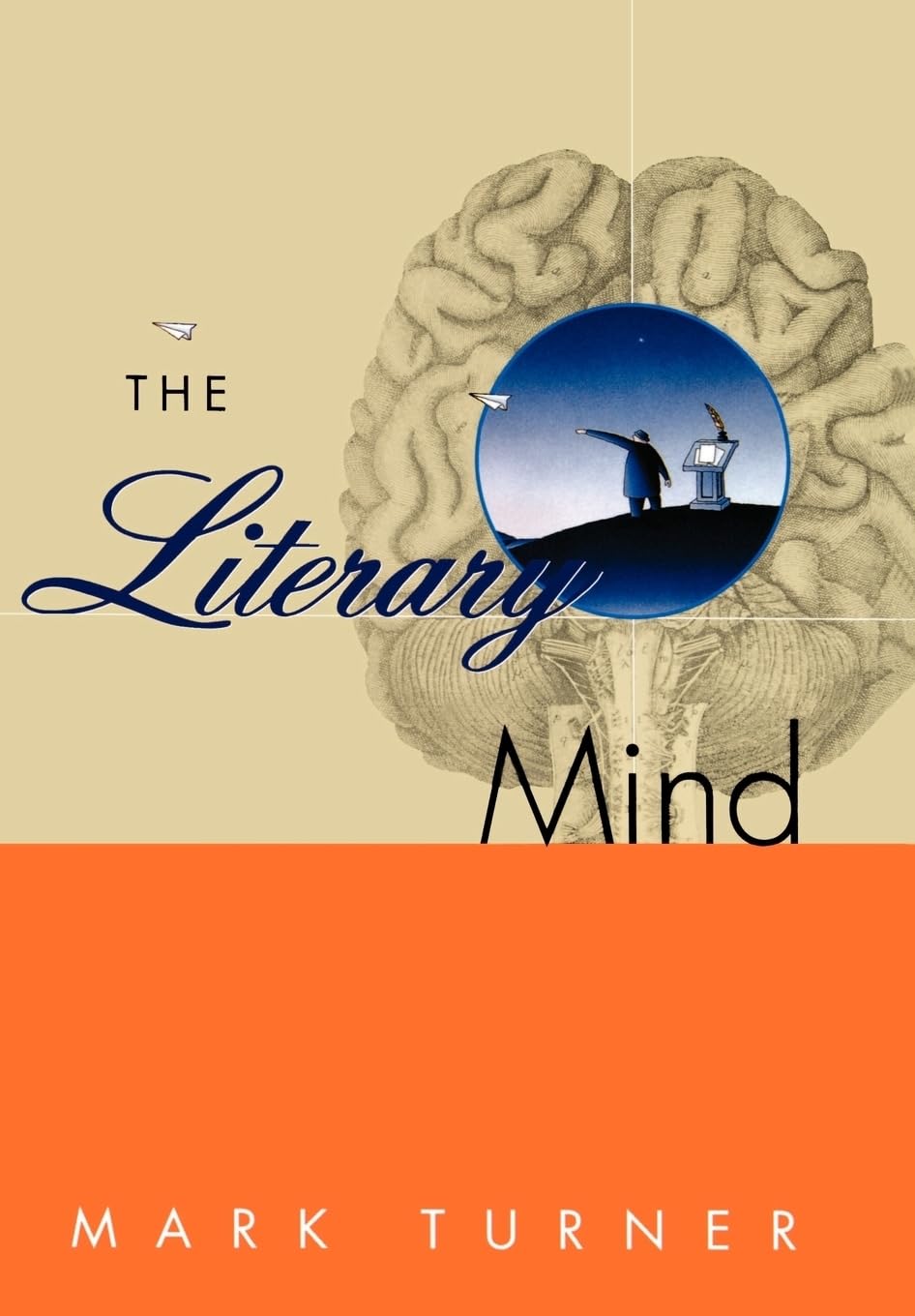
The Literary Mind: The Origins of Thought and Language by Mark Turner – A Deep Dive into Cognitive Storytelling
Inclusive of all applicable taxes. FREE shipping on all orders.
Available Offers
- 🚚Free Delivery — Free shipping on all orders
- 💵Cash on Delivery — Pay when your order arrives
- ↩️15-Day Easy Returns — Hassle-free return policy
- 🔒Cash on Delivery — Pay safely when your order arrives
Check Delivery
Product Description
Introduction
In the vast landscape of human cognition, few works dare to challenge the very foundations of how we think. Mark Turner's The Literary Mind: The Origins of Thought and Language is a groundbreaking exploration that redefines the relationship between literature, language, and the everyday workings of the human mind. For Indian readers and students of cognitive science, linguistics, or literary theory, this book offers a radical new perspective: that storytelling and parable are not mere entertainments but the very fabric of human reason. Published by Oxford University Press, this hardcover edition is an essential addition to any serious reader's library.
Book Overview
Turner presents a compelling argument that the literary mind—the mind that creates stories, metaphors, and parables—is not a peripheral luxury but the core engine of thought and language. Drawing on insights from cognitive science, anthropology, and literary analysis, he demonstrates how narrative structures shape our understanding of time, causality, identity, and morality. The book systematically dismantles the conventional divide between 'literary' and 'everyday' thinking, showing that even the most mundane reasoning relies on the same cognitive processes that give us epic tales and fables. From the parables of the Buddha to the stories we tell ourselves about our daily lives, Turner reveals the universal architecture of the human mind.
Key Highlights
- Revolutionary Thesis: Argues that story and parable are the foundational principles of human cognition, not optional extras.
- Interdisciplinary Approach: Merges cognitive science, linguistics, literary theory, and anthropology into a cohesive framework.
- Accessible Yet Profound: Written in a style that engages both specialists and curious general readers, with vivid examples from world literature.
- Global Perspective: Includes references to Indian storytelling traditions, making it particularly resonant for readers familiar with the subcontinent's narrative heritage.
- Rigorous Scholarship: Backed by decades of research from one of the leading figures in cognitive poetics and conceptual blending theory.
Story Themes
The book explores how narrative themes such as journey, transformation, conflict, and resolution are not just literary devices but fundamental patterns through which we interpret reality. Turner shows how the human mind uses small spatial stories—like a container, a path, or a force—to build complex social and abstract concepts. The theme of parable, or the projection of one story onto another, is central: it is how we make sense of new experiences by mapping them onto familiar tales. For Indian readers, this resonates deeply with the rich traditions of the Panchatantra, Jataka tales, and the Mahabharata, where parables carry moral and philosophical weight. Turner argues that this cognitive process is not culturally specific but universal, underlying everything from scientific discovery to religious belief.
Reader Benefits
- Deepen Your Understanding of Cognition: Gain insight into how your own mind constructs meaning through stories, enhancing your critical thinking and creativity.
- Bridge Literature and Science: See how literary analysis and cognitive science can inform each other, offering a richer appreciation of both fields.
- Improve Communication Skills: Learn how narrative structures influence persuasion, teaching, and everyday conversation—valuable for students, writers, and professionals.
- Cultural Enrichment: Discover parallels between Western and Indian narrative traditions, fostering a deeper connection to your own literary heritage.
- Academic Edge: Essential reading for courses in cognitive linguistics, narrative theory, philosophy of mind, and Indian literature studies.
Who Should Read
This book is ideal for undergraduate and postgraduate students of literature, linguistics, psychology, and philosophy in Indian universities. It is also a must-read for writers, poets, and storytellers who wish to understand the cognitive roots of their craft. Teachers and educators will find it invaluable for designing curricula that integrate humanities and sciences. General readers with an interest in how the mind works—especially those who love exploring the stories behind our thoughts—will be captivated by Turner's lucid prose and revolutionary ideas. If you have ever wondered why we are drawn to myths, films, or even gossip, this book provides the answers.
About the Author
Mark Turner is a Distinguished University Professor in cognitive science, linguistics, and English at Case Western Reserve University. He is a pioneer in the field of cognitive poetics and conceptual blending, having co-authored seminal works such as The Way We Think: Conceptual Blending and the Mind's Hidden Complexities. His research has profoundly influenced how scholars understand the intersection of language, thought, and creativity. Turner's work is widely cited across disciplines, and he is known for making complex cognitive theories accessible to a broad audience.
About the Publisher
Oxford University Press (OUP) is one of the oldest and most respected academic publishers in the world, with a strong presence in India. OUP India is committed to publishing high-quality scholarly and educational books that cater to the diverse needs of students, researchers, and general readers. This hardcover edition of The Literary Mind reflects OUP's tradition of excellence in binding, typography, and editorial rigor, ensuring that you receive a durable and beautifully produced volume.
Conclusion
The Literary Mind: The Origins of Thought and Language is not just a book; it is an invitation to rethink what it means to be human. Mark Turner's daring thesis—that the literary mind is the mind itself—will challenge your assumptions and expand your intellectual horizons. Whether you are a student in Delhi, a professor in Chennai, or a curious reader in Mumbai, this book will transform how you view stories, language, and your own thoughts. Order your copy from Bookshops.in today and embark on a journey into the very origins of meaning.
Quick Summary
The Literary Mind: The Origins of Thought and Language by Mark Turner is a groundbreaking work that redefines our understanding of human cognition. Turner argues that literary thinking—the ability to create and understand stories and parables—is not a specialized or peripheral activity but the very foundation of thought and language. Drawing on examples from Aesop's Fables, The Thousand and One Nights, and everyday life, he demonstrates how narrative structures shape our reasoning, memory, and communication. This book is essential for students and researchers in cognitive science, linguistics, literary theory, and psychology, as well as any curious reader who wants to understand the cognitive roots of storytelling. By reading this book, you will gain insights into how the mind constructs meaning through story, how language emerges from narrative, and why parable is a fundamental cognitive operation. Published by Oxford University Press in a durable hardcover edition, this is a must-have for Indian readers interested in the intersection of mind, language, and literature. Order your copy from Bookshops.in today and explore the literary mind that makes us human.
Book Highlights
Book Specifications
| ISBN-13 | 9780195104110 |
| ISBN-10 | 0195104110 |
| Publisher | OUP USA |
| Language | English |
| Dimensions | 23.83 x 16.05 x 1.85 cm |
| Weight | 476 g |
| Category | Literature › Literary Theory |
| Genre | Non-fiction |
| Original Language | English |
Frequently Asked Questions
What is The Literary Mind about?
Who is Mark Turner?
Is this book suitable for beginners in cognitive science?
What makes this book different from other books on language origins?
Does the book include examples from Indian literature?
Is this a textbook or a popular science book?
Can I use this book for my university coursework in India?
What is the price of the book on Bookshops.in?
Is the book available in other languages?
Does the book have an index and bibliography?
What is the reading level required?
How does this book relate to cognitive poetics?
Why should I buy this book from Bookshops.in?
Readers Also Search For
Customers Also Bought
Contemporary Fiction
Stepladder Junction and Other Stories

Contemporary Fiction
Fabrications by Pamela Painter – Short Story Collection

Contemporary Fiction
The Double Life of an Alaskan Sled Dog (English, Andrea Finney Aufder Heyde)

Contemporary Fiction
The Alabaster Girl by Zan Perrion

Contemporary Fiction
Grimm and Grimmer: Classic Fairy Tales Rebooted by Mark Russell
Classic Literature
The Prose Works of Andrew Marvell: 1676-1678 by Andrew Marvell – Restoration Literature
Related Products
View All
Literature & Fiction
Shakespeare, Madness, and Music: Scoring Insanity in Cinematic Adaptations
Literature & Fiction
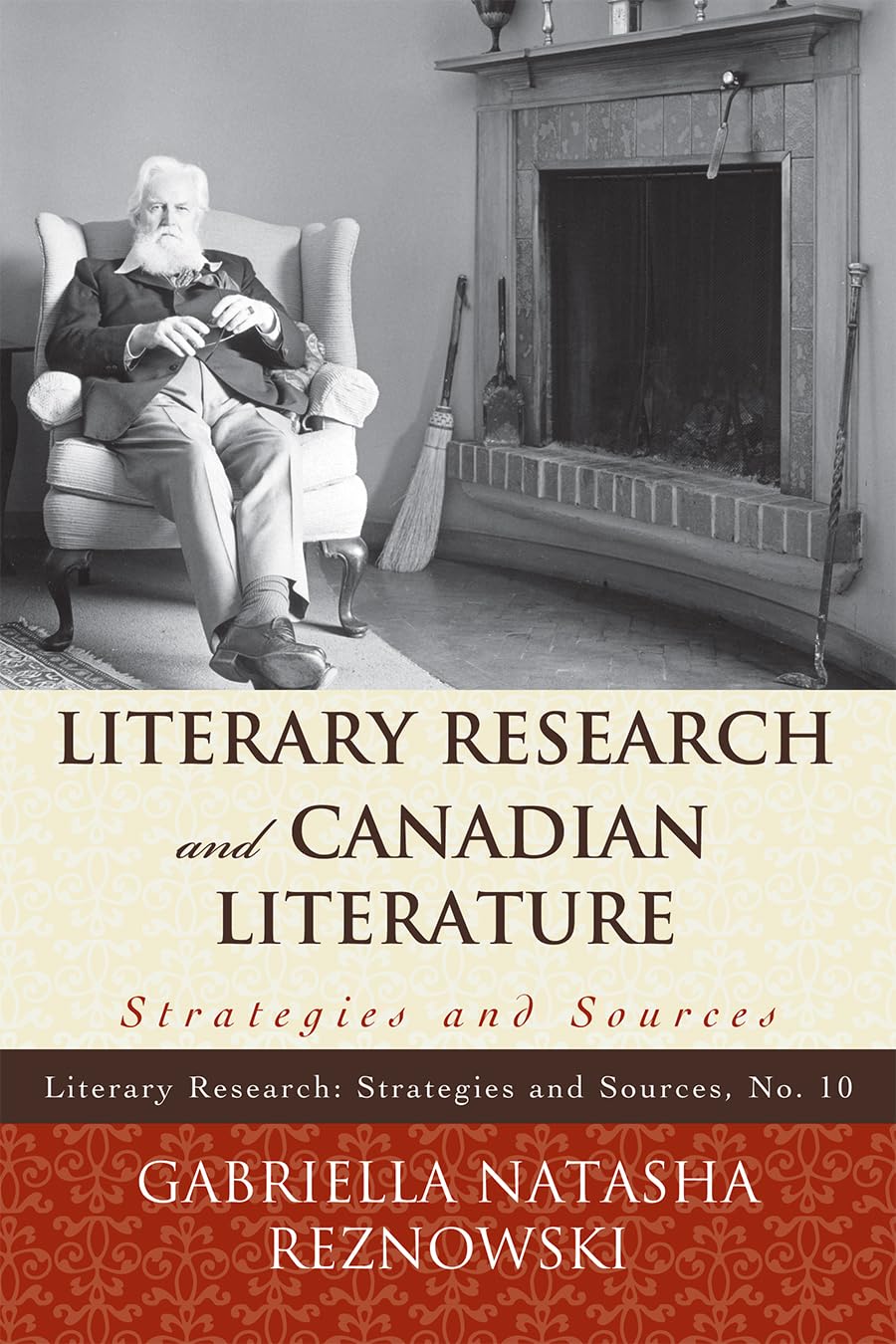
Literary Research and Canadian Literature: Strategies and Sources: 10 (Literary Research: Strategies and Sources, 10)

Literature & Fiction
Crime Fiction and National Identities in the Global Age | by Julie H. Kim | McFarland & Company | by Julie H. Kim | McFarland & Company | by Julie H. Kim | McFarland & Company | by Julie H. Kim | McFarland & Company | by Julie H. Kim | McFarland & Company | by Julie H. Kim | McFarland & Company | by Julie H. Kim | McFarland & Company | by Julie H. Kim | McFarland & Company | by Julie H. Kim | McFarland & Company | by Julie H. Kim | McFarland & Company | by
Literature & Fiction
Greek Literature in the Classical Period: The Poetics of Drama in Athens: 4 (Greek Literature Vol. 4)
Literature & Fiction
Greek Literature and Philosophy (Greek Literature, Volume 6)
Literature & Fiction