
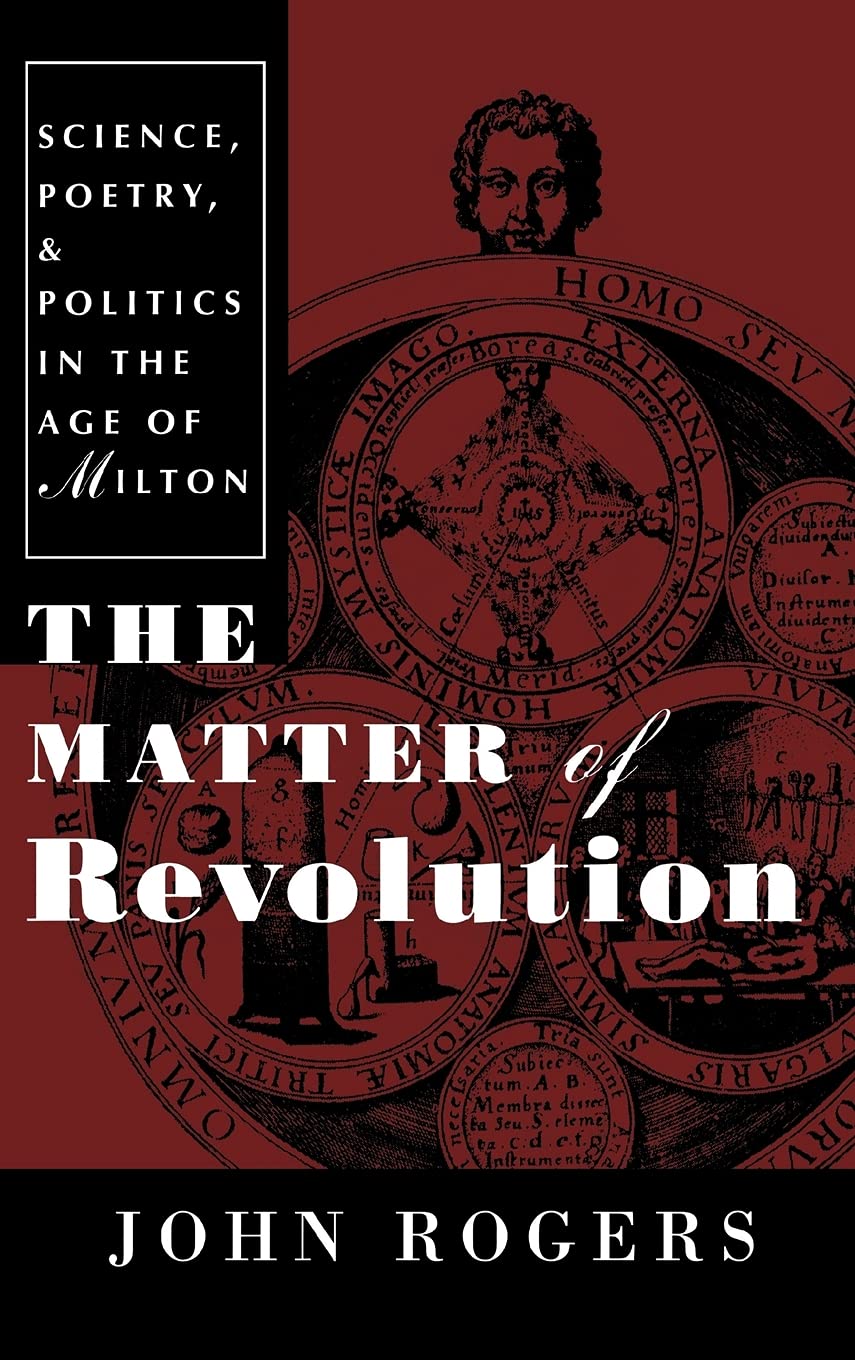
The Matter of Revolution: Science, Poetry, and Politics in the Age of Milton by John Rogers – A Deep Dive into 17th-Cent
Inclusive of all applicable taxes. FREE shipping on all orders.
Available Offers
- 🚚Free Delivery — Free shipping on all orders
- 💵Cash on Delivery — Pay when your order arrives
- ↩️15-Day Easy Returns — Hassle-free return policy
- 🔒Cash on Delivery — Pay safely when your order arrives
Check Delivery
Product Description
Introduction
In the turbulent landscape of seventeenth-century England, where civil war reshaped the nation and scientific inquiry began to challenge age-old beliefs, a remarkable intellectual alliance emerged. The Matter of Revolution: Science, Poetry, and Politics in the Age of Milton by John Rogers offers a groundbreaking exploration of how the English Revolution and the Scientific Revolution converged in ways that transformed literature, philosophy, and political thought. This hardcover volume from Cornell University Press is an essential addition to the libraries of Indian students, scholars, and curious readers who seek to understand the deep connections between motion, matter, and political action.
Book Overview
John Rogers investigates a fascinating cultural phenomenon: the effort to link physical motion with political action during one of history's most volatile periods. Focusing on the Civil Wars, the Interregnum, and the early Stuart Restoration, the book examines how poets, scientists, and political thinkers imagined a world where the movement of bodies—both celestial and human—carried profound ideological weight. Rogers argues that this seemingly outlandish belief had lasting consequences for English literature and the development of modern science.
Key Highlights
- Interdisciplinary Approach: Bridges the gap between literary studies, history of science, and political theory.
- Focus on John Milton: Offers fresh insights into Milton's poetry and prose within the context of revolutionary science.
- Original Research: Draws on rare primary sources from the seventeenth century, including scientific treatises and political pamphlets.
- Critical Analysis: Examines how concepts like vitalism, mechanism, and materialism shaped debates about liberty and authority.
- Scholarly yet Accessible: Written for both academic readers and intellectually curious non-specialists.
Inside the Book
The book is structured around key figures and texts, including the works of John Milton, Andrew Marvell, and Margaret Cavendish, alongside lesser-known writers. Rogers unpacks the idea that matter itself was thought to possess an inherent capacity for motion, and how this belief influenced arguments for political freedom. Chapters explore the poetry of Paradise Lost, the political writings of the Levellers, and the scientific experiments of the Royal Society. Each chapter reveals how the boundaries between science, poetry, and politics dissolved in this remarkable period.
Key Topics
- Vitalism vs. Mechanism: The philosophical debate over whether nature is alive and self-moving or a dead machine.
- Political Liberty: How ideas about physical motion were used to justify rebellion and republicanism.
- Poetic Form: The influence of scientific metaphors on the structure and imagery of seventeenth-century verse.
- Gender and Science: The role of women writers like Margaret Cavendish in challenging male-dominated scientific discourse.
- Restoration Politics: The backlash against revolutionary science after the return of the monarchy.
Reader Benefits
- Deepen Your Understanding: Gain a nuanced perspective on the intellectual origins of modern science and democracy.
- Enhance Literary Appreciation: Unlock hidden meanings in Milton's epic poetry and other canonical texts.
- Connect Past and Present: See how debates about matter, motion, and freedom echo in contemporary discussions about science and politics.
- Build Critical Thinking: Learn to analyze how ideas travel between disciplines and shape history.
Learning Outcomes
By reading The Matter of Revolution, you will be able to identify the key philosophical and scientific concepts that animated seventeenth-century England. You will understand how literary texts can serve as sites of political and scientific debate. You will also develop the ability to trace the influence of materialist thought on later intellectual movements, including the Enlightenment and Romanticism. This book equips you with the tools to critically examine the relationship between knowledge, power, and creativity.
Who Should Read
- Literature Students: Especially those studying Milton, Renaissance poetry, or seventeenth-century prose.
- History Scholars: Anyone interested in the English Revolution, the Scientific Revolution, or early modern intellectual history.
- Philosophy Enthusiasts: Readers curious about the history of materialism, vitalism, and political theory.
- Science Communicators: Those who want to understand the cultural roots of modern scientific thinking.
- Indian Academics: Faculty and postgraduate students in English, history, or interdisciplinary programs.
About the Author
John Rogers is a distinguished scholar of seventeenth-century English literature and intellectual history. He has taught at Yale University and the University of Chicago, where his research focuses on the intersections of science, poetry, and politics. Rogers is known for his meticulous archival work and his ability to make complex ideas accessible without sacrificing depth. His writing has influenced a generation of scholars working on Milton and the early modern period.
About the Publisher
Cornell University Press is one of the oldest and most respected academic publishers in the United States. Founded in 1869, it has a long tradition of publishing innovative scholarship in the humanities and social sciences. The press is renowned for its rigorous editorial standards and its commitment to advancing knowledge. This hardcover edition reflects the high production values that Cornell brings to every title, making it a durable addition to any personal or institutional library.
Conclusion
The Matter of Revolution is a vital work for anyone seeking to understand the profound connections between science, poetry, and politics during a transformative era. John Rogers offers a compelling narrative that reveals how the movement of atoms and the movement of people were once thought to be inseparable. For Indian readers, this book provides a window into a pivotal moment in Western intellectual history, while also raising timeless questions about freedom, matter, and the power of ideas. Add this hardcover to your collection today and discover the revolutionary spirit that shaped the modern world.
Quick Summary
The Matter of Revolution: Science, Poetry, and Politics in the Age of Milton by John Rogers is a seminal academic work that investigates the extraordinary cultural alliance between the Scientific Revolution and the English political upheavals of the 17th century. Rogers examines how poets, philosophers, and political thinkers—especially John Milton—sought to establish a fundamental ontological link between physical motion and political action. The book covers the Civil Wars, the Interregnum, and the early Restoration, offering a fresh perspective on the intellectual history of the period. It is ideal for postgraduate students and scholars of English literature, early modern history, and the history of science. Readers will gain a deeper understanding of how scientific ideas like mechanism and vitalism influenced republican thought and poetic expression. This hardcover edition from Cornell University Press is a durable addition to any academic library. Order from Bookshops.in, India's premium online bookstore, for prompt delivery and excellent service.
Book Highlights
Book Specifications
| ISBN-13 | 9780801432385 |
| ISBN-10 | 0801432383 |
| Publisher | Cornell University Press |
| Language | English |
| Dimensions | 15.24 x 2.54 x 22.86 cm |
| Weight | 590 g |
| Country | India |
| Category | Literature › English Literature |
| Genre | Non-Fiction |
| Reading Age | Adult |
| Original Language | English |
Frequently Asked Questions
What is 'The Matter of Revolution' about?
Who is the author of this book?
Which period does the book cover?
Is this book suitable for undergraduate students?
Does the book discuss John Milton?
What is the main argument of the book?
Is this a literary criticism or history book?
What is the ISBN of this book?
What language is the book in?
What is the price in India?
What is the rating of this book?
Can I buy this book from Bookshops.in?
Readers Also Search For
Customers Also Bought
Mathematics
Stereotype Spaces and Algebras: 73 (De Gruyter Expositions in Mathematics, 73)
Mathematics
Semigroups in Algebra, Geometry and Analysis: 20 (De Gruyter Expositions in Mathematics, 20)
Mathematics
Geometry from the Pacific Rim: Proceedings of the Pacific Rim Geometry Conference held at National University of Singapore, Republic of Singapore, ... 1994 (De Gruyter Proceedings in Mathematics)
Mathematics
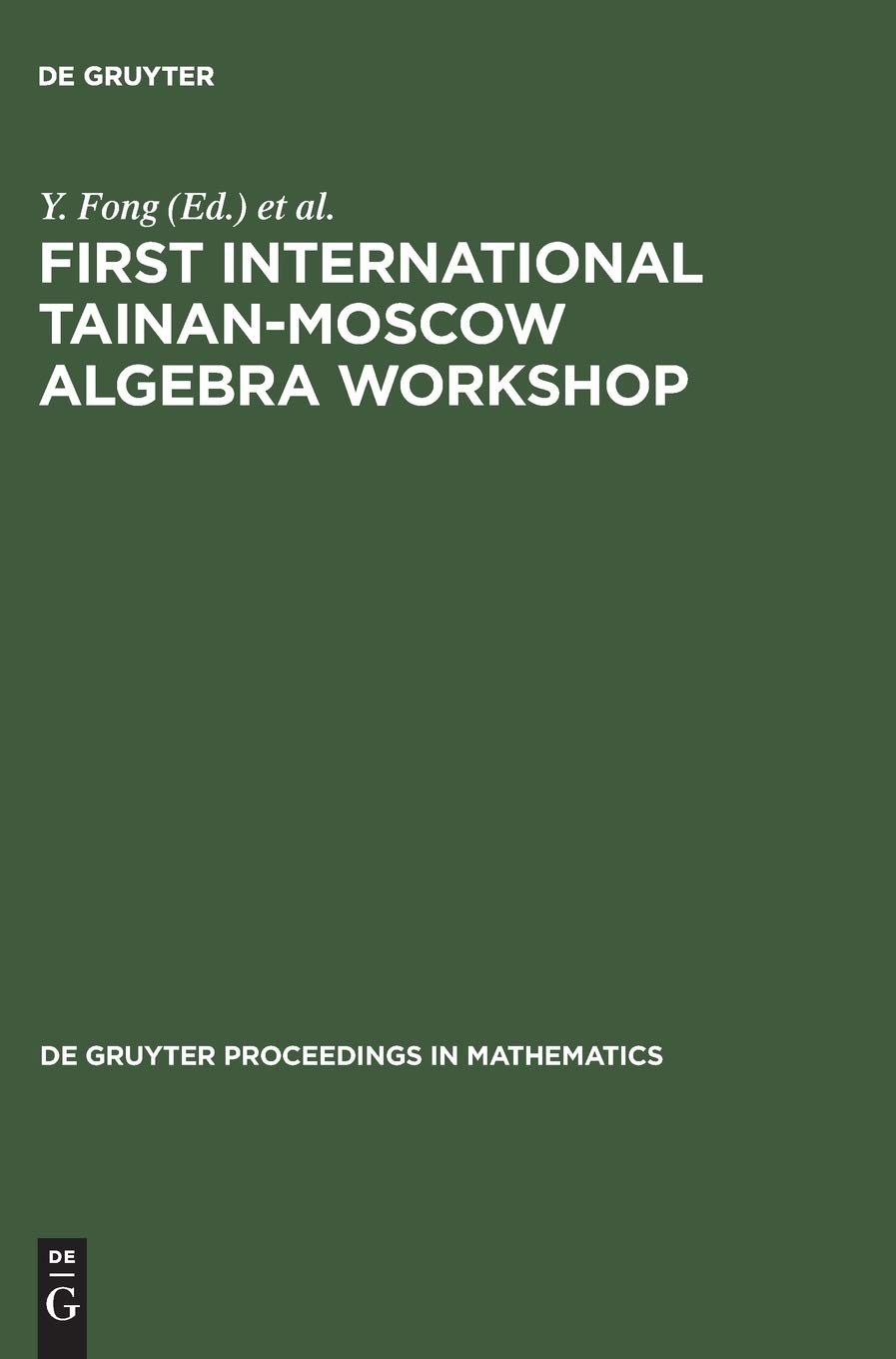
First International Tainan-Moscow Algebra Workshop: Proceedings of the International Conference held at National Cheng Kung University Tainan, Taiwan, ... 1994 (De Gruyter Proceedings in Mathematics)
Mathematics
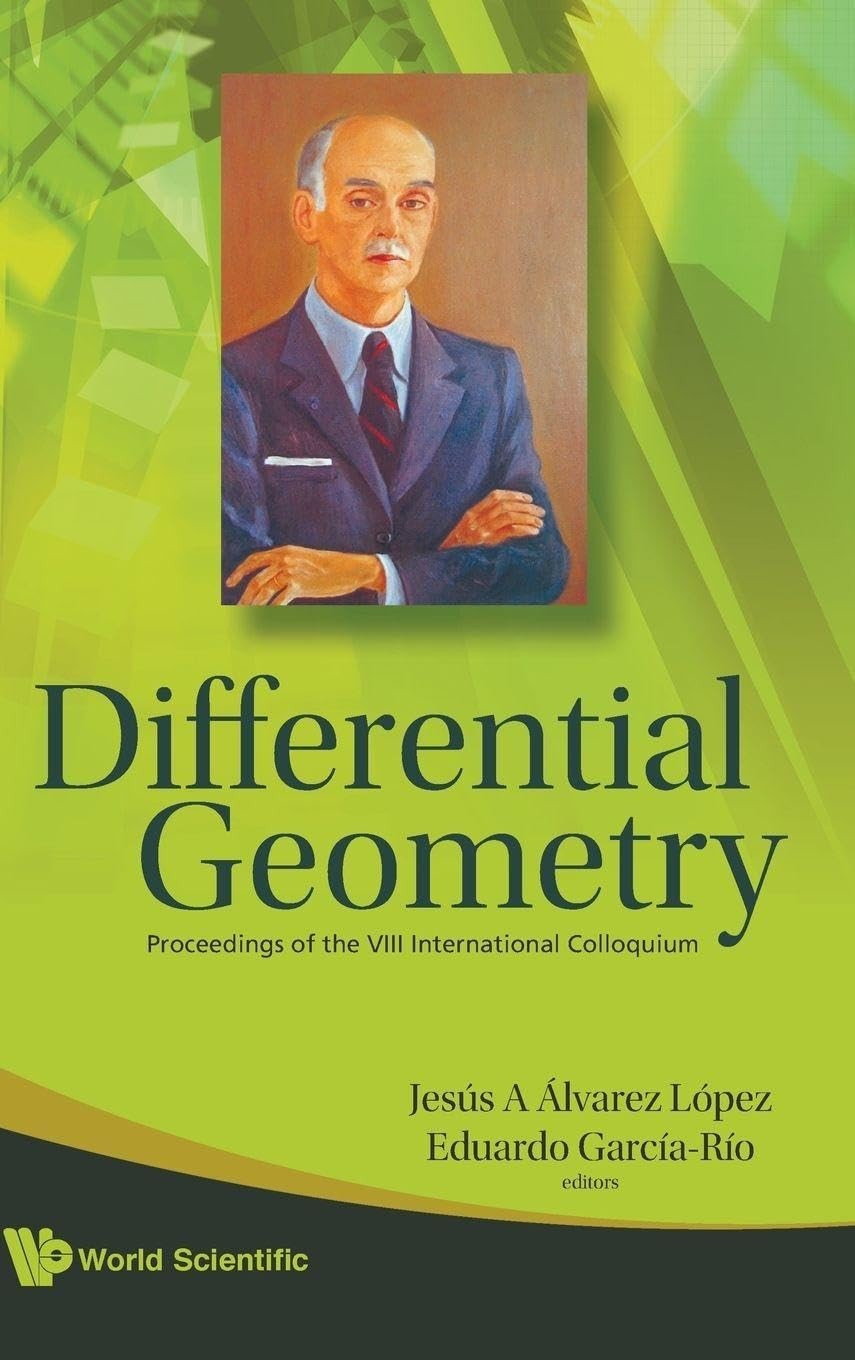
Differential Geometry - Proceedings of the VIII International Colloquium (English, Jesus A. Alvarez Lopez | Eduardo Garcia-Rio)
Mathematics
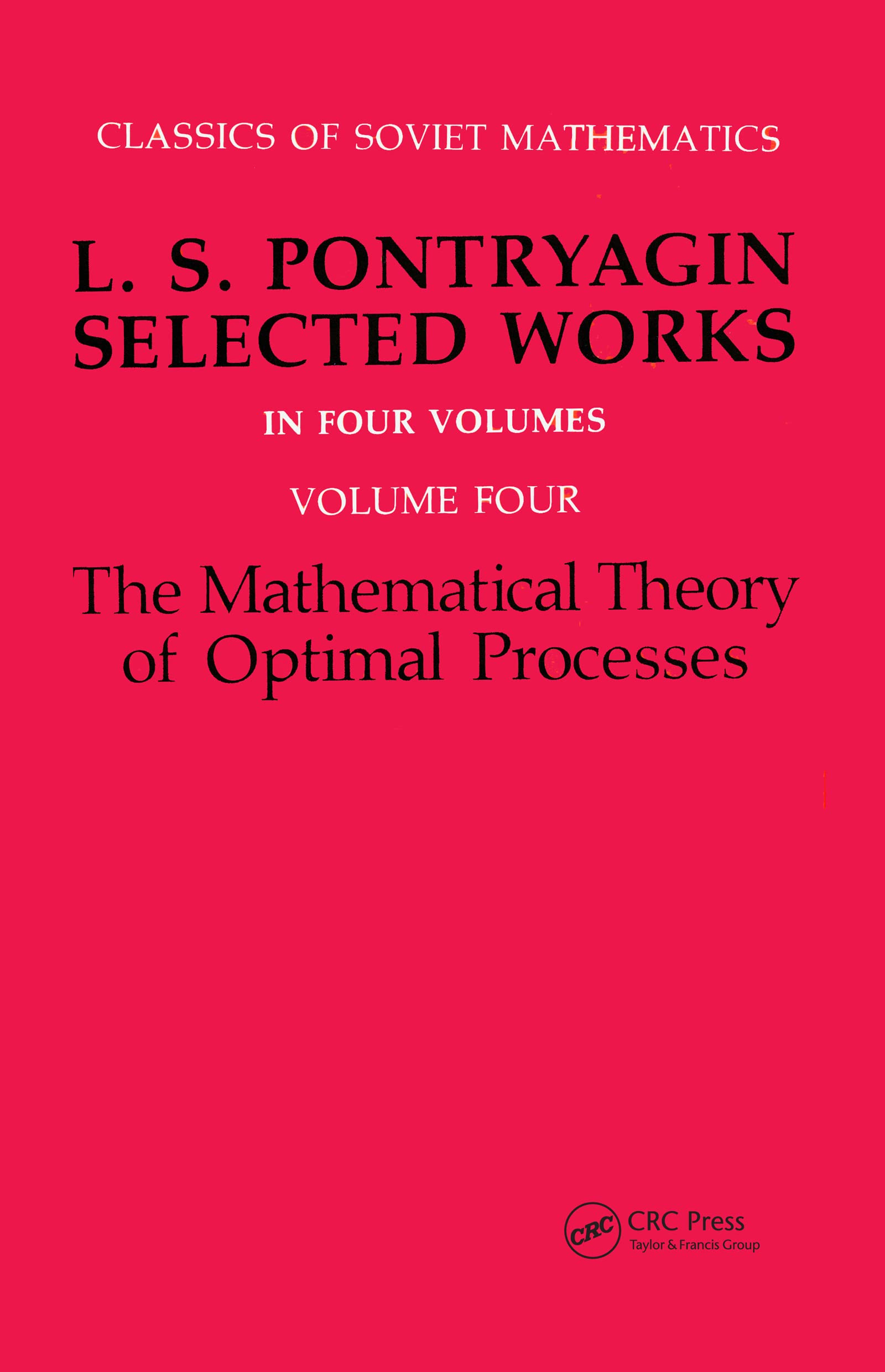
Mathematical Theory of Optimal Processes (Classics of Soviet Mathematics)
Related Products
View All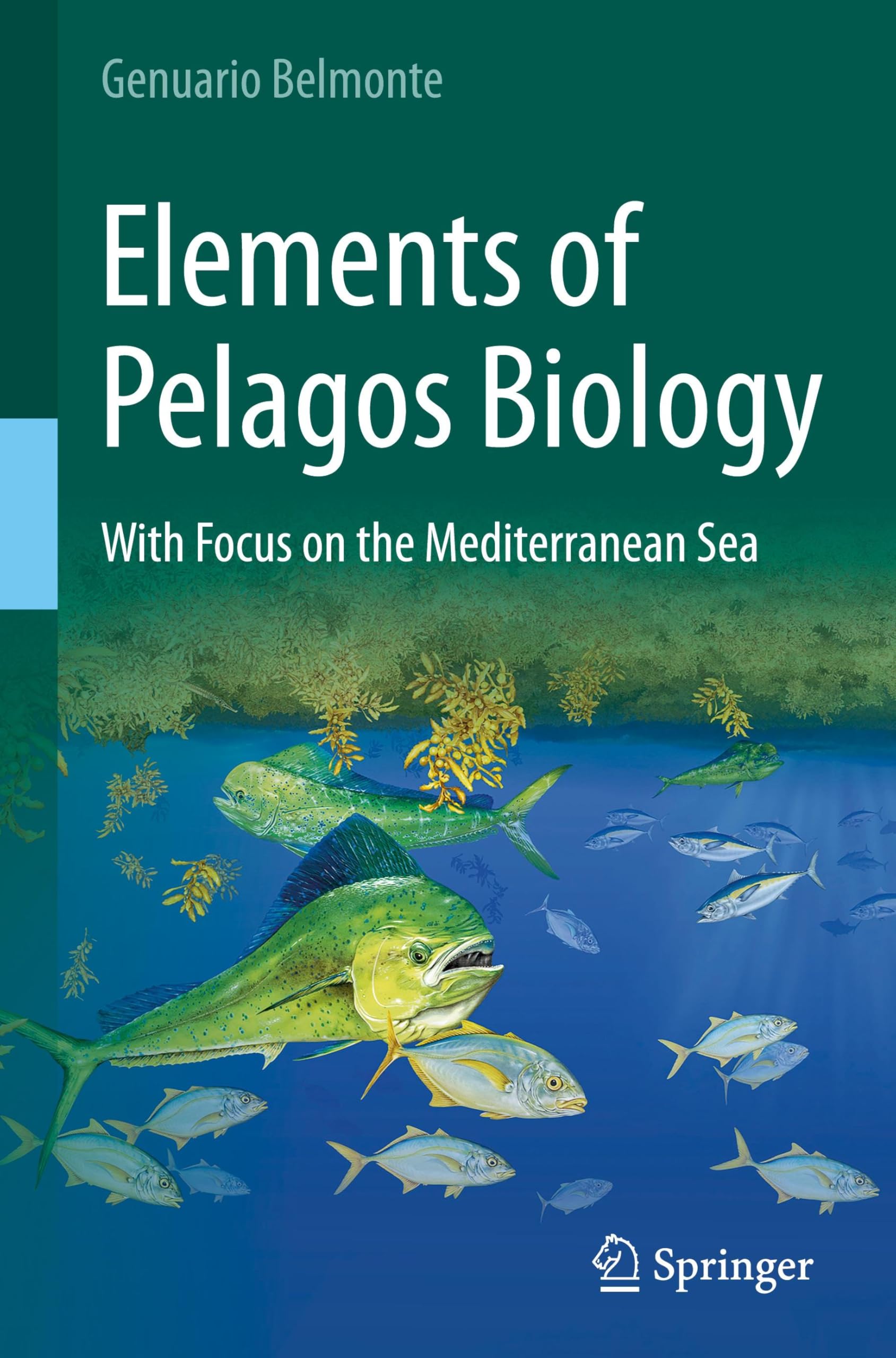
Science & Mathematics
Elements of Pelagos Biology: With Focus on the Mediterranean Sea
Science & Mathematics
Squid - Superconducting Quantum Interference Devices and Their Applications: Proceedings of the International Conference on Superconducting Quantum Devices, Berlin-west, October 4-8, 1976
Science & Mathematics
Thermodynamics and Pattern Formation in Biology
Science & Mathematics
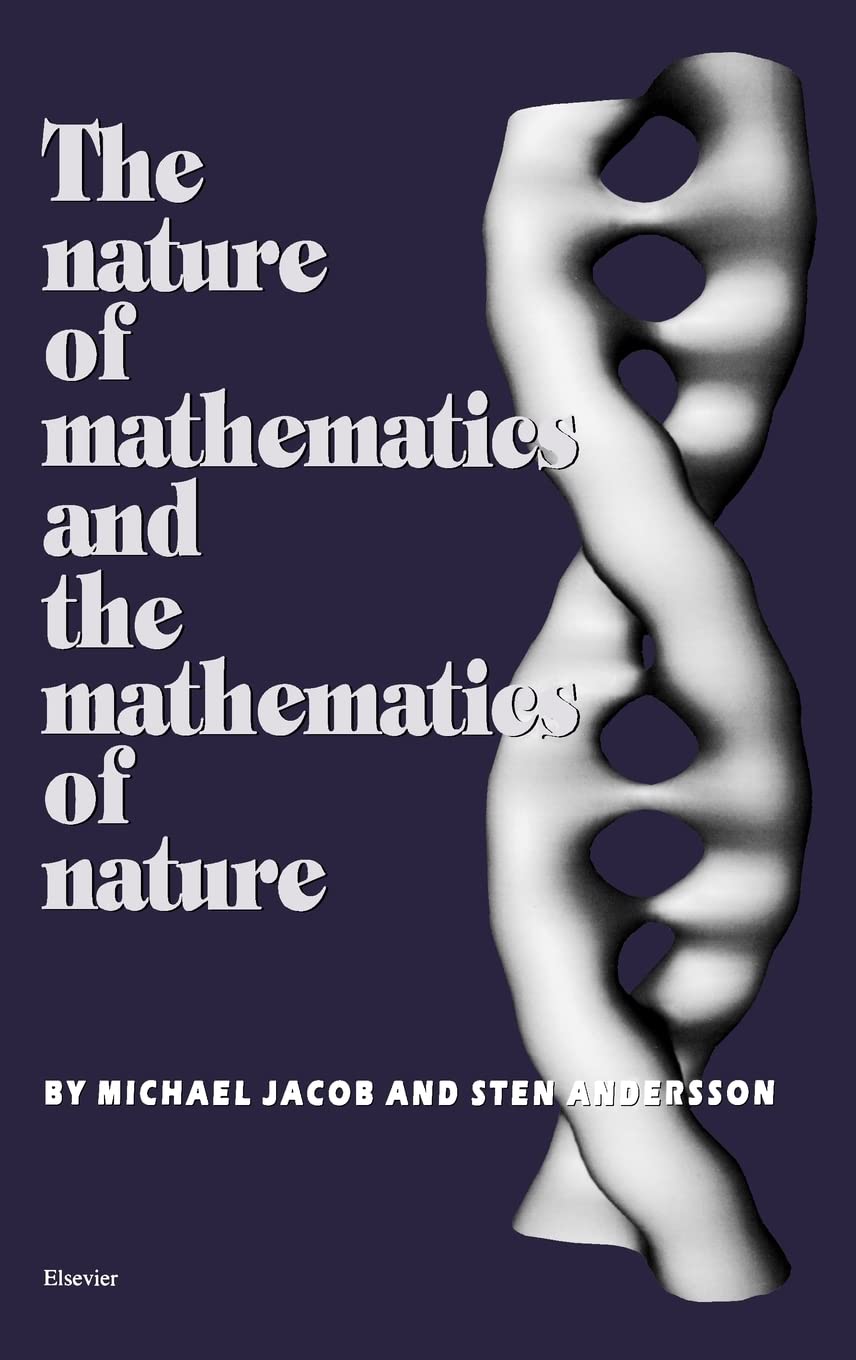
The Nature of Mathematics and the Mathematics of Nature by S. Andersson – Mathematics & Science

Science & Mathematics
Linear Algebra | by Stephen Friedberg | Arnold Insel | Lawrence Spence | Pearson | by Stephen Friedberg | Arnold Insel | Lawrence Spence | Pearson | by Stephen Friedberg | Arnold Insel | Lawrence Spence | Pearson | by Stephen Friedberg | Arnold Insel | Lawrence Spence | Pearson | by Stephen Friedberg | Arnold Insel | Lawrence Spence | Pearson | by Stephen Friedberg | Arnold Insel | Lawrence Spence | Pearson | by Stephen Friedberg | Arnold Insel | Lawrence Spence | Pearson | by Stephen Friedberg
Science & Mathematics